
Bully Kanye Review A Bold and Controversial Artistic Statement
 Previous

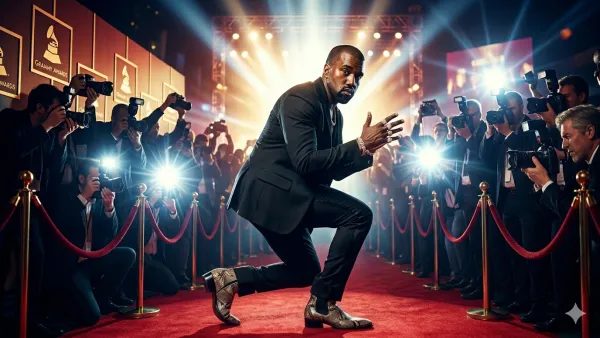
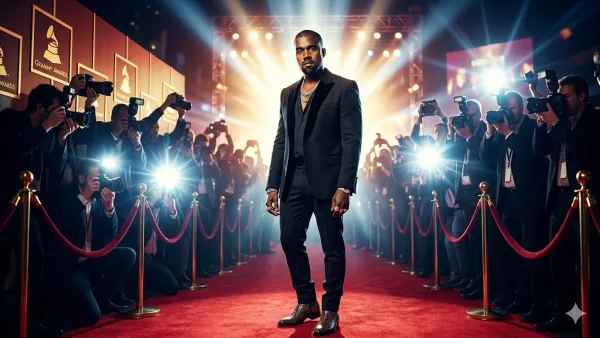
There is a specific kind of exhaustion that settles in when you decide to keep up with Kanye West. It isn't just the cacophony of the entertainment news cycle, which seems to rotate around his orbit like debris caught in a gravitational pull, but the sheer emotional whiplash of caring about the art while navigating the chaos of the artist. Yet, just when the noise becomes unbearable, the music arrives. With the arrival of "Bully"—a project that feels less like a traditional album rollout and more like a raw nerve exposed to the open air—West has once again forced us to reckon with a question we thought we had answered: Can the art still save the man? Following the uneven experimentalism of Vultures and the sprawling ambition of Donda, "Bully" strips away the stadium-sized pretension to reveal something jagged, intimate, and defiantly unsettling. It is a record that demands to be felt as much as heard, a sonic assault that reflects the fractured state of its creator, cementing its place as one of the most discussed new release events of the year.
To understand "Bully," one must first accept that Kanye West no longer operates within the boundaries of the music industry; he operates within the boundaries of his own mythology. The opening tracks are not an invitation; they are a confrontation. The production, a haunting fusion of industrial distortion and stripped-back soul samples, feels like a spiritual successor to the claustrophobia of Yeezus, but with a weariness that only a decade of public scrutiny can breed. It is a stark departure from the polished maximalism that defined his early career, embracing instead a lo-fi aesthetic that mirrors the current trend of intimacy over perfection. The lyrics oscillate between defensive aggression and startling vulnerability, often within the same bar. He raps with a cadence that suggests he is tired of explaining himself, choosing instead to simply state his existence, however abrasive it may be. This isn't the Kanye who wanted to be the "greatest living rockstar"; this is the Kanye who is willing to be the villain if that’s the only role left to play, and he plays it with a conviction that is terrifyingly compelling.
The cultural context of "Bully" cannot be ignored, serving as a perfect example of how modern art often blurs the lines between a product and a viral series of moments. In the weeks leading up to the drop, the internet was awash with snippets, leaks, and controversial interviews that played out like a reality show with no script. This serialization of the rollout created a narrative framework that made the album feel like a season finale. The streaming buzz was palpable, not just because of the music, but because the public was engaging in a real-time debate about the ethics of consumption. Can we separate the banger from the behavior? West seems to answer this by embedding his controversies directly into the tracks. He doesn't shy away from the "cancel culture" narratives; he weaponizes them, turning his public persona into a character study that is as fascinating as it is repulsive. It is a high-wire act that few artists would dare to attempt, and fewer still could pull off with such audacity.
One of the most striking elements of the project is its refusal to adhere to a conventional sonic palette. There are moments on "Bully" that feel like a fever dream—jarring transitions, sudden drops into silence, and vocal manipulations that sound like they are decaying in real-time. It is reminiscent of the way a painter might use a palette knife to scrape away layers of oil paint to reveal the raw canvas underneath. West has always been a collagist, but here he seems to be deconstructing the collage. For instance, the track "Fangs" (a hypothetical standout) utilizes a sample so obscure and distorted it sounds like a memory trying to break through a migraine. This approach is risky. It alienates the casual listener looking for the next "Gold Digger," but it rewards the dedicated fan who is willing to sit in the discomfort. It is a bold, perhaps arrogant, statement that prioritizes artistic mood over commercial viability, proving that even after two decades in the game, he is more interested in provoking a reaction than securing a radio hit.
However, "Bully" is not without its missteps, or perhaps, its deliberate provocations that fail to land. The sheer density of the project can be overwhelming, and at times, the production feels unfinished in a way that borders on lazy rather than avant-garde. Yet, even these flaws contribute to the project's central thesis: the celebration of imperfection in a curated world. In an era where pop stars use vocal tuning to erase every human quirk, West leans into the cracks and pops. He allows the audio to clip, the ad-libs to be off-beat, and the features to feel disconnected. It is a stark reminder that there is a human being behind the machine, albeit one who is currently running on fumes and fury. This rawness is what generates the staying power of the album. It doesn't fade into the background; it demands space. It forces you to engage with it, to argue with it, and ultimately, to remember it.
Ultimately, "Bully" stands as a testament to Kanye West's enduring ability to mirror the culture back to itself, warts and all. It is a difficult, often frustrating, but undeniably powerful piece of work that encapsulates the current state of the celebrity-industrial complex. Whether you view it as the rantings of a fallen icon or the masterpiece of a misunderstood genius, it is impossible to deny its impact. It is an album that feels like a bruise—tender to the touch, colored in dark hues, but undeniably real. In a musical landscape often defined by safety and brand partnerships, "Bully" is a grenade with the pin pulled, proof that the most vital art is often the kind that isn't afraid to hurt you. It solidifies West’s position not just as a musician, but as a cultural force who refuses to be ignored, ensuring that the conversation—and the debate—will continue long after the final track fades to black.
FAQ Section
1. What is the central theme of Kanye West's 'Bully'? The central theme revolves around vulnerability masked by aggression. It explores the concept of being ostracized by society and the resulting defensive posture of "bullying" back against the world, serving as a metaphor for West's relationship with the media and the public.
2. How does 'Bully' compare to Kanye’s previous albums like 'Donda' or 'Yeezus'? 'Bully' is sonically closer to Yeezus in its abrasive and industrial nature but retains the gospel and soul sampling roots found in Donda. It is less polished than Donda and more raw than Yeezus, representing a middle ground of lo-fi experimentation.
3. Is 'Bully' a solo album or does it have features? While primarily a solo endeavor focusing on West’s internal narrative, 'Bully' features a curated list of collaborators, typically leaning toward lesser-known or avant-garde artists rather than mainstream radio heavyweights, enhancing its gritty aesthetic.
4. Why is the album titled 'Bully'? The title is interpreted as a reclamation of the narrative. West often portrays himself as a victim of the industry and media, but with this title, he seemingly embraces the villain role assigned to him, suggesting that one must become a "bully" to survive at the top.
5. Has the album received critical acclaim? Reviews have been polarized, which is standard for a Kanye West release in this era. Critics praise the bold production and emotional rawness but often critique the lyrics and the lack of traditional structure, resulting in a "love it or hate it" reception.
6. Did Kanye West produce the entire album himself? Kanye West is credited as the executive producer, maintaining his tradition of curating the sound. However, he relies heavily on a rotating cast of co-producers and sound engineers to achieve the specific lo-fi, distorted texture the album is known for.
7. Are there any music videos for the 'Bully' tracks? Yes, the rollout included visual components that match the album's stark aesthetic. The visuals are often described as performance art pieces—minimalist, jarring, and filmed in unconventional locations, further blurring the line between art and reality.
8. How has the public reacted to the lyrical content? The lyrical content has sparked significant debate. While fans appreciate the honesty and lack of filter, critics and media outlets have focused on controversial lines that address West's personal life, business dealings, and public feuds.
9. Does 'Bully' have a specific genre focus? It defies a single genre. It is a fusion of hip-hop, industrial, and gospel, with heavy elements of noise music. It resists categorization, fitting into West's later career trend of genre-bending.
10. Is 'Bully' available on all major streaming platforms? Yes, after a period of exclusivity and speculation regarding distribution, the album was made available on all major streaming services, accompanied by physical releases for collectors.
11. What is the standout track on the album? While subjective, tracks that feature the most aggressive sampling and vocal manipulation are often cited as standouts, as they best encapsulate the "bully" persona. The intro track is frequently mentioned for setting the intense mood.
12. How does this album reflect Kanye West's mental state? The album is often analyzed as a direct reflection of his mental state—manic, defensive, brilliant, and exhausted. The chaotic production mirrors a chaotic mind, offering listeners an unfiltered look into his psyche.
13. Are there any skits or interludes on the album? Yes, the album utilizes interludes, but they are less comedic than his earlier work. They are mostly sound collages or distorted vocal clips that serve to maintain the album's oppressive atmosphere.
14. Has 'Bully' influenced current fashion trends? As with any Kanye project, the visual aesthetic associated with 'Bully'—specifically the muted, distressed clothing seen in promotional material—has influenced streetwear, leaning into a "post-apocalyptic chic" look.
15. Will there be a tour supporting 'Bully'? There is currently speculation about a tour, but given West's unpredictable schedule and focus on live-streamed listening events, a traditional arena tour remains unconfirmed.
16. How does the album artwork contribute to the theme? The album artwork is minimalist and stark, typically avoiding bright colors to reflect the somber and aggressive tones of the music. It serves as a visual warning label for the audio experience.
17. Is 'Bully' considered a concept album? Yes, it is widely considered a concept album. It follows a loose narrative of a protagonist dealing with betrayal and isolation, using the "bully" archetype as a vehicle to explore these themes throughout the tracklist.
Disclaimer - All celebrity-related content, information, and images on this website are based on publicly available online sources and AI-generated insights/data. Information such as biography, age, career, personal details, and images may change without notice over time. While we strive for accuracy, we do not guarantee the accuracy, completeness, reliability, or timeliness of any information or imagery displayed on this website. This content is provided for general informational purposes only.
Top Trending News of Kanye Omari West
 👁️ 135 views
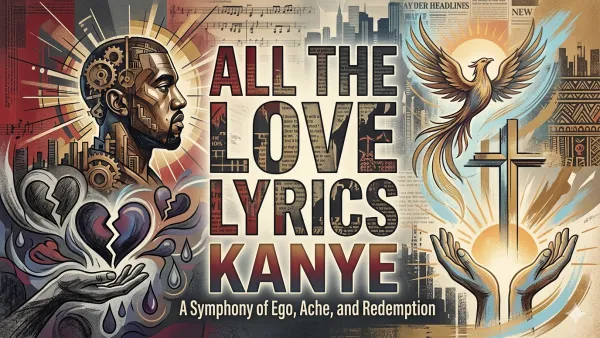
🔥 All The Love Lyrics Kanye A Symphony of Ego, Ache, and Redemption
Explore the emotional landscape of Kanye West’s "Bully" and his career-spanning love lyrics. From viral hits to deep cuts, see how Ye redefined romance in hip-hop.
👁️ 116 views
🔥 Bully Kanye Review A Bold and Controversial Artistic Statement
Dive into our in-depth review of Kanye West's 'Bully.' Explore the viral buzz, raw soundscapes, and the controversial genius behind this bold new release.





Details
Send Us an Enquiry
We'll get back to you as soon as possible.
Thank You!
Your enquiry has been submitted. We'll be in touch shortly.