
Florida's Disaster Czar Fires Back at FEMA: 'We've Seen More Money in 6 Weeks Than 16 Months'
 Previous

The Guthrie Doctrine: Speed, Money, and a Grudge Against Washington
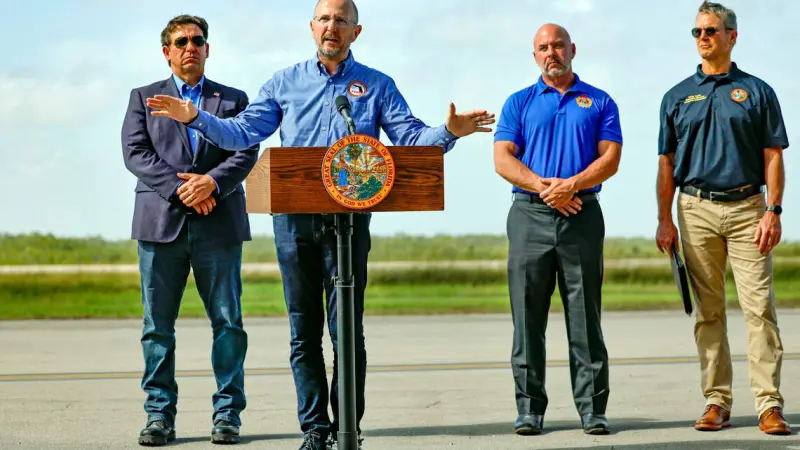
Florida's top disaster boss, Kevin Guthrie, is not holding back. With hurricane season bearing down, the executive director of the Florida Division of Emergency Management (DEM) is pulling back the curtain on a bureaucratic nightmare that has left the state waiting months for federal cash. 'We’ve seen more money move in the last six weeks than we saw in the last 16 months,' Guthrie told reporters, his voice crackling with frustration. The villain of the piece? The Federal Emergency Management Agency (FEMA)—and the political games that brought it to its knees.
The FEMA Fiasco: How Red Tape Nearly Broke Florida's Back
Two years ago, FEMA quietly rewrote the rulebook. The changes slowed down the entire funding pipeline, forcing states to jump through hoops to request billions in disaster aid. Then came the congressional budget standoff, which shuttered parts of the U.S. Department of Homeland Security (DHS) for weeks. 'Nobody in emergency management—Republican or Democrat—expected DHS to enact those policy regulations,' Guthrie said, his tone a mix of incredulity and rage. The result? A backlog of payouts that left Florida's hurricane-battered towns hanging.
But Guthrie isn't the type to take a punch lying down. He joined the federal FEMA Review Council, where he and other state leaders hammered out a list of reforms. Enter Markwayne Mullin, the newly confirmed DHS secretary, who took office in late March and immediately started slashing red tape. 'The changes have been like turning on a fire hose,' Guthrie said, allowing himself a rare smile.
The Quiet Season That Could Still Scream
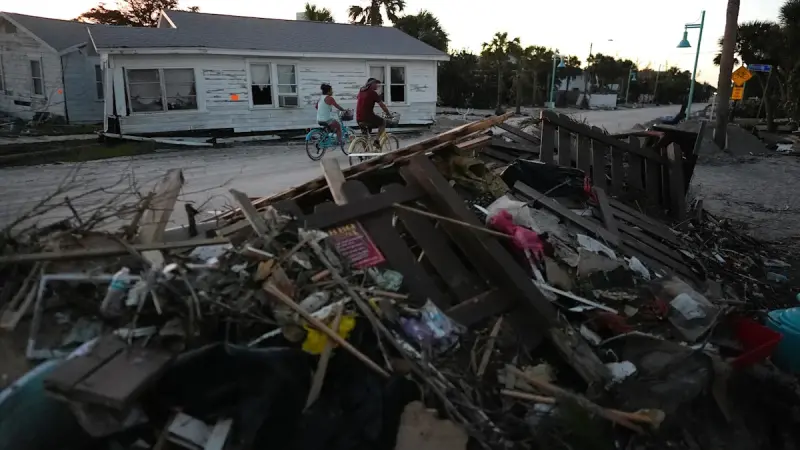
This year, Mother Nature might be giving Florida a break. NOAA predicts a below-average hurricane season, thanks in part to El Niño—a Pacific weather pattern that usually shears the tops off storms before they strengthen. But Guthrie knows better than to trust a quiet forecast. 'One storm can change everything,' he warned, pointing to Hurricane Irma in 2017, which knocked out power to over half the state. For a state whose economy runs on tourism, every hour of darkness hits the bottom line like a Category 5.
Rural Reckoning: The Unseen Victims
Florida's wealth isn't just in its gleaming beachfronts. Inland, poor rural counties have been hammered by storms like Hurricane Michael (2018), which tore through the Panhandle with 162 mph winds. State Senator Corey Simon (R-Tallahassee) reassured small towns that the legislature has created new funding options for 'fiscally constrained' areas. 'That funding will always be there,' Simon promised. But experts question whether the pace is fast enough for communities that were already struggling before the winds howled.
Wilton Simpson: The Farmer Who Refuses to Back Down
Agriculture Commissioner Wilton Simpson is overseeing another front of this war. His department helps farmers navigate state and federal aid—but after five years of hurricanes, freezes, and now a brutal wildfire season (136,000 acres burned), some small- and medium-size farms are cracking. 'It seems like just when you get back on your feet, something knocks you down,' Simpson said, his voice weary. He's not just talking the talk: On his own egg farm in rural Pasco County, Simpson has planted barriers and buried powerlines. 'We have to recover quickly,' he said, 'and that’s the key.'
Farmers, the unsung heroes of Florida's economy, have become the new poster children for resilience. Many are now investing in stronger infrastructure, hoping to survive another season. Simpson's agency also fought the wildfires that scorched drought-stricken lands, even as it prepared for hurricane season. It's a dance with disaster that never ends.
The Human Element: Drama in the Sunshine State
Behind the policy jargon and press releases, real people are losing hope. Guthrie understands the stakes: 'This is about time and the value of money. The longer it takes for infrastructure to be up and running, the longer it's going to cost down the road.' He's seen the exhaustion in local officials' eyes, the frustration of families waiting to rebuild. The drama isn't just in Tallahassee's marble halls—it's in the boarded-up windows of Panama City and the parched farmland of the Panhandle.
But Guthrie insists his agency is just one piece of a bigger machine. 'This is a team effort,' he said, noting that the state fire service led wildfire response, and the Department of Health handled COVID-19. In disaster, there's always a lead agency—and always a scapegoat. For now, FEMA is wearing the crown.
What's Next: A Showdown Over Speed
With the new DHS reforms, Guthrie believes the bottleneck has been broken. But he's not celebrating yet. Hurricane season runs from June 1 to November 30, and one twitch of the Atlantic could redirect the entire narrative. Will the federal money flow fast enough? Will rural counties be left behind? And can Florida's celebrity disaster czar keep his cool when the next storm hits?
Kevin Guthrie is betting yes. But he's been wrong before.
Disclaimer - All celebrity-related content, information, and images on this website are based on publicly available online sources and AI-generated insights/data. Information such as biography, age, career, personal details, and images may change without notice over time. While we strive for accuracy, we do not guarantee the accuracy, completeness, reliability, or timeliness of any information or imagery displayed on this website. This content is provided for general informational purposes only.
Iconic Photos of Kevin Guthrie




Top Trending News of Kevin Guthrie
👁️ 20 views
🔥 Florida's Disaster Czar Fires Back at FEMA: 'We've Seen More Money in 6 Weeks Than 16 Months'
Florida emergency chief Kevin Guthrie slams FEMA funding delays, reveals new DHS reforms, and prepares for hurricane season. Exclusive drama from the frontlines of disaster recovery.
 👁️ 20 views
🔥 Alligator Alcatraz Drama: Florida’s Emergency Chief Says Detention Center Still Open, Blasts Feds Over Hurricane Relocation Claim
Florida emergency director Kevin Guthrie reveals Alligator Alcatraz remains operational despite ICE's hurricane relocation statement. Exclusive details on state-federal clash.









Details
Send Us an Enquiry
We'll get back to you as soon as possible.
Thank You!
Your enquiry has been submitted. We'll be in touch shortly.