
Kevin McNally’s Fiery Anti-Racism Rally Speech Stuns Thousands: ‘This Is the Decency of Northern Ireland’
 Previous

A Thunderous Call for Humanity
In a scene that could have been ripped from a political thriller, Workers Party representative Kevin McNally stepped to the podium and ignited the crowd at the Anti-Racism Rally. His voice, steady yet charged with moral fury, declared that the thousands of souls packed into the streets of Belfast and Derry were living proof of Northern Ireland’s deep reservoir of decency, humanity, and dignity. The atmosphere was electric—a sea of handmade signs, chants, and raw emotion under the gray Northern Irish sky.
The event, which drew families, students, trade unionists, and lifelong activists, was far more than a routine protest. It was a defiant stand against the rising tide of far-right extremism that has terrorized ethnic minority communities across the region. McNally, a seasoned orator with a reputation for blunt honesty, did not mince words. He spoke of a region at a crossroads—one path leading toward unity and tolerance, the other toward the flames of hatred.
Who Is Kevin McNally? The Man Behind the Microphone
Kevin McNally is no stranger to the front lines of political struggle. A stalwart of the Workers Party—a left-wing organization with roots in the Irish republican movement—McNally has spent decades fighting for social justice, workers’ rights, and anti-sectarian unity. His journey from community organizer to public speaker has been marked by a relentless commitment to challenging racism, xenophobia, and the violent legacy of Northern Ireland’s troubled past.
In recent years, McNally has become a vocal critic of both loyalist paramilitaries and far-right agitators who exploit sectarian divisions to stoke fear. His speech at the rally cemented his status as a moral compass for a region searching for a way out of the shadow of bigotry. “I am proud of my comrades who stood shoulder to shoulder here today,” he said, his voice rising above the cheers. “We demand zero tolerance for racial, religious, and all forms of hate crimes that have festered for far too long.”
The Rally: A Sea of Resistance
The Anti-Racism Rally unfolded across multiple cities simultaneously—a coordinated explosion of public outrage. In Belfast, the crowd spilled from the city hall steps down into the main arteries of the city, while in Derry, similar scenes played out along the historic walls. Witnesses described an atmosphere of quiet determination, broken only by occasional outbursts of solidarity chants like “No to racism! Yes to unity!”
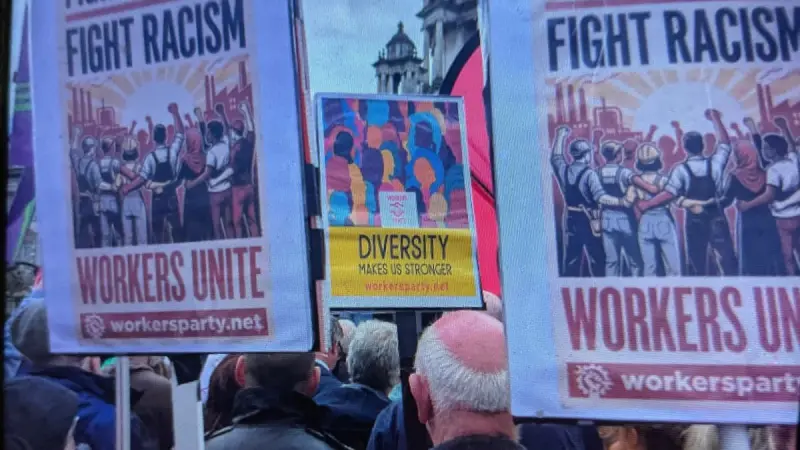
The Workers Party had mobilized its entire grassroots network, plastering posters calling on workers to unite against fascism. The imagery was stark: bold red and black graphics, fists raised, and slogans demanding action. McNally, flanked by local activists and union leaders, became the human face of a movement that refuses to be silent.
The Ugly Underbelly: Far-Right Networks and Paramilitary Gangs
But the rally wasn’t just about celebration—it was a response to a terrifying escalation. In the weeks leading up to the event, Northern Ireland had seen a spate of violent incidents targeting ethnic minorities. Homes were set ablaze, families intimidated, and neighborhoods turned into battlegrounds. The far right, emboldened by networks stretching from Britain across Ireland, began coordinating their efforts to stir hatred against communities of color.
McNally highlighted a particularly disturbing figure: a self-proclaimed Nazi who has proudly expanded his list of targets to include communists, trade unionists, and journalists. “If you think the Nazis are only coming for the immigrants, you are dead wrong,” he warned. “They are coming for all of us—and we must stop them before it’s too late.”
The rally’s organizers also drew attention to the role of loyalist paramilitary groups. Evidence has emerged that these organizations are actively directing children to riot and attack ethnic minorities. One insider told the crowd that “taxpayers are footing the bill for this mayhem and hate fest.” The message was clear: the violence is not spontaneous; it is orchestrated by criminals and sectarian killers who hide behind flags and false narratives.
Beyond Racism: The Rise of Sectarianism, Misogyny, and Xenophobia
The Workers Party statement, released alongside the rally, warned that racism is not the only poison spreading through Northern Irish society. “Sectarianism, misogyny, and xenophobia have all raised their ugly heads again,” the document read. The party pointed to a worrying trend: far-right figures are now focusing on multiple fronts, attacking not just immigrants but also women’s rights advocates, LGBTQ+ activists, and left-wing organizers.
McNally argued that these forces feed off each other. The same gangs that firebombed a Romanian family’s home last month are also threatening reporters who try to expose them. “The far right in Northern Ireland are delighted to oblige the wider British and Irish far-right networks,” he said. “They are burning down their own communities in the process.”
Key Demands from the Rally
- Zero tolerance for hate crimes across racial, religious, and other grounds
- Immediate police action against paramilitary involvement in youth recruitment for violence
- A unified front among politicians, civic leaders, and law enforcement to dismantle far-right networks
- Protection for journalists, trade unionists, and activists targeted by extremist groups
The Historic Context: A Region’s Painful Legacy
Northern Ireland’s struggle with identity-based hatred is deep-rooted. The Troubles—a three-decade conflict that claimed over 3,500 lives—left the region scarred by sectarian violence between republican and loyalist paramilitaries. While the 1998 Good Friday Agreement brought a fragile peace, the underlying animosities never fully disappeared. Today, far-right radicals are exploiting those fault lines, targeting newcomers as scapegoats for economic anxiety and political frustration.
The Workers Party, with its Marxist analysis and commitment to class unity, offers a counter-narrative. They argue that only by transcending sectarian divisions and uniting across all ethnic and social lines can Northern Ireland truly heal. McNally’s speech was rooted in that belief: “These people gathered in their thousands are indicative of the decency, humanity, and dignity across Northern Ireland,” he repeated, driving the point home like a drumbeat.
What Comes Next? The Fight Isn’t Over
The rally may have ended, but the battle is far from finished. McNally and the Workers Party have called for sustained action: community watch programs, educational campaigns, and legislative pressure to strengthen hate crime laws. They have also demanded that political leaders stop paying lip service to tolerance and start cutting funding and support for organizations with ties to paramilitaries.
Meanwhile, the far right continues to skulk in the shadows, posting threats online and plotting their next move. But for one day, in the streets of Belfast and Derry, the forces of decency took center stage. Kevin McNally—a man who has seen the worst of what hatred can do—stood before thousands and dared them to believe that a better world is possible. “Let this be the beginning of the end,” he said, his voice almost lost in the roar of the crowd. “Not just for racism, but for all forms of hate that divide us.”
Disclaimer - All celebrity-related content, information, and images on this website are based on publicly available online sources and AI-generated insights/data. Information such as biography, age, career, personal details, and images may change without notice over time. While we strive for accuracy, we do not guarantee the accuracy, completeness, reliability, or timeliness of any information or imagery displayed on this website. This content is provided for general informational purposes only.
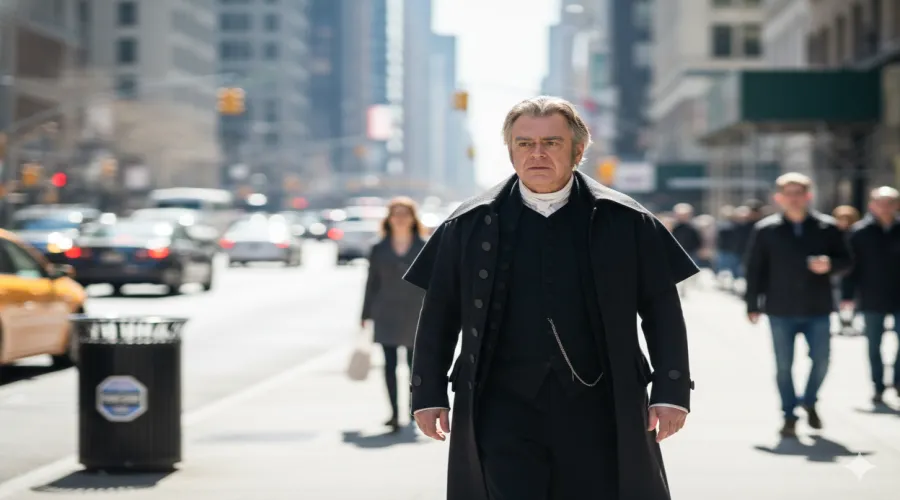
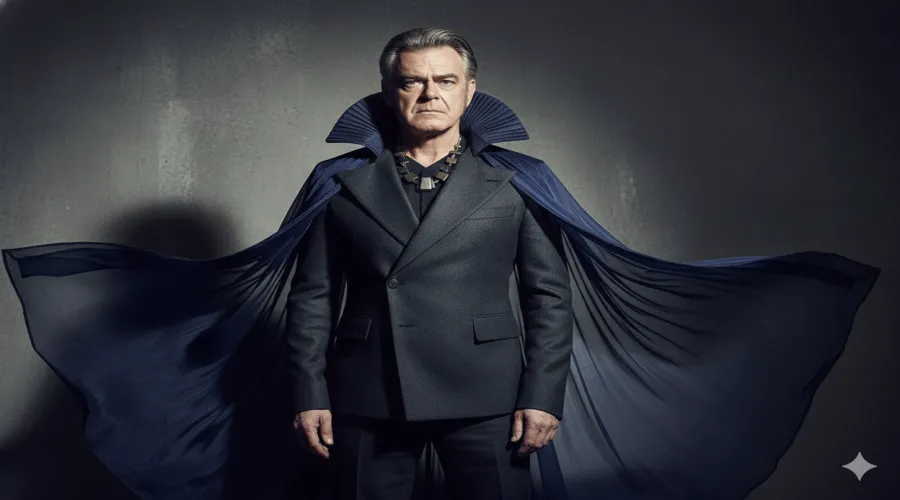
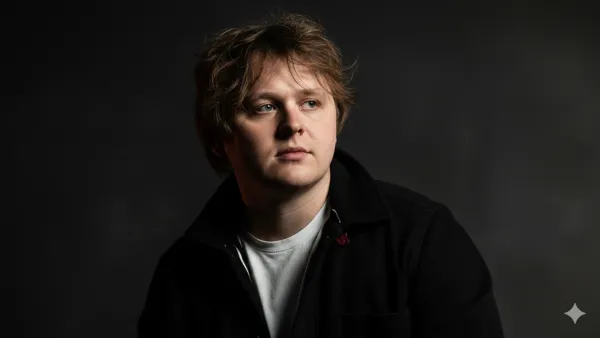
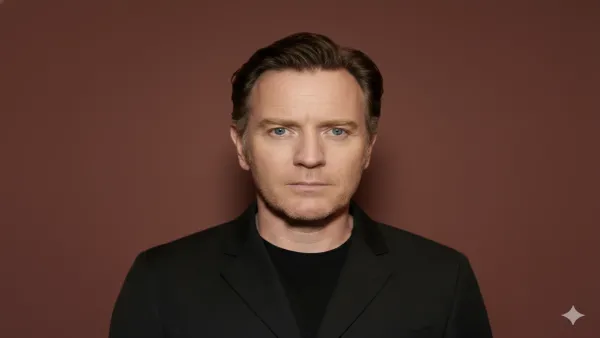
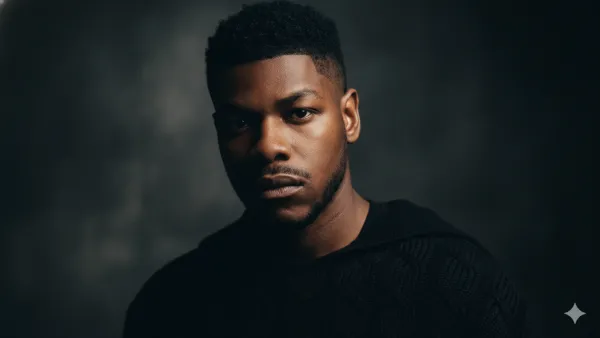
Iconic Photos of Kevin McNally
Top Trending News of Kevin McNally
 👁️ 93 views
🔥 Clough Trustee McNally Adds Shares: Insider Purchase News
Clough Global Equity Fund trustee Kevin McNally boosts his holdings with a $5,135 share purchase.
 👁️ 87 views
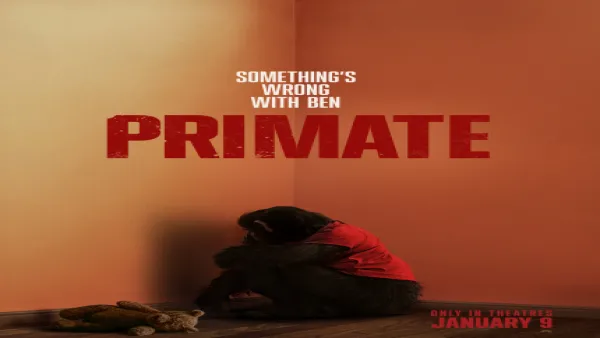
🔥 PRIMATE Review: Cast, Story & Brutal Horror Verdict
PRIMATE is a fast-paced creature horror packed with violence and tension. Read our full review, cast details, and final verdict.






Details
Send Us an Enquiry
We'll get back to you as soon as possible.
Thank You!
Your enquiry has been submitted. We'll be in touch shortly.