
The Sweetest Poison: Netflix’s Forbidden Fruits Explained – Plot, Ending & Cast Secrets

 Previous

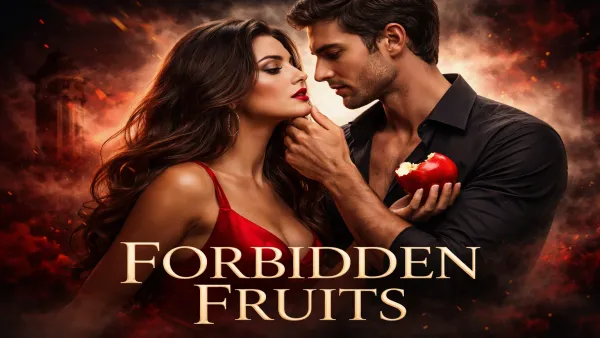
What if the people you trust most are the very ones brewing your destruction in a mall basement?
Imagine walking into a high-end clothing store, lured by the glitter of "Free Eden," only to realize the salesgirls aren't just selling clothes—they’re harvesting souls. Netflix’s latest genre-bending sensation, Forbidden Fruits, is a neon-soaked nightmare that proves some secrets are too toxic to keep buried. It’s a film that leaves you asking: Is sisterhood a sanctuary, or is it a cult?
A Neon-Noir Ritual
Forbidden Fruits (often searched as Forbidden Fruit) is a 2026 dark comedic horror-thriller that feels like The Craft met Mean Girls and had a bloody fallout in a Dallas shopping mall. Directed by Meredith Alloway, the film centers on a trio of "mall royalty"—Apple, Cherry, and Fig—who run a secret witch coven out of the basement of their boutique.
The movie stands out because of its surreal aesthetic. It takes the mundanity of "mall culture" and twists it into something ancient and terrifying. It’s not just a movie about witches; it’s an indictment of "performative sisterhood" and the lengths people go to for a sense of belonging. The film explores the toxic undercurrents of female friendships when they are weaponized by a charismatic, narcissistic leader.
Why Everyone Is Talking About It: The Viral Fever
The digital buzz surrounding Forbidden Fruits has been deafening. From TikTok theories to high-brow critical debates, here’s why it’s viral:
-
The Escalator Scene: A brutal, heart-stopping moment involving a malfunctioning escalator that has become the "water cooler" topic of the month. It's a masterclass in tension, using a mundane piece of technology as a weapon of sheer terror.
-
The #AppleIsDangerous Trend: Fans are dissecting Lili Reinhart’s chilling performance as a leader whose "girl power" rhetoric hides a murderous streak. Users are sharing clips of her micro-expressions that hint at her psychopathy long before the blood starts spilling.
-
A "Galling" Post-Credits Scene: The final reveal involving an undercover detective has sparked thousands of "Ending Explained" searches. It reframes the entire movie as a cat-and-mouse game we didn't know was being played.
-
Emma Chamberlain’s Debut: The internet’s favorite influencer makes a haunting acting debut as Pickle, the coven’s tragic former member. Her performance has silenced critics who doubted her transition from YouTube to the silver screen.
-
The "Vaporwave Horror" Aesthetic: The film’s look—all neon pinks, turquoise shadows, and distorted mall music—has inspired an entire subculture of "Mall-Goth" fashion revivals on social media.
Deep Dive into the "Fruits": The Mistakes That Lead to Mayhem
The film’s tension is built on three major "mistakes" or transgressions that escalate from social faux pas to fatal crimes. Each "fruit" in the group represents a different facet of the human psyche pushed to the brink.
The Initiation of Pumpkin: The Mistake of Trust
When the food court "sample girl" Pumpkin (Lola Tung) is invited into the group, she makes the mistake of thinking this is about friendship. The ritual—involving fruit juice, blood, and "confessions" to a shrine of Marilyn Monroe—is the first red flag. It’s a psychological trap: once you share your darkest secret, you are no longer a friend; you are a hostage. Pumpkin’s journey is the audience's window into this madness; her curiosity becomes our curse as we realize, along with her, that the exit doors are locked.
The Hex on Pickle: The Mistake of Individuality
We eventually learn about "Pickle," the girl who came before Pumpkin. Her mistake? Falling in love with a man. In Apple’s world, "boys are forbidden" because they represent a loss of control for her. The coven placed a hex on her boyfriend, leaving him in a coma and Pickle in an asylum. This backstory builds a suffocating sense of dread—every viewer knows that Pumpkin is walking the same path. It highlights the theme of enforced isolation, a classic tactic used by cult leaders to ensure total loyalty.
The "Interloper" Paranoia: The Mistake of Suspicion
As a tornado warning traps the girls inside the mall, the group’s biggest mistake is turning on each other. Paranoia sets in: who is the "interloper" reporting their secrets? The psychological warfare is more devastating than any physical threat, leading to a climax where "sisterhood" literally results in a bloodbath. When the lights go out and the mall becomes a cavernous labyrinth, the girls realize that the monster isn't outside in the storm—it’s standing right next to them in the dark.
The Psychological Angle: Why We Are Addicted to the Dark
Why can’t we stop watching Forbidden Fruits? Psychologically, the film taps into our Fear of Exclusion. Humans are evolutionary wired to want to belong to the "in-group." The movie exploits this by showing how the desire for status can blind us to extreme danger.
-
The Sunk Cost Fallacy: We see Cherry and Fig continue to follow Apple because they have already invested so much of their identity and committed so many sins for her. To stop now would mean admitting they are monsters.
-
The Charismatic Predator: Lili Reinhart's Apple is a perfect study of the "Dark Triad" of personality: narcissism, Machiavellianism, and psychopathy. We are drawn to her because she is confident and seemingly perfect, but we stay because we want to see the mask slip.
-
The Catharsis of Chaos: Watching a "perfect" social structure crumble provides a dark release for viewers who feel the pressures of modern social media perfection. It is a safe way for the audience to explore the dark side of ambition and the terrifying reality of social manipulation.
What Makes It Binge-Worthy: A Feast for the Senses
-
Cinematic Quality: The film is aggressively colorful. The "Free Eden" store is a pastel paradise that masks the grime and blood of the basement rituals. The cinematography uses wide shots of the empty mall to create a sense of agoraphobia—you’re in a massive space, but there’s no way out.
-
The Unreliable Leader: Apple’s use of modern buzzwords and "off-brand Barbie" iconography makes her a uniquely modern, terrifying villain. She weaponizes empathy and "wellness" to manipulate her followers.
-
Cliffhanger Pacing: Even as a standalone film, the narrative shifts from comedy to horror so abruptly that it keeps your adrenaline spiked. Every time you think you understand the "rules" of the coven, Apple changes them.
-
Character Depth: Victoria Pedretti (Cherry) and Alexandra Shipp (Fig) bring a tragic vulnerability to their roles. They aren't just minions; they are victims who have been convinced they are perpetrators.
-
The Soundtrack: The use of distorted 80s pop hits and eerie synth drones creates a "liminal space" feeling that makes the mall feel like an alternate dimension.
Detailed Plot Breakdown: The Descent Into the Basement
The film opens with a sequence that sets the tone: a montage of mall shoppers, filmed like nature documentaries, intercut with the "Fruits" preparing for their day. They aren't just selling clothes; they are selecting prey.
Act I: The Temptation
Pumpkin is an outsider, struggling to pay for college. Apple identifies this vulnerability immediately. She offers her a job, a wardrobe, and a "family." The first hour of the film is deceptively light—it feels like a glamorous makeover movie. But the cracks begin to show during the "After-Hours" party. The girls don't just drink; they perform a ritual called The Peeling, where they must confess a sin while peeling an orange without breaking the skin. If the skin breaks, the sin isn't forgiven.
Act II: The Rot
The atmosphere shifts when a storm hits. The mall is locked down. This is where the horror begins. Cherry starts to question Apple’s authority when she finds Pickle’s old diary hidden in the stockroom. The diary reveals that Apple didn't just hex Pickle's boyfriend; she actively poisoned him. As Cherry tries to escape, the mall itself seems to conspire against her. This leads to the infamous escalator sequence—a scene so tense it has drawn comparisons to the best of Hitchcock and Cronenberg.
Act III: The Harvest
The final act is a descent into pure madness. Apple, sensing the group is fracturing, declares that an "interloper" is among them and that a sacrifice is needed to appease the "Mother of the Mall." The basement of "Free Eden" is revealed to be more than just a stockroom; it's a shrine filled with stolen items and remnants of former members. The confrontation between Pumpkin and Apple is a psychological chess match that turns into a physical fight for survival in the mall’s iconic central fountain.
Lessons Viewers Can Learn: The Truth Behind the Neon
Beneath the gore, Forbidden Fruits offers some chilling real-life takeaways:
-
Beware of "Golden" Promises: If a group demands total isolation from your "old life" or asks for "collateral" (secrets/money) to join, it’s not a clique; it’s a cult.
-
The Price of Silence: Fig’s refusal to speak up about Pickle’s fate or Cherry’s "disappearance" ultimately leads to her own gruesome end. Silence in the face of abuse is a form of complicity.
-
Trust Your Gut: Pumpkin’s initial instinct that "everything is not true" was her only chance at survival. The film is a powerful reminder to value intuition over social validation.
-
The Danger of Image: Apple’s power comes from her ability to curate a perfect image. The film warns us that the more "perfect" something appears on the surface, the more likely it is to be rotten underneath.
Audience Reactions & Popularity: A Cultural Phenomenon
The reviews are polarized, which only fuels the fire. Rotten Tomatoes has the film at 72%, with critics calling it a "campy coven worth hanging out with." However, the "Audience Score" is a wild 91%, showing that the film has hit a nerve with the general public.
On social media, the reaction is more visceral. "I’ll never look at a mall fountain the same way again," one viral tweet reads. Another fan wrote, "Lili Reinhart just gave us the Patrick Bateman of the TikTok generation." The film has hit a nerve with Gen Z and Millennials by satirizing the very "aesthetic" and "girl-boss" culture they grew up with, turning the mall—a place of nostalgia—into a place of nightmares.
Final Verdict: Worth the Watch?
The Verdict: A Must-Watch for Thriller Fans.
If you want a movie that is stylish, disturbing, and deeply cynical, Forbidden Fruits is your top pick. It is not for the faint of heart—the violence in the final act is "gnarly" and the psychological cruelty is even worse—but for those who love a psychological puzzle with a side of horror, it’s a masterpiece.
Watch it if: You love Mean Girls but wish it had a body count. If you enjoy movies that leave you thinking for days and you don't mind a "bad guy" who is incredibly competent and scary. Skip it if: You are squeamish about escalators, mall settings, or stories where the "good guys" have to suffer significantly. This is a dark ride from start to finish.
The Cast: Meet the Fruits of Eden
The casting of Forbidden Fruits is one of its strongest pillars. The chemistry between the leads is electric, making the eventual betrayal even more painful.
-
Lili Reinhart (Apple): Moving away from her Riverdale persona, Reinhart delivers a performance that is both magnetic and terrifying. She plays Apple with a cold, calculating precision that makes you believe she really could run a cult.
-
Victoria Pedretti (Cherry): Known for The Haunting of Hill House and You, Pedretti brings her signature "troubled soul" energy. She provides the emotional core of the film, representing the guilt and doubt that Apple tries to suppress in everyone else.
-
Alexandra Shipp (Fig): Shipp plays Fig as the "true believer." Her journey from loyal soldier to realization is heartbreaking to watch.
-
Lola Tung (Pumpkin): As the newcomer, Tung is perfectly cast. She manages to be both naive and incredibly resourceful, making her a protagonist you actually want to root for.
-
Emma Chamberlain (Pickle): In her limited screen time, Chamberlain leaves a massive impact. Her performance as the broken, traumatized Pickle is the ghost that haunts the entire film.
Symbolism and Hidden Meanings: Peeling the Layers
The film is rich with symbolism that rewards multiple viewings.
-
The Apple: Obviously a reference to the Garden of Eden, but notice how Apple is always seen slicing fruit rather than eating it. She provides the temptation for others but remains detached herself.
-
The Mall as a Labyrinth: The endless corridors and repetitive storefronts represent the "consumerist trap." Once you enter Apple’s world, you are just another product to be managed.
-
The Mirrors: "Free Eden" is filled with mirrors. In almost every scene, you can see a character’s reflection. This emphasizes the theme of the "double life" and the fractured self.
-
Water vs. Blood: The mall fountain starts the film as a place of beauty and light, but by the end, it becomes a dark, stagnant pool—symbolizing the corruption of the girls' spirits.
The Ending Explained: What Really Happened?
The ending of Forbidden Fruits is a whirlwind of violence and revelations.
The Final Showdown
After the "sacrifice" of Fig, Pumpkin and Apple face off. Pumpkin reveals her true motive: she wasn't just a random girl from the food court. She was the half-sister of a previous victim, and she had been planning her infiltration of the coven for months. This turns the "hunter vs. prey" dynamic on its head.
The Escape and the Twist
In the ensuing fight, Pumpkin is drowned in the fountain. Apple, seemingly victorious, cleans herself up and walks out of the mall just as the emergency crews arrive. She plays the "traumatized survivor" perfectly. However, the post-credits scene shows an undercover detective, "Sharon," looking at a hidden camera feed from the stockroom. The detective has everything on tape.
The "Flower Girls" Ending
The very last scene shows Apple months later in a different city. She is walking into a new mall, approaching a group of girls. This time, she introduces herself not as Apple, but as Rose. The cycle is beginning again, suggesting that while one detective might be on her trail, her "poison" is already spreading elsewhere.
Frequently Asked Questions (FAQ)
1. Is Forbidden Fruit a movie or a series?
It is a feature-length film (approx. 105 minutes), though its fast-paced structure and deep lore have many fans wishing it were a limited series.
2. Who plays Apple in Forbidden Fruits?
Lili Reinhart stars as the chilling and controlling Apple. It is widely considered her best performance to date.
3. What is the twist at the ending?
The biggest twist is that Pumpkin was never an innocent victim; she was an infiltrator seeking revenge for her sister. However, she still loses the fight to Apple.
4. Does Apple get caught at the end?
In the film's main timeline, no. She escapes. But the post-credits scene reveals that a detective has been recording her every move, setting up a potential sequel.
5. Is Emma Chamberlain really in this movie?
Yes! She makes her acting debut as "Pickle," the former member of the coven who is now in an asylum.
6. What happens to Cherry in the mall?
Cherry becomes the victim of the "Escalator Scene." After trying to flee Apple, her clothing gets caught in the mechanism. Apple watches and does nothing as Cherry is killed by the machinery.
7. Is the movie based on a book?
It is based on the stage play “Of the woman came the beginning of sin, and through her we all die” by Lily Houghton.
8. What does "Free Eden" represent?
It’s a satirical take on the Garden of Eden—a "paradise" where everything looks beautiful, but the price of entry is a "forbidden" act.
9. Who survives the ending?
Apple is the only member of the original coven who survives. Pumpkin and the others are killed during the storm.
10. What is the meaning of the "Flower Girls" at the end?
The final scene shows Apple meeting a new group of girls named after flowers (Rose, Daisy, etc.), suggesting that Apple’s "coven" is a recurring pattern of behavior.
11. Why did they confess to Marilyn Monroe?
The coven uses Monroe as a symbol of "female martyrdom" and "perfected identity," reflecting their obsession with image over reality.
12. Was the magic real?
The film leaves this ambiguous. While the girls believe they are witches, most of the "consequences" (like the coma or the deaths) could be attributed to Apple’s manipulation and physical sabotage.
13. Where can I stream Forbidden Fruits?
As of 2026, it is available globally on Netflix.
14. Why is the movie called Forbidden Fruits?
Because all the main characters have "fruit" monikers: Apple, Cherry, Fig, and Pumpkin. It also references the original "forbidden fruit" of the Bible.
15. Is there a sequel planned?
While Netflix hasn't officially greenlit a sequel, the "Sharon" reveal and Apple’s rebranding as "Rose" suggest that the story is far from over.
The Aftermath of the Bite
Forbidden Fruits is more than just a horror movie; it’s a cultural critique wrapped in neon lights and stockroom blood. It challenges our perceptions of social media, female friendship, and the dark side of "community." By the time the credits roll, you'll be checking the stockrooms of your local mall a little more closely and questioning the motives of every "perfect" clique you see.
In the world of Forbidden Fruits, the biggest mistake isn't breaking the rules—it's thinking you can survive them. Are you ready to take a bite? Just remember: once you're in the basement of Free Eden, the only way out is through the shadows. Happy watching, and stay away from the escalators.
Disclaimer - All celebrity-related content, information, and images on this website are based on publicly available online sources and AI-generated insights/data. Information such as biography, age, career, personal details, and images may change without notice over time. While we strive for accuracy, we do not guarantee the accuracy, completeness, reliability, or timeliness of any information or imagery displayed on this website. This content is provided for general informational purposes only.
Top Trending News of Lili Pauline Reinhart
👁️ 3385 views
🔥 The Sweetest Poison: Netflix’s Forbidden Fruits Explained – Plot, Ending & Cast Secrets
An in-depth guide to Netflix’s 2026 neon-noir thriller Forbidden Fruits. This article breaks down the shocking mall-coven plot, explains the twist ending involving Pumpkin and Apple, and explores the star-studded cast including Lili Reinhart and Emma Chamberlain. Perfect for fans seeking a deep dive into the film’s psychological themes and viral moments.
 👁️ 30 views
🔥 Lili Reinhart's Personal Day: The Skincare Brand That's Disrupting the Acne Industry With Trust and Transparency
Lili Reinhart's Personal Day skincare brand has achieved $10M sales in its first year. Learn how the Riverdale star built a trustworthy, acne-safe line under $40.







Details
Send Us an Enquiry
We'll get back to you as soon as possible.
Thank You!
Your enquiry has been submitted. We'll be in touch shortly.