
Homicide New York: Latest Crime News, Cases & Investigations
 Previous

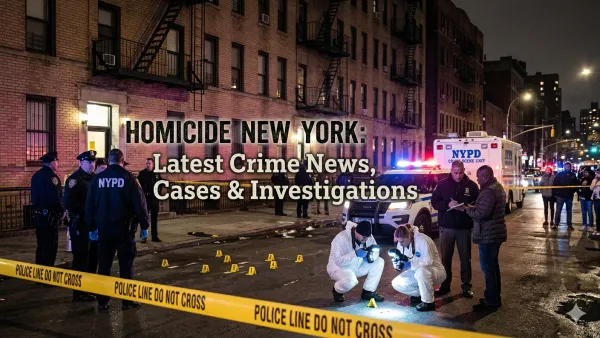
There is a specific kind of electricity that hums beneath the pavement of New York City, a vibration that has fueled countless novels, films, and nightmares for generations. It is the sound of a million stories colliding at once, but occasionally, one particular scream rises above the din. Right now, the cultural conversation in the world of entertainment news is dominated by that very sound—or rather, the investigation into it. The latest buzz in the streaming world isn’t a fictional superhero caper or a star-studded rom-com; it is "Homicide: New York," the new Netflix release that has everyone glued to their screens. It’s a viral series that peels back the glamour of the Big Apple to expose the grisly, complicated, and utterly human reality of murder investigations. If you’ve been scrolling through your social media feeds or discussing the latest trend at the water cooler, you’ve likely heard the whispers about this show. It’s not just true crime; it’s a time machine back to the era when the city was a powder keg, and the detectives trying to defuse it were the last line of defense.
What makes "Homicide: New York" such a breakout hit in the crowded landscape of streaming content is its raw, unfiltered intimacy. Directed by the acclaimed Joe Berlinger, known for his ability to find the humanity in the horrifying, the series doesn’t just recount facts; it reconstructs atmospheres. It feels less like a documentary and more like a noir thriller that you happen to be living through. The series dives deep into the case files of the NYPD’s Major Case Squad, bringing us face-to-face with some of the most notorious investigations in recent history. But it’s not just about the blood and the bodies; it’s about the intricate dance of justice. The show has sparked a massive trend on social media, with viewers dissecting every frame, every interview, and every piece of archival footage. It’s the kind of storytelling that demands your full attention, pulling you into the gray, rain-slicked streets of a bygone era while forcing you to reckon with the echoes of those cases today.
Let’s talk about the vibe of this thing. We’ve all seen a million crime procedurals, from Law & Order to CSI, where the lighting is perfect and the cases are wrapped up in a neat little bow by the top of the hour. "Homicide: New York" throws that glossy script in the trash. The visual language of the series is a love letter to the gritty, tactile reality of the 1980s and 90s NYPD. The grainy surveillance footage, the crackling audio of 911 calls, and the dimly lit interrogation rooms aren't just stylistic choices; they are characters in the story. This aesthetic choice is a huge part of the streaming buzz. Viewers are craving authenticity right now, a departure from the polished perfection of standard Hollywood fare. The series uses a technique that blends archival news clips with present-day interviews from the detectives who lived these cases. It’s a jarring, effective contrast. Seeing a retired detective, eyes weary but sharp, recounting a murder they solved thirty years ago, while cutting to footage of the crime scene as it looked the day the body was found, creates a visceral tension. It’s like watching a ghost story where the ghost is still in the room. This approach grounds the narrative in a way that feels incredibly real. You aren’t just watching actors; you are watching history be excavated. This sensory immersion is what sets the series apart in the crowded genre of true crime. It’s not just about what happened, but how it felt to be there, standing on the pavement, looking at the evidence and knowing that a life had been violently extinguished.
You cannot discuss the "Homicide: New York" series without addressing the elephant in the room: The Robert Chambers case, commonly known as the "Preppy Murder." For those unfamiliar with the tabloid frenzy of the late 1980s, this case was the O.J. Simpson trial of its time—a collision of high society, tabloid media, and brutal violence. The series devotes significant time to this investigation, and for good reason. It’s a story that perfectly encapsulates the class and racial tensions simmering beneath the surface of Manhattan. The show doesn’t just recount the timeline; it explores the cultural context. Why did this particular murder grip the nation? Because it destroyed the illusion of safety in the city’s elite circles. The details are chilling. Jennifer Levin, a young woman with her whole life ahead of her, killed in Central Park, her body discovered behind the Metropolitan Museum of Art. The killer, Robert Chambers, was a handsome, educated young man from a "good" family. The defense’s attempt to frame the tragedy as "rough sex gone wrong" sparked a national outrage that reverberates to this day. The series handles this with remarkable care, allowing the female detectives and prosecutors to take center stage in the narrative. It highlights their frustration with the media’s portrayal of the victim and the systemic biases of the era. Watching the detectives dismantle Chambers’ persona, piece by forensic piece, is one of the most satisfying arcs in the entire series. It’s a reminder that behind the headlines and the glitz of the "prep" lifestyle, there was a brutal reality that the justice system had to confront.
While the Preppy Murder might be the headline act, the series offers a deep dive into other cases that are equally compelling, showcasing the sheer diversity of the threats the NYPD faced. The episode covering the "Yoga" murder, a term that feels almost absurdly out of place in a homicide investigation, is a masterclass in police work. This case, involving the murder of Catherine Woods, a young aspiring dancer, takes us into the seedy underbelly of the city's sex work industry and the dangerous obsession of a stalker. The show does a fantastic job of humanizing the victim, moving beyond the sensationalist headlines to show a vibrant life cut tragically short. The investigation, which spanned different boroughs and required old-school shoe-leather detective work, demonstrates the tenacity of the Major Case Squad. Then there is the terrifying narrative of the East Side Strangler. If the Preppy Murder was about class and the Yoga Murder was about obsession, the East Side Strangler case is about pure, unadulterated fear. This segment of the series is particularly heavy, dealing with a serial killer who operated in the shadows for far too long. The tension here is palpable. The detectives recounting the case speak with a heavy gravity, the weight of the unsolved—and then solved—crimes evident in their voices. The series uses this case to explore the evolution of criminal profiling. We see how the police had to adapt their strategies, moving from interrogation of known associates to behavioral analysis of an unknown predator. It’s a fascinating look at the science of criminology evolving in real-time. The interviews with the forensic psychologists and the lead investigators provide a window into the mind of the killer, a place that is as frightening as it is fascinating.
If there is one element that has cemented "Homicide: New York" as a must-watch viral series, it is the detectives. These aren't actors reciting lines; they are the men and women who walked the beat, knocked on the doors, and looked the killers in the eye. The series gives them the platform they deserve. In an era where true crime often focuses on the perpetrators, creating a strange sort of celebrity for monsters, this show flips the script. It focuses on the hunters. The sheer competence of these detectives is captivating. They speak with a blunt poetry about their work, describing the "smell of death" or the "look in a suspect's eyes" with a vividness that cuts through the screen. There is a specific scene—one of those compelling anecdotes that stays with you—where a senior detective talks about the gut feeling. It’s that unexplainable moment when you know a suspect is lying, not because of the evidence, but because of a twitch, a hesitation, a tone. He compares it to a veteran conductor knowing when a single violinist is out of tune. It’s a brilliant simile that captures the artistry of investigation. These stories humanize the badge. We hear about the sleepless nights, the missed family dinners, and the nightmares that followed them home. It makes you realize that solving these cases wasn't just a job for them; it was a calling that demanded a piece of their soul. This human element is what drives the emotional connection for the audience. We aren't just watching a case get solved; we are watching a burden being carried and, hopefully, lifted.
Why are we so obsessed? Why does a series about murder, death, and tragedy top the charts as a "new Netflix release"? It’s a question that cultural critics have been asking for years, and "Homicide: New York" offers a fresh perspective on the answer. We live in an era of uncertainty. The modern world feels chaotic, unpredictable, and often unsafe. Watching these detectives methodically, logically, and successfully solve these cases provides a sense of order. It’s a form of catharsis. We watch because we want to see justice served. We want to see the bad guys caught and the innocent avenged. It’s a moral reset button in a world that often feels morally grey. Furthermore, the series taps into a nostalgia for the "tough on crime" era without glorifying the brutality. It shows a city that was on the brink, saved by the intellect and grit of its police force. It’s a far cry from the cynical, anti-hero driven narratives we are used to. This isn't The Wire; it's a celebration of the system working, however imperfectly. The streaming buzz around the show suggests that audiences are hungry for this kind of clarity. We want stories where there is a beginning, a middle, and an end. We want the resolution that real life often denies us. The show satisfies that craving in spades. It’s a testament to the power of storytelling—taking the chaotic mess of real life and shaping it into a narrative that makes sense.
Watching "Homicide: New York" is also like taking a walking tour of a city that no longer exists. The series is laced with archival footage of Times Square before the Disneyfication, graffiti-covered subway cars, and a skyline that hasn't yet been punctuated by the Freedom Tower. This attention to setting is crucial. It places the crimes not just in a location, but in a specific time. The city itself is a suspect, a witness, and a victim all at once. The show reminds us that New York in the 80s and 90s was a pressure cooker. The crime wasn’t happening in a vacuum; it was a product of the environment. This historical context adds a layer of depth to the entertainment news cycle surrounding the show. It’s sparking conversations about how much the city has changed, and conversely, how much it hasn't. The crimes may look different—the motives may shift with the times—but the core elements of jealousy, greed, and desperation remain eternal. The series uses the past to hold a mirror up to the present. It asks us to consider how we treat victims today, how we view the police, and what justice truly looks like in a modern metropolis. It’s a heavy topic for a binge-watch, but the show handles it with such grace and style that you barely realize you’re getting a sociology lesson along with your suspense.
As we reach the end of our deep dive into the world of "Homicide: New York," the verdict is clear. This is more than just a fleeting trend or a viral distraction; it is a masterclass in documentary filmmaking and storytelling. It respects the intelligence of its audience while delivering the high-stakes drama we crave. It balances the cold, hard facts of forensic science with the warm, messy reality of human emotion. It shines a spotlight on the heroes who walk among us—the detectives who spend their lives picking up the pieces of broken families—and refuses to let the villains become the stars. Whether you are a hardcore true crime junkie or a casual viewer looking for the next big thing to watch, this series demands your attention. It is gripping, it is chilling, and ultimately, it is deeply moving. It reminds us that behind every police tape and every headline, there is a human heart beating, waiting for justice. In the vast ocean of streaming content, "Homicide: New York" stands as a lighthouse—bright, unavoidable, and guiding us through the darkness. It is, without a doubt, one of the most talked-about and essential releases of the year. So, dim the lights, lock the door, and let the detectives do their work. You won't regret it.
Frequently Asked Questions (FAQs)
1. What is the new Netflix series "Homicide: New York" about?
"Homicide: New York" is a true crime documentary series directed by Joe Berlinger. It re-examines famous homicide cases from the 1980s and 90s in New York City, told through the perspective of the detectives from the NYPD’s Major Case Squad who investigated them.
2. Who directed "Homicide: New York"?
The series was directed by acclaimed filmmaker Joe Berlinger, who is known for other true crime hits like the "Paradise Lost" trilogy and "Conversations with a Killer: The Ted Bundy Tapes."
3. Is "Homicide: New York" based on a book?
While it draws upon the history of the NYPD and famous cases, it is not a direct adaptation of a specific book. However, it shares DNA with other true crime literature focusing on the era, including works by Jerry Clark, who appears in the series and wrote "The Central Park Five."
4. What are the main cases covered in the series?
The series covers several high-profile investigations, including the "Preppy Murder" involving Robert Chambers, the "Yoga Murder" involving Catherine Woods, and the hunt for the East Side Strangler.
5. Why is the "Preppy Murder" case so famous?
The 1986 murder of Jennifer Levin by Robert Chambers shocked the nation because it involved privileged, young "prep school" figures in Central Park. The defense's claim of "rough sex" caused a massive media frenzy and highlighted class and gender biases in the justice system.
6. How is this series different from other true crime shows?
Unlike many shows that focus on the perpetrators, "Homicide: New York" focuses on the detectives. It uses immersive archival footage and present-day interviews to highlight the police work and the human toll of the investigations.
7. Is "Homicide: New York" appropriate for younger audiences?
No, the series is rated TV-MA. It contains graphic descriptions of violence, real crime scene photos, and strong language, making it suitable only for mature audiences.
8. How many episodes are in "Homicide: New York"?
The series consists of five episodes, each roughly 45 to 60 minutes long.
9. Does the series show real crime scene footage?
Yes, the series utilizes authentic, archival news footage, surveillance videos, and photos from the actual crime scenes and investigations to create a realistic and gritty atmosphere.
10. When was "Homicide: New York" released on Netflix?
The series was released on Netflix in March 2024.
11. Are the detectives in the series real NYPD officers? Yes, the show features interviews with the actual retired NYPD detectives who worked on these cases, such as Bill Clark, Jerry Giorgio, and Mike Sheehan.
12. What is the "Yoga Murder" mentioned in the show?
This refers to the murder of Catherine Woods, a young dancer. Her killer, Paul Cortez, was eventually caught through DNA evidence and meticulous police work. The nickname stems from the media's focus on her lifestyle.
13. Can I watch "Homicide: New York" if I haven't seen "Homicide: Life on the Street"?
Yes, absolutely. While both deal with NYPD detectives, this is a documentary series. "Homicide: Life on the Street" was a fictional TV show from the 90s. The new docuseries stands on its own.
14. Is there a second season of "Homicide: New York" planned?
As of now, Netflix has not officially announced a second season, but given the positive reception and viral buzz, there is speculation that it could return or spin off into other cities.
15. What makes "Homicide: New York" a viral series?
Its combination of cinematic storytelling, high-stakes nostalgia for 80s/90s New York, and a focus on the detectives rather than the killers has sparked massive engagement on social media platforms.
16. Does the series discuss the Central Park Five?
While it deals with the era and the NYPD, "Homicide: New York" focuses specifically on homicide cases solved by the Major Case Squad rather than the wrongful conviction case of the Central Park Five.
17. Where was the series filmed?
The series features archival footage filmed on location in New York City, alongside new interview segments filmed in a studio setting to capture the detectives' current reflections.
Disclaimer - All celebrity-related content, information, and images on this website are based on publicly available online sources and AI-generated insights/data. Information such as biography, age, career, personal details, and images may change without notice over time. While we strive for accuracy, we do not guarantee the accuracy, completeness, reliability, or timeliness of any information or imagery displayed on this website. This content is provided for general informational purposes only.
Top Trending News of Nicholas Safier
👁️ 143 views
🔥 Homicide New York: Latest Crime News, Cases & Investigations
A deep dive into Netflix's viral sensation "Homicide: New York," exploring the gritty true crime series, its legendary detectives, and the iconic cases that defined the city’s darkest era.
 👁️ 86 views
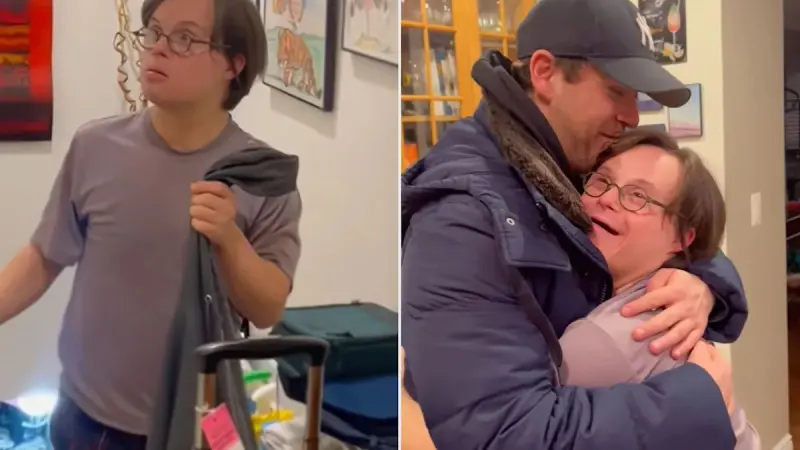
🔥 Nicholas Safier Reveals the Heartwarming Nightly Ritual with His Brother Gabriel — and the Groundbreaking Film It Inspired
Exclusive: Nicholas Safier opens up about the touching nightly tradition with his brother Gabriel, who has Down syndrome, and how their bond led to a historic thriller film.






Details
Send Us an Enquiry
We'll get back to you as soon as possible.
Thank You!
Your enquiry has been submitted. We'll be in touch shortly.