
Ralph Fiennes Delivers Career-Best Turn in 28 Years Later
 Previous

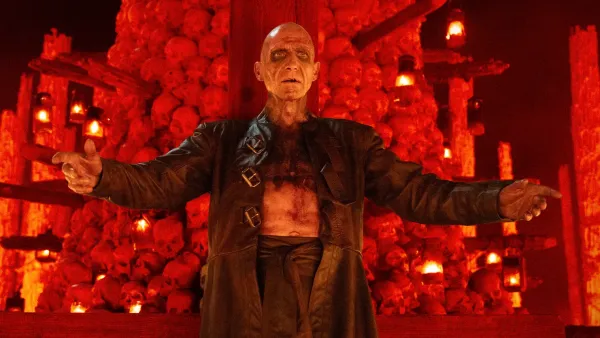
Few actors possess the ability to command a screen with stillness alone, but Ralph Fiennes has built an entire career on that skill. In 28 Years Later: The Bone Temple, many critics and early viewers are now saying Fiennes has delivered one of the most quietly devastating performances of his career — and possibly his best in nearly three decades.
The film marks a bold new chapter in the 28 Days Later universe, but it’s Fiennes’ unsettling, deeply human performance that has emerged as its emotional centre.
A Franchise That Grew Up With Its Audience
The 28 Days Later series has always been about more than infected rage. From the beginning, it used horror as a lens to explore isolation, moral collapse, and the fragility of social order. 28 Years Later: The Bone Temple leans fully into that legacy — slowing the pace, deepening the psychology, and focusing on the long-term cost of survival.
This shift in tone creates the perfect space for Fiennes to operate.
Rather than playing a conventional antagonist or heroic figure, he inhabits a character shaped by decades of endurance, compromise, and loss. It’s a role built not on spectacle, but on accumulated damage.
A Performance Defined by Restraint
What makes Fiennes’ work here so striking is its refusal to seek attention. His character speaks sparingly, moves carefully, and carries the weight of experience in every pause.
There are no theatrical monologues or obvious emotional peaks. Instead, the performance unfolds through subtle gestures — a glance held too long, a hesitation before violence, a calm voice that suggests horrors already accepted rather than feared.
This restraint gives the film its unease. Viewers sense that they are watching someone who has survived too much — and learned too well how to live with it.
Why This Feels Like Career-Defining Work
Fiennes has delivered many acclaimed performances over the years, but The Bone Temple feels different in how completely it strips him down. There is no prestige framing here, no literary flourish or operatic scale.
The role demands emotional honesty without adornment.
In that sense, the performance recalls his earliest dramatic work — before iconography, franchises, or awards shaped audience expectations. It’s acting that trusts silence more than speech, presence more than explanation.
Many observers have noted that this is the kind of role actors often arrive at late in their careers: when technique is so ingrained it becomes invisible.
Horror as a Space for Serious Acting
Horror has increasingly become a place for nuanced performances, and 28 Years Later understands that fear works best when rooted in recognisable humanity. Fiennes’ character is not frightening because of what he does, but because of what he has learned to accept.
He represents the endpoint of survival — not triumph, but adaptation.
In lesser hands, the role could have drifted into archetype. Fiennes instead makes the character unsettlingly specific, grounding the film’s larger ideas about civilisation, memory, and ritual in something painfully personal.
The Meaning of “The Bone Temple”
The film’s subtitle is more than atmospheric. The Bone Temple refers to the way societies — even ruined ones — build meaning out of remnants. Fiennes’ character becomes part of that idea: a man who has constructed belief systems and routines from the ruins of morality.
His performance embodies that theme. He is both caretaker and warning, preserving knowledge while embodying the cost of preservation.
It’s here that the film moves beyond survival horror into something closer to myth — and Fiennes becomes its quiet priest.
A Perfect Match of Actor and Material
This is a role that understands exactly what Fiennes does best. He has always excelled at portraying internal conflict — characters whose calm exteriors mask something corrosive beneath.
The Bone Temple gives him room to explore that tension without overstatement. The camera lingers, trusting the audience to read his face. The script resists exposition, allowing implication to do the work.
It’s a collaboration that feels unusually confident.
Why It Stands Out in the Franchise
While earlier entries in the series were defined by immediacy and panic, 28 Years Later is about aftermath. That tonal shift could have alienated fans — but Fiennes’ presence anchors the evolution.
He brings gravity to the world-building, making the idea of decades-long survival feel plausible rather than abstract. His performance suggests history — not just personal, but cultural.
It’s rare for a genre sequel to feel older and wiser than its predecessors. This one does.
Audience and Critical Response
Early reaction has highlighted Fiennes as the film’s standout element. Viewers have described his work as “unnerving,” “hypnotic,” and “quietly devastating,” with many noting that he dominates scenes without raising his voice.
Rather than stealing focus, he draws attention inward — encouraging viewers to sit with discomfort rather than recoil from it.
That kind of response is rare for a horror sequel, and it speaks to the seriousness of the performance.
Late-Career Fearlessness
What’s perhaps most impressive is how unprotective Fiennes is of his image. There’s no attempt to appear noble, sympathetic, or reassuring.
The character is compromised — morally and emotionally — and Fiennes embraces that ambiguity fully. He allows the audience to judge without guiding them.
That fearlessness is what gives the performance its power.
Why This Performance Will Last
Blockbusters come and go, but performances like this linger. Fiennes’ work in The Bone Temple doesn’t rely on shock or scale — it relies on recognition.
Recognition of what prolonged survival does to people. Of how values erode. Of how belief systems harden.
It’s the kind of performance that rewards revisiting, revealing more with time rather than diminishing.
A New Benchmark for the Series — and the Actor
28 Years Later: The Bone Temple expands the franchise in unexpected ways, but its greatest achievement may be giving Ralph Fiennes the space to deliver something raw, controlled, and deeply unsettling.
Nearly 30 years into a remarkable career, he isn’t revisiting old strengths — he’s refining them.
And in doing so, he’s turned a post-apocalyptic sequel into one of the most compelling acting showcases of the year.
Source - https://www.gq-magazine.co.uk/article/ralph-fiennes-is-doing-his-best-work-in-28-years-later-the-bone-temple
Disclaimer - All celebrity-related content, information, and images on this website are based on publicly available online sources and AI-generated insights/data. Information such as biography, age, career, personal details, and images may change without notice over time. While we strive for accuracy, we do not guarantee the accuracy, completeness, reliability, or timeliness of any information or imagery displayed on this website. This content is provided for general informational purposes only.
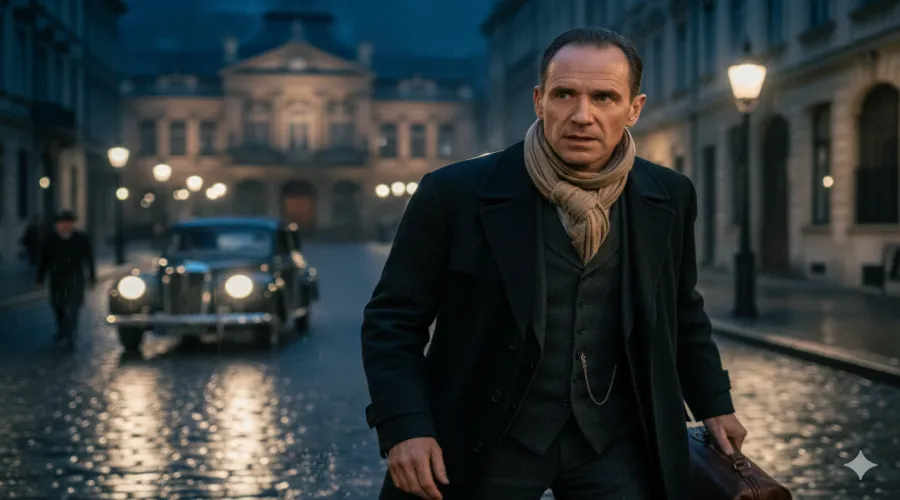
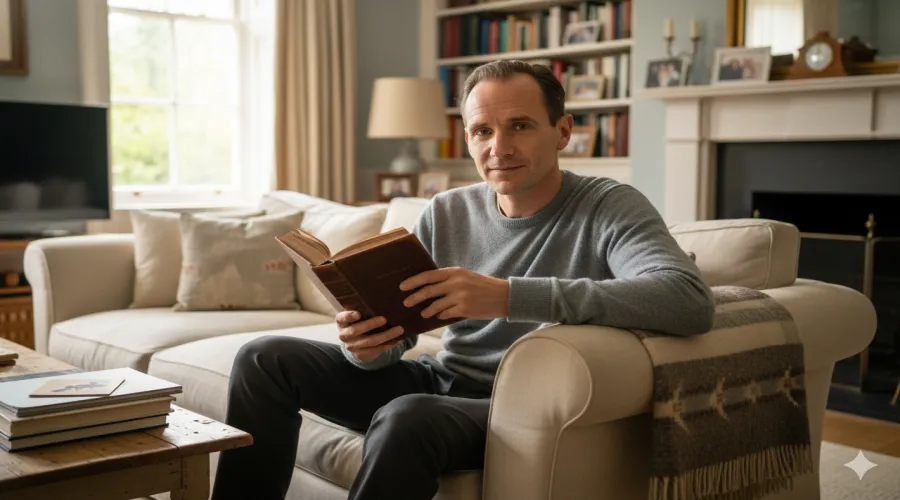
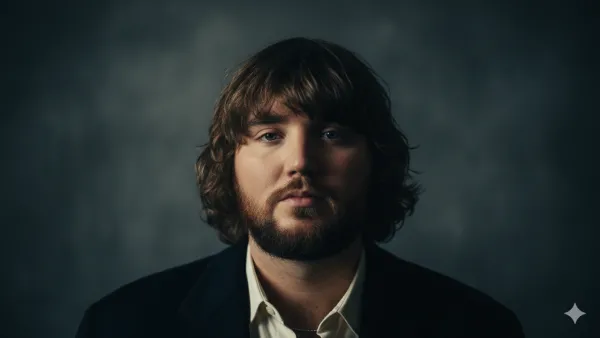
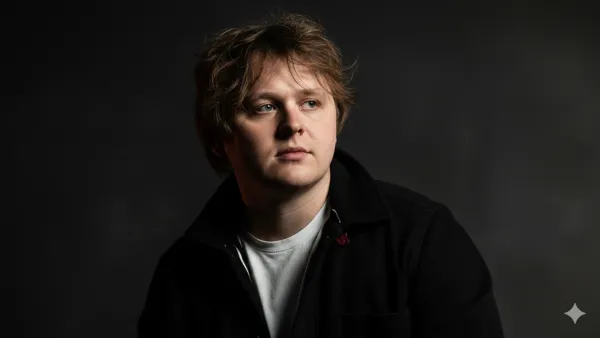
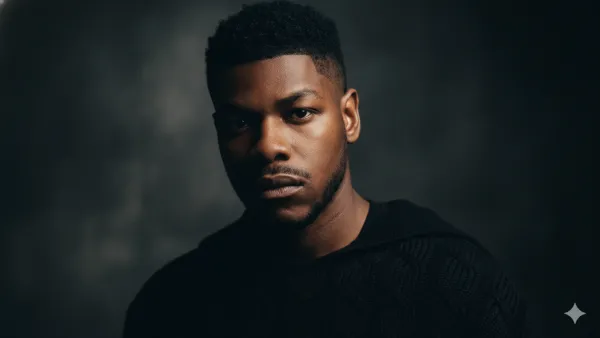
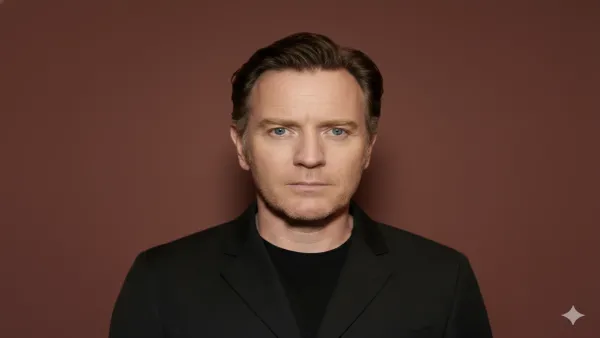
Iconic Photos of Ralph Fiennes
Top Trending News of Ralph Fiennes
👁️ 208 views
🔥 Ralph Fiennes Delivers Career-Best Turn in 28 Years Later
Ralph Fiennes is being hailed for his most powerful performance in years in 28 Years Later: The Bone Temple, a chilling evolution of the franchise.
 👁️ 203 views
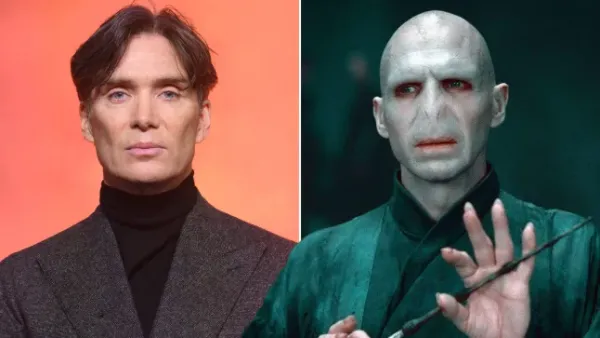
🔥 Ralph Fiennes Fuels Voldemort Casting Talk for TV Series
Ralph Fiennes has sparked fresh speculation about who will play Voldemort in the upcoming Harry Potter TV series after an offhand remark.



Details
Send Us an Enquiry
We'll get back to you as soon as possible.
Thank You!
Your enquiry has been submitted. We'll be in touch shortly.