
 Previous

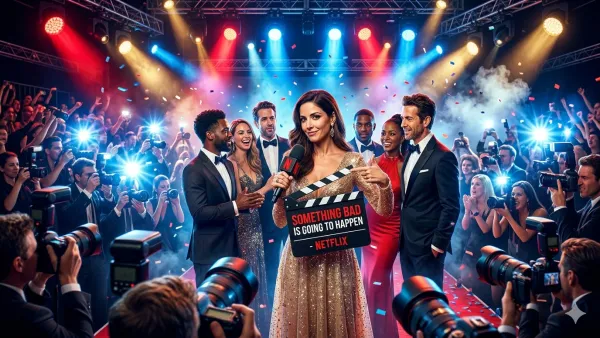
There is a specific, prickling sensation that comes with knowing a disaster is imminent but being unable to look away. It’s the slow-motion shatter of a glass; the heavy, ionized scent of the air before a lightning strike. This week, that collective dread has a name, and it’s currently sitting at the #1 spot on the global streaming buzz charts. Netflix’s latest psychological horror venture, Something Very Bad Is Going to Happen, has done more than just capture the cultural zeitgeist—it has weaponized our own anxiety. Produced by the Duffer Brothers and created by the visionary Haley Z. Boston, the series arrives not with a triumphant fanfare, but with a whispered, apologetic warning. It is a masterclass in a new era of entertainment news: the era of the.
The Architecture of Dread
The premise of this new Netflix release is deceptively simple, echoing the domestic dread of classics like Rosemary’s Baby. We follow Rachel (Camila Morrone) and Nicky (Adam DiMarco) as they retreat to a secluded, snowy estate for their wedding. But the story skips the "happily ever after" illusions entirely. From the opening frame, the show treats its title as a legal disclaimer. The marketing campaign leading up to the premiere was equally subversive—trailers filled with wedding guests looking directly into the camera and mouthing "I'm so sorry," and billboards that simply read, "You probably shouldn’t watch this."
In a world where every viral series screams for your attention with hyper-saturated colors and explosive hooks, this strategic withdrawal—this use of anti-promotional language—acts like a vacuum, pulling the audience in by promising them a front-row seat to an inevitable wreck. It’s a psychological "don’t think of a pink elephant" gambit. When a brand tells you their product is perfect, you look for the flaws. When a series tells you it’s going to be a nightmare, you sit down, grab the popcorn, and dare it to prove you wrong.
The Psychology of "Don't Watch This"
To understand why this Netflix trend is working, we have to look at the fatigue of the modern viewer. We are bombarded with "Must Watch" lists and "Life-Changing" reviews daily. The human brain, particularly in the fast-paced digital landscape of 2026, has developed a natural resistance to traditional hype. When Netflix released a teaser that was essentially a 30-second shot of a flickering lightbulb with the caption "This is going to hurt," it didn't feel like a commercial; it felt like a dare.
Psychologically, this taps into "Reverse Psychology Marketing." By positioning the content as something dangerous, burdensome, or "bad," the creators elevate the viewer's status. To watch the show is to prove your own resilience. It transforms the passive act of streaming into an active endurance test. This isn't just a horror show; it’s a cultural "double-dog dare" that has transformed the streaming buzz into a frantic search for clues. Why is it bad? How bad is it? Can I handle it?
A Masterclass in Atmospheric Horror
Visually, Something Very Bad Is Going to Happen is a stark departure from the neon-soaked 80s nostalgia of the Duffer Brothers' previous work. It is cold, monochromatic, and claustrophobic. The camera stays uncomfortably close to Camila Morrone’s face, capturing every twitch of mounting hysteria. The setting—a sprawling, glass-walled mansion—serves as a metaphor for the modern lack of privacy. You are constantly being watched, even when you are alone.
The script by Haley Z. Boston is razor-sharp, stripping away the "filler" dialogue common in many eight-episode seasons. Every line feels weighted with double meaning. When a bridesmaid tells Rachel, "You look like a ghost," she isn't commenting on her makeup; she’s foreshadowing a disappearance. This level of intentionality is why the show has become a viral series icon—it demands a second, third, and fourth viewing just to catch the breadcrumbs hidden in the background of the frames.
The "Phygital" Aftermath: Beyond the Screen
What truly sets this release apart is how it has bled into the real world. Netflix didn't just buy digital ads; they staged "anti-events." In major cities, black envelopes were left on park benches containing "un-invitations" to the wedding. This "phygital" (physical + digital) approach turned the promotion into a scavenger hunt for the macabre. Social media platforms like TikTok and Instagram are currently flooded with users "apologizing" to their followers before posting clips of the show, mimicking the show's internal logic.
This is the pinnacle of entertainment news in the mid-2020s: creating an ecosystem where the fans are the primary marketers. By providing a cryptic, eerie framework, Netflix allowed the audience to fill in the blanks with their own fears. The "Something Bad" in the title becomes a Rorschach test for the viewer. For some, it’s a supernatural threat; for others, it’s the fear of a failing marriage or the crushing weight of societal expectations.
The Cultural Mirror of 2026
We must also acknowledge the timing. In 2026, the world feels increasingly volatile. We live in a state of "permacrisis," where the news cycle is a revolving door of global anxiety. Something Very Bad Is Going to Happen reflects this background radiation of dread. It validates the feeling that, despite our best efforts to plan a perfect "wedding" (or life), things are fundamentally out of our control.
The show isn't escapism; it's a confrontation. It tells the audience, "You're right to be worried." In a strange way, there is a catharsis in seeing that anxiety personified and played out to its most extreme conclusion. By leaning into the discomfort rather than masking it with a happy ending or a heroic journey, the series achieves a level of authenticity that resonates deeply with a cynical public.
The Duffer Brothers' Evolution
For the Duffer Brothers, this project marks a significant evolution in their storytelling. While Stranger Things was built on the foundation of Spielbergian wonder, this new venture is built on the foundation of Hitchcockian suspense. It proves they are not one-trick ponies. They have successfully transitioned from the "Amblin" era of their careers into a much darker, more mature space.
By backing Haley Z. Boston, they have also signaled a commitment to new, diverse voices in horror. Boston’s perspective brings a uniquely feminine anxiety to the forefront—one that deals with the performance of joy and the terrifying reality of being trapped in a life that looks perfect on paper but feels like a tomb.
The Beauty of the Breakdown
As we reach the final episodes of the season, the streaming buzz shows no signs of slowing down. We are all waiting for the "bad thing" to happen, and yet, we are terrified of what it will mean when it does. The brilliance of the show lies in that tension. It reminds us that horror isn't just about the monster under the bed; it’s about the silence in the room after the monster has left.
Something Very Bad Is Going to Happen has rewritten the rulebook for new Netflix releases. It has shown that you don't need a hundred-million-dollar CGI budget to capture the world's attention—you just need a universal fear and the courage to tell the audience to look away. It is a haunting, beautiful, and deeply necessary piece of television that will be discussed for years to come. So, if you haven't watched it yet, take the warning seriously. But we both know you’re going to click "Play" anyway.
Frequently Asked Questions (FAQ)
1. What exactly is "Something Very Bad Is Going to Happen"?
It is a psychological horror series on Netflix that centers around a wedding that takes a dark, catastrophic turn. It focuses heavily on atmosphere and the feeling of impending doom.
2. Who created the series?
The series was created by Haley Z. Boston, with the Duffer Brothers (creators of Stranger Things) serving as executive producers.
3. Why is everyone talking about the "anti-marketing" for this show?
Netflix used a unique strategy where they told viewers not to watch the show or apologized for the content within it. This "anti-promotional language" created massive curiosity and viral engagement.
4. Is the show part of the "Stranger Things" universe?
No, it is a completely separate, standalone original series with a much more grounded and adult tone.
5. Who are the stars of the show?
Camila Morrone stars as the bride, Rachel, and Adam DiMarco stars as the groom, Nicky.
6. Is it a "jump scare" horror show or more psychological?
While there are intense moments, it is primarily a psychological thriller that relies on building tension and dread rather than constant jump scares.
7. How many episodes are in Season 1?
There are eight episodes, each roughly 45 to 60 minutes long.
8. What does "anti-promotional language" mean in this context?
It refers to using phrases like "You shouldn't watch this" or "This was a mistake" in advertising to attract viewers through reverse psychology.
9. Where was the show filmed?
It was filmed on location in the Pacific Northwest to capture the isolated, snowy, and claustrophobic aesthetic of the wedding estate.
10. Is there a Season 2 planned?
Netflix has not officially renewed it yet, but given the massive streaming buzz, an anthology-style second season or a direct sequel is highly likely.
11. What is the age rating for the show?
It is rated TV-MA for language, violence, and intense psychological themes.
12. Does the show have a supernatural element?
Part of the show's mystery is whether the "bad thing" is caused by something supernatural or if it is a result of human psychosis and breakdown.
13. Why did the Duffer Brothers choose this project?
They reportedly wanted to explore a more "adult" and "contained" horror story through their production company, Upside Down Pictures.
14. What are critics saying about Camila Morrone's performance?
Critics have praised her performance as a "career-best," noting her ability to convey a total mental collapse with subtlety and grace.
15. How did the "black envelopes" work in the marketing?
Netflix sent physical mail to influencers and randomly selected fans that appeared to be wedding "un-invitations," which directed people to a cryptic website.
16. Is this show suitable for people who don't like horror?
If you enjoy psychological thrillers like Gone Girl or The White Lotus, you might enjoy this, though it is significantly darker and more frightening.
17. What is the "phygital" trend mentioned in the article?
"Phygital" is the combination of Physical and Digital marketing experiences, used here to bring the dread of the show into the real world.
Disclaimer - All celebrity-related content, information, and images on this website are based on publicly available online sources and AI-generated insights/data. Information such as biography, age, career, personal details, and images may change without notice over time. While we strive for accuracy, we do not guarantee the accuracy, completeness, reliability, or timeliness of any information or imagery displayed on this website. This content is provided for general informational purposes only.
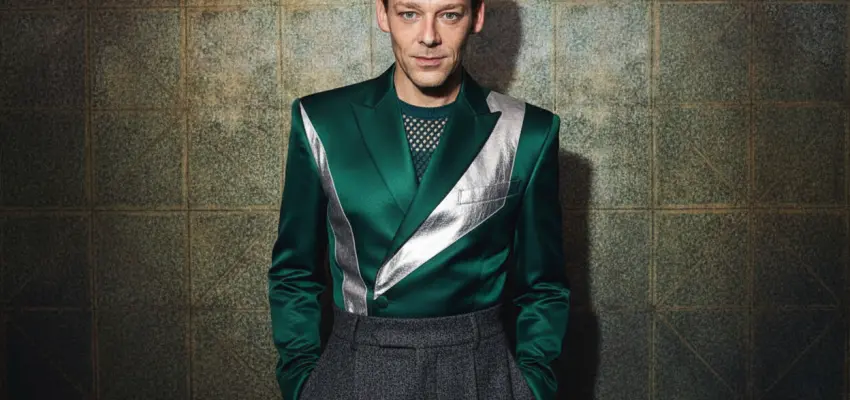
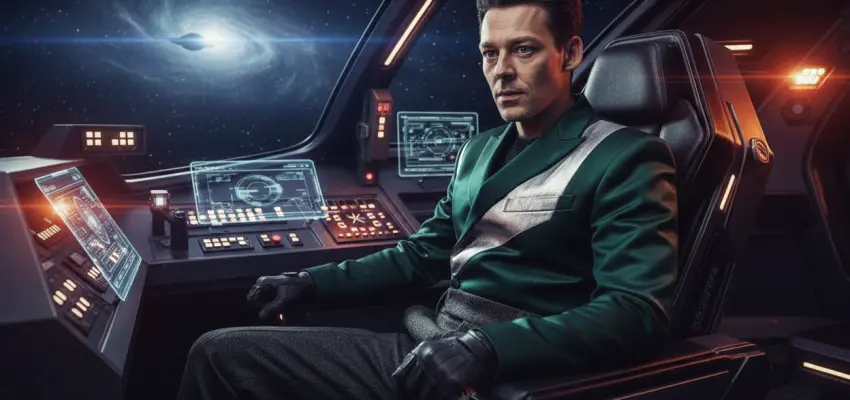
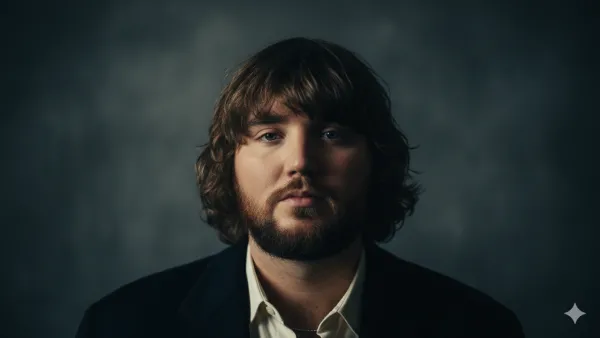
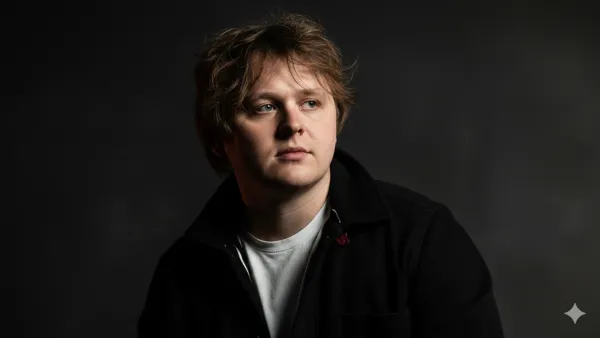
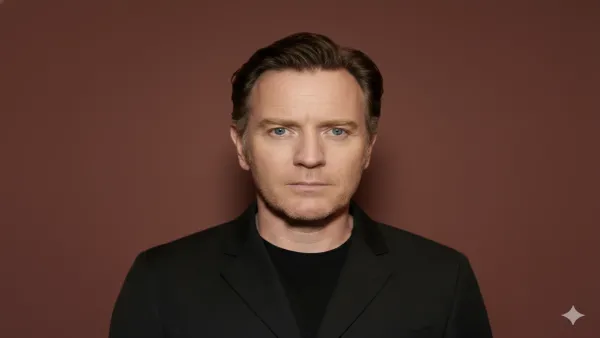
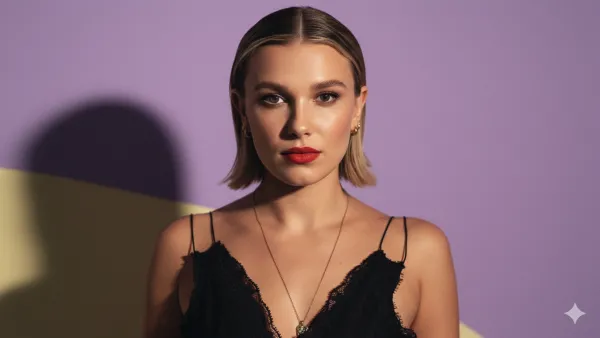
Iconic Photos of Richard Coyle
Details
Send Us an Enquiry
We'll get back to you as soon as possible.
Thank You!
Your enquiry has been submitted. We'll be in touch shortly.