
The Pulse of the Iron City: Why “The Pitt” Season 1 is the Medical Drama We Didn't Know We Needed
 Previous

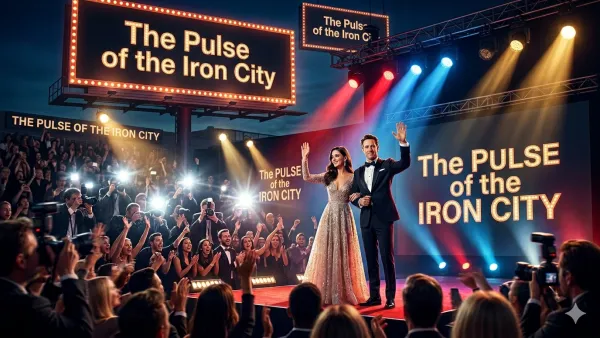
There is a specific, rhythmic hum to a hospital at 3:00 AM—a symphony of flickering fluorescent lights, the rhythmic hiss of ventilators, and the distant, frantic squeak of rubber soles on linoleum. For years, television medical dramas traded this gritty reality for high-gloss romances and "medical miracles" that felt more like magic than medicine. But then came The Pitt. Since its debut, the series has rapidly evolved from a quiet mid-season entry into a full-blown viral series, capturing the cultural zeitgeist by doing the one thing most shows are afraid to do: telling the unvarnished truth.
A Return to the Frontlines
When we first meet Dr. Michael “Robby” Robinavitch, played with a weary, masterful precision by Noah Wyle, he isn’t a superhero in a white coat. He is a man who looks like he’s lived through three lifetimes of double shifts and cold coffee. Grounded in the steel-toed reality of Pittsburgh, Pennsylvania, The Pitt Season 1 doesn’t just show us medicine; it immerses us in the crushing weight of a 15-hour shift. The streaming buzz surrounding the show isn't just about the blood or the adrenaline—though there is plenty of both—it’s about the soul of the American healthcare system.
The Human Cost of Healing
As an entertainment news staple throughout early 2026, the discussion around The Pitt has largely focused on its "relentless realism." We see the "Pitt" for what it is: an underfunded, overcrowded battlefield where the heroes are exhausted. There’s a striking metaphor at the heart of the series—the hospital itself is like an aging furnace in a Pittsburgh steel mill: it’s glowing red-hot, fueled by the sweat of its workers, and always on the verge of a catastrophic breakdown.
Take, for instance, the journey of the interns like Dr. Trinity Santos (Isa Briones) or the neurodivergent Dr. Mel King (Taylor Dearden). They aren't here for the glory; they are here to survive the day. The show avoids the "soap opera" traps that have plagued the genre for a decade, opting instead for a Netflix trend-adjacent focus on authenticity that mirrors the raw, documentary-style energy of The Bear.
Why It Matters Now
Why has this become the viral series of the year? Perhaps it’s because, in a post-pandemic world, we no longer want our medical stories sugar-coated. We want to see the "degloved feet" (a term that sent thousands of viewers to Google in a collective shudder) and the quiet, heartbreaking moments of "Ho’oponopono"—the Hawaiian practice of healing Robby shares with grieving families. It’s this balance of visceral gore and profound empathy that has secured its spot as a Netflix-style breakout on the Max platform, dominating the streaming buzz charts.
The show acts as a mirror to our own anxieties about institutional collapse while celebrating the stubborn, gritty resilience of the people who refuse to let the fire go out. It isn't just a TV show; it’s a 15-hour prayer for the exhausted.
The Verdict: A New Standard
As we look toward the future of the series, The Pitt has already cemented its legacy. It swept the 77th Primetime Emmy Awards for a reason: it brought back the weight of the "prestige drama" to a genre that had grown light and airy. It’s a masterclass in tension, a love letter to a city with "Iron" in its bones, and a stark reminder that sometimes, the most heroic thing you can do is simply show up for the next hour.
If you haven’t checked in to the Pittsburgh Trauma Medical Center yet, consider this your urgent referral. The Pitt isn't just a highlight of the current entertainment news cycle; it’s the new gold standard for what a medical drama can and should be.
FAQ: Everything You Need to Know About “The Pitt”
1. Is "The Pitt" on Netflix? No, The Pitt is a Max (formerly HBO Max) Original series, though it often trends alongside Netflix releases due to its massive digital footprint.
2. Who stars in "The Pitt"? The series stars Noah Wyle as Dr. Michael “Robby” Robinavitch, alongside Tracey Ifeachor, Patrick Ball, and Fiona Dourif.
3. How many episodes are in Season 1? Season 1 consists of 15 episodes, each representing one hour of a 15-hour shift.
4. Is the show based on a true story? While the characters are fictional, the show is praised for its hyper-realistic portrayal of the modern American healthcare system.
5. Did Noah Wyle really work on "ER"? Yes! This is a reunion for Noah Wyle and producers R. Scott Gemmill and John Wells, who were all instrumental in the success of the legendary series ER.
6. Where was "The Pitt" filmed? Interiors were filmed at Warner Bros. Studios in Burbank, while extensive location shooting took place in Pittsburgh, PA.
7. Is Season 2 available? Yes, Season 2 premiered in January 2026 to critical acclaim.
8. Has the show been renewed for Season 3? Yes, a third season was officially greenlit ahead of the Season 2 premiere.
9. Is the medical jargon accurate? The show has been highly praised by the medical community for its technical accuracy and realistic depiction of ER procedures.
10. What is "The Pitt" nicknamed after? It is the nickname for the Pittsburgh Trauma Medical Center’s emergency department.
11. Does the show feature a lot of gore? It is known for its "visceral realism," featuring graphic medical procedures that are not for the faint of heart.
12. Who plays Dr. Cassie McKay? Fiona Dourif portrays Dr. Cassie McKay, a single mother and second-year resident.
13. What is the central theme of Season 1? Resilience in the face of systemic failure and the personal toll of high-stakes healthcare.
14. Why is the real-time format significant? It creates a continuous sense of urgency and allows the audience to experience the exhaustion of the characters.
15. Is there a lot of romance in the show? Unlike many medical dramas, The Pitt focuses more on professional dynamics and workplace politics than romantic subplots.
16. What awards has "The Pitt" won? Season 1 won five Primetime Emmy Awards, including Outstanding Drama Series.
17. Can I watch "The Pitt" with my family? Due to intense medical situations and mature themes, it is generally recommended for older teens and adults.
Disclaimer - All celebrity-related content, information, and images on this website are based on publicly available online sources and AI-generated insights/data. Information such as biography, age, career, personal details, and images may change without notice over time. While we strive for accuracy, we do not guarantee the accuracy, completeness, reliability, or timeliness of any information or imagery displayed on this website. This content is provided for general informational purposes only.
Iconic Photos of Simon Pegg



Top Trending News of Simon Pegg
 👁️ 104 views
🔥 Hot Fuzz Boosted Somerset Tourism
Simon Pegg's Hot Fuzz, filmed in Wells, Somerset, continues to drive tourism 20 years on – young fans travel hours to visit iconic spots like The Crown pub.
 👁️ 102 views
🔥 Simon Pegg Biography & Filmography
Simon Pegg: Star Trek's Scotty, Hot Fuzz hero, Nick Frost collaborator—explore his biography, key movies, TV shows, and Three Flavours Cornetto trilogy.







Details
Send Us an Enquiry
We'll get back to you as soon as possible.
Thank You!
Your enquiry has been submitted. We'll be in touch shortly.