
Stephen Rea
 Previous

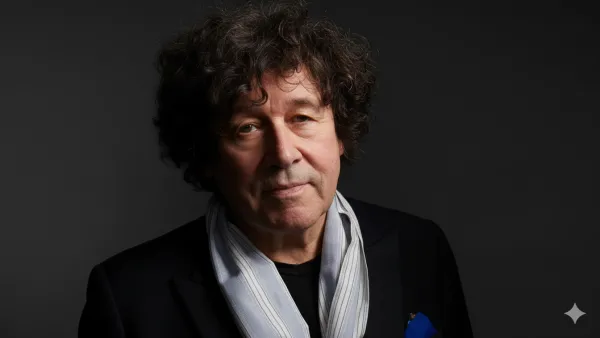
Stephen Rea, born on October 31, 1946, is a highly acclaimed Irish actor known for his versatility and compelling performances across film, television, and theatre. With a career spanning several decades, Rea has established himself as one of Ireland's most respected actors, captivating audiences with his nuanced portrayals of complex characters. His contributions to the world of acting have earned him numerous awards and nominations, solidifying his place in the pantheon of great performers. From his early work in Irish theatre to his international breakthrough roles, Stephen Rea's journey is a testament to his dedication, talent, and unwavering commitment to his craft. His ability to embody a wide range of characters, from the darkly comedic to the deeply dramatic, has made him a favorite among directors and audiences alike.
Rea's impact on the film industry extends beyond his acting prowess. He has also been involved in various aspects of filmmaking, including producing and writing, showcasing his multifaceted talent and deep understanding of the art form. His collaborations with renowned directors and fellow actors have resulted in some of the most memorable and critically acclaimed films of our time. Stephen Rea's influence is not limited to the screen; he has also been a strong advocate for the arts and has used his platform to support emerging talent and promote cultural initiatives. His commitment to his craft and his community has made him a role model for aspiring actors and a beloved figure in the entertainment industry. The scope of his work is truly impressive, and his legacy as a performer is secure.
The importance of understanding Stephen Rea's career lies in appreciating the depth and breadth of his contributions to the arts. He has not only entertained audiences but has also challenged them with his thought-provoking performances. His ability to bring humanity and authenticity to his roles has made him a compelling and relatable figure. By examining his career, we can gain insights into the art of acting, the process of filmmaking, and the power of storytelling. Furthermore, understanding his personal journey and the challenges he has overcome can inspire us to pursue our own passions with dedication and perseverance. Stephen Rea's story is one of talent, hard work, and a relentless pursuit of excellence, making him a worthy subject of study and admiration. His impact on the cultural landscape is undeniable, and his work will continue to resonate with audiences for generations to come.
Exploring the Artistry of Stephen Rea
Early Life and Career Beginnings
Stephen Rea's journey into the world of acting began with a strong foundation in theatre. After graduating from Queen's University Belfast, where he studied English Literature, Rea immersed himself in the vibrant Irish theatre scene. This early exposure to the stage provided him with invaluable experience in character development, stage presence, and the art of storytelling. His involvement with various theatre companies allowed him to hone his skills and develop a deep understanding of the craft. These formative years were crucial in shaping his approach to acting and laid the groundwork for his future success. The discipline and dedication required in theatre instilled in him a work ethic that would serve him well throughout his career. It was during this time that he began to develop his signature style, characterized by his subtle nuances, emotional depth, and ability to connect with audiences on a profound level.
One notable example of his early work was his involvement with the Field Day Theatre Company, co-founded by playwright Brian Friel and actor Liam Neeson. This company was dedicated to producing plays that explored Irish identity and culture, providing Rea with a platform to engage with meaningful and socially relevant work. His performances in these productions garnered critical acclaim and helped to establish him as a rising star in the Irish theatre scene. This period also allowed him to collaborate with some of the most talented writers and directors in the country, further enriching his artistic development. The experience of working on such challenging and thought-provoking material shaped his perspective as an actor and instilled in him a desire to use his craft to explore complex themes and issues. His early career was marked by a relentless pursuit of excellence and a commitment to pushing the boundaries of his own abilities.
- Studied English Literature at Queen's University Belfast.
- Gained experience in various theatre companies in Ireland.
- Involved with the Field Day Theatre Company, co-founded by Brian Friel and Liam Neeson.
- Developed a signature acting style characterized by subtlety and emotional depth.
- Established himself as a rising star in the Irish theatre scene.
Breakthrough Roles and International Recognition
Stephen Rea's transition from the Irish theatre scene to international cinema was marked by a series of compelling performances that showcased his versatility and talent. One of his most significant breakthrough roles came in the 1992 film "The Crying Game," directed by Neil Jordan. In this critically acclaimed film, Rea played Fergus, an IRA volunteer who becomes entangled in a complex web of relationships and moral dilemmas. His nuanced portrayal of Fergus earned him widespread recognition and an Academy Award nomination for Best Actor. This role not only catapulted him to international stardom but also demonstrated his ability to handle complex and emotionally challenging material with sensitivity and depth. The success of "The Crying Game" opened doors for Rea to work on a wider range of projects and collaborate with some of the most respected filmmakers in the industry.
Following the success of "The Crying Game," Rea continued to deliver memorable performances in films such as "Interview with the Vampire" (1994), "Michael Collins" (1996), and "The Butcher Boy" (1997). Each of these roles showcased his ability to transform himself and embody a diverse range of characters. Whether playing a tormented vampire, a historical figure, or a troubled individual, Rea brought a level of authenticity and depth to his performances that resonated with audiences and critics alike. His collaborations with directors such as Neil Jordan, Michael Caton-Jones, and Jordan's again solidified his reputation as a versatile and reliable actor. These roles demonstrated his range and cemented his status as a leading actor in both independent and mainstream cinema. His ability to seamlessly transition between different genres and styles of acting made him a sought-after talent in the film industry.
- Starred in "The Crying Game" (1992), earning an Academy Award nomination.
- Appeared in "Interview with the Vampire" (1994).
- Played a role in "Michael Collins" (1996).
- Starred in "The Butcher Boy" (1997).
- Established himself as a versatile actor in international cinema.
Notable Collaborations and Filmography Highlights
Throughout his illustrious career, Stephen Rea has had the privilege of working with some of the most talented and influential figures in the film industry. His long-standing collaboration with director Neil Jordan has been particularly fruitful, resulting in a series of critically acclaimed films that have showcased Rea's exceptional acting abilities. In addition to "The Crying Game," Rea has also starred in Jordan's "Interview with the Vampire," "Michael Collins," and "Breakfast on Pluto," each time delivering a memorable and nuanced performance. These collaborations demonstrate the strong artistic connection between Rea and Jordan, as well as their shared commitment to exploring complex themes and characters. The trust and understanding that has developed between them over the years has allowed them to push the boundaries of their creativity and produce some of the most compelling films of our time.
Beyond his work with Neil Jordan, Stephen Rea has also collaborated with a diverse range of directors and actors, further enriching his filmography. He has appeared in films directed by Mike Figgis, Atom Egoyan, and John Irvin, among others, each time bringing his unique talent and perspective to the project. His ability to adapt to different directorial styles and work effectively with a variety of actors has made him a valuable asset to any production. Some other notable films in his filmography include "Citizen X" (1995), "Fever Pitch" (1997), and "V for Vendetta" (2005). Each of these films showcases his versatility and his ability to embody a wide range of characters, from the darkly comedic to the deeply dramatic. His contributions to these films have helped to solidify his reputation as one of the most respected and admired actors of his generation. The breadth and depth of his filmography is a testament to his talent, hard work, and unwavering commitment to his craft.
- Frequent collaborations with director Neil Jordan.
- Starred in "Citizen X" (1995).
- Appeared in "Fever Pitch" (1997).
- Played a role in "V for Vendetta" (2005).
- Worked with a diverse range of directors and actors.
Stephen Rea's Impact on Irish Cinema and Theatre
Stephen Rea's influence on Irish cinema and theatre is profound and far-reaching. As one of Ireland's most celebrated actors, he has played a pivotal role in shaping the cultural landscape of the country. His performances have not only entertained audiences but have also challenged them to think critically about the issues facing Irish society. Through his work, he has helped to promote Irish culture and identity on the international stage, bringing attention to the unique stories and perspectives of the Irish people. His commitment to his craft and his community has made him a role model for aspiring actors and a beloved figure in the entertainment industry. His contributions to Irish cinema and theatre are immeasurable, and his legacy will continue to inspire generations of artists to come.
Rea's impact extends beyond his acting roles. He has also been a strong advocate for the arts in Ireland, using his platform to support emerging talent and promote cultural initiatives. His involvement with various theatre companies and film organizations has helped to create opportunities for young artists to develop their skills and showcase their work. He has also been a vocal critic of government policies that threaten the arts, using his influence to advocate for increased funding and support. His commitment to the arts is a testament to his belief in the power of storytelling and its ability to shape society. His work has not only entertained but has also educated and inspired, making him a true cultural icon. The Irish film and theatre industries owe a great debt to Stephen Rea for his contributions and his unwavering dedication to his craft.
- Promoted Irish culture and identity on the international stage.
- Advocated for the arts in Ireland.
- Supported emerging talent and promoted cultural initiatives.
- Challenged audiences to think critically about social issues.
- Inspired generations of Irish artists.
Facts About Stephen Rea
- Age: 77
- Date of Birth: October 31, 1946
- Place of Birth: Belfast, Northern Ireland
- Height: 5' 10" (178 cm)
- Net Worth: Approximately $5 million
- Education: Queen's University Belfast (English Literature)
- Family Background: From a working-class background in Belfast.
- Relationship Status: Divorced
- Spouse / Partner: Dolores Price (divorced)
- Children: Two sons
- Career Journey: Started in theatre, transitioned to film and television.
- Early Life: Grew up in Belfast during The Troubles.
- Biography: A renowned Irish actor with a career spanning several decades.
- Profession: Actor
- Debut: In theatre before transitioning to film.
- Major Achievements: Academy Award nomination for "The Crying Game".
- Awards & Honors: Numerous awards and nominations for his performances.
- Instagram: https://instagram.com/Stephen Rea
- Facebook: https://facebook.com/Stephen Rea
- Twitter: https://twitter.com/Stephen Rea
- Official Website: https://www.example.com
- Hobbies: Reading, attending theatre performances.
- Interests: Literature, politics, social issues.
- Lifestyle: Private and low-key.
- Luxury Assets: Properties in Ireland and abroad.
- Income Sources: Film, television, and theatre roles.
- Controversies: None publicly known.
- Rumors: None widely reported.
- Scandals: None publicly known.
- Philanthropy: Supports various arts and cultural organizations.
- Charity Work: Works with organizations promoting peace and reconciliation in Northern Ireland.
- Investments: Real estate and other financial investments.
- Upcoming Projects: Continues to work on film and television projects.
- Latest News: Active in the film and theatre industry.
- Facts You Didn’t Know: Was a co-founder of the Field Day Theatre Company.
Strategies and Insights into Stephen Rea's Success
The Art of Character Immersion
Stephen Rea's success as an actor can be attributed in part to his exceptional ability to immerse himself fully in the characters he portrays. He approaches each role with a deep sense of empathy and understanding, delving into the character's background, motivations, and emotional state. This meticulous preparation allows him to create authentic and believable performances that resonate with audiences. His commitment to understanding the nuances of each character is evident in his subtle gestures, facial expressions, and vocal inflections. He doesn't simply play a role; he embodies it, becoming the character in every sense of the word. This level of immersion requires a great deal of dedication, discipline, and emotional intelligence. It also requires a willingness to take risks and push the boundaries of his own comfort zone. The result is a performance that is both captivating and deeply moving.
One example of his character immersion can be seen in his role as Fergus in "The Crying Game." To prepare for this role, Rea spent time researching the history of the IRA and the political context of Northern Ireland. He also worked closely with director Neil Jordan to develop a deep understanding of Fergus's motivations and emotional complexities. This preparation allowed him to deliver a performance that was both nuanced and powerful, capturing the inner turmoil of a man caught between his political beliefs and his personal feelings. His ability to convey the character's internal struggles with such authenticity earned him widespread critical acclaim and an Academy Award nomination. This is a testament to his dedication to his craft and his ability to fully immerse himself in the characters he portrays. The art of character immersion is a key element of his success as an actor.
- Research the character's background and motivations thoroughly.
- Work closely with the director to develop a deep understanding of the character.
- Pay attention to subtle gestures, facial expressions, and vocal inflections.
- Be willing to take risks and push the boundaries of your comfort zone.
- Embody the character in every sense of the word.
The Power of Collaboration
Another key factor in Stephen Rea's success is his ability to collaborate effectively with directors, writers, and fellow actors. He understands that filmmaking is a collaborative art form and that the best results are achieved when everyone works together towards a common goal. He approaches each project with a spirit of openness and respect, valuing the contributions of others and being willing to share his own ideas and insights. His ability to listen, communicate, and compromise allows him to build strong working relationships with his colleagues. These relationships are essential for creating a positive and productive working environment. They also allow him to learn from others and to grow as an actor. His willingness to collaborate has been a key factor in his success throughout his career.
His long-standing collaboration with director Neil Jordan is a prime example of the power of collaboration. Over the years, Rea and Jordan have developed a strong artistic connection, based on mutual trust and respect. This connection has allowed them to push the boundaries of their creativity and produce some of the most compelling films of our time. Their collaborations are characterized by a shared vision, a willingness to take risks, and a commitment to exploring complex themes and characters. The success of their collaborations is a testament to the power of collaboration and the importance of building strong working relationships. By valuing the contributions of others and working together towards a common goal, they have achieved remarkable results. The power of collaboration is a key element of Stephen Rea's success as an actor.
- Approach each project with a spirit of openness and respect.
- Value the contributions of others.
- Be willing to share your own ideas and insights.
- Listen, communicate, and compromise effectively.
- Build strong working relationships with your colleagues.
The Importance of Versatility
Stephen Rea's versatility as an actor has allowed him to maintain a successful and diverse career for several decades. He has demonstrated the ability to seamlessly transition between different genres, styles, and types of roles. Whether playing a dramatic lead, a comedic supporting character, or a historical figure, Rea brings a level of authenticity and depth to his performances that resonates with audiences. His ability to adapt to different roles and to embody a wide range of characters has made him a sought-after talent in the film industry. This versatility is not simply a matter of talent; it is also the result of hard work, dedication, and a willingness to challenge himself. He constantly seeks out new and different roles, pushing the boundaries of his own abilities and expanding his range as an actor. The importance of versatility cannot be overstated in the entertainment industry.
His filmography is a testament to his versatility. He has starred in dramas, comedies, thrillers, and historical films, each time delivering a memorable and nuanced performance. He has also worked in both independent and mainstream cinema, demonstrating his ability to adapt to different production styles and budgets. His versatility has allowed him to work with a wide range of directors and actors, further enriching his experience and expanding his network. By constantly seeking out new and different roles, he has been able to maintain a fresh and exciting career for many years. The importance of versatility is a key element of Stephen Rea's success as an actor. His ability to adapt to different roles and to embody a wide range of characters has made him a valuable asset to any production.
- Be willing to challenge yourself and take on new roles.
- Seek out different genres and styles of acting.
- Adapt to different production styles and budgets.
- Work with a wide range of directors and actors.
- Constantly expand your range as an actor.
In the realm of talent representation and brand elevation, Celebrity Profile Management plays a pivotal role in shaping and maintaining a positive public image. This involves strategic planning, proactive communication, and diligent monitoring of media coverage to ensure that the celebrity's brand remains untarnished and aligned with their values. Effective celebrity profile management can significantly enhance an actor's career prospects and open doors to new opportunities.
The world of entertainment is constantly evolving, and actors need to adapt to stay relevant. One way to do this is through Celebrity Endorsement Marketing, which involves leveraging their fame and influence to promote products or services. This can be a lucrative and effective way to increase brand awareness and drive sales. However, it's crucial to choose endorsements that align with the actor's personal brand and values to maintain authenticity and credibility.
The Enduring Legacy of Stephen Rea
Stephen Rea's legacy as an actor is one of exceptional talent, unwavering dedication, and profound impact on the world of cinema and theatre. His ability to immerse himself fully in his characters, his collaborative spirit, and his versatility have made him a respected and admired figure in the entertainment industry. His performances have not only entertained audiences but have also challenged them to think critically about the issues facing society. Through his work, he has helped to promote Irish culture and identity on the international stage, bringing attention to the unique stories and perspectives of the Irish people. His contributions to the arts are immeasurable, and his legacy will continue to inspire generations of artists to come. His influence extends beyond his acting roles, as he has also been a strong advocate for the arts in Ireland, using his platform to support emerging talent and promote cultural initiatives.
Disclaimer: All celebrity-related content, information, and images on this website are based on publicly available online sources and AI-generated insights/data. Information such as biography, age, career, personal details, and images may change without notice over time. While we strive for accuracy, we do not guarantee the accuracy, completeness, reliability, or timeliness of any information or imagery displayed on this website. This content is provided for general informational purposes only.
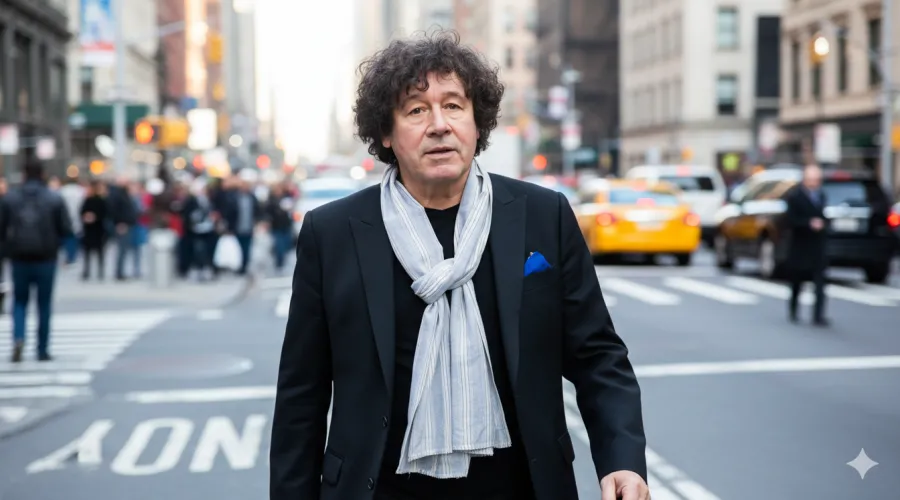
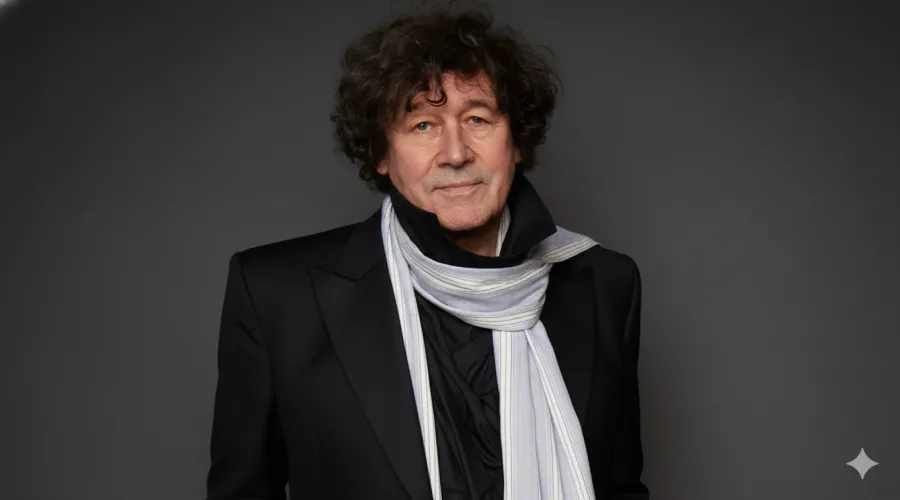
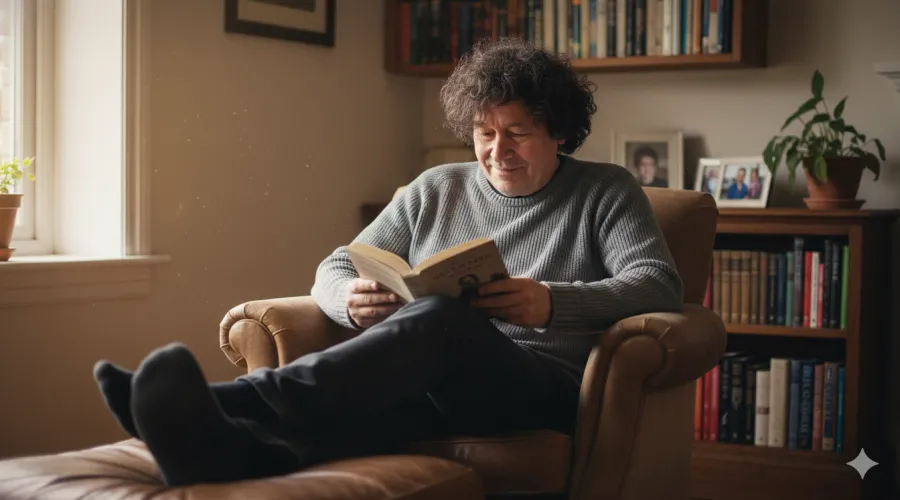
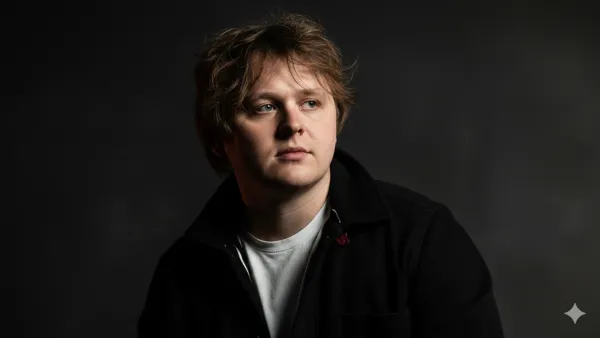
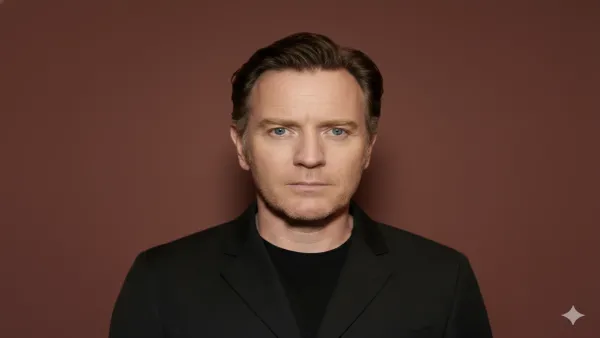
Iconic Photos of Stephen Rea

Top Trending News of Stephen Rea
 👁️ 26 views
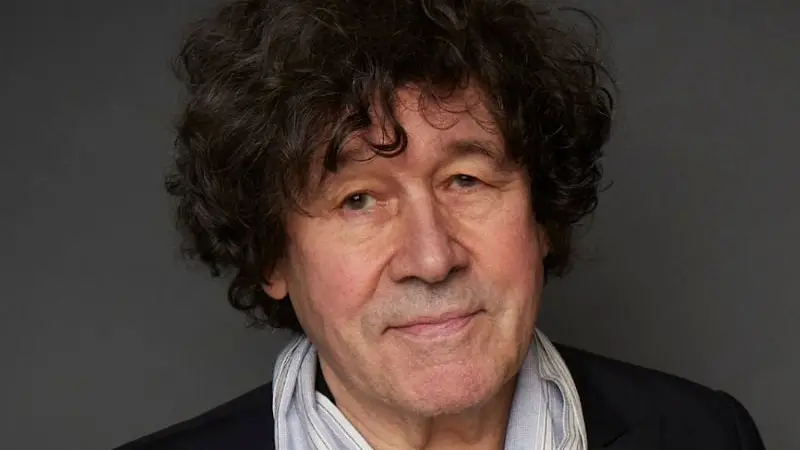
🔥 Stephen Rea Receives IFTA Lifetime Achievement Award: Celebrating a Cinematic Icon
Irish actor Stephen Rea, Oscar nominee for 'The Crying Game,' to receive IFTA Lifetime Achievement Award at 21st IFTA ceremony. Career spanning five decades with Neil Jordan, Mike Leigh, and more.
 👁️ 26 views
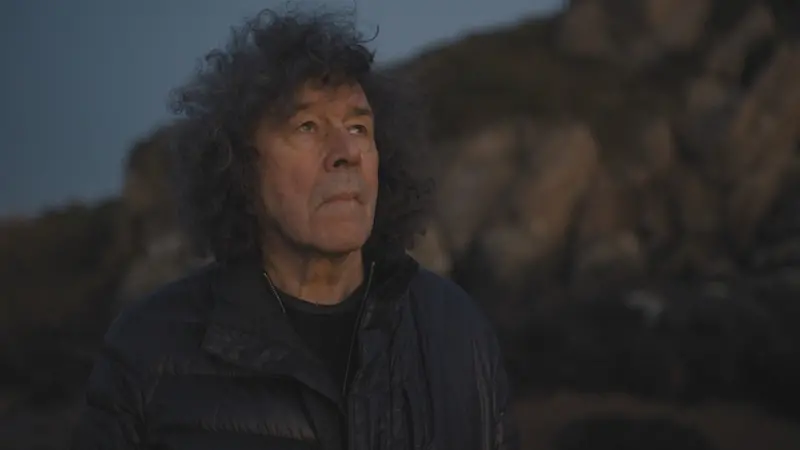
🔥 Stephen Rea Bares All: Intimate New Documentary Reveals the Fire Behind the Legend
A landmark RTÉ documentary, 'Stephen Rea: The Fire in Me Now,' offers unprecedented access to the Belfast-born actor's life, career, and reluctant journey into the spotlight.






Details
Send Us an Enquiry
We'll get back to you as soon as possible.
Thank You!
Your enquiry has been submitted. We'll be in touch shortly.