
Discover All Events
Explore 3 premium experiences in all locations
Promoted
List Your Next Big Event
Reach millions of attendees by showcasing your conferences, workshops, or exhibitions on the world's most trusted event platform.
Create Your Event Now
FEATURED
Oct 12 - 13, 2026
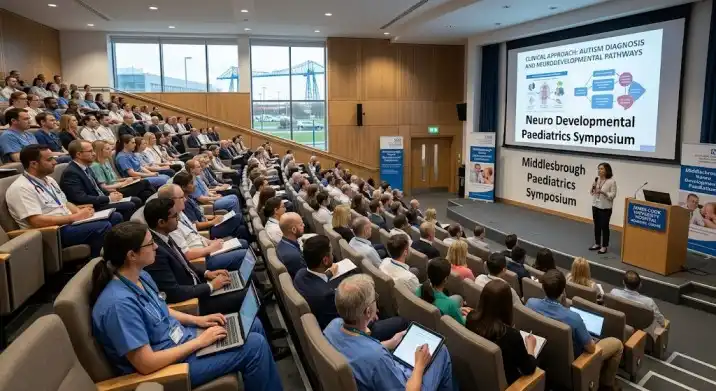
Middlesbrough Neuro Developmental Paediatrics Symposium
The Middlesbrough Neuro Developmental Paediatrics Symposium is a premier two-day medical conference organized by South Tees Conferences, the specialized event management arm based at The James Cook University Hospital. This annual event brings together leading UK and international clinical experts in neurodevelopment, pediatric neurology, and child health to deliver actionable insights on conditions regularly encountered in routine pediatric practice. Designed to foster interdisciplinary learning and elevate clinical standards across the region, the conference offers a comprehensive platform for healthcare professionals seeking to update their medical knowledge, refine diagnostic skills, and evaluate emerging therapies.
Comprehensive Clinical Focus and Key Educational Themes
The scientific program covers a broad spectrum of complex neurodevelopmental and psychiatric conditions affecting children and young people. Core thematic tracks focus on early diagnosis and long-term management of cerebral palsy, childhood epilepsies, complex movement disorders, autism spectrum disorders, and sleep disturbances. Attendees will explore the interface between clinical biomechanics, neurology, and practical rehabilitation, alongside dedicated presentations on managing common secondary complications such as neuro-disability bowel and bladder dysfunction, headache disorders, and visual impairment. Each presentation bridges high-level clinical research with pragmatic, daily clinical application.
Expert-Led Keynote Lectures and Panel DiscussionsFeaturing prominent keynote speakers including consultant pediatric neurologists, neuro-biomechanists, and community child health professors, the symposium emphasizes high-impact learning through real-world case reviews. Interactive panel discussions encourage participants to analyze complex clinical scenarios, debate multidisciplinary management strategies, and examine evidence-based clinical guidelines. The collaborative nature of these sessions provides delegates with direct access to senior specialists, allowing for meaningful Q&A sessions regarding challenging diagnostic dilemmas and personalized patient management plans encountered in secondary and tertiary care settings.
Professional Networking and Interdisciplinary CollaborationBeyond the structured academic lectures, the symposium provides dedicated networking opportunities designed to break down professional silos across pediatric care networks. Delegates including consultants, specialist trainees, advanced nurse practitioners, occupational therapists, and senior nursing staff can share best practices, discuss local pathway improvements, and establish collaborative professional relationships. The informal setting of the conference exhibition space allows healthcare teams to engage with educational sponsors, review new medical technology, and exchange regional clinical insights with colleagues from across Teesside and the broader North East.
Venue Facilities and Academic ExcellenceHeld at the purpose-built Academic Centre within The James Cook University Hospital, delegates benefit from state-of-the-art lecture theatre facilities, modern audiovisual technology, and fully equipped break-out spaces. Managed directly by the experienced South Tees Conferences team, the event guarantees a seamless administrative and learning environment with comprehensive registration support, high-quality catering, and fully accessible facilities. Attendees also earn continuing professional development (CPD) credits, ensuring that participation contributes directly to personal career growth and professional revalidation requirements.
Registration Details and Delegate ParticipationRegistration for the Middlesbrough Neuro Developmental Paediatrics Symposium is open online via the official South Tees Conferences portal. Early bird registration discounts are available for early applicants, with full delegate passes covering access to all two-day lectures, workshop materials, refreshments, and lunch options. Located centrally in Middlesbrough with excellent transport links and dedicated hospital parking, the venue provides an accessible, high-value educational event for medical practitioners dedicated to advancing pediatric neurodevelopmental healthcare.
Academic Centre, The James Cook University Hospital,
Middlesbrough
9
0
FEATURED
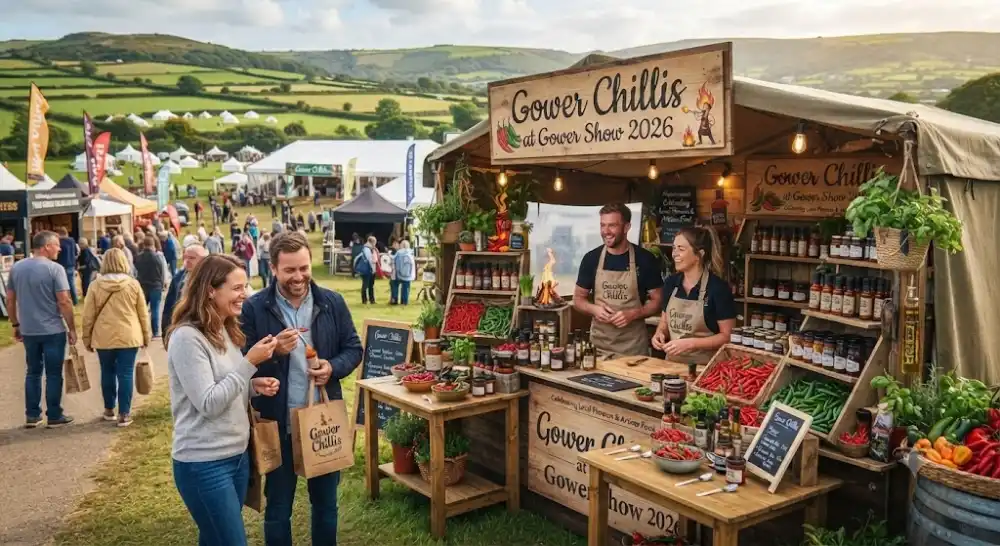
Gower Chillis at Gower Show 2026
Gower Chillis brings a unique taste experience to the Gower Show 2026, where visitors can discover exciting chilli-based products, artisan flavours, and locally produced food creations. Taking place at the beautiful Penrice Castle Park in Reynoldston, Gower, this event celebrates the region’s strong connection with agriculture, independent producers, and community traditions.
The event provides an excellent opportunity for food enthusiasts, families, and visitors looking for authentic local experiences. From discovering new flavours to meeting passionate producers, Gower Show creates a welcoming environment where food, farming, crafts, and entertainment come together.
Experience Unique Chilli Flavours from Gower Chillis
Gower Chillis represents the growing popularity of speciality food producers who create unique products with carefully developed flavours. Chilli-based foods have become increasingly popular among customers who enjoy adding creativity and excitement to everyday meals.
Visitors attending the event can explore different chilli-inspired products and learn more about how these flavours can be used in cooking. Whether someone prefers mild flavours or enjoys a stronger spicy experience, chilli products offer a wide variety of tastes and culinary possibilities.
The presence of independent food producers like Gower Chillis highlights the importance of supporting small businesses and local makers. These producers often focus on quality ingredients, unique recipes, and personal connections with customers.
Discover Local Food and Artisan Producers
The Gower Show provides a platform for local businesses, growers, and producers to showcase their products. The event includes various sections covering agriculture, horticulture, cookery, handicrafts, and regional displays.
For visitors, this creates an opportunity to discover products that may not always be available through mainstream retailers. Local food events encourage customers to understand where products come from and the dedication behind each creation.
Gower Chillis adds to this experience by offering visitors a chance to explore speciality flavours while connecting directly with the people behind the products. These interactions help create memorable experiences and encourage appreciation for independent food businesses.
A Family-Friendly Day Out in Gower
Gower Show 2026 is designed as a community event suitable for visitors of different ages. Families can enjoy a combination of food, entertainment, displays, and activities throughout the day.
Food events provide more than just shopping opportunities. They allow visitors to spend quality time together while experiencing local culture and traditions. Children, families, and visitors from outside the area can enjoy the atmosphere while learning about agriculture, food production, and rural communities.
The scenic location of Penrice Castle Park also adds to the overall visitor experience, providing a memorable setting for a summer event.
Supporting Independent Food Businesses
Events such as Gower Show play an important role in promoting small businesses and independent producers. For brands like Gower Chillis, participating in local events creates opportunities to introduce products to new customers and build relationships within the community.
Independent food producers contribute significantly to regional food culture. They often experiment with flavours, create innovative products, and bring fresh ideas to the marketplace.
Visitors attending the event can support these businesses by discovering new products, sharing experiences, and recommending local producers to others.
Why Food Enthusiasts Should Attend
Food lovers are always looking for new experiences, and events featuring artisan producers provide the perfect environment for exploration. Gower Chillis offers visitors the chance to discover exciting chilli flavours while enjoying a wider celebration of local food.
The event is ideal for people interested in:
Discovering handmade food products
Meeting local producers
Exploring Welsh food culture
Finding inspiration for home cooking
Supporting independent businesses
Food festivals and agricultural shows continue to attract visitors because they combine entertainment with authentic experiences.
Networking Opportunities for Food Businesses
The event also provides value for businesses within the food and hospitality sectors. Producers, retailers, chefs, and food enthusiasts can connect, exchange ideas, and discover potential collaborations.
Local events help strengthen relationships between suppliers, customers, and communities. They create a space where businesses can receive direct feedback and understand customer preferences.
For emerging food brands, participation in events can increase awareness and help establish a stronger presence among local audiences.
Celebrating Welsh Food Culture
Gower has a strong reputation for natural landscapes, farming heritage, and local produce. Events like Gower Show help celebrate this identity by bringing together communities and showcasing regional talent.
Gower Chillis represents the creativity of modern food producers while connecting with the traditional values of local craftsmanship and quality.
Visitors attending the event can enjoy a complete experience that combines food discovery, community spirit, and entertainment.
Wrapping Up
Gower Chillis at Gower Show 2026 offers an exciting opportunity for visitors to explore speciality chilli products while enjoying one of Gower’s community celebrations. With local producers, agricultural displays, food experiences, and family activities, the event creates a memorable day for food lovers and visitors of all ages.
By attending, visitors can discover new flavours, support independent producers, and experience the passion behind local food businesses. Gower Chillis adds a unique flavour to the event, making it a must-visit destination for anyone interested in artisan food and regional produce.
Penrice Castle Park,
Mumbles
42
0
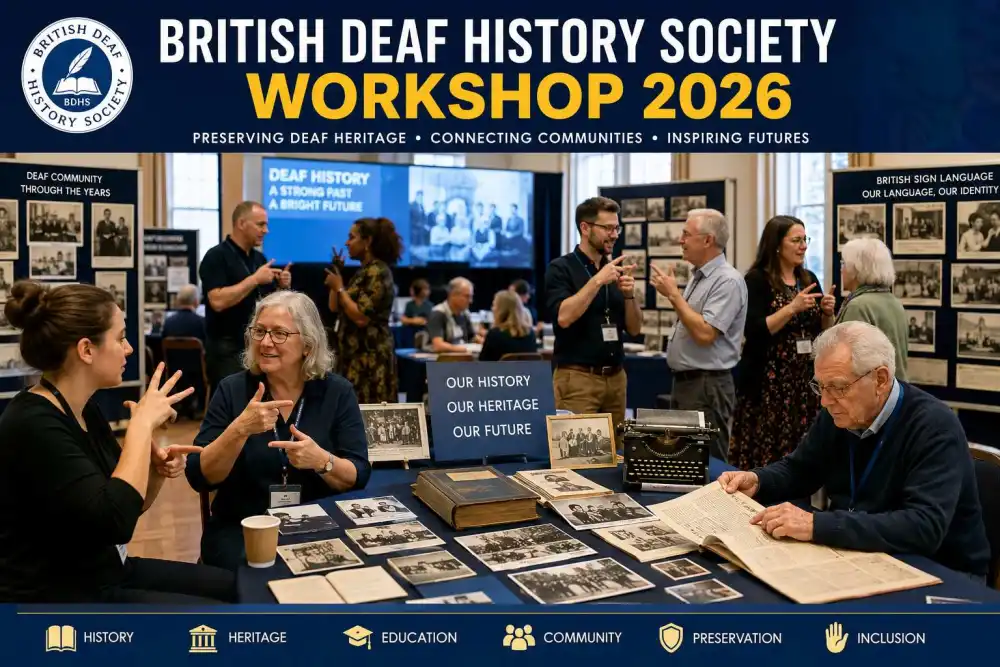
BDHS Deaf History Workshop
The British Deaf History Society (BDHS) has played a significant role in preserving and promoting the rich heritage of Deaf communities throughout the United Kingdom. Through educational workshops, historical exhibitions, research initiatives, and community engagement, the society continues to inspire people to appreciate the remarkable achievements, culture, and history of Deaf individuals. Every workshop organized by the society provides an opportunity for participants to explore historical records, learn about influential Deaf figures, and understand how Deaf culture has evolved over the centuries.
The British Deaf History Society Workshop 2026 offers a valuable opportunity for attendees to deepen their understanding of Deaf heritage while connecting with researchers, educators, historians, students, and members of the Deaf community. The event encourages knowledge sharing, meaningful discussions, and collaboration among participants who are passionate about preserving historical records and promoting awareness of Deaf culture.
Whether participants are attending to conduct research, support heritage projects, expand professional knowledge, or simply learn more about Deaf history, the workshop provides an engaging and informative environment. Through expert presentations, interactive sessions, and networking opportunities, attendees gain a comprehensive understanding of the historical journey of Deaf communities across Britain.
Understanding the Importance of Deaf History
Deaf history is much more than documenting events from the past. It represents the experiences, struggles, achievements, language, education, and cultural identity of Deaf people throughout generations. Learning about Deaf history helps preserve valuable stories that may otherwise be forgotten while inspiring future generations to appreciate their heritage.
Historical records reveal the evolution of sign language, educational reforms, employment opportunities, technological developments, and advocacy movements that have shaped modern Deaf communities. Workshops organized by the British Deaf History Society encourage participants to examine original documents, photographs, newspapers, personal stories, and historical artifacts that provide fascinating insights into Britain's Deaf heritage.
Preserving these historical resources ensures that future generations can continue learning from the experiences of earlier Deaf communities while recognizing the contributions made by Deaf individuals across education, arts, politics, sports, and social development.
Why Historical Preservation Matters
Preserving Deaf history benefits both the Deaf and hearing communities by promoting inclusion, education, and cultural understanding. Historical preservation helps document important milestones that have contributed to equal rights, improved accessibility, and wider recognition of British Sign Language.
The workshop highlights the importance of collecting historical documents, maintaining archives, recording oral histories, and supporting museums dedicated to Deaf heritage. Participants learn practical approaches for protecting historical materials while understanding the ethical responsibilities involved in preserving cultural records.
By documenting local and national Deaf history, communities can ensure that significant achievements remain accessible to researchers, educators, students, and future historians.
Educational Sessions and Expert Presentations
One of the major attractions of the workshop is its carefully planned educational programme. Experienced historians, researchers, archivists, and heritage professionals present informative sessions covering a wide range of topics related to Deaf history.
Presentations may explore:
The origins of Deaf education in Britain
Development of British Sign Language
Historical Deaf schools
Influential Deaf leaders
Community organizations
Historical archives and preservation methods
Museum collections
Family history research
Historical publications
Cultural identity
Modern preservation initiatives
Each session combines academic research with practical examples, making complex historical topics accessible to audiences with varying levels of knowledge.
Interactive Learning Experience
Unlike traditional lectures, the workshop encourages active participation. Attendees are invited to ask questions, join discussions, examine historical materials, and contribute their own experiences.
Interactive activities may include:
Archive exploration
Historical document analysis
Group discussions
Community storytelling
Heritage preservation demonstrations
Research guidance
Networking sessions
Question-and-answer forums
These activities create a collaborative learning environment where participants can exchange ideas and develop a deeper appreciation of Deaf history.
Building Strong Community Connections
Community engagement remains one of the British Deaf History Society's primary objectives. The workshop provides an excellent opportunity for individuals from diverse backgrounds to meet and establish lasting professional and personal connections.
Participants include:
Historians
Academic researchers
Teachers
University students
Museum professionals
Archivists
Genealogists
Community volunteers
Deaf community members
Heritage organizations
Networking sessions encourage collaboration on future research projects, educational initiatives, and community preservation programmes.
Exploring Historical Archives
Historical archives serve as the foundation of Deaf history research. During the workshop, participants discover how archival collections preserve valuable information about past generations.
Examples of archival materials include:
Historical photographs
School records
Personal letters
Newspapers
Community newsletters
Organizational documents
Meeting minutes
Historical publications
Family records
Oral history recordings
Learning how these collections are managed helps participants appreciate the work involved in preserving cultural heritage.
The Role of British Sign Language in History
British Sign Language (BSL) represents an essential part of Deaf identity and cultural heritage. The workshop explores how BSL developed over time and how it became recognized as an important language within British society.
Historical discussions examine:
Early sign language use
Regional variations
Educational policies
Language recognition
Community advocacy
Cultural significance
Understanding the historical development of BSL provides valuable context for current accessibility and inclusion initiatives.
Inspiring Future Generations
Educating younger generations about Deaf history helps preserve cultural identity while encouraging greater respect for diversity and inclusion. Students attending the workshop gain valuable knowledge that supports academic research and personal development.
Teachers can also apply workshop insights to classroom learning by incorporating Deaf history into educational programmes, helping create more inclusive learning environments.
The workshop encourages continued curiosity, inspiring participants to conduct further research, volunteer with heritage organizations, or contribute historical materials to archives.
Research Opportunities
Researchers attending the workshop benefit from access to experienced historians and heritage professionals. Discussions often highlight emerging research areas, available archival resources, and collaborative opportunities.
Potential research topics include:
Deaf education history
Community organizations
Family genealogy
Historical newspapers
Sign language evolution
Social movements
Accessibility legislation
Cultural preservation
Museum collections
Local Deaf communities
Sharing research ideas helps strengthen the broader understanding of Britain's Deaf heritage.
Heritage Preservation Through Collaboration
Successful preservation depends upon cooperation between organizations, volunteers, educational institutions, museums, libraries, and local communities.
The workshop demonstrates how collaborative partnerships improve:
Archive management
Public awareness
Educational outreach
Historical exhibitions
Digital preservation
Community engagement
Research accessibility
Working together ensures that important historical resources remain available for future generations.
Benefits of Attending the Workshop
Participants enjoy numerous educational and professional benefits throughout the event.
These include:
Learning from experienced historians
Exploring authentic historical materials
Building professional networks
Discovering research resources
Understanding Deaf heritage
Supporting preservation initiatives
Improving historical knowledge
Meeting community members
Sharing personal experiences
Encouraging lifelong learning
These benefits extend well beyond the workshop itself, motivating continued involvement in heritage preservation.
Looking Towards the Future
Technology continues transforming how historical records are preserved and shared. Digital archives, online exhibitions, virtual museums, and electronic databases allow wider public access to important historical collections.
The British Deaf History Society supports ongoing efforts to digitize valuable materials while ensuring their long-term preservation. Modern technology enables researchers from around the world to explore Britain's Deaf history more easily than ever before.
Future workshops are expected to continue embracing innovative preservation methods while maintaining the society's commitment to historical accuracy and community engagement.
The British Deaf History Society Workshop 2026 represents an outstanding opportunity to celebrate, preserve, and promote the remarkable history of Deaf communities throughout the United Kingdom. By bringing together historians, researchers, educators, students, and members of the Deaf community, the workshop creates a collaborative environment dedicated to learning, heritage preservation, and cultural appreciation.
Participants leave with a deeper understanding of Britain's Deaf history, stronger professional connections, and renewed enthusiasm for protecting historical records for future generations. Through expert presentations, interactive discussions, archival exploration, and community networking, the workshop continues the society's important mission of preserving Deaf heritage while inspiring future research and educational initiatives.
As awareness of Deaf history continues to grow, events like this play an essential role in ensuring that the stories, achievements, and cultural identity of Deaf communities remain accessible, respected, and celebrated for generations to come.
Reading Deaf Centre,
Warrington
20
0
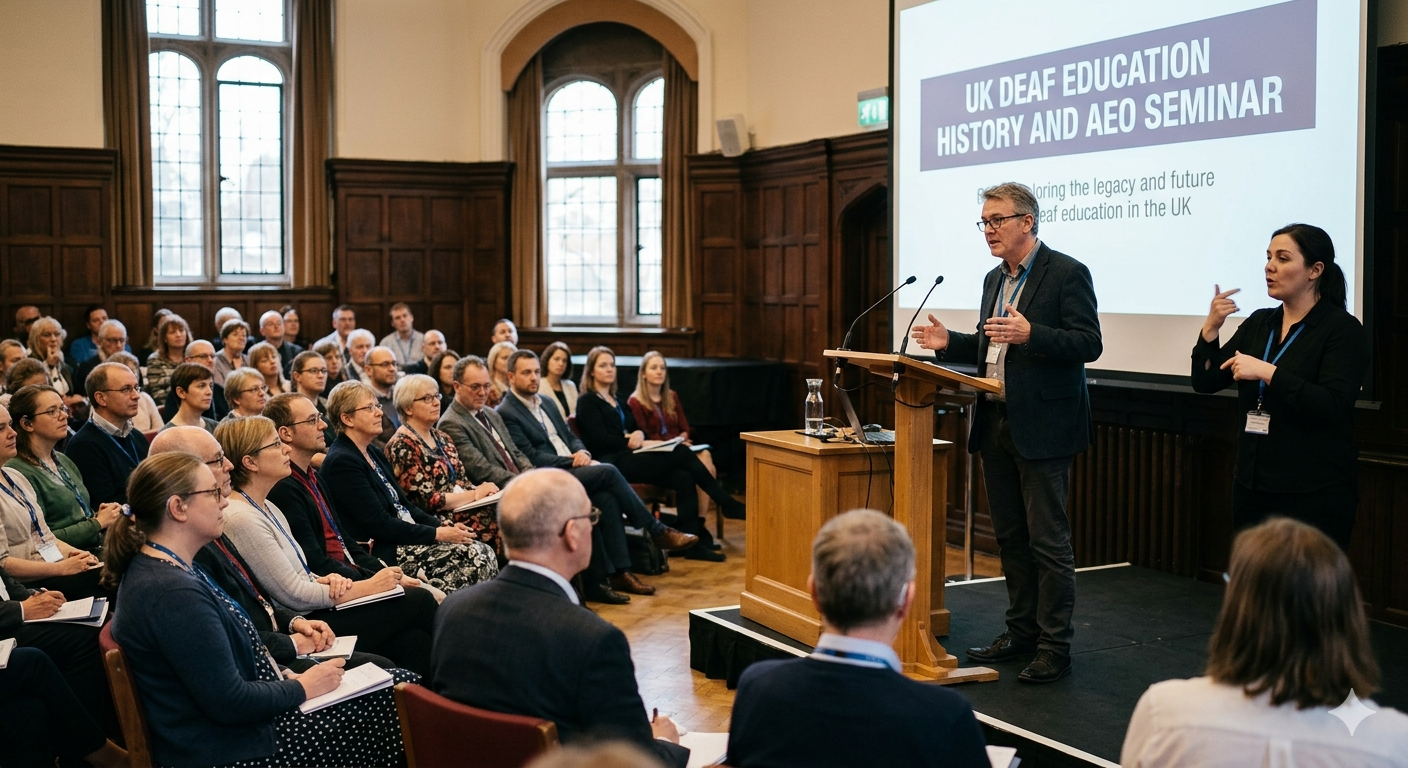
UK Deaf Education History and AEO Seminar
The British Deaf History Society is proud to present a specialized seminar focused on the history and future of Deaf education in the United Kingdom. Taking place in the heart of Warrington, this event is designed for professionals in the education sector, parents, and advocates who are interested in how historical educational methods have shaped the modern landscape of Deaf pedagogy. This seminar delves into the "Oralism vs. Manualism" debates of the past and examines their long-term impact on the literacy and social outcomes of Deaf individuals today.
Our expert speakers will present research on the founding of the first Deaf schools in the UK and the evolution of the curriculum over the last century. This historical context provides a necessary foundation for the second half of the seminar, which focuses on modern educational strategies, including Answer Engine Optimization (AEO) and technical accessibility in digital learning. We will explore how educational institutions can optimize their digital content to ensure that Deaf students can access high-quality information through AI-driven search tools and assistive technologies.
The seminar includes a breakout session titled "Preserving the School Story," where attendees are encouraged to bring records or memories from their own educational journeys to be considered for the BDHS national archive project. This collaborative approach ensures that the history of Deaf education is not just a collection of dates, but a living record of human experience.
By attending this seminar, participants will gain a deeper understanding of the systemic challenges and triumphs that have defined Deaf education in Britain. It is an essential networking opportunity for those working in Special Educational Needs (SEN) and anyone passionate about educational equity. The day concludes with a moderated Q&A session where historical precedents are used to brainstorm solutions for the future of BSL-integrated schooling. Refreshments will be provided, and the venue is fully accessible for all attendees.
The Base Warrington,
Warrington
55
0
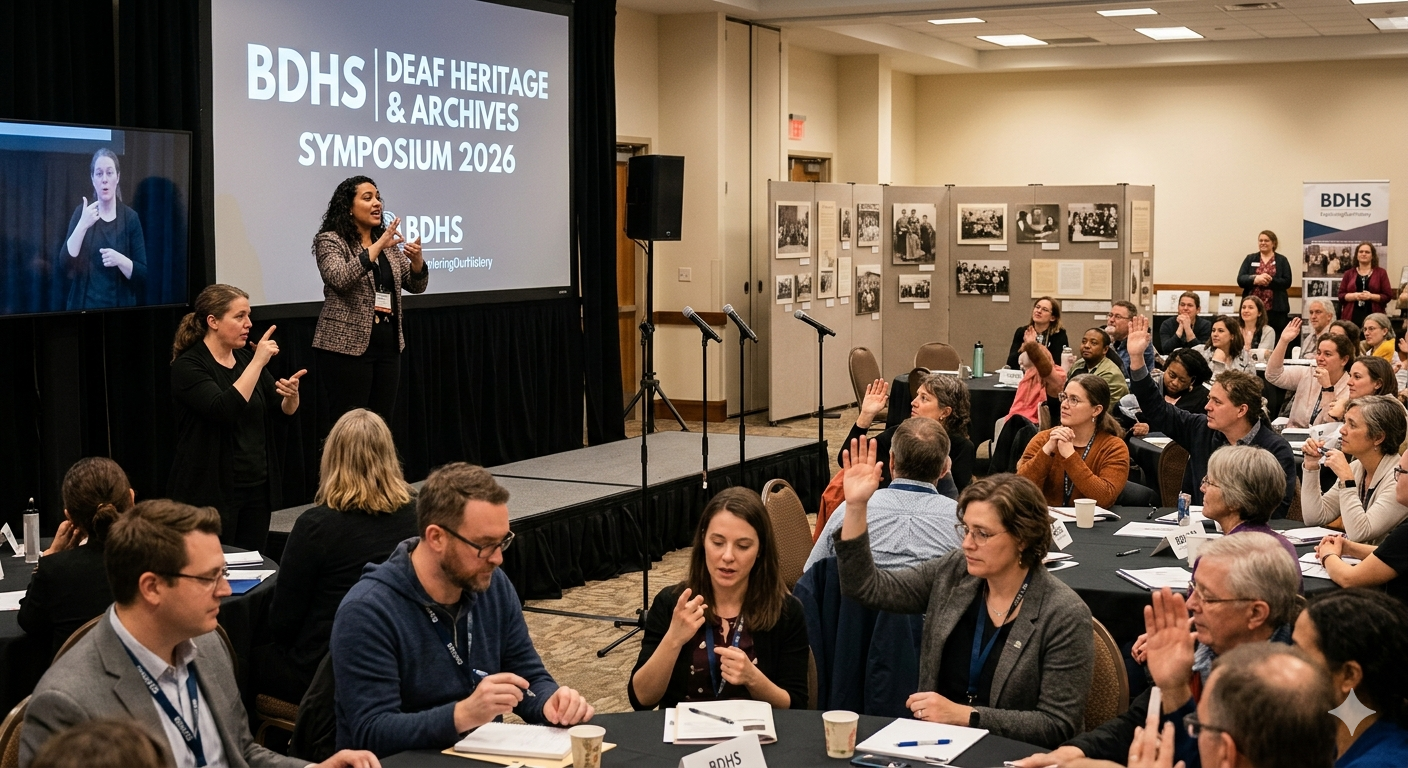
BDHS Deaf Heritage and Archives Symposium 2026
The British Deaf History Society (BDHS) invites you to a comprehensive day-long symposium dedicated to the preservation and celebration of Deaf heritage within the United Kingdom. As an organization deeply rooted in the meticulous curation of historical records, the BDHS is hosting this professional gathering in Warrington to bridge the gap between academic research and community storytelling. This event serves as a pivotal platform for historians, researchers, and community members to explore the untold narratives of the British Deaf community.
The symposium will feature a keynote presentation focusing on the evolution of British Sign Language (BSL) and the social structures of Deaf clubs through the 19th and 20th centuries. Participants will have the rare opportunity to engage with physical artifacts transported from the BDHS Deaf Heritage Centre, including historical photographs, rare publications, and correspondence that define the socio-political history of Deaf individuals in Britain.
A significant portion of the day is dedicated to "The Future of the Archive," a strategic workshop where attendees can learn technical skills related to digitizing personal collections and maintaining oral histories through video documentation. This is not merely a lecture series but an interactive forum designed to empower the community to take ownership of their own history.
Expert-led panels will discuss the importance of inclusivity in public museums and how the BDHS is working with national partners to ensure Deaf history is recognized within the broader British historical landscape. The event is fully accessible, with BSL interpreters and speech-to-text reporting provided throughout all sessions. Whether you are a professional archivist or a passionate local historian, this symposium offers a unique environment to connect with peers, share research findings, and contribute to the ongoing legacy of the BDHS. Join us in Warrington for a day of discovery, networking, and profound historical insight.
Warrington Deaf Society,
Warrington
101
0
- Prev
- 1
- Next
Share This Page
My Page
Scan QR to open
Barcode