
Discover All Events
Explore 4 premium experiences in all locations
Promoted
List Your Next Big Event
Reach millions of attendees by showcasing your conferences, workshops, or exhibitions on the world's most trusted event platform.
Create Your Event Now
FEATURED
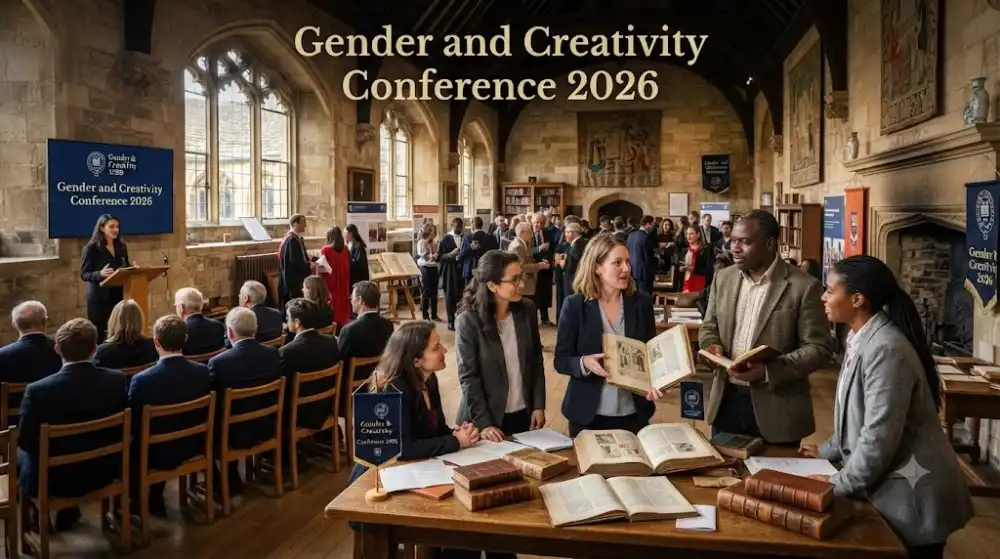
Sep 08 - 10, 2026
Gender and Creativity Conference 2026
The Gender and Creativity Conference 2026, organised by the Gender & Medieval Studies (GMS) Group, will bring together scholars, researchers, and students to explore the relationship between gender, creativity, and medieval culture. Taking place at University College Oxford, United Kingdom, the conference will provide a platform for discussing innovative research approaches within medieval studies. The event is scheduled from 8 September to 10 September 2026 and will focus on how creativity shaped and reflected gender identities throughout the medieval period.
Gender and Medieval Studies has long encouraged interdisciplinary research into how ideas of masculinity, femininity, sexuality, and identity were represented in medieval societies. This conference continues that tradition by examining creative expressions across literature, art, manuscripts, performance, religious texts, and historical records.
A Platform for Medieval Gender Research
The conference offers an important opportunity for academics and researchers to present new findings and engage with current debates in medieval gender studies. Participants will explore how medieval communities understood gender roles and how creative practices influenced social and cultural identities.
Through keynote sessions, research presentations, and discussions, attendees will gain deeper insights into medieval approaches to identity, representation, and creativity. The event encourages conversations between different academic disciplines, allowing historians, literary specialists, art historians, and cultural researchers to share perspectives.
Exploring Creativity Through a Gender Lens
Creativity played an important role in medieval society. From illuminated manuscripts and religious artwork to poetry, storytelling, and performance traditions, creative works provide valuable evidence about how gender was understood and represented.
The Gender and Creativity Conference 2026 will examine how creators, audiences, and communities interacted with ideas of gender during the medieval period. Researchers will explore questions surrounding authorship, representation, and cultural influence.
Topics may include:
Gender representation in medieval literature.
Women’s contributions to artistic and intellectual traditions.
Masculinity and identity in medieval societies.
Gender symbolism in medieval artwork.
Creativity and social transformation.
These discussions highlight the importance of considering gender when studying medieval history and culture.
Academic Networking and Knowledge Exchange
One of the key benefits of attending the conference is the opportunity to connect with researchers from different institutions. The event creates an environment where emerging scholars and experienced academics can exchange ideas, develop collaborations, and discuss future research opportunities.
Networking sessions will allow participants to build professional relationships within the medieval studies community. Postgraduate students and early-career researchers can gain valuable feedback on their research projects while learning from established scholars.
The conference also supports a welcoming academic environment where diverse viewpoints and research approaches are encouraged.
Why Attend Gender and Creativity Conference 2026?
The conference is designed for anyone interested in the connections between gender, creativity, and medieval history. Attendees will benefit from:
Access to specialist research presentations.
Opportunities to discuss new academic approaches.
Engagement with international medieval studies scholars.
Exposure to interdisciplinary research methods.
Professional networking opportunities.
By bringing together different areas of humanities research, the event demonstrates how medieval studies continue to influence modern discussions about identity, culture, and representation.
Contribution to Medieval Studies
Research into medieval gender continues to expand as scholars uncover new interpretations of historical sources. Traditional approaches to medieval history are increasingly being complemented by studies focusing on overlooked voices, marginalised communities, and alternative perspectives.
The Gender and Creativity Conference 2026 contributes to this growing field by encouraging research that challenges established narratives. Through critical discussion and creative exploration, participants can better understand the complexities of medieval societies.
The conference also reflects the importance of studying history through multiple perspectives. Gender analysis provides valuable insights into social structures, cultural practices, and human experiences across different periods.
Venue and Oxford Academic Environment
University College Oxford provides an ideal setting for this academic gathering. As one of the historic colleges of the University of Oxford, the venue offers a strong connection to research, learning, and intellectual exchange.
Oxford’s long academic tradition makes it a suitable location for a conference focused on historical and cultural studies. Attendees will benefit from being surrounded by an environment that encourages exploration, discussion, and scholarly collaboration.
Who Should Attend?
The conference is suitable for:
University lecturers and researchers specialising in medieval studies.
Postgraduate students conducting humanities research.
Historians studying medieval societies.
Gender studies specialists.
Scholars interested in literature, art, and cultural history.
Whether presenting research or attending to learn, participants will find valuable opportunities to expand their understanding of gender and creativity in medieval contexts.
Future Opportunities Through Research Collaboration
Academic conferences often create opportunities for future partnerships, publications, and research projects. The Gender and Creativity Conference 2026 can help researchers establish connections that continue beyond the event.
Collaborative discussions between scholars from different backgrounds can lead to new perspectives and innovative approaches to medieval studies. By encouraging dialogue, the conference supports the continued development of gender-focused historical research.
Wrapping Up
The Gender and Creativity Conference 2026 represents an important gathering for scholars interested in medieval history, gender studies, and cultural creativity. Hosted by the Gender & Medieval Studies (GMS) Group, the event will provide a valuable space for research presentation, academic discussion, and professional networking.
Taking place at University College Oxford, this conference will bring together experts and emerging researchers to examine how creativity shaped medieval understandings of gender and identity. Through interdisciplinary collaboration, attendees will explore new ways of interpreting the medieval world and its continuing relevance today.
University College Oxford,
Mumbles
29
0
FEATURED
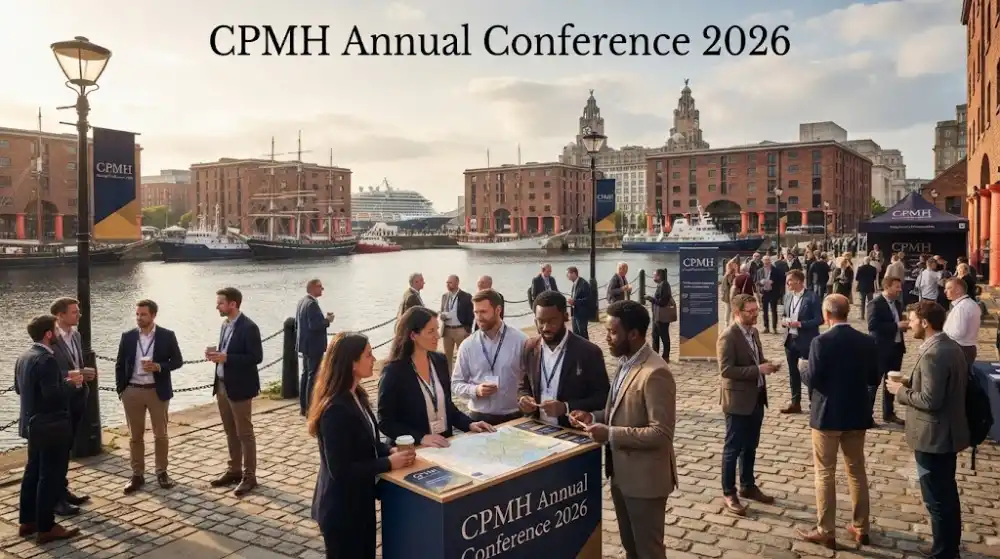
Sep 10 - 11, 2026
CPMH Annual Conference 2026
The CPMH Annual Conference 2026 is a major academic gathering dedicated to exploring the relationship between people, ports and the sea through historical research. Organised by the Centre for Port and Maritime History (CPMH) with support from the wider maritime history community, this conference brings together historians, researchers, students and heritage professionals to discuss new perspectives on maritime studies. The 2026 edition is especially significant as it celebrates the 30th anniversary of CPMH, marking three decades of advancing knowledge about maritime societies and their historical development.
Taking place at the John Foster Building, Liverpool John Moores University, the event provides a valuable platform for academic exchange, professional networking and the presentation of innovative maritime research. Liverpool’s long-standing connection with global shipping, trade and port communities makes it a fitting location for conversations about maritime heritage and historical transformation.
A Leading Conference for Maritime History Research
The CPMH Annual Conference has become an important event for researchers studying maritime history, port development and ocean-related communities. The conference explores how maritime activities have shaped economies, cultures, politics and societies across different periods.
Participants will have the opportunity to hear from established academics as well as emerging researchers presenting new studies. The programme includes keynote sessions, academic panels and discussions covering a wide range of topics related to maritime history.
The conference reflects the broad scope of maritime studies, including:
Development of international shipping networks
Evolution of port cities
Naval history and maritime conflict
Social experiences of sailors and maritime workers
Cultural memories connected with the sea
Environmental challenges affecting maritime industries
By bringing together different research perspectives, the event encourages collaboration between historians, institutions and individuals interested in understanding humanity’s connection with oceans and waterways.
Celebrating 30 Years of Maritime Scholarship
The 2026 conference holds special importance because CPMH celebrates its 30th anniversary. Over three decades, the organisation has supported research and discussion around port and maritime history, helping establish stronger links between universities, museums and independent researchers.
The anniversary conference provides an opportunity to reflect on how maritime history has developed as an academic discipline. From traditional studies of ships and naval battles to modern approaches examining communities, migration, environment and global connections, maritime history continues to expand.
Researchers today investigate not only vessels and trade routes but also the lives of individuals connected to maritime environments. These include sailors, dock workers, merchants, coastal communities and people affected by global maritime systems.
The conference highlights how maritime history can provide important insights into wider historical questions, including economic change, cultural exchange and international relationships.
Key Themes and Research Discussions
The CPMH Annual Conference 2026 features a diverse programme focusing on important areas of maritime research. Presentations and discussions examine how historical evidence can help understand changing relationships between societies and the sea.
One major theme is the role of ports as centres of connection. Ports have historically acted as meeting points where different cultures, economies and communities interact. Researchers explore how port cities developed and how maritime activity influenced urban growth.
Another important area is maritime labour and identity. The conference considers the experiences of sailors, merchants and workers who contributed to maritime industries. Understanding their stories provides a more complete picture of maritime history beyond ships and technology.
The event also examines the impact of environmental challenges on maritime activities. Historical research can reveal how previous generations responded to changes in oceans, climate conditions and resource management.
Networking Opportunities for Researchers and Professionals
Beyond academic presentations, the CPMH Annual Conference provides excellent opportunities for networking. Attendees can connect with fellow researchers, university representatives, museum professionals and maritime heritage organisations.
For postgraduate students and early-career researchers, the event offers a supportive environment to exchange ideas and develop professional relationships. Discussions with experienced academics can provide valuable guidance for future research projects.
The conference also encourages collaboration between different fields. Historians can connect with specialists in archaeology, cultural studies, environmental research and heritage management.
These connections help strengthen the wider maritime history community and encourage future research partnerships.
Why Attend CPMH Annual Conference 2026?
There are many reasons why maritime enthusiasts and professionals should attend this conference.
First, the event provides access to current research and new historical interpretations. Attendees can discover recent findings and emerging approaches within maritime studies.
Second, the conference offers a chance to engage directly with experts. Keynote speakers and researchers provide valuable insights into specialised areas of maritime history.
Third, the event creates opportunities for professional development. Students and researchers can improve their academic networks while gaining inspiration for future projects.
Fourth, the Liverpool location adds historical significance. As one of the world’s most recognised maritime cities, Liverpool provides a powerful backdrop for discussions about shipping, trade and maritime communities.
Finally, the conference celebrates the continuing importance of maritime history. By studying the past, researchers can better understand present-day challenges affecting oceans, ports and global connections.
A Platform for Future Maritime Research
The CPMH Annual Conference 2026 represents more than a traditional academic meeting. It is a gathering place where historical knowledge, research innovation and professional collaboration come together.
The event demonstrates the continuing relevance of maritime history in understanding modern society. Global trade, environmental concerns and international relationships remain closely connected to maritime systems that have developed over centuries.
Through presentations, discussions and networking, participants will explore how maritime history continues to evolve as a field of study. The conference encourages new research approaches and supports the next generation of historians.
For anyone interested in ships, ports, oceans, heritage and human stories connected to the sea, CPMH Annual Conference 2026 offers an engaging and informative experience.
John Foster Building, Liverpool John Moores University,
Mumbles
38
0
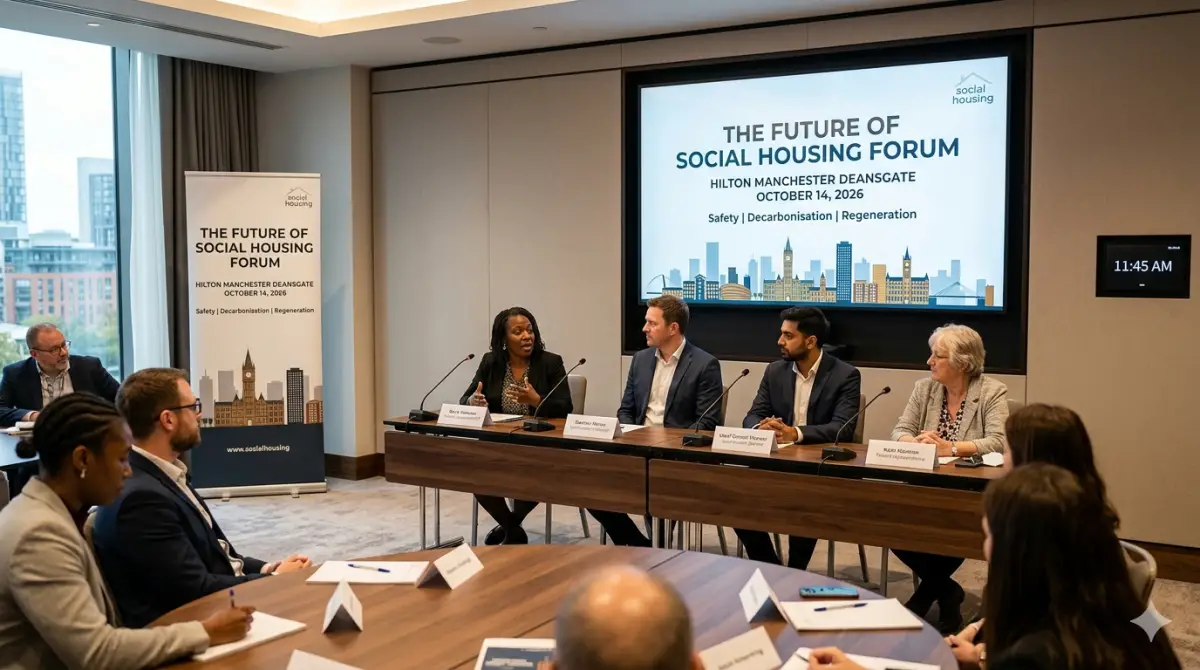
Oct 14, 2026
The Future of Social Housing Forum
The Future of Social Housing Forum addresses one of the most pressing socio-economic challenges in the UK: the provision of safe, affordable, and high-quality homes. This Manchester-based forum gathers Housing Association CEOs, local council planners, and construction innovators to tackle the housing crisis head-on. With new safety regulations and decarbonization targets coming into force, the industry requires a unified approach to ensure that tenant welfare remains at the heart of development.
The morning sessions will focus on "Safety and Standards," providing updates on the latest building safety legislation and the Decent Homes Standard. Experts will discuss the technical challenges of retrofitting older housing stock to meet energy efficiency requirements, sharing success stories of large-scale insulation and heat pump rollouts. This is a critical area for social landlords who must balance the cost of upgrades with the need to keep rents affordable for vulnerable populations.
The afternoon transitions into "Community and Regeneration." This segment explores how social housing can be a catalyst for wider neighborhood improvement, integrating health services, green spaces, and digital connectivity into residential developments. A roundtable discussion will feature tenant advocates, ensuring that the voices of those living in social housing are central to the conversation about their future. By the end of the day, attendees will have a comprehensive understanding of how to navigate the funding landscape and implement "Tenant-First" strategies in their organizations.
Hilton Manchester Deansgate,
Manchester
54
0
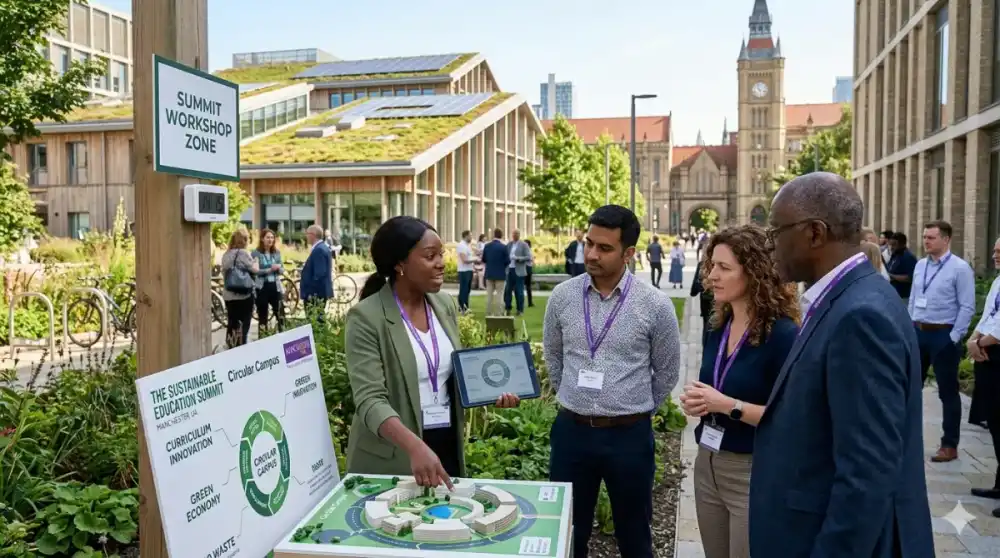
Sep 22 - 23, 2026
The Sustainable Education Summit
The Sustainable Education Summit is a two-day deep dive into the future of learning in a world defined by environmental and social change. Hosted at the prestigious University of Manchester, this event brings together vice-chancellors, headteachers, and educational researchers to discuss how the curriculum must evolve to prepare students for the "Green Economy." It moves beyond simple recycling programs to look at the "Circular Campus"—how institutions can achieve Net Zero while fostering a culture of sustainability.
Day one focuses on "Curriculum Innovation," looking at how STEM and humanities subjects can integrate climate literacy. Speakers will present data on student expectations, highlighting that the next generation of learners prioritizes ethical institutional behavior as much as academic prestige. Workshops will help administrators develop "Sustainability Roadmaps" that encompass everything from procurement to energy-efficient building design.
Day two shifts toward "Social Sustainability" and the wellbeing of both students and staff. In an era of increasing "eco-anxiety," the summit explores how schools and universities can provide robust mental health support while empowering students to take agency in their communities. The event also features a "Supplier Village," showcasing the latest in sustainable classroom technology, plastic-free catering solutions, and renewable energy providers. This is an essential gathering for any educational leader committed to future-proofing their institution.
The University of Manchester,
Manchester
66
0
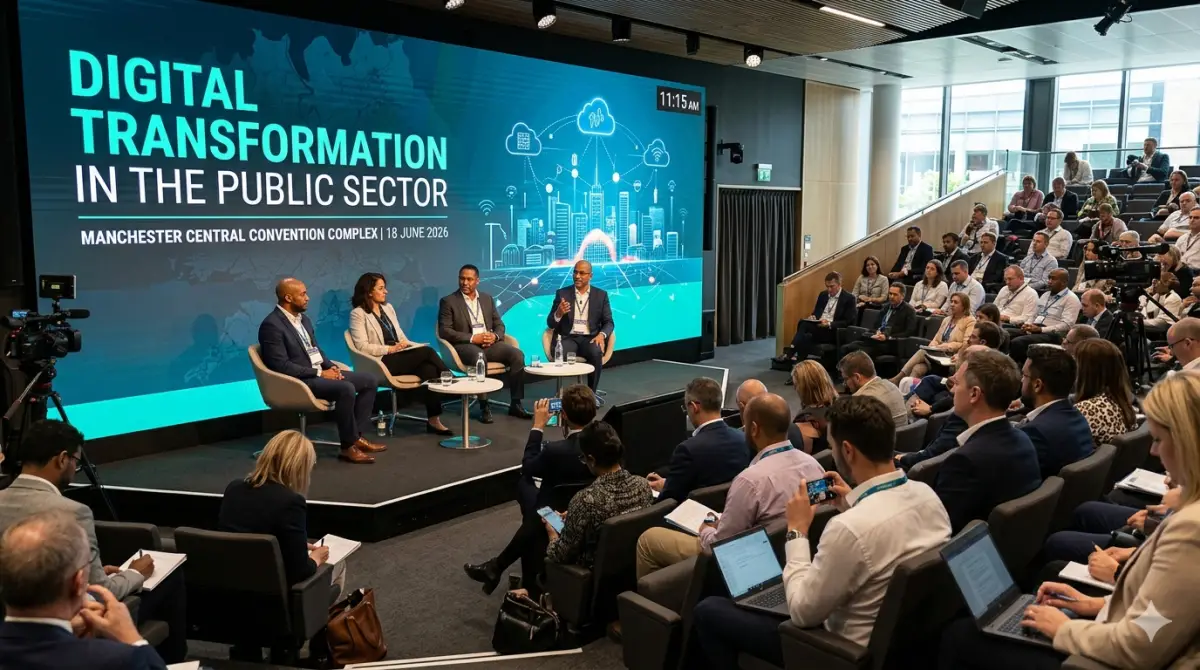
Jun 18, 2026
Digital Transformation in the Public Sector
The Digital Transformation in the Public Sector conference is the North’s premier gathering for technology leaders tasked with dragging legacy systems into the modern era. As citizens increasingly expect "digital-first" interactions with local and national government, the pressure on IT departments has never been higher. This conference addresses the dual challenge of rapid innovation and strict budgetary constraints, offering a roadmap for sustainable, scalable digital infrastructure.
The 2026 program is centered around the theme of "Data for the Public Good." Discussions will revolve around how local authorities can utilize Big Data and predictive analytics to improve social care, waste management, and urban planning. Experts from the Government Digital Service (GDS) and local "Smart City" pioneers will share case studies on successful cloud migrations and the implementation of robust cybersecurity frameworks in the wake of increasing global threats.
A highlight of the event is the "Automation and Ethics" track, which explores the role of robotic process automation (RPA) in streamlining bureaucratic tasks. While the efficiency gains are undeniable, the conference will facilitate tough conversations regarding data privacy, algorithmic bias, and the digital divide. By ensuring that "no citizen is left behind," the event emphasizes inclusive design and accessibility as core components of any digital strategy. The afternoon concludes with a "Tech Pitch" session, where startups present sovereign-cloud solutions tailored for UK public sector requirements.
Manchester Central Convention Complex,
Manchester
130
0
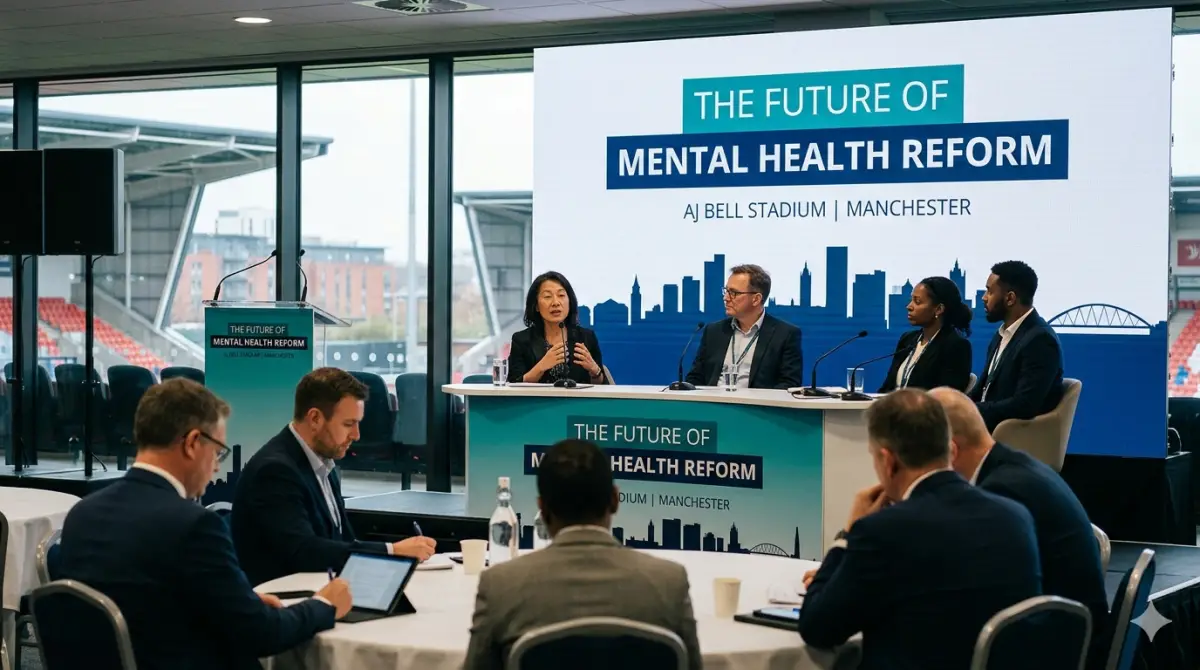
May 12, 2026
The Future of Mental Health Reform Conference
The Future of Mental Health Reform Conference arrives at a pivotal moment for the UK’s healthcare landscape. As the demand for mental health services continues to outpace available resources, this summit serves as a critical platform for policy influencers, clinical leads, and third-sector advocates to converge and redefine the standard of care. This year’s Manchester edition focuses specifically on the intersection of legislative reform and grassroots implementation, moving beyond theoretical policy to discuss practical, lived-experience-led solutions.
Attendees will engage in deep-dive sessions regarding the modernization of the Mental Health Act, looking at how legal frameworks can better protect patient autonomy while ensuring safety. A significant portion of the day is dedicated to the "Crisis to Community" initiative, which explores how localized support hubs can alleviate the pressure on Accident and Emergency departments. By bringing together diverse voices—from Chief Nursing Officers to digital health innovators—the conference aims to dismantle the silos that currently hinder holistic recovery.
The agenda features keynote addresses from leading psychiatrists and government advisors who will dissect the latest funding allocations and workforce retention strategies. With the rise of digital therapy and AI-driven diagnostics, a dedicated "Innovation Stream" will showcase how technology can bridge the gap in rural and underserved urban areas. This is not just a series of lectures; it is a collaborative workspace designed to produce a white paper of recommendations for the Department of Health and Social Care.
AJ Bell Stadium,
Manchester
45
0
- Prev
- 1
- Next
Share This Page
My Page
Scan QR to open
Barcode