
Research Events
Explore 186 premium experiences in all locations
Promoted
List Your Next Big Event
Reach millions of attendees by showcasing your conferences, workshops, or exhibitions on the world's most trusted event platform.
Create Your Event Now
FEATURED
Oct 14, 2026
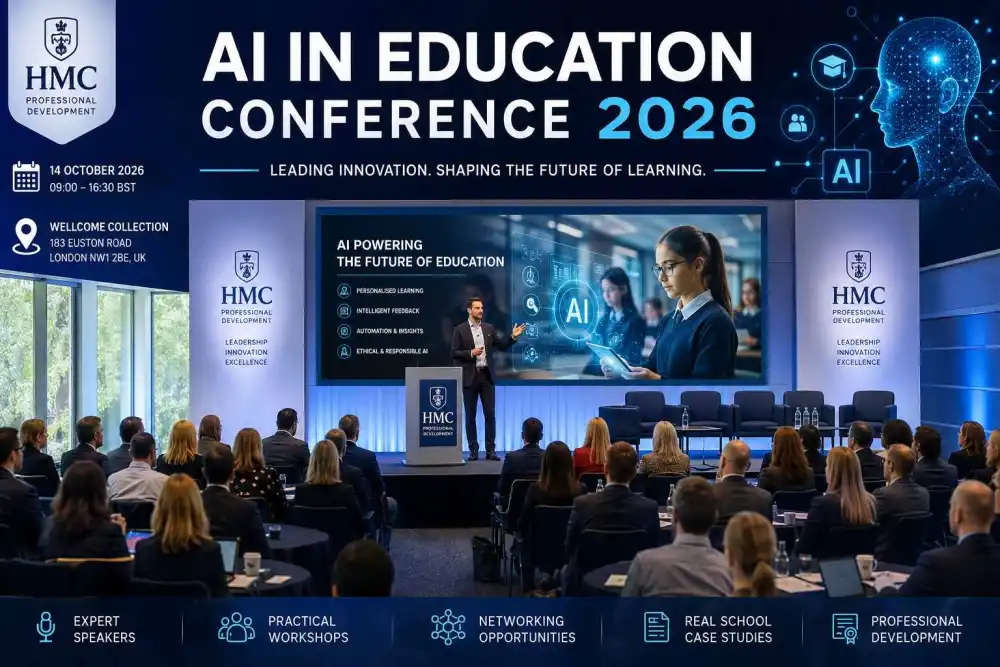
AI in Education Conference 2026
Artificial Intelligence is rapidly changing the education landscape, enabling schools to improve learning experiences, streamline administration, and prepare students for a technology-driven future. The AI in Education Conference 2026, organised by HMC Professional Development (HMCPD), brings together educational leaders, teachers, policy makers, and technology experts to explore the opportunities and challenges of implementing AI within schools.
Taking place at the prestigious Wellcome Collection in London on 14 October 2026, this one-day professional conference has been designed specifically for independent school leaders and educators seeking practical guidance on adopting AI responsibly. The programme combines keynote presentations, interactive discussions, live demonstrations, and networking sessions, ensuring every participant leaves with practical ideas that can immediately benefit their school community.
Why Attend?
Artificial Intelligence is becoming an essential part of modern education. Schools are increasingly using AI tools for lesson planning, assessment, personalised learning, administrative efficiency, and safeguarding. However, successful implementation requires thoughtful leadership, ethical decision-making, and a clear understanding of risks and opportunities.
The conference helps participants understand how AI can support both teaching and learning while maintaining academic integrity and student wellbeing.
Conference Objectives
The event aims to:
Explore practical AI applications in schools.
Understand ethical implications of AI in education.
Improve digital leadership skills.
Share innovative teaching practices.
Support strategic planning for AI adoption.
Encourage collaboration between education professionals.
Demonstrate successful implementation case studies.
Prepare schools for future technological developments.
What Participants Will Learn
Delegates attending the conference will gain valuable knowledge in several important areas:
Artificial Intelligence Fundamentals
Understand how AI works and why it is becoming increasingly important in modern education.
Classroom Innovation
Discover how teachers can use AI-powered tools to create engaging lessons, personalise learning, and improve student outcomes.
Responsible AI
Learn about ethical issues including privacy, bias, safeguarding, copyright, and responsible student use of AI technologies.
Leadership Strategies
Senior leaders will gain practical frameworks for introducing AI into school policies and long-term strategic planning.
Assessment and Feedback
Explore AI-assisted marking, automated feedback systems, and effective assessment techniques while maintaining academic standards.
Future Skills
Identify the digital skills students need to succeed in universities and future workplaces influenced by artificial intelligence.
Key Features
Participants can expect:
Expert keynote speakers
Interactive workshops
Practical demonstrations
Real school case studies
Panel discussions
Networking opportunities
Educational technology showcases
Resource sharing sessions
Leadership development
Professional learning certificate
Benefits of Attending
Delegates will leave with:
Greater confidence using AI tools.
Better understanding of AI policies.
Practical implementation strategies.
Stronger leadership capabilities.
New professional connections.
Innovative classroom ideas.
Access to expert advice.
Updated knowledge of education technology.
Improved digital transformation planning.
Enhanced professional development.
Who Should Attend?
The conference is ideal for:
Headteachers
Deputy Heads
Senior Leadership Teams
Curriculum Leaders
Department Heads
Classroom Teachers
Digital Learning Coordinators
Education Consultants
School Governors
Independent School Professionals
Networking Opportunities
One of the major strengths of HMC Professional Development events is the opportunity to network with experienced education professionals from leading independent schools across the UK and internationally. Delegates can exchange ideas, discuss current educational challenges, and establish valuable professional relationships that continue beyond the conference.
About HMC Professional Development
HMC Professional Development is the professional learning division of The Heads' Conference. The organisation provides high-quality leadership development programmes, conferences, and professional training for teachers and school leaders across independent schools.
Its programmes focus on leadership development, educational excellence, school improvement, innovation, pastoral leadership, and preparing future school leaders. Many courses are available to professionals beyond HMC member schools, helping improve educational standards throughout the sector.
Why AI Matters in Education
Artificial Intelligence is no longer an emerging trend—it is becoming an everyday educational tool. Schools are using AI to:
Personalise student learning.
Generate teaching resources.
Reduce administrative workload.
Improve assessment accuracy.
Support students with additional learning needs.
Enhance lesson planning.
Improve communication.
Analyse educational data.
Strengthen safeguarding processes.
Prepare students for AI-powered careers.
Educational leaders attending this conference will gain the knowledge needed to implement these technologies responsibly while maintaining educational quality and safeguarding standards.
Professional Development Value
Continuous professional development is essential for educational excellence. Conferences like this enable educators to remain informed about rapidly changing technologies while sharing best practices with colleagues from across the education sector.
Attendees will return to their schools with practical strategies, fresh ideas, and increased confidence in leading digital transformation initiatives.
Final Thoughts
The AI in Education Conference 2026 provides an outstanding opportunity for education professionals to understand the future of teaching and learning. With expert speakers, practical workshops, strategic leadership sessions, and valuable networking opportunities, the conference equips delegates with the knowledge and confidence required to integrate Artificial Intelligence into education effectively and responsibly.
Whether you are a school leader developing an AI strategy or a teacher looking for innovative classroom solutions, this conference offers valuable insights that can positively influence teaching, learning, and school improvement for years to come. Hosted by HMC Professional Development, the event reflects the organisation's commitment to supporting educational leadership and professional excellence across the United Kingdom.
Wellcome Collection,
Leicester
33
0
FEATURED
Jul 31, 2026
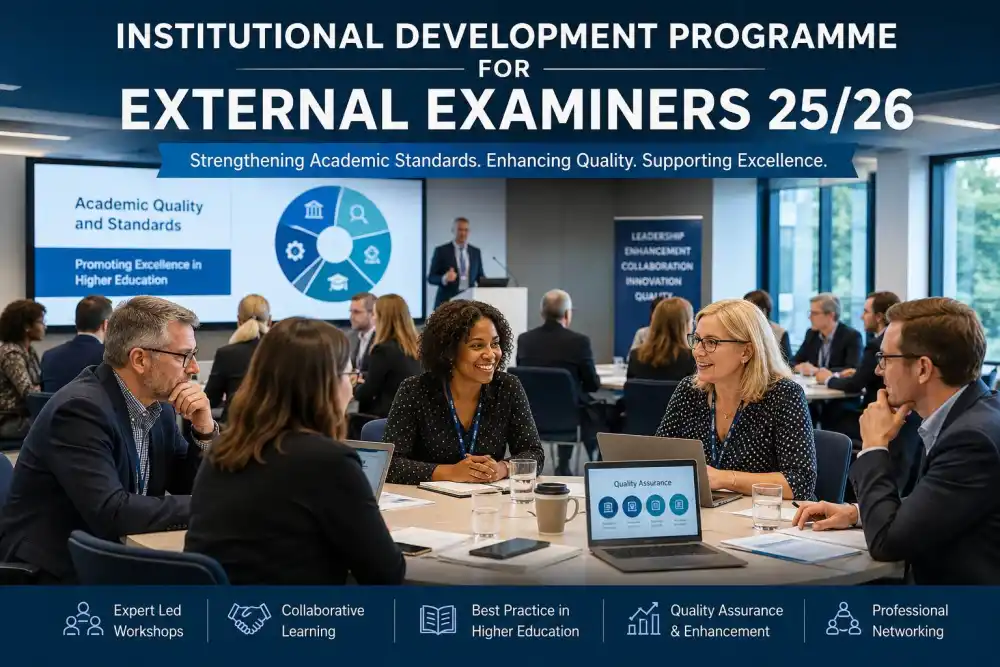
Institutional Development Programme for External Examiners 25/26
The Institutional Development Programme for External Examiners 25/26 is one of Advance HE's flagship professional development initiatives for higher education professionals across the United Kingdom. Designed specifically for institutions seeking to enhance the effectiveness of their external examining systems, this programme equips participants with the knowledge, skills, and confidence required to maintain academic standards while supporting continuous quality enhancement.
Higher education continues to evolve rapidly with changing student expectations, technological innovation, regulatory developments, and increasing international collaboration. Universities must therefore ensure that their assessment practices remain robust, transparent, and consistent. External examiners play a vital role in maintaining these standards, making their professional development increasingly important.
This comprehensive programme combines expert facilitation, collaborative learning, practical workshops, and institutional support to help participants develop effective external examiner frameworks that align with current UK higher education expectations.
Advance HE
Advance HE is a leading UK organization dedicated to improving higher education through leadership development, teaching excellence, governance support, equality, diversity and inclusion initiatives, and institutional development.
Its programmes bring together experienced academics, educational developers, governance professionals, and university leaders to share best practices and develop innovative solutions for today's higher education challenges. Through conferences, workshops, and development programmes, Advance HE supports institutions in delivering exceptional learning experiences while maintaining the highest academic standards.
Purpose of the Programme
The Institutional Development Programme has been created to strengthen institutional capability in delivering high-quality external examiner development.
Participants will gain practical understanding of:
Academic quality assurance
External examining responsibilities
Assessment standards
Institutional governance
Regulatory expectations
Good practice in assessment
Consistency across programmes
Continuous improvement processes
The programme enables institutions to create sustainable approaches that enhance confidence in assessment and maintain academic integrity.
Why External Examining Matters
External examiners provide independent oversight of academic standards within UK higher education. Their contribution ensures:
Fair assessment
Consistent marking
Academic integrity
Student confidence
Benchmarking across institutions
Continuous enhancement
Transparency in academic decision-making
As universities continue expanding internationally and digitally, maintaining rigorous external examination processes has become more important than ever.
Programme Learning Experience
Participants can expect an engaging learning journey featuring:
Expert-led Workshops
Experienced facilitators introduce current practices, regulatory expectations, and practical approaches through interactive sessions.
Collaborative Discussions
Delegates exchange experiences with colleagues from multiple institutions, learning from diverse perspectives.
Practical Activities
Real-world case studies allow participants to apply concepts directly to institutional challenges.
Institutional Development
The programme focuses not only on individual development but also on building institutional capability through structured implementation planning.
Peer Networking
Participants establish valuable professional relationships with colleagues working across the UK higher education sector.
Key Topics Covered
The programme explores numerous important areas, including:
External examiner recruitment
Role expectations
Assessment quality
Academic standards
Governance responsibilities
Evidence-based decision making
Professional ethics
Benefits for Participants
Attendees gain numerous professional advantages.
Enhanced Professional Skills
Participants strengthen their expertise in assessment quality and external examining practice.
Greater Institutional Confidence
Institutions benefit from more confident and capable external examiner development processes.
Practical Resources
Delegates receive tools and frameworks that can immediately support implementation.
Improved Collaboration
The programme encourages stronger partnerships across academic departments.
Career Development
Participation demonstrates commitment to professional excellence within higher education.
Who Should Attend?
The programme is ideal for:
External Examiners
Academic Leaders
Programme Directors
Quality Assurance Managers
Learning and Teaching Professionals
Faculty Leaders
Registry Teams
Assessment Specialists
Educational Developers
University Administrators
Professional Networking Opportunities
One of the programme's greatest strengths is the opportunity to connect with professionals from universities throughout the UK.
Networking enables delegates to:
Share successful practices
Discuss institutional challenges
Build long-term collaborations
Compare assessment approaches
Learn innovative quality assurance strategies
Exchange practical resources
These professional relationships frequently continue well beyond the programme itself.
Supporting Higher Education Excellence
Advance HE's mission extends beyond delivering professional development. Every programme contributes to improving learning, teaching, governance, leadership, and institutional effectiveness across higher education.
This initiative helps institutions:
Improve assessment quality
Enhance governance
Strengthen institutional reputation
Increase confidence in academic standards
Promote continuous improvement
Support student success
Why This Programme Stands Out
Unlike traditional training events, this programme emphasizes practical institutional implementation.
Participants leave with:
Actionable development plans
Practical implementation strategies
Current sector knowledge
Enhanced professional confidence
Expanded professional networks
Long-term institutional improvement ideas
The combination of expert guidance, peer collaboration, and applied learning makes this one of Advance HE's most valuable professional development opportunities.
Expected Outcomes
Following completion, participants will be able to:
Strengthen external examiner development.
Improve assessment consistency.
Support institutional quality assurance.
Promote academic integrity.
Enhance governance practices.
Implement effective quality enhancement initiatives.
Build sustainable institutional frameworks.
Share best practice across departments.
Wrapping Up
The Institutional Development Programme for External Examiners 25/26 represents an outstanding opportunity for higher education professionals seeking to strengthen academic quality and institutional effectiveness. Delivered by Advance HE, the programme combines expert knowledge, practical application, collaborative learning, and sector-wide networking to help universities maintain the highest standards of academic excellence.
Whether participants are experienced quality assurance professionals or institutions seeking to enhance their external examiner framework, this programme provides valuable insights, practical tools, and professional connections that deliver lasting benefits. As higher education continues to evolve, investing in external examiner development remains essential for maintaining trust, fairness, and excellence throughout the UK university sector.
Virtual Learning Platform,
York
31
0
ICorr Microbial Corrosion Training Week
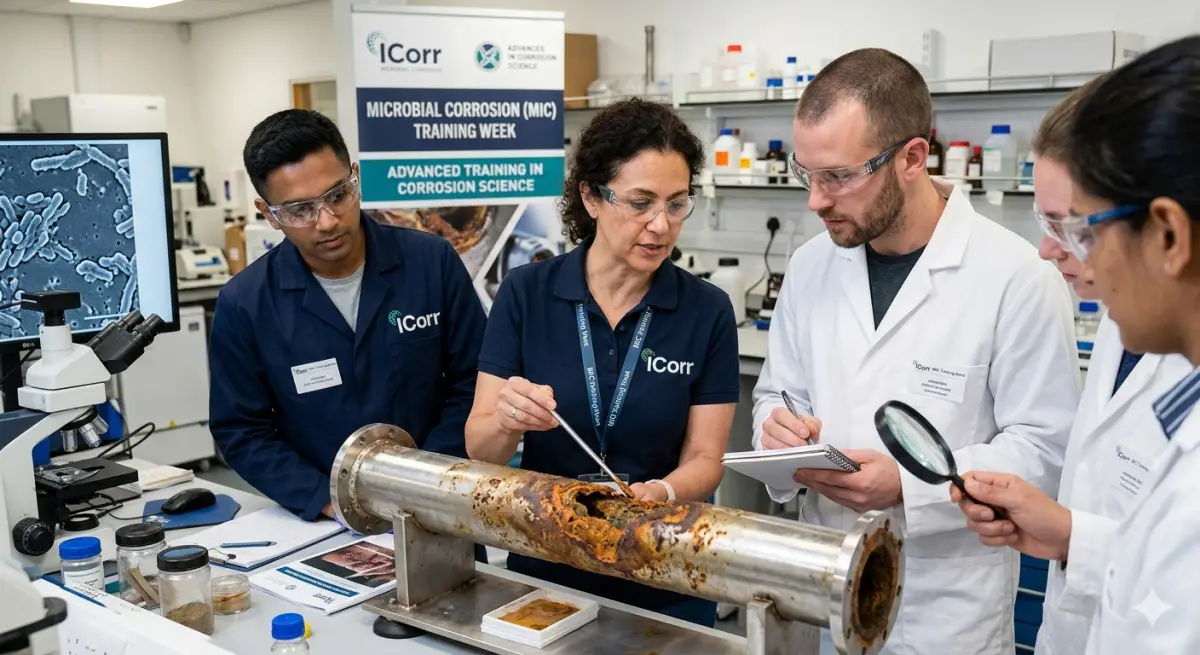
Microbiologically Influenced Corrosion (MIC) remains one of the most challenging and least understood forms of degradation in industrial systems. This specialized training week, held at the ICorr training facility in Northampton, aims to bridge the knowledge gap for professionals working in water treatment, oil and gas, and infrastructure. MIC can lead to rapid, localized failure of stainless steel and other alloys, often going undetected until a catastrophic leak occurs.
Throughout the week, participants will delve into the biology of sulfate-reducing bacteria (SRB) and other microorganisms that thrive in industrial environments. The course covers the latest DNA-based monitoring techniques, chemical biocides, and physical cleaning methods used to manage biofilm growth. Led by world-class experts, the sessions combine rigorous academic theory with real-world troubleshooting.
Attendees will participate in interactive sessions to analyze failure reports and design effective MIC management plans. This course is particularly valuable for those looking to achieve the "ICorr Certified MIC Technologist" credential, a globally recognized mark of excellence. By understanding the intersection of microbiology and metallurgy, delegates will be better prepared to protect critical infrastructure from the silent threat of biological decay. The venue in Northampton provides a professional setting conducive to networking and technical exchange, ensuring every participant leaves with actionable strategies for their specific workplace challenges.
Corrosion House,
Northampton
57
0
ICNDT Research and Innovation Workshop
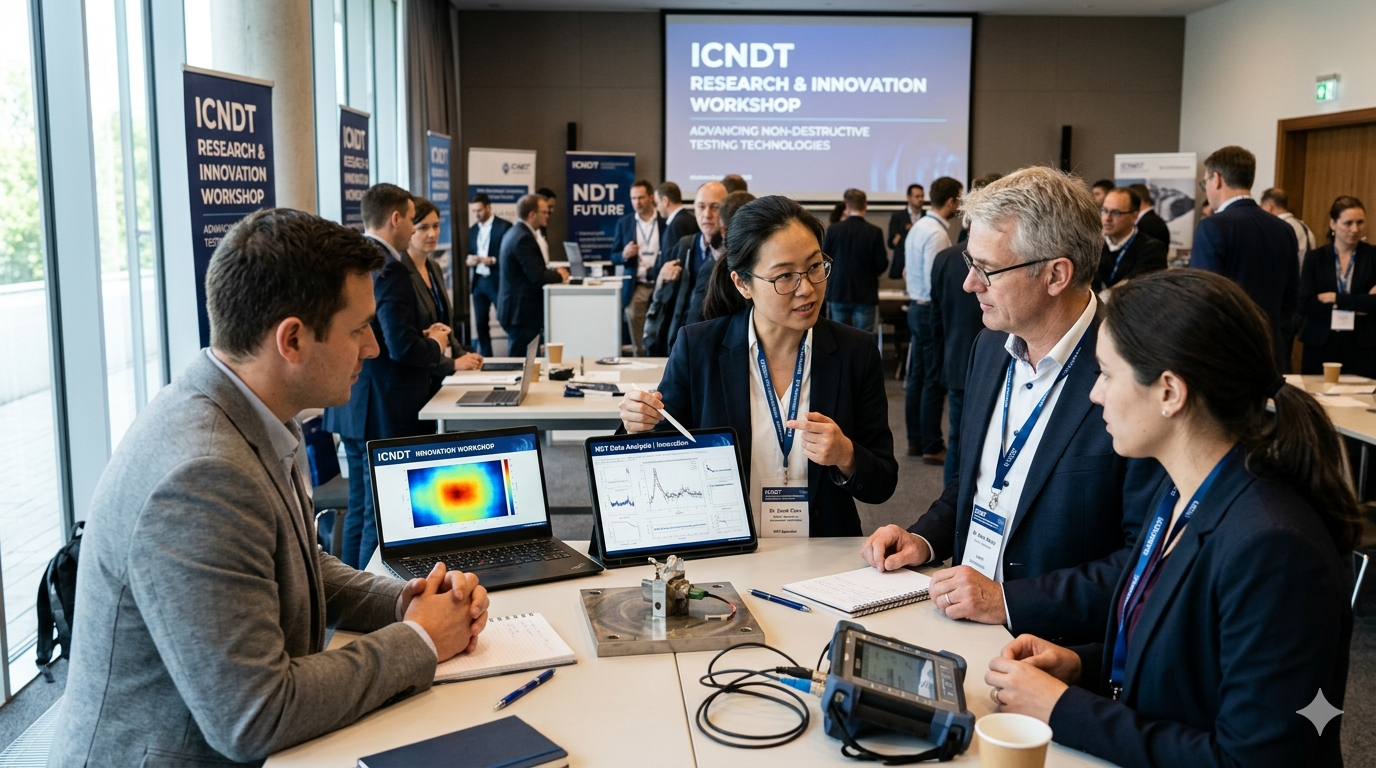
This intensive workshop is designed for professionals who are at the cutting edge of non-destructive evaluation research. Located at the Waterside Campus, the workshop bridges the gap between academic theory and industrial reality. With over 600 words of programmed content, the sessions are structured to facilitate peer-to-peer learning among senior researchers and lead engineers. The 2026 workshop focuses heavily on "Advanced Materials Inspection," particularly the challenges posed by additive manufacturing (3D printing) and carbon-fiber composites.
The ICNDT's Research and Development committee has identified a significant need for standardized testing protocols in the aerospace and automotive sectors. This workshop provides the first public look at the proposed 2027 international guidelines. Participants will be split into working groups to tackle specific problems, such as defect characterization in complex geometries and the use of Artificial Intelligence (AI) for automated signal analysis.
Special attention is given to the "Green NDT" initiative, exploring how non-destructive testing can extend the life of aging infrastructure, thereby reducing the environmental impact of new construction. This aligns with global sustainability goals promoted by the ICNDT. The afternoon sessions include "Rapid Fire" presentations where researchers have five minutes to present their latest breakthroughs, followed by rigorous Q&A sessions. By the end of the workshop, attendees will have a comprehensive understanding of the upcoming shifts in global NDT research and a network of international collaborators to support their local projects.
Waterside Campus, Learning Hub,
Northampton
56
0
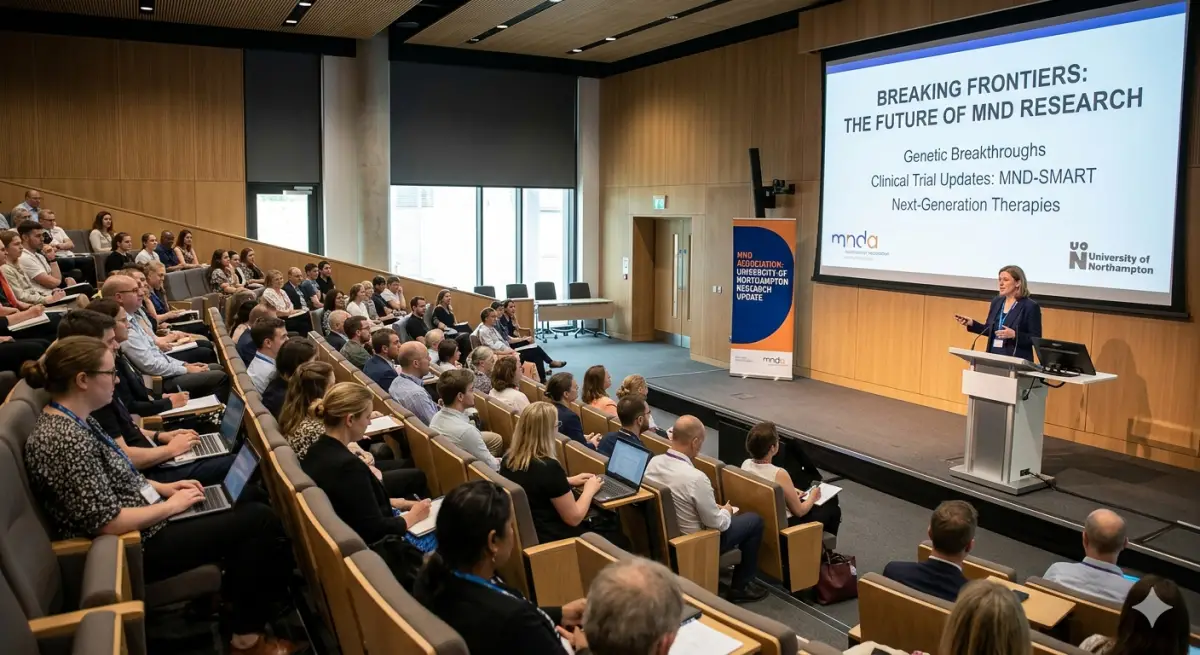
Breaking Frontiers The Future of MND Research
"Breaking Frontiers: The Future of MND Research" is an evening guest lecture designed to bring the complex world of laboratory science into the public domain. Hosted at the University of Northampton’s state-of-the-art Waterside Campus, this event features presentations from prominent researchers currently funded by the MND Association. The goal is to provide a transparent and inspiring update on the progress being made toward effective treatments and, ultimately, a cure for Motor Neurone Disease.
The lecture will cover several key areas of current investigation, including the latest findings from large-scale genetic studies and the progress of major clinical trial platforms like MND-SMART. Our guest speakers will explain how new drug repurposing strategies are accelerating the timeline for potential treatments to reach patients. The session is designed to be accessible to a non-scientific audience while maintaining the depth required for medical professionals and students, utilizing clear visual aids and lay-friendly terminology to explain complex biological processes.
A significant portion of the evening is dedicated to an interactive Q&A session. This allows members of the public and those living with the disease to ask direct questions of the scientists on the front lines. This dialogue is crucial, as it ensures that research remains focused on the outcomes that matter most to patients, such as maintaining speech and mobility. Following the formal lecture, there will be a networking reception in the atrium, where attendees can continue discussions over light refreshments.
This event highlights the strong link between the MND Association’s headquarters in Northampton and the academic excellence of the local university. It is a must-attend for anyone interested in the intersection of genetics, neurology, and patient advocacy. While the event is free to attend, registration is required due to the high demand for seating in the lecture theatre.
University of Northampton (Waterside Campus),
Northampton
50
0
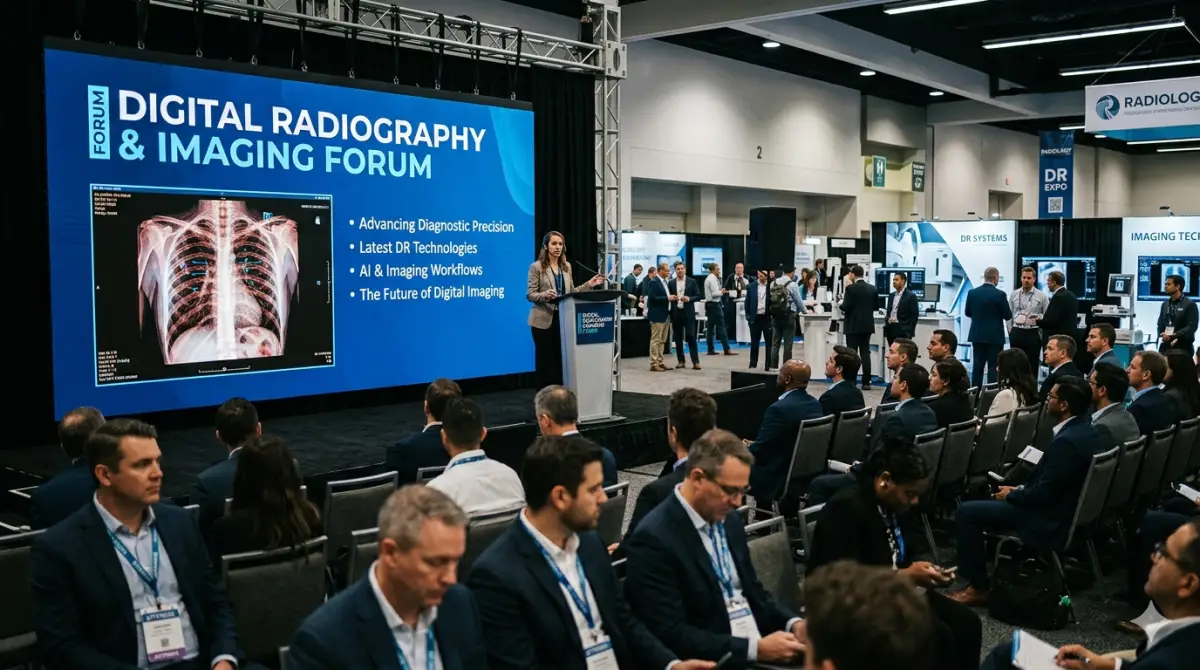
Digital Radiography & Imaging Forum
The Digital Radiography & Imaging Forum focuses on the massive shift from traditional film-based radiography to digital solutions. This forum, held in the tech-focused setting of Northampton, brings together hardware manufacturers, software developers, and end-users to discuss the latest advancements in Computed Radiography (CR) and Digital Detector Arrays (DDA). The transition to digital is not just about removing chemicals; it’s about the power of image enhancement, cloud-based data storage, and automated defect recognition. During this one-day event, speakers will address the critical challenge of "Technique Validation"—ensuring that digital images provide the same, or better, sensitivity as film for detecting minute cracks and inclusions.
Technical workshops will cover the ISO 17636-2 standard and the practicalities of calibrating high-resolution detectors. There will also be a significant focus on radiation safety in the digital age, including the use of portable X-ray generators for field inspections. Attendees will have the chance to see live demonstrations of the latest flat-panel detectors and explore software suites that allow for 3D reconstruction of internal components. This forum is essential for quality managers and senior technicians who are responsible for modernizing their inspection departments and ensuring that their digital workflows meet rigorous international standards.
BINDT Midsummer House,
Northampton
56
0
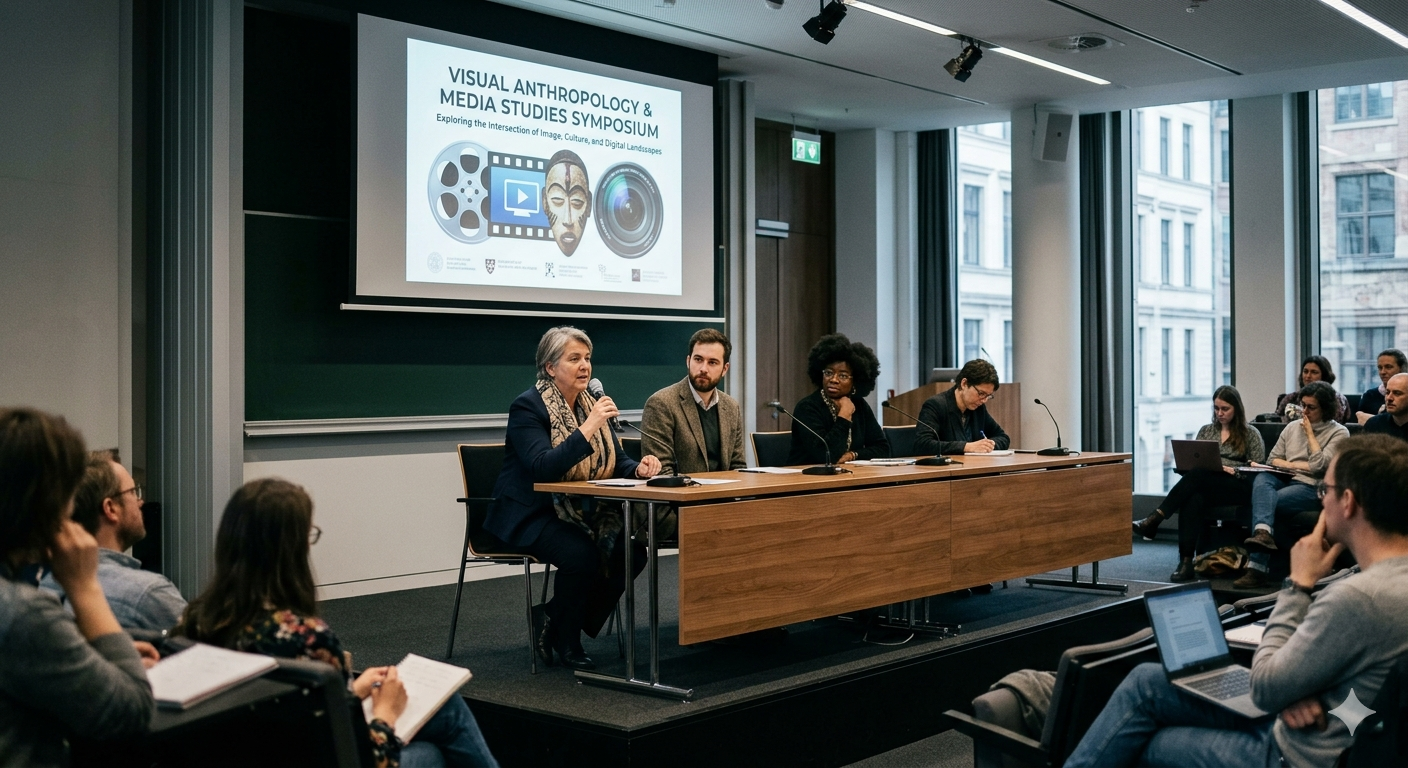
Visual Anthropology and Media Studies Symposium
The "Visual Anthropology and Media Studies Symposium" offers a unique lens through which to view the impact of television on human behavior and societal structures. While television studies often focus on the "text" or the "industry," this event prioritizes the "viewer" and the "culture." By treating television as a primary artifact of human civilization, researchers at this event will present findings on how televised rituals—from the nightly news to reality TV—shape our collective identity.
The day-long seminar features a series of rapid-fire presentations and plenary sessions designed to facilitate the exchange of industry-relevant data and ethnographic research. We will delve into "the study of television (as) in crisis," examining how different demographics use media to cope with or understand social change. The symposium is particularly focused on "Visual Anthropology," encouraging contributors to use multimedia presentations that go beyond traditional academic papers. It is a space for researchers, scholars, and decision-makers to connect and brainstorm the future of media consumption in an increasingly fragmented digital age.
University of Manchester, Samuel Alexander Building,
Manchester
90
0

Apr 22, 0206 - Apr 23, 2026
Manchester TV Studies Crisis and Representation
This conference serves as a localized, in-person anchor for scholars and practitioners focused on the "Critical Studies in Television" discipline. As we move further into 2026, the medium of television faces a dual-identity crisis: it is both a vital witness to global upheaval and an industry in the midst of its own structural breakdown. This event explores the "structure of feeling" associated with modern broadcasting, focusing on how UK television—from public service broadcasting to global streamers—navigates moments of extreme social and political tension.
Attendees will engage with a variety of papers examining the ethics of researching precarious workers within the television industry and the cultural impact of "crisis" narratives on screen. We will look back at historical blackouts and compare them to modern digital disruptions, asking what it means for a national audience to lose its shared viewing space. The program includes dedicated sessions on the transition from Public Service Broadcasting (PSB) to Public Service Media (PSM), analyzing how funding shifts are altering the very DNA of the content produced in the UK. This is a vital gathering for anyone interested in how the "small screen" continues to define our large-scale reality.
The Digital Innovation Hub,
Manchester
130
0
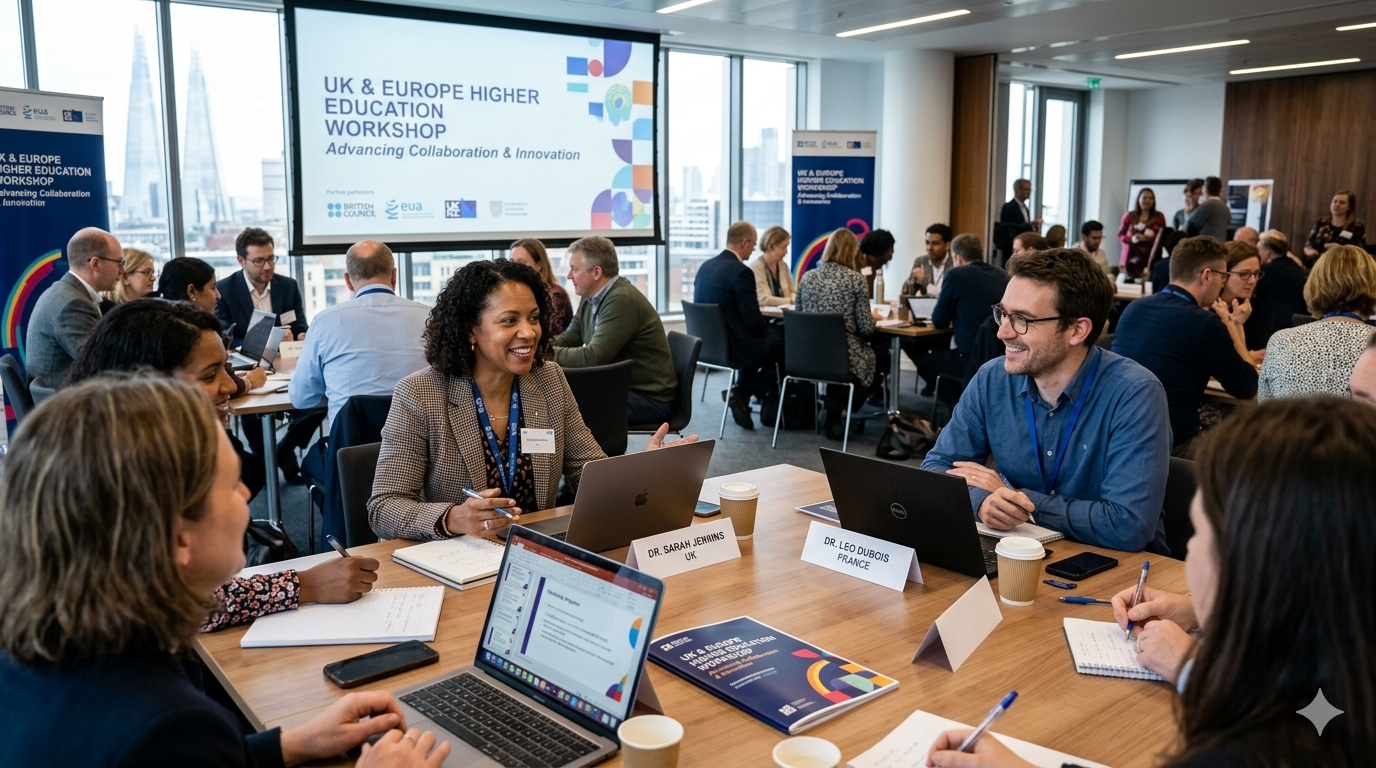
UK and Europe Higher Education Workshop
The UK and Europe Higher Education Workshop is an intensive, hands-on session designed to give students a competitive edge in the university application process. Hosted by Canam Consultants Ltd at the University of Manchester Innovation Centre, this event focuses on the technical aspects of applying to top-tier institutions across the UK and Continental Europe. While many students know where they want to go, many struggle with how to present themselves as the ideal candidate. This workshop is the solution to that challenge.
The core of the workshop is the "Application Clinic." Here, students can bring their drafted Statements of Purpose (SOPs) and Letters of Recommendation (LORs) for a live audit. Our expert editors, who have decades of experience in university admissions, will provide personalized feedback on tone, structure, and content. This segment is crucial because a well-crafted SOP can often be the deciding factor for admissions committees at prestigious universities like Oxford, Cambridge, or the TU9 institutions in Germany.
Beyond documentation, the workshop explores the diverse landscape of European education. Special emphasis is placed on English-taught programs in countries like Germany, the Netherlands, and France, where tuition fees are often significantly lower than in the UK or North America. We will discuss the specific requirements for these regions, including the "Apostille" process for documents and the nuances of the ECTS credit system. This opens up a world of high-quality, affordable education options that many students might not have previously considered.
The event also includes a dedicated session on Research Proposals for Ph.D. and Master’s by Research applicants. Finding the right supervisor and articulating a research gap is a specialized skill; our mentors will guide attendees through the networking and proposal-writing phases. Finally, the workshop concludes with a strategy session on "Life After Graduation." We look at the post-study work rights in various European nations and the industries currently experiencing a talent shortage. This holistic approach ensures that attendees aren't just getting into a university, but are setting themselves up for a long-term, successful career in the European market.
University of Manchester Innovation Centre,
Manchester
61
0
Jul 06 - 09, 2026
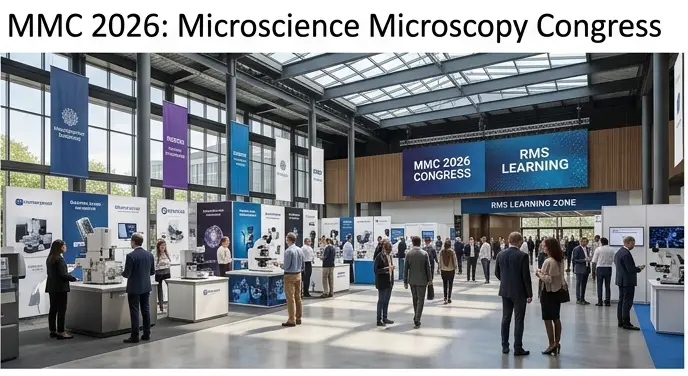
MMC 2026 Microscience Microscopy Congress
The Microscience Microscopy Congress (MMC) is the flagship event of the Royal Microscopical Society, returning to the Manchester Central Convention Centre in 2026. This prestigious gathering serves as the premier hub for the global microscopy community, bringing together researchers, technicians, and industry leaders to explore the latest advancements in imaging technology. The congress features a massive exhibition space where the world's leading manufacturers showcase cutting-edge electron, light, and scanning probe microscopes.
Attendees can expect a rigorous scientific program covering a diverse range of topics, from life sciences and materials science to the physical sciences. The event incorporates specialized symposia and workshops designed to provide deep dives into specific imaging modalities and data analysis techniques. Beyond the technical sessions, MMC 2026 offers unparalleled networking opportunities, including poster sessions where early-career researchers can present their work and engage with senior experts in the field. The congress also hosts the RMS Learning Zone, an educational area dedicated to providing free advice and hands-on demonstrations for those looking to improve their microscopy skills.
Whether you are looking to purchase new equipment, learn about the newest super-resolution techniques, or collaborate on international research projects, MMC 2026 provides the ideal environment. The event emphasizes innovation and the practical application of microscopy in solving complex global challenges. Manchester, with its rich scientific heritage and central location, provides the perfect backdrop for this large-scale international conference, ensuring high attendance and a vibrant atmosphere throughout the week.
Manchester Central Convention Centre,
Manchester
91
0
Jul 12 - 15, 2026
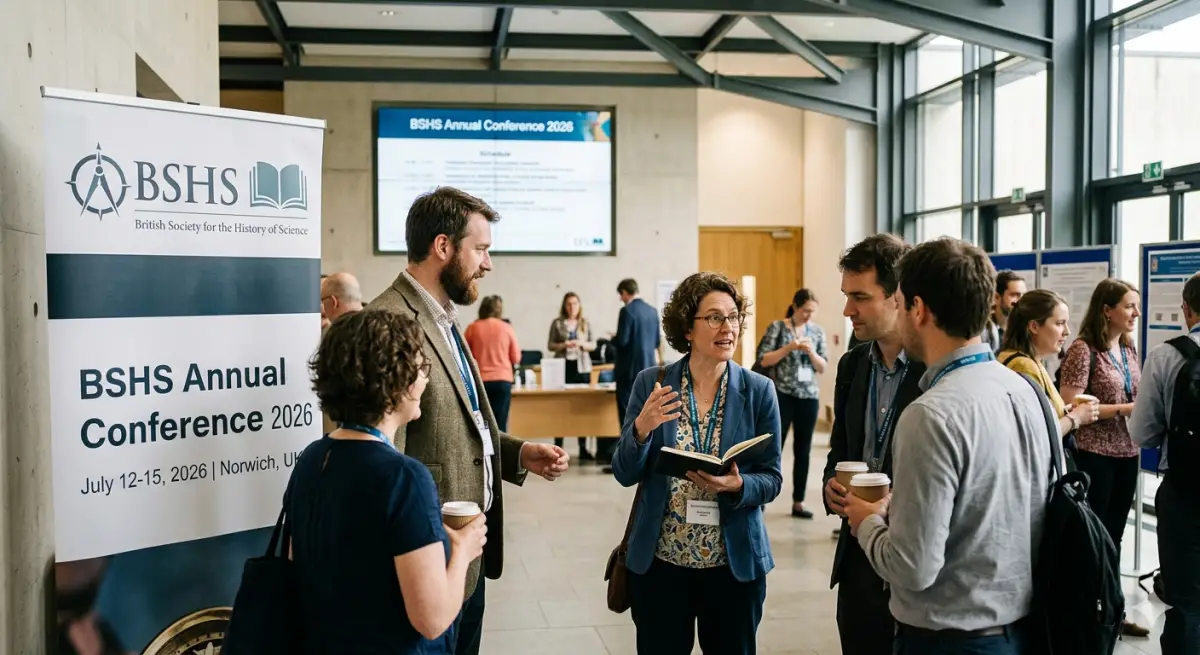
BSHS Annual Conference 2026 History of Science
The British Society for the History of Science (BSHS) is proud to announce its Annual Conference for 2026, hosted in the historic and intellectually vibrant city of Norwich at the University of East Anglia. This premier international event serves as the cornerstone of the BSHS calendar, bringing together a diverse community of scholars, researchers, and professionals dedicated to the critical study of science, technology, and medicine across all eras and cultures.
In a world increasingly shaped by scientific advancement and technological shifts, understanding the historical foundations of these developments has never been more vital. The 2026 conference aims to foster a multidisciplinary dialogue, providing a platform for the latest research in the history of scientific thought, the evolution of laboratory practices, and the socio-cultural impact of medical breakthroughs. Attendees can expect a rigorous academic program featuring keynote lectures from world-renowned historians, specialized panel sessions, and roundtable discussions that challenge traditional narratives.
Beyond the formal sessions, the conference is designed to facilitate organic networking and collaboration. The University of East Anglia, known for its pioneering spirit and commitment to research excellence, provides an ideal backdrop for these exchanges. Participants will have the opportunity to engage with the BSHS's inclusive community, from established professors to early-career researchers and postgraduate students.
The program also includes curated visits to Norwich’s local heritage sites, highlighting the city’s own rich scientific and industrial legacy. Whether you are interested in the medieval roots of medicine, the Enlightenment's astronomical discoveries, or the modern politics of digital technology, this event offers a comprehensive overview of the field. Join us in Norwich to explore how the past informs our scientific present and future, and to contribute to the global conversation on the history of human inquiry.
University of East Anglia,
Norwich
154
0
Jun 04 - 05, 2026
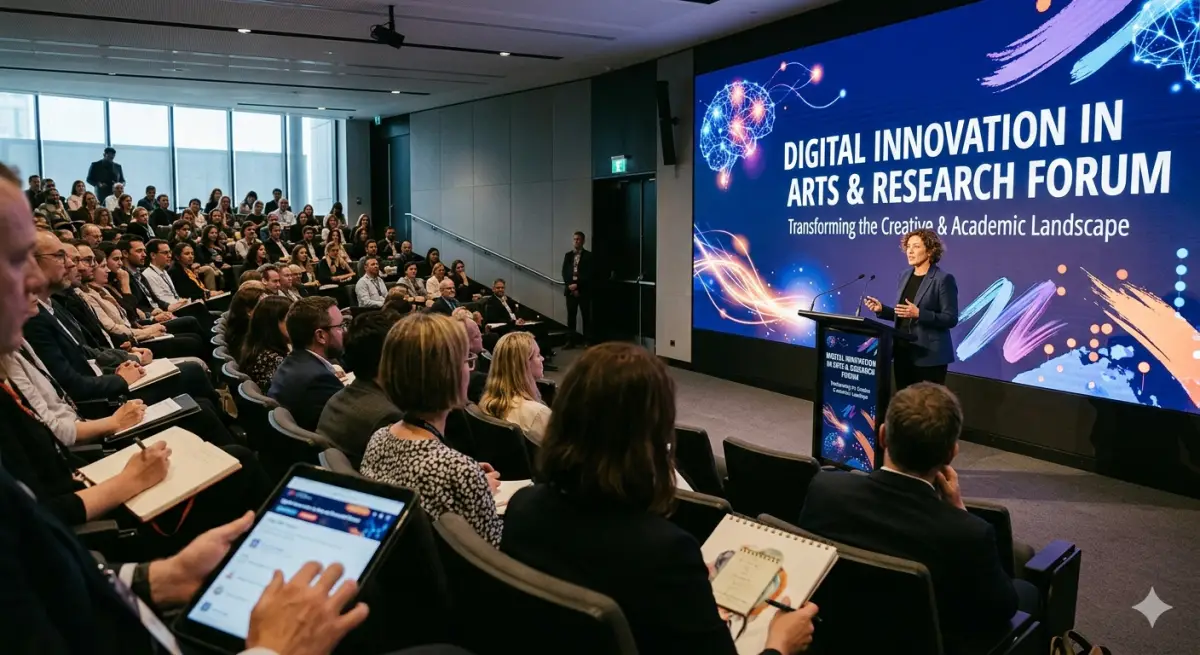
Digital Innovation in Arts and Research Forum
The Digital Innovation in Arts & Research Forum is a flagship event designed to explore the profound impact of emerging technologies on cultural expression and academic inquiry. Set in the vibrant HOME Manchester arts center, the forum brings together researchers, digital artists, and technologists to discuss how tools like Generative AI, Extended Reality (XR), and Big Data are reshaping our understanding of culture. The British Council has long championed the intersection of technology and the arts, and this forum serves as a critical checkpoint for the "Arts and Technologies" roadmap toward 2030.
Day one focuses on "Immersive Storytelling," with presentations on how museums and galleries are using XR to create decolonized narratives and more inclusive visitor experiences. Day two shifts toward "Data-Driven Research," examining how digital archives are being used to track cultural trends and measure the social impact of arts programs. A special session will be dedicated to the "Ethics of AI in Creativity," tackling issues of copyright, authenticity, and the digital divide. The forum includes a "Research Poster Gallery" where PhD students and early-career researchers from across the UK can present their work to an audience of industry professionals. With Manchester being a designated UNESCO City of Literature and a burgeoning tech hub, the forum provides an unparalleled opportunity to forge cross-disciplinary partnerships that will define the creative economy for years to come.
HOME Manchester,
Manchester
56
0
Share This Page
My Page
Scan QR to open
Barcode