
Events by University of Leeds
Explore 5 premium experiences by University of Leeds
Promoted
List Your Next Big Event
Reach millions of attendees by showcasing your conferences, workshops, or exhibitions on the world's most trusted event platform.
Create Your Event Now
FEATURED
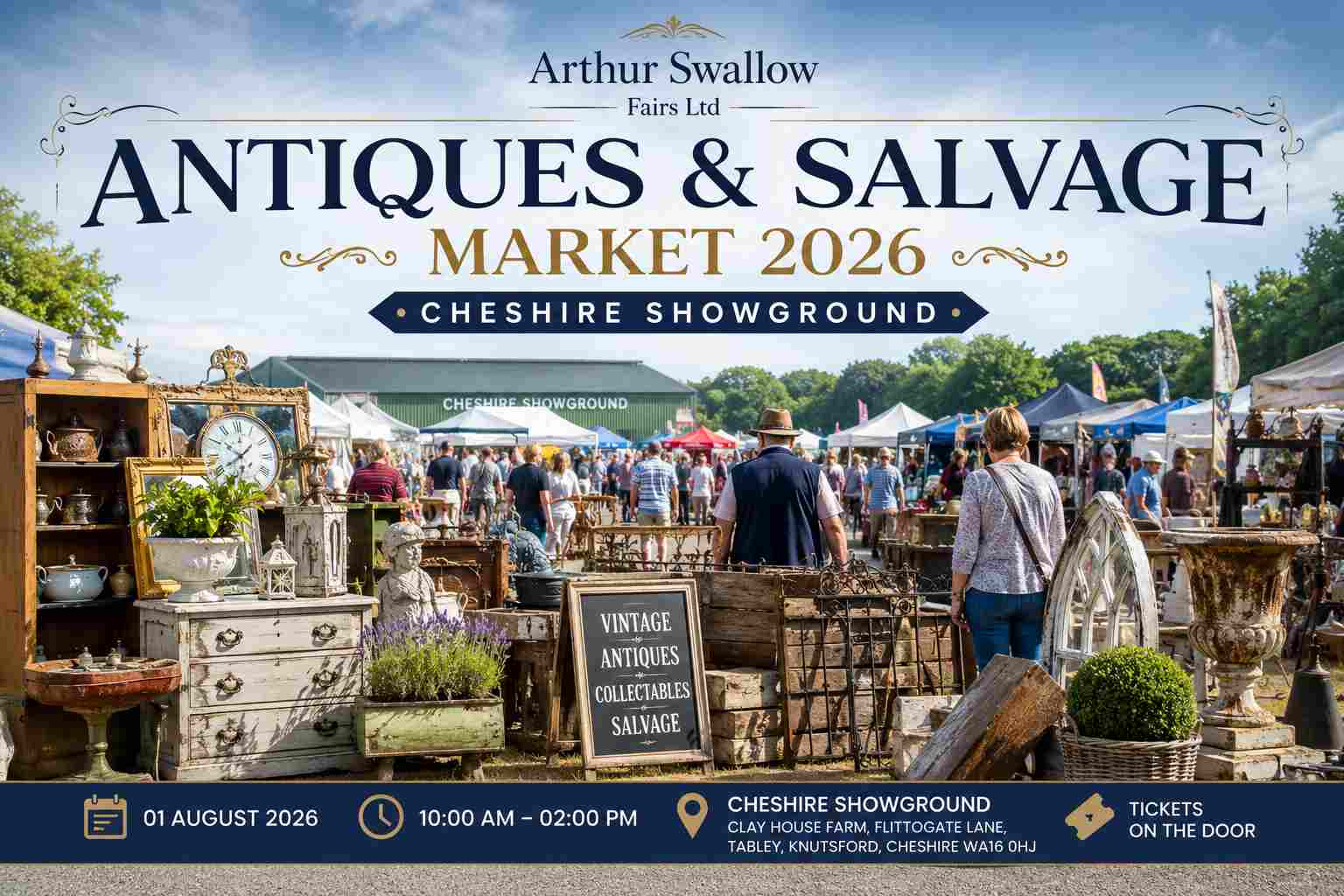
Antiques & Salvage Market
The Arthur Swallow Antiques & Salvage Market is one of the United Kingdom's leading specialist events dedicated to antiques, architectural salvage, vintage décor, reclaimed materials, collectibles and decorative home furnishings. Organised by Arthur Swallow Fairs Ltd, a respected family-run event organiser with decades of experience, this market attracts both professional dealers and enthusiastic buyers from across Britain.
Taking place at the spacious Cheshire Showground, this one-day event offers an exciting opportunity to browse hundreds of carefully selected exhibitors showcasing thousands of unique items. Whether visitors are searching for period furniture, reclaimed building materials, industrial décor, garden ornaments, antique collectibles or vintage home accessories, the market provides an outstanding selection suitable for every budget and style.
Unlike a conventional retail exhibition, this event creates an authentic marketplace atmosphere where visitors can interact directly with experienced dealers, negotiate purchases and discover rare items that cannot easily be found elsewhere.
Explore Hundreds of Unique Exhibitors
One of the biggest attractions of the event is its impressive collection of approximately 200 professional exhibitors. These traders travel from different regions of the UK bringing carefully selected antiques, reclaimed architectural materials, vintage furniture, decorative pieces, lighting, ceramics, artwork, books, jewellery, garden ornaments and one-of-a-kind collectibles.
Visitors have the opportunity to compare products, discuss provenance with knowledgeable dealers and purchase genuine period pieces for homes, gardens, businesses and restoration projects.
Perfect for Home Improvement Projects
The market is particularly popular with homeowners and interior designers seeking distinctive decorative features.
Visitors can discover:
Victorian fireplaces
Cast iron gates
Reclaimed timber
Stone garden ornaments
Antique lighting
Vintage signage
Decorative furniture
Industrial shelving
Architectural fittings
Rustic home accessories
These items help create character-filled interiors while supporting sustainable reuse of historic materials.
A Valuable Event for Trade Buyers
Independent retailers, antique dealers, prop buyers, set designers, hospitality businesses and restoration specialists regularly attend to source stock.
Trade buyers benefit from:
Large variety of suppliers
Competitive pricing
Direct negotiations
Bulk purchasing opportunities
Access to specialist dealers
Many businesses use the market to replenish inventory and discover unusual products unavailable through standard wholesalers.
Sustainable Shopping Experience
Buying reclaimed and antique products helps reduce waste while preserving craftsmanship from previous generations.
Instead of purchasing mass-produced furniture, visitors can invest in quality items with history, durability and timeless appeal.
This commitment to sustainability has become one of the event's strongest attractions, encouraging environmentally conscious consumers to choose recycled architectural materials and vintage furnishings.
Excellent Visitor Facilities
The Cheshire Showground provides a comfortable venue with facilities including:
Free parking
Food vendors
Refreshments
Toilet facilities
Easy accessibility
Indoor exhibition hall
Outdoor trading areas
Visitors can comfortably spend several hours exploring the extensive marketplace.
Why Attend
Attending the Arthur Swallow Antiques & Salvage Market offers numerous advantages:
Discover rare antiques
Buy directly from experienced dealers
Find unique home décor
Source restoration materials
Meet industry professionals
Enjoy a specialist antiques marketplace
Support sustainable purchasing
Experience one of Britain's leading salvage events
Products on Display
Visitors can expect to find:
Antique furniture
Vintage furniture
Decorative mirrors
Garden ornaments
Architectural salvage
Collectibles
Fine art
Ceramics
Glassware
Jewellery
Industrial furniture
Lighting
Reclaimed timber
Stonework
Metalwork
Home accessories
Vintage advertising
Books
Curiosities
Decorative interiors
Networking Opportunities
The market provides valuable networking opportunities for:
Antique dealers
Interior designers
Restoration companies
Property developers
Independent retailers
Collectors
Garden designers
Hospitality businesses
Professionals frequently establish long-term supplier relationships during the event.
Shopping Tips
Visitors should arrive early for the best selection. Comfortable footwear is recommended due to the size of the venue. Bringing measurements for furniture and photographs of renovation projects can assist with purchasing decisions. Cash and card payments are generally accepted by many exhibitors, although payment options may vary.
Why Arthur Swallow Fairs?
Arthur Swallow Fairs has built a strong reputation since the 1990s for organising high-quality antiques, vintage and salvage events across the UK. Their carefully curated fairs consistently attract reputable exhibitors and enthusiastic visitors, making them a trusted name within the antiques industry.
Final Thoughts
The Arthur Swallow Antiques & Salvage Market at Cheshire Showground is an outstanding destination for anyone passionate about antiques, vintage interiors and architectural salvage. From experienced trade professionals to first-time visitors, attendees can enjoy a day filled with inspiration, expert knowledge and exceptional shopping opportunities. With hundreds of exhibitors, excellent facilities and an extensive range of unique products, this event remains one of the UK's premier antiques and salvage markets, offering something special for every visitor.
Cheshire Showground,
Derby
8
0
FEATURED
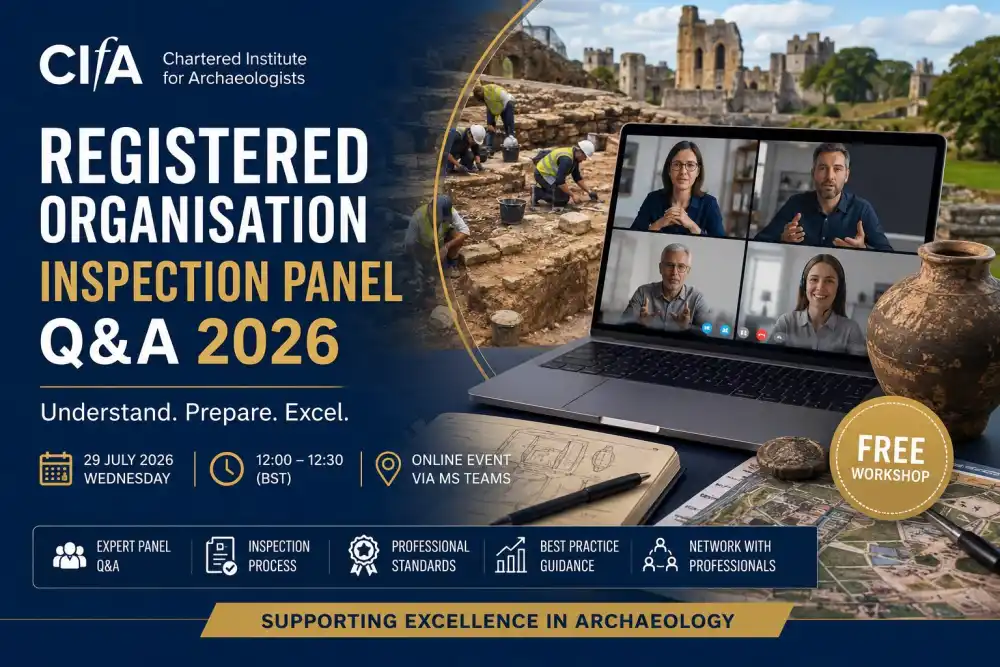
Registered Organisation Inspection Panel Q&A
The Registered Organisation Inspection Panel Q&A 2026 is an informative professional workshop hosted by the Chartered Institute for Archaeologists (CIfA). This online event has been designed to help archaeological organisations better understand the Registered Organisation (RO) inspection process, compliance requirements, and the professional standards expected by CIfA. It provides an excellent opportunity for participants to engage directly with inspection panel members, ask questions, and gain practical guidance on maintaining excellence within their organisations.
Whether your organisation is already registered or considering joining the Registered Organisation scheme, this workshop offers valuable insights into the inspection process and demonstrates how continuous improvement supports high-quality archaeological practice across the United Kingdom.
The Chartered Institute for Archaeologists
The Chartered Institute for Archaeologists (CIfA) is the leading professional body representing archaeologists and heritage practitioners across the UK and internationally. The institute promotes ethical practice, professional competence, and high standards throughout the archaeological profession.
Through training programmes, conferences, workshops, webinars, and professional guidance, CIfA supports individuals and organisations in delivering archaeological work that protects cultural heritage while meeting recognised professional standards.
Purpose of the Workshop
This event has been created to explain how Registered Organisation inspections are conducted and how organisations can successfully prepare for them.
Participants will gain practical knowledge about:
The inspection framework
Assessment procedures
Required documentation
Quality management systems
Professional ethics
Organisational compliance
Continuous improvement strategies
The workshop encourages open discussion and provides attendees with the opportunity to ask questions directly to experienced inspection panel members.
Why Attend This Event?
Professional standards continue to evolve as archaeology adopts new technologies, updated regulations, and improved project management practices.
Attending this workshop enables participants to:
Understand inspection expectations
Improve organisational procedures
Learn directly from experienced assessors
Build confidence before inspections
Stay updated with current professional guidance
The interactive format ensures attendees receive practical advice that can be immediately applied within their organisations.
What You Will Learn
The workshop covers every major aspect of the Registered Organisation scheme.
Key learning areas include:
Understanding the purpose of Registered Organisation status
Preparing documentation for inspections
Demonstrating professional competence
Managing quality assurance systems
Staff training and development
Ethical archaeological practice
Health and safety responsibilities
Risk management
Equality, diversity and inclusion
Continuous organisational improvement
Each topic is supported with practical examples from real inspection experiences.
Understanding the Inspection Process
Inspection panel members will explain the complete inspection journey, including:
Initial preparation
Evidence submission
Documentation review
Online or on-site assessment
Feedback process
Recommendations
Follow-up actions
Attendees will understand exactly what inspectors look for during assessments and how organisations can demonstrate compliance effectively.
Benefits of Registered Organisation Status
Registered Organisation accreditation demonstrates that an organisation works to nationally recognised professional standards.
Benefits include:
Enhanced professional reputation
Greater client confidence
Improved quality assurance
Stronger governance
Better project management
Recognition across the heritage sector
Increased staff development opportunities
Maintaining these standards helps organisations deliver consistently high-quality archaeological services.
Professional Standards in Archaeology
Professional standards form the foundation of successful archaeological practice.
During the workshop, experts will discuss:
Codes of conduct
Professional ethics
Technical competence
Record management
Quality assurance
Environmental responsibility
Heritage protection
Public engagement
Participants will discover how these standards support better project outcomes and long-term organisational success.
Interactive Question and Answer Session
One of the highlights of the workshop is the live Q&A session.
Participants can ask questions about:
Inspection preparation
Documentation requirements
Compliance challenges
Staff competencies
Project management
Quality assurance
Governance
Ethical responsibilities
Direct interaction with inspection panel members provides practical answers based on real-world experience.
Networking Opportunities
Although the workshop is delivered online, attendees can still connect with professionals from across the archaeology sector.
Networking benefits include:
Sharing professional experiences
Discussing common challenges
Learning best practices
Building professional relationships
Exploring collaborative opportunities
These discussions often lead to valuable knowledge sharing that benefits organisations long after the event concludes.
Who Should Attend?
This workshop is ideal for professionals working throughout the archaeological and heritage sectors, including:
Archaeologists
Heritage Consultants
Registered Organisation Managers
Project Directors
Museum Professionals
Local Authority Archaeologists
Academic Researchers
Cultural Heritage Specialists
Quality Assurance Managers
Early Career Professionals
Anyone interested in understanding CIfA's Registered Organisation scheme will benefit from attending.
Career Development Benefits
Continuous Professional Development (CPD) is an essential part of modern archaeology.
Attending this event helps participants:
Expand professional knowledge
Improve compliance skills
Strengthen leadership abilities
Enhance organisational management
Prepare for future inspections
Support career progression
Build professional confidence
The knowledge gained can be applied immediately within everyday archaeological practice.
Supporting Organisational Excellence
Successful organisations continually evaluate and improve their internal systems.
The workshop explains how organisations can:
Strengthen governance
Improve project documentation
Develop staff competencies
Monitor quality assurance
Maintain ethical standards
Reduce organisational risks
Improve client satisfaction
Continuous improvement contributes to long-term organisational success and professional recognition.
Why This Event Matters
Archaeology plays an essential role in preserving cultural heritage for future generations.
Maintaining high professional standards ensures archaeological investigations remain accurate, ethical, transparent, and scientifically robust.
Events like the Registered Organisation Inspection Panel Q&A help organisations remain informed about evolving industry expectations while encouraging knowledge sharing and professional collaboration across the sector.
By understanding inspection requirements and implementing best practices, organisations can improve both operational performance and public confidence in archaeological work.
Final Thoughts
The Registered Organisation Inspection Panel Q&A 2026 offers a valuable opportunity for archaeological professionals to strengthen their understanding of CIfA's Registered Organisation scheme and inspection process. Through expert presentations, practical guidance, and interactive discussions, participants will gain the confidence needed to prepare for inspections and enhance organisational performance.
Whether you are responsible for quality assurance, project management, governance, or professional development, this workshop provides practical knowledge that supports continuous improvement and promotes excellence throughout the archaeological profession.
Attendees will leave with a clearer understanding of inspection expectations, professional standards, and strategies that help organisations achieve and maintain high levels of quality across every aspect of archaeological practice.
Online,
Reading
15
0
May 13, 2026
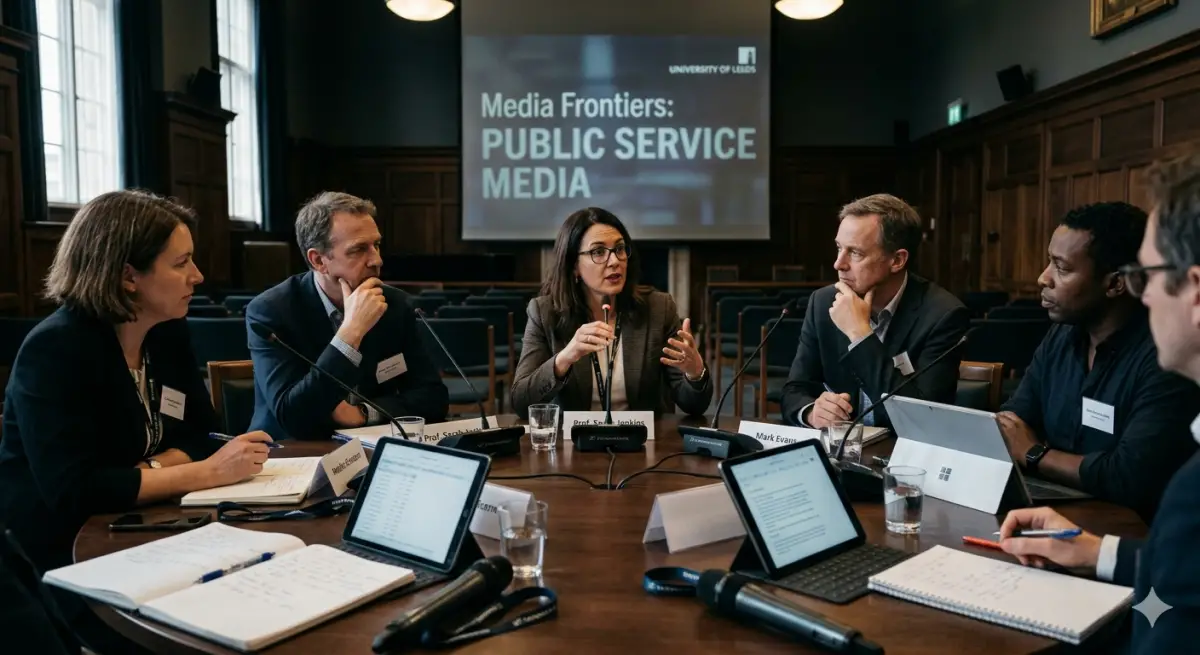
Media Frontiers Public Service Media
The future of the UK’s media landscape is at a critical crossroads. "Media Frontiers: What Next for Public Service Media?" is a vital roundtable event taking place this May at the University of Leeds. As the BBC Charter Review and evolving regulations from Ofcom reshape the production ecology, this session brings together the nation’s leading thinkers to discuss the survival and evolution of public service broadcasting in the age of global streaming giants.
The discussion will focus on the "Future of the UK Production Ecology." With panels consisting of policy analysts, media historians, and active industry practitioners, the event explores how public service media can remain relevant to a diverse and fragmented audience. Key themes include the role of state funding, the importance of impartial news in a "fake news" era, and how UK-based production houses can compete with the likes of Netflix and Disney+ while maintaining a distinct British voice.
Participants will gain exclusive insights into the regulatory shifts that will govern the next decade of British television and radio. This event is part of the School of Media and Communication’s commitment to influencing national policy through academic rigor and industry engagement. It offers a rare space for dialogue between those who study the media and those who create it. Whether you are interested in the politics of the BBC or the economic future of independent production in the North of England, this roundtable provides the essential context needed to navigate the shifting media frontiers of 2026.
School of Media and Communication,
Leeds
61
0
May 12, 2026
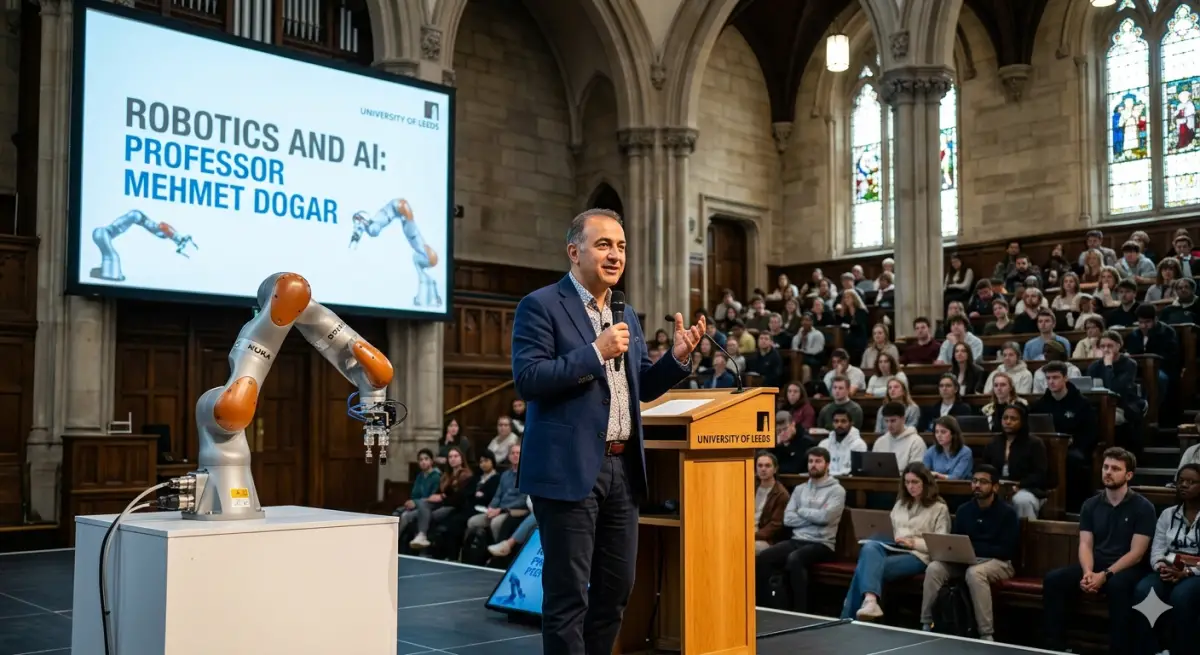
Inaugural Lecture Professor Mehmet Dogar
Inaugural lectures at the University of Leeds are a prestigious tradition, marking the significant contributions of newly appointed professors to their fields. On 12 May 2026, the Faculty of Engineering and Physical Sciences presents "Professor Mehmet Dogar: Robotics and AI at the Frontier." This event is a deep dive into the cutting-edge world of robotic manipulation and autonomous systems, reflecting Leeds' position as a global leader in AI research.
Professor Dogar, a specialist in Robotics and AI at the School of Computer Science, will present his latest findings on how robots can interact more naturally and effectively with complex, cluttered environments. The lecture explores the intersection of computer vision, machine learning, and physical engineering. In an era where automation is transforming industries from manufacturing to healthcare, understanding the "intelligence" behind the machine is more critical than ever.
This lecture is designed to be accessible to a broad audience, from students and fellow academics to industry leaders and the general public. It provides a rare opportunity to hear directly from a pioneer in the field about the future of human-robot collaboration. Following the presentation, there will be a Q&A session where attendees can engage with Professor Dogar on topics such as the ethics of AI, the limitations of current robotic hardware, and the roadmap for fully autonomous assistants in the home and workplace. This is a celebration of academic excellence and a glimpse into the technology that will define the next decade.
School of Computer Science, University of Leeds,
Leeds
51
0
Apr 21, 2026
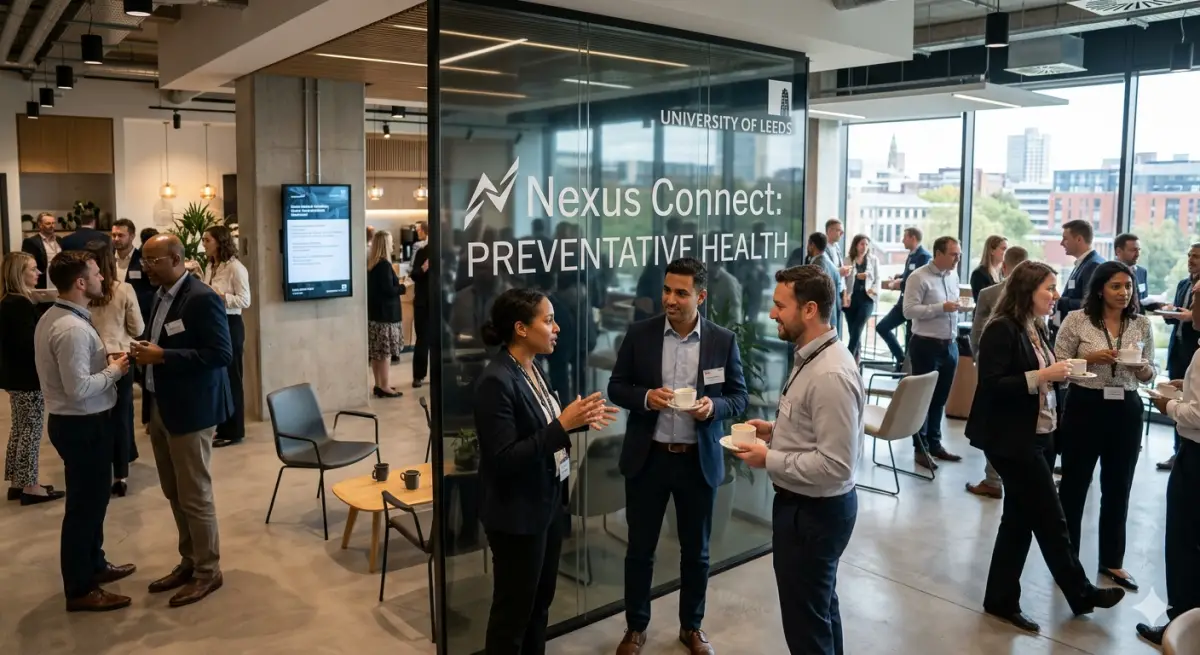
Nexus Connect Obesity in Preventative Health
Nexus Connect returns this April with a high-impact session titled "Obesity in Preventative Health." This exclusive event, held at the University of Leeds’ premier innovation hub, Nexus, brings together a unique mix of academic experts, med-tech founders, and healthcare innovators. The session aims to bridge the gap between high-level laboratory research and real-world health solutions.
Obesity remains one of the most significant challenges in modern healthcare, requiring a multifaceted approach that spans nutrition, technology, and policy. This event features a lively panel discussion where speakers will explore the latest advancements in "Preventative Health." Topics include the role of wearable technology in weight management, the impact of metabolic research on public health policy, and how start-ups are leveraging data to create personalized health interventions.
Following the panel, the event transitions into a structured networking reception. This is where the magic happens—where founders meet regulatory leaders and researchers find commercial partners. As a hub for innovation, Nexus provides the perfect backdrop for these meaningful conversations. Refreshments are provided, ensuring a relaxed yet productive atmosphere for all attendees. Whether you are an established investor looking for the next big med-tech breakthrough or a researcher seeking to de-risk your concept, this Nexus Connect session is an essential date in the Leeds business and health calendar.
Nexus, University of Leeds,
Leeds
49
0
Jun 25, 2026
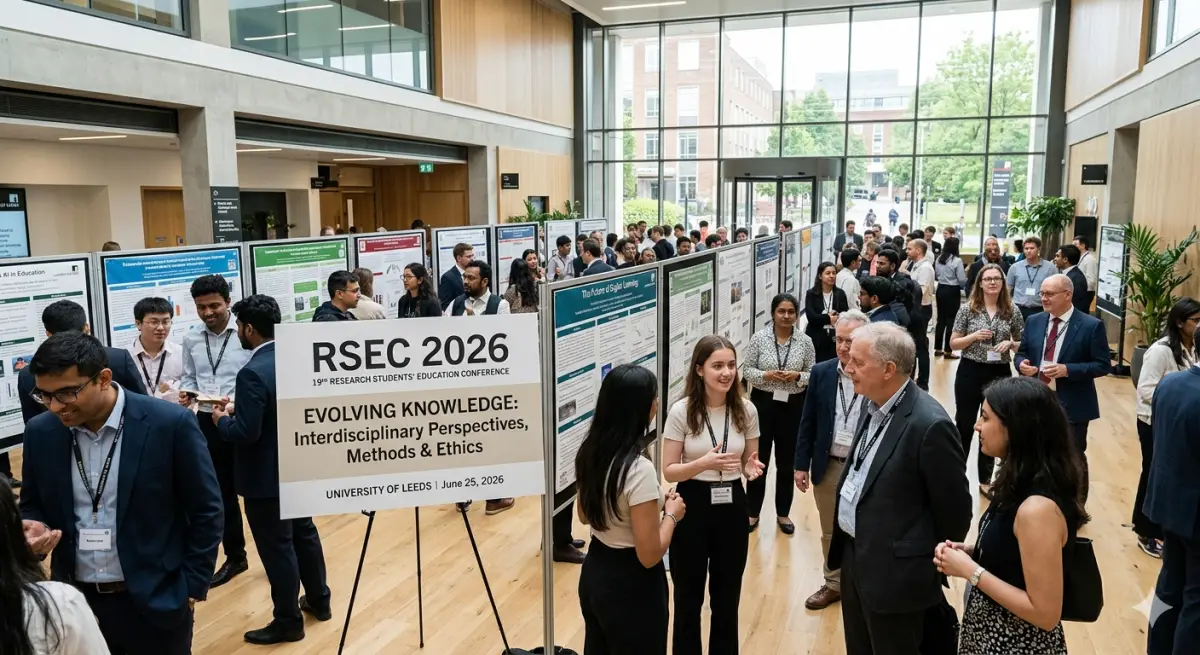
19th Research Students Education Conference
The School of Education at the University of Leeds is proud to host the 19th Research Students' Education Conference (RSEC) 2026. This year’s theme, "Evolving Knowledge: Interdisciplinary Perspectives, Methods, Ethics and Decision-Making," addresses the rapid transformations within the global research landscape. As our world becomes increasingly interconnected and technologically driven, this conference serves as a vital platform for Master’s students, PhD candidates, and Early Career Researchers to showcase their innovative work and fresh perspectives.
The 2026 program is specifically designed to tackle the complexities of modern research. A primary focus is placed on "Technology and Digital Tools," where participants will discuss the application of AI, social media, and emerging digital platforms in data collection and analysis. The event delves into the ethical dilemmas of the digital age—how do researchers manage human and non-human interactions? What are the implications of using AI in qualitative research? These are the pressing questions that will be explored through a series of presentations and poster sessions.
Beyond technology, RSEC 2026 emphasizes "Creativity and Innovation." By encouraging unconventional approaches to solve complex social problems, the conference fosters a space where imaginative and participatory techniques center the voices of participants. This is an inspiring, forward-thinking event that invites the next generation of scholars to explore how educational research adapts to cultural and social shifts. It is not just a showcase of findings, but a collaborative environment for networking and building ethically grounded research practices for the future.
Woodhouse Suite, University House,
Leeds
73
0
Jun 18 - 19, 2026
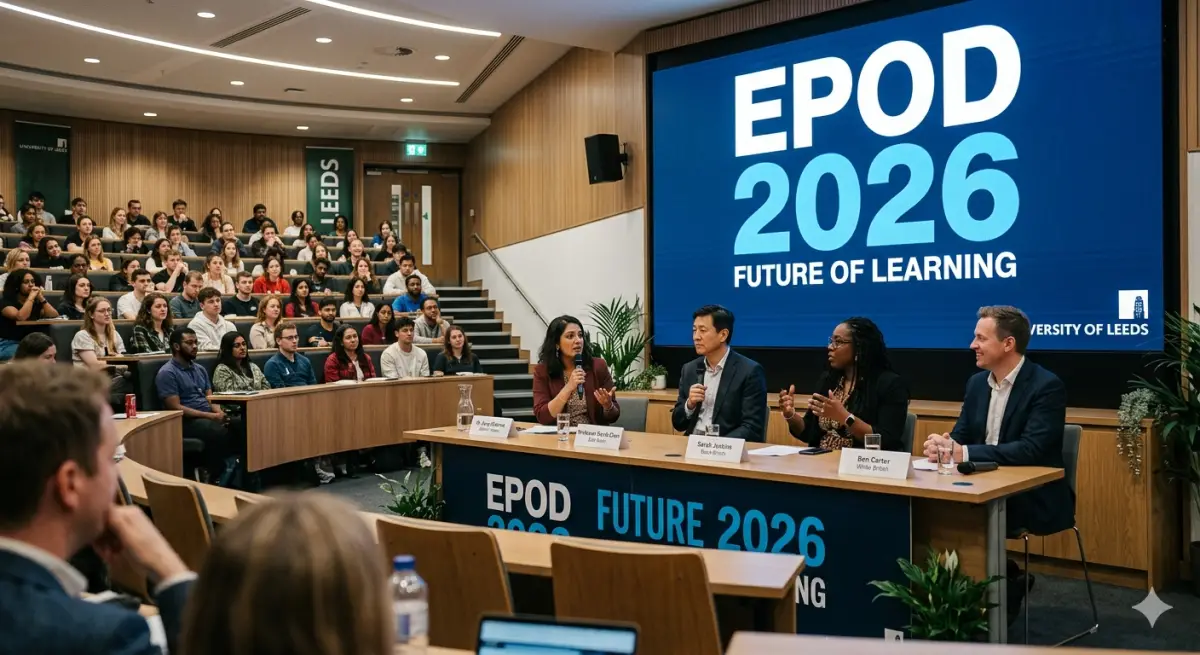
EPOD 2026 Conference Future of Learning
The third annual Education through Podcasting (EPOD) Conference arrives at the University of Leeds this June, bringing together a global community of educators, researchers, and media practitioners. Under the 2026 theme, "Beyond the Classroom: The Power of Podcasts in Shaping the Future of Learning and Media," this two-day event explores how audio narratives are dismantling traditional educational barriers.
In a world where digital consumption is at an all-time high, the conference dives deep into the "Pedagogical Possibilities of Podcasting." Participants will engage with sessions on flipped classrooms, micro-learning, and how reflective audio practices can support diverse teaching strategies. A significant portion of the event is dedicated to "Academic Storytelling," focusing on how complex research can be translated into engaging, accessible narratives for the public, bypassing the "gatekeepers" of traditional academic publishing.
Furthermore, the conference examines the role of podcasting in civic engagement. It highlights how higher education institutions can use audio to foster community partnerships and collective cultural production. From student-generated podcasts used as assessment tools to the reconfiguration of academic authority through informal, conversational tones, EPOD 2026 is a catalyst for modernizing how knowledge is produced and shared. Attendees can expect a mix of keynote speeches, peer-reviewed paper presentations, and interactive workshops designed to equip them with the tools to start or refine their own educational audio journeys.
University of Leeds, Faculty of Arts,
Leeds
79
0
- Prev
- 1
- Next
Share This Page
My Page
Scan QR to open
Barcode