
Discover All Events
Explore 1 premium experiences in all locations
Promoted
List Your Next Big Event
Reach millions of attendees by showcasing your conferences, workshops, or exhibitions on the world's most trusted event platform.
Create Your Event Now
FEATURED
Nov 06 - 08, 2026
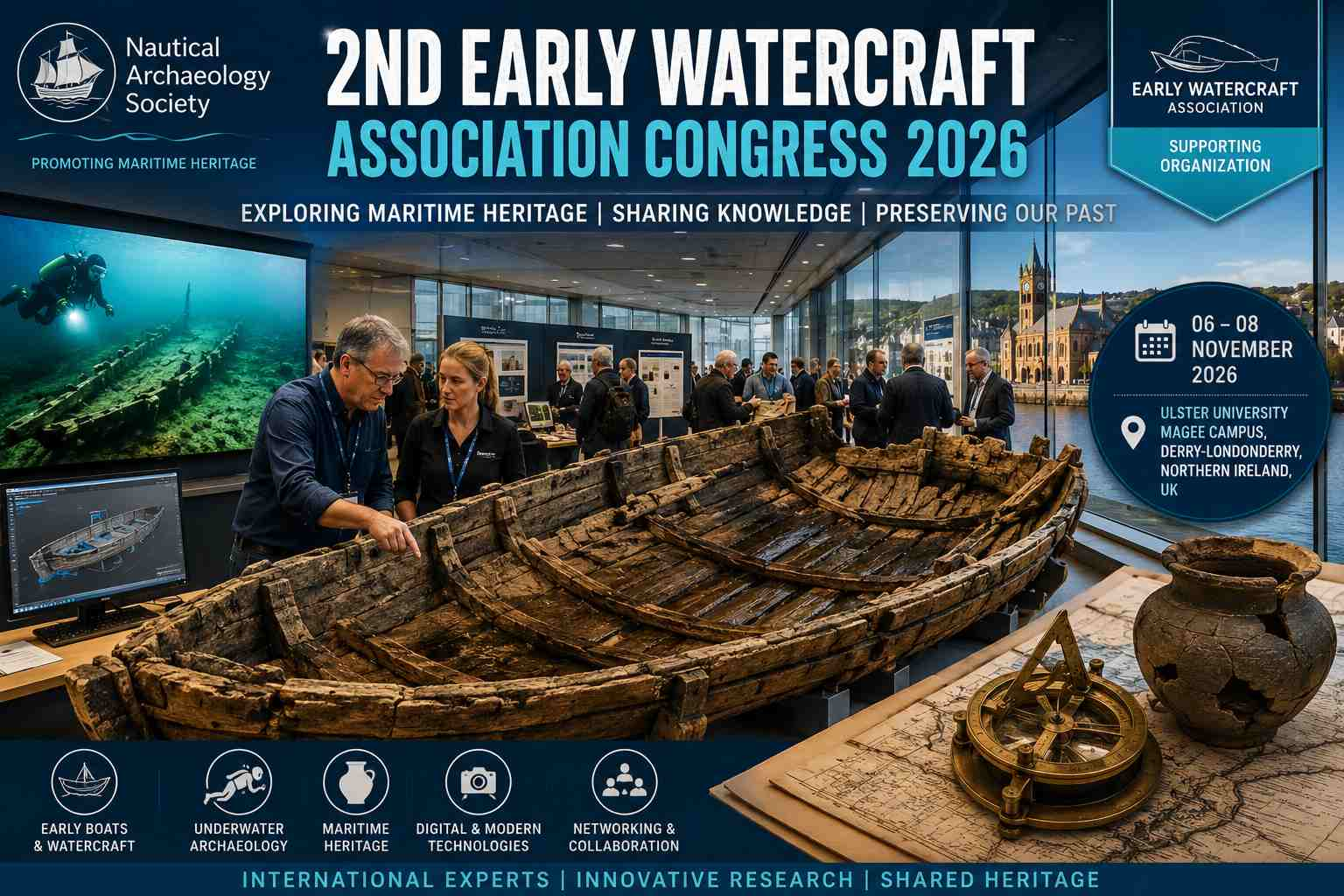
2nd Early Watercraft Association Congress
The 2nd Early Watercraft Association Congress 2026 is an international conference dedicated to advancing the study of early boats, maritime archaeology, and underwater cultural heritage. Supported by the Nautical Archaeology Society (NAS), this event brings together leading archaeologists, historians, researchers, museum professionals, heritage specialists, and students from across the globe. Hosted at Ulster University in Derry-Londonderry, the conference provides an exceptional platform for sharing groundbreaking research, discussing archaeological discoveries, and strengthening international collaboration in maritime heritage preservation.
Nautical Archaeology Society
The Nautical Archaeology Society (NAS) is one of the world's leading organizations promoting education, research, and public participation in maritime archaeology. The society works with archaeologists, heritage organizations, museums, universities, and volunteers to preserve underwater cultural heritage while encouraging responsible archaeological practices. Through internationally recognized training programs, educational courses, publications, and archaeological projects, NAS helps both professionals and enthusiasts develop practical skills in maritime archaeology.
The society also promotes awareness of submerged archaeological sites, shipwrecks, ancient ports, and historic waterways that contribute significantly to understanding human history and maritime civilizations.
Event Overview
The 2nd Early Watercraft Association Congress serves as a global forum where experts present the latest findings in early watercraft research, underwater archaeology, conservation science, and maritime heritage management. Over three days, attendees will participate in keynote lectures, technical presentations, panel discussions, workshops, exhibitions, and networking sessions designed to encourage knowledge sharing and professional collaboration.
The conference highlights innovative archaeological techniques while exploring how ancient communities developed watercraft for transportation, trade, fishing, exploration, and cultural exchange.
Conference Objectives
The primary objective of the congress is to promote international collaboration in the study of early watercraft and maritime archaeology. The event encourages researchers to exchange ideas, present new archaeological discoveries, and discuss conservation strategies for underwater cultural heritage.
Additional objectives include:
Supporting archaeological education and professional development
Encouraging interdisciplinary research
Promoting heritage conservation
Sharing innovative archaeological technologies
Inspiring future generations of maritime archaeologists
Key Conference Topics
The congress covers a broad range of maritime archaeology subjects, including:
Early boat construction techniques
Ancient navigation systems
Underwater archaeological investigations
Shipwreck excavation methods
Maritime trade routes
Coastal archaeology
Conservation of archaeological artifacts
Digital documentation technologies
Climate change and heritage preservation
Maritime museum collections
Each session provides valuable insights into ongoing international archaeological research.
Expert Speakers and Research Presentations
Delegates will hear presentations from internationally recognized archaeologists, university researchers, museum curators, conservation specialists, and maritime historians. These experts will present recent discoveries from archaeological excavations, underwater surveys, and historical research projects.
Research papers will showcase new evidence regarding prehistoric boats, medieval vessels, ancient harbors, submerged settlements, and innovative excavation techniques. Speakers will also discuss how modern technology is transforming archaeological documentation and heritage preservation.
Practical Workshops and Technical Sessions
The conference includes practical workshops where participants can learn about modern archaeological methods used in underwater investigations. These sessions introduce attendees to advanced documentation tools including:
Photogrammetry
Sonar mapping
GIS applications
Digital recording
Artifact conservation
Remote sensing technology
3D archaeological modeling
These workshops provide valuable knowledge that participants can apply in future archaeological projects.
Maritime Heritage Conservation
Protecting underwater cultural heritage remains one of the central themes of the congress. Experts will discuss international conservation standards, heritage legislation, archaeological ethics, and preservation techniques for fragile underwater artifacts.
Sessions will examine challenges created by coastal erosion, marine development, climate change, and illegal artifact recovery while presenting successful conservation projects from around the world.
Technology Transforming Maritime Archaeology
Modern technology continues to revolutionize archaeological research. The conference highlights how digital innovation improves archaeological recording, interpretation, and public engagement.
Topics include:
Artificial Intelligence in archaeology
Drone surveying
Underwater robotics
Virtual reality experiences
Augmented reality museum exhibitions
Digital heritage archives
Laser scanning
High-resolution underwater photography
These technologies enable researchers to investigate archaeological sites with greater precision while preserving valuable historical information.
Networking Opportunities
Networking is one of the greatest benefits of attending the congress. Participants will have opportunities to connect with:
International archaeologists
University researchers
Museum professionals
Heritage organizations
Conservation specialists
Graduate students
Maritime historians
Government heritage agencies
These interactions encourage future research collaborations, educational partnerships, and career development opportunities.
Benefits for Students and Early Career Professionals
Students interested in archaeology, history, marine science, or heritage conservation will gain significant value from attending the event. They can learn directly from experienced professionals while exploring career opportunities within maritime archaeology.
Benefits include:
Learning current research methods
Meeting academic experts
Building professional networks
Discovering postgraduate opportunities
Understanding archaeological fieldwork
Presenting research to an international audience
The conference provides an excellent foundation for future careers in archaeology and heritage management.
Exhibition and Educational Resources
Alongside the conference sessions, visitors can explore exhibition areas featuring archaeological publications, research organizations, conservation equipment, museum displays, educational materials, and digital technologies.
Exhibitors will demonstrate innovative tools supporting archaeological investigations and heritage documentation. Participants can also learn about educational courses, volunteer opportunities, and archaeological field schools offered by various organizations.
International Collaboration
The congress welcomes participants from universities, museums, research institutions, and heritage organizations worldwide. This international participation promotes the exchange of archaeological knowledge while encouraging collaborative research projects addressing shared heritage challenges.
Delegates will compare excavation techniques, conservation strategies, educational programs, and heritage policies from different countries, creating valuable global partnerships.
Why Attend the Event?
Attending the 2nd Early Watercraft Association Congress offers numerous professional and educational advantages. Participants gain access to current archaeological research, expert knowledge, practical workshops, and international networking opportunities.
Whether you are an experienced archaeologist, museum curator, heritage manager, student, educator, or maritime history enthusiast, the conference provides valuable insights into the latest developments in maritime archaeology while supporting ongoing heritage preservation efforts.
Final Thoughts
The 2nd Early Watercraft Association Congress 2026, supported by the Nautical Archaeology Society, represents one of the United Kingdom's leading maritime archaeology events. Through expert presentations, practical workshops, research discussions, and international collaboration, the congress strengthens the global effort to preserve and understand maritime cultural heritage.
By bringing together professionals, researchers, students, and heritage organizations, the event promotes innovation, education, and responsible archaeological practice while inspiring future discoveries beneath the world's oceans, rivers, and coastlines. Participants will leave with new knowledge, stronger professional networks, and a deeper appreciation for the importance of protecting our shared maritime history for future generations.
Ulster University, Magee Campus,
Portsmouth
11
0
FEATURED
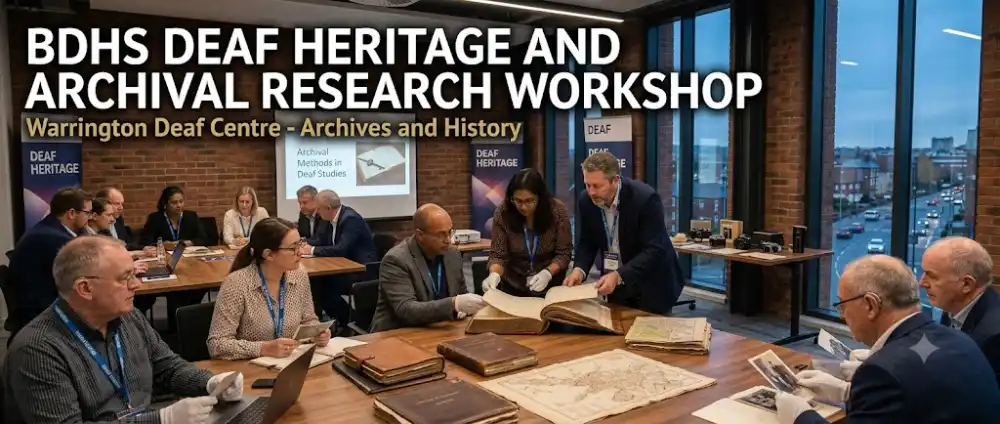
BDHS Deaf Heritage and Archival Research Workshop
Uncovering Centuries of Rich Deaf Heritage and Culture
The British Deaf History Society (BDHS) is delighted to present the BDHS Deaf Heritage and Archival Research Workshop, an engaging full-day gathering hosted at the Warrington Deaf Centre. Established in 1993, the British Deaf History Society has served as the foremost national organization dedicated to discovering, preserving, and sharing the vibrant history, culture, and language of Deaf people across Great Britain. Taking place on 10th October 2026, this specialist workshop brings together academic researchers, local community historians, British Sign Language (BSL) advocates, and curious members of the public. Designed to foster deep appreciation and systematic preservation of Deaf heritage, the event offers delegates an unparalleled opportunity to explore historical documents, understand past social developments, and learn how to collect and safeguard community stories.
Mastering Archival Techniques and Historical Records
Led by experienced historians and veteran archivists, the educational modules will focus on practical techniques for researching Deaf history within public libraries, national archives, and private collections. Attendees will discover how early residential schools, regional Deaf clubs, and charitable societies established distinct cultural networks throughout the eighteenth, nineteenth, and twentieth centuries. Facilitators will provide practical demonstrations on handling fragile paper records, digitizing vintage photograph collections, and recording oral and signed histories. Whether you are conducting academic research, writing a book, or exploring your own family lineage, these sessions provide the methodical tools required to unearth, analyze, and preserve historic narratives that have long been overlooked in mainstream historical accounts.
Celebrating BSL Evolution and Community Identity
A significant portion of the workshop program is dedicated to the linguistic evolution and social recognition of British Sign Language (BSL). Guest speakers will trace how visual-gestural communication developed across different regions of the UK, forming rich linguistic dialects and cultural bonds within Deaf communities. Interactive small-group roundtables will explore how historic milestones—such as the recognition of BSL and evolving educational policies—have affected identity and rights over time. Fully accessible with live BSL interpretation and electronic speech-to-text reporting throughout the day, the workshop creates an inclusive environment where Deaf and hearing attendees can exchange insights, compare research findings, and collaborate on future heritage projects.
Warrington Deaf Centre,
Warrington
10
0
Jul 01, 2026
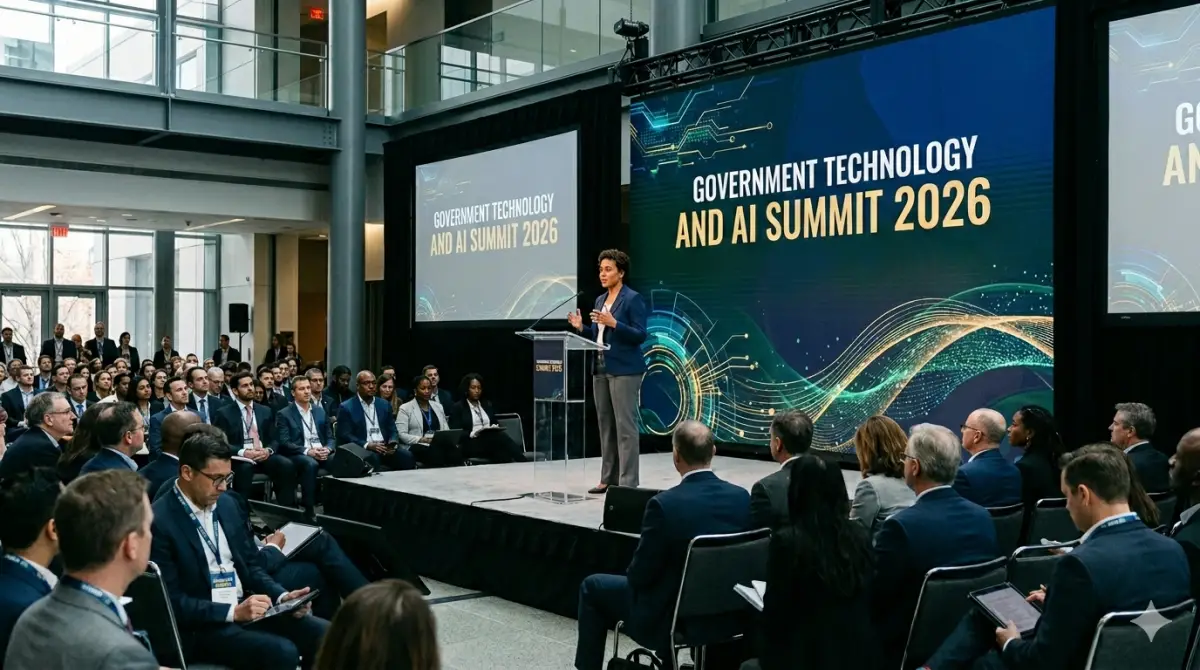
Government Technology and AI Summit 2026
The Government Technology and AI Summit 2026 is the premier annual gathering focused on the operationalization of Artificial Intelligence within the UK public sector. As the "AI Era" moves from experimental pilots to core service delivery, this summit provides a roadmap for civil servants and technology providers to ensure this transition is ethical, secure, and efficient. Hosted at the prestigious Convene 200 Aldersgate, the event attracts over 500 senior leaders from local government, healthcare, and central departments, all looking for practical strategies to improve public outcomes through data-driven innovation.
The agenda is meticulously designed to bridge the gap between national AI policy and local implementation. A key focus for 2026 is "Responsibly Buying AI," featuring workshops led by legal and technical experts on mitigating bias, ensuring data privacy, and navigating the nuances of the AI Procurement Lifecycle. The morning sessions feature keynote addresses from the DSIT and the Cabinet Office, providing updates on the UK's National AI Strategy and the funding available for regional "Tech Town" pilots. These pilots are demonstrating how AI can be used to shorten hospital waiting lists and streamline revenues and benefits services, saving local authorities millions of pounds.
Beyond the keynotes, the summit offers 12 specialized seminars covering topics such as "Building Digital Literacy across Government," "Cyber Resilience in National Infrastructure," and "Advancing Social Mobility Through Data." The "AI Skills Accelerator" track is particularly popular, offering executive education for senior leaders who need to manage AI-driven change within their organizations. The exhibition hall features the latest in RPA (Robotic Process Automation), predictive analytics, and secure cloud infrastructure, giving attendees hands-on access to the tools shaping the future of governance. This summit is an essential calendar entry for anyone committed to building a modern, tech-enabled government that serves all citizens effectively.
Convene 200 Aldersgate,
London
113
0
- Prev
- 1
- Next
Share This Page
My Page
Scan QR to open
Barcode