
Discover All Events
Explore 1 premium experiences in all locations
Promoted
List Your Next Big Event
Reach millions of attendees by showcasing your conferences, workshops, or exhibitions on the world's most trusted event platform.
Create Your Event Now
FEATURED
Oct 29 - 30, 2026
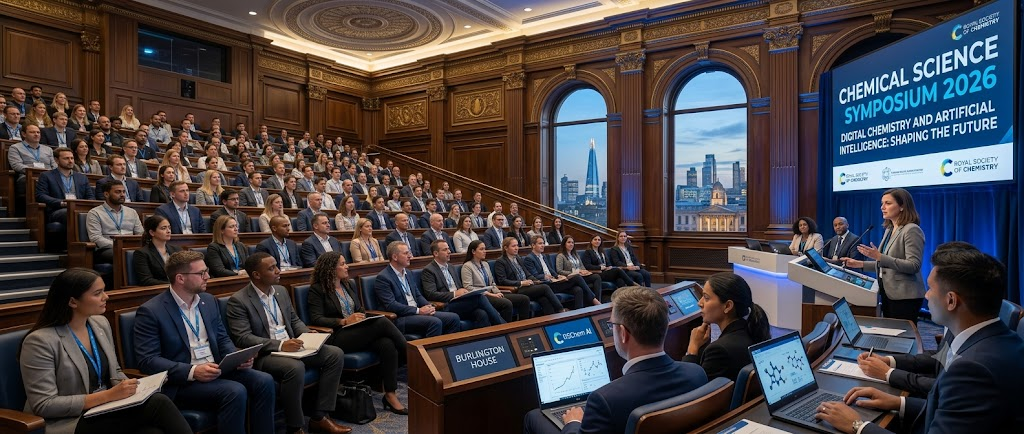
Chemical Science Symposium 2026
The Chemical Science Symposium 2026 stands as a flagship international meeting hosted by the Royal Society of Chemistry in London. Bringing together leading authorities and emerging investigators from around the world, this prestigious event shines a spotlight on cutting-edge developments at the intersection of chemistry, advanced computation, and data science. Designed to stimulate cross-disciplinary dialogue and scientific advancement, the symposium provides a collaborative platform for exploring how digital transformation is shaping the future of molecular research.
Digital Chemistry in the Age of Artificial Intelligence
As artificial intelligence and machine learning permeate every facet of modern science, chemical research is undergoing a profound paradigm shift. This core session investigates how algorithmic models, neural networks, and automated workflows are accelerating discovery cycles. Attendees will examine breakthrough case studies demonstrating how predictive modelling reduces experimental trial timelines, enhances accuracy, and unlocks novel pathways for compound synthesis and structural analysis.
Computational Molecular Science and Simulation
Understanding complex atomic and molecular behavior requires sophisticated computational tools and high-performance simulation techniques. Experts during this segment will discuss recent advancements in atomistic modelling, quantum chemical calculations, and materials informatics. Presentations will highlight how robust computational frameworks enable researchers to visualize molecular interactions at unprecedented resolutions, bridging the gap between theoretical prediction and tangible laboratory application.
Automation and High-Throughput Innovation
Laboratory automation represents a critical pillar in modern chemical engineering and discovery. This segment explores the integration of robotic platforms, automated synthesis systems, and smart data capture tools within research laboratories. Participants will gain practical insights into how automated workflows minimize human error, optimize reagent use, and generate high-fidelity datasets essential for machine learning model training and validation.
Networking and Collaborative Scientific Exchange
Beyond formal presentations and panel discussions, the symposium serves as a dynamic hub for international collaboration and peer engagement. Poster sessions and dedicated networking intervals offer researchers at all career stages an ideal environment to share findings, receive constructive feedback, and forge lasting professional partnerships. Attendees leave with expanded perspectives, fresh collaborative ventures, and a deeper understanding of the digital tools defining the future of chemical sciences.
Royal Society of Chemistry, Burlington House,
London
4
0
FEATURED
Feb 26 - 28, 2026
Independent Shoemakers Conference 2027
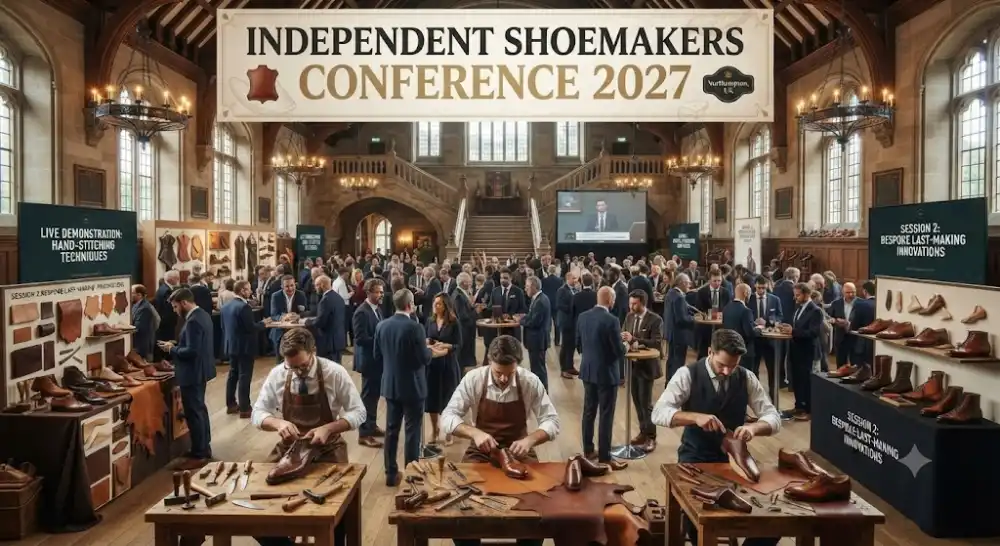
The Independent Shoemakers Conference 2027 is one of the United Kingdom's leading professional gatherings dedicated to traditional and modern shoemaking. Hosted in Northampton, widely recognized as the historic heart of British footwear manufacturing, the conference brings together artisans, bespoke shoemakers, footwear designers, suppliers, educators, and industry professionals from around the world.
Designed to celebrate craftsmanship while embracing innovation, this three-day event provides attendees with practical demonstrations, educational seminars, networking sessions, supplier showcases, and inspiring keynote presentations. Whether participants are experienced master shoemakers or aspiring footwear professionals, the conference offers valuable learning experiences and opportunities to build long-lasting industry relationships.
Northampton's rich footwear heritage makes it the ideal destination for this prestigious event. Visitors will experience not only educational sessions but also the city's remarkable connection to centuries of shoemaking excellence.
Why Attend?
The conference provides an outstanding platform for professionals seeking to enhance their skills and stay informed about developments within the footwear industry.
Participants can observe live demonstrations from experienced craftsmen, learn advanced construction techniques, discover new materials, explore sustainable manufacturing practices, and gain insights into business development for independent shoemakers.
Networking remains one of the conference's greatest strengths. Visitors have opportunities to meet suppliers, educators, workshop owners, designers, retailers, and international footwear specialists under one roof.
Educational Sessions
Throughout the conference, visitors can attend numerous presentations covering:
Traditional hand-welted shoemaking
Bespoke footwear fitting
Leather selection and treatment
Shoe restoration techniques
Pattern cutting
Last making
Orthopaedic footwear development
Sustainable footwear manufacturing
Business growth strategies
Digital marketing for independent shoemakers
Every session is delivered by experienced professionals who actively work within the footwear industry.
Live Demonstrations
One of the most popular attractions is the extensive programme of practical demonstrations.
Visitors can watch master craftsmen perform:
Hand stitching
Last construction
Sole attachment
Leather finishing
Decorative detailing
Pattern drafting
Foot measurement techniques
Shoe restoration
Edge finishing
Custom fitting
These demonstrations provide valuable insights into traditional skills that continue to shape modern bespoke shoemaking.
Exhibition Area
The exhibition showcases suppliers from across the footwear industry.
Exhibitors typically present:
Premium leather materials
Shoe lasts
Cutting tools
Machinery
Hand tools
Adhesives
Thread
Soles
Insoles
Footwear accessories
Educational resources
Attendees can compare products, meet manufacturers, and establish new supplier relationships.
Networking Opportunities
Networking is central to the conference experience.
Dedicated networking sessions encourage conversations between:
Independent shoemakers
Designers
Suppliers
Students
Retailers
Museum representatives
Leather specialists
Manufacturing experts
These interactions frequently result in collaborative projects, apprenticeships, supplier partnerships, and business growth opportunities.
International Participation
The conference attracts delegates from multiple countries, creating an international learning environment.
Participants exchange techniques, discuss regional footwear traditions, compare manufacturing methods, and build global professional networks that extend well beyond the event.
Innovation in Footwear
While celebrating heritage craftsmanship, the conference also embraces innovation.
Sessions explore:
Modern manufacturing technologies
CAD design
Digital pattern creation
Sustainable materials
Eco-friendly production
Orthopaedic footwear innovations
Customer experience improvements
This balanced approach ensures attendees remain competitive in today's evolving footwear market.
Benefits for Students
Students studying footwear design, fashion, leatherworking, or manufacturing gain exceptional educational value.
Benefits include:
Direct interaction with experienced professionals
Career guidance
Portfolio inspiration
Internship opportunities
Practical demonstrations
Industry knowledge
Professional networking
The event bridges academic learning with real-world craftsmanship.
Sustainability Focus
Environmental responsibility continues to influence the footwear industry.
Conference discussions highlight:
Sustainable leather sourcing
Waste reduction
Repair culture
Circular economy principles
Responsible manufacturing
Ethical sourcing
Long-lasting product design
These topics help businesses adopt more environmentally responsible practices.
Northampton's Footwear Heritage
Northampton has long been associated with world-class shoemaking.
Visitors attending the conference can also explore the city's museums, historic footwear collections, and local businesses that continue the tradition of British craftsmanship.
The city's heritage enhances the educational value of the conference and provides additional inspiration for attendees.
Business Development
Independent businesses face unique challenges.
Business-focused presentations cover:
Brand development
Online sales
Customer retention
Pricing strategies
Workshop management
Export opportunities
Marketing
Financial planning
Social media
Client communication
These sessions help shoemakers strengthen both their craft and commercial success.
Who Should Attend?
This event is ideal for:
Independent shoemakers
Bespoke footwear manufacturers
Leather craftsmen
Fashion designers
Footwear students
Retail buyers
Suppliers
Museum professionals
Orthopaedic footwear specialists
Footwear educators
Wrapping Up
The Independent Shoemakers Conference 2027 offers an exceptional opportunity for professionals passionate about footwear craftsmanship. Combining education, live demonstrations, networking, innovation, and heritage, the conference continues to serve as one of the industry's most respected annual gatherings.
Whether participants aim to refine traditional techniques, discover emerging technologies, establish valuable business relationships, or celebrate the enduring art of shoemaking, the conference delivers meaningful experiences for every attendee. Hosted in the historic footwear city of Northampton, the event represents the perfect blend of tradition, collaboration, and innovation for the future of independent shoemaking.
Northampton Museum & Art Gallery,
Northampton
34
0
BDHS Deaf History Workshop
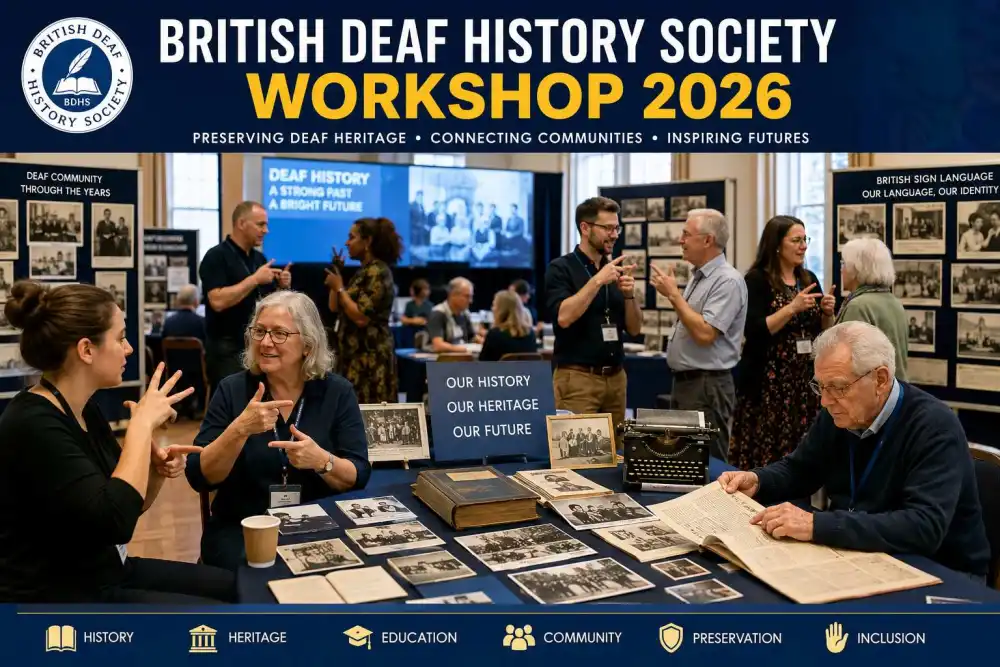
The British Deaf History Society (BDHS) has played a significant role in preserving and promoting the rich heritage of Deaf communities throughout the United Kingdom. Through educational workshops, historical exhibitions, research initiatives, and community engagement, the society continues to inspire people to appreciate the remarkable achievements, culture, and history of Deaf individuals. Every workshop organized by the society provides an opportunity for participants to explore historical records, learn about influential Deaf figures, and understand how Deaf culture has evolved over the centuries.
The British Deaf History Society Workshop 2026 offers a valuable opportunity for attendees to deepen their understanding of Deaf heritage while connecting with researchers, educators, historians, students, and members of the Deaf community. The event encourages knowledge sharing, meaningful discussions, and collaboration among participants who are passionate about preserving historical records and promoting awareness of Deaf culture.
Whether participants are attending to conduct research, support heritage projects, expand professional knowledge, or simply learn more about Deaf history, the workshop provides an engaging and informative environment. Through expert presentations, interactive sessions, and networking opportunities, attendees gain a comprehensive understanding of the historical journey of Deaf communities across Britain.
Understanding the Importance of Deaf History
Deaf history is much more than documenting events from the past. It represents the experiences, struggles, achievements, language, education, and cultural identity of Deaf people throughout generations. Learning about Deaf history helps preserve valuable stories that may otherwise be forgotten while inspiring future generations to appreciate their heritage.
Historical records reveal the evolution of sign language, educational reforms, employment opportunities, technological developments, and advocacy movements that have shaped modern Deaf communities. Workshops organized by the British Deaf History Society encourage participants to examine original documents, photographs, newspapers, personal stories, and historical artifacts that provide fascinating insights into Britain's Deaf heritage.
Preserving these historical resources ensures that future generations can continue learning from the experiences of earlier Deaf communities while recognizing the contributions made by Deaf individuals across education, arts, politics, sports, and social development.
Why Historical Preservation Matters
Preserving Deaf history benefits both the Deaf and hearing communities by promoting inclusion, education, and cultural understanding. Historical preservation helps document important milestones that have contributed to equal rights, improved accessibility, and wider recognition of British Sign Language.
The workshop highlights the importance of collecting historical documents, maintaining archives, recording oral histories, and supporting museums dedicated to Deaf heritage. Participants learn practical approaches for protecting historical materials while understanding the ethical responsibilities involved in preserving cultural records.
By documenting local and national Deaf history, communities can ensure that significant achievements remain accessible to researchers, educators, students, and future historians.
Educational Sessions and Expert Presentations
One of the major attractions of the workshop is its carefully planned educational programme. Experienced historians, researchers, archivists, and heritage professionals present informative sessions covering a wide range of topics related to Deaf history.
Presentations may explore:
The origins of Deaf education in Britain
Development of British Sign Language
Historical Deaf schools
Influential Deaf leaders
Community organizations
Historical archives and preservation methods
Museum collections
Family history research
Historical publications
Cultural identity
Modern preservation initiatives
Each session combines academic research with practical examples, making complex historical topics accessible to audiences with varying levels of knowledge.
Interactive Learning Experience
Unlike traditional lectures, the workshop encourages active participation. Attendees are invited to ask questions, join discussions, examine historical materials, and contribute their own experiences.
Interactive activities may include:
Archive exploration
Historical document analysis
Group discussions
Community storytelling
Heritage preservation demonstrations
Research guidance
Networking sessions
Question-and-answer forums
These activities create a collaborative learning environment where participants can exchange ideas and develop a deeper appreciation of Deaf history.
Building Strong Community Connections
Community engagement remains one of the British Deaf History Society's primary objectives. The workshop provides an excellent opportunity for individuals from diverse backgrounds to meet and establish lasting professional and personal connections.
Participants include:
Historians
Academic researchers
Teachers
University students
Museum professionals
Archivists
Genealogists
Community volunteers
Deaf community members
Heritage organizations
Networking sessions encourage collaboration on future research projects, educational initiatives, and community preservation programmes.
Exploring Historical Archives
Historical archives serve as the foundation of Deaf history research. During the workshop, participants discover how archival collections preserve valuable information about past generations.
Examples of archival materials include:
Historical photographs
School records
Personal letters
Newspapers
Community newsletters
Organizational documents
Meeting minutes
Historical publications
Family records
Oral history recordings
Learning how these collections are managed helps participants appreciate the work involved in preserving cultural heritage.
The Role of British Sign Language in History
British Sign Language (BSL) represents an essential part of Deaf identity and cultural heritage. The workshop explores how BSL developed over time and how it became recognized as an important language within British society.
Historical discussions examine:
Early sign language use
Regional variations
Educational policies
Language recognition
Community advocacy
Cultural significance
Understanding the historical development of BSL provides valuable context for current accessibility and inclusion initiatives.
Inspiring Future Generations
Educating younger generations about Deaf history helps preserve cultural identity while encouraging greater respect for diversity and inclusion. Students attending the workshop gain valuable knowledge that supports academic research and personal development.
Teachers can also apply workshop insights to classroom learning by incorporating Deaf history into educational programmes, helping create more inclusive learning environments.
The workshop encourages continued curiosity, inspiring participants to conduct further research, volunteer with heritage organizations, or contribute historical materials to archives.
Research Opportunities
Researchers attending the workshop benefit from access to experienced historians and heritage professionals. Discussions often highlight emerging research areas, available archival resources, and collaborative opportunities.
Potential research topics include:
Deaf education history
Community organizations
Family genealogy
Historical newspapers
Sign language evolution
Social movements
Accessibility legislation
Cultural preservation
Museum collections
Local Deaf communities
Sharing research ideas helps strengthen the broader understanding of Britain's Deaf heritage.
Heritage Preservation Through Collaboration
Successful preservation depends upon cooperation between organizations, volunteers, educational institutions, museums, libraries, and local communities.
The workshop demonstrates how collaborative partnerships improve:
Archive management
Public awareness
Educational outreach
Historical exhibitions
Digital preservation
Community engagement
Research accessibility
Working together ensures that important historical resources remain available for future generations.
Benefits of Attending the Workshop
Participants enjoy numerous educational and professional benefits throughout the event.
These include:
Learning from experienced historians
Exploring authentic historical materials
Building professional networks
Discovering research resources
Understanding Deaf heritage
Supporting preservation initiatives
Improving historical knowledge
Meeting community members
Sharing personal experiences
Encouraging lifelong learning
These benefits extend well beyond the workshop itself, motivating continued involvement in heritage preservation.
Looking Towards the Future
Technology continues transforming how historical records are preserved and shared. Digital archives, online exhibitions, virtual museums, and electronic databases allow wider public access to important historical collections.
The British Deaf History Society supports ongoing efforts to digitize valuable materials while ensuring their long-term preservation. Modern technology enables researchers from around the world to explore Britain's Deaf history more easily than ever before.
Future workshops are expected to continue embracing innovative preservation methods while maintaining the society's commitment to historical accuracy and community engagement.
The British Deaf History Society Workshop 2026 represents an outstanding opportunity to celebrate, preserve, and promote the remarkable history of Deaf communities throughout the United Kingdom. By bringing together historians, researchers, educators, students, and members of the Deaf community, the workshop creates a collaborative environment dedicated to learning, heritage preservation, and cultural appreciation.
Participants leave with a deeper understanding of Britain's Deaf history, stronger professional connections, and renewed enthusiasm for protecting historical records for future generations. Through expert presentations, interactive discussions, archival exploration, and community networking, the workshop continues the society's important mission of preserving Deaf heritage while inspiring future research and educational initiatives.
As awareness of Deaf history continues to grow, events like this play an essential role in ensuring that the stories, achievements, and cultural identity of Deaf communities remain accessible, respected, and celebrated for generations to come.
Reading Deaf Centre,
Warrington
21
0
- Prev
- 1
- Next
Share This Page
My Page
Scan QR to open
Barcode