
Discover All Events
Explore 1 premium experiences in all locations
Promoted
List Your Next Big Event
Reach millions of attendees by showcasing your conferences, workshops, or exhibitions on the world's most trusted event platform.
Create Your Event Now
FEATURED
Sep 15 - 16, 2026
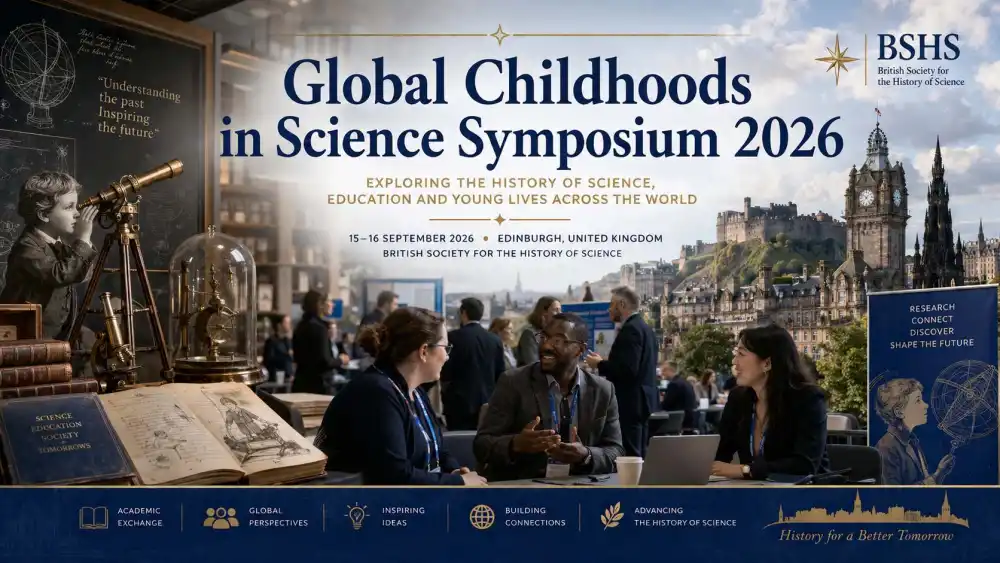
Global Childhoods in Science Symposium
The Global Childhoods in Science Symposium 2026 is a premier academic conference that brings together historians, researchers, educators, museum professionals, archivists, postgraduate students, and science communication experts to explore the historical relationship between childhood and science across different cultures and time periods. Supported by the British Society for the History of Science (BSHS), this symposium provides a collaborative platform for sharing groundbreaking research, encouraging interdisciplinary discussions, and building international academic partnerships.
Held in Edinburgh, one of the United Kingdom's leading centres for education and historical research, the symposium offers participants an inspiring environment to discuss how science, technology, medicine, and education have influenced childhood experiences throughout history.
The symposium focuses on understanding how children have participated in, experienced, and contributed to scientific knowledge over centuries. Researchers from diverse disciplines will present original studies that examine childhood education, scientific institutions, museums, public engagement, colonial science, medical history, and technological innovation.
Attendees will have the opportunity to engage with internationally recognised scholars while discovering new perspectives on historical research methodologies and interdisciplinary collaboration.
Why Attend This Event?
Participating in the Global Childhoods in Science Symposium provides numerous professional and academic benefits. The event offers access to high-quality research presentations, networking opportunities, and collaborative discussions designed to inspire future research projects.
Whether you are an established academic or an early-career researcher, the symposium creates valuable opportunities to exchange ideas with experts from universities, museums, archives, and cultural organisations from around the world.
Key Themes
The symposium explores several important themes within the history of science, including:
Childhood and scientific education
History of medicine and public health
Museums and science communication
Colonial science and global knowledge exchange
Scientific instruments and material culture
Gender and childhood in science
Environmental history
Digital humanities and historical archives
Technology and innovation
Public engagement with science
These themes encourage interdisciplinary discussions that connect historical research with modern educational and scientific challenges.
Inspiring Keynote Presentations
The conference features keynote speakers who are internationally recognised experts in the history of science and medicine. Their presentations will provide valuable insights into current research trends, emerging historical perspectives, and future opportunities for collaborative scholarship.
Keynote lectures are designed to stimulate discussion while inspiring attendees to develop innovative research ideas within their own areas of expertise.
Research Paper Sessions
Throughout the symposium, participants will attend multiple parallel sessions featuring peer-reviewed research papers presented by scholars from universities and research institutions worldwide.
Topics include:
Scientific education in different historical periods
Childhood and medical history
Scientific publishing
Museum collections
Historical archives
History of technology
Science communication
Global scientific networks
Educational reforms
Cultural history of science
Each session concludes with audience questions and scholarly discussion, encouraging constructive academic dialogue.
Interactive Panel Discussions
Expert panel discussions allow delegates to hear diverse perspectives on contemporary historical research. These conversations examine methodological challenges, interdisciplinary collaboration, funding opportunities, and future research priorities.
Audience participation is encouraged, creating engaging discussions between experienced academics and early-career researchers.
Networking Opportunities
Networking is one of the most valuable aspects of the symposium.
Delegates will have opportunities to connect during:
Registration sessions
Coffee breaks
Lunch meetings
Evening receptions
Informal discussion groups
Collaborative workshops
These networking sessions often lead to research partnerships, journal publications, conference collaborations, grant applications, and international academic projects.
Professional Development
The symposium supports professional growth through workshops covering:
Academic publishing
Research funding
Grant writing
Digital humanities
Archive management
Museum interpretation
Public engagement
Science communication
Participants gain practical knowledge that strengthens both research and career development.
Opportunities for Early Career Researchers
Special sessions are designed for postgraduate students and early-career academics.
These include:
Poster presentations
Research feedback sessions
Career advice
Publishing guidance
Networking with senior scholars
Funding information
Collaborative project discussions
The symposium provides an excellent environment for emerging researchers to build confidence and establish professional connections.
Museum and Archive Perspectives
Museums and archives play an essential role in preserving scientific heritage.
Experts from cultural institutions will discuss:
Collection management
Exhibition development
Digital archives
Historical preservation
Public education
Community engagement
Participants will learn how historical collections continue to support research and public understanding of science.
International Collaboration
The symposium welcomes delegates from across Europe, North America, Asia, Australia, and other regions.
International participation enriches discussions by introducing different historical perspectives, research methodologies, and collaborative opportunities.
Cross-border partnerships remain one of the conference's greatest strengths.
Benefits of Attending
Attendees will benefit from:
Learning from leading historians
Presenting original research
Receiving expert feedback
Building professional networks
Discovering funding opportunities
Exploring interdisciplinary research
Meeting international scholars
Improving presentation skills
Developing publication opportunities
Enhancing career prospects
Who Should Attend?
This symposium is ideal for:
Historians
Academic researchers
University lecturers
Postgraduate students
Museum professionals
Archivists
Librarians
Science communicators
Heritage specialists
Education researchers
Professionals from interdisciplinary backgrounds will also find valuable insights throughout the programme.
Venue Experience
Edinburgh offers an exceptional setting for academic events, combining historic architecture with world-class educational institutions.
Participants can explore:
Museums
Historic libraries
Scientific collections
Cultural attractions
University campuses
Heritage sites
The city's academic atmosphere enhances the overall conference experience.
Why the British Society for the History of Science?
The British Society for the History of Science has supported historical research for decades through conferences, publications, grants, workshops, and educational initiatives.
Its commitment to promoting excellence in the history of science makes this symposium an outstanding opportunity for scholars seeking meaningful academic engagement and professional development.
Final Thoughts
The Global Childhoods in Science Symposium 2026 offers a unique opportunity to explore innovative historical research while connecting with an international community of scholars. Through keynote lectures, research presentations, panel discussions, networking sessions, and professional development workshops, attendees will gain valuable knowledge, establish lasting collaborations, and contribute to the continued advancement of the history of science.
Whether you are presenting original research, seeking academic partnerships, or expanding your understanding of historical scholarship, this symposium provides an inspiring environment where ideas, discoveries, and collaborations shape the future of research in the history of science.
Edinburgh Futures Institute,
Norwich
44
0
FEATURED

Aug 18, 2026
Subsea Springboard 2026
The Subsea Springboard 2026 event stands as a premier focal point for professionals, innovators, and stakeholders dedicated to advancing the UK’s dynamic underwater and marine industries. Set in the heart of Aberdeen, this carefully curated gathering brings together top-tier minds from across the subsea supply chain, engineering sectors, and environmental domains. As the global energy landscape rapidly shifts toward sustainable practices, net-zero targets, and technological modernization, platforms like Subsea Springboard are essential for fostering cross-sector collaboration. Attendees will immerse themselves in a robust program designed to highlight cutting-edge developments, open up new avenues for commercial growth, and address the pressing operational challenges currently facing the marine and offshore sectors. Whether you are an established industry leader or an emerging enterprise, this conference provides unmatched access to valuable market intelligence and strategic networking opportunities.
Comprehensive Exploring of Core Themes and Objectives
At its core, the event dives deeply into the mechanics of operational excellence, digital transformation, and future-proof engineering solutions within the underwater environment. Participants will engage with expert-led sessions examining how advanced automation, subsea integrity management, and data-driven frameworks are reshaping day-to-day operations. The conference emphasizes practical applications that reduce carbon footprints while maximizing asset reliability across offshore oil, gas, and renewable energy fields. Discussions will also place considerable weight on regulatory updates, safety standards, and workforce development, ensuring that companies remain compliant and competitive in a fast-evolving global marketplace. Through panel discussions, keynote addresses, and interactive forums, delegates will leave equipped with actionable insights to propel their organizations forward.
Networking and Collaborative Growth Opportunities
Beyond structured learning tracks, Subsea Springboard 2026 places a heavy premium on building lasting professional relationships. The venue layout and schedule are meticulously planned to facilitate organic networking among operators, developers, service providers, and tier-one contractors. Attendees can exchange ideas, spark joint ventures, and discuss potential supply chain partnerships that drive regional and international success. By bridging gaps between different segments of the blue economy—ranging from offshore wind to traditional subsea infrastructure—the event acts as a true launchpad for innovative projects and collaborative breakthroughs. Join peers and decision-makers in Aberdeen to shape the trajectory of the underwater sector for the decades to come.
Global Underwater Hub - Aberdeen Office,
Aberdeen
22
0
Jun 16, 2026
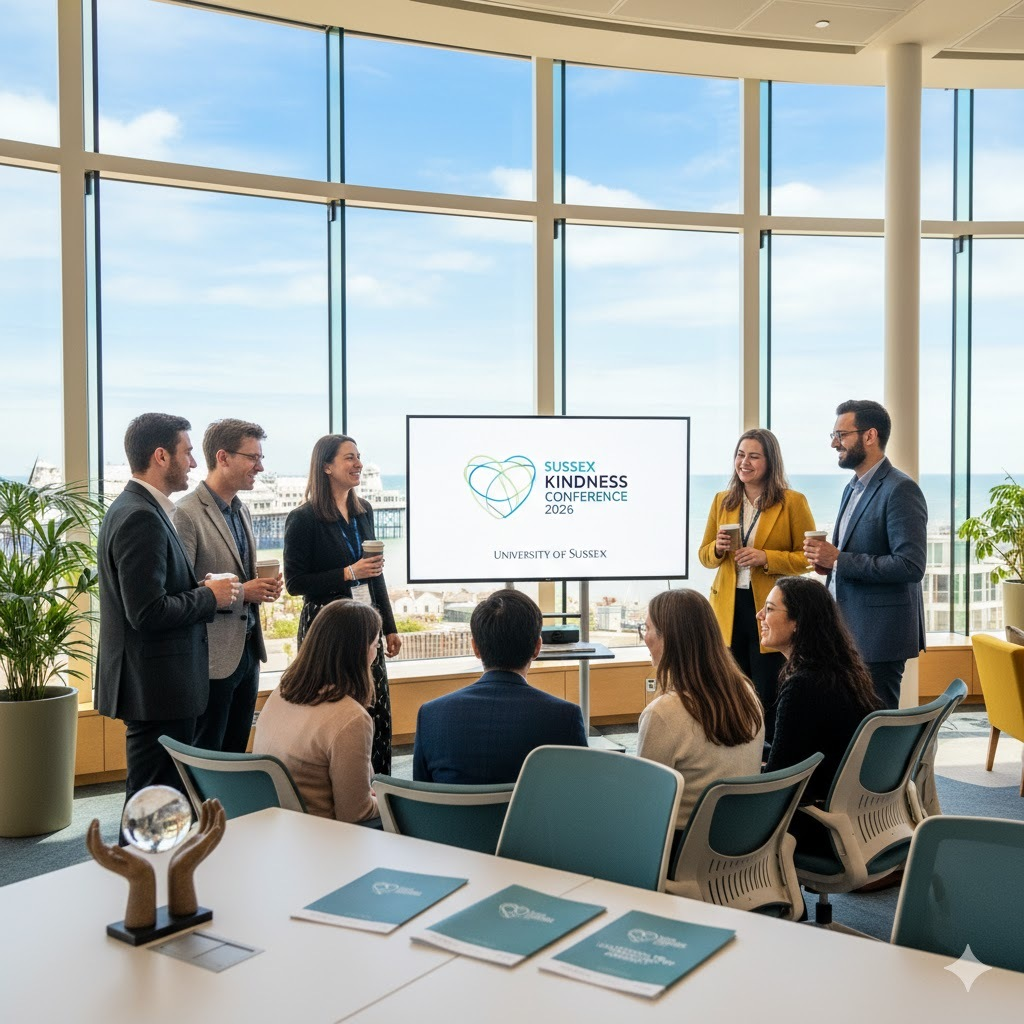
Sussex Kindness Conference 2026
The University of Sussex is proud to present the inaugural "Sussex Kindness Conference 2026," a groundbreaking event organized by the Sussex Centre for Research on Kindness. Taking place in the heart of Brighton, this conference serves as a vital bridge between rigorous academic research and real-world practical applications. As the first-ever conference of its kind, it is specifically tailored to explore how the concept of kindness can drive powerful, practical, and cross-sector collaboration between academia, the business world, and charitable organizations.
The event features a diverse program designed to challenge traditional perspectives on workplace culture and societal interaction. Attendees will hear from renowned keynote speakers, including industry leaders like Shiv Misra, founder of Kindly of Brighton, and celebrated authors such as Graham Allcott, who will discuss the "quiet power of kindness" in professional leadership. The conference is structured to provide high-level insights into how kindness can be utilized as a strategic asset to foster thriving, empowered, and inclusive environments.
Throughout the day, participants will engage in dynamic panel sessions and "sofa talks" that showcase successful kindness-led approaches currently being implemented in global organizations. These discussions aim to highlight how academic-led collaborations can achieve tangible goals with external partners, focusing on culture, systems, and product development. The conference also offers unique opportunities to explore formal partnership avenues with the University, such as Knowledge Transfer Partnerships (KTPs) and collaborative consultancy.
Set against the backdrop of the vibrant and inclusive city of Brighton, the Sussex Kindness Conference is more than just a meeting; it is a movement toward a more empathetic and effective professional future. It invites thinkers and doers to come together to unlock innovative, evidence-based solutions that prioritize human well-being alongside organizational success.
University of Sussex, Falmer Campus,
Brighton
198
0
- Prev
- 1
- Next
Share This Page
My Page
Scan QR to open
Barcode