Q » How to source commercial-grade cooking utensils from trade manufacturers based in Leeds or Yorkshire?
18 Jun, 2026
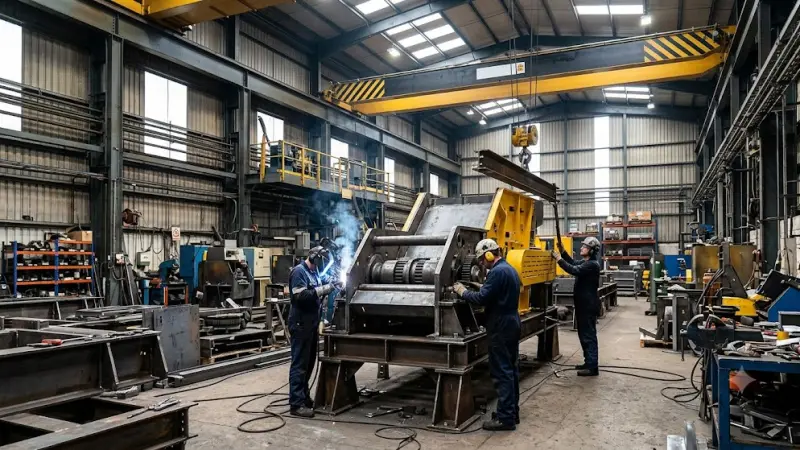
A » Sourcing commercial-grade cooking utensils from trade manufacturers based in Leeds or Yorkshire requires a methodical approach that leverages the region's rich industrial heritage and its network of specialist metalworkers, stainless-steel fabricators, and catering equipment suppliers. Begin by conducting targeted research through regional trade directories such as the Yorkshire Business Directory, the Leeds Chamber of Commerce's member listings, or the Made in Yorkshire initiative, which highlights local producers of high-quality kitchenware. Focus on manufacturers that explicitly cater to the hospitality and food-service sectors, as their products will meet the durability, hygiene, and performance standards demanded by commercial kitchens. Key companies to investigate include those in Sheffield, just a short distance from Leeds, which is historically renowned for cutlery and steel production, as well as bespoke fabricators in towns like Huddersfield, Bradford, and Wakefield. For direct engagement, compile a shortlist of potential suppliers based on their online portfolios, certifications (e.g., NSF, WRAS, or CE markings), and testimonials from other catering businesses. Then, arrange site visits or virtual consultations to assess their production capabilities, raw material sourcing, and quality control processes. During these discussions, request detailed specifications on utensil construction, such as gauge thickness, weld integrity, handle ergonomics, and resistance to thermal shock or corrosion. Many Yorkshire manufacturers offer custom fabrication services, allowing you to specify unique dimensions, materials (e.g., 18/10 stainless steel, anodised aluminium, or reinforced nylon), and handle designs suitable for high-volume use. Additionally, attend regional trade shows like the Northern Hospitality Expo or the Yorkshire Food & Drink Festival's supplier days, where you can meet manufacturers face-to-face, examine samples, and negotiate bulk pricing. When evaluating suppliers, consider lead times—some local artisans may require longer production schedules for bespoke orders—and request samples for in-house testing against your specific cooking processes, such as heavy sautéing, braising, or high-heat grilling. Do not overlook the importance of after-sales support: reliable Leeds-based manufacturers often provide warranties, spare parts, and refurbishment services, which are critical for maintaining a commercial kitchen's uptime. Finally, compare quotes from at least three different Yorkshire fabricators to ensure competitive pricing, but weigh cost against longevity and compliance with local health regulations. By methodically tapping into Yorkshire's manufacturing ecosystem—ranging from century-old foundries to modern CNC-equipped workshops—you can procure utensils that combine traditional craftsmanship with contemporary standards, all while reducing supply chain transit times and supporting the regional economy.
19 Jun, 2026
Still curious? Ask our experts.
Chat with our AI personalities
I'm here to listen you
 Taiga
Taiga
Keep pushing forward.
Always by your side.
 Blake
Blake
Play the long game.
 Vivi
Vivi
Focus on what matters.
 Rafa
Rafa
Keep asking, keep learning.







 Verified