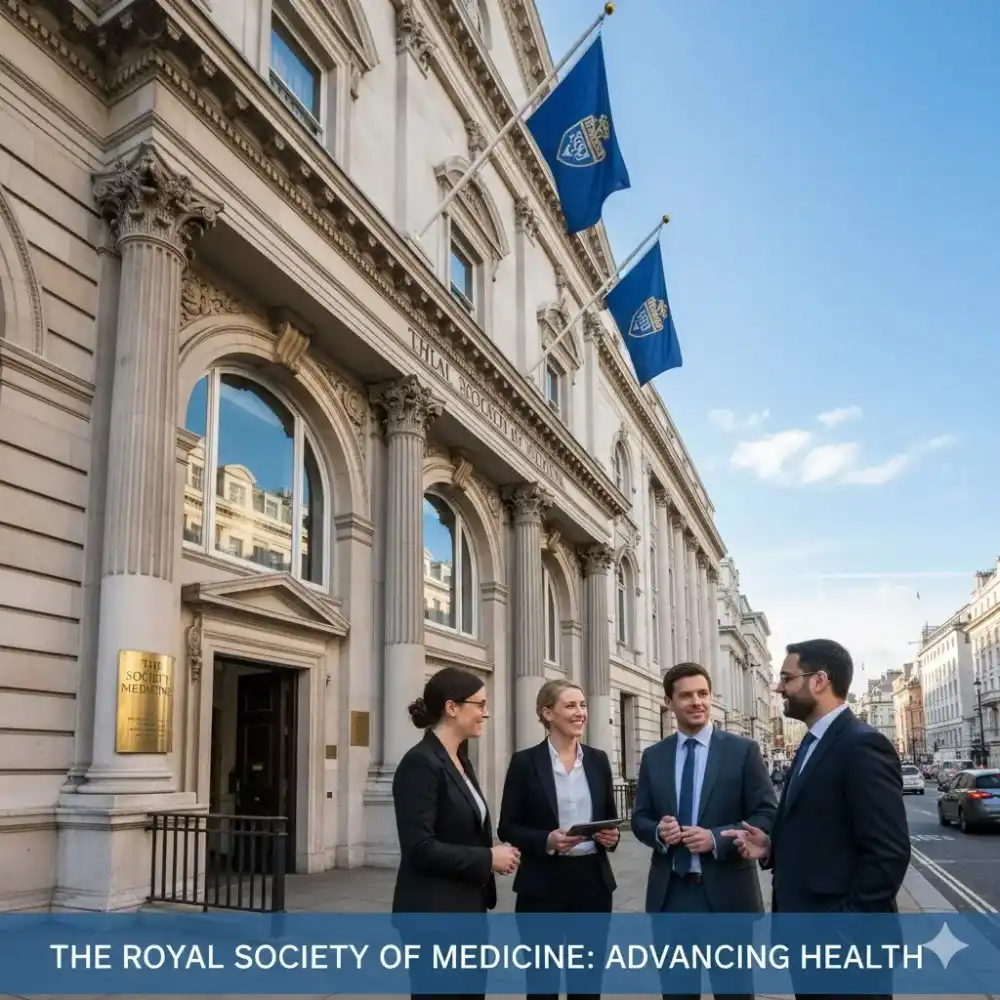
The Royal Society of Medicine (RSM) stands as one of the United Kingdom's most prestigious and influential providers of continuing medical education (CME). Founded in 1805 and established by Royal Charter, the RSM is a unique, independent, and apolitical organization dedicated to the advancement of health through education, innovation, and the exchange of multidisciplinary ideas.
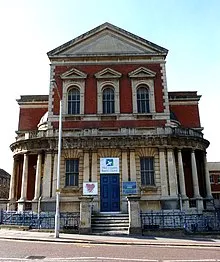
Located in the heart of London’s medical district at 1 Wimpole Street, the Society serves as a neutral platform where healthcare professionals from every specialty—from students to retired consultants—can connect, share best practices, and stay at the forefront of clinical developments.
A Legacy of Excellence: The History of the RSM
The story of the Royal Society of Medicine began on May 22, 1805, when Sir William Saunders and a group of visionary clinicians founded the Medical and Chirurgical Society of London. Their mission was simple yet revolutionary: to create a space where physicians and surgeons could meet to share knowledge for the benefit of patient care.
In 1834, the Society was granted its first Royal Charter by King William IV. However, it was the Supplemental Charter of 1907 that truly defined the modern RSM, as it merged with 15 other specialist medical societies to form a comprehensive, multidisciplinary body. Today, with over 220 years of history, the RSM continues to evolve, supporting a global community of over 20,000 members.
Core Pillars of the Royal Society of Medicine
1. World-Class Continuing Professional Development (CPD)
The RSM is a cornerstone of postgraduate medical education. Each year, the Society hosts over 400 meetings, webinars, and conferences covering more than 50 medical specialties.
-
Specialty Sections: From Anaesthesia and Cardiology to Oncology and Telemedicine, each section is led by experts who curate high-quality educational content.
-
Multidisciplinary Approach: The RSM’s unique structure encourages professionals from different fields to collaborate, ensuring a holistic view of modern healthcare challenges.
-
CPD Accreditation: Most events are accredited for Continuing Professional Development, helping clinicians meet their annual appraisal and revalidation requirements.
2. One of the World’s Largest Medical Libraries
For researchers and clinicians, the RSM Library is an invaluable resource. It is one of the largest and most comprehensive medical libraries in Europe, offering:
-
Extensive Digital Access: Members enjoy 24/7 access to thousands of full-text e-journals, e-books, and major medical databases like ClinicalKey and Medline.
-
Physical Archives: The library at 1 Wimpole Street houses over 600,000 volumes, including rare historical texts dating back to the 15th century.
-
Expert Support: A dedicated team of medical librarians provides literature search services and information skills training to support clinical research and evidence-based practice.
3. The Journal of the Royal Society of Medicine (JRSM)
The JRSM is a high-impact, peer-reviewed journal that has been published continuously since 1809. It provides a platform for scholarly debate, original research, and editorials on health policy and clinical practice. As a multidisciplinary journal, it reaches a wide international audience and plays a critical role in influencing healthcare policy in the UK and beyond.
Exclusive Member Benefits: More Than Just Education
Joining the Royal Society of Medicine offers more than just academic advantages; it provides a professional home in London.
Professional Recognition
Fellows of the Society are entitled to use the prestigious post-nominal letters FRSM, signifying their commitment to the highest standards of medical education and professional development.
The RSM Club and Domus Medica
Located within the historic building at 1 Wimpole Street, the RSM Club provides a private sanctuary for members.
-
Dining and Socializing: The club features a fine-dining restaurant and a relaxed lounge bar, perfect for networking with colleagues or hosting guests.
-
Domus Medica Hotel: Members have exclusive access to the Society’s on-site boutique hotel. With 47 en-suite rooms, Domus Medica offers high-quality, competitively priced accommodation in central London, near Oxford Circus and Cavendish Square.
Global Connectivity
The RSM facilitates a global network. Through reciprocal arrangements, members can access over 50 prestigious clubs worldwide, ensuring they have a professional base whether they are in New York, Tokyo, or Sydney.
Supporting the Future of Healthcare
The RSM is a registered charity (No. 206219). Its work is funded through membership subscriptions, educational event fees, and the generous support of donors. By investing in the education of the current and future healthcare workforce, the RSM directly contributes to improved patient outcomes and medical innovation.
Contact Information
-
Address: 1 Wimpole Street, Marylebone, London, W1G 0AE, UK
-
Phone: +44 (0)20 7290 2901
-
Helpdesk: +44 (0)20 7290 2900
-
Email: membership@rsm.ac.uk
-
Website: www.rsm.ac.uk
Frequently Asked Questions
1. Who can join the Royal Society of Medicine?
Membership is open to healthcare professionals from all specialties, including doctors, dentists, veterinarians, nurses, and allied health professionals. We also offer dedicated categories for medical students and healthcare-related researchers.
2. What are the different membership categories?
The RSM offers several tiers: Fellowship (for senior clinicians), Associate (for healthcare professionals and PhD students), and Student membership. Each category is tailored to the individual's career stage.
3. Is the RSM part of the NHS?
No, the RSM is an independent, non-political membership organization and a registered charity. While we support the healthcare workforce, we operate independently of the NHS and the government.
4. How do I get CPD credits through the RSM?
By attending our accredited educational meetings or webinars. Certificates of attendance are provided, which can be uploaded to your professional portfolio for revalidation.
5. Can I access the RSM Library online?
Yes. RSM members have 24/7 remote access to a vast collection of digital resources, including e-journals, textbooks, and medical databases.
6. What is Domus Medica?
Domus Medica is the RSM’s private, members-only hotel located within our London headquarters at 1 Wimpole Street. It offers 47 en-suite rooms for members visiting London.
7. Does the RSM offer venue hire for external events?
Yes. Through our brand 1 Wimpole Street, we offer world-class conference and event facilities, including lecture theatres and meeting rooms equipped with the latest AV technology.
8. Can I use the post-nominals FRSM?
Only those elected as Fellows of the Royal Society of Medicine are entitled to use the post-nominal letters FRSM.
9. Are there networking opportunities for early-career doctors?
Absolutely. The RSM has a vibrant community for students and trainees, offering prizes, awards, and networking events designed specifically to support career progression.
10. How can I stay updated on upcoming RSM events?
You can visit our official website at rsm.ac.uk, subscribe to our newsletters, or follow us on social media platforms like LinkedIn, Twitter, and Instagram.
Top Categories
- Business Services 137
- Educational Services 93
- Event Organiser 45
- Health and Wellbeing 17
- Advertising Agencies 16
- Home and Garden 13
- Automotive 13
- Manufacturing Services 8
- Engineering 8
- Entertainment Services 5
- Legal Services 4
- Financial Services 4
- Gardening Services 4
- Accountants 2
- Cleaning Services 2
Top Viewed Articles


Spread the Word
Know someone who would love this? Share it with them!