
Engineering Articles
Explore 8 business insights in all locations
Insider
Share Your Business Story
Reach our community by sharing your business insights, expert guides, or success stories on the world's most trusted local platform.
Write Your Article Now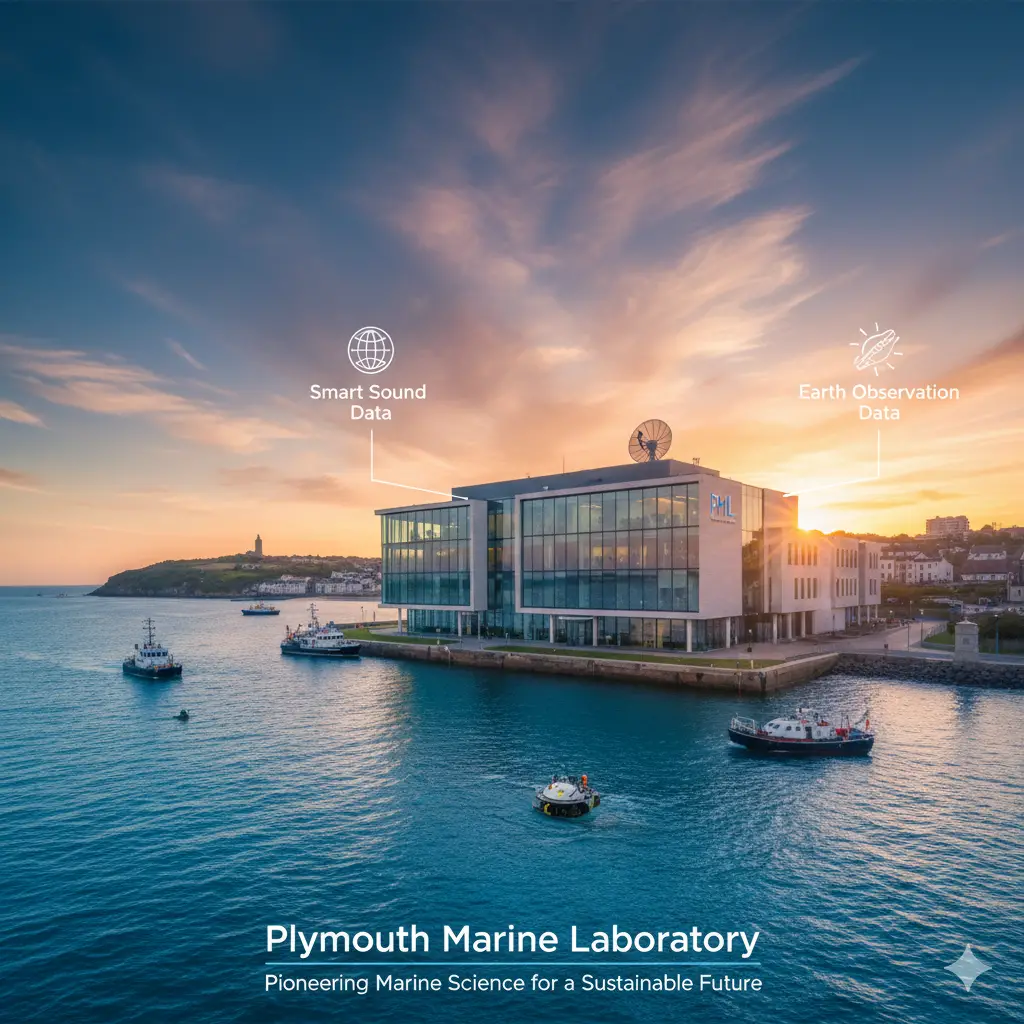
Engineering
Apr 10, 2026
Plymouth Marine Laboratory Global Leader in Marine Science
In the heart of Britain’s Ocean City, the Plymouth Marine Laboratory (PML) stands as a beacon of scientific excellence and environmental stewardship. As a world-leading, independent international centre of excellence in marine science and technology, PML has dedicated decades to understanding the complexities of our oceans. With its headquarters in Prospect Place, West Hoe, Plymouth, the laboratory operates at the intersection of biology, chemistry, physics, and social science to address the most pressing challenges of our time: climate change, biodiversity loss, and marine pollution.
A Legacy of Independence and Excellence
While PML’s roots trace back to its original formation in 1988 under the Natural Environment Research Council (NERC), its current identity as an independent research institution was solidified on March 13, 2001. Under the leadership of Professor Icarus Allen, Chief Executive, PML has evolved into a powerhouse of marine innovation. Today, it remains a collaborative centre of NERC, blending the stability of national partnership with the agility of an independent charity.
Core Mission: Impactful Science for a Healthy Ocean
The mission of Plymouth Marine Laboratory is clear: to deliver impactful, cutting-edge environmental and social science in support of a healthy and sustainable ocean. This is not merely an academic pursuit. PML turns complex marine data into actionable insights, providing knowledge-based solutions that inform government policy, support industrial sustainability, and safeguard marine ecosystems worldwide.
Marine Ecosystem Modelling and Earth Observation
One of PML’s greatest strengths lies in its ability to simulate the future of our oceans. Marine Ecosystem Modelling is a cornerstone of their work, allowing scientists to predict how oceans will react to rising temperatures and acidification.
By leveraging Earth Observation Data through satellite remote sensing, PML monitors ocean health on a global scale. This "eye in the sky" approach enables the detection of harmful algal blooms, the tracking of marine plastic pollution, and the monitoring of carbon sequestration—crucial for meeting global net-zero targets.
Environmental Intelligence and AI
In the era of Big Data, PML is a pioneer in Environmental Intelligence. By integrating artificial intelligence (AI) with traditional observational data, the laboratory creates sophisticated models that map vulnerable marine ecosystems in the Atlantic and beyond. These AI-enabled tools allow for high-speed analysis of biodiversity, helping researchers identify shifts in species distribution long before they become visible to the naked eye.
Technological Innovation and Smart Sound Plymouth
PML is not just a laboratory; it is a proving ground for the future of maritime technology. Smart Sound Plymouth is the UK’s premier testing facility for marine autonomy and uncrewed systems. Managed by PML, this unique stretch of water provides a controlled environment for testing:
Autonomous Underwater Vehicles (AUVs)
Uncrewed Surface Vessels (USVs)
Advanced underwater sensors and 5G connectivity
This infrastructure supports the "Blue Economy," ensuring that new maritime technologies are safe, efficient, and environmentally friendly.
Addressing Global Challenges
Climate Change and Ocean Acidification
PML is at the forefront of researching the "other CO2 problem"—ocean acidification. By studying how the absorption of carbon dioxide changes sea chemistry, PML provides vital data to the UK government and international bodies, helping to predict the impact on shellfish, coral reefs, and the broader food web.
Marine Plastic and Pollution
From microplastics in zooplankton to oil spill detection, PML’s research on marine pollution is world-renowned. They were among the first to identify the devastating impact of microplastics on the foundation of the marine food chain, leading to significant shifts in global environmental policy.
The Business of Science: PML Applications Ltd
To bridge the gap between pure research and commercial utility, the laboratory operates PML Applications Ltd. This wholly-owned subsidiary provides consultancy services, helping industries—from offshore wind farms to shipping—understand and minimize their environmental footprint. Through corporate invoicing and research grants, PML ensures that its scientific findings are practically applied to support "Blue Growth."
Amenities and Infrastructure
Supporting a team of over 160 specialists, PML offers state-of-the-art facilities, including:
High-Performance Computing (HPC) for complex climate simulations.
The Marine Autonomy Hub.
Advanced Research Laboratories.
Modern waiting lounges and high-speed free Wi-Fi for visiting collaborators.
Strategic Partnerships and Certifications
PML is a proud member of Marine Research Plymouth, the UK’s largest cluster of marine science researchers. The institution holds the ISO 9001:2015 certification for Quality Management, ensuring that every data point and research paper meets the highest international standards.
Securing the Future of the Blue Planet
As we navigate the uncertainties of the 21st century, the role of institutions like Plymouth Marine Laboratory becomes increasingly vital. By combining observational, experimental, and modelling activity, PML provides the deep understanding necessary to manage our oceans responsibly. Whether it is through AI-enabled mapping or testing the next generation of autonomous ships, PML remains dedicated to securing a resilient future for the oceans in the UK and worldwide.
Frequently Asked Questions
1. What is the primary focus of Plymouth Marine Laboratory?
PML focuses on marine research and environmental science, specializing in ecosystem modelling, satellite remote sensing, and addressing global challenges like climate change and marine pollution.
2. Is PML a government agency?
No, PML is an independent international centre of excellence with charitable status, though it is a collaborative centre of the Natural Environment Research Council (NERC).
3. Who leads the Plymouth Marine Laboratory?
The institution is led by Chief Executive Professor Icarus Allen, a renowned expert in marine ecosystem modelling.
4. What is Smart Sound Plymouth?
Smart Sound Plymouth is a world-class testing range for marine autonomy and advanced ocean technologies, managed and operated by PML.
5. Does PML offer commercial services?
Yes, through its subsidiary PML Applications Ltd, it provides environmental consultancy, marine impact analysis, and technology testing for commercial clients.
6. How many people work at PML?
PML employs over 160 staff members, including scientists, technicians, and support personnel.
7. Where is PML located?
PML is headquartered in Prospect Place, West Hoe, Plymouth, United Kingdom, near The Hoe and Plymouth Sound.
8. Can I visit the laboratory?
While primarily a research facility, PML hosts various scientific events and collaborations. It features a waiting lounge and amenities for registered visitors and partners.
9. What payment methods are accepted for their services?
PML and its subsidiary accept bank transfers, research grants, corporate invoicing, and credit/debit cards.
10. How does PML contribute to the fight against climate change?
PML provides essential data on ocean carbon storage, acidification, and ecosystem shifts, which help governments and international organizations develop climate adaptation strategies.
Business Contact Information
Phone: 01752 633100
Email: forinfo@pml.ac.uk
Website: https://www.pml.ac.uk
Address: Prospect Place, West Hoe, Plymouth, Devon, PL1 3DH, UK
Plymouth
6 Views

Engineering
Apr 09, 2026
AACS Limited Premier HVAC-R Engineering in the UK
In the modern industrial landscape, climate control is no longer just about comfort; it is a critical pillar of operational integrity. From the sterile environments of pharmaceutical laboratories to the high-heat corridors of data centers, the performance of Heating, Ventilation, Air Conditioning, and Refrigeration (HVAC-R) systems determines the success of a business.
AACS Limited, established in 1990 by Graeme Atkinson Pallister, has spent over three decades at the forefront of this industry. Based in Sunderland, Tyne and Wear, and serving a 60-mile radius—and beyond for specialist projects—AACS Limited has evolved into a premier contractor known for technical precision, regulatory rigor, and a commitment to sustainable engineering.
The AACS Limited Legacy: 30+ Years of Engineering Excellence
Founded on April 11, 1990, AACS Limited began with a mission to bridge the gap between complex thermal engineering and practical business needs. Headquartered at the Washington Business Centre in Sunderland, the company has grown from a local service provider to a nationally recognized specialist in HVAC-R systems.
With a dedicated team of 15 F-Gas certified engineers, AACS Limited handles the full lifecycle of climate infrastructure. This longevity in the market isn't just a testament to their skill; it reflects their ability to adapt to shifting UK building regulations, environmental mandates, and the rapid evolution of cooling technology.
Specialised HVAC-R Services for High-Stakes Environments
AACS Limited distinguishes itself through its ability to design and manage systems in environments where "room for error" does not exist.
Industrial HVAC Design & Installation
Large-scale manufacturing plants and industrial facilities require more than off-the-shelf air conditioning. AACS Limited specializes in bespoke design-and-build projects. This involves complex load calculations, ductwork engineering, and the integration of VRF (Variable Refrigerant Flow) systems from global leaders like Daikin, Mitsubishi Electric, and Toshiba.
Clean Room Environmental Control
In the pharmaceutical and electronics sectors, clean rooms must adhere to strict ISO classifications. AACS Limited designs systems that control not just temperature, but also humidity, air pressure, and particulate filtration. By utilizing HEPA filtration and precise airflow patterns, they ensure that sensitive processes remain uncontaminated.
Commercial Refrigeration Solutions
For the food service, retail, and medical sectors, refrigeration is a 24/7 necessity. AACS Limited provides end-to-end solutions for:
Walk-in cold rooms and freezers.
Industrial chillers and glycol systems.
Precision medical refrigeration for vaccine and specimen storage.
The Power of Partnership: Working with Global Brands
AACS Limited’s reputation is bolstered by its status as an approved installer for the world’s most advanced HVAC brands.
Daikin: Renowned for pioneering inverter technology and high-efficiency heat pumps.
Mitsubishi Electric: Leaders in VRF systems that offer individual zone control, perfect for multi-story office complexes.
Toshiba & Ciat: Known for robust industrial chillers and air handling units (AHUs) that can withstand the rigors of heavy manufacturing.
Danfoss: A provider of high-precision components and valves that ensure system longevity.
By partnering with these manufacturers, AACS Limited offers clients extended warranties and access to the latest energy-saving innovations, such as low-GWP (Global Warming Potential) refrigerants.
Regulatory Compliance: F-Gas and Beyond
The UK’s regulatory landscape for refrigerants is increasingly stringent. As of 2024 and looking toward 2026, the phase-down of HFCs (hydrofluorocarbons) means businesses must be proactive.
AACS Limited is REFCOM F-Gas Certified, ensuring that every installation and repair meets the legal requirements for leak testing and refrigerant handling. Their engineers are experts in navigating:
ODS Regulations: Ensuring Ozone Depleting Substances are phased out safely.
SafeContractor & CHAS Accreditations: Demonstrating a top-tier commitment to health and safety on-site.
Energy Performance Certificates (EPC): Helping businesses improve their building's energy rating through efficient HVAC upgrades.
Planned Preventive Maintenance (PPM): The Secret to Longevity
One of the core value propositions of AACS Limited is their focus on Planned Preventive Maintenance (PPM). Many businesses wait for a system failure before calling an engineer—a "reactive" approach that often leads to costly downtime.
AACS Limited’s PPM programs offer:
Energy Optimization: Cleaning coils and checking sensors can reduce energy consumption by up to 30%.
Reduced Failure Rates: Catching a small leak or a worn motor before it causes a total system shutdown.
Legal Compliance: Automated scheduling of mandatory F-Gas leak checks.
Priority Response: PPM clients benefit from faster response times during peak summer or winter periods.
Sustainable Infrastructure: The Shift to Net Zero
The UK government’s commitment to Net Zero by 2050 is driving a massive shift in how buildings are heated and cooled. AACS Limited is a leader in this transition, helping businesses replace carbon-intensive gas boilers with high-efficiency air-source and ground-source heat pumps.
By focusing on Energy-Efficient Cooling Solutions, AACS Limited helps clients reduce their carbon footprint while simultaneously lowering their utility bills. This intersection of environmental responsibility and fiscal prudence is what defines their modern service model.
Emergency HVAC Repairs: 24/7 Support
When a server room overheats or a food storage facility loses power, minutes matter. The AACS Limited Emergency Response Team is equipped with the tools and diagnostic equipment to provide rapid-response repairs. Their helpdesk (01915236441) serves as a lifeline for businesses in Sunderland and across the North East.
Why Choose AACS Limited?
Beyond the technical certifications and brand associations, AACS Limited remains a company built on relationships. As a member of the North East England Chamber of Commerce, they are deeply invested in the regional economy.
Key Differentiators:
Experience: Founded in 1990, offering 34+ years of industry knowledge.
Versatility: From a single split-system AC for a retail shop to complex clean room infrastructure.
F-Gas Expertise: Ensuring full legal protection for your business.
Customer-Centric: A staff of 15 focused on precision, safety, and transparency.
Frequently Asked Questions
1. What areas does AACS Limited serve?
While based in Sunderland, Tyne and Wear (Unit H1, Washington Business Centre), we primarily serve a 60-mile radius including Newcastle, Durham, Middlesbrough, and the wider North East. For specialized industrial projects, we operate across the UK.
2. Are your engineers F-Gas certified?
Yes, all AACS Limited engineers are fully F-Gas certified through REFCOM. This is a legal requirement for anyone working with refrigerant gases in the UK.
3. Which brands do you install and service?
We are expert partners with leading brands including Daikin, Mitsubishi Electric, Toshiba, Ciat, and Danfoss. We can also service and maintain systems from most other major manufacturers.
4. What is a PPM contract and why do I need one?
Planned Preventive Maintenance (PPM) is a scheduled service agreement. It ensures your HVAC-R systems are cleaned, tested, and optimized regularly. This prevents emergency breakdowns, ensures F-Gas legal compliance, and lowers energy costs.
5. Do you offer emergency repair services?
Yes, we have a dedicated Emergency Response Team for critical HVAC and refrigeration failures. You can reach our helpdesk at 01915236441.
6. Can AACS Limited help my business meet Net Zero targets?
Absolutely. We specialize in energy-efficient cooling and heating solutions, including the installation of modern heat pumps and VRF systems that significantly reduce carbon emissions compared to legacy infrastructure.
7. What industries do you specialize in?
Our core expertise lies in high-stakes environments such as laboratories, clean rooms, data centers, manufacturing plants, and large-scale commercial offices.
8. How long has AACS Limited been in business?
AACS Limited was founded on April 11, 1990, by Graeme Atkinson Pallister. We have over 34 years of experience in the HVAC-R industry.
9. What payment methods do you accept?
We offer flexible payment options including Bank Transfer, Corporate Invoicing, and all major Credit/Debit Cards.
10. How can I get a quote for a new installation?
You can contact us via our website (https://www.aacslimited.co.uk), email us at service@aacslimited.co.uk, or call our Sunderland office directly at 01915236441 to book a technical consultation.
Business Information Summary
Business Name: AACS Limited
Headquarters: Unit H1, Washington Business Centre, 2 Turbine Way, Sunderland, SR5 3NZ
Contact Number: 01915236441
Email: service@aacslimited.co.uk
Registration Number: 02491884
Social Media: LinkedIn
Working Hours: Monday–Friday, 9:00 AM – 5:00 PM
Sunderland
6 Views
Engineering
Apr 09, 2026
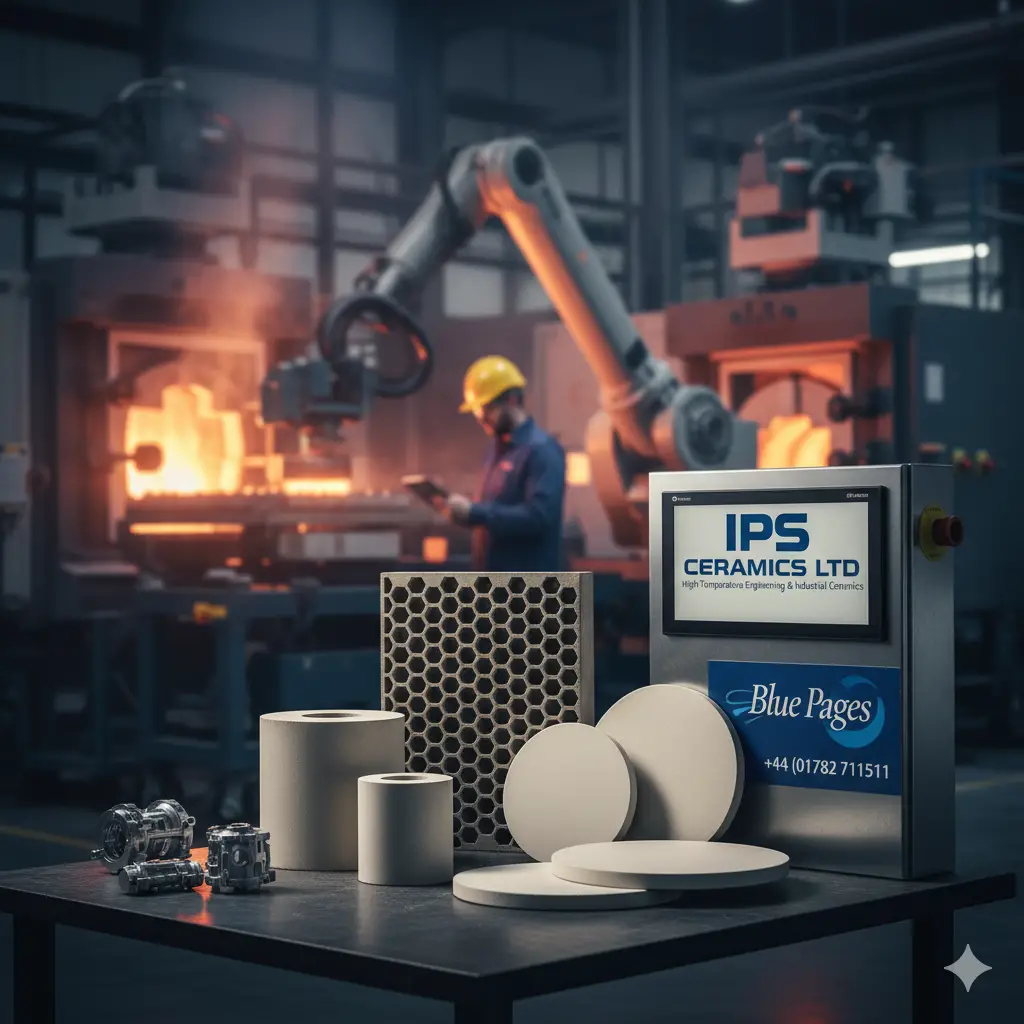
IPS Ceramics Ltd HighTemp Engineering Excellence 2026
In the industrial landscape of the United Kingdom, few names resonate with the weight of heritage and the spark of innovation quite like IPS Ceramics LTD. Headquartered in the historic "Potteries" of Stoke-on-Trent, Staffordshire, IPS Ceramics is more than just a supplier; it is a global custodian of high-temperature material science.
Rooted in a region world-renowned for its ceramic legacy, IPS Ceramics has evolved into a global powerhouse. Their mission is clear: to provide innovative, heat-resistant solutions that empower modern industries to operate with unprecedented efficiency and sustainability. With a technical team boasting over 250 years of collective expertise, the company bridges the gap between traditional craftsmanship and 21st-century engineering.
A Legacy of Innovation: Founded on Expertise
Founded on April 20, 2009, by Managing Director Sukhpal Singh, IPS Ceramics LTD emerged as a specialized entity designed to meet the growing demands of extreme thermal environments. While the company itself is relatively young, its DNA is comprised of centuries of local knowledge.
Based at Unit 6, Evolution, Lymedale Business Park, the company operates at the intersection of history and high technology. This location, near the Lymedale Business Park and Newcastle-under-Lyme College, serves as the nerve center for an international supply chain that reaches every corner of the globe.
Core Specializations: Mastering the Heat
IPS Ceramics specializes in the design and sourcing of materials that thrive where others fail. Their core competencies include:
Thermal Shock Resistance: Developing materials that can withstand rapid temperature fluctuations without structural failure.
Kiln Furniture Design: Engineering the structures that support ceramic and industrial products during the firing process.
Technical Ceramic Sourcing: Identifying and providing precision-engineered components for niche applications.
Industrial Heat Management: Consulting on energy-efficient thermal processes.
The Power of Material Science: Silicon Carbide and Cordierite
The company’s value proposition is heavily anchored in its bespoke approach to material science. By offering a comprehensive range of Silicon Carbide (SiC), Cordierite, and Alumina ceramics, IPS Ceramics caters to high-stakes sectors including aerospace, automotive, and renewable energy.
Silicon Carbide (SICCAS)
Silicon carbide is the "superhero" of the refractory world. Known for its exceptional hardness and high thermal conductivity, IPS Ceramics’ SICCAS range is used in environments where mechanical strength at high temperatures is non-negotiable. From silicon carbide saggars used in battery material production to complex kiln car structures, these materials offer the durability required for 24/7 industrial operations.
Cordierite Solutions
For applications requiring lower thermal expansion and high thermal shock resistance—such as tableware and sanitaryware—Cordierite Batts and furniture are the industry standard. IPS Ceramics has perfected the formulation of cordierite to ensure longevity, reducing the "cost per firing" for manufacturers worldwide.
Serving Global Industries: A Sector-Specific Approach
1. Aerospace and Defense
In the aerospace sector, weight and heat resistance are the primary challenges. IPS Ceramics provides technical ceramics that act as thermal barriers and structural components in jet engines and heat shields. Their ISO 9001:2015 certification ensures that every component meets the rigorous safety standards of the aviation industry.
2. Automotive and EV Battery Production
With the global shift toward electric vehicles (EVs), the demand for high-performance kiln furniture has skyrocketed. The production of cathode materials for lithium-ion batteries requires precise heat treatment. IPS Ceramics’ silicon carbide saggars and cordierite mullite systems are vital in ensuring the purity and consistency of these energy-dense materials.
3. Traditional Ceramics: Tableware and Sanitaryware
Despite their high-tech leanings, IPS Ceramics remains a vital partner to the traditional pottery industry. Their Cordierite Batts and kiln furniture systems allow for dense loading of kilns, maximizing throughput and minimizing energy consumption in the production of everyday ceramic goods.
4. Renewable Energy
From solar thermal components to fuel cell substrates, technical ceramics are the backbone of green energy. IPS Ceramics’ consultancy services help renewable energy startups design the thermal infrastructure needed to scale their technologies.
Global Reach, Local Values
While IPS Ceramics coordinates an international supply chain and holds Export Achievement Awards, their operations remain grounded in customer-centric design. Supported by a multilingual team (English, Chinese, French), they manage global shipping with ease, ensuring that a manufacturer in Shanghai receives the same level of technical support as one in Sheffield.
Amenities and Technical Support
The facility at Lymedale Business Park is not just a warehouse; it is a Technical Support Laboratory. Customers can access rapid prototyping and material testing services. The site is equipped with modern amenities including:
Waiting Lounge and Parking for visitors.
CCTV and Power Backup for uninterrupted operations.
Technical Lab for quality assurance and R&D.
Sustainability: The Future of High-Temperature Processing
In an era of rising energy costs and environmental scrutiny, IPS Ceramics is at the forefront of "Green Thermal Engineering." By designing lighter, more durable kiln furniture, they help industries reduce their carbon footprint. Lighter furniture requires less energy to heat, while more durable materials reduce waste through longer service lives.
Their association with the British Ceramics Federation and the Lucideon Research Group keeps them integrated into the latest sustainability research, ensuring that IPS Ceramics products remain the most eco-efficient choice on the market.
Strategic Partnerships and Certifications
The reputation of IPS Ceramics is bolstered by its memberships and quality markers. Being an ISO 9001:2015 certified company proves their commitment to a robust quality management system. Furthermore, their brand associations, including SICCAS and Cordierite Solutions, have become synonyms for reliability in the heat treatment industry.
Frequently Asked Questions
1. What exactly is kiln furniture?
Kiln furniture refers to the refractory structures (such as batts, props, and saggars) used to support and protect ceramic or industrial items while they are being fired in a kiln.
2. Why is Silicon Carbide (SiC) preferred for high-temperature applications?
SiC is chosen for its excellent thermal conductivity, high hot strength, and resistance to chemical corrosion, making it ideal for heavy loads and extreme temperatures.
3. Does IPS Ceramics provide custom-designed solutions?
Yes. A significant part of our business is bespoke engineering. Our technical team works with clients to design specific shapes and material compositions tailored to their unique thermal processes.
4. Which industries do you primarily serve?
We serve a wide range of sectors, including aerospace, automotive (specifically EV battery production), tableware, sanitaryware, technical ceramics, and renewable energy.
5. How does IPS Ceramics support international clients?
We have a global export capacity and a multilingual support team speaking English, Chinese, and French. We also handle complex international shipping logistics.
6. What is the benefit of Cordierite over other materials?
Cordierite has a very low thermal expansion coefficient, which gives it superior thermal shock resistance. This prevents cracking during rapid heating and cooling cycles.
7. Where is IPS Ceramics based?
Our headquarters and technical lab are located in Newcastle-under-Lyme, Staffordshire, UK, in the heart of the world-famous "Potteries" region.
8. Are you ISO certified?
Yes, we are certified to ISO 9001:2015 standards, ensuring consistent quality and rigorous testing across our entire product range.
9. Can you help with energy efficiency in my manufacturing process?
Absolutely. Through our high-temperature engineering consultancy, we help redesign kiln furniture and thermal structures to be lighter and more heat-efficient, reducing your energy consumption.
10. How can I get a quote for technical ceramics?
You can contact our helpdesk at +44 (0)1782 711511 or email us at enq@ipsceramics.com with your specifications for a professional consultation and quote.
Securing the Future of Manufacturing
IPS Ceramics LTD stands as a beacon of British industrial prowess. By turning complex engineering challenges into industrial successes, they are securing a resilient future for the manufacturing landscape. Whether it is through a precision-cut technical ceramic component or a massive kiln car structure, the team at IPS Ceramics ensures that their clients stay at the cutting edge of thermal performance.
Business Contact Information:
Website: https://www.ipsceramics.com
Phone: +44 (0)1782 711511
Email: enq@ipsceramics.com
Address: Unit 6, Evolution, Lymedale Business Park, Hooters Hall Road, Newcastle-under-Lyme, ST5 9QF, UK.
Stoke-on-Trent
3 Views
Engineering
Apr 06, 2026
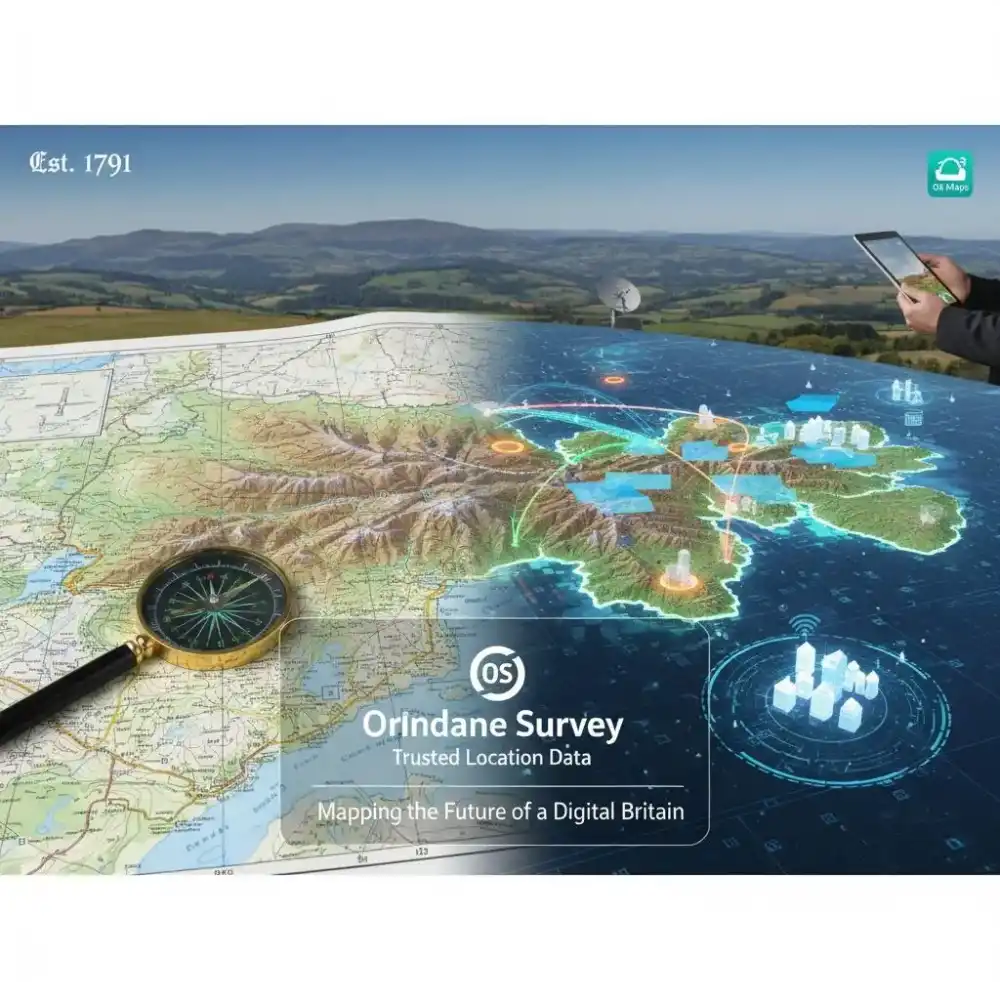
Ordnance Survey: Mapping the Future of a Digital Britain
Ordnance Survey (OS) is not merely a map-maker; it is the custodian of Great Britain’s geographic identity. As the national mapping agency of the United Kingdom, OS maintains the most detailed and frequently updated database of a nation’s landscape anywhere in the world. From its military origins in 1791 to its current status as a state-of-the-art geospatial data powerhouse, Ordnance Survey Limited provides the "trusted location data" that underpins the very fabric of British society.
Headquartered in Southampton, Hampshire, OS is a public corporation that manages the National Geographic Database (NGD)—a colossal digital repository containing over 600 million individual features. Whether it is supporting emergency services in life-critical situations, enabling the rollout of 5G infrastructure, or helping millions of hikers navigate the Scottish Highlands via the OS Maps app, the influence of Ordnance Survey is ubiquitous.
230 Years of Innovation: A Historical Perspective
The story of Ordnance Survey began on 21 June 1791, fueled by the threat of Napoleonic invasion. Under the leadership of Major-General William Roy, the agency was tasked with the systematic mapping of the southern coast of England to assist military defense. The name "Ordnance" itself reflects its origins within the Board of Ordnance, the government body responsible for the nation's weaponry and engineering.
Over two centuries, OS transitioned from hand-drawn copperplate engravings to satellite-derived vector data. Today, under the leadership of CEO Nick Bolton, the organization employs over 1,200 professionals, including cartographers, data scientists, and remote sensing experts, ensuring that Great Britain remains one of the most precisely mapped nations on Earth.
The Power of the OS National Geographic Database (NGD)
At the heart of the business lies the OS National Geographic Database. This is the single source of truth for the British landscape. The NGD is updated up to 20,000 times every single day using a combination of:
Aerial Imagery: A dedicated flying unit captures high-resolution photography.
Ground Surveys: Over 230 surveyors use highly accurate GPS (GNSS) equipment to verify changes on the ground.
Satellite Data: Modern remote sensing techniques provide rapid updates on land usage.
This database doesn't just show roads and rivers; it identifies every building, fence, path, and even individual addresses (via AddressBase) with centimeter-level precision. This level of detail is essential for the Public Sector Geospatial Agreement (PSGA), which grants government agencies access to OS data to improve public services.
Core Products and Services
1. OS Maps (Consumer Division)
The most recognizable brand for the public, OS Maps, is available as both traditional paper maps and an award-winning digital application. It encourages the "GetOutside" initiative, promoting physical and mental well-being by making the British countryside accessible.
2. OS Data Hub (APIs for Developers)
For the digital economy, the OS Data Hub provides premium APIs. Developers use these to integrate high-accuracy mapping into apps for logistics, insurance, and real estate.
3. Professional Consultancy & International Services
Ordnance Survey isn't limited to British soil. Through its international advisory arm, OS helps other nations develop their own geospatial capabilities, supporting urban planning in Dubai or mapping informal settlements in Africa using AI.
The Economic Impact of Trusted Location Data
Independent reports estimate that Ordnance Survey data contributes over £100 billion in value to the UK economy annually. Its "Trusted Location Data" is the "golden thread" that connects disparate datasets.
Infrastructure: Water, gas, and electric companies use OS data to manage millions of kilometers of underground pipes and cables.
Emergency Services: Police, Fire, and Ambulance services rely on the OS Emergency Services Gazetteer to find incidents faster, even in areas without traditional addresses.
Environmental Monitoring: OS data helps track coastal erosion, manage flood risks, and plan for Net Zero carbon targets.
Business Directory Information
Category
Details
Business Name
Ordnance Survey Limited
Headquarters
Explorer House, Adanac Drive, Southampton, SO16 0AS, UK
Founded
1791
CEO
Nick Bolton
Phone
+44 (0)3456 05 05 05
Email
customerservices@os.uk
Website
www.ordnancesurvey.co.uk
Registration No.
09121572
Certifications
ISO 9001, ISO 14001, Cyber Essentials Plus
Frequently Asked Questions
What does Ordnance Survey actually do?
OS is the national mapping agency for Great Britain. It collects and maintains the most detailed geographic data of the country, which is used by government, businesses, and the public for navigation and planning.
Is Ordnance Survey a government department?
It is a public corporation (Government Company) owned by the Department for Business and Trade. While it operates commercially, it fulfills a vital public task.
How often are OS Maps updated?
The master database (NGD) is updated daily. Consumer products like the OS Maps app receive regular digital updates, while paper maps are revised on a cycle based on the frequency of change in that specific area.
What is the OS Data Hub?
It is a platform that provides developers and businesses with access to OS's authoritative data through various APIs, such as the OS NGD API – Features and OS Maps API.
Does Ordnance Survey map Northern Ireland?
No. Ordnance Survey Great Britain (OSGB) covers England, Scotland, and Wales. Northern Ireland is mapped by Ordnance Survey Northern Ireland (OSNI), which is part of Land & Property Services.
What is the PSGA?
The Public Sector Geospatial Agreement is a contract between the UK government and OS that provides public sector organizations with free access to premium geospatial data.
How can I get a job at Ordnance Survey?
OS regularly hires data scientists, software engineers, surveyors, and GIS specialists. Job openings are listed on their official careers portal.
What payment methods does OS accept?
They accept all major Credit/Debit Cards, PayPal, Direct Debit for subscriptions, and corporate invoicing for professional clients.
Can I visit the Ordnance Survey headquarters?
Explorer House in Southampton has a Visitor Centre, but visits are generally by appointment or for specific events.
What is "GetOutside"?
GetOutside is a community initiative by OS to inspire people to live more active lives by exploring the outdoors using OS maps and resources.
Southampton
4 Views
Article Posting
Get Started Today to Publish an Article
Engineering
Apr 06, 2026
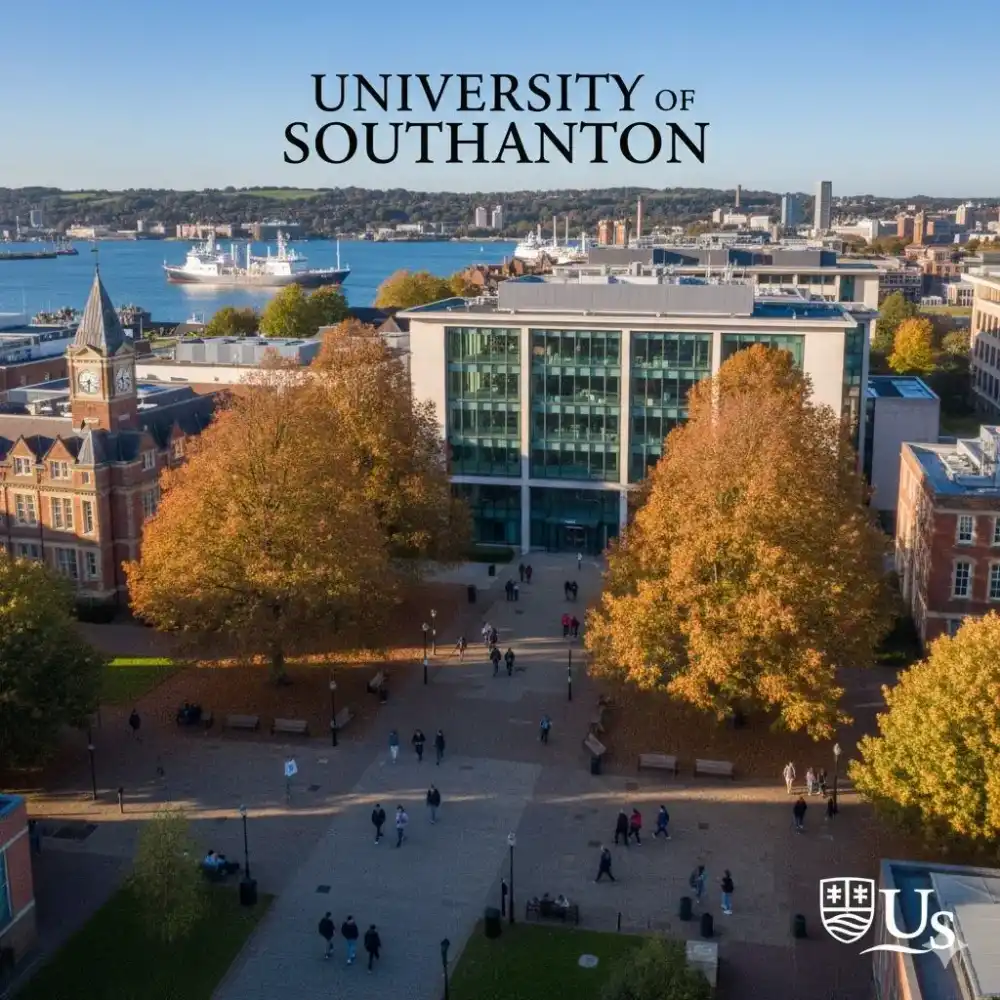
University of Southampton: Global Research & Innovation Leader
The University of Southampton stands as a beacon of academic excellence and a global leader in higher education. As a founding member of the prestigious Russell Group, it is recognized among the top 100 universities worldwide, consistently pushing the boundaries of what is possible through its mission: to change the world for the better.
With a rich heritage dating back to 1862, the university has evolved from the Hartley Institution into a research-intensive powerhouse. Today, it hosts a diverse community of over 25,000 students from 130+ countries, offering a truly international environment for learning and discovery.
Why Choose the University of Southampton?
Choosing a university is one of the most significant decisions a student will make. Southampton offers a unique blend of high-ranking academic programs, industry-connected research, and a supportive campus culture.
1. World-Class Rankings and Reputation
The University of Southampton is globally recognized for its quality.
Top 100 Globally: Consistently ranked within the top 100 in the QS World University Rankings.
Top 20 in the UK: A regular fixture in the top tier of UK league tables, including The Times and The Sunday Times Good University Guide.
Research Excellence: According to the Research Excellence Framework (REF) 2021, 92% of Southampton’s research is rated as "world-leading" or "internationally excellent."
2. A Member of the Russell Group
As part of the Russell Group, Southampton is one of the 24 leading UK universities committed to maintaining the highest standards of research and education. This membership ensures that students are taught by academics who are leaders in their fields, integrating the latest discoveries directly into the curriculum.
3. Specialized Excellence in STEM and Beyond
While the university offers a broad range of subjects, it is particularly renowned for:
Engineering: Ranked among the best in the UK for Civil, Electrical, and Electronic Engineering.
Ocean and Earth Science: Home to the world-famous National Oceanography Centre (NOC).
Optoelectronics: The Zepler Institute is a global hub for photonics and nanoelectronics.
Southampton Business School: Triple-accredited (AACSB and AMBA), providing graduates with a competitive edge in the global market.
Academic Faculties and Departments
The university is organized into five distinct faculties, each housing world-leading schools and research centers:
Faculty of Engineering and Physical Sciences
This faculty is the engine of innovation at Southampton. It includes the School of Electronics and Computer Science (ECS), which is pioneered web science and remains a top choice for aspiring software engineers and data scientists. The Optoelectronics Research Centre (ORC) has been instrumental in developing the optical fibers that power the modern internet.
Faculty of Environmental and Life Sciences
Focusing on the health of our planet and its inhabitants, this faculty includes the National Oceanography Centre. Students benefit from unique facilities like the Coral Reef Laboratory and research vessels like the R.V. Callista. It also covers Health Sciences, Psychology, and Biological Sciences.
Faculty of Social Sciences
From the Southampton Law School to the Southampton Business School, this faculty prepares students for leadership in a complex world. It is also home to the Winchester School of Art, offering a creative hub for artists and designers just a short distance from the main campus.
Faculty of Medicine
Southampton is a leader in cancer immunology and respiratory medicine. The faculty works in close partnership with the NHS, ensuring that medical students gain hands-on clinical experience in a top-tier hospital environment.
Research with Real-World Impact
The university’s value proposition is "remarkable research for the real world." Southampton doesn't just theorize; it solves.
Climate Change: Researching ocean carbon cycles and renewable energy to combat global warming.
Healthcare: Developing the world’s first cancer vaccines and improving treatments for Alzheimer's.
Cybersecurity: Protecting the digital economy through the Southampton Cybersecurity Research Centre.
Sustainable Infrastructure: Using the UKCRIC National Infrastructure Laboratory to design the cities of the future.
Campus Life and Student Experience
The University of Southampton offers a vibrant, safe, and inclusive atmosphere across its various campuses.
The Highfield Campus
The main hub of the university, Highfield, is a beautiful green campus located near Southampton Common. It features:
Hartley Library: A state-of-the-art facility with millions of resources.
Jubilee Sports Centre: Including a swimming pool, gym, and indoor courts.
Turner Sims: One of the UK's leading acoustic concert halls.
The Students' Union (SUSU): Hosting over 300 clubs and societies.
Global Footprint
The university’s reach extends beyond the UK, with a thriving campus in Malaysia and a newly established campus in Delhi, India. These international hubs allow students to earn a world-class Southampton degree while benefiting from a global perspective.
Career Support and Employability
Southampton graduates are highly sought after by global employers. The university provides extensive support to ensure students are "career-ready":
Industry Partnerships: Collaborations with giants like Microsoft, Rolls-Royce, and Formula 1.
Internships and Placements: Many courses offer a year in industry.
Careers and Employability Service: Provides CV workshops, mock interviews, and career fairs.
Alumni Network: A global community of over 200,000 successful professionals.
Frequently Asked Questions
1. Is the University of Southampton part of the Ivy League?
No, the Ivy League is a group of universities in the United States. However, the University of Southampton is a member of the Russell Group, which is the UK equivalent—a group of elite, research-intensive institutions.
2. What is the University of Southampton’s world ranking?
The university is consistently ranked in the Top 100 globally in the QS World University Rankings (ranked 80th in 2025).
3. What are the strongest subjects at Southampton?
Southampton is world-renowned for Engineering (Mechanical, Electrical, Civil), Oceanography, Computer Science, Nursing, and Web Science.
4. Does the university offer scholarships for international students?
Yes, the University of Southampton offers a range of merit-based scholarships for international undergraduate and postgraduate students, including the Presidential International Scholarship.
5. Where is the University of Southampton located?
The main campus is located in Southampton, on the south coast of England, approximately 80 miles (130 km) from London. It also has a campus in Winchester and international campuses in Malaysia and India.
6. Is Southampton a safe city for students?
Yes, Southampton is considered a safe and welcoming city. The university campuses have 24/7 security, and the city has been awarded a Purple Flag for its safe and vibrant nightlife.
7. How do I apply to the University of Southampton?
Undergraduate applications are made through UCAS. Postgraduate students can typically apply directly via the university’s online application portal.
8. What are the entry requirements?
Entry requirements vary by course but generally require high grades in A-levels, IB, or equivalent international qualifications. English language proficiency (e.g., IELTS) is also required for non-native speakers.
9. Can I work while studying at Southampton?
Yes, most international students on a Student Visa can work up to 20 hours per week during term time and full-time during vacations. The university’s "Unitemps" service helps students find part-time work.
10. What is the National Oceanography Centre?
The National Oceanography Centre Southampton (NOCS) is one of the world's leading institutions for the study of ocean and earth science, providing a unique collaborative environment for students and researchers.
Contact Information
Website: www.southampton.ac.uk
Email: enquiries@southampton.ac.uk
Phone: +44 (0)23 8059 5000
Address: University Road, Southampton, SO17 1BJ, United Kingdom
Southampton
3 Views
Engineering
Apr 06, 2026
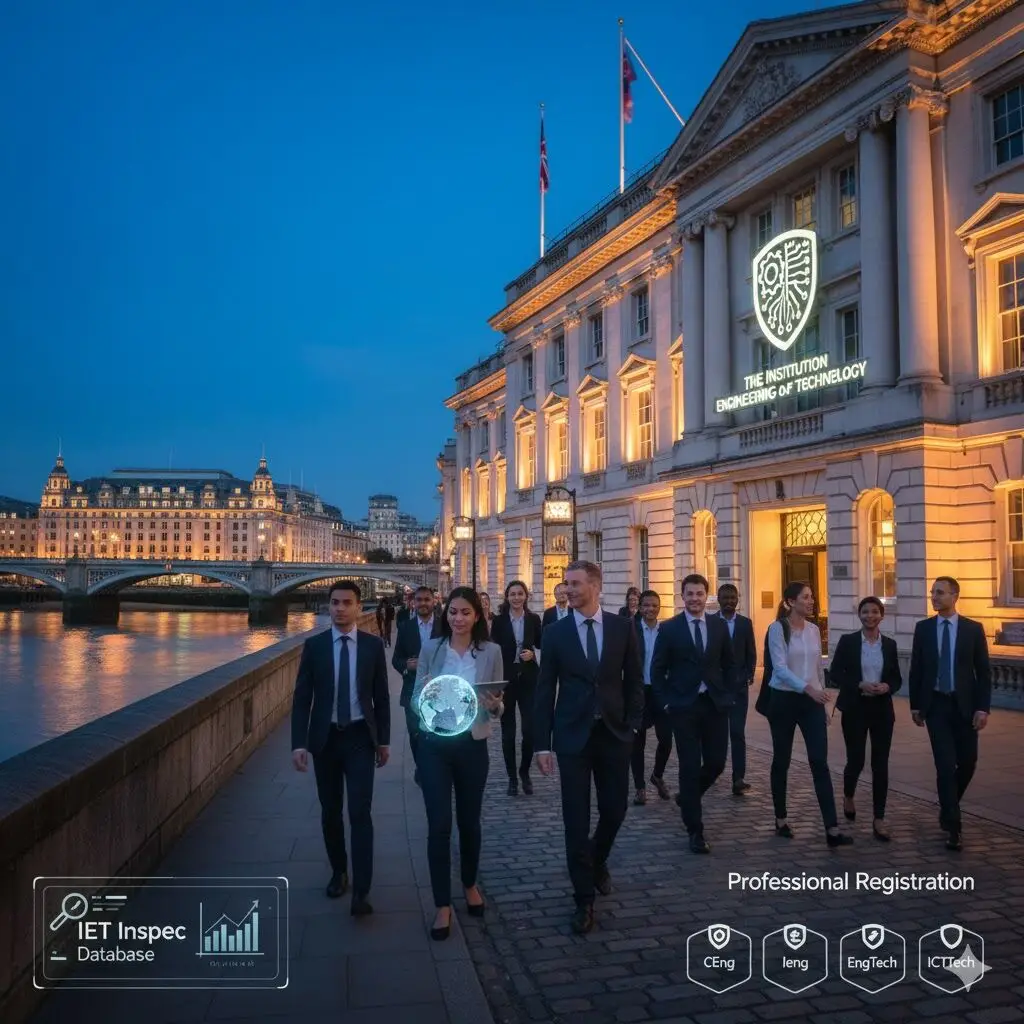
Institution of Engineering and Technology : Engineering a Better World
In an era defined by rapid digital transformation and the urgent need for sustainable solutions, the role of professional bodies in the engineering sector has never been more critical. The Institution of Engineering and Technology (IET) stands as a beacon of excellence, representing over 154,000 members across 148 countries. As one of the world’s largest and most influential engineering institutions, the IET is not merely a membership organization; it is a global knowledge network dedicated to solving the challenges of the 21st century.
A Legacy of Innovation: From 1871 to the Modern Era
The roots of the IET stretch back to May 17, 1871, with the foundation of the Society of Telegraph Engineers, led by Major Frank Bolton. Over the decades, as technology evolved from telegraphy to electricity and electronics, the society transformed, eventually becoming the Institution of Electrical Engineers (IEE).
The modern IET was born in 2006 following the strategic merger of the IEE and the Institution of Incorporated Engineers (IIE). This union created a multidisciplinary powerhouse capable of addressing the convergence of engineering and technology. Today, headquartered in London, England, the IET operates under a Royal Charter (granted in 1921), reinforcing its status as a leading authority in the field.
The Mission: Inspire, Inform, and Influence
The IET’s core mission is simple yet profound: to inspire, inform, and influence the global engineering community to engineer a better world. This mission is executed through three primary pillars:
Inspiration: Encouraging the next generation of engineers through scholarships, awards, and the IET Academy.
Information: Providing access to unparalleled research through the IET Inspec database and a vast digital library.
Influence: Advising governments and industry leaders on technical standards, including the essential Wiring Regulations that underpin electrical safety worldwide.
Professional Growth and Global Recognition
For engineers and technicians, the IET serves as a vital gateway to Professional Registration. Holding post-nominal letters such as CEng (Chartered Engineer), IEng (Incorporated Engineer), or EngTech (Engineering Technician) is more than just a credential; it is a mark of professional competence and ethical commitment recognized globally.
Key Registration Categories:
Chartered Engineer (CEng): For those who develop solutions to complex engineering problems using new or existing technologies.
Incorporated Engineer (IEng): For professionals who maintain and manage applications of current and developing technology.
Engineering Technician (EngTech): For those applying proven techniques and procedures to solve practical problems.
ICT Technician (ICTTech): Specifically for specialists in the information and communications technology sector.
Through the Career Manager Tool, the IET provides members with a sophisticated platform to track their Continuing Professional Development (CPD), ensuring they remain at the cutting edge of their respective specializations, whether in Electrical Engineering, Manufacturing, or Healthcare Technology.
World-Class Resources: IET Inspec and Digital Excellence
At the heart of the IET’s information pillar is IET Inspec. This definitive research database contains over 27 million records of scientific and technical literature, making it an essential tool for R&D departments, academic institutions, and individual researchers. By providing high-quality indexing and precision analytics, Inspec helps professionals uncover trends and accelerate breakthroughs in fields like Energy, Transport, and Digital Technology.
Furthermore, the IET Digital Library offers a wealth of peer-reviewed journals and books, bridging the gap between theoretical research and practical application.
Iconic Venues: Bridging History and Technology
The IET’s physical presence is as impressive as its digital reach. The flagship venue, IET London: Savoy Place, is located near Waterloo Bridge and the Savoy Hotel. This historic landmark has been transformed into a world-class event space with state-of-the-art AV technology and panoramic views of the River Thames.
Alongside IET Birmingham: Austin Court, these venues host industry-leading events, conferences, and networking sessions that facilitate the exchange of ideas among the brightest minds in engineering.
Tackling Global Challenges: Climate Change and Sustainability
The IET recognizes that engineering is central to solving the world's most pressing issues. From climate change to the digital transformation of society, the IET advocates for sustainable practices and the responsible use of resources. By collaborating with organizations like the Engineering Council, UNESCO, and techUK, the IET ensures that engineering expertise is integrated into global policy-making.
Membership and Community: A Professional Home for Life
Joining the IET means becoming part of a diverse, global community. Members benefit from:
Networking: Connecting with peers through technical networks and local branches.
Mentoring: Accessing guidance from experienced professionals to navigate career milestones.
Support: The Foothold benevolent fund provides confidential support to members and their families during challenging times.
Whether you are a student just starting your journey or a veteran engineer looking to give back through volunteering, the IET provides a "professional home for life."
Contact and Business Information
Global Service Centre: +44 (0)1438 765 678
London Office: +44 (0)20 7240 1871
Email: membership@theiet.org
Website: https://www.theiet.org
Address: Savoy Place, London, WC2R 0BL, United Kingdom
Working Hours: Monday–Friday: 9:00 AM – 5:00 PM
Frequently Asked Questions
1. What does IET stand for?
The IET stands for the Institution of Engineering and Technology. It was formed in 2006 from the merger of the IEE and the IIE.
2. How do I apply for Chartered Engineer (CEng) status through the IET?
You can apply via the IET website using the Career Manager tool. You will need to demonstrate your competence against the UK-SPEC standards and provide evidence of your work experience and CPD.
3. What is IET Inspec?
IET Inspec is one of the world's most definitive bibliographic scientific and technical databases, covering physics, electrical engineering, electronics, communications, control engineering, and computing.
4. Can students join the IET?
Yes, the IET offers student and apprentice membership options that provide access to resources, networking, and career support at a significantly reduced rate.
5. Where is the IET headquarters located?
The IET is headquartered at Savoy Place in London, United Kingdom (ZIP: WC2R 0BL), a landmark building near the Savoy Hotel.
6. What are the IET Wiring Regulations?
The IET co-publishes the BS 7671 (Requirements for Electrical Installations), which is the national standard in the UK for electrical wiring in domestic, commercial, and industrial settings.
7. Does the IET support engineers outside of the UK?
Absolutely. The IET is a global organization with over 154,000 members across 148 countries and has regional offices in places like China and India.
8. What payment methods are accepted for IET membership?
The IET accepts Bank Transfers (BACS/Direct Debit), Credit/Debit Cards (Visa, Mastercard, Amex), and PayPal.
9. How can I access the IET Digital Library?
The Digital Library is available to members and subscribing institutions via the IET website, offering thousands of journals, books, and conference proceedings.
10. What is "Foothold" in relation to the IET?
Foothold is the IET’s benevolent fund, a registered charity that provides support, advice, and financial assistance to IET members and their families worldwide.
Barry
5 Views
Engineering
Apr 06, 2026
EPMC: Advancing European Portable 3D Metrology
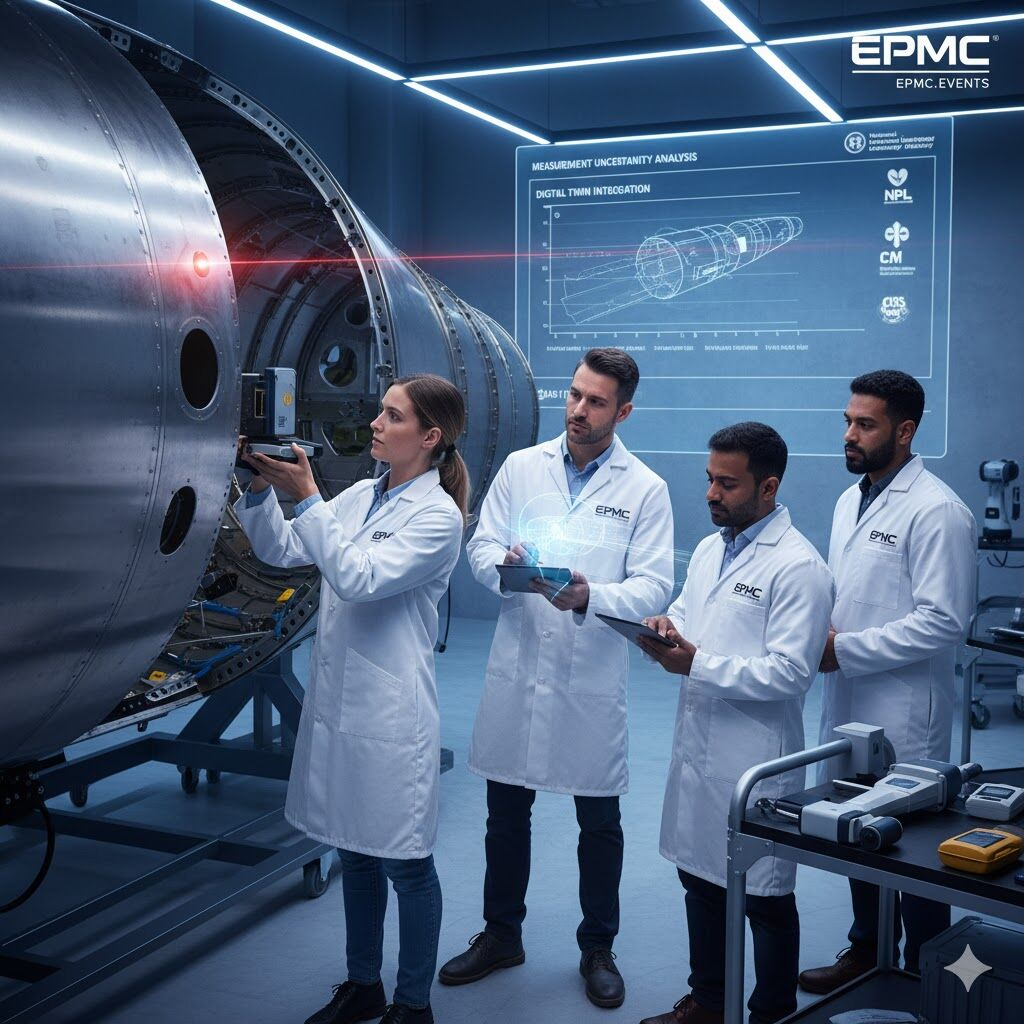
In the high-stakes world of modern manufacturing, where a fraction of a millimeter can determine the success of an aerospace component or the safety of a nuclear reactor, the science of measurement is no longer a back-room activity—it is a front-line strategic asset. The European Portable Metrology Conference (EPMC) stands as the continent’s premier technical event dedicated to this evolution, focusing specifically on the application of portable 3D measurement technology in industrial environments.
Since its inception in 2004, EPMC has served as a neutral, vendor-independent beacon for researchers, manufacturers, and end-users. By bridging the gap between theoretical measurement science and the "shop-floor" reality, the conference ensures that European industry remains at the absolute cutting edge of global manufacturing excellence.
The Core Mission: Neutrality and Knowledge Exchange
Unlike typical trade shows driven by sales quotas, EPMC is built on a foundation of technical integrity. Supported by the National Physical Laboratory (NPL) and the Coordinate Metrology Society (CMS), the conference provides a platform where the focus is on "how it works" and "how accurate it is" rather than just "how much it costs."
This neutrality is critical in fields like Large Volume Metrology (LVM). When dealing with structures the size of an aircraft wing or a wind turbine blade, practitioners must navigate complex variables including thermal expansion, refractive index changes in the air, and mechanical deflection. EPMC facilitates a deep-dive into these challenges, offering peer-reviewed papers that challenge existing methodologies and propose new standards for accuracy.
Targeted Industries: Where Scale Meets Precision
The value proposition of EPMC is most felt in sectors where traditional Coordinate Measuring Machines (CMMs) simply cannot go. Portable metrology brings the lab to the part, rather than the part to the lab.
1. Aerospace and Aviation
In aerospace, the integration of airframe components requires sub-millimeter precision across spans of 30 meters or more. EPMC highlights the latest in Laser Tracker technology and automated photogrammetry to ensure that "first-time fit" is a reality, reducing rework and accelerating production cycles.
2. Automotive Manufacturing
As the automotive industry shifts toward Electric Vehicles (EVs) and high-strength lightweight materials, the geometry of the chassis becomes more complex. EPMC sessions on articulating arms and high-speed 3D scanning provide automotive engineers with the tools to validate complex assemblies in real-time.
3. Marine and Shipbuilding
Measuring a ship's hull or aligning massive propulsion shafts requires specialized LVM techniques. The conference addresses the unique environmental challenges of shipyards, where vibration and humidity can wreak havoc on sensitive optical instruments.
4. Nuclear and Renewable Energy
From the alignment of turbine bearings to the decommissioning of nuclear facilities, metrology is the invisible hand ensuring safety and efficiency. EPMC provides the specialized knowledge required for Uncertainty Analysis in these high-consequence environments.
Technical Specializations: The EPMC Edge
Attendees at EPMC don't just see tools; they master concepts. The conference is renowned for its focus on:
Measurement Uncertainty: Understanding that no measurement is "perfect." EPMC teaches how to quantify what you don't know, which is the hallmark of a true metrology professional.
Digital Twin Integration: How to feed 3D scan data back into a living digital model of the factory floor, enabling predictive maintenance and virtual assembly.
GD&T (Geometric Dimensioning and Tolerancing): Moving beyond simple linear measurements to understand the functional relationships between parts.
Coordinate Metrology: The mathematical backbone of 3D space, ensuring that data from different sensors (e.g., a laser tracker and a handheld scanner) can be unified into a single, accurate coordinate system.
The Exhibition: Hands-On Innovation
The EPMC technical exhibition is a "who’s who" of the metrology world. Participants have the opportunity to engage with the latest hardware, including:
Laser Trackers: The gold standard for large-scale precision.
Articulating Measuring Arms: For tactile and scanning inspections in tight spaces.
Optical CMMs and Photogrammetry: For high-speed, non-contact data capture of thousands of points simultaneously.
Metrology Software: The "brains" that convert raw point clouds into actionable engineering reports.
Educational Impact and Certification
EPMC isn't just a conference; it’s a career-enhancing experience. Many sessions are CPD (Continuing Professional Development) accredited, allowing engineers and technicians to maintain their professional standing while learning from the world’s leading experts. The collaboration with NPL ensures that the training provided is aligned with national and international standards, providing a clear path for metrology certification support.
Driving Manufacturing Excellence
As we move further into the era of Industry 4.0, the role of portable metrology will only grow. The European Portable Metrology Conference remains the vital heart of this community in Europe. By fostering collaboration between the brightest minds at the National Physical Laboratory and the pragmatic problem-solvers on the factory floor, EPMC doesn't just predict the future of measurement—it builds it.
Frequently Asked Questions
1. What makes EPMC different from other engineering exhibitions?
EPMC is a technical, vendor-independent conference. While there is an exhibition, the core focus is on peer-reviewed technical presentations and hands-on learning rather than purely commercial sales.
2. Who should attend EPMC?
It is designed for metrology technicians, quality managers, manufacturing engineers, researchers, and anyone involved in large-scale precision measurement across industries like aerospace and energy.
3. Is EPMC an annual event?
EPMC is typically a biennial (every two years) event, allowing for significant technological leaps to occur between sessions, ensuring high-value content for attendees.
4. Can I present a technical paper at EPMC?
Yes, EPMC encourages submissions of technical papers. All submissions undergo a peer-review process by the EPMC Committee to ensure technical rigor and relevance.
5. What is "Large Volume Metrology" (LVM)?
LVM refers to the measurement of large objects (from several meters to hundreds of meters) with high precision using portable tools like laser trackers or GPS-based systems.
6. Does the conference provide any certification?
Many sessions are CPD accredited. Additionally, the event provides networking and knowledge that support the requirements for various metrology certifications.
7. Where is EPMC headquartered?
The conference is organized in the United Kingdom, specifically in Telford, Shropshire, and is supported by the Southwater Event Group.
8. Is there support for digital twin technology at the event?
Absolutely. Digital twin integration and "Smart Factory" concepts are major themes, focusing on how 3D measurement data populates digital models.
9. What payment methods are accepted for registration?
EPMC accepts Credit/Debit cards, Bank Transfers, and Corporate Invoicing for group bookings.
10. How can I stay updated on future EPMC dates?
You can visit the official website at https://www.epmc.events or follow their LinkedIn page for the latest announcements on upcoming conferences.
Coventry
4 Views
Engineering
Apr 06, 2026
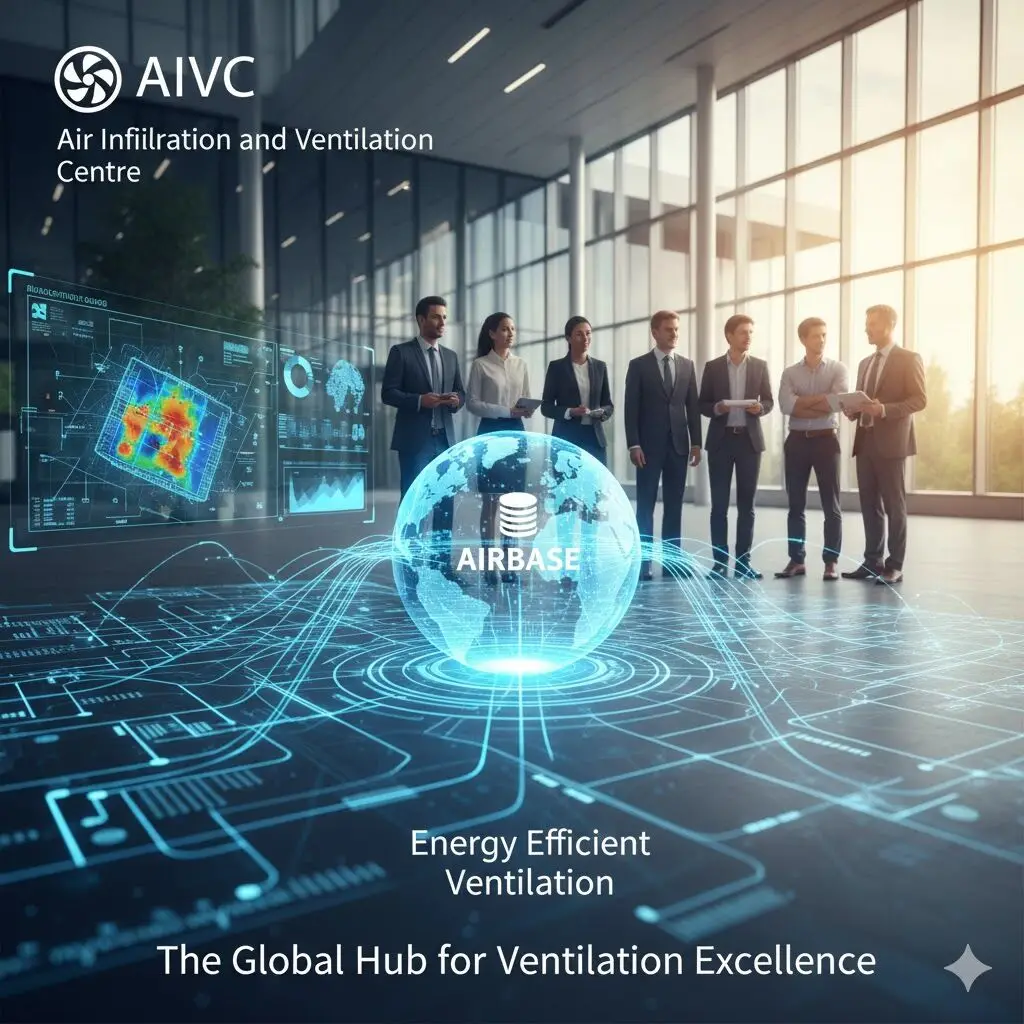
AIVC: The Global Leader in Ventilation & IAQ Science
In the wake of a global shift toward sustainable living and carbon neutrality, the way we design and breathe inside our buildings has moved from a secondary concern to a primary architectural mandate. At the heart of this transformation sits the Air Infiltration and Ventilation Centre (AIVC).
Established in 1979 by the International Energy Agency (IEA), the AIVC has spent over four decades serving as the premier international information exchange for energy-efficient ventilation. Headquartered in Coventry, United Kingdom, this organization acts as a scientific bridge, connecting high-level research with the practicalities of national building codes and global engineering standards.
History and Evolution: From the Oil Crisis to the Climate Crisis
The AIVC was born out of necessity. In 1979, the world was reeling from energy shortages, and the "Air Infiltration Centre" (as it was originally known) was tasked with a singular mission: minimizing energy losses through air leakage.
By 1986, the organization recognized that making a building airtight was only half the battle. To ensure human health, "Ventilation" was officially added to its name. Today, the AIVC operates as part of the IEA’s Energy in Buildings and Communities (EBC) programme, managed by INIVE EEIG. It has evolved into a multi-disciplinary powerhouse addressing Indoor Air Quality (IAQ), smart ventilation, and resilient cooling in the face of a warming planet.
Core Specializations: The Pillars of AIVC Expertise
The AIVC’s influence is felt through five primary technical pillars:
A. Energy Efficient Ventilation
How do we refresh indoor air without losing the heat we’ve paid for? The AIVC explores technologies like Mechanical Ventilation with Heat Recovery (MVHR) and Demand-Controlled Ventilation (DCV). By analyzing the global energy impact of buildings, the AIVC helps engineers reduce carbon footprints without sacrificing occupant comfort.
B. Building Airtightness
A leaky building is an inefficient building. The AIVC provides the technical foundation for measuring and improving building envelopes. This involves rigorous testing protocols and the dissemination of standards that define how "tight" a modern sustainable building should be.
C. Indoor Air Quality (IAQ)
With humans spending 90% of their time indoors, the air we breathe is a critical health factor. The AIVC conducts extensive research into IAQ metrics, tracking pollutants, CO2 levels, and moisture to prevent issues like Sick Building Syndrome (SBS) and mold growth.
D. Ventilative Cooling
As global temperatures rise, air conditioning is becoming a major energy drain. The AIVC champions "ventilative cooling"—using natural or mechanical airflow to remove heat from buildings, significantly reducing the reliance on traditional refrigerant-based cooling.
E. Smart Ventilation Systems
The future is automated. Smart ventilation uses sensors and AI to adjust airflow based on real-time occupancy and pollutant levels. The AIVC leads international projects (Annexes) that define the performance criteria for these next-generation systems.
AIRBASE: The World’s Ventilation Library
One of the AIVC’s most significant contributions to science is AIRBASE. This bibliographic database is the most comprehensive repository of ventilation literature in existence.
Scale: Over 22,000 abstracts and thousands of full-text documents.
Scope: Covers everything from 19th-century chimney physics to modern AI-driven HVAC controls.
Accessibility: For researchers and professionals, AIRBASE is an indispensable tool for verifying data and exploring historical precedents in building science.
Global Impact and the UK Operating Hub
While the AIVC’s reach is global, its UK Operating Hub in Coventry, West Midlands, serves as a vital node for British professionals. Situated near the University of Warwick Science Park, the centre provides direct technical support to UK architects, environmental engineers, and policy-makers.
The AIVC’s work directly influences Building Regulations (Part F and Part L in the UK), ensuring that as we move toward "Net Zero" homes, we don't inadvertently create airtight boxes that are unhealthy to live in.
Events and Dissemination: The Annual AIVC Conference
Every year, the AIVC hosts an international conference that serves as the "World Cup" of ventilation science. These events—often held in collaboration with TightVent and venticool—bring together the brightest minds from organizations like ASHRAE, REHVA, and ISIAQ.
Whether it is a workshop in Madrid or a webinar on "Smart Ventilation," the AIVC ensures that high-quality information is not just locked in academic journals but is shared with the people who actually design and build our world.
The Value Proposition for Professionals
For a modern engineering firm or research body, the AIVC offers:
Direct Technical Support: Access to expert guidance on complex ventilation challenges.
Regulatory Influence: A chance to understand the science before it becomes a mandatory building code.
Peer-Reviewed Certainty: In an era of misinformation, AIVC publications provide a "Gold Standard" of verified data.
Breathing Life into the Future
The Air Infiltration and Ventilation Centre is more than just a research hub; it is the architect of our future indoor environments. As we continue to battle climate change and emerging health threats, the science of how we move air will remain at the forefront of human innovation. Through its database, its experts, and its unwavering mission, the AIVC ensures that the buildings of tomorrow will be efficient, sustainable, and, above all, healthy.
Frequently Asked Questions
1. What does AIVC stand for?
AIVC stands for the Air Infiltration and Ventilation Centre.
2. When was the AIVC founded?
It was established on October 1, 1979, by the International Energy Agency (IEA).
3. What is AIRBASE?
AIRBASE is a comprehensive bibliographic database managed by the AIVC, containing over 22,000 abstracts related to building ventilation and energy efficiency.
4. Where is the AIVC headquartered?
The AIVC’s UK Operating Hub is located in Coventry, West Midlands, specifically at the University of Warwick Science Park.
5. Is the AIVC a commercial company?
No, it is an international information exchange and technical support centre operated by INIVE EEIG on behalf of the IEA EBC.
6. How does the AIVC contribute to healthy homes?
By researching Indoor Air Quality (IAQ) metrics and building airtightness, the AIVC helps create standards that ensure fresh air circulation while maintaining energy efficiency.
7. Can I attend AIVC events?
Yes, the AIVC hosts annual conferences, technical workshops, and webinars that are open to researchers, engineers, and building professionals.
8. What payment methods are accepted for AIVC registrations?
Commonly accepted methods include Bank Transfer (BACS), Corporate Invoicing, and secure online payments.
9. Does the AIVC provide technical guides?
Yes, the AIVC publishes technical notes, ventilation guides, and newsletters that are used globally to inform building design.
10. How can I contact the AIVC?
You can reach them via email at info@aivc.org or by calling their helpdesk at +44 24 7669 2050.
Nottingham
7 Views
Article Posting
Sign In to Submit Your Content
- Prev
- 1
- Next
Share This Page
My Page
Scan QR to open
Barcode