
Educational Services Articles
Explore 93 business insights in all locations
Insider
Share Your Business Story
Reach our community by sharing your business insights, expert guides, or success stories on the world's most trusted local platform.
Write Your Article Now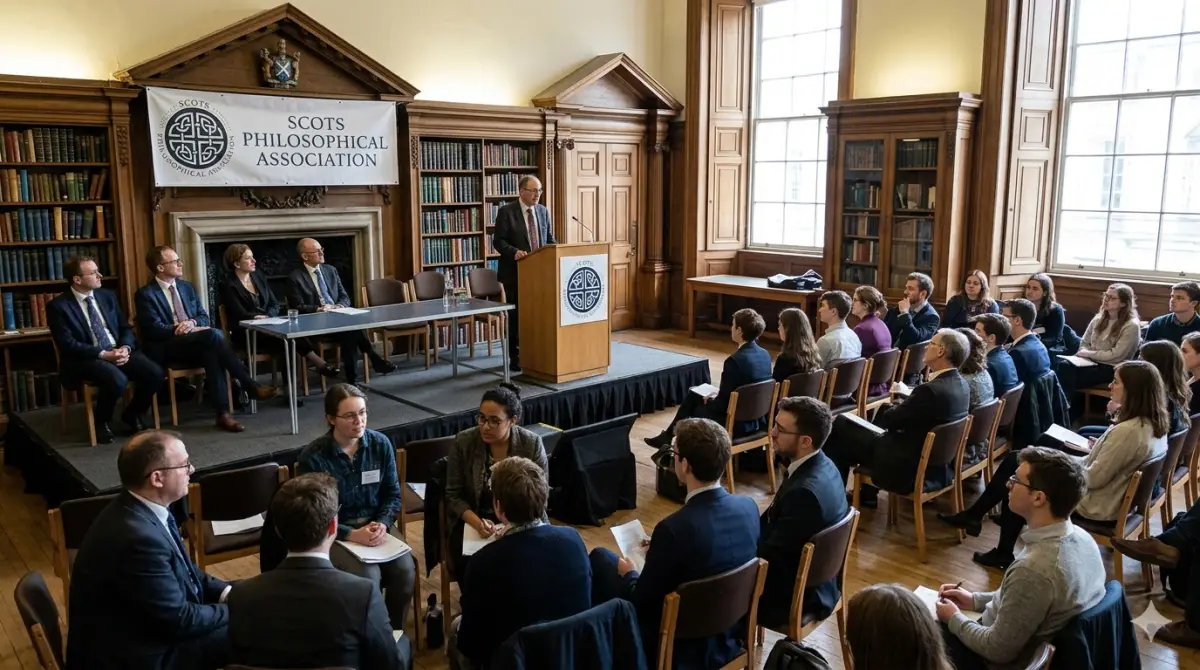
Educational Services
Apr 10, 2026
The Scots Philosophical Association Guide
The Scots Philosophical Association (SPA) stands as the definitive professional body for philosophers in Scotland. Founded in 1929 by representatives of the ancient Scottish universities, the SPA was established with a singular, profound mission: to promote the study and teaching of philosophy across the nation. In the decades since its inception, the association has evolved from a local gathering of scholars into a globally recognized institution that bridges the gap between the historic Scottish Enlightenment and the cutting-edge analytical philosophy of the 21st century.
Headquartered in the historic town of St Andrews, specifically at Edgecliffe on The Scores—a location overlooking the North Sea and near the iconic St Andrews Castle—the SPA serves as a unifying force. It connects academics, researchers, and post-graduate students from institutions such as the University of St Andrews, the University of Glasgow, the University of Aberdeen, and the University of Edinburgh.
A Century of Intellectual Excellence
The origins of the SPA are deeply rooted in the unique educational landscape of Scotland. Unlike many other nations where philosophy became a niche specialty, Scotland has historically treated philosophy as a foundational pillar of a liberal education. The association was born out of a collective need for Scottish philosophy departments to discuss matters of common interest and to ensure that the "Science of the Mind," as it was often called during the Enlightenment, remained relevant in a rapidly changing academic world.
In 1929, when representatives from the Scottish universities came together to form the association, they were not just creating a club; they were safeguarding a tradition. Figures like David Hume, Adam Smith, and Thomas Reid had already put Scotland on the global intellectual map. The SPA was designed to ensure that this legacy did not become a relic of the past but continued to drive modern inquiry into ethics, epistemology, logic, and metaphysics.
The Philosophical Quarterly: A Global Standard
One of the SPA's most significant contributions to the world of higher education is its management and joint ownership of The Philosophical Quarterly. Established in 1950, this journal has risen to become one of the top ten most highly regarded venues for general philosophy in the world.
The Philosophical Quarterly is known for its rigorous peer-review process and its commitment to publishing high-quality research from leading international scholars. While many journals have moved toward hyper-specialization, the Quarterly remains a broad-interest publication. It prioritizes innovative contributions that offer significant value to the discipline as a whole.
For the SPA, the journal is more than just a publication; it is the financial and intellectual engine of the association. The income generated from the journal is reinvested directly into the Scottish philosophical community, funding research grants, conference sponsorships, and fellowships that support the next generation of thinkers.
Empowering the Next Generation: Research and Grants
The SPA provides a unique value proposition through its robust financial support system. The association understands that for philosophy to thrive, it requires physical spaces for dialogue—conferences, workshops, and reading parties.
Conference Sponsorship and Workshops
The SPA offers substantial grants to support philosophical events held within Scotland. These events are often the birthplace of groundbreaking ideas. By providing up to £2,500 for exceptional cases, the SPA enables Scottish departments to host international speakers and facilitate high-level academic networking events.
Early-Career Researcher Support
A primary focus of the SPA is the development of early-career researchers (ECRs). The transition from a PhD candidate to a professional academic is notoriously difficult. The SPA mitigates this by welcoming applications for funding specifically from those who have received their PhD within the last five years. Furthermore, the association provides "dependent care" grants, ensuring that researchers with family responsibilities are not excluded from participating in the academic community.
Specializations: From Metaphysics to Logic
The Scots Philosophical Association is a bastion for analytical philosophy. Its members and the research it supports span the full spectrum of the discipline:
Analytical Philosophy: The core methodology of the association, focusing on clarity, logic, and the analysis of language.
Scottish Philosophy: Preserving the specific history and methods of the Scottish Enlightenment and its subsequent developments.
Ethics and Epistemology: Investigating the nature of morality and the limits of human knowledge.
Logic and Metaphysics: Exploring the fundamental nature of reality and the rules of valid reasoning.
Through specialized workshops and the prestigious "Centenary Fellowship," the SPA ensures that these fields remain vibrant and competitive on the global stage.
Advocacy and the Scottish Educational System
Beyond the walls of the lecture hall, the SPA acts as a primary advocate for philosophy within the Scottish educational system. In an era where STEM (Science, Technology, Engineering, and Mathematics) often dominates funding discussions, the SPA makes a compelling case for the value of the humanities.
The association works closely with the British Philosophical Association (BPA) to influence policy and ensure that philosophy remains a core component of university curricula. They provide a forum for philosophy departments to address common challenges, such as changes in government funding, student recruitment, and the integration of digital research access.
Membership and Community
Membership in the SPA is often automatic for academic staff in philosophy departments at Scottish universities, creating a seamless and inclusive professional community. However, the association also offers categories for honorary and associate membership, ensuring that the dialogue remains open to those teaching philosophy in other departments or those who have retired from active service.
The SPA's "Member Newsletters" and regular "Annual General Meetings" (rotating between cities like Edinburgh, Aberdeen, Stirling, and Glasgow) serve as the social and professional heartbeat of the organization. These events are not just about business; they are about fostering a "vibrant philosophical community" through after-meeting drinks, academic networking, and the exchange of ideas.
Contact and Institutional Information
For institutions and individuals looking to collaborate or seek support, the SPA maintains a transparent and accessible operation:
Physical Address: Edgecliffe, The Scores, St Andrews, Scotland, KY16 9AR.
Phone: +44 (0) 1334 462473.
Email: [email protected].
Official Website: www.scotsphil.org.uk.
Charity Status: Registered Scottish Charity (SC028603).
The association operates Monday through Friday, 9 AM to 5 PM, and accepts institutional payments via bank transfer or invoice for its various services and publication-related fees.
The Future of Scottish Philosophy
As the Scots Philosophical Association approaches its centennial, its role is more vital than ever. By managing The Philosophical Quarterly, providing critical research grants, and acting as a steadfast advocate for the discipline, the SPA ensures that the Scottish philosophical tradition remains a living, breathing influence on the global intellectual landscape. Whether you are an established professor or an early-career researcher, the SPA provides the infrastructure and support needed to turn abstract thoughts into impactful, world-class research.
Frequently Asked Questions
1. What is the primary mission of the Scots Philosophical Association?
The SPA's mission is to promote the study and teaching of philosophy in Scotland, foster a vibrant philosophical community, and support high-quality research through grants, workshops, and publications.
2. Does the SPA own The Philosophical Quarterly?
Yes, the SPA is the joint owner of The Philosophical Quarterly, which is one of the world's most prestigious academic journals in the field of philosophy.
3. Who can apply for SPA research and conference grants?
Grants are primarily available for philosophical events (conferences, workshops, reading parties) held in Scotland. The SPA particularly welcomes applications from early-career researchers (within 5 years of their PhD).
4. How can I become a member of the SPA?
Academic staff in philosophy departments at Scottish universities are generally members automatically. Other scholars, including those in related departments or those who have retired, may be eligible for associate or honorary membership.
5. What kind of financial support does the SPA provide for conferences?
The SPA typically offers grants of up to £1,000 for one-day events and up to £1,500 for multi-day events. In exceptional circumstances, funding can reach up to £2,500.
6. Is there support for researchers with children or dependents?
Yes, the SPA provides additional support (up to £500) to help offset the costs of dependent care incurred while attending SPA-sponsored conferences.
7. Where is the SPA headquartered?
The association is based at the University of St Andrews, located at Edgecliffe, The Scores, St Andrews, Scotland.
8. Is the Scots Philosophical Association a registered charity?
Yes, the SPA is a Registered Scottish Charity, with the registration number SC028603.
9. What philosophical specializations does the SPA focus on?
The SPA focuses on a wide range of analytical philosophy, including Ethics, Epistemology, Logic, Metaphysics, and the specific history of Scottish Philosophy.
10. How does the SPA support early-career researchers (ECRs)?
Beyond grants, the SPA facilitates fellowships (such as the Centenary Fellowship) and provides a forum for ECRs to present their work, network with senior academics, and gain publication support.
Aberdeen
47 Views

Educational Services
Apr 10, 2026
SICSA Powering Scotland’s Global Digital Leadership
In the rapidly evolving landscape of the 21st century, technology is the primary engine of economic growth and societal transformation. At the center of this revolution in Northern Europe stands the Scottish Informatics and Computer Science Alliance (SICSA). Established in 2008 through the visionary support of the Scottish Funding Council (SFC), SICSA is not merely an organization; it is a strategic collaboration of 14 Scottish Universities and three Scottish Innovation Centres.
Headquartered at the University of Glasgow, within the iconic Sir Alwyn Williams Building, SICSA serves as a unified voice for Scotland’s academic computing community. By fostering a culture of cooperation over competition, the alliance has successfully positioned Scotland as a global powerhouse in informatics research, education, and knowledge exchange.
The Mission: International Excellence through Collaboration
The core mission of SICSA is to promote international excellence in University-led research. While many academic ecosystems are fragmented, SICSA’s strength lies in its "research pool" model. This approach aggregates the expertise of over 500 academics and 750 PhD students, creating a critical mass of talent that rivals major global tech hubs.
Key Pillars of SICSA:
Research Excellence: Driving breakthroughs in Artificial Intelligence, Data Science, and beyond.
The Graduate Academy: Training the next generation of world-class researchers.
Knowledge Exchange: Bridging the gap between the lab and the marketplace.
Education Advocacy: Ensuring computing education meets the needs of a digital future.
A Detailed Look at SICSA Research Themes
SICSA operates through several strategic research themes, each designed to address the most pressing challenges in the digital age. These themes facilitate cross-institutional collaboration and provide funding for workshops, masterclasses, and international speaker visits.
1. Artificial Intelligence and Data Science
With the rise of generative AI and big data, this theme is more critical than ever. SICSA researchers explore everything from machine learning algorithms to ethical AI frameworks. They work closely with the Scottish AI Alliance and The Data Lab to ensure that Scotland’s AI strategy is both innovative and inclusive.
2. Cyber Security and Resilience
As digital threats grow in complexity, SICSA’s Cyber Security theme focuses on protecting critical infrastructure and personal data. Through the SICSA Cyber Nexus, the alliance links academia with the Scottish Government and industry to build a robust defense posture for the nation.
3. Human-Computer Interaction (HCI)
Technology is only as good as its usability. The HCI theme focuses on how humans interact with digital systems, ensuring that technology remains accessible, intuitive, and beneficial to society. This includes pioneering work in augmented reality (AR) and virtual reality (VR).
4. Theory, Modelling, and Computation
The "hard science" of computing. This theme delves into the mathematical foundations of informatics, software engineering principles, and the development of new programming languages.
The SICSA Graduate Academy: Cultivating Future Leaders
One of SICSA's most impactful initiatives is the SICSA Graduate Academy (SGA). The SGA is an international graduate school that provides a comprehensive support system for PhD students across Scotland.
PhD Scholarships: SICSA has historically funded prize studentships to attract top-tier global talent to Scottish universities.
Annual PhD Conference: This flagship event allows students to showcase their research, network with peers, and receive training in professional skills.
Travel Funding: PhD students can access grants to present their work at major international conferences, ensuring Scottish research is heard on the global stage.
Distinguished Visitor Scheme: Bringing world-renowned computer scientists to Scotland for seminars and collaborative sessions.
Bridging Academia and Industry: Knowledge Exchange
SICSA is a vital partner on the "Blue Pages" of Scotland’s economic landscape. It serves as a bridge, ensuring that the groundbreaking research happening in universities finds its way into the hands of industry leaders and policymakers.
SICSA Demofest
The annual Demofest is the largest event of its kind in Scotland. It allows researchers to demonstrate "live" prototypes to business owners, investors, and public sector representatives. This event has been the catalyst for numerous Knowledge Transfer Partnerships (KTPs) and spin-out companies, directly contributing to the Scottish economy.
Working with Innovation Centres
By partnering with centres like CENSIS (Sensors and IoT) and The Data Lab, SICSA ensures that academic research is aligned with industry needs, fostering a "triple helix" of cooperation between government, academia, and the private sector.
Impact on the Scottish Economy and Society
Since its founding in 2008, SICSA has transformed the research landscape. Research pools like SICSA have been proven to:
Attract More Funding: Collaborative bids are often more successful in securing grants from UKRI and international bodies.
Retain Talent: By creating a vibrant community, SICSA helps keep world-class academics in Scotland.
Drive Innovation: From healthcare analytics to secure banking systems, the technologies developed through SICSA themes touch every part of modern Scottish life.
How to Engage with SICSA
Whether you are a prospective PhD student, a technology company, or an academic researcher, SICSA offers multiple pathways for engagement.
For Academics: Apply for theme funding to host events or invite international collaborators.
For Industry: Attend Demofest to discover new technologies or partner on research projects.
For Students: Join the Graduate Academy to access world-class training and networking opportunities.
Contact Information:
Address: Sir Alwyn Williams Building, University of Glasgow, G12 8QQ.
Email: [email protected]
Website: www.sicsa.ac.uk
Frequently Asked Questions
1. What exactly is SICSA?
SICSA is the Scottish Informatics and Computer Science Alliance, a collaboration of 14 Scottish universities aimed at promoting excellence in computing research and education.
2. Which universities are members of SICSA?
Members include the University of Glasgow, Edinburgh, St Andrews, Strathclyde, Aberdeen, Dundee, Heriot-Watt, Stirling, and several others across Scotland.
3. Is SICSA only for researchers?
While research is a primary focus, SICSA also supports computer science education, PhD students (through the Graduate Academy), and industry professionals (through Knowledge Exchange).
4. How is SICSA funded?
It was founded and significantly funded by the Scottish Funding Council (SFC). It also operates through contributions from its member institutions.
5. What is SICSA Demofest?
Demofest is an annual showcase event where researchers demonstrate their latest technology prototypes to industry and the public sector.
6. Can I apply for a PhD through SICSA?
You apply to the individual member universities. However, once enrolled at a member institution, you automatically become part of the SICSA Graduate Academy.
7. Does SICSA provide funding for events?
Yes, researchers at member institutions can apply for SICSA Research Theme funding to organize workshops, seminars, and networking events.
8. Where is the SICSA headquarters located?
The executive office is based at the School of Computing Science, University of Glasgow.
9. What are the main research themes of SICSA?
The core themes include AI & Data Science, Cyber Security, Human-Computer Interaction, and Theory & Software Engineering.
10. How do I stay updated on SICSA activities?
You can visit their website at sicsa.ac.uk or follow their LinkedIn page for the latest news, events, and funding calls.
The Scottish Informatics and Computer Science Alliance stands as a testament to what can be achieved when institutions work together toward a common goal. By unifying Scotland’s expertise in informatics and computer science, SICSA has not only enhanced the country’s academic reputation but has also built the foundation for a resilient, innovative, and world-leading digital economy. For anyone involved in the future of technology, SICSA is the gateway to Scotland’s brightest minds.
Aberdeen
27 Views
Educational Services
Apr 10, 2026
Robert Gordon University A Gateway to Professional Success
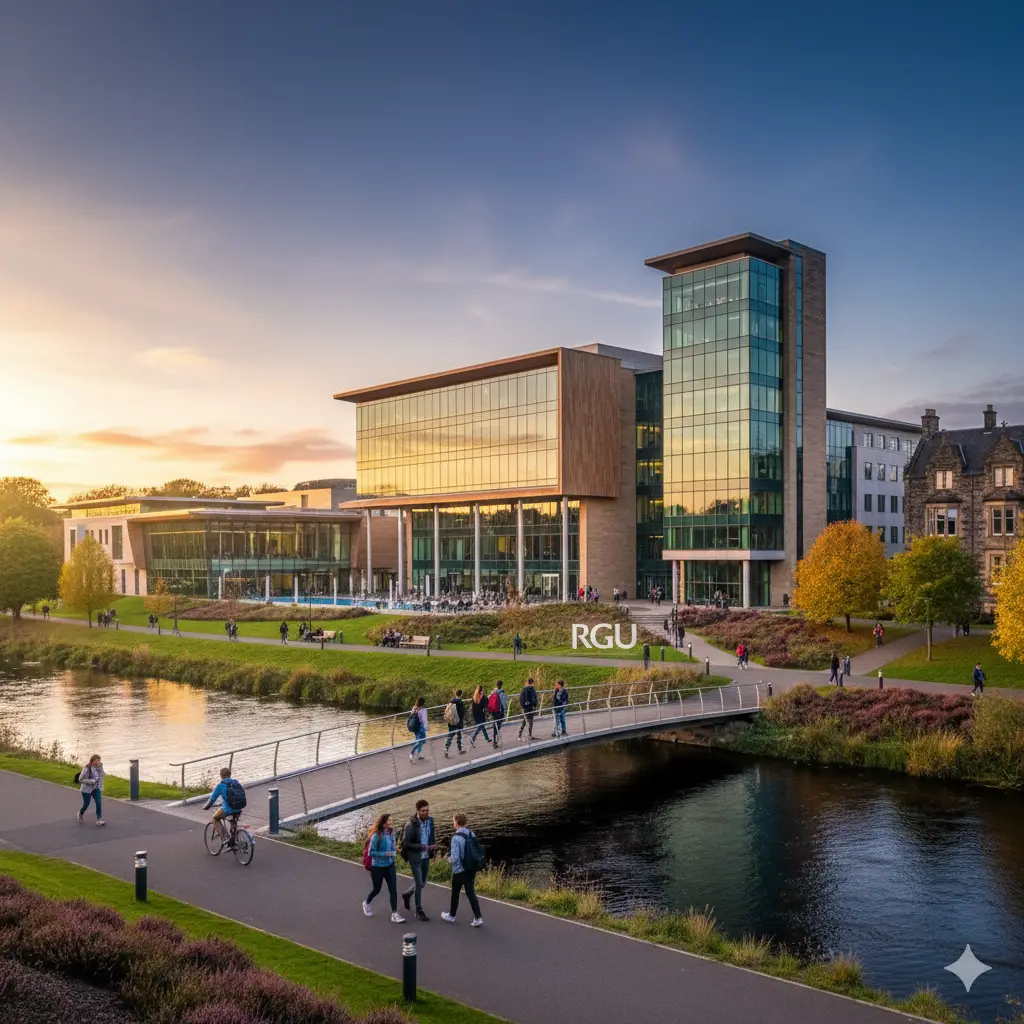
Robert Gordon University (RGU) stands as a titan of modern higher education in the United Kingdom. Nestled in the historic yet vibrant city of Aberdeen, Scotland, RGU has evolved from a 18th-century educational trust into a globally recognized institution. With a primary mission to transform people and communities through high-quality education and research, the university serves as a vital contributor to the economic and social fabric of Scotland and beyond.
Whether you are a prospective undergraduate student looking for your first step into the professional world, or a seasoned professional seeking an executive MBA, RGU provides a diverse range of disciplines including Business, Engineering, Health, Design, and Computing.
Historical Roots: From 1750 to University Status
The story of RGU begins in 1750 with the founding of Robert Gordon’s Hospital. Established through a bequest from Robert Gordon, a wealthy merchant and graduate of Marischal College, the institution originally served as a residential school for boys. Over the centuries, the institution adapted to the Industrial Revolution’s demands for technical and scientific training.
By 1881, it merged with the Aberdeen Mechanics’ Institution to become Robert Gordon’s College. The transition to a modern higher education provider accelerated in 1965 when it became the Robert Gordon’s Institute of Technology (RGIT). Finally, in 1992, full university status was granted, marking the birth of Robert Gordon University as we know it today. This heritage of practical, merchant-led pragmatism remains at the heart of RGU’s DNA.
The Garthdee Campus: Innovation by the River Dee
RGU’s physical presence is defined by its stunning Garthdee Campus. Widely regarded as one of the most beautiful riverside campuses in the UK, it represents an investment of over £120 million. The campus is a masterclass in modern architecture, featuring buildings designed by world-renowned architects like Sir Norman Foster (who designed the Aberdeen Business School).
Key Campus Highlights:
The Sir Ian Wood Building: A hub for engineering, computing, and pharmacy, featuring high-tech labs that simulate industrial environments.
The Scott Sutherland School of Architecture: One of the oldest of its kind in the UK, fostering creative excellence in the built environment.
Gray’s School of Art: An inspirational space for fine art, design, and contemporary media.
The Library Tower: A striking green-glass landmark that houses four floors of academic resources and quiet study zones.
Industry Links and Graduate Employability
If there is one metric that defines RGU, it is employability. For several years, RGU has been ranked as the top university in Scotland and among the top in the UK for graduate prospects.
The "Placement Power" Unlike many traditional universities, RGU embeds professional placements into the vast majority of its degree programs. Whether it is a year-long internship in the energy sector or clinical rotations in the NHS, students gain "real-world" experience before they even graduate. The university maintains strategic partnerships with global giants such as Shell, BP, Deloitte, KPMG, and the NHS, ensuring that the curriculum is co-created with industry leaders.
Academic Excellence: Schools and Specializations
RGU is organized into several high-performing academic schools, each with specific accreditations:
Aberdeen Business School (ABS): Proudly holding AACSB accreditation, a distinction held by only the top 5% of business schools globally. It offers specialized courses in Business Analytics, Finance, and Sustainability.
School of Engineering: Located in the energy capital of Europe, this school is a leader in Oil & Gas, Renewables, and Drilling Engineering.
School of Nursing, Midwifery and Paramedic Practice: Consistently high-ranked for student satisfaction and clinical training quality.
The School of Computing: Focused on the future, with specializations in Artificial Intelligence, Cyber Security, and Data Science.
Research and Innovation
RGU is not just a teaching institution; it is a center for impactful research. The university focuses on "Research with Purpose," targeting areas like renewable energy transition, digital health, and social inclusion. Through the RGU Business Innovation Centre, the university also supports student startups, providing funding, coaching, and incubation space for the next generation of entrepreneurs.
Student Life and Amenities
Beyond the classroom, life at RGU is balanced by a strong community spirit.
RGU Sport: A world-class facility featuring a 25m swimming pool, climbing walls, and three extensive gyms. All students receive free membership.
The Student Union (RGU:Union): A vibrant hub for over 40 sports clubs and numerous societies ranging from gaming to debating.
Student Support Services: From "AskRGU" for administrative queries to dedicated counseling and disability support, the university ensures no student is left behind.
Global Reach and Inclusion
With over 16,000 students from more than 150 countries, RGU is a truly international community. The university supports global recruitment and offers various international scholarships to ensure talented students from all backgrounds can access Scottish higher education.
Sustainability and Future Vision
RGU is committed to becoming a "Nature Positive" campus. From its commitment to the UN Sustainable Development Goals to its research into the North Sea's energy transition, the university is actively shaping a greener future.
Frequently Asked Questions
1. What is RGU best known for?
RGU is best known for its exceptional graduate employability rates and its strong ties to global industries, particularly in the Energy, Health, and Business sectors. Its Aberdeen Business School is AACSB accredited.
2. Where is Robert Gordon University located?
The university is located on the Garthdee Campus in Aberdeen, Scotland, situated alongside the picturesque River Dee.
3. When did RGU receive university status?
While its origins date back to 1750, Robert Gordon University was officially granted university status in 1992.
4. Does RGU offer scholarships for international students?
Yes, RGU offers several scholarships, including the International Merit Scholarship, which can provide up to £3,000 toward tuition fees for eligible students.
5. What are the standard working hours for RGU administration?
Standard administrative hours are Monday to Friday, 9 AM – 5 PM. However, campus facilities like the library and certain labs are accessible 24/7 for students.
6. How do I apply for a course at RGU?
Undergraduate applications are typically made through UCAS. Postgraduate and international students can often apply directly via the RGU website or through authorized agents.
7. What facilities are available at RGU Sport?
RGU Sport includes a 25-meter swimming pool, a climbing wall, bouldering room, three gyms, and a variety of fitness classes.
8. Is Robert Gordon University a private or public university?
RGU is a public research university. It is also a registered charity (SC013781).
9. What payment methods does RGU accept for tuition?
RGU accepts bank transfers, credit/debit cards, and payments through its secure online portal, Flywire.
10. How does RGU support student careers?
The RGU Careers and Employability Service offers one-to-one appointments, CV workshops, interview prep, and access to an exclusive vacancy database called eHub.
Contact Information
Address: Garthdee House, Garthdee Road, Aberdeen, AB10 7QB, Scotland, UK.
Admissions Phone: +44 (0)1224 262728
Website: www.rgu.ac.uk
Email: [email protected]
Aberdeen
40 Views
Educational Services
Apr 10, 2026
University of Aberdeen A Global Hub of Academic Excellence
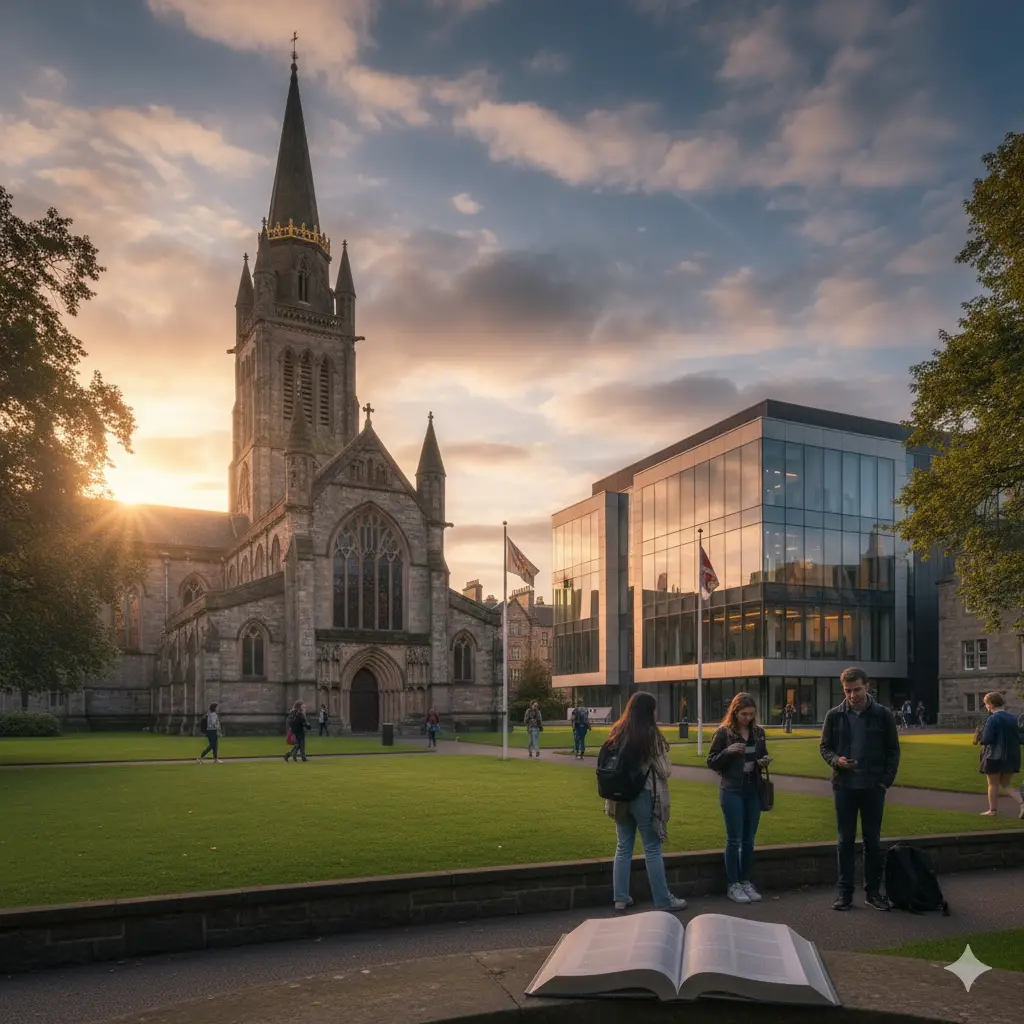
Founded in 1495 by William Elphinstone, the University of Aberdeen stands as the fifth oldest university in the United Kingdom and a cornerstone of academic heritage in Scotland. For over 525 years, this institution has evolved from a medieval center of learning into a world-renowned research university that consistently ranks among the top 20 in the UK.
Located in the historic King's College area of Old Aberdeen, the university offers a unique juxtaposition of ancient architecture and 21st-century cutting-edge facilities. Whether you are an aspiring doctor, a future lawyer, or an engineer looking to lead the global energy transition, Aberdeen provides a transformative educational experience rooted in "The Aberdeen Family" spirit.
Academic Excellence and Global Rankings
The University of Aberdeen is not just a place of history; it is a high-performing powerhouse in modern education.
National and International Standing
In recent years, the university has seen a meteoric rise in league tables:
Guardian University Guide 2025: Ranked #12 in the UK.
Times/Sunday Times Good University Guide 2025: Ranked #15 in the UK.
QS World University Rankings 2025: Positioned at #236 globally, placing it in the top 1.6% of universities worldwide.
Student Satisfaction: Consistently ranked in the top 10 in the UK for student satisfaction (National Student Survey).
Subject-Specific Strengths
The university excels across diverse disciplines. Notably, its Medicine program has recently been ranked 1st in the UK by The Guardian, while Theology and Religious Studies holds the top spot for research power. Other leading subjects include:
Anatomy and Physiology: #2 in the UK.
Anthropology: #4 in the UK.
English and Law: Consistently within the UK top 15.
World-Leading Research with Global Impact
Research at Aberdeen is defined by its commitment to solving real-world challenges. With 77% of its research classified as "world-leading" or "internationally excellent" (REF 2021), the university focuses on five interdisciplinary challenges:
Energy Transition: Leveraging its location in the "Energy Capital of Europe," Aberdeen leads research into renewable energy, carbon capture, and the transition away from fossil fuels.
Health, Nutrition, and Wellbeing: Home to one of the largest health campuses in Europe (Foresterhill), the university conducts life-saving research in diabetes, heart disease, and medical imaging (the MRI was co-invented here).
Data and Artificial Intelligence: Exploring how AI can improve healthcare diagnostics and social infrastructure.
Environment and Biodiversity: Protecting marine life and terrestrial ecosystems through the School of Biological Sciences.
Social Inclusion and Cultural Diversity: Addressing global inequalities and preserving cultural heritage, including significant work in Archaeology and Sociology.
The Student Experience: Life in the Granite City
Choosing Aberdeen means joining a vibrant international community of students from over 130 countries.
Campus Facilities and Amenities
The university offers a range of modern amenities designed for student success:
The Sir Duncan Rice Library: An architectural marvel housing seven floors of resources and 1,200 study spaces with panoramic views of the North Sea.
Science Teaching Hub: A state-of-the-art facility opened in 2022 for chemistry, medical, and biological sciences.
Aberdeen Sports Village: Olympic-standard facilities including a 50m pool, indoor athletics water, and a premier gym.
Student Support: Comprehensive services including a 24/7 Infohub, career mentoring, and mental health counseling.
Living in Aberdeen
Aberdeen is a city that offers the perfect blend of cosmopolitan life and natural beauty. From the golden sands of Aberdeen Beach to the nearby Cairngorms National Park, students have endless opportunities for exploration. The campus itself is a "landmark" near Seaton Park, providing lush green spaces for relaxation.
Employability and Industry Partnerships
A degree from the University of Aberdeen is a gateway to a successful career.
Graduate Outcomes: 97.9% of graduates enter employment or further study within 15 months of graduation.
Highest Starting Salaries: Aberdeen graduates consistently earn among the highest starting salaries in Scotland and the UK.
Professional Accreditations: Many programs are accredited by global bodies such as AACSB, ICAS, and the Energy Institute, ensuring students are industry-ready.
Specialized Programs and Online Learning
The university has adapted to the digital age by offering a vast array of Online Learning and Executive Education programs. This allows professionals worldwide to benefit from Aberdeen’s expertise in:
Renewable Energy Engineering
International Commercial Law
Data Science and AI
MBA and Business Management
Practical Information for Applicants
Business Name: University of Aberdeen
Headquarters: Aberdeen, Scotland, United Kingdom
Founder: William Elphinstone (1495)
Contact: +44 (0)1224 272000 | [email protected]
Website: www.abdn.ac.uk
Physical Address: King's College, Aberdeen, Scotland, AB24 3FX
Supported Languages: English, Gaelic
Payment Methods: Bank Transfer, Credit/Debit Cards
Frequently Asked Questions
1. Is the University of Aberdeen a good university?
Yes, it is consistently ranked among the top 20 universities in the UK and the top 250 in the world. It holds a TEF Gold award for teaching excellence and is a member of the prestigious group of ancient universities.
2. What are the most popular courses at the University of Aberdeen?
The university is world-renowned for Medicine, Law, Engineering (particularly Petroleum and Renewable Energy), Business, and Marine Biology.
3. What are the entry requirements for international students?
Entry requirements vary by program, but typically include a strong academic record (e.g., a UK 2:1 equivalent) and English language proficiency (IELTS 6.5 or equivalent).
4. Are there scholarships available for international students?
Yes, the university offers various funding opportunities, including the Aberdeen Global Scholarship, which provides tuition fee discounts for eligible self-funded international students.
5. How old is the University of Aberdeen?
It was founded in 1495, making it the fifth oldest university in the English-speaking world and the third oldest in Scotland.
6. What is the campus like?
The main campus in Old Aberdeen is famous for its historic King's College Chapel and the modern Sir Duncan Rice Library. It is a compact, walkable campus with excellent amenities like the Aberdeen Sports Village.
7. Does the university help with job placements?
Absolutely. The Careers and Employability Service provides lifelong support, including career coaching, internship opportunities, and networking events with global industry partners.
8. Can I study online at the University of Aberdeen?
Yes, the university offers over 100 online postgraduate programs and short courses designed for flexible, remote learning.
9. What is the cost of living in Aberdeen for a student?
Aberdeen is generally more affordable than major UK cities like London or Edinburgh. Students should budget for accommodation, food, and personal expenses, with many university-owned halls offering competitive rates.
10. How do I apply to the University of Aberdeen?
Undergraduate applications are typically made through UCAS. Postgraduate applications are submitted directly via the university’s online application portal on their official website.
The University of Aberdeen continues to be a beacon of "open to all" education. By merging its 500-year history with a forward-looking approach to global challenges like the energy transition and health inequality, it offers a world-class environment for students to grow, innovate, and lead. If you are looking for an institution that values both tradition and transformation, Aberdeen is your "True North."
Aberdeen
40 Views
Article Posting
Get Started Today to Publish an Article
Educational Services
Apr 10, 2026
UCLan:Transforming Lives Through Innovation
The University of Central Lancashire (UCLan), now often referred to as the University of Lancashire, stands as a testament to the power of accessible education. From its humble beginnings in 1828 as the "Institution for the Diffusion of Knowledge," it has transformed into a world-class public research university that bridges the gap between academic potential and professional reality. Based in the heart of Preston, United Kingdom, UCLan is not just a place of learning; it is an engine for social mobility and a global leader in fields ranging from forensic science to aerospace engineering.
In this detailed exploration, we dive into the history, state-of-the-art facilities, and the unique "real-world" educational philosophy that makes UCLan a top choice for students globally.
A Heritage of Knowledge: From 1828 to the Present
The university’s roots are deeply intertwined with the industrial and intellectual heritage of Lancashire. Founded by Joseph Livesey and fellow members of the Institution for the Diffusion of Knowledge, the original mission was radical: to provide the working people of Preston with access to the latest scientific and cultural developments.
By 1992, the institution was granted university status, but it never lost its founding ethos. Today, as a TEF Gold-rated institution, it continues to diffuse knowledge not just across the county, but across the globe, with satellite campuses in Burnley, Westlakes (Cumbria), and even Cyprus.
World-Class Facilities: The £200 Million Masterplan
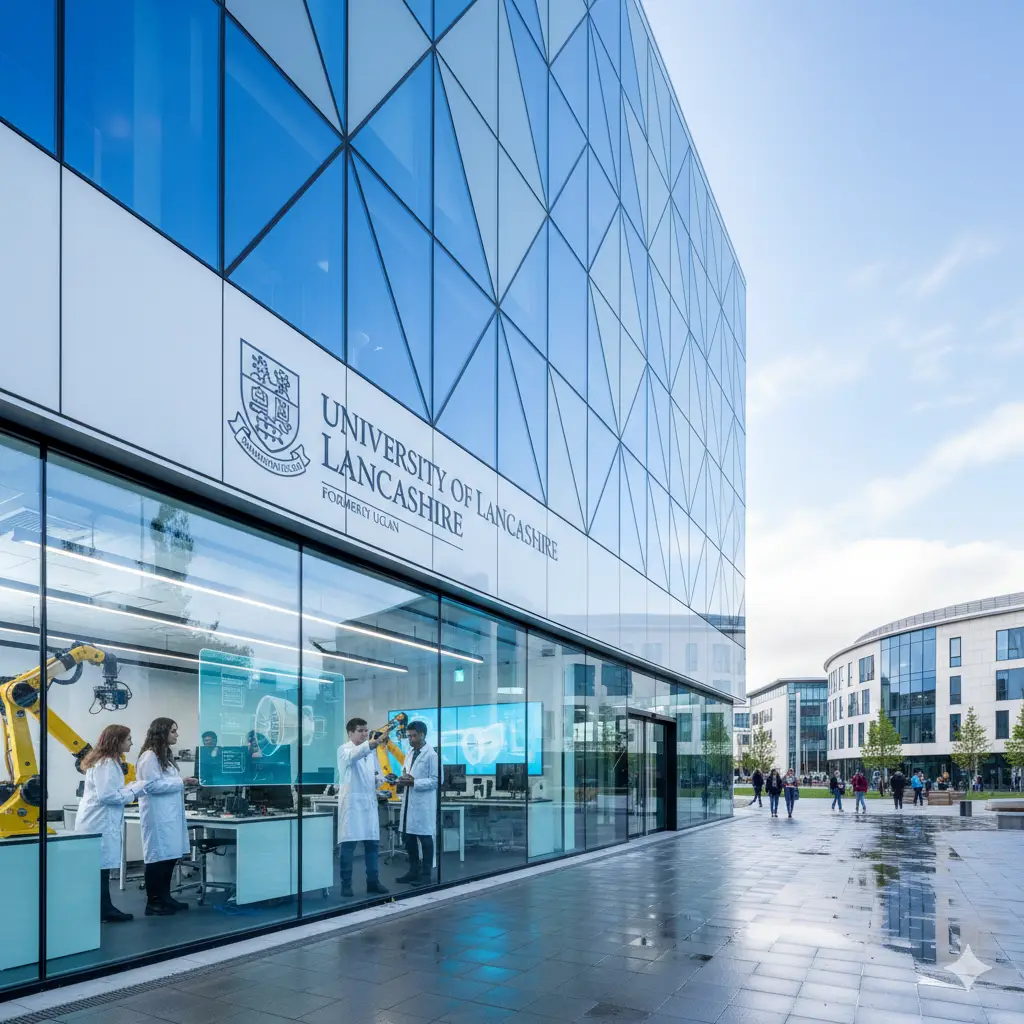
UCLan’s commitment to its students is visible in its physical transformation. The university recently completed a massive £200 million campus masterplan that has redefined the Preston skyline.
The Engineering Innovation Centre (EIC)
At the heart of this investment is the £35 million Engineering Innovation Centre. This isn't just a building; it’s a portal to the future of UK manufacturing. The EIC hosts:
Flight Simulator Suites for aerospace students.
Intelligent Machines Laboratory for robotics.
Formula Student Workshops where students build race cars from scratch.
Additive Manufacturing Labs featuring industrial-grade 3D printing.
The Student Centre and University Square
The new £60 million Student Centre serves as a one-stop hub for student support, health, and wellbeing. It looks out onto the University Square, one of the largest new civic spaces in England, seamlessly connecting the university to the vibrant city of Preston.
Academic Excellence and Specializations
UCLan is recognized globally for specific "centers of excellence." If you are looking for industry-focused education, these departments lead the way:
Forensic Science: Consistently ranked among the best in the UK, UCLan offers "crime scene houses" and specialized labs where students work on real-world scenarios in partnership with the Greater Manchester Police.
Medicine and Healthcare: As one of the few universities with its own School of Veterinary Medicine and a highly-rated School of Dentistry, UCLan is a vital pipeline for the NHS.
Aerospace and Digital Media: With links to partners like NASA and the World Health Organisation, research and teaching here are truly on the frontier.
Employability and Industry Links
UCLan’s motto could easily be "Employability First." The university offers over 400 undergraduate and 200 postgraduate courses designed in collaboration with industry leaders.
Degree Apprenticeships: Students can earn while they learn, with costs covered by employers.
Business Consultancy: The university acts as a consultant for SMEs, allowing students to work on live commercial projects.
Professional Development: Courses are tailored to the needs of the modern global workforce.
Frequently Asked Questions
1. Is the University of Central Lancashire the same as the University of Lancashire?
Yes. While the official legal name remains the University of Central Lancashire (UCLan), it is frequently referred to as the University of Lancashire to reflect its broader regional and global identity.
2. What is UCLan famous for?
UCLan is world-renowned for its Forensic Science programs and its Engineering Innovation Centre. It is also recognized for its "TEF Gold" teaching excellence and its strong links to the NHS and police constabularies.
3. Is Preston a safe city for students?
Absolutely. Preston has been awarded Purple Flag status, which recognizes a safe, vibrant, and well-managed evening and night-time economy.
4. How do I contact the UCLan helpdesk?
You can reach the main helpdesk at 01772 201201 or via email at [email protected].
5. Does UCLan offer scholarships?
Yes, the university provides various bursaries and scholarships, especially for international students and those from under-represented backgrounds, maintaining its reputation as one of the most cost-effective universities in the UK.
6. What are the main campus amenities?
Key amenities include the Engineering Innovation Centre, a world-class Sports Centre, 24-hour security, free Wi-Fi, and the state-of-the-art Student Hub.
7. Can I work while I study?
UCLan supports student employment through its Degree Apprenticeships and its internal "Propeller" hub, which helps students find part-time work or start their own businesses.
8. What are the entry requirements?
Requirements vary by course, but UCLan is known for its "widening participation" policy, looking at academic potential alongside traditional grades.
9. Where is the campus located?
The main campus is located on Fylde Road, Preston, near the Preston Railway Station and the iconic University Square.
10. What payment methods are accepted for tuition?
UCLan accepts Bank Transfers, BACS, Student Finance England, and all major Credit/Debit Cards.
The University of Central Lancashire is more than just a place to get a degree; it is a community dedicated to the "Diffusion of Knowledge." Whether you are an aspiring forensic scientist, a future aerospace engineer, or a business entrepreneur, UCLan provides the tools, the industry connections, and the world-class environment to turn your dreams into a career.
Business Contact Information:
Website: https://www.lancashire.ac.uk
Phone: 01772201201
Address: Fylde Road, Preston, Lancashire, PR1 2HE, United Kingdom
Preston
35 Views

Educational Services
Apr 10, 2026
ALDinHE Empowering Learning Development in UK Higher Education
In the rapidly evolving landscape of global academia, the bridge between a student’s prior knowledge and the rigorous demands of university-level study has never been more critical. At the heart of this transition stands the Association for Learning Development in Higher Education (ALDinHE). As the primary professional body representing staff and students involved in Learning Development (LD) across the United Kingdom, ALDinHE is more than just an organization; it is a vibrant, transformative community of practice.
This comprehensive guide explores the mission, services, and impact of ALDinHE, illustrating why it is the cornerstone for anyone dedicated to student success and pedagogical excellence.
Defining Learning Development: The ALDinHE Mission
Learning Development (LD) is a field of practice concerned with how students learn in higher education. ALDinHE defines its mission through the lens of empowerment. Rather than viewing students through a "deficit model" (focusing on what they lack), ALDinHE champions an emancipatory practice. This approach treats students as partners, helping them navigate the "hidden curriculum" and master academic literacies.
The Essential Bridging Role
Learning Developers act as mediators. They help students decode the specific conventions of academic subjects—whether it’s scientific report writing, critical analysis in the humanities, or the complexities of quantitative research. ALDinHE provides the structural support to ensure these practitioners can perform this role with excellence and scholarly backing.
Professional Accreditation: CeP and CeLP
For many years, Learning Development was a "third space" profession—occupying the territory between academic faculty and administrative support. ALDinHE has professionalized this space through its bespoke accreditation schemes:
Certified Practitioner (CeP): Aimed at those who demonstrate a deep commitment to the values of LD within their institutional context.
Certified Lead Practitioner (CeLP): For experienced professionals who influence the field at a national or international level, leading research and driving policy changes.
These certifications are prestigious markers of quality, recognized by universities across the UK. They provide practitioners with a formal pathway to demonstrate their expertise in pedagogical research and inclusive curriculum design.
LearnHigher: The Hub for Peer-Reviewed Resources
One of the most significant contributions of ALDinHE to the global education community is the LearnHigher repository. This open-access resource hub hosts hundreds of peer-reviewed materials designed to enhance academic study skills.
Key Resource Categories:
Critical Thinking & Reflection: Helping students move beyond description to high-level analysis.
Academic Writing: Templates and guides for essays, dissertations, and reports.
Time Management: Tools for transitioning from secondary school to the independence of university life.
Referencing & Integrity: Essential guidance on avoiding plagiarism and understanding the ethics of scholarship.
By using LearnHigher, institutions save thousands of hours in resource development, relying instead on a community-vetted standard of excellence.
Research and Scholarship: The JLDHE
Excellence in practice must be rooted in evidence. The Journal of Learning Development in Higher Education (JLDHE) is ALDinHE’s flagship peer-reviewed journal. It publishes original research, case studies, and opinion pieces that shape the future of the sector.
The journal focuses on:
Equality, Diversity, and Inclusion (EDI): How LD can bridge the attainment gap for marginalized students.
The Impact of AI: Navigating the challenges and opportunities of Generative AI in student learning.
Student Engagement: Innovative methodologies for keeping learners motivated in a digital-first world.
A Community of Practice: Networking and Symposia
ALDinHE operates on the principle that we are stronger together. The association facilitates a variety of networking opportunities:
The Annual ALDinHE Conference: A premier event where practitioners share "what works" through workshops, lightning talks, and keynote speeches.
Regional Symposia: Smaller, localized events that allow for deep-dives into specific challenges faced by universities in different regions of the UK.
Mentoring Schemes: New practitioners are paired with CeLP-certified mentors to guide their professional journey.
Institutional and Individual Membership
Whether you are an individual practitioner looking to enhance your CV or a university seeking to boost its TEF (Teaching Excellence Framework) scores, ALDinHE offers tailored membership tiers.
Individual Membership: Access to research grants, mentoring, and discounted conference fees.
Institutional Membership: Provides all staff within an organization access to the ALDinHE network, fostering a culture of continuous professional development (CPD) across the whole campus.
Strategic Impact on UK Higher Education Policy
ALDinHE is a vocal advocate for the LD profession. Through its involvement with the International Consortium of Academic Language and Learning Developers (ICALLD), the association influences policy at a high level. They work to ensure that university leaders recognize Learning Development as a core academic function, essential for student retention and graduate outcomes.
Navigating the Future: AI and Digital Literacy
As we move toward 2030, ALDinHE is leading the conversation on digital literacy. The association provides training and resources on how to integrate AI tools ethically into the curriculum, ensuring that students remain critical users of technology rather than passive consumers.
Securing a Scholarly Future
The Association for Learning Development in Higher Education is the heartbeat of academic support in the UK. By fostering a scholarly, inclusive, and collaborative environment, it ensures that every student, regardless of their background, has the tools to succeed. For the practitioner, it offers a home, a voice, and a clear path to professional recognition.
Frequently Asked Questions
1. What does ALDinHE stand for?
ALDinHE stands for the Association for Learning Development in Higher Education. It is the professional body for staff who support student learning in UK universities.
2. How do I become a Certified Practitioner (CeP)?
You can apply through the ALDinHE website. You will need to provide evidence of your work, reflecting the association’s core values, and have at least two years of experience in a Learning Development role.
3. Is LearnHigher free to use?
Yes! LearnHigher is an open-access repository. While anyone can use the resources, ALDinHE members often contribute to and peer-review the materials to ensure high quality.
4. Where is ALDinHE based?
The administrative headquarters is located at the University of Northampton, United Kingdom.
5. Does ALDinHE provide research funding?
Yes, ALDinHE offers research grants to its members to support small-scale projects and pedagogical research that benefits the wider LD community.
6. What is the difference between CeP and CeLP?
CeP (Certified Practitioner) recognizes excellence at an institutional level. CeLP (Certified Lead Practitioner) is for those whose work has a significant impact on the national or international LD community.
7. Can international practitioners join ALDinHE?
Absolutely. While the focus is on the UK, ALDinHE has a global reach through ICALLD and welcomes international members.
8. How does ALDinHE support inclusive education?
Through "emancipatory practice," ALDinHE focuses on demystifying the hidden curriculum, making university expectations transparent for students from all backgrounds, including first-generation and international students.
9. What is the JLDHE?
The Journal of Learning Development in Higher Education (JLDHE) is the association's peer-reviewed journal, focusing on the scholarship of teaching and learning.
10. How can my university become an institutional member?
Visit the ALDinHE website to download the institutional membership form. This covers all staff and provides significant benefits for the university’s professional development strategy.
Business Quick Reference
Website: https://aldinhe.ac.uk
Email: [email protected]
Phone: 01604892015
Headquarters: University of Northampton, NN1 5PH, UK.
Plymouth
38 Views
Educational Services
Apr 10, 2026
Plymouth State University Integrated Learning Future
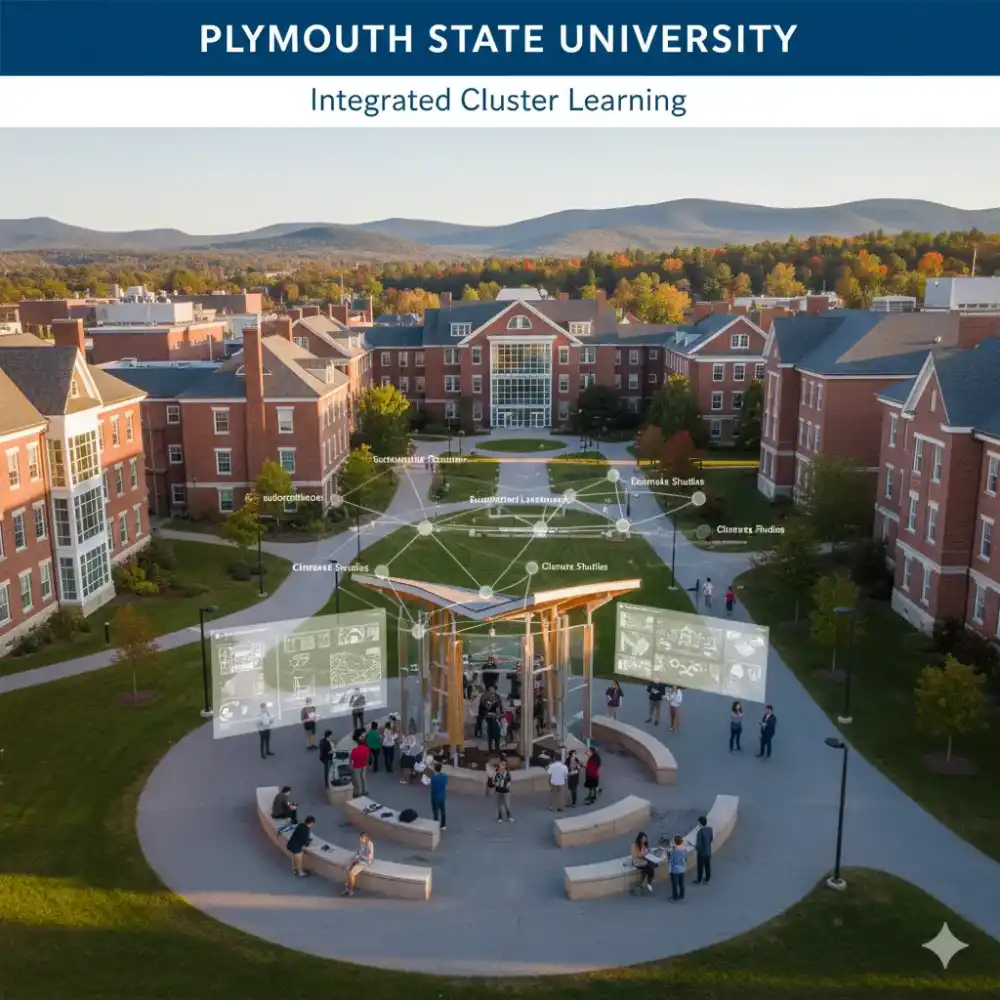
Plymouth State University (PSU) is not merely an institution of higher learning; it is a visionary hub at the center of a growing creative and intellectual community. Located in the heart of Plymouth, New Hampshire, near the majestic White Mountain National Forest, PSU has spent over 150 years evolving from a small teachers' college into a global leader in integrated education.
Under the current leadership of President Dr. Donald Birx, PSU has pioneered the Integrated Cluster Model. This transformative pedagogical shift breaks the traditional silos of academic departments, replacing them with seven thematic clusters designed to foster interdisciplinary collaboration. By aligning students, faculty, and regional partners, PSU ensures that "engaged learning" is more than a catchphrase—it is a lived experience that produces well-educated graduates ready for the 21st-century economy.
A Legacy of Transformation (1871–Present)
Established on March 14, 1871, as the New Hampshire State Normal School, the university has a storied history of adapting to societal needs. What began as a training ground for educators became Plymouth Teachers College in 1939, then Plymouth State College in 1963, and finally attained university status in 2003. Throughout these changes, the motto Ut Prosim ("That I may serve") has remained the North Star of the institution.
The Seven Integrated Clusters: Breaking the Academic Mold
The core of the PSU experience is the Integrated Cluster Model. Instead of isolated majors, students operate within ecosystems that mirror real-world professional environments.
1. Exploration and Discovery
This cluster focuses on the fundamental sciences and humanities. It encourages students to ask the "big questions" through research and scholarship. Key programs like Climate Studies and Biology thrive here, utilizing the proximity to the White Mountains as a natural laboratory.
2. Innovation and Entrepreneurship
Designed for the business leaders of tomorrow, this cluster integrates marketing, finance, and leadership. Students don't just study business; they engage in Corporate Innovation Partnerships, working with startups and established firms to solve logistical and branding challenges.
3. Arts and Technologies
In an era where digital literacy is paramount, this cluster combines creative expression with technical mastery. From graphic design to advanced digital media, students learn to tell stories using the tools of the future.
4. Health and Human Enrichment
Addressing the global need for healthcare and wellness, this cluster includes nursing, physical therapy, and mental health counseling. The focus is on holistic quality of life and evidence-based practice.
5. Education, Democracy, and Social Change
Returning to its roots, PSU remains a powerhouse for educator preparation. This cluster emphasizes social justice, equity, and the role of education in sustaining a healthy democracy.
6. Justice and Security
Focusing on criminal justice and international relations, this cluster prepares students for roles in law enforcement, policy-making, and global security, often through internships with government agencies.
7. Tourism, Environment, and Sustainable Development
New Hampshire’s economy relies heavily on tourism and its natural landscape. This cluster focuses on Sustainable Tourism and environmental management, ensuring that students can lead industries that protect the planet while driving economic growth.
Life at PSU: Amenities and Campus Culture
Plymouth State University offers a robust, student-focused environment. With a campus spanning 170 acres, it combines a classic New England aesthetic with state-of-the-art facilities.
Research and Technology: High-speed internet, free Wi-Fi, and advanced laboratories support the university’s research mission.
Student Wellbeing: On-campus housing, a comprehensive fitness center, and 24/7 security (CCTV) ensure a safe and productive living environment.
The Silver Center for the Arts: A cultural epicenter that hosts regional and national performances, enriching the creative life of both students and the Plymouth community.
Global Impact and Professional Outreach
While rooted in New Hampshire, PSU’s reach is international. Through its Integrated Cluster Model, the university has established a footprint in the UK and across the globe. By focusing on "real-world problem solving," PSU graduates are sought after for their ability to work across disciplines—a skill highly valued in global markets.
Certifications and Accreditations
PSU’s programs are held to the highest standards, being accredited by:
NECHE (New England Commission of Higher Education)
ACBSP (Accreditation Council for Business Schools and Programs)
Frequently Asked Questions
1. What is the Integrated Cluster Model?
It is a unique academic structure that organizes the university into seven thematic clusters, promoting interdisciplinary collaboration and project-based learning.
2. When was Plymouth State University founded?
The university was founded on March 14, 1871.
3. What are the top specializations at PSU?
PSU is renowned for its programs in Climate Studies, Sustainable Tourism, Educational Leadership, and Business Administration.
4. Where is PSU located?
The main campus is at 17 High Street, Plymouth, New Hampshire, near the White Mountain National Forest.
5. What payment methods does PSU accept for tuition?
Accepted methods include Bank Transfers, Credit/Debit cards, Federal Financial Aid, and the Nelnet Payment Plan.
6. Is PSU accredited?
Yes, it is accredited by NECHE, with business programs specifically accredited by the ACBSP.
7. Who is the current president of Plymouth State University?
Dr. Donald Birx is the current president and a visionary behind the cluster model.
8. What amenities are available on campus?
Facilities include research libraries, high-tech labs, a fitness center, on-campus housing, and high-speed Wi-Fi.
9. Can students work with professional partners during their studies?
Yes, PSU emphasizes Corporate Innovation Partnerships and Open Labs for real-world experience.
10. What is the university motto?
The motto is Ut Prosim, which translates to "That I may serve."
Contact and Social Media
Address: 17 High Street, Plymouth, NH 03264
Phone: 603-535-5000 | Helpdesk: 603-535-2525
Email: [email protected]
Website: www.plymouth.edu
Follow PSU on LinkedIn, X/Twitter, and Facebook.
Plymouth
54 Views

Educational Services
Apr 09, 2026
INSS Leading Global Network for the Study of Spirituality
In an era characterized by rapid technological advancement and increasing social fragmentation, the quest for meaning, hope, and purpose has never been more vital. The International Network for the Study of Spirituality (INSS) stands at the forefront of this quest, serving as the world’s premier professional organization dedicated to the critical, interdisciplinary study of spirituality. Founded on the principle that spirituality is a fundamental dimension of human experience—independent of, though often intersecting with, organized religion—the INSS provides the structural and intellectual framework necessary to integrate spiritual care into modern professional practice.
From BASS to INSS: A Legacy of Academic Rigor
The journey of the INSS began on 02 March 2011, when it was originally incorporated as the British Association for the Study of Spirituality (BASS). Under the visionary leadership of Professor Margaret Holloway, the Founding Chair and a pioneer in the sociology of social work and end-of-life care, the organization was established to fill a significant gap in the academic landscape.
While theology and religious studies had long explored faith-based traditions, there was a pressing need for a "Broad Tent" approach that could facilitate the study of spirituality in secular, professional, and cross-cultural contexts. By 2011, it became clear that the interest in this field was not confined to the UK, leading to its evolution into the International Network for the Study of Spirituality. Today, headquartered in Addlestone, Surrey, the INSS operates as a registered educational charity (No. 1166990) and a private limited company (No. 07549446), bridging the gap between theoretical research and frontline application in health, social care, and education.
The "Broad Tent" Philosophy: Defining Spirituality Today
One of the most distinctive features of the INSS is its inclusive definition of spirituality. We do not prescribe a single religious or dogmatic view. Instead, we explore spirituality as that which gives individuals a sense of:
Meaning and Purpose: The internal drive that motivates human action.
Connection: Relationships with self, others, nature, and the transcendent.
Hope and Resilience: The capacity to navigate suffering and find value in existence.
This specialization in interdisciplinary spirituality allows the INSS to welcome scholars from diverse backgrounds—including nursing, social work, psychology, the arts, and business—ensuring that the study of the human spirit remains grounded in the realities of 21st-century life.
Pillar 1: Advancing Knowledge through the Journal for the Study of Spirituality (JSS)
At the heart of our mission is the Journal for the Study of Spirituality (JSS), published in partnership with Taylor & Francis. As a peer-reviewed academic journal, JSS is a critical vehicle for scholarly dissemination. It provides a platform for high-level ideas that challenge traditional paradigms and introduce new qualitative research methods into the study of the intangible.
The journal covers a vast array of topics, including:
Holistic Healthcare: Researching the impact of spiritual well-being on patient recovery and palliative care.
Educational Spirituality: Exploring how meaning-making contributes to student development and teacher well-being.
Spiritual Care in Social Work: Practical frameworks for social workers to respect and integrate the spiritual lives of service users.
The Arts and Spirituality: How creative expression serves as a medium for spiritual exploration.
Pillar 2: The Biennial International Conference
Every two years, the INSS hosts its Biennial International Conference, a cornerstone event that brings together a global community of researchers and practitioners. These conferences are more than just academic gatherings; they are collaborative forums designed to foster "critical friendship." Participants share findings, debate ethical considerations, and develop inclusive professional practices that can be implemented in diverse settings worldwide.
Past conferences have explored themes ranging from the role of spirituality in a post-secular world to its capacity for transforming social and ecological crises. These events ensure that our members are always at the cutting edge of contemporary spirituality studies.
Pillar 3: Professional Development and Networking
Beyond publication and conferences, the INSS is committed to the continuous growth of its members. Our suite of services includes:
Professional Development Webinars: Regular online sessions focusing on practical skills, such as how to conduct spiritual assessments in clinical settings.
Special Interest Groups (SIGs): Focused clusters of members working on specific themes like "Spirituality and Mental Health" or "Spirituality in Higher Education."
Early-Career Researcher (ECR) Support: Mentorship programs and research grants designed to empower the next generation of scholars.
The Impact of INSS: Why Our Work Matters
The work of the INSS has profound implications for wider society. By promoting spiritual care in social work and holistic healthcare, we ensure that professionals are equipped to see the "whole person." This approach reduces the marginalization of human experience and fosters a more compassionate, understanding society.
Our associations with the Arts and Humanities Research Council (AHRC) and various university research centers highlight our role as a trusted administrative hub for global spiritual inquiry. Whether you are a student looking for a digital journal archive or a seasoned practitioner seeking a networking forum, the INSS provides the tools and the community to make a difference.
Frequently Asked Questions
1. What is the International Network for the Study of Spirituality (INSS)?
The INSS is a professional organization and educational charity dedicated to the interdisciplinary study of spirituality in all its forms, emphasizing research, education, and practice.
2. Is the INSS a religious organization?
No. The INSS is a "Broad Tent" secular organization. We study spirituality as a human phenomenon and do not have affiliations with any specific religious denomination.
3. Who can join the INSS?
Membership is open to scholars, practitioners, students, and anyone interested in the study of spirituality across fields like healthcare, education, social care, and the arts.
4. What are the benefits of INSS membership?
Members receive access to the Journal for the Study of Spirituality, digital archives, professional development webinars, mentorship, and entry into Special Interest Groups.
5. How do I access the Journal for the Study of Spirituality?
The journal is published by Taylor & Francis. Full members of the INSS receive printed copies and complete online access to the archives.
6. When was the INSS founded?
The organization was originally founded as the British Association for the Study of Spirituality (BASS) on 02 March 2011.
7. Who founded the INSS?
Professor Margaret Holloway served as the Founding Chair and played a pivotal role in establishing the organization’s mission and scholarly standards.
8. Does the INSS offer research grants?
Yes, the INSS provides research grants and support specifically designed for Early-Career Researchers and collaborative projects.
9. Where is the INSS headquartered?
Our administrative headquarters is located in Addlestone, Surrey, United Kingdom, near Victory Park.
10. How can I contact the INSS for help?
can reach our helpdesk at 01932856143 or email us at [email protected].
Contact Information & Business Details
Business Name: International Network for the Study of Spirituality (INSS)
Address: 30 Leigh Close, Addlestone, Surrey, KT15 1EL, United Kingdom
Phone: 01932856143
Website: https://spiritualitystudies.org
Working Hours: Monday–Friday: 09:00 – 17:00 (GMT)
Payment Methods: Bank Transfer (BACS), Credit/Debit Cards, Online Subscriptions
Kingston upon Hull
33 Views
Article Posting
Sign In to Submit Your Content
Educational Services
Apr 08, 2026
University of Sussex: Global Change & Innovation Leader
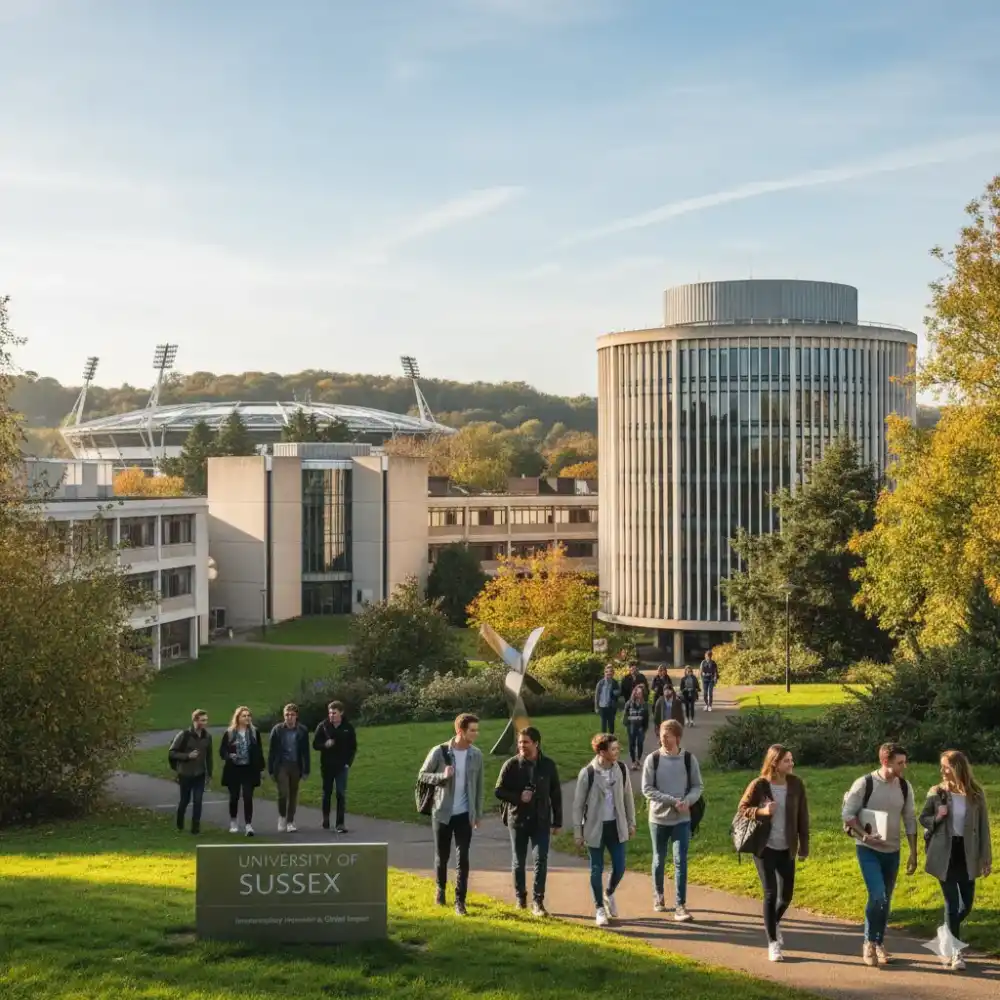
The University of Sussex is not merely an institution of higher learning; it is a global hub for "change-makers." Located in the picturesque South Downs National Park near the vibrant city of Brighton, Sussex has spent over six decades challenging the status quo. Established by Royal Charter in 1961, it was the first of the "plate glass" universities, designed to break the traditional molds of British education through interdisciplinary collaboration and a progressive social outlook.
Today, the University stands as a research-intensive powerhouse. Whether it is through its world-leading Development Studies programs or its cutting-edge research in Quantum Technology and Sustainability, Sussex remains committed to its founding motto: "Be still and know."
A Global Leader: Rankings and Reputation
For students and researchers worldwide, the University of Sussex is synonymous with academic excellence.
World-Leading Development Studies
For ten consecutive years, the University of Sussex, in partnership with the Institute of Development Studies (IDS), has been ranked 1st in the world for Development Studies in the QS World University Rankings by Subject. This achievement places Sussex above Ivy League and Oxbridge institutions, reflecting its unmatched impact on global policy, poverty reduction, and social justice.
Excellence Across the Board
Beyond Development Studies, Sussex consistently features in the top tiers of global and UK league tables:
Top 100 Global Rankings: Subjects such as Anthropology, Psychology, Sociology, Politics, and Communication & Media Studies are frequently ranked within the world’s top 100.
Research Excellence Framework (REF 2021): 89% of Sussex’s research is categorized as "world-leading" or "internationally excellent," with 93% of its research impact rated as "outstanding."
Employability: Ranked 17th in the UK for employer outcomes (QS 2026), Sussex ensures its graduates are prepared for leadership in a digital and sustainable future.
Sussex 2035: Creating Progressive Futures
The University’s new strategic vision, Sussex 2035, outlines a bold roadmap for the next decade. This strategy focuses on three "transformational themes" that address the most urgent challenges facing humanity:
Environmental Sustainability: Achieving Net Zero for scope 1 and 2 emissions by 2035 and leading global research on biodiversity and climate policy.
Human Flourishing: Advancing health, wellbeing, and social justice to ensure every individual can reach their full potential.
Digital and Data Futures: Harnessing AI, data science, and digital media to solve complex problems while maintaining ethical integrity.
Academic Portfolio: From Undergraduate to PhD
Sussex offers a diverse array of programs designed to foster critical thinking and creative problem-solving.
Undergraduate Degrees
Students can choose from hundreds of courses across the arts, sciences, and social sciences. Popular areas include:
Business & Management: Accredited by EQUIS and AMBA, the Sussex Business School is a leader in innovation management.
Psychology: One of the largest and most influential psychology schools in the UK.
Creative & Digital Media: Leveraging Brighton’s status as a "Silicon Beach" for tech and creativity.
Postgraduate & Doctoral Programs
With a strong emphasis on research, Sussex provides specialized Masters and PhD paths. The Sussex School for Progressive Futures acts as an interdisciplinary hub, allowing doctoral researchers to collaborate across traditional departmental boundaries.
The Campus Experience: Falmer and Beyond
The Sussex campus is a masterpiece of mid-century modernism, designed by Sir Basil Spence. It is the only UK university entirely surrounded by a National Park, yet it is just 10 minutes from the legendary beaches and cultural scene of Brighton.
Key Amenities
The Student Centre: A state-of-the-art hub for student services, social spaces, and retail.
Attenborough Centre for the Creative Arts (ACCA): A performance space dedicated to human rights and social justice.
Sporting Facilities: Including the Sport Centre and the Falmer Sports Complex, which features floodlit 3G pitches and a brand-new Strength and Conditioning Suite (2025).
Library: An award-winning facility with extensive digital archives and 24/7 access during exam periods.
Business and Innovation: The Sussex Innovation Centre
The university isn't just for students; it's a vital engine for the regional economy. The Sussex Innovation Centre (SInC) has supported over 160 companies, helping them generate more than £250 million in cumulative revenue. Through research consultancy and executive education, Sussex bridges the gap between academic theory and commercial success.
Frequently Asked Questions
1. What is the University of Sussex best known for?
Sussex is globally famous for Development Studies, where it has been ranked #1 in the world for a decade. It is also highly regarded for its interdisciplinary approach and its research in sustainability and social sciences.
2. Where is the University of Sussex located?
The campus is in Falmer, on the outskirts of Brighton, East Sussex, United Kingdom. It is uniquely situated within the South Downs National Park.
3. Is the University of Sussex a member of the Russell Group?
No, Sussex is not a member of the Russell Group. However, it is a leading research-intensive institution and was a founding member of the 1994 Group. Its research impact often rivals or exceeds that of many Russell Group members.
4. How do I apply for a scholarship at Sussex?
Sussex offers various scholarships, including the GREAT Scholarships and specific country-based awards (e.g., for students from India, Nigeria, or Pakistan). Applications are usually made through the online student portal after receiving an offer.
5. What is the "Sussex 2035" strategy?
It is the university's strategic plan to become a global leader in environmental sustainability, human flourishing, and digital futures by the year 2035.
6. Does the University of Sussex offer 24/7 security?
Yes, the campus has a dedicated 24-hour security team and an on-campus health and wellbeing centre to ensure student safety.
7. Can I live on campus?
Absolutely. Sussex offers a range of accommodation options, from the budget-friendly Norwich House to the modern West Slope and East Slope student villages.
8. How close is the university to London? Falmer station is right next to the campus. A train journey to London Victoria or London Bridge typically takes about 60 to 90 minutes.
9. What are the English language requirements for international students?
Most courses require an IELTS score of 6.0 to 7.0, depending on the level and subject of study. The university also offers pre-sessional English courses.
10. How does Sussex support graduate employability?
The Careers and Entrepreneurship team provides tailored advice, placement opportunities, and funding for student start-ups. Sussex is ranked in the top 20 in the UK for graduate employment outcomes.
Contact & Business Details
Official Website: www.sussex.ac.uk
Email: [email protected]
Phone: +44 (0)1273 606755
Address: Sussex House, Falmer, Brighton, BN1 9RH, UK.
Brighton
44 Views
Educational Services
Apr 08, 2026
University of Brighton: Shaping Futures Through Innovation
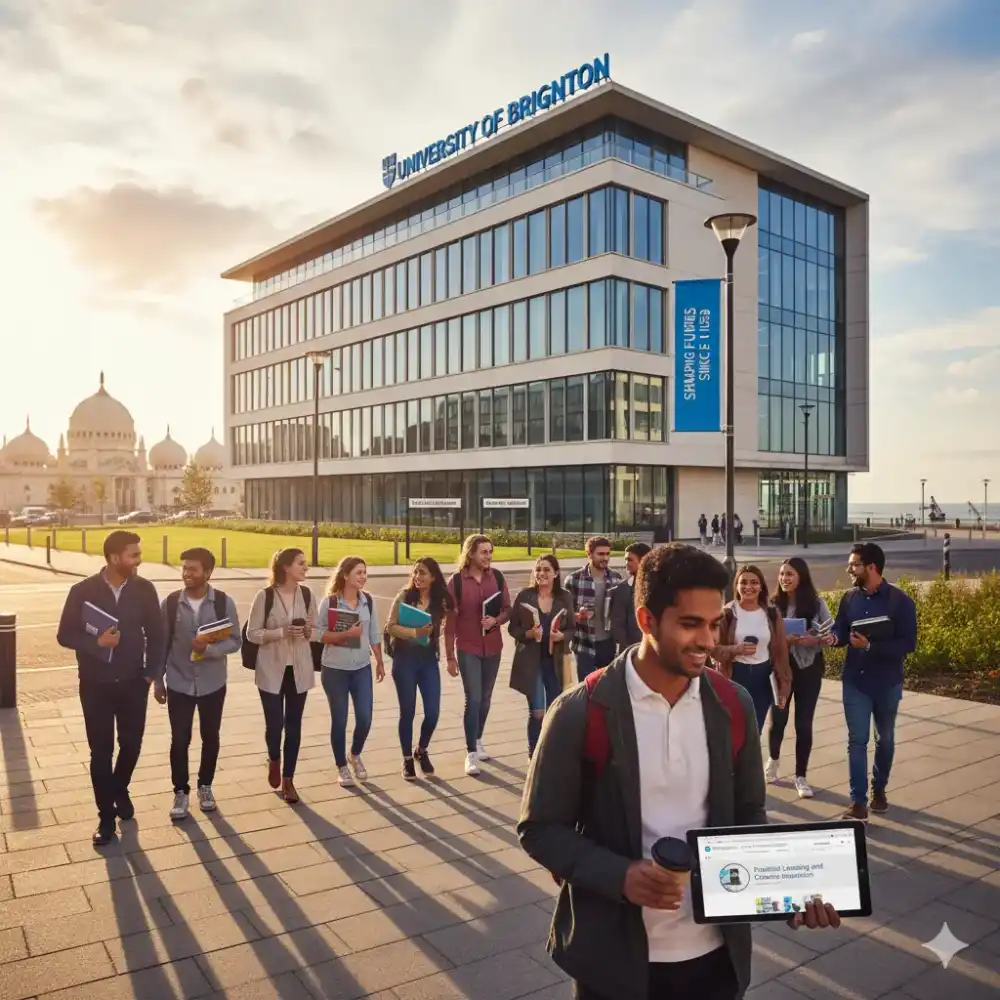
The University of Brighton is a premier public research institution located in the vibrant coastal city of Brighton, East Sussex, United Kingdom. With a heritage stretching back to 1858, starting as the Brighton School of Art, the institution has evolved into a global center for academic excellence. Today, it stands as a beacon of higher education and a vital research institution, committed to realizing potential and shaping the futures of over 18,000 students from around the world.
Characterized by a diverse and inclusive community, the university’s mission is to provide a transformative education. Whether you are looking for undergraduate degrees, postgraduate research, or professional development courses, Brighton offers an environment where high-quality teaching meets impactful research.
The Value Proposition: Practical Learning and Creative Innovation
What sets the University of Brighton apart is its core philosophy: "Practical Learning and Creative Innovation." The university understands that in a rapidly changing global economy, theoretical knowledge must be paired with hands-on experience.
With over 400 courses spanning disciplines such as Applied Sciences, Arts and Humanities, Business and Law, and Health and Social Science, students are encouraged to engage with real-world challenges. The curriculum is designed with industry placements and collaborative projects at its heart, ensuring that graduates are not just "job-ready" but are "future-ready" leaders.
Academic Excellence and Specializations
Brighton has earned its reputation through rigorous academic standards and specialized expertise. The university is particularly renowned for:
Pharmacy and Pharmacology: Consistently ranked among the top in the UK for teaching and research impact.
Art and Design: Drawing from its 1858 roots, the university is a global powerhouse in creative disciplines.
Education and Teaching: A leading provider of teacher training with strong links to local schools.
Engineering: Offering cutting-edge facilities in automotive, aerospace, and civil engineering.
Health Professions: Training the next generation of nurses, physiotherapists, and healthcare leaders in partnership with the NHS.
The university holds a TEF Silver Award for teaching excellence and is a proud member of the University Alliance, reflecting its commitment to technical and professional education.
State-of-the-Art Facilities and Campus Life
Headquartered at Mithras House on Lewes Road, the university operates as a multi-campus institution. Each site is equipped with specialized amenities designed to foster growth:
Moulsecoomb Campus: The largest site, located near Moulsecoomb Railway Station. It features the new Elm House (Business and Law), advanced engineering labs, and the Mithras halls of residence.
City Campus: Nestled in the heart of Brighton, this is the hub for art, design, and media, housing world-class archives and galleries.
Falmer Campus: Home to education, nursing, and social science, located right next to the iconic Amex Stadium.
Amenities at a Glance:
Libraries: Multi-site access with extensive digital and physical resources.
Laboratories: Specialist equipment for sciences, engineering, and sports medicine.
Art Studios: Professional-grade spaces for fine art, textiles, and digital media.
Sports Centers: Modern gyms, swimming pools, and courts to support student wellbeing.
Wi-Fi: Free, campus-wide high-speed connectivity for all students and staff.
Research and Global Impact
The University of Brighton isn't just a place to learn; it’s a place to discover. With over 2,600 employees, including world-leading researchers, the institution addresses critical issues from climate change to public health. The university’s research is rated as "world-leading" in several categories, particularly in the social sciences and creative arts.
Through Business Consultancy Services and Executive Education, the university shares this expertise with the wider world, helping SMEs and international corporations innovate and grow.
Career Opportunities and Industry Links
Brighton’s location—just an hour from London—and its strong local ties offer exceptional career opportunities. The university maintains partnerships with global brands like Nike, Rolls Royce, and the NHS. This ensure that the industry placements offered to students are of the highest caliber, often leading directly to graduate employment.
Practical Information for Prospective Students
Address: Mithras House, Lewes Road, Brighton, East Sussex, BN2 4AT, UK.
Contact: Call the helpdesk at 01273 600900 or email [email protected].
Payment Methods: Bank transfers, online portal payments, and major credit/debit cards are accepted.
Language: All courses are delivered in English.
Working Hours: Administrative offices are open Monday–Friday, 09:00 – 17:00.
Choosing the University of Brighton means choosing a path of discovery, creativity, and professional success. With a rich history dating back to 1858 and a forward-looking approach to creative innovation, it remains a top choice for students seeking a truly transformative educational experience in the UK.
Frequently Asked Questions
1. When was the University of Brighton founded?
The university’s roots date back to 1858 with the founding of the Brighton School of Art. It officially achieved university status in 1992.
2. What are the main specializations at the University of Brighton?
Key specializations include Pharmacy, Art and Design, Education, Engineering, and various Health Professions.
3. Where is the main headquarters located?
The main administrative headquarters is Mithras House, located on Lewes Road in Brighton, near the Moulsecoomb Railway Station.
4. Does the university offer industry placements?
Yes, the university emphasizes "Practical Learning," and most courses offer the opportunity for professional work placements or industry-led projects.
5. How many courses does Brighton offer?
The University of Brighton offers over 400 undergraduate and postgraduate courses across multiple disciplines.
6. Is there student accommodation available on campus?
Yes, the university provides several halls of residence, including the newly developed Mithras halls at the Moulsecoomb campus.
7. What is the TEF Silver Award?
The Teaching Excellence Framework (TEF) Silver Award recognizes the university for delivering high-quality teaching, learning, and outcomes for its students.
8. Can I study professional development courses there?
Absolutely. In addition to degrees, the university offers Executive Education and Professional Development courses for working professionals.
9. What are the accepted payment methods for tuition?
The university accepts bank transfers, payments through the online student portal, and major credit or debit cards.
10. How can I contact the university for admissions enquiries?
You can reach the admissions team at 01273 600900 or via email at [email protected].
Brighton
33 Views

Educational Services
Apr 08, 2026
The British Society of Gerontology: Leading Ageing Research
The study of ageing is no longer a niche academic pursuit; it is a critical societal imperative. As global populations shift and the "centenarian bounty" becomes a reality, organizations like The British Society of Gerontology (BSG) serve as the backbone of our collective understanding of later life. Founded in 1971, the BSG has spent over half a century transforming the landscape of social gerontology, moving beyond the biological mechanics of ageing to address the sociological, psychological, and environmental complexities of growing older.
A Legacy of Multidisciplinary Excellence
The British Society of Gerontology was established on October 1, 1971, by a pioneering collective of UK researchers, including visionaries like Professor Sheila Peace. From its inception, the society recognized that ageing cannot be understood through a single lens. Whether it is the impact of urban transport on elderly mobility or the role of the arts in cognitive health, the BSG provides a "big tent" for experts across all fields.
Registered as an educational charity (Charity No. 264385), the BSG acts as the United Kingdom’s premier forum for anyone interested in the study of ageing. It is a diverse community where a PhD student in environmental gerontology can debate policy with a veteran sociologist or a frontline health practitioner.
Core Pillars of the BSG
The society’s mission is built upon three fundamental pillars: Research, Policy Influence, and Professional Development.
1. Advancing Gerontological Research
Research is the lifeblood of the BSG. Through its various Special Interest Groups (SIGs), the society dives deep into specific sub-sectors of ageing. These groups include:
Creative Ageing: Exploring how participation in the arts improves wellbeing.
Transport and Mobility: Investigating how infrastructure affects independence in later life.
Environmental Gerontology: Studying the relationship between people and their physical-social environments.
The BSG also manages the Ageing Issues Blog, a high-impact digital publication where researchers share accessible summaries of complex studies, ensuring that knowledge doesn't stay trapped behind academic paywalls.
2. Influencing Policy and Practice
The BSG does not operate in an ivory tower. Headquartered in Denmead, Hampshire, the society maintains a global reach by working closely with the International Association of Gerontology and Geriatrics (IAGG) and the Academy of Social Sciences. By translating raw data into meaningful policy recommendations, the BSG helps government bodies create more inclusive environments for older people.
3. Nurturing the Next Generation: The ERA Network
The Emerging Researchers in Ageing (ERA) network is perhaps the BSG’s most vital investment. Understanding that the future of the field depends on new blood, the ERA provides mentorship, travel bursaries, and dedicated pre-conference events for students and early-career academics. This ensures that the legacy of profs like Sheila Peace continues through a modern, innovative cohort of researchers.
The Annual Scientific Conference
Each year, the BSG hosts its Annual Scientific Conference, a landmark event in the global academic calendar. This gathering serves as a melting pot for the latest findings in health and social care research, social policy, and the biology of ageing. It is also where the prestigious Outstanding Achievement Award is presented, honoring those who have made significant contributions to the field.
Why Membership Matters
Joining the BSG is more than just a professional credential; it is an entry into a support system. Members receive:
Grants and Bursaries: Financial support for research projects and international travel.
Mentorship: Direct access to some of the world’s leading gerontologists.
Networking: Connections to a global community dedicated to improving the quality of life for older adults.
A Vision for an Age-Friendly Future
The British Society of Gerontology continues to champion an inclusive and anti-discriminatory approach to ageing. By centering the voices of older people in their research and advocacy, they are not just studying the future—they are actively shaping a society where ageing is valued, supported, and understood in all its forms.
Frequently Asked Questions
1. What is the primary mission of the BSG?
The BSG aims to promote the advancement of gerontological research and influence policy and practice to improve the quality of life for older people.
2. When was the British Society of Gerontology founded?
The society was officially formed on October 1, 1971.
3. Who can join the BSG?
Membership is open to researchers, practitioners, students, and anyone with a professional or academic interest in the study of ageing.
4. What is the ERA network?
The Emerging Researchers in Ageing (ERA) is a sub-section of the BSG dedicated to supporting students and early-career researchers through mentorship and networking.
5. Does the BSG provide research funding?
Yes, the BSG offers various research grants, travel bursaries for conferences, and awards for outstanding academic achievements.
6. What are Special Interest Groups (SIGs)?
SIGs are specialized forums within the BSG focusing on specific areas like Creative Ageing, Transport and Mobility, and Rural Ageing.
7. How can I read BSG research findings?
The BSG publishes the "Ageing Issues" blog and frequently contributes to major academic journals and international conferences.
8. Is the BSG a registered charity?
Yes, it is a registered educational charity in the UK, Charity Number 264385.
9. Where is the BSG headquarters located?
The administrative base is located at Wren Cottage, Hambledon Road, Denmead, Hampshire, PO7 6ER, UK.
10. How do I contact the BSG for membership inquiries?
You can reach the BSG helpdesk at 01798875653 or email them at [email protected].
York
31 Views

Educational Services
Apr 08, 2026
International Society for the Systems Sciences: A Global Hub
In an increasingly fragmented world where specialized knowledge often exists in silos, the International Society for the Systems Sciences (ISSS) stands as a beacon of integration. As one of the world's oldest and most prestigious scientific societies, the ISSS is dedicated to the interdisciplinary study of complex systems. From the biological cells that sustain life to the economic networks that drive global trade, the ISSS provides a unified framework to understand the underlying patterns—the "isomorphy"—that govern our reality.
Founded on the principle that the challenges of the 21st century cannot be solved by a single discipline alone, the ISSS bridges the gap between theoretical research and practical application. This article explores the rich history, core specializations, and the profound global impact of the society.
The Genesis of a Movement: History and Founders
The roots of the ISSS trace back to 1954 at the Stanford Center for Advanced Study in the Behavioral Sciences. It was here that four visionary scholars—Ludwig von Bertalanffy, Kenneth Boulding, Ralph Gerard, and Anatol Rapoport—conceived of an organization that would move beyond "reductionist" science.
The Founding Visionaries
Ludwig von Bertalanffy: A biologist who pioneered General Systems Theory (GST), arguing that systems possess properties that cannot be understood by merely looking at their individual parts.
Kenneth Boulding: An economist and poet who sought to apply systems thinking to social and economic stability.
Ralph Gerard: A neurophysiologist who brought a biological perspective to complex organizational structures.
Anatol Rapoport: A mathematical psychologist and game theorist who focused on the logic of conflict and cooperation.
Formally established in 1956 as the Society for the Advancement of General Systems Theory, the organization eventually became the ISSS in 1988, reflecting its broad scope across all "Systems Sciences."
Core Specializations: Navigating the Interconnected World
The ISSS is not just a society; it is a laboratory for ideas. Its research and educational programs focus on several key pillars of modern science:
General Systems Theory (GST)
GST is the foundation of the ISSS. It seeks to identify universal laws applicable to any system, whether biological, mechanical, or social. By studying how systems maintain boundaries, process information, and reach "equifinality," researchers can apply lessons from biology to manage corporate organizations or urban environments.
Cybernetics and Sociocybernetics
Cybernetics focuses on the concepts of control and communication in both living and non-living systems. Sociocybernetics extends these principles to social systems, examining how feedback loops influence governance, social movements, and cultural evolution.
Complexity Science and Systems Engineering
How do simple interactions lead to complex, unpredictable behaviors? Complexity science investigates emergent phenomena like the flocking of birds or the volatility of stock markets. Meanwhile, Systems Engineering applies these insights to design robust technical infrastructures, from aerospace to smart cities.
The ISSS Ecosystem: Products and Services
As a premier academic organization, the ISSS offers a suite of services designed to empower researchers and practitioners.
Scientific Conference Management: The annual international ISSS conference is a landmark event, bringing together Nobel laureates and young scholars to discuss themes ranging from "The Unity of Science" to "Sustainability in Complex Systems."
Academic Publications: The General Systems Yearbook is a legendary publication that has archived the most significant papers in the field since 1956.
Systems Education Programs: Through webinars, workshops, and mentorship, the ISSS fosters the next generation of "systems literates."
Special Integration Groups (SIGs): These are the engines of the society. SIGs focus on specific niches such as:
Systemic Approaches to Conflict and Crises
Health and Systems Thinking
Socio-Ecological Systems
Living Systems Analysis
Bridging Theory and Practice: Real-World Applications
The ISSS mission transcends the ivory tower. By applying systems methodologies, the society addresses pressing global challenges:
Environmental Sustainability
Using socio-ecological modeling, ISSS members work on strategies for climate resilience, recognizing that the environment is not a separate entity but a deeply integrated system involving human policy, technology, and natural cycles.
Organizational Dynamics
Modern corporations are complex adaptive systems. The ISSS provides frameworks for "Systemic Management," helping leaders navigate organizational transformation, improve communication, and ensure long-term viability in a volatile market.
Membership and Global Community
Headquartered administratively in the United Kingdom, the ISSS remains a global entity. With members in over 50 countries, the society offers:
International Mentorship: Connecting students with world-class experts.
Digital Research Archives: Access to decades of systems research.
Student Paper Awards: Recognizing excellence in the early stages of a scientific career.
Business Operations and Governance
The ISSS is supported by an elected international board and a dedicated administrative office in East Sussex.
Business Category: Scientific Society and Educational Research.
Headquarters: Pocklington, York, United Kingdom.
Accepted Payment Methods: Bank Transfer (BACS/Swift), Credit/Debit Cards, and PayPal.
Working Hours: Monday–Friday, 09:00 – 17:00 (GMT).
The Future of Systems Science
As we face "wicked problems"—challenges like global pandemics, wealth inequality, and AI ethics—the need for a systems approach has never been greater. The ISSS continues to evolve, integrating new fields like data science and quantum biology into its systemic framework.
By promoting the "unity of science," the ISSS ensures that humanity has the conceptual tools necessary to manage the complexity of our future.
Frequently Asked Questions
1. What is the main goal of the ISSS?
The mission of the International Society for the Systems Sciences is to encourage the development of theoretical systems applicable across multiple fields, promoting communication among specialists to foster the unity of science.
2. Who founded the ISSS?
The society was founded by Ludwig von Bertalanffy, Kenneth Boulding, Ralph Gerard, and Anatol Rapoport in 1954.
3. What is "Isomorphy" in systems science?
Isomorphy refers to the existence of similar structures, patterns, or laws across different disciplines. For example, a growth curve in biology might look identical to a growth curve in economics.
4. How can I join the ISSS?
Individuals can join through the official website (isss.org). Membership is open to scholars, students, and practitioners interested in systems thinking.
5. What is the General Systems Yearbook?
It is the society's flagship publication, featuring groundbreaking research and classic papers in the field of systems theory since 1956.
6. Does the ISSS offer awards for students?
Yes, the ISSS provides Student Paper Awards and international mentorship programs to support emerging researchers.
7. Where is the ISSS administrative office located?
The administrative office is located at 47 Southfield Road, Pocklington, York, YO42 2XE, United Kingdom.
8. What are Special Integration Groups (SIGs)?
SIGs are collaborative research groups within the ISSS that focus on specific areas like health, education, or conflict resolution using systems methodologies.
9. Is the ISSS affiliated with other organizations?
Yes, the ISSS is a member of the International Federation for Systems Research (IFSR) and an affiliate of the American Association for the Advancement of Science (AAAS).
10. What payment methods does the ISSS accept for membership or conference fees?
The society accepts Bank Transfers (BACS/Swift), Credit/Debit Cards, and PayPal.
A Legacy of Synthesis
The International Society for the Systems Sciences (ISSS) remains the primary global forum for those who seek to understand the "big picture." Through its commitment to interdisciplinary excellence, historical depth, and practical problem-solving, the ISSS continues to shape the way we perceive and interact with the complex world around us. Whether you are an academic, a policymaker, or a curious thinker, the ISSS offers the community and the tools to turn complexity into clarity.
Contact Information:
Phone: 01759302718
Email: [email protected]
Website: https://www.isss.org
York
39 Views
Article Posting
Contact us today and let us help you grow your business.
Share This Page
My Page
Scan QR to open
Barcode