The Voice of European Geography: An In-Depth Look at EUROGEO
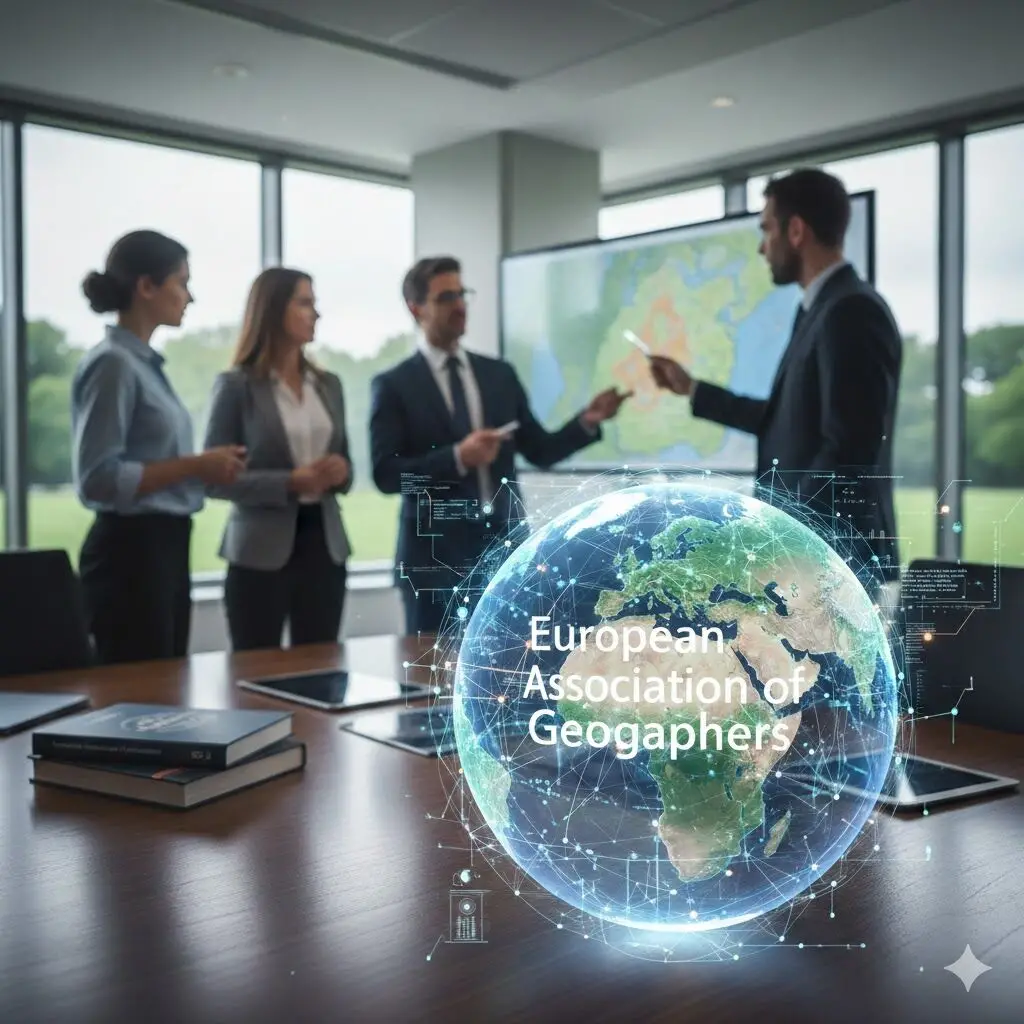
The European Association of Geographers (EUROGEO) stands as a cornerstone of the global scientific community. Established in 1979, this premier scientific society and international non-governmental organisation (NGO) has spent over four decades bridging the gap between geographical research and transformative public policy. From its primary secretariat at Liverpool Hope University in the United Kingdom to its participative role in the Council of Europe, EUROGEO is the driving force behind modern geographical thinking in the 21st century.
A Legacy of Excellence: Founded on Vision
The roots of EUROGEO trace back to Henk Meijer, the original chairman whose vision was to network geographers across borders to solve common continental challenges. What began as a collaborative effort has evolved under the current leadership of President Rafael de Miguel González into a sophisticated network representing academic researchers, educators, students, and professional geographers.
The association’s mission is clear: to advance the status of geography by promoting excellence in education, training, and research. In an era defined by rapid environmental and social shifts, EUROGEO ensures that "geographical literacy" remains a fundamental tool for decision-makers.
Bridging Science and Policy
One of EUROGEO’s most significant value propositions is its status as a participatory member of the Conference of International NGOs of the Council of Europe. This position allows the association to serve as a vital advocate for the discipline, ensuring that geographical perspectives inform European Union (EU) policies on migration, urban development, and environmental protection.
By maintaining active links with the European Commission and the UN-GGIM Academic Network, EUROGEO translates complex spatial data into actionable insights. Whether it is testifying on territorial cohesion or advising on the "Digital Earth" framework, the association ensures that geographers have a seat at the world’s most influential tables.
Innovation through European Projects
EUROGEO is not merely a theoretical body; it is a hub of practical innovation. The association is deeply embedded in high-impact European projects that utilize Geographic Information Systems (GIS) and digital mapping to address societal needs.
Key Strategic Initiatives:
-
Digital Earth & Geo-Media: Promoting the use of digital tools in classrooms to help students visualize global changes.
-
Ocean Literacy: Developing educational frameworks to enhance public understanding of marine environments and sustainability.
-
YouthMetre: An innovative project empowering young people to use data to influence EU youth strategy at local and national levels.
-
HERODOT Network: Fostering a community of practice for geography in higher education.
The European Journal of Geography (EJG)
A flagship of the association, the European Journal of Geography is a peer-reviewed, open-access publication that serves as a worldwide reference for the discipline. It covers a vast spectrum of specialization, including:
-
Sustainable Development: Researching the intersection of human activity and planetary boundaries.
-
Migration & Demography: Analyzing the spatial patterns of human movement in a changing world order.
-
GIS & Spatial Analysis: Advancing the technical frontier of how we map and interpret our world.
Membership and Global Networking
Joining EUROGEO provides more than just a title; it offers access to a global ecosystem of professionals. Members benefit from:
-
Annual Conferences & Workshops: Hosted in diverse European cities (such as the upcoming sessions in Vienna and Tilburg), these events are melting pots for research dissemination.
-
Professional Development: Through webinars and resource development, EUROGEO helps educators and professionals stay ahead of technological curves.
-
Collaborative Research: Members gain a platform to join international research consortia and EU-funded initiatives.
Addressing Global Challenges
The modern geographer is a problem-solver. EUROGEO empowers its members to tackle the most pressing issues of our time:
-
Climate Change: Using spatial modeling to predict impacts and develop mitigation strategies.
-
Urbanization: Designing sustainable cities that balance growth with quality of life.
-
Digital Literacy: Ensuring that the next generation can navigate a world of "Big Data" through a geographical lens.
Contact and Institutional Presence
Headquartered at the Hope Park Campus of Liverpool Hope University, near the scenic Childwall Woods, EUROGEO operates with a dedicated core of 10–50 employees and board members. While its primary language is English, its project resources are increasingly multilingual, reflecting the diversity of the European continent.
-
Address: Liverpool Hope University, Taggart Avenue, Liverpool, L16 9JD, UK.
-
Official Website: https://www.eurogeography.eu
-
Presidential Office: president@eurogeography.eu
Frequently Asked Questions
1. What is the primary mission of EUROGEO?
EUROGEO aims to advance the status of geography by promoting excellence in research, education, and professional training while advocating for the discipline in international policy forums.
2. Is EUROGEO an official NGO?
Yes, EUROGEO holds participatory status with the Council of Europe as an international non-governmental organisation (NGO).
3. Who can join the European Association of Geographers?
Membership is open to academic researchers, teachers, students, professional geographers, and anyone interested in the advancement of geographical sciences.
4. What is the "European Journal of Geography"?
It is a peer-reviewed, open-access scientific journal published by EUROGEO, focusing on innovative geographical research and spatial analysis.
5. Where is the EUROGEO headquarters located?
The primary secretariat and presidential office are located at Liverpool Hope University in Liverpool, United Kingdom.
6. Does EUROGEO provide training in GIS?
Yes, through various European projects like "Digital Earth" and specialized workshops, EUROGEO provides resources and training for GIS and digital mapping technologies.
7. How does EUROGEO influence European policy?
Through its role in the Conference of International NGOs of the Council of Europe and its partnerships with the European Commission, EUROGEO provides expert geographical advice to policymakers.
8. What are the accepted payment methods for membership?
EUROGEO accepts bank transfers, major credit/debit cards, and PayPal for membership fees and conference registrations.
9. What major projects is EUROGEO currently involved in?
EUROGEO leads or participates in several projects focused on Youth Engagement (YouthMetre), Digital Data Literacy (D3), and Sustainable Development.
10. How can I participate in the EUROGEO Annual Conference?
Interested parties can submit abstracts or register as delegates through the official EUROGEO website, where details for the upcoming annual conferences are posted.
Top Categories
- Business Services 137
- Educational Services 93
- Event Organiser 45
- Health and Wellbeing 17
- Advertising Agencies 16
- Home and Garden 13
- Automotive 13
- Manufacturing Services 8
- Engineering 8
- Entertainment Services 5
- Legal Services 4
- Financial Services 4
- Gardening Services 4
- Accountants 2
- Cleaning Services 2
Top Viewed Articles
-
 Top Rated and Most Reliable Dentists in London
Jul 20 61
Top Rated and Most Reliable Dentists in London
Jul 20 61 -
Top Rated and Most Reliable Parking in London
Jul 09 54
-
Top Rated and Most Reliable Doctors in London
Jul 20 41
-
Top Rated and Most Reliable Junkyards in London
Jul 20 34
-
University of Sheffield: A Global Leader in Research & Student Excellence
Apr 04 30

Spread the Word
Know someone who would love this? Share it with them!