The Pillar of Global Accountancy
The Institute of Chartered Accountants in England and Wales (ICAEW) stands as a beacon of excellence in the global financial landscape. With over 200,000 members and students worldwide, it is not merely a professional membership organization but a cornerstone of the global economy. Founded by Royal Charter in 1880, ICAEW has spent over 140 years defining the standards of the accountancy profession, promoting technical expertise, and advocating for the public interest.
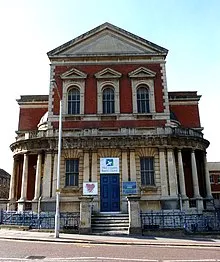
Headquartered at the historic Chartered Accountants' Hall in London, ICAEW bridges the gap between traditional professional values and the rapid digital transformation of the 21st-century finance world.
The Heritage of Excellence: A History Since 1880
The origins of ICAEW are rooted in the industrial revolution. As businesses grew in complexity, the need for transparent, professional financial reporting became paramount.
The Royal Charter
On 11 May 1880, Queen Victoria granted the Royal Charter that officially established the Institute. It was formed through the incorporation of five provincial societies, including the Institute of Accountants in London led by William Quilter, the first President.
Milestones of Inclusion and Growth
-
1920: Mary Harris Smith became the first woman to be admitted as a chartered accountant in the world, marking a significant step toward gender equality in the profession.
-
1957: A landmark merger with the Society of Incorporated Accountants solidified ICAEW’s dominance as the primary body for accountants in the UK.
-
2025 and Beyond: Today, ICAEW is a founding member of Chartered Accountants Worldwide (CAW) and the Global Accounting Alliance (GAA), ensuring that the "ACA" designation is recognized in every major financial market.
The ACA Qualification: The Gold Standard
The ACA (Associate Chartered Accountant) is widely regarded as one of the most advanced learning and professional development programs available. It is designed to create business leaders, not just number-crunchers.
The Four Components of the ACA
To qualify as an ICAEW Chartered Accountant, students must complete four integrated elements:
-
Professional Development: Honing skills in communication, teamwork, and decision-making.
-
Ethics and Professional Scepticism: Ensuring every member acts with integrity and objectivity.
-
Practical Work Experience: 450 days of on-the-job training with an Authorized Training Employer (ATE).
-
15 Accountancy, Finance, and Business Modules: Rigorous examinations divided into three levels.
The Three Exam Levels
-
Certificate Level: Six modules covering the fundamentals (Accounting, Law, Principles of Taxation, etc.).
-
Professional Level: Six modules focused on application (Business Planning, Financial Management, Audit and Assurance).
-
Advanced Level: The final three modules (Corporate Reporting, Strategic Business Management, and the Case Study), testing the ability to solve complex, real-world business problems.
The Digital Evolution: Next Generation ACA
As the business world evolves, so does the ICAEW curriculum. Starting in September 2025, ICAEW is launching the "Next Generation ACA." This update represents one of the most significant shifts in the qualification's history, designed to equip future chartered accountants with the tools to lead in a technology-driven landscape.
Key enhancements include:
-
AI and Data Analytics Integration: Students will learn to harness artificial intelligence for predictive auditing and financial modeling.
-
Specialized Learning Paths: Greater flexibility for students to focus on areas like sustainability assurance, technology, or advanced tax during their final stages.
-
Digital Learning Materials: Moving toward a fully digital learning experience through partners like BibliU, ensuring materials are accessible and updated in real-time.
Membership Benefits: Beyond the Letters
Becoming an ICAEW member provides a lifetime of professional support. Whether you are an ACA (Associate) or an FCA (Fellow), the resources available are world-class.
The Library and Information Service
Based at Moorgate Place, the ICAEW Library is one of the most comprehensive accounting and finance libraries in the world. It provides members with:
-
Access to over 60,000 books and hundreds of journals.
-
Online databases like Croner-i and LexisNexis.
-
Bespoke research services for technical and historical inquiries.
Continuing Professional Development (CPD)
ICAEW ensures its members remain at the cutting edge through mandatory CPD. The organization provides:
-
Technical Advisory Services: Expert help on tax, audit, and ethics.
-
Faculties and Communities: Specialized groups for sectors like Corporate Finance, Tax, and Financial Services.
-
Global Networking: Events held at One Moorgate Place and across regional offices in Asia, the Middle East, and Europe.
Diversity, Inclusion, and Social Mobility
ICAEW is committed to the belief that the accountancy profession should be open to everyone, regardless of their background. Their Diversity and Inclusion strategy focuses on:
-
Social Mobility: Partnering with schools and universities to attract talent from underrepresented socioeconomic groups.
-
The ICAEW Foundation: Providing bursaries to students in the UK and internationally who face financial barriers to education.
-
Equitable Recruitment: Offering resources to employers to help mitigate unconscious bias in the hiring and onboarding processes.
Supporting Small and Medium Practices (SMPs)
While ICAEW works closely with the "Big Four," a significant portion of its membership belongs to Small and Medium Practices (SMPs). ICAEW provides tailored support to help these firms thrive:
-
Regulatory Guidance: Helping smaller firms navigate complex changes in International Standards on Auditing (ISAs) and local audit reforms.
-
Talent Strategy: Providing insights on how smaller practices can compete for top finance talent by offering flexibility, purpose-driven work, and attentive training.
-
Practice Assurance: A quality assurance scheme that helps firms maintain the highest standards of client service and professional conduct.
Professional Standards and Ethics
Integrity is the core of the ICAEW brand. The Professional Standards Department (PSD) operates as an independent regulator to protect the public interest.
The Code of Ethics
Every member must adhere to the ICAEW Code of Ethics, which is based on five fundamental principles:
-
Integrity: Being straightforward and honest.
-
Objectivity: Avoiding bias and conflicts of interest.
-
Professional Competence and Due Care: Maintaining knowledge and skill.
-
Confidentiality: Respecting the privacy of client information.
-
Professional Behavior: Complying with laws and avoiding actions that discredit the profession.
Wellbeing and the "caba" Charity
Recognizing the high-pressure nature of the finance profession, ICAEW members and students have access to caba, the dedicated charity for ICAEW chartered accountants.
-
Mental Health Support: Providing free, confidential counseling and talking therapies for stress, anxiety, and burnout.
-
Financial Assistance: Means-tested grants for those facing hardship, covering essential living expenses or membership fees.
-
Career Coaching: Helping members return to work after career breaks or navigate redundancy.
One Moorgate Place: A Landmark for Members
The physical home of ICAEW is Chartered Accountants' Hall, a Grade II listed building near Moorgate Station. Known commercially as One Moorgate Place, it serves several functions:
-
Member Business Centre: A modern space for work and meetings with free Wi-Fi.
-
The Club: A private member lounge and dining area.
-
Event Space: A venue for high-profile conferences, weddings, and corporate dinners.
Global Reach and Brand Association
ICAEW is more than a UK body; it is a global force. Through its association with Chartered Accountants Worldwide, ICAEW connects over 1.8 million members and students globally.
Key Brands under ICAEW:
-
ACA: The premier qualification.
-
BFP (Business and Finance Professional): A newer designation for those in the broader finance sector.
-
Economia: ICAEW’s flagship business publication, providing insights into economics and policy.
The Future: Sustainability and Technology
ICAEW is a leader in the "Net Zero" transition. The institute advocates for sustainable business practices and high-quality ESG (Environmental, Social, and Governance) reporting. Furthermore, the "Next Generation ACA" (launching in late 2025) integrates AI and data analytics into the syllabus to prepare students for the future of work.
Frequently Asked Questions
1. What does ICAEW stand for?
It stands for the Institute of Chartered Accountants in England and Wales.
2. How long does it take to qualify for the ACA?
Typically, it takes between three and five years to complete the 15 exams and the 450 days of practical work experience.
3. What is the difference between an ACA and an FCA?
An ACA is an Associate member. After ten years of membership and meeting specific professional requirements, a member can apply to become a Fellow (FCA), reflecting their seniority and experience.
4. Where is the ICAEW headquarters located?
Chartered Accountants' Hall, Moorgate Place, London, EC2R 6EA, United Kingdom.
5. Can I join ICAEW if I live outside the UK?
Yes, ICAEW has a massive international presence with offices in Singapore, Vietnam, China, and the UAE. Many international bodies have "Reciprocal Membership Agreements" with ICAEW.
6. What are the contact details for general inquiries?
You can reach them at +44 (0)20 7920 8100 or via email at [email protected].
7. Does ICAEW provide support for small practices?
Yes, through its "Practice Assurance" scheme and dedicated technical helplines, ICAEW provides extensive resources for sole practitioners and small firms.
8. Is the ACA qualification the same as a degree?
While not a university degree, the ACA is considered a Master’s-level (Level 7) qualification in terms of academic rigor and professional standing.
9. What amenities are available at Chartered Accountants' Hall?
Members have access to the Business Centre, the Library, the One Moorgate Place Club, event rooms, and free Wi-Fi.
10. How does ICAEW regulate its members?
Through the Professional Standards Department, which monitors compliance, handles complaints, and ensures all members follow the Code of Ethics and CPD requirements.

Top Categories
Top Viewed Articles




Spread the Word
Know someone who would love this? Share it with them!