
Discover All Articles
Explore 402 business insights in all locations
Educational Services
Apr 02, 2026
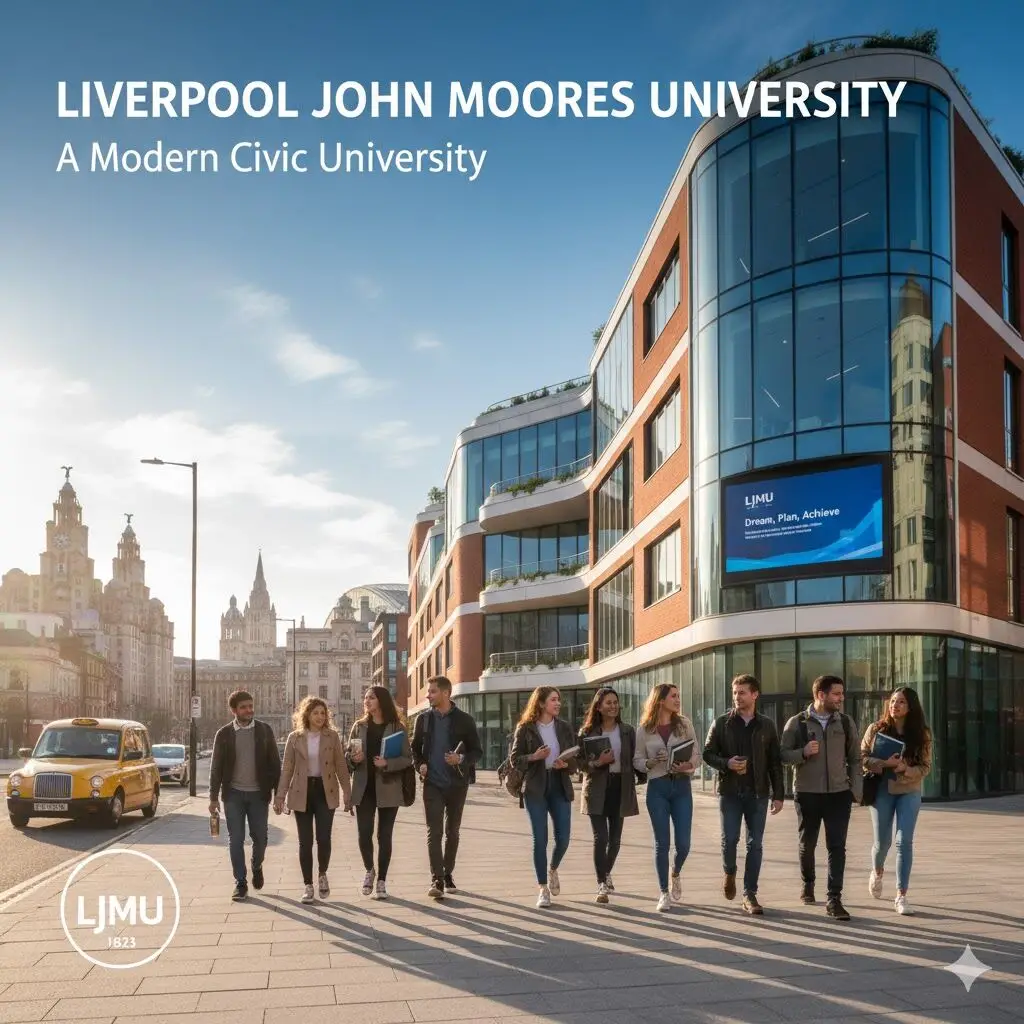
Liverpool John Moores University (LJMU): A Comprehensive Guide
The Spirit of a Modern Civic University
Liverpool John Moores University (LJMU) stands as a beacon of higher education in the heart of one of the world’s most iconic cities. Tracing its pioneering roots back to the Liverpool Mechanics' School of Arts in 1823, LJMU has evolved into a vibrant, modern institution that perfectly balances heritage with a forward-thinking mission. Today, it serves a global community of over 25,000 students from more than 100 countries, driven by the ethos of "Dream, Plan, Achieve."
As a public research university, LJMU is not just an educational provider; it is a "civic university." This means it is deeply embedded in the social and economic fabric of the Liverpool City Region, acting as an anchor institution that bridges the gap between academic theory and industry practice.
Academic Excellence and Specializations
LJMU is renowned for offering over 300 degree courses designed to empower individuals for the challenges of the 21st century. The university has earned prestigious recognition, including the TEF Silver rating for overall excellence and TEF Gold for student outcomes.
World-Leading Research Areas
The university is a global leader in several niche fields:
Sport and Exercise Sciences: Consistently ranked among the top in the UK and globally, LJMU was the first institution in the world to offer a single-honors degree in this discipline.
Astrophysics: The Astrophysics Research Institute (ARI) at LJMU is world-renowned, managing the Liverpool Telescope and contributing to groundbreaking space exploration.
Engineering and Maritime Studies: Utilizing 360° ship simulators and state-of-the-art labs, LJMU prepares graduates for high-stakes technical industries.
Forensic Science: With specialized scene-of-crime labs, LJMU offers one of the most practical forensic programs in the country.
The Liverpool Business School
Accredited by the AACSB, the Liverpool Business School provides undergraduate and postgraduate programs that emphasize real-world application, leadership, and innovation, ensuring students are world-ready.
Student Life and Campus Amenities
Located primarily near Liverpool Lime Street Station, the university's campus is integrated into the city's urban landscape. The Student Life Building at 10 Copperas Hill serves as the central hub for student services and socialization.
Facilities at a Glance
24/7 Library Access: Over 1,800 study spaces and a massive digital catalog ensure students can learn on their own schedules.
Sports Building: State-of-the-art gym facilities and indoor courts support both elite athletes and recreational fitness.
Specialist Labs: From the "Face Lab" for craniofacial reconstruction to broadcast-quality TV studios in the Screen School.
Wellbeing Support: A dedicated Student Advice and Wellbeing team provides mental health support, funding advice, and disability services.
Career Prospects and Graduate Outcomes
One of LJMU's greatest strengths is its focus on employability. Recent data from the Graduate Outcomes Survey indicates that approximately 95-97% of graduates are in work or further study within 15 months of finishing their course.
Through the "Student Futures" program, students gain access to:
Degree Apprenticeships: Combining work with academic study.
Industry Placements: Strong links with local and global businesses provide hands-on experience.
The Start-Up Hub: Support for students looking to launch their own businesses or freelance careers.
Strategic Location: Studying in Liverpool
Studying at LJMU means living in a city famed for its music, football, and maritime history. With a lower cost of living than London and a high density of museums and theaters, Liverpool offers an unrivaled student experience. The campus is a short walk from major landmarks and the vibrant Baltic Triangle.
Practical Information for Applicants
Physical Address: Student Life Building, 10 Copperas Hill, Liverpool, L3 5AH, UK.
Contact: +44 (0)151 231 2121
Email: courses@ljmu.ac.uk
Website: www.ljmu.ac.uk
Frequently Asked Questions
What is LJMU's ranking for Sport Science?
LJMU is consistently ranked in the top 10 in the UK and frequently appears in the global top 50 for Sports Science according to the QS World University Rankings by Subject.
Does LJMU offer scholarships for international students?
Yes, LJMU offers a range of international scholarships, typically in the form of tuition fee discounts for high-achieving undergraduate and postgraduate applicants.
How close is the campus to the city center?
The university is situated right in the city center. The Student Life Building is less than a 5-minute walk from Liverpool Lime Street Station.
Is accommodation guaranteed for first-year students?
Liverpool John Moores University generally guarantees high-quality, university-approved accommodation for all new students who apply by the deadline.
What are the primary teaching languages?
All courses are taught in English. Dedicated support is available for students whose first language is not English.
What makes LJMU a "civic university"?
It acts as an "anchor institution," meaning it partners with local businesses, health services, and cultural organizations to drive economic and social progress in Liverpool.
Can I work while studying at LJMU?
Yes, through "Unitemps," the university’s own recruitment agency, students can find part-time work on campus or within the city.
What are the entry requirements for undergraduate courses?
Entry requirements vary by course but generally range from 104 to 128 UCAS points. International equivalents are welcomed.
Does LJMU have a student union?
Yes, the John Moores Student Union (JMSU) represents all students and runs over 100 clubs and societies.
What is the significance of the name "John Moores"?
The university is named after Sir John Moores, a famous Liverpool businessman and philanthropist who founded the Littlewoods empire and was a major benefactor to the city’s education and arts.
London
4 Views

Business Services
Apr 02, 2026
Liverpool Law Society: Empowering the Legal Profession
Liverpool Law Society: A Pillar of Legal Excellence Since 1827
The Liverpool Law Society (LLS) stands as one of the most prestigious and active local law societies in the United Kingdom. Founded in 1827, it has spent nearly two centuries acting as the heartbeat of the legal community in the Liverpool City Region. With a mission to represent, support, and promote the legal profession, the Society ensures that Liverpool remains a global center of legal excellence.
A Legacy of Leadership: The History of Liverpool Law Society
The journey of the Liverpool Law Society began on August 25, 1827, when a group of visionary legal professionals met in a modest room at Clarendon Buildings. Led by Joshua Lace, the Society's first President and lead founder, the initial goal was to establish a Law Library to combat the high costs of legal texts.
By 1834, the organization transitioned from a library society to a full-fledged professional body. It was officially incorporated on February 13, 1869. Today, the Society represents over 2,000 members, ranging from high-street solicitors and barristers to members of the judiciary and in-house counsel at global corporations.
Value Proposition: Why Join the Liverpool Law Society?
For legal professionals in Merseyside and beyond, the LLS offers a powerful collective voice. In an era of rapid regulatory changes, the Society acts as a bridge between its members and national bodies like The Law Society of England and Wales, the Solicitors Regulation Authority (SRA), and local Members of Parliament.
1. Professional Representation
The Society is led by a General Council of over 25 members who meet regularly to discuss the challenges facing the sector. Through specialist committees (Civil Litigation, Family Law, Employment Law, etc.), members can influence policy and share best practices.
2. Continuing Professional Development (CPD)
Education is at the core of the LLS mission. As a recognized training provider, the Society hosts approximately 60 seminars and conferences annually. These sessions are designed to be SRA-compliant, covering everything from Anti-Money Laundering (AML) updates to the ethical implications of Artificial Intelligence in law.
3. Networking and Brand Association
Being a member of the Liverpool Law Society provides immediate prestige. Events such as the Annual Legal Awards and the Newly Qualified ceremony provide unparalleled networking opportunities, allowing junior lawyers to rub shoulders with senior partners and judges.
Services for the Public: "Find a Solicitor"
The Liverpool Law Society is not just for lawyers; it is a resource for the community. Through its "Find a Solicitor" public directory, the Society helps individuals and businesses locate regulated legal experts in the Liverpool City Region. While the Society does not provide legal advice directly, its directory is a trusted gateway to justice.
Modern Facilities and Member Amenities
Headquartered at the Helix on Edmund Street, the Society provides modern amenities for its diverse membership:
Training & Meeting Rooms: High-tech spaces for depositions, board meetings, or seminars.
Member Lounge: A professional space for networking between court sessions.
Online Resources: Access to specialized legal databases and digital archives.
Recruitment Support: A dedicated job board for legal talent acquisition.
Regional and National Influence
As a member of the Joint Five (alongside Birmingham, Bristol, Leeds, and Manchester), the Liverpool Law Society amplifies the voice of over 15,000 legal professionals. This regional powerhouse ensures that the Northern legal sector is represented in national debates regarding the rule of law and access to justice.
Frequently Asked Questions
1. What is the Liverpool Law Society?
The Liverpool Law Society is a professional membership organization and legal association representing over 2,000 legal professionals in the Liverpool City Region. It provides training, advocacy, and networking services.
2. Who can become a member of the Society?
Membership is open to solicitors, barristers, legal executives, members of the judiciary, law academics, and students. Corporate memberships are also available for law firms and in-house legal departments.
3. How do I find a solicitor through the Society?
You can use the "Find a Lawyer" search tool on the official website (https://www.liverpoollawsociety.org.uk) to search for member firms by area of law or location.
4. Does the Liverpool Law Society provide free legal advice?
No, the Society is a membership body and does not provide legal advice. However, it can direct you to member firms that offer pro bono or legal aid services.
5. What are the benefits of Corporate Membership?
Corporate membership covers all staff within a firm, providing them with discounted training rates, access to the Liverpool Law magazine, and inclusion in the public-facing directory.
6. Where is the Society located?
The physical address is 2nd Floor, Helix, Edmund Street, Liverpool, L3 9NY, UK. It is located near Moorfields Station and Old Hall Street.
7. How can I earn CPD points with the LLS?
The Society offers an extensive program of seminars and conferences. Members receive preferential rates on these training sessions, which are designed to meet SRA continuing competence requirements.
8. What is the "Joint Five"?
The Joint Five is a group of five autonomous local law societies (Birmingham, Bristol, Leeds, Liverpool, and Manchester) that collaborate to share best practices and represent regional legal interests at a national level.
9. What is the Liverpool Law magazine?
It is the Society’s monthly publication featuring legal news, updates from specialist committees, details on upcoming events, and articles from legal experts in the region.
10. How can I contact the helpdesk?
You can reach the Liverpool Law Society by phone at +44 (0)151 236 6998 or via email at contactus@liverpoollawsociety.org.uk.
Business Contact Summary
Address: 2nd Floor, Helix, Edmund Street, Liverpool, L3 9NY
Phone: +44 (0)151 236 6998
Website: https://www.liverpoollawsociety.org.uk
Hours: Mon–Fri: 9 AM – 5 PM
Registration: 00004302
London
6 Views
Educational Services
Apr 02, 2026
University of Liverpool: A World-Class Russell Group Leader
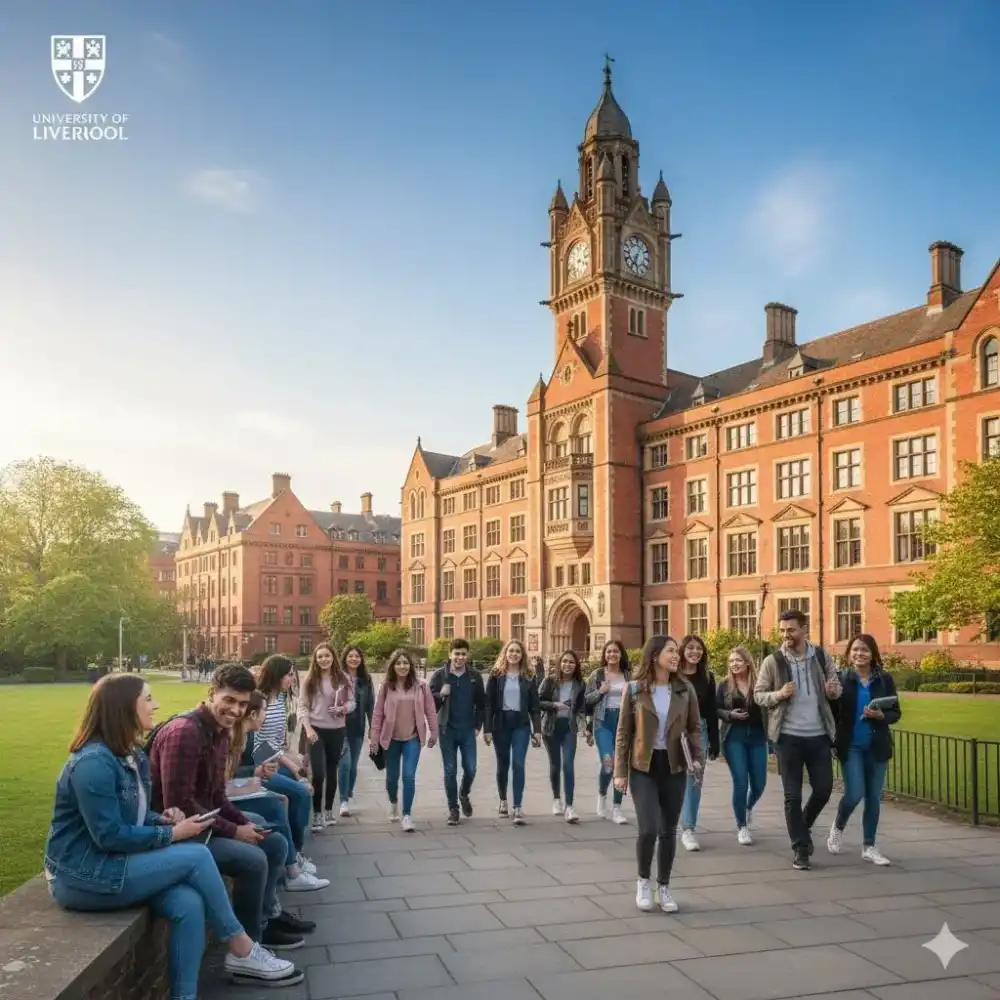
The University of Liverpool stands as a beacon of academic brilliance, historic significance, and forward-thinking research. As one of the UK’s most prestigious institutions, it is a founding member of the Russell Group and holds the distinguished title of the original "red brick" university. Established in 1881, the university has spent over a century "ennobling life and advancing learning," a mission that continues to drive its global reputation today.
In this comprehensive guide, we delve into why the University of Liverpool is a top choice for over 30,000 students from 127 countries, exploring its world-class faculties, groundbreaking research, and the unique lifestyle offered by one of the world's most culturally rich cities.
A Legacy of Innovation: The Original Red Brick University
The term "red brick" was first coined to describe the University of Liverpool’s iconic Victoria Building. While the architecture is historic, the mindset is anything but. From being the first university in the world to establish departments in Architecture, Biochemistry, and Tropical Medicine, Liverpool has always been a pioneer.
Historical Milestones
1881: Founded as University College Liverpool.
1903: Granted a Royal Charter, becoming an independent university.
1994: Becomes a founding member of the Russell Group, representing the UK's leading research-intensive universities.
Modern Day: Consistently ranked in the top 200 globally (Times Higher Education and QS World University Rankings).
World-Class Academic Faculties
The University of Liverpool organizes its academic excellence into three primary faculties, each housing world-renowned schools and research institutes.
Faculty of Health and Life Sciences
This faculty is a powerhouse of medical and biological innovation. It includes the Liverpool School of Tropical Medicine (the first of its kind) and highly sought-after programs in Medicine, Dentistry, and Veterinary Science.
Key Strength: 91% of research is rated world-leading or internationally excellent (REF 2021).
Specialization: Pioneering work in personalized medicine, antimicrobial resistance, and infectious diseases.
Faculty of Science and Engineering
From the Materials Innovation Factory (MIF) to the Institute of Digital Engineering, this faculty drives the technologies of the future.
Materials Science: Home to world-leading facilities for automated lab equipment and AI-driven discovery.
Computer Science: Advancing frontiers in algorithms, cybersecurity, and robotics.
Faculty of Humanities and Social Sciences
This faculty explores the human experience through the School of the Arts, Law and Social Justice, and the Management School (AACSB Accredited).
Architecture: The first RIBA-accredited school in the UK.
Management: Ranked among the best globally for its MBA and specialized Masters programs.
Global Reach and the XJTLU Partnership
One of the university's most unique value propositions is its international footprint. The Xi’an Jiaotong-Liverpool University (XJTLU) in Suzhou, China, is a landmark partnership that allows students to gain a UK degree in one of the world's fastest-growing economies. This "global gateway" ensures that Liverpool graduates are true global citizens.
Research That Changes the World
Research at Liverpool isn't just academic; it’s impactful. The university tackles "Grand Challenges" including:
Climate Change: Researching ocean sciences and sustainable energy solutions.
Global Health: Leading clinical trials and vaccine development.
Heritage: Preserving global history through digital heritage and archaeology.
The Liverpool Student Experience: Life in a Vibrant City
Liverpool is frequently voted one of the friendliest and most affordable student cities in the UK.
Campus Life
The campus is a "city within a city," located just a short walk from the historic Liverpool Lime Street Station.
The Guild of Students: With over 200 student-led societies, there is a community for every interest—from debating to skydiving.
Sport Liverpool: State-of-the-art gyms, swimming pools, and over 50 sports clubs.
Libraries: The Sydney Jones and Harold Cohen libraries offer 24/7 access to millions of resources and quiet study zones.
Amenities and Support
Careers Support: High employability rates due to dedicated career coaching and industry links.
Student Health: On-campus GP services and extensive mental health support.
Sustainability: Ranked in the Top 50 globally for sustainability (QS Sustainability Rankings).
Careers and Employability: Shaping Future Leaders
A degree from the University of Liverpool is a mark of quality recognized by employers worldwide. The university's strong ties with industry leaders like Unilever, IBM, and the NHS provide students with unparalleled internship and networking opportunities.
Notable Alumni and Nobel Laureates
The university’s impact is best reflected in its people. Liverpool has been associated with nine Nobel Prize winners, including:
Sir Ronald Ross: First Briton to win a Nobel Prize (Medicine) for his work on malaria.
Sir James Chadwick: Discoverer of the neutron.
Har Gobind Khorana: Nobel Laureate in Physiology/Medicine.
Professor Joseph Rotblat: Nobel Peace Prize winner for his work on nuclear disarmament.
Admissions and Practical Information
For those looking to apply, the University of Liverpool offers a streamlined process for both domestic and international applicants.
Essential Contact Details
Address: Foundation Building, 765 Brownlow Hill, Liverpool, L69 7ZX, UK.
General Enquiries: +44 (0)151 794 2000
Email: enquiries@liverpool.ac.uk
Website: www.liverpool.ac.uk
Payment and Accessibility
The university accepts various payment methods, including bank transfers and online portals. International students are supported by a dedicated team that provides guidance on visas, English language requirements, and scholarships.
Frequently Asked Questions
1. Is the University of Liverpool a member of the Russell Group?
Yes, the University of Liverpool is a founding member of the Russell Group, which represents 24 leading UK universities committed to maintaining the highest research and teaching standards.
2. What are the most popular courses at the University of Liverpool?
The university is world-renowned for its programs in Medicine, Veterinary Science, Architecture, Law, and Engineering. Its Management School also attracts thousands of students annually.
3. How does the University of Liverpool rank globally?
The university consistently ranks in the Top 150-200 globally across major ranking systems like QS and Times Higher Education. It is also ranked in the top 15 in the UK for certain research and employability metrics.
4. What is the partnership with XJTLU?
Xi’an Jiaotong-Liverpool University (XJTLU) is an international joint venture between the University of Liverpool and Xi’an Jiaotong University in China. It offers students the chance to earn a degree from both institutions.
5. What support is available for international students?
Liverpool offers a comprehensive support package, including English language pre-sessional courses, dedicated international advisors, visa assistance, and specialized orientation weeks.
6. Where is the University of Liverpool located?
The main campus is located in the heart of Liverpool city center, near landmarks like Abercromby Square and Liverpool Lime Street Station. It also has a veterinary campus at Leahurst on the Wirral.
7. Does the university offer scholarships?
Yes, there are numerous undergraduate and postgraduate scholarships available for both UK and international students, often based on academic merit or specific regional criteria.
8. Is Liverpool an affordable city for students?
Compared to other major UK cities like London or Manchester, Liverpool is known for its relatively low cost of living, particularly regarding accommodation and social life.
9. What are the "red brick" universities?
"Red brick" universities refer to six civic universities founded in the major industrial cities of England in the late 19th and early 20th centuries. Liverpool is considered the original "red brick."
10. Can I visit the campus before applying?
Absolutely. The university holds regular Open Days (both physical and virtual) where prospective students can tour the facilities, meet lecturers, and speak with current students.
Why Choose Liverpool?
The University of Liverpool offers more than just a degree; it offers a transformational experience. Whether you are drawn by its TEF Gold-rated teaching, its status as a research powerhouse, or the vibrant cultural life of the city, Liverpool provides the perfect environment to grow academically and personally. Joining the University of Liverpool means joining a global network of 270,000 alumni who are changing the world every day.
London
10 Views
Health and Wellbeing
Apr 02, 2026
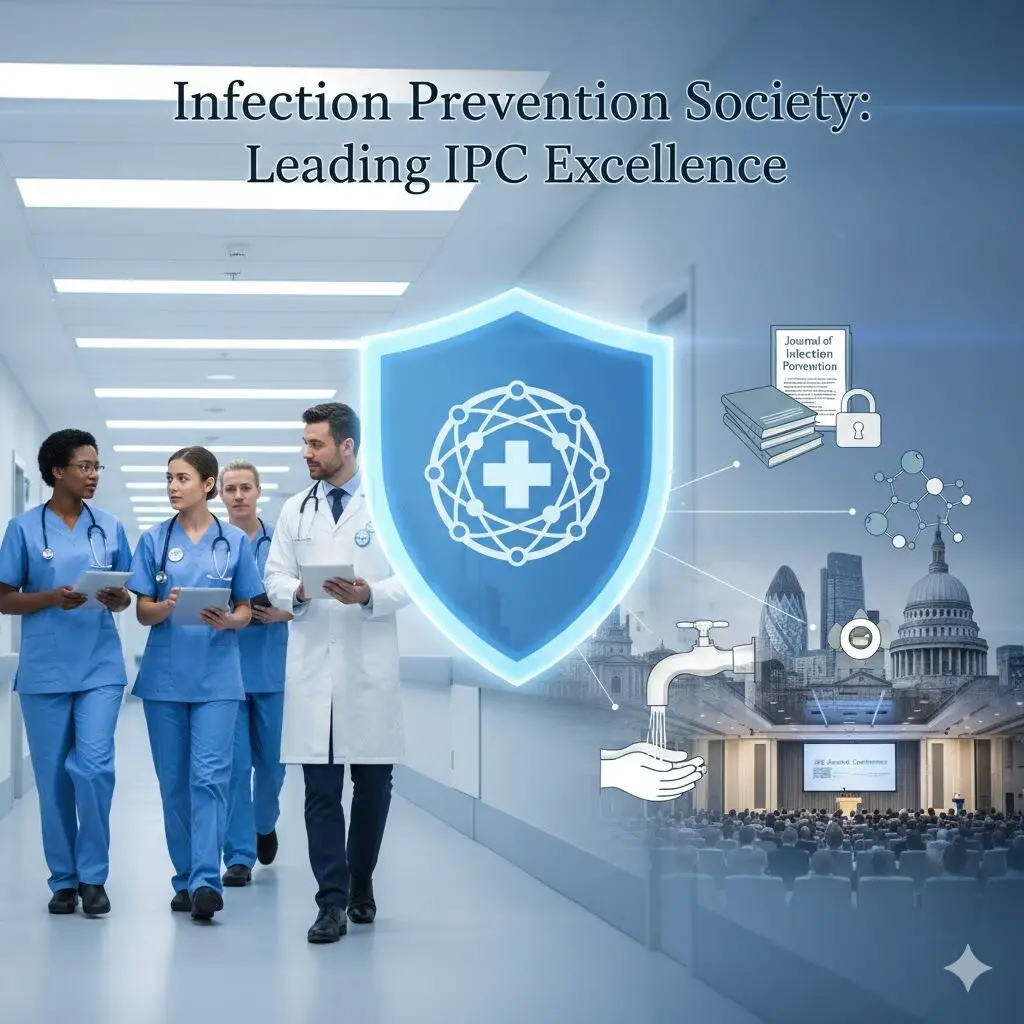
Infection Prevention Society: Leading IPC Excellence
In an era where global health security is constantly challenged by emerging pathogens and the silent shadow of antimicrobial resistance (AMR), the role of specialized healthcare associations has never been more critical. At the forefront of this battle stands the Infection Prevention Society (IPS), a premier professional organization and registered charity headquartered in London, United Kingdom.
Dedicated to shaping the future of Infection Prevention and Control (IPC), the IPS serves as a vital bridge between clinical practice, government policy, and academic research. With a rich history spanning over five decades, the society represents a vibrant network of over 2,000 members, including nurses, doctors, epidemiologists, and specialized healthcare professionals.
Our Mission: A Vision for Harm-Free Care
The core mission of the Infection Prevention Society is to inform, promote, and sustain evidence-based infection prevention policy and practice. The ultimate goal is to create a healthcare system where no person’s health or wellbeing is harmed by a preventable infection. This vision extends beyond hospital wards into social care, community settings, and the global stage.
As a registered charity (No. 1120063), the IPS operates with a commitment to public benefit, ensuring that the latest scientific advancements in IPC are translated into practical, frontline standards that save lives.
A Legacy of Excellence: From ICNA to IPS
The roots of the society trace back to 1970, when it was founded as the Infection Control Nurses Association (ICNA). This was a pioneering period in British healthcare, marking the first time infection control was recognized as a distinct nursing specialty.
In 2007, reflecting the multidisciplinary nature of modern medicine, the organization rebranded as the Infection Prevention Society (IPS). Today, while it retains its strong nursing heritage, it has evolved into a diverse body encompassing all professionals dedicated to the prevention of healthcare-associated infections (HAIs).
The IPS Value Proposition: Empowering the IPC Workforce
The IPS is globally recognized for providing a robust framework for professional development. Its value proposition is built on four key pillars:
1. Education and Accreditation
The society offers specialist training courses and accreditation schemes that set the benchmark for IPC standards. The IPC Practitioner Competence Framework is a cornerstone resource, providing practitioners with a clear roadmap for career progression, from novice to expert levels.
2. The IPS Annual Conference & Exhibition
Widely respected as the premier event in the IPC calendar, the IPS Annual Conference brings together world-leading experts, researchers, and industry partners. It serves as a hub for networking, showcasing cutting-edge technology, and debating the latest clinical guidelines.
3. The Journal of Infection Prevention (JIP)
Members receive exclusive access to the Journal of Infection Prevention, a peer-reviewed publication that features original research, clinical reviews, and policy updates. The journal is an essential resource for staying abreast of developments in antimicrobial stewardship and clinical surveillance.
4. Research Grants and Advocacy
The IPS actively funds the next generation of IPC breakthroughs through exclusive research grants and educational awards. By working closely with the UK Health Security Agency (UKHSA) and international partners like the International Federation of Infection Control (IFIC), the IPS influences national policy and advocates for the highest safety standards.
Specialist Areas of Expertise
The IPS provides technical advice and resources across several critical domains of modern healthcare:
Antimicrobial Resistance (AMR): Leading strategies to ensure the sustainable use of antibiotics.
Hand Hygiene: Promoting the "Five Moments" and behavioral change in clinical settings.
Clinical Surveillance: Developing tools for the accurate tracking and reporting of infection rates.
Healthcare-Associated Infections (HAIs): Focusing on the reduction of MRSA, C. difficile, and Gram-negative bloodstream infections.
Membership and Community
With memberships starting at accessible rates for students and retired professionals, the IPS fosters a supportive community. Members are organized into Regional Branch Networks and Specialist Interest Groups (SIGs), allowing for tailored networking and peer support based on geographic location or clinical specialty (such as Mental Health or Care Homes).
Contact and Business Information
Headquarters: 71 Queen Victoria Street, London, EC4V 4BE, United Kingdom.
Landmark: Near Mansion House Station.
Helpdesk: +44 (0)1506 811077
Email: info@ips.uk.net
Website: www.ips.uk.net
Frequently Asked Questions
1. Who can join the Infection Prevention Society?
Membership is open to any healthcare professional with an interest in IPC, including nurses, doctors, pharmacists, epidemiologists, and domestic service managers.
2. Is the IPS a government body?
No, the IPS is an independent professional association and a registered charity. However, it works closely with government bodies to influence national IPC policy.
3. What is the IPC Practitioner Competence Framework?
It is a structured guide developed by the IPS to help practitioners assess their skills, identify gaps in knowledge, and plan their professional development in infection control.
4. How often is the IPS Annual Conference held?
The conference is an annual event, typically held in the autumn, featuring international speakers and a large-scale exhibition of IPC products.
5. Does the IPS provide resources for the general public?
While primarily a professional body, the IPS provides resources and advocacy that indirectly benefit the public by improving the safety of the healthcare system.
6. What are Specialist Interest Groups (SIGs)?
SIGs are sub-groups within the IPS focused on specific areas such as decontaminating medical devices, antimicrobial stewardship, or IPC in non-acute settings.
7. How is the IPS funded?
Funding is derived from membership fees, corporate partnerships, conference revenue, and charitable donations.
8. Can international professionals join the IPS?
Yes, the IPS welcomes international members and is a member of the International Federation of Infection Control (IFIC).
9. What is the "Blue Pages" in the context of the IPS?
The "Blue Pages" is a traditional term often associated with the society’s specialized directories or clinical guides used by practitioners for quick reference.
10. How can I apply for an IPS research grant?
Grant opportunities are announced periodically on the official website. Applicants must typically be active members of the society to be eligible.
London
9 Views
Article Posting
Get Started Today to Publish an Article
Educational Services
Apr 02, 2026
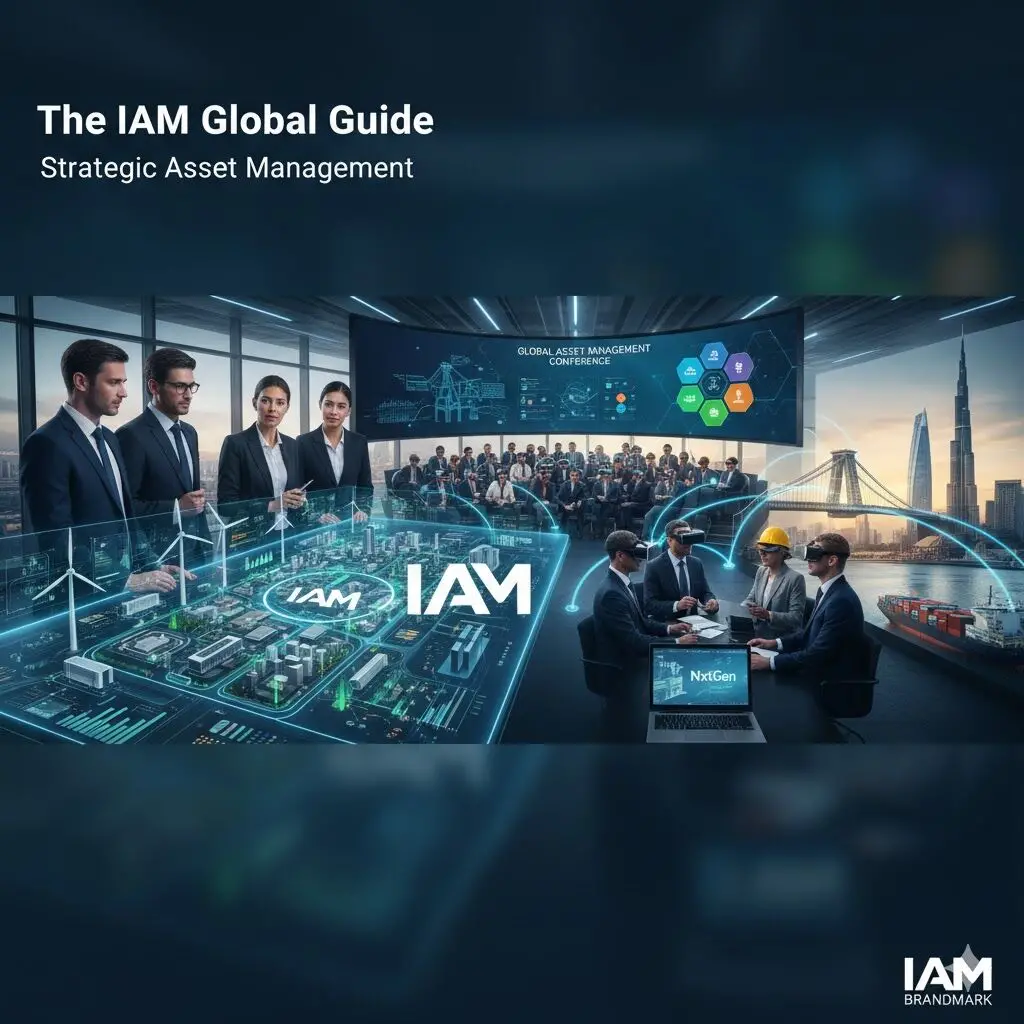
Global Authority on Excellence: A Comprehensive Guide to the IAM
A Comprehensive Guide to the Institute of Asset Management (IAM)
In an era where infrastructure resilience and sustainable value are paramount, the Institute of Asset Management (IAM) stands as the preeminent international professional body for those dedicated to the whole-life management of physical assets. Established in 1994, the IAM has evolved from a UK-centric practitioner group into a global powerhouse, shaping the standards, education, and professional identity of the asset management discipline.
What is the IAM?
The Institute of Asset Management (the IAM) is a not-for-profit, member-led organization headquartered in Bristol, United Kingdom. It serves as a collaborative platform for over 2,000 individual members and 300 corporate members worldwide. Its primary mission is to advance the science and practice of asset management for the public benefit.
At its core, the IAM defines Asset Management as the "coordinated activity of an organization to realize value from assets." This definition shifts the focus from merely "maintaining things" to a strategic, outcome-oriented approach that aligns physical infrastructure with organizational goals.
History and Visionary Leadership
Founded in 1994 and formally incorporated in 2004, the IAM was born out of a need for standardization during the privatization of UK utilities. Visionary practitioners recognized that a consistent framework was required to manage complex risks and long-term investment.
Today, under the leadership of CEO Ursula Bryan, the IAM continues to champion the "Asset Management as a Life Skill" philosophy. Ursula Bryan, an industry veteran with over 20 years of experience at National Grid, has been instrumental in pivoting the organization toward digital transformation, sustainability, and social equity in infrastructure.
The IAM Value Proposition: Why It Matters
The IAM’s value proposition is built on three pillars: Knowledge, Competence, and Community.
Global Leadership: As a founding member of the Global Forum on Maintenance & Asset Management (GFMAM) and World Partners in Asset Management (WPiAM), the IAM ensures its members are at the forefront of international trends.
Standardization: The IAM was the driving force behind PAS 55, the precursor to the internationally recognized ISO 55000 series.
Professional Recognition: Holding an IAM qualification is a mark of global professional standing, signaling a deep understanding of lifecycle planning and risk-based decision-making.
Professional Membership: Individual and Corporate
Membership in the IAM is more than a subscription; it is an entry into a global network of experts.
Individual Membership Tiers
Student: For those currently enrolled in IAM-recognized courses.
Associate (AInstAM): For those entering the field or interested in the discipline.
Member (MInstAM): For experienced practitioners who have demonstrated professional competence.
Fellow (FInstAM): The highest grade, awarded to senior leaders who have made significant contributions to the field.
Corporate Membership
Corporate members gain access to benchmarking tools, organizational maturity assessments (like SAM+), and a platform to influence global public policy. It is an essential step for organizations aiming for ISO 55001 certification.
Education and Qualifications: The Gold Standard
The IAM’s qualification framework is designed to support professionals at every stage of their career journey.
The IAM Certificate in Asset Management
This is the entry-level qualification, consisting of 5 modules:
Principles of Asset Management
Asset Management Policy, Strategy, and Planning
Managing Asset Lifecycle Decisions
Assessing and Managing Risks
Financial and Business Impact
The IAM Diploma in Asset Management
The Diploma is an advanced credential comprising 12 modules. It builds on the Certificate and adds critical topics such as:
Sustainable Asset Care: Integrating ESG and climate resilience.
Information & Knowledge: Mastering Digital Twins and BIM.
Change Management: Leading organizational culture shifts.
Contractor Management: Managing the supply chain for value.
The "Anatomy" of Asset Management
The IAM’s flagship resource, "Asset Management – an Anatomy," provides a comprehensive framework for the discipline. It breaks asset management down into six key domains:
Strategy & Planning: Aligning the Strategic Asset Management Plan (SAMP) with organizational objectives.
Asset Management Decision-Making: Using data and risk analysis to prioritize investments.
Lifecycle Delivery: From acquisition and systems engineering to maintenance and disposal.
Asset Information: Defining requirements and managing data quality.
Organization & People: Focusing on leadership, culture, and competence.
Risk & Review: Continuous improvement and contingency planning.
Global Impact: Chapters and Networking
The IAM operates through a "hub-and-spoke" model. While the UK remains the administrative center, regional chapters in North America, the Middle East, India, and Malaysia tailor the body of knowledge to local industry needs.
Events like the IAM Global Conference and NxtGen (for young professionals) provide forums for sharing best practices across sectors—utilities, transport, manufacturing, and the public sector.
Navigating ISO 55000 Standards
The IAM is the world’s leading provider of alignment support for ISO 55001. The standards focus on "What to do" to establish a management system for assets, while the IAM’s resources provide the "How to do it."
Key Components of ISO 55001 Alignment:
Context of the Organization: Understanding stakeholder needs.
Leadership: Ensuring top-level commitment to asset objectives.
Support: Providing the resources and competence (CPD) necessary for success.
The Future: Sustainability and Digitalization
Under current CEO Ursula Bryan, the IAM is focusing heavily on the intersection of asset management and Global Challenges. This includes:
Net Zero Goals: How asset managers can drive decarbonization.
Digital Twins: Moving from static data to real-time predictive modeling.
Social Equity: Ensuring infrastructure serves all communities fairly.
Join the Movement
Whether you are an individual looking to boost your career prospects or an organization seeking to maximize the value of your infrastructure, the Institute of Asset Management (IAM) provides the tools, network, and recognition needed to succeed. In a world of finite resources, professional asset management is no longer optional—it is the key to a sustainable future.
Frequently Asked Questions
1. What is the difference between the IAM Certificate and the IAM Diploma?
The Certificate is an introductory qualification covering 5 foundational modules, while the Diploma is an advanced professional credential covering 12 modules, including strategic leadership and sustainability.
2. Is the IAM a training provider?
The IAM itself sets the standards and exams but delivers training through its Endorsed Training Provider (ETP) scheme, ensuring high-quality education globally.
3. How does IAM membership support ISO 55001 certification?
IAM provides the SAM+ self-assessment tool and the "Anatomy" framework, which are essential for identifying gaps in an organization’s Asset Management System (AMS) before an ISO audit.
4. Can I join the IAM if I am not based in the UK?
Yes. The IAM is an international body with global chapters. Membership is open to anyone worldwide, with tiered pricing based on World Bank country classifications.
5. What are "NxtGen" members?
NxtGen is the IAM’s dedicated community for students and professionals in the first 10 years of their asset management career, providing targeted networking and mentorship.
6. What is a SAMP?
A Strategic Asset Management Plan (SAMP) is a high-level document that translates organizational objectives into asset management objectives and strategies.
7. How many members does the IAM have?
The IAM represents over 2,000 individual members and 300 corporate members, with a wider network of over 46,000 professionals.
8. What sectors benefit from IAM resources?
While rooted in utilities and transport, IAM practices are now widely used in manufacturing, healthcare, housing, and the military.
9. Does the IAM provide CPD?
Yes, the IAM is a recognized provider of Continuing Professional Development (CPD), offering workshops, webinars, and conferences that count toward professional credits.
10. How do I contact the IAM helpdesk?
You can contact the IAM office at +44 (0)117 450 4990 or via email at office@theiam.org. Their headquarters is located near Brandon Hill Park in Bristol, UK.
Contact Information Summary
Official Website: https://theiam.org
Headquarters: St Brandon's House, 29 Great George Street, Bristol, BS1 5QT, UK
Phone: +44 (0)117 450 4990
Primary Language: English
London
6 Views

Educational Services
Apr 02, 2026
British Society for Immunology (BSI): Leading Global Research
Driving Excellence in Global Health and Scientific Discovery
In the complex landscape of modern medicine, few fields are as pivotal as immunology. At the heart of this discipline in the United Kingdom stands the British Society for Immunology (BSI). Established in 1956, the BSI has grown from a small group of visionary scientists into one of the largest and most influential immunological societies in Europe and the world. As a registered educational charity and professional membership body, the BSI serves as the central nervous system for over 4,500 members, bridging the gap between laboratory bench research and life-saving clinical applications.
A Legacy of Innovation: The History of the BSI
The BSI was founded during a golden age of biological discovery. Its founders—John Humphrey, Robin Coombs, Bob White, and Avrion Mitchison—were titans of the field who recognized the need for a unified voice to represent the burgeoning science of the immune system. Since its inception in November 1956, the Society has remained headquartered in London, currently operating from 34 Red Lion Square, near the academic and clinical hub of Holborn Station.
Over the decades, the BSI has evolved alongside the science it supports. From the early days of defining antibody structures to today’s cutting-edge immunotherapy and mRNA vaccine technology, the BSI has provided the framework for collaboration that makes these breakthroughs possible.
Mission and Core Objectives
The mission of the British Society for Immunology is clear: to promote excellence in immunological research, scholarship, and clinical practice to improve human and animal health. To achieve this, the Society focuses on four strategic pillars:
Supporting the Community: Providing grants, career advice, and networking for scientists at every stage.
Driving Scientific Discovery: Publishing world-class research through its family of journals.
Influencing Policy: Acting as an expert voice for the government on issues like vaccination and healthcare funding.
Public Engagement: Improving public understanding of the immune system through evidence-based resources.
The BSI Value Proposition: A Hub for Professional Growth
For a research scientist or a clinical immunologist, BSI membership is more than just a credential; it is an entry point into a global ecosystem. The Society’s value proposition is built on providing "critical career support."
1. Extensive Grant Schemes
Navigating a career in academia or the NHS is challenging. The BSI offers a robust portfolio of Research Grants and Career Development Awards. These funds help early-career researchers attend international conferences, facilitate laboratory exchanges, and support diversity and inclusion initiatives within the sciences.
2. World-Class Scientific Journals
The BSI is the proud publisher of leading academic journals, including:
Clinical & Experimental Immunology (CEI): A high-impact journal focusing on translational immunology.
Discovery Immunology: A newer platform dedicated to fundamental, mechanistic insights.
Immunotherapy Advances: A fully open-access journal covering the latest in therapeutic applications.
By publishing with BSI journals, researchers ensure their work reaches a global audience while supporting the Society, as all profits are reinvested back into the immunology community.
3. The BSI Annual Congress
The BSI Congress is the largest national immunology event in Europe. Attracting over 1,500 delegates annually, it serves as the premier stage for presenting new data, hearing from Nobel-prize-winning speakers, and fostering the "high-impact networking" that leads to multi-institutional collaborations.
Specialized Focus Areas
Immunology is a broad "umbrella" science. The BSI provides specialized support through Affinity Groups, which focus on specific niches such as:
Tumour Immunology & Immunotherapy: Revolutionizing cancer treatment.
Infectious Disease & Vaccines: Critical for pandemic preparedness.
Autoimmunity & Inflammation: Tackling conditions like Rheumatoid Arthritis and Lupus.
Neuroimmunology: Exploring the link between the immune system and brain health.
Public Advocacy and Vaccine Engagement
Perhaps the BSI's most public-facing role is its work in Vaccine Advocacy. In an era of medical misinformation, the BSI serves as a "Gold Standard" source for evidence-based information. During the COVID-19 pandemic, the BSI was instrumental in briefing the media and providing the public with easy-to-understand guides on how vaccines interact with the immune system.
Business Information & Contact Details
For those looking to collaborate, join, or seek expert commentary, the BSI maintains an open and professional helpdesk.
Headquarters: 34 Red Lion Square, London, WC1R 4SG, UK.
Phone: +44 (0)203 019 5901
Email: bsi@immunology.org
Website: www.immunology.org
Working Hours: Monday to Friday, 9:00 AM – 5:00 PM GMT.
Registration: Charity No. 1043255 | Company No. 03005933.
Membership and Payment Options
The BSI welcomes members worldwide, offering tiers for students, professional scientists, clinicians, and corporate partners.
Accepted Payments: Direct Debit, Credit/Debit Cards, PayPal, and Bank Transfers.
Languages: Operations and publications are conducted in English.
Frequently Asked Questions
1. Who can join the British Society for Immunology?
Membership is open to anyone with an interest in immunology, including research scientists, clinicians, nurses, students, and corporate representatives. There are specific categories tailored to your career stage.
2. How does the BSI support early-career researchers?
The BSI provides specific travel bursaries, career development grants, and a dedicated "Early Career" section at the BSI Congress to help young scientists build their profiles.
3. Where is the BSI Congress held?
The location of the BSI Congress rotates annually among major UK cities like Liverpool, Birmingham, and Belfast to ensure accessibility for all regional members.
4. Can I access BSI journals for free?
BSI members often receive discounts on publication fees. While some journals are "Hybrid," others like Immunotherapy Advances are fully Open Access, making research free for everyone to read.
5. Is the BSI involved in government policy?
Yes. The BSI regularly submits evidence to UK Parliamentary inquiries and works with the Science Council and the Royal Society of Biology to advocate for science funding and public health policy.
6. Does the BSI provide medical advice to the public?
The BSI provides educational resources about how the immune system works (e.g., vaccine guides), but it does not provide individual clinical medical advice. Patients should always consult a GP or clinical immunologist.
7. How can I apply for a BSI grant?
Grant applications are submitted through the member-only resource portal on the official BSI website. Deadlines vary depending on the specific award.
8. What are BSI Affinity Groups?
Affinity Groups are specialist networks within the BSI focused on specific areas of research (like Neuroimmunology or Stroma Immunology). They host their own niche meetings and forums.
9. Is the BSI an international organization?
While based in the UK, the BSI has over 4,500 members globally and is a key member of the International Union of Immunological Societies (IUIS).
10. How is the BSI funded?
As a charity, the BSI is funded through membership subscriptions, journal publication revenue, congress registrations, and donations. Every penny is reinvested into supporting the immunology community.
The British Society for Immunology remains at the forefront of life-saving immunological breakthroughs. By fostering a culture of collaboration and excellence, the BSI ensures that the UK remains a global leader in life sciences. Whether you are a student looking for your first grant or a senior clinician shaping health policy, the BSI is the essential home for your professional journey in immunology.
London
3 Views

Educational Services
Apr 02, 2026
The Association for Science Education (ASE) Guide
In the rapidly evolving landscape of global education, science remains the bedrock of innovation and understanding. At the heart of this mission in the United Kingdom stands The Association for Science Education (ASE). As the largest professional membership body for individuals involved in science education, the ASE serves as a vital bridge between pedagogical research, classroom practice, and government policy.
Who is The Association for Science Education (ASE)?
The Association for Science Education is a registered charity and a member-led organization dedicated to promoting excellence in the teaching and learning of science. Founded in its current form in 1963—through the merger of the Science Masters' Association and the Association of Women Science Teachers—the ASE has a legacy that stretches back over a century.
Headquartered in Hatfield, Hertfordshire, near the University of Hertfordshire, the ASE represents a diverse community. Its members include:
Primary and secondary school teachers.
Laboratory technicians.
Curriculum developers and advisors.
Higher education researchers and teacher trainers.
By acting as a "powerful voice" for these professionals, the ASE ensures that science education remains a priority for policymakers and that educators have the tools they need to inspire the next generation of scientists.
The ASE Mission and Value Proposition
The ASE’s mission is centered on science literacy and high-quality pedagogy. In an era of "fake news" and rapid technological change, the ability of citizens to think critically and understand scientific principles is more important than ever.
1. Professional Development and Support
The ASE provides unparalleled Continuing Professional Development (CPD). Through workshops, regional meetings, and the world-renowned ASE Annual Conference, members gain insights into the latest teaching strategies and scientific advancements.
2. Exclusive Publications
Members receive access to prestigious, peer-reviewed journals that are considered the "gold standard" in the field:
School Science Review (SSR): Focused on science education for the 11–19 age range.
Education in Science (EiS): The official magazine of the ASE, covering news, views, and updates.
Primary Science: Dedicated to the unique challenges and joys of teaching science to younger learners.
3. Advocacy and Policy Influence
The ASE doesn’t just react to change; it drives it. By working closely with government bodies, exam boards, and industry leaders, the ASE helps shape the national curriculum and assessment frameworks. They champion the importance of practical science and ensure that the teacher's voice is heard in the halls of power.
Professional Status and Certifications
One of the most significant benefits of ASE involvement is the opportunity for professional recognition. The ASE is licensed by the Science Council to award several prestigious professional statuses:
Chartered Science Teacher (CSciTeach): A hallmark of excellence for experienced teachers.
Registered Scientist (RSci): Recognizing high-level skills and knowledge.
Registered Science Technician (RSciTech): Validating the essential role technicians play in science departments.
These post-nominal letters provide tangible evidence of a professional’s commitment to their craft and their ongoing development.
Resources for the Modern Classroom
The ASE is a treasure trove of practical resources. Whether you are looking for technical safety advice via their health and safety guidance or looking for "concept cartoons" to spark debate in a primary classroom, the ASE provides evidence-based materials.
Health and Safety
Science teaching involves inherent risks. The ASE provides critical advice on laboratory management, chemical storage, and safe practical demonstrations, ensuring that both staff and students remain safe while exploring the wonders of the physical world.
Technical Advisory Service
The ASE's Technical Advisory Service is an essential lifeline for school technicians. It offers expert guidance on equipment maintenance, preparation Room management, and the latest health and safety regulations.
The ASE Annual Conference: A Highlight of the Year
The ASE Annual Conference is Europe’s largest science education event. Traditionally held in January, it brings together over 2,000 delegates for hundreds of sessions, workshops, and exhibitions. It is a unique space where a trainee teacher can share a coffee with a Nobel Prize winner or a curriculum lead, fostering a true sense of community.
Why Membership Matters
Joining the ASE is an investment in your career and the future of science education. Membership offers:
Networking: Connect with a UK-wide and international network of peers.
Discounts: Save on resources, books, and conference tickets.
Support: Access to a dedicated helpdesk (+44 (0)1707 283000) and member-only areas of the website.
Business Information at a Glance
Address: College Lane, Hatfield, Hertfordshire, AL10 9AA, United Kingdom.
Contact: info@ase.org.uk | +44 (0)1707 283000
Website: www.ase.org.uk
Charity Number: 313149 (England/Wales) | SC039239 (Scotland)
Working Hours: Monday to Friday, 9 AM – 5 PM.
Frequently Asked Questions
1. Who can join the ASE?
Anyone involved in science education can join, including primary and secondary teachers, technicians, trainees, tutors, and researchers.
2. Is the ASE only for UK-based teachers?
While the ASE is based in the UK and focused on the UK curriculum, it has a global reach and welcomes international members interested in science pedagogy.
3. What is CSciTeach status?
Chartered Science Teacher (CSciTeach) is a professional designation that recognizes excellence in teaching and a commitment to continuing professional development.
4. Does the ASE provide resources for primary schools?
Yes, the ASE has a dedicated "Primary Science" section and journal, providing resources tailored for early years and Key Stages 1 and 2.
5. How can I contact the ASE helpdesk?
You can reach the helpdesk at +44 (0)1707 283000 or via email at info@ase.org.uk.
6. What are the benefits for science technicians?
Technicians benefit from specialized safety advice, the RSciTech professional registration, and dedicated sessions at the Annual Conference.
7. How does the ASE influence government policy?
The ASE acts as a consultative body for the Department for Education and exam boards, ensuring that policy decisions are informed by classroom reality.
8. Are there student or trainee discounts for membership?
Yes, the ASE offers significantly discounted rates for students and early-career teachers to encourage professional growth from the start of their journey.
9. Where is the ASE Annual Conference held?
The location changes annually, often hosted by major UK universities such as the University of Nottingham or the University of Reading.
10. Can I pay for my membership via Direct Debit?
Yes, the ASE accepts several payment methods, including Direct Debit, Credit/Debit cards, and Bank Transfers.
The Association for Science Education (ASE) is more than just a membership body; it is the cornerstone of the science teaching community. By providing high-quality resources, advocacy, and professional recognition, the ASE ensures that science educators are supported, inspired, and empowered to deliver the best possible education to their students. Whether you are a newly qualified teacher or a seasoned lab technician, the ASE is your partner in professional excellence.
London
8 Views

Business Services
Apr 02, 2026
BiP Solutions: 40 Years of Procurement Excellence
A Legacy of Procurement Innovation
In the intricate world of public sector procurement, success is defined by transparency, efficiency, and the strength of the bridge between buyers and suppliers. For over four decades, BiP Solutions Limited has stood as the primary architect of that bridge. Founded on January 9, 1984, by Ron Burges, BiP Solutions has evolved from a specialized publication house into a global leader in business intelligence and eSourcing technology.
Headquartered in the vibrant Media City area of Pacific Quay, Glasgow, BiP Solutions is more than just a software provider; it is a critical pillar of the UK’s economic infrastructure. With a mission to empower both government and business to create a better society through smarter procurement, the organization serves as a catalyst for social and economic prosperity.
40 Years of Excellence: The BiP Journey
The story of BiP Solutions is one of continuous adaptation. In 1984, the procurement landscape was largely paper-based and fragmented. Ron Burges recognized a massive information gap: suppliers struggled to find opportunities, and public bodies lacked the tools to engage the market effectively.
By investing heavily in technology and human expertise, BiP transitioned through the digital revolution to become a SaaS (Software as a Service) powerhouse. Today, with over 250 employees and a footprint that spans the UK—including a significant presence in Manchester—the company supports over 5,000 public and private sector clients and a staggering 250,000 suppliers.
Core Pillars of Service
BiP Solutions operates through a diverse portfolio of brands, each designed to tackle a specific challenge in the procurement lifecycle.
1. Business Intelligence Platforms: Tracker Intelligence
At the heart of the supplier-side offering is Tracker Intelligence. In a competitive market, information is the ultimate currency. Tracker provides businesses with:
Tailored Opportunities: Real-time alerts for tenders that match specific business profiles.
Market Analysis: Insights into where the government is spending, allowing for strategic long-term planning.
Competitor Intelligence: Visibility into who is winning contracts and at what price point, enabling smarter bidding strategies.
2. eSourcing & eProcurement: Delta eSourcing
For the public sector, Delta eSourcing offers an end-to-end solution that simplifies the complex tendering process. It ensures compliance with the latest UK procurement regulations while driving efficiency. Key features include:
Tender Management: A centralized portal for publishing notices and managing submissions.
Supplier Engagement: Tools to encourage competition and ensure a diverse range of bidders, including SMEs.
Transparency & Audit Trails: Every interaction is logged, providing the accountability required for public spending.
3. Professional Training: PASS (Procurement Advice and Support Service)
Procurement is a highly regulated field. The PASS team provides essential training and consultancy to both buyers and suppliers. Whether it’s navigating the implications of the Procurement Act 2023 or mastering the art of bid writing, PASS ensures that stakeholders have the technical accreditation and knowledge to succeed.
4. Media and B2G Marketing: Promark Media & Cadence Marketing
Winning a contract often starts long before a tender is published. Through Promark Media and Cadence Marketing, BiP Solutions helps businesses build brand authority within the public sector. By leveraging a unique database of B2G (Business-to-Government) contacts, they offer managed email campaigns, webinars, and market research that put brands in front of the right decision-makers.
Why BiP Solutions Matters for the UK Economy
The UK public sector spends over £300 billion annually on goods and services. BiP Solutions ensures that this money is spent effectively. By lowering the barriers to entry for Small and Medium-sized Enterprises (SMEs) through platforms like Supply2Gov, BiP fosters a more competitive and innovative marketplace.
Commitment to Social Value
Following the principles of the Social Value Act, BiP Solutions helps buyers integrate social, economic, and environmental considerations into their procurement. As a Living Wage Employer and an ISO-accredited organization, BiP leads by example, demonstrating that "smarter procurement" is synonymous with "responsible procurement."
Navigating the Future: AI and Machine Learning
Under the leadership of CEO Simon Burges, BiP Solutions is currently spearheading the "next generation" of business intelligence. The recent launch of Healthcare Contracts International (HCI) showcases their investment in AI and machine learning. These technologies allow for even more precise matching of opportunities, helping suppliers identify "hidden" leads and helping buyers find innovative partners in critical sectors like the NHS.
Operational Excellence and Amenities
BiP Solutions is dedicated to a "Customer First" philosophy. Their Glasgow helpdesk (+44 (0) 141 332 8247) provides hands-on support, while their dedicated account management teams ensure that high-value clients maximize their ROI.
Accepted Payment Methods: To facilitate seamless global and domestic trade, they accept:
Bank Transfer
Credit/Debit Cards
Corporate Invoicing
Direct Debit
A Trusted Partner for Progress
BiP Solutions Limited has spent 40 years mastering the art of the possible in procurement. By combining cutting-edge SaaS platforms with deep industry expertise, they have created an ecosystem where transparency drives competition, and competition drives value. For any business looking to win more public sector contracts, or any public body looking to modernize its supply chain, BiP Solutions remains the definitive partner.
Frequently Asked Questions
1. What exactly does BiP Solutions do?
BiP Solutions is a leading provider of procurement support and business intelligence. They provide software (SaaS), training, and marketing services that help businesses find and win government contracts, and help public bodies manage their tendering processes more efficiently.
2. Is Tracker Intelligence suitable for small businesses?
Yes. Through brands like Supply2Gov, BiP offers tailored, cost-effective versions of their intelligence platforms specifically designed for micro and small businesses looking to enter the public sector market.
3. Where is BiP Solutions headquartered?
The business is headquartered in Glasgow, Scotland, at Medius, 60 Pacific Quay, near the Glasgow Science Centre and BBC Scotland.
4. Can BiP Solutions help with bid writing?
While BiP provides the platforms to find contracts, their PASS (Procurement Advice and Support Service) brand offers professional training and webinars that teach businesses how to write more effective and compliant bids.
5. What is Delta eSourcing?
Delta eSourcing is a web-based service that allows public sector organizations to manage their entire tender process online, from initial notice publication to final contract award.
6. Does BiP Solutions host industry events?
Yes, BiP hosts major national events such as the UK Infrastructure Show, DPRTE (Defence Procurement), and P4H (Healthcare Procurement), providing vital networking opportunities for buyers and suppliers.
7. How can I contact the BiP Solutions helpdesk?
You can reach the business helpdesk at +44 (0) 141 332 8247 or via email at bip@bipsolutions.com.
8. What certifications does BiP Solutions hold?
BiP Solutions is ISO accredited, Cyber Security accredited, and is a recognized Living Wage Employer.
9. What are the working hours for BiP Solutions?
The team is available Monday through Friday, from 9:00 AM to 5:30 PM (GMT).
10. How long has BiP Solutions been in business?
BiP Solutions was founded by Ron Burges on January 9, 1984, giving them over 40 years of experience in the procurement industry.
London
5 Views
Article Posting
Sign In to Submit Your Content

Educational Services
Apr 02, 2026
CLT Scotland: Leading Legal Training & CPD Excellence
In the rapidly shifting landscape of the UK legal sector, staying ahead of regulatory changes and maintaining professional competence is not just a requirement—it is a competitive advantage. For over three decades, Central Law Training Scotland (CLT Scotland) has stood as the cornerstone of post-qualification legal education in the North. Based in the heart of Glasgow, CLT Scotland provides the essential bridge between academic theory and practical legal excellence.
A Legacy of Legal Education in Scotland
Founded in 1994, CLT Scotland was established to meet the specific needs of the Scottish legal profession. Unlike generic UK-wide providers, CLT Scotland focuses intensely on Scots Law, ensuring that solicitors, paralegals, and support staff receive training that is jurisdictionally accurate and immediately applicable.
Operating under the prestigious Wilmington plc group and now integrated with the University of Law, CLT Scotland combines global educational resources with deep-rooted local expertise. Their longstanding partnership with the University of Strathclyde ensures that their flagship programs, including the renowned Specialist Paralegal Qualifications, carry the weight of academic rigor and professional prestige.
The Gold Standard: Accredited Paralegal Qualifications
For many, CLT Scotland is synonymous with the Qualified Paralegal status. As the legal profession evolves, the role of the paralegal has expanded into a highly specialized career path.
Why Choose a CLT Paralegal Course?
University Accreditation: Courses are accredited by the University of Strathclyde, providing a graduate-level credential.
Flexibility: Designed for working professionals, these courses offer online learning portals and digital materials that fit around a busy office schedule.
Career Progression: Completion of these courses provides a direct route to the Law Society of Scotland’s Accredited Paralegal Status.
Diverse Specializations: From Residential Conveyancing and Wills, Trusts & Executries to Family Law and Civil Litigation, practitioners can choose a niche that aligns with their firm’s needs.
Continuing Professional Development (CPD) for Solicitors
The Law Society of Scotland requires solicitors to undertake a minimum of 20 hours of CPD annually. CLT Scotland facilitates this through a massive catalog of over 300 annual courses.
Modern Learning Formats
Understanding the time constraints of a modern law firm, CLT Scotland has pioneered a multi-channel approach to learning:
Live Webinars: Interactive sessions that allow for real-time Q&A with industry experts.
On-Demand E-Learning: A library of recorded content available 24/7, perfect for last-minute compliance.
Annual Conferences: High-level summits focusing on Private Client work, Conveyancing, and Commercial Law, offering networking opportunities alongside education.
Bespoke In-House Training: Tailored solutions delivered directly to firms to address specific internal knowledge gaps or compliance risks.
Specialized Legal Certificates and Compliance
Beyond standard CPD, CLT Scotland offers specialist certificates designed to provide deep-dive expertise in complex areas such as Practice Management and Legal Compliance. In an era of strict AML (Anti-Money Laundering) regulations and GDPR requirements, these certificates are vital for Law Society compliance and risk mitigation.
The Glasgow Advantage: A Hub for Legal Growth
Located at 125 West Regent Street, Glasgow, CLT Scotland is strategically positioned near Blythswood Square, the heart of the city's professional district. While their reach is national, their physical presence provides a dedicated support team for students and firms across the Central Belt and beyond.
Commitment to Professional Standards
As an accredited Law Society of Scotland CPD provider, CLT Scotland ensures that every hour spent learning is an hour spent improving the standard of legal services in the UK. By focusing on practitioner-led insights, they ensure that the "law in books" matches the "law in action."
Frequently Asked Questions
1. Who can enroll in CLT Scotland courses?
While many courses are designed for qualified solicitors and paralegals, CLT Scotland also offers entry-level specialist certificates suitable for legal support staff and those looking to enter the legal profession.
2. Is the Paralegal Qualification recognized by the Law Society of Scotland?
Yes. Graduates of the Specialist Paralegal Qualifications are eligible to apply for the Law Society of Scotland’s Accredited Paralegal Scheme, provided they meet the other entry requirements.
3. How do I access the online learning portal?
Once registered for a course or a Specialist Paralegal Qualification, students receive secure login credentials to the CLT Scotland digital portal where all course materials and webinars are hosted.
4. Can CLT Scotland provide training for my entire firm?
Absolutely. CLT Scotland offers bespoke in-house training packages that can be delivered virtually or at your office, customized to your firm's specific practice areas.
5. What payment methods are accepted?
We accept bank transfers, all major credit/debit cards, and corporate invoicing for law firms and organizations.
6. Do the courses count toward my annual CPD requirement?
Yes, all relevant courses are designed to meet the CPD criteria set out by the Law Society of Scotland.
7. How long does it take to complete a Specialist Paralegal Qualification?
Most students complete their qualification within 12 to 18 months, though the flexible nature of the program allows for faster completion depending on your study pace.
8. Are the courses based on Scots Law or English Law?
CLT Scotland specializes specifically in Scots Law. However, through their association with the wider Central Law Training brand, they can also facilitate access to English Law training where required.
9. What kind of support is available to students?
Every student has access to a dedicated support team in the Glasgow office, as well as academic guidance through the course tutors and the University of Strathclyde partnership.
10. Where is CLT Scotland located?
The headquarters is located at Suite 2/1, 125 West Regent Street, Glasgow, G2 2SA, conveniently situated near Blythswood Square.
Contact Information
Phone: +44 (0)141 225 6700
Email: enquiries@clt.scot
Website: www.clt.scot
Office Hours: Monday to Friday, 9:00 AM – 5:00 PM
London
5 Views

Business Services
Apr 02, 2026
Powering the Future: Inside Scottish Renewables
In the rugged landscapes and windswept coasts of Scotland, a quiet revolution is taking place. At the heart of this transformation is Scottish Renewables Forum Limited (trading as Scottish Renewables), the primary voice of Scotland’s renewable energy industry. Founded on September 21, 1999, and headquartered in the vibrant city of Glasgow, this professional membership organization has spent over two decades steering the nation toward a sustainable, low-carbon future.
With more than 260 member organizations, Scottish Renewables represents a diverse spectrum of the energy sector, from multinational developers to local supply chain innovators. Their mission is clear: to grow Scotland’s renewable energy sector and sustain its position at the forefront of the global clean energy transition.
The Economic Powerhouse of Green Energy
The impact of the renewable energy sector on the Scottish economy is profound. Recent data from the Fraser of Allander Institute highlights that the industry supports over 42,000 full-time equivalent (FTE) jobs and generates more than £10.1 billion in economic output.
Scottish Renewables plays a critical role in this success by bridging the gap between industry and government. Under the leadership of CEO Claire Mack, the organization works tirelessly with both the Scottish and UK Governments to ensure that legislative and regulatory frameworks support investment and job creation.
Key Technologies Championed
Scottish Renewables does not just focus on one solution; it advocates for a diverse energy mix, including:
Onshore and Offshore Wind: The backbone of Scotland's renewable capacity.
Solar Energy: A rapidly growing sector contributing to local grids.
Tidal and Wave Power: Exploiting Scotland's unique marine resources.
Green Hydrogen: The frontier of industrial decarbonization.
Low-Carbon Heat: Essential for meeting residential Net Zero targets.
A Member-Led Mission
What sets Scottish Renewables apart is its member-led structure. As a trade association, its value proposition lies in:
Policy Advocacy: Influencing the "Net Zero" roadmap through expert lobbying.
Market Intelligence: Providing reports that help businesses identify the next "renewable energy pipeline."
Networking Opportunities: Creating high-value connections through flagship events like the Scottish Green Energy Awards.
Members gain access to a dedicated helpdesk, industry resource libraries, and prime meeting facilities near Glasgow’s George Square. Whether it’s an SME looking for supply chain opportunities or a major utility firm navigating offshore regulations, Scottish Renewables provides the "market intelligence" and "industry reports" necessary for success.
Leading the Path to Net Zero
Scotland has set one of the world's most ambitious climate targets: reaching Net Zero by 2045. Scottish Renewables is the engine room of this ambition. By promoting "decarbonization" across heat, transport, and electricity, the organization ensures that renewable energy remains the "single largest contributor" to the nation’s power grid.
The organization’s work extends beyond the border through associations with RenewableUK and the International Federation of Renewable Energy, ensuring that Scottish expertise in "onshore wind" and "marine renewables" is exported globally.
Contact and Business Details
For organizations looking to join the transition or seeking expert guidance on the energy landscape:
Headquarters: Third Floor, 24 St. Vincent Place, Glasgow, G1 2EU, United Kingdom.
Phone: +44 (0)141 353 4980
Email: info@scottishrenewables.com
Website: www.scottishrenewables.com
Working Hours: Monday–Friday, 9 AM – 5 PM (GMT).
Frequently Asked Questions
What is Scottish Renewables?
It is the leading trade body for the renewable energy industry in Scotland, representing over 260 member organizations.
When was Scottish Renewables founded?
The organization was incorporated on September 21, 1999.
Who is the CEO of Scottish Renewables?
The current Chief Executive Officer is Claire Mack.
What services does Scottish Renewables provide to members?
Services include policy advocacy, industry events, market intelligence, networking opportunities, and access to a member directory.
How does the organization support the Net Zero target?
By lobbying for favorable regulations, promoting green technologies, and facilitating the transition from fossil fuels to clean energy sources.
Where is the Scottish Renewables headquarters located?
They are based in Glasgow, near Queen Street Station, at 24 St. Vincent Place.
What are the main events hosted by Scottish Renewables?
Key events include the Scottish Renewables Annual Conference, the Green Energy Awards, and the Young Professionals Green Energy Awards.
Can non-commercial organizations join?
Yes, they offer associate memberships for educational institutions and local authorities.
What technologies does the organization represent?
They cover all renewable technologies, including wind (onshore/offshore), solar, hydro, wave, tidal, and low-carbon heat.
How many people are employed in Scotland's renewable sector?
The sector supports over 42,000 jobs and contributes significantly to the UK economy.
London
7 Views

Accountants
Apr 02, 2026
ACCA Global Guide: Unlocking Professional Excellence
The Association of Chartered Certified Accountants (ACCA) stands as the world’s most forward-thinking professional accounting body. Founded on November 30, 1904, by Arthur Priddle and seven other visionary founders, ACCA was established with a singular, revolutionary mission: to open the profession to people of ability and ambition, regardless of their background. Today, that mission has culminated in a powerhouse organization supporting over 252,500 members and 526,000 students across 180 countries.
Headquartered in the heart of London at The Adelphi, near Charing Cross Station, ACCA Global is more than just an educational institution; it is a legal and ethical pillar of the global financial landscape. Under its Royal Charter granted in 1974, it is committed to acting in the public interest, ensuring that the "Chartered Certified Accountant" designation remains a hallmark of integrity, strategic leadership, and technical excellence.
The ACCA Value Proposition: Why Choose This Path?
In a rapidly shifting global economy, the demand for versatile finance professionals has never been higher. The ACCA qualification is designed to meet this need by blending rigorous technical accounting with high-level strategic management and ethical standards.
Global Portability and Recognition
An ACCA member is a global citizen. The qualification is recognized by over 7,600 Approved Employers worldwide and holds statutory recognition for audit purposes in jurisdictions like the UK, Ireland, and Zimbabwe, and for tax purposes in Australia and South Africa. Whether you aspire to work in a "Big Four" firm in London, a tech startup in Singapore, or a non-profit in Nairobi, the ACCA letters after your name serve as a universal passport.
Diverse Career Trajectories
Unlike some specialized certifications, ACCA prepares individuals for roles across all sectors:
Public Practice: Audit, assurance, and tax consultancy.
Corporate Sector: Financial management, CFO roles, and internal audit.
Financial Services: Investment banking, risk management, and insurance.
Public Sector & Not-for-Profits: Ensuring transparency and value for money in government and NGOs.
Understanding the ACCA Qualification Structure
To become an ACCA member, candidates must navigate a comprehensive journey consisting of exams, professional experience, and an ethics module.
The Exam Levels
The syllabus is divided into three distinct stages, reflecting the progression from foundational knowledge to strategic leadership:
Applied Knowledge: * Business and Technology (BT)
Management Accounting (MA)
Financial Accounting (FA) These exams provide a broad introduction to the world of finance and the role of an accountant.
Applied Skills: * Corporate and Business Law (LW)
Performance Management (PM)
Taxation (TX)
Financial Reporting (FR)
Audit and Assurance (AA)
Financial Management (FM) This level develops the technical breadth required for mid-level management and specialized roles.
Strategic Professional:
Essentials: Strategic Business Leader (SBL) and Strategic Business Reporting (SBR).
Options (Choose 2): Advanced Financial Management (AFM), Advanced Performance Management (APM), Advanced Taxation (ATX), or Advanced Audit and Assurance (AAA).
Beyond the Exams: PER and EPSM
Success isn't just about passing tests. To achieve full membership, students must also complete:
Practical Experience Requirement (PER): 36 months of supervised, relevant work experience.
Ethics and Professional Skills Module (EPSM): An interactive online module that simulates real-world ethical dilemmas and professional scenarios.
Ethics at the Core: The ACCA Code of Conduct
Integrity is the heartbeat of the ACCA. Members are bound by five fundamental ethical principles:
Integrity: Being straightforward and honest.
Objectivity: Avoiding bias and conflicts of interest.
Professional Competence and Due Care: Maintaining up-to-date knowledge.
Confidentiality: Respecting client and employer data.
Professional Behavior: Complying with laws and avoiding actions that discredit the profession.
By upholding these standards, ACCA ensures its members provide the leadership needed to navigate modern financial complexities, from ESG reporting to AI integration in finance.
Modern Amenities and Member Support
ACCA provides a robust ecosystem for lifelong learning.
ACCA Connect: A 24/7 helpdesk providing support via phone and email.
ACCA Careers: A dedicated global job board connecting members with top-tier employers.
Professional Development (CPD): Continuous learning opportunities to keep members at the cutting edge of the industry.
ACCA Study Hub: A premium digital platform offering study materials, practice tests, and technical articles for students.
Strategic Partnerships and Global Impact
As a founding member of the International Federation of Accountants (IFAC), ACCA plays a pivotal role in setting global standards. Through partnerships with universities like the University of London and Oxford Brookes, ACCA also offers pathways to academic degrees (BSc and MSc) alongside professional certification.
By championing transparency and sustainable business practices, ACCA helps build resilient economies. Their "Accounting for a Better World" initiative highlights the profession's role in addressing climate change and social inequality through robust financial reporting and ethical leadership.
Frequently Asked Questions
1. What does ACCA stand for?
It stands for the Association of Chartered Certified Accountants, the leading global body for professional accountants.
2. How long does it take to complete the ACCA qualification?
On average, it takes 3 to 4 years. However, students with relevant degrees may receive exemptions, significantly shortening the duration.
3. What are the entry requirements?
To start the professional qualification, you typically need two A-levels and three GCSEs (or equivalents) including English and Maths. Those without these can start via the Foundations in Accountancy route.
4. Is the ACCA qualification recognized internationally?
Yes, it is recognized in 180 countries, and ACCA works with over 7,600 Approved Employers who value the designation.
5. How much can an ACCA member earn?
Salaries vary by region and experience. In the UK, newly qualified members often earn between £40,000–£55,000, while senior roles like CFOs can exceed £150,000.
6. Can I get exemptions if I have a university degree?
Yes, graduates with relevant degrees (e.g., B.Com or Accounting & Finance) can receive up to 9 exemptions from the Applied Knowledge and Applied Skills exams.
7. What is the difference between an Associate and a Fellow (FCCA)?
An Associate (ACCA) is a fully qualified member. After five years of continuous membership and meeting CPD requirements, they are awarded the title of Fellow (FCCA), representing senior-level expertise.
8. Are the exams paper-based or computer-based?
All ACCA exams are now Computer-Based Exams (CBE). Foundations and Applied Knowledge exams are available on-demand, while others are held in four sessions per year (March, June, September, December).
9. What is the "Royal Charter"?
The Royal Charter is a formal document issued by the monarch (granted to ACCA in 1974) which recognizes the body’s excellence and mandates it to act in the public interest.
10. How do I contact ACCA support?
You can reach ACCA Connect at +44 (0)141 582 2000 or via email at info@accaglobal.com.
London
7 Views

Health and Wellbeing
Apr 02, 2026
ESOT: Leading the Future of Organ Replacement
The European Society for Organ Transplantation (ESOT) stands as the premier umbrella organization for transplantation in Europe and a preeminent global leader in the field of organ replacement and regeneration. Founded on April 28, 1982, by visionary founding president Sir Roy Calne, ESOT has spent over four decades fostering scientific advancement, multidisciplinary collaboration, and ethical medical care.
Headquartered in the heart of Amsterdam, Netherlands, near the iconic IJ River front, ESOT represents a diverse community of over 1,200 healthcare professionals. Our membership includes world-renowned surgeons, physicians, and basic scientists dedicated to pushing the boundaries of transplant medicine both in the UK and across the global healthcare landscape.
A Legacy of Innovation and Excellence
Since its inception, ESOT has been committed to improving outcomes for patients with terminal organ disease. Our mission is built upon the pillars of sustainable scientific advancement and the delivery of first-class education. By bridging the gap between laboratory research and clinical bedside practice, ESOT ensures that the transplantation community remains at the forefront of emerging therapies, including cell-based organ repair and bioengineering.
World-Class Education and Services
ESOT’s value proposition is defined by its role as a facilitator of clinical innovation. We offer a robust suite of services designed to support the professional development of the next generation of "transplanters":
The ESOT Biennial Congress: Recognized as one of the largest gatherings of transplant experts globally, the congress serves as a platform for inspiration, providing state-of-the-art science and networking opportunities.
Transplant International Journal: Our official peer-reviewed journal publishes high-impact research, clinical studies, and editorials that shape the global understanding of transplant biology and physiology.
Specialist Clinical Guidelines: Through our specialized sections and committees—such as EKITA (Kidney), ELITA (Liver), and EPITA (Pancreas)—we provide evidence-based guidelines that standardize and improve patient care.
Research Fellowships & Grants: ESOT actively supports the academic community through substantial grants, including the ESOT Transplant Fellowship and the Global Grants program, which facilitate international knowledge exchange.
Transplant Live (Online Learning): Our dedicated digital platform offers educational webinars, masterclasses, and expert-led task force updates accessible to members worldwide.
Specialization in Modern Medicine
ESOT is not merely focused on traditional transplantation. We are pioneers in:
Organ Regeneration: Developing techniques to repair and recondition organs.
Cell Therapy: Exploring cellular interventions to minimize rejection and improve graft survival.
Bio-Engineering: Utilizing 3D organoid generation and gene editing (CRISPR-Cas9) to create the next generation of bioartificial organs.
Strategic Reach and Partnerships
Based in the Netherlands (Registration Number: 34329686), our secretariat coordinates a strategic agenda focused on equitable access to transplantation. As a registered ANBI (Netherlands Charity) and an EACCME Accredited Education Provider, ESOT maintains the highest standards of academic integrity and transparency.
We work in close association with The Transplantation Society (TTS) and the European Union of Medical Specialists (UEMS), ensuring our voice is heard by institutional and public health stakeholders. Our commitment to patient inclusion is reflected in the ESOT-ETPO Alliance, which ensures that the voices of transplant recipients are central to our scientific and policy-making processes.
Frequently Asked Questions
1. What is the main mission of ESOT?
ESOT aims to improve outcomes for patients with terminal organ disease by fostering scientific advancement, delivering first-class education, and promoting equitable access to transplantation.
2. Who founded the European Society for Organ Transplantation?
The society was founded on April 28, 1982, with Sir Roy Calne serving as the Founding President.
3. Where is the ESOT headquarters located?
The global seat is located at Westerdoksdijk 423, 1013 BX Amsterdam, The Netherlands, near Amsterdam Centraal Station.
4. How can I contact the ESOT helpdesk?
You can reach the headquarters support team at +39 348 278 6092 or via email at askme@esot.org.
5. What are the official publications of ESOT?
ESOT publishes Transplant International, a leading peer-reviewed journal focused on the distribution of scientific information in the field of transplantation.
6. Does ESOT provide grants for young professionals?
Yes, ESOT offers various scholarships and fellowships, including the ESOT Learning Grants and Educational Scholarships, specifically to support the career progression of junior transplant professionals.
7. What is "Transplant Live"?
Transplant Live is ESOT’s online learning platform that provides members with access to webinars, expert-led task forces, and educational modules.
8. Is ESOT an accredited educational provider?
Yes, ESOT is an EACCME (European Accreditation Council for Continuing Medical Education) accredited provider, ensuring its educational activities meet high-quality standards.
9. What payment methods are accepted for ESOT membership and events?
ESOT accepts bank transfers, corporate invoicing, credit/debit cards, and PayPal.
10. How often does the ESOT Congress take place?
The ESOT Congress is a biennial event, occurring every two years in different major cities across Europe and beyond.
Contact & Social Information
Website: https://esot.org
LinkedIn: ESOT - European Society for Organ Transplantation
Twitter/X: @ESOTtransplant
Working Hours: Monday–Friday: 9 AM – 5 PM (CET)
London
7 Views
Article Posting
Contact us today and let us help you grow your business.
Share This Page
My Page
Scan QR to open
Barcode