
Animal By-Products UK: Processing Standards, Uses & Supplier Directory
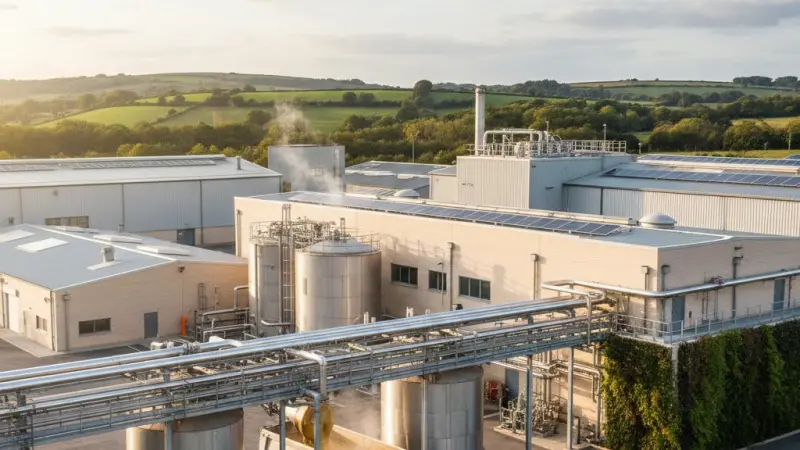
The Animal By-Products (ABP) sector is a cornerstone of the United Kingdom’s circular economy and agricultural infrastructure. While often overlooked by the general public, this multi-billion pound industry ensures that materials not intended for human consumption—ranging from hides and fats to feathers and bone meal—are repurposed safely and efficiently. In the UK, the management of ABPs is strictly governed by the Animal By-Products (Enforcement) (England) Regulations 2013 and equivalent legislation in Scotland, Wales, and Northern Ireland.
The economic importance of this sector cannot be overstated. It provides essential raw materials for various secondary industries, including pet food manufacturing, oleochemicals, biodiesel production, and high-quality organic fertilisers. By transforming potential waste into valuable commodities, the industry reduces the environmental burden on landfills and prevents the spread of pathogens. For professionals looking to navigate this complex market, a business listing uk can be a vital first step in connecting with the wider supply chain.
As we move further into the 2020s, the UK ABP industry is facing a transformative era. With increasing pressure to reach Net Zero targets and the ongoing adjustments to post-Brexit trade protocols, businesses within this niche are evolving rapidly. This guide provides an in-depth analysis of the standards, services, and strategies required to succeed in the British ABP market today.
The Landscape of Animal By-Products in the UK
The UK market for animal by-products is one of the most sophisticated in the world. Currently, the industry processes millions of tonnes of material annually. Key regions of activity include the agricultural heartlands of the East Midlands, Yorkshire, and the South West, where proximity to livestock farming and large-scale processing facilities creates a natural industrial hub.
The industry has undergone a significant evolution following the global pandemic. Supply chains were tested, leading to a renewed focus on domestic resilience and local sourcing. Post-pandemic, there has been a noticeable surge in the demand for renewable energy sources derived from animal fats (tallows) and oils. This shift has placed ABP processors at the forefront of the UK’s energy security strategy, as rendered products become a primary feedstock for the HVO (Hydrotreated Vegetable Oil) and sustainable aviation fuel sectors.
Furthermore, the digital transformation within the industry has accelerated. Managers and procurement officers are increasingly turning to a local business listings uk to source specialised rendering services, transport logistics, and compliance consultants. This move toward digital-first sourcing reflects a broader trend of modernisation within heavy industry, where speed of communication and transparency are now as critical as the physical processing capacity.
Comprehensive Services Breakdown
The services within the ABP sector are categorized into three distinct "Categories" (1, 2, and 3) based on the risk they pose to public and animal health. Understanding these categories is essential for any uk online business directory seeking to list these specialised firms accurately.
Category 1: High Risk
Category 1 materials include animals suspected of being infected by TSE (Transmissible Spongiform Encephalopathies) or those containing Specified Risk Material (SRM). Services in this tier focus primarily on safe disposal, typically through incineration or pressure sterilisation followed by deep burial. This is a highly regulated niche requiring specialised equipment and strict biosecurity protocols.
Category 2: Medium Risk
This category includes animals that died other than by being slaughtered for human consumption (fallen stock) or manure. Services here involve processing for technical uses, such as the production of organic fertilisers or soil improvers. Many of these providers are found via a business listing uk, as farmers and meat processors require reliable collection and disposal routes that remain compliant with DEFRA guidelines.
Category 3: Low Risk
Category 3 materials are derived from animals fit for human consumption but not intended for it for commercial reasons. This includes parts like hides, feathers, and certain bones. This is the most commercially active segment of the industry. Services include:
Rendering: Breaking down tissues into purified fats (tallow) and protein meals.
Pet Food Production: Transforming high-grade ABPs into nutritious animal feed.
Oleochemical Processing: Creating the building blocks for soaps, cosmetics, and plastics.
Biodiesel Feedstock: Providing the essential fats needed for clean-burning fuels.
How to Choose the Right Service Provider
Selecting a partner in the ABP industry is a decision that carries significant legal and operational weight. Because the handling of animal materials is fraught with biosecurity risks, businesses must perform rigorous due diligence.
First and foremost, verify all DEFRA and APHA (Animal and Plant Health Agency) approvals. A reputable provider will have clear documentation for their site approval and transport certificates. Beyond basic legality, look for industry-specific accreditations like those from the FABRA UK (Fat and Bone Renderers’ Association).
Reviews and local reputation are equally important. In an industry where reliability is paramount—especially for daily collections from abattoirs or farms—a provider with a history of punctuality is essential. Utilizing uk service listings can help you cross-reference reviews and check the operational history of a firm before signing a contract. Ensure the provider carries comprehensive public and environmental liability insurance to protect against accidental spillages or biosecurity breaches.
Industry Challenges & Future Outlook
The primary challenge facing the UK ABP sector today is the tightening of environmental regulations. The "Industrial Emissions Directive" and the move toward stricter "Best Available Techniques" (BAT) mean that rendering plants must invest heavily in odour control and wastewater treatment.
Sustainability is no longer a buzzword but a core requirement. The industry is currently exploring "Green Rendering" techniques that use less energy and recover more heat from the process. Moreover, the regulatory landscape post-Brexit continues to evolve. Exporters of rendered products and hides now face more paperwork and veterinary checks to access EU markets.
To navigate these shifts, many firms are turning to a uk business directory to find consultants who specialise in international trade and environmental compliance. Looking forward, the "Insect Protein" industry is a burgeoning field that may soon compete for or collaborate with traditional ABP processors, offering new ways to upcycle low-grade materials into high-value animal feed. This will likely be a key feature in a uk business listings online for the next decade.
Business Tips for Animal By-Products Professionals
Marketing a business in the ABP sector requires a blend of traditional relationship-building and modern digital strategy. While many contracts are still won through long-term partnerships, the discovery phase for new suppliers has moved online.
Optimise for Local Search: Whether you offer fallen stock collection or tallow refining, ensure your business appears when people search for services in your county.
Niche Authority: Publish white papers or case studies on your processing efficiency or sustainability metrics.
Digital Visibility: The importance of being listed in a uk top rated local businesses search cannot be ignored. It provides "social proof" and makes your contact details accessible to procurement managers on the go.
Networking: Participate in industry forums and trade bodies, but maintain a digital footprint that reflects your professional status.
Transparency: Be clear about your accreditations and environmental impact. Modern clients are willing to pay a premium for "clean" and ethical supply chains.
Wrapping Up & Local Page Integration
The Animal By-Products industry is the unsung hero of British agriculture and manufacturing. It provides a vital service that protects public health, supports the economy, and drives the transition to a more sustainable, circular future. From the rendering of fats to the expert disposal of high-risk materials, the professionalism of this sector is a testament to the UK's industrial standards.
For businesses operating within this essential niche, standing out in an increasingly digital marketplace is the key to growth. Local Page UK serves as the premier solution for UK businesses looking to enhance their reach. By ensuring your company is visible to those who need your specific expertise, you can secure your place in the future of the UK’s bio-economy.
Boost Your Visibility with Local Page UK
In the competitive world of Animal By-Products and agricultural services, being found by the right partners is critical. Whether you are a small-scale renderer or a national logistics provider, your digital presence determines your growth. We encourage all industry professionals to claim their business listing uk today. Join the most trusted directory in the country and ensure that when local businesses search for reliable service providers, your name is at the top of the list.
Frequently Asked Questions
1. What are the three categories of Animal By-Products in the UK?
The UK classifies ABPs into three categories based on risk. Category 1 is the highest risk (e.g., diseased animals), Category 2 is medium risk (e.g., fallen stock), and Category 3 is low risk (materials fit for human consumption but not used, such as skins and fats).
2. Is a license required to transport animal by-products?
Yes, any business transporting ABPs must be registered with the Animal and Plant Health Agency (APHA).
The vehicles must be leak-proof, covered, and clearly labeled with the category of material being carried to prevent cross-contamination.
3. What is rendering in the ABP industry?
Rendering is a process that uses heat to separate fat from bone and tissue. The result is tallow (purified fat) and meat and bone meal (protein). These products are used in pet food, fertiliser, and energy production.
4. Can Category 1 material be used for fertiliser?
No, Category 1 material is strictly for disposal via incineration or deep burial due to the risk of disease. It cannot enter the food or fertiliser chain under any circumstances.
5. How has Brexit affected the UK ABP market?
Brexit has introduced stricter export requirements, including Export Health Certificates (EHCs) for shipments to the EU. This has increased the administrative burden on UK processors and exporters.
6. What is "fallen stock" and how should it be handled?
Fallen stock refers to animals that die on the farm of natural causes or disease. They must be collected by an approved transporter and taken to an approved site (like a renderer or knacker's yard) for safe disposal.
7. Can animal by-products be used for renewable energy?
Yes, tallow and used cooking oils are primary feedstocks for biodiesel and HVO. Additionally, some ABPs are processed in Anaerobic Digestion (AD) plants to produce biogas.
8. What role does the APHA play in the industry?
The APHA is responsible for inspecting processing plants, approving transport businesses, and ensuring that all ABP regulations are followed to protect animal and public health in the UK.
9. Are there environmental regulations for rendering plants?
Yes, rendering plants must comply with the Industrial Emissions Directive, which regulates air quality (odour control), water discharge, and energy efficiency.
10. Can feathers and hair be recycled?
Yes, feathers and hair are often processed into feather meal, which is a high-nitrogen organic fertiliser, or used in technical applications like upholstery or insulation.
11. What is the FABRA UK association?
FABRA UK (Fat and Bone Renderers’ Association) is the leading trade body for the rendering industry in the UK, representing the interests of processors and promoting high standards.
12. Why is biosecurity important in ABP processing?
Biosecurity prevents the spread of diseases like Foot and Mouth or BSE. Strict separation of material categories and thorough cleaning of equipment are essential to maintain safety.
13. Where can I find a list of approved UK ABP suppliers?
You can find verified providers by searching a uk local trades directory or checking the official APHA list of approved premises.
14. What are the common uses for Category 3 tallow?
Category 3 tallow is widely used in the manufacture of soaps, cosmetics, animal feed, and high-quality lubricants.
15. How do I start an ABP collection business?
You must apply for APHA approval, secure a leak-proof vehicle, establish a contract with an approved disposal site, and ensure you have the correct commercial insurance and waste carrier licenses.
Disclaimer: The information provided in this article is for general informational and research purposes only. Company details, features, services, and market positions may change over time. Readers are advised to visit official company websites and conduct independent research before making any business decisions or purchasing services.
Most Searchable Keywords
Recent Blogs


Related Listings
Categories
- Accountants (295)
- Advertising Agencies (559)
- Architects (149)
- Automobiles (377)
- Beauty (300)
- Carpenters (146)
- Cleaning Services (387)
- Dentists (189)
- Driving (62)
- Electricians (215)
- Energy (8)
- Event Organiser (686)
- Finance (602)
- Guide (3373)
- Health (2207)
- Information technology (206)
- Legal Services (353)
- Logistics (6)
- Maintenance (65)
- Manufacturing (35)
Sponsored Listings in Travel Agencies


Related Blogs

Explore Dog Friendly Walks in the Cotswolds f...
Read this insightful article "Explore Dog Friendly Walks in the Cotswolds for 2026" to expand your knowledge!

How Much Do UK Actors Really Earn Full Indust...
Read this insightful article "How Much Do UK Actors Really Earn Full Industry Breakdown" to expand your knowledge!

Blue Light Card UK 2026 Check Eligibility and...
Read this insightful article "Blue Light Card UK 2026 Check Eligibility and Claim" to expand your knowledge!
Questions & Answers – Find What
You Need, Instantly!
How can I update my business listing?
Is it free to manage my business listing?
How long does it take for my updates to reflect?
Why is it important to keep my listing updated?
