
Autogas Suppliers UK: Conversion Kits, Installation Safety & Fuel Savings Guide
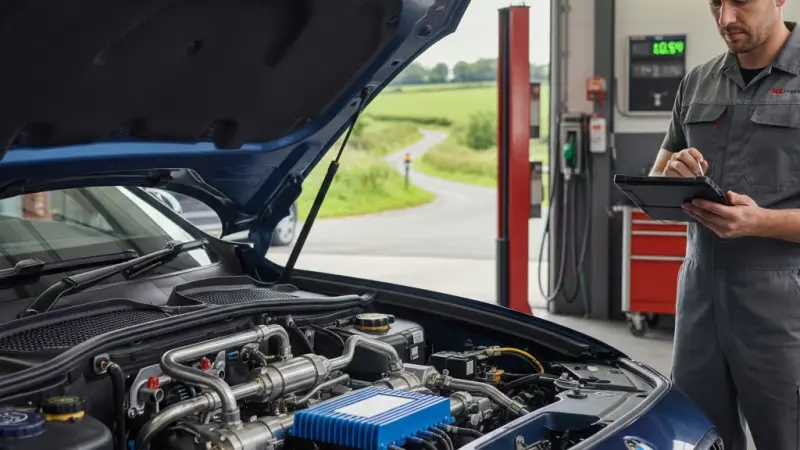
The landscape of the United Kingdom’s automotive industry is undergoing a profound transformation. While much of the headlines focus on the shift toward full electrification, a robust and economically vital sector continues to provide immediate relief for both the environment and the consumer's wallet: the Autogas (LPG) industry. Autogas, a liquefied petroleum gas used as a fuel in internal combustion engines, remains one of the most accessible alternative fuels in Britain today. The sector, comprised of specialist uk service listings and certified installation engineers, plays a critical role in the UK’s transition toward a lower-carbon economy.
For the uninitiated, Autogas is not just a niche hobby for classic car enthusiasts; it is a sophisticated engineering solution that allows petrol-engine vehicles to run on a fuel that is significantly cheaper than standard unleaded or diesel. From a business analysis perspective, the Autogas suppliers and installers sector represents a resilient segment of the UK trade economy. These businesses range from large-scale fuel distributors to independent, highly skilled garages that specialise in the intricate process of LPG conversion.
The economic importance of this sector cannot be overstated. As the cost of living remains a primary concern for British households and small businesses, the ability to reduce fuel expenditure by up to 40% provides a vital lifeline. Furthermore, the industry supports thousands of skilled jobs across the country, from the Midlands to the Scottish Highlands. These professionals ensure that conversions are handled with the utmost precision, adhering to the stringent safety standards set by the UKLPG (now Liquid Gas UK). By choosing to list their expertise in a local business listings uk, these installers connect with a growing demographic of eco-conscious and budget-aware drivers.
As we move deeper into the 2020s, the role of Autogas is evolving. It serves as a "bridge fuel"—a pragmatic middle ground for those who are not yet ready or able to transition to expensive electric vehicles but wish to reduce their carbon footprint and NOx emissions immediately. This guide explores the intricate world of Autogas in the UK, offering an authoritative look at the suppliers, the technology, and the future of this essential industry.
The Landscape of Autogas Suppliers & Installers in the UK
The UK Autogas market has demonstrated remarkable tenacity over the last decade. Historically, the market saw a surge in the early 2000s, followed by a period of stabilization. Today, the landscape is defined by a network of specialist hubs. Key regions of activity remain concentrated around major logistics corridors and urban centres where high-mileage drivers—such as taxi fleets and delivery services—reap the greatest rewards from fuel savings.
Post-pandemic, the industry has witnessed a significant shift in consumer behaviour. During the lockdowns, many UK residents re-evaluated their spending habits and vehicle usage. As the world reopened, the sudden spike in global oil prices drove a renewed interest in LPG conversions. Modern installers have had to evolve, moving away from simple mechanical systems to high-tech, electronically controlled injection kits that interface seamlessly with a vehicle’s onboard diagnostic (OBD) system. To stay competitive, many of these firms have utilised a business listing uk to ensure they appear in local searches when drivers look for "LPG conversion near me."
Market data suggests that while the total number of petrol cars on the road is slowly declining in favour of hybrids, the demand for high-quality LPG conversions for SUVs and older luxury vehicles remains steady. These vehicles, often deemed "gas guzzlers," become much more economically viable once converted. The industry has also seen a consolidation of suppliers. Major fuel distributors have streamlined their Autogas networks, focusing on high-traffic forecourts, while independent installers have focused on niche "prestige" conversions.
The evolution of the industry is also marked by a shift toward professionalization. The "back-street" conversion shops of the 1990s have largely been replaced by workshops that boast advanced diagnostic equipment and manufacturer-approved training. This professionalization is essential for maintaining consumer trust. When a business secures a business listing uk, it often does so to highlight its adherence to safety protocols and its role in the modern automotive service ecosystem. As we look across the UK, from London to Manchester and Belfast, the Autogas sector stands as a testament to British engineering adaptability.
Comprehensive Services Breakdown
The Autogas sector is not a monolith; it offers a diverse array of products and services designed to cater to various vehicle types and consumer needs. At the heart of the industry is the LPG Conversion Kit. These kits are complex assemblies consisting of an electronic control unit (ECU), a vaporizer (or reducer), high-speed injectors, and a reinforced fuel tank—usually fitted in the spare wheel well (toroidal tank) to preserve boot space.
Suppliers in this niche provide varied levels of technology. Sequential injection systems are the current gold standard, mirroring the vehicle's original petrol injection timing to ensure no loss in performance. For older or high-performance vehicles, specialized uk verified business listings often highlight installers who can provide bespoke tuning and "heavy-duty" components capable of handling high horsepower.
Beyond the initial installation, the service breakdown includes:
System Maintenance and Servicing: Much like a standard petrol engine, an LPG system requires periodic filter changes and leak checks. Expert installers provide annual "health checks" to ensure the system remains efficient.
Safety Inspections and Certification: In the UK, insurance companies usually require an LPG safety certificate. Installers provide the necessary documentation to prove the system meets UKLPG standards.
Tank Testing and Replacement: LPG tanks have a long lifespan, but they eventually require testing or replacement to ensure structural integrity.
Valve Protection Systems: Many suppliers offer "flash-lube" or electronic valve protection kits, which
are essential for certain engine types to prevent premature valve seat recession.
Fuel Supply and Bunkering: Larger suppliers offer on-site LPG tanks for commercial fleets, allowing businesses to purchase fuel at wholesale prices.
The diversity of these services means that an Autogas business is often a multifaceted operation. They are part engineers, part fuel scientists, and part consultants. For a consumer, navigating these options can be daunting. This is why the industry relies heavily on being found through a uk trade services listings, where customers can compare the specific technical offerings of different garages. Whether it is a simple 4-cylinder conversion or a complex V8 project, the level of expertise available in the UK today is world-class.
How to Choose the Right Service Provider
Selecting an Autogas installer is a decision that impacts both the safety of your vehicle and the longevity of your investment. Because an LPG system involves pressurized gas and integration with your car's delicate electronics, you cannot afford to cut corners. The first step for any consumer should be to consult a reputable uk business directory to identify local specialists with established track records.
Here is a checklist of what to look for:
Accreditations: Ensure the installer is a member of a recognized body, such as Liquid Gas UK (formerly UKLPG). This ensures they follow the "Code of Practice 11," which dictates how installations must be performed.
Experience with Your Vehicle Type: Some installers specialize in Japanese imports, while others focus on Land Rovers or high-end German saloons. Ask for examples of previous work on your specific model.
Insurance and Warranty: A professional provider will offer a comprehensive warranty on both the parts (often 2 years) and the labour. They should also have the correct insurance to work on gas-powered vehicles.
Online Reputation: Check reviews. A provider listed in a uk local business directory will often have customer feedback that speaks to their after-sales service—a crucial component of LPG ownership.
Physical Infrastructure: Visit the workshop if possible. A clean, well-organised garage with modern diagnostic tools is a good indicator of the quality of work you can expect.
By using a find local businesses uk tool, you can filter for providers who have been vetted by the community. Avoid any installer who is unwilling to provide a detailed quote or who suggests "bypass" methods for safety features. A correct installation will be virtually indistinguishable from the original petrol system in terms of driving experience, with the changeover between fuels being entirely automatic and seamless.
Industry Challenges & Future Outlook
The Autogas industry faces a complex set of challenges as the UK moves toward its 2050 Net Zero goals. The most significant challenge is the "EV-only" narrative pushed by certain policy circles. This has led to a reduction in the number of public refuelling points in some areas, as some major retailers repurpose space for electric charging. However, the industry is fighting back with a powerful new weapon: BioLPG.
BioLPG is a chemically identical version of LPG but is derived from renewable sources like plant oils and waste. This means that an existing LPG-converted car can run on BioLPG with zero modifications, immediately slashing its carbon footprint by up to 80% compared to fossil fuels. Many business listing uk entries for Autogas suppliers now highlight their commitment to BioLPG, positioning themselves as a green alternative for those who cannot yet afford a £40,000 electric SUV.
Regulatory changes also pose a challenge. The ULEZ (Ultra Low Emission Zone) in London and Clean Air Zones in other cities have created a "grey area" for LPG. While LPG is significantly cleaner than diesel, current regulations primarily focus on the vehicle's original manufacture date. The industry is currently lobbying for the recognition of LPG conversions as a valid method for meeting emission standards in these zones.
Looking ahead, the future of the Autogas sector likely lies in the commercial and "hard-to-electrify" segments. Heavy vans, towing vehicles, and older fleet cars remain the perfect candidates for conversion.
As long as a business listing uk remains a primary tool for business owners to find cost-saving measures, the demand for Autogas will persist. The industry is not dying; it is specialising, focusing on high-value, high-impact conversions that provide immediate environmental and economic benefits.
Business Tips for Autogas Suppliers & Installers Professionals
For professionals working within the Autogas sector, the biggest challenge is often not the engineering, but the marketing. In a niche market, visibility is everything. If a potential customer cannot find you when they search for "LPG savings," they will simply continue paying high prices at the petrol pump. The most effective strategy for any local installer is to maximise their digital footprint.
First and foremost, claim your uk top rated local businesses status. This involves more than just a name and phone number; it requires a detailed description of your expertise, high-quality photos of your best installations, and a clear list of the brands you work with (e.g., Prins, BRC, or STAG).
Marketing Tips:
Content Marketing: Start a blog on your website explaining the ROI of LPG. Show the math: "How many miles do you need to drive to pay off the conversion?"
Local SEO: Ensure your business is listed in a uk local trades directory. Local customers are your bread and butter; being at the top of a local search is worth more than a national ad campaign.
Social Proof: Encourage every satisfied customer to leave a review. In the world of automotive work, trust is the primary currency.
Fleet Outreach: Don't just wait for individuals. Reach out to local courier firms or taxi companies. Offer them a trial conversion on one vehicle to prove the savings.
The digital landscape is crowded, but by utilizing a uk professional services listings, you can cut through the noise. Focus on the "local" aspect of your service—the fact that you are a British tradesperson providing a high-quality service to your community. This personal touch, combined with professional digital visibility, is the key to thriving in the modern economy.
Wrapping Up & Local Page Integration
The Autogas industry remains a cornerstone of the UK’s alternative fuel landscape. It offers a pragmatic, cost-effective, and environmentally friendly solution for millions of drivers. From the intricate engineering of conversion kits to the nationwide network of skilled installers, the sector is a vital part of the British economy. As fuel prices remain volatile, the value of a professional LPG conversion only increases.
For businesses operating in this sector, the message is clear: your expertise is in demand, but you must be visible. Whether you are a supplier of wholesale gas or a boutique conversion specialist, your presence in the digital marketplace is the deciding factor in your growth. This is where Local Page UK becomes your most valuable partner. As the premier uk local business directory, Local Page provides the platform you need to reach the customers who are actively looking for your services.
By integrating your business into the local fabric through verified listings and high-visibility profiles, you ensure that the Autogas industry continues to thrive for decades to come.
Don't let your expertise remain a secret—join the thousands of UK professionals who are growing their reach through smarter, local-focused digital marketing.
Boost Your Visibility with Local Page UK
In the highly specialized world of Autogas and LPG installations, being "the best in the business" only matters if people can find you. Modern consumers turn to their screens before they turn to their steering wheels. For UK-based Autogas suppliers and installers, digital visibility is the engine that drives growth.
By choosing to business listing uk on our platform, you are placing your business in front of high-intent local customers. Local Page UK is designed to bridge the gap between skilled British tradespeople and the communities that need them. Whether you are looking to attract individual car owners or large commercial fleets, our directory provides the SEO authority and local relevance to help you stand out. Claim your spot today and ensure that when someone in your area searches for fuel savings, your name is the first one they see.
Frequently Asked Questions
1. What is the average cost of an Autogas conversion in the UK?
The cost generally ranges from £800 to £1,800, depending on the number of cylinders and the complexity of the electronics. High-end systems for luxury vehicles or performance cars can cost more.
2. How much can I really save on fuel?
Most drivers see a reduction in fuel costs of 30% to 45%. While LPG is less energy-dense than petrol (resulting in a 10-15% drop in MPG), the significantly lower price per litre at the pump makes the savings substantial.
3. Is it safe to have a tank of gas in my car?
Yes. LPG tanks are made from heavy-gauge steel and are much stronger than standard plastic petrol tanks. They feature multiple safety valves that automatically shut off the gas flow in the event of an accident or pipe damage.
4. Will an LPG conversion affect my car's performance?
With a modern sequential injection system, you will notice virtually no difference. Some drivers even report smoother engine running due to the higher octane rating of LPG (around 110 RON).
5. Where can I find a reliable installer near me?
You should consult a Local page to find verified professionals in your area who have the necessary accreditations and positive customer feedback to ensure a high-quality installation.
6. Do I need to inform my insurance company?
Absolutely. Most UK insurers are fine with LPG conversions as long as they are installed by a certified professional and you provide a safety certificate. Some may even offer lower premiums due to the lower risk of fuel fire.
7. Can any petrol car be converted?
Most petrol cars can be converted, including those with direct injection. However, direct injection engines require more specialized (and expensive) kits. Diesel cars can also be converted (Diesel-Blend), but it is less common for passenger vehicles.
8. How long does the installation process take?
Typically, a standard 4-cylinder conversion takes 1 to 2 days. More complex vehicles like V8 SUVs may require 3 to 4 days for a clean, integrated installation.
9. Does LPG affect my boot space?
If you opt for a toroidal (doughnut-shaped) tank, it fits into the spare wheel well, leaving your boot space completely unaffected. You would then carry a tyre repair kit instead of a spare wheel.
10. Is Autogas still available at petrol stations?
Yes, there is a widespread network of over 1,200 refuelling points across the UK. While some supermarkets have reduced their offering, many independent and major brand forecourts remain committed to LPG.
11. What is BioLPG?
BioLPG is a sustainable version of the fuel made from renewable materials. It is chemically identical to standard LPG and is becoming increasingly available at UK suppliers to help drivers further reduce their carbon footprint.
12. Does an LPG system require a lot of maintenance?
No, it is very low-maintenance. You generally only need to change the LPG filters every 10,000 to 12,000 miles and have a basic leak check performed during your car's annual service.
13. Will my car still run on petrol?
Yes, all conversions are "bi-fuel." Your car will start on petrol and automatically switch to LPG once the engine reaches a certain temperature. If you run out of LPG, the system seamlessly switches back to petrol while you are driving.
14. Are there any tax benefits?
LPG vehicles often qualify for a small reduction in Vehicle Excise Duty (Road Tax) and are generally
looked upon more favourably in certain local environmental schemes due to lower NOx emissions.
15. How do I get my business listed for free?
If you are an installer, you can easily increase your reach by creating a profile on Localpage. This allows you to showcase your services to a targeted local audience looking for Autogas solutions.
Disclaimer: The information provided in this article is for general informational and research purposes only. Company details, features, services, and market positions may change over time. Readers are advised to visit official company websites and conduct independent research before making any business decisions or purchasing services.
Most Searchable Keywords
Recent Blogs


Related Listings

Categories
- Accountants (295)
- Advertising Agencies (559)
- Architects (149)
- Automobiles (377)
- Beauty (300)
- Carpenters (146)
- Cleaning Services (387)
- Dentists (189)
- Driving (62)
- Electricians (215)
- Energy (8)
- Event Organiser (686)
- Finance (602)
- Guide (3373)
- Health (2207)
- Information technology (206)
- Legal Services (353)
- Logistics (6)
- Maintenance (65)
- Manufacturing (35)
Sponsored Listings in Travel Agencies


Related Blogs

Explore Dog Friendly Walks in the Cotswolds f...
Read this insightful article "Explore Dog Friendly Walks in the Cotswolds for 2026" to expand your knowledge!

How Much Do UK Actors Really Earn Full Indust...
Read this insightful article "How Much Do UK Actors Really Earn Full Industry Breakdown" to expand your knowledge!

Blue Light Card UK 2026 Check Eligibility and...
Read this insightful article "Blue Light Card UK 2026 Check Eligibility and Claim" to expand your knowledge!
Questions & Answers – Find What
You Need, Instantly!
How can I update my business listing?
Is it free to manage my business listing?
How long does it take for my updates to reflect?
Why is it important to keep my listing updated?
