
Autumn Weather and Bitter Fruits What Happens When They Not Ripe
Introduction
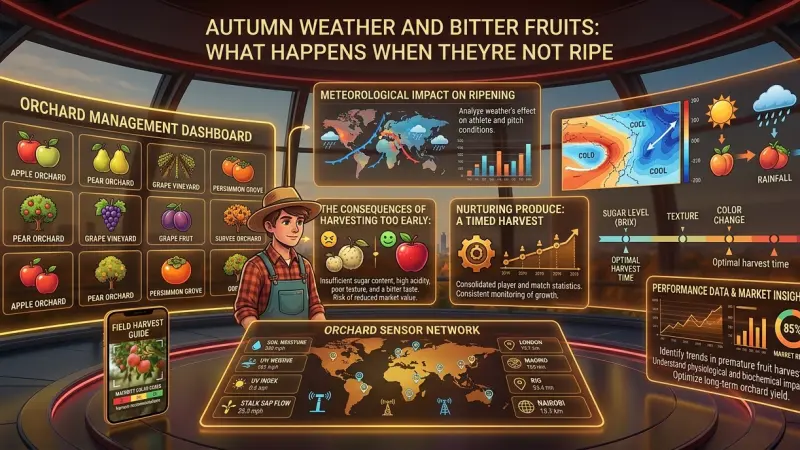
As of April 16, 2026, the agricultural sector continues to face the unpredictable challenges of shifting seasonal cycles. The transition into autumn represents a critical physiological juncture for perennial plants. Autumn weather is the primary catalyst for the final stage of a fruit's life cycle: maturation. When environmental conditions align, the result is a nutrient-dense, sweet harvest. However, when the weather fluctuates or fruit is harvested prematurely, the consumer is left with bitter fruits.

The phenomenon of bitterness in unripened produce is not a failure of the plant, but rather a sophisticated evolutionary success. To understand what happens when fruits are not ripe, one must explore the intersection of meteorology, botany, and organic chemistry. This article provides an exhaustive analysis of the ripening process, the role of autumn weather in signaling plant dormancy, and the specific chemical transitions that turn a defensive, bitter organ into a palatable food source.
The Climatological Impact of Autumn Weather
Autumn weather is defined by a reduction in solar radiation and a decrease in the photoperiod. This shift informs the plant that the window for reproduction is closing.
-
Photosynthesis Deceleration: As light levels drop, the rate of glucose production slows.
-
Nutrient Translocation: The plant begins moving mobile nutrients from the leaves back into the woody structures or roots for winter storage.
-
The Cooling Effect: Lower temperatures, particularly at night, help to preserve the acids and sugars accumulated during the summer.
If the autumn weather remains too warm, the fruit may continue to respire at a high rate, burning through its stored sugars before it can be harvested. Conversely, a sudden drop in temperature can halt enzymatic processes entirely.
The Evolutionary Purpose of Bitter Fruits
In the wild, a plant’s goal is not to be eaten—it is to reproduce. Bitter fruits serve as a "keep out" sign to herbivores.
-
Seed Protection: Until the seeds inside a fruit are chemically and structurally ready to be dispersed and germinate, the fruit remains unpalatable.
-
Chemical Warfare: The bitterness is often caused by alkaloids or tannins that can cause digestive distress to animals, teaching them to avoid the plant until the fruit changes color.
-
Signaling: The change from bitter to sweet, often accompanied by a change from green to a bright color, is a signal to seed dispersers (like birds or mammals) that the "package" is ready for transport.
The Biochemistry of Ripening: A Step-by-Step Guide
The transition from a hard, bitter object to a soft, sweet fruit involves several concurrent chemical reactions:
-
Pigment Synthesis: Chlorophyll (green) is degraded, and anthocyanins or carotenoids are synthesized.
-
Acid Neutralization: Organic acids are broken down or diluted by an influx of water.
-
Aromatic Volatile Production: The fruit begins to release esters and alcohols that create the "fruity" smell.
-
Softening: The middle lamella, which holds cells together, is dissolved by enzymes.
If the autumn weather is disrupted, these steps can become desynchronized, leading to fruit that looks ripe but tastes bitter.
Climacteric vs. Non-Climacteric Fruits
One of the most important distinctions in agricultural science is how fruit responds to being picked.
Climacteric Fruits
These fruits can ripen after being detached from the parent plant. They
exhibit a massive spike in respiration and ethylene production.
-
Examples: Apples, Pears, Bananas, Tomatoes, Peaches.
-
Behavior: If caught by early autumn weather, they can be stored and allowed to ripen in a controlled environment.
Non-Climacteric Fruits
These fruits must reach full maturity on the vine or tree. Once picked, their sugar content does not increase significantly.
-
Examples: Grapes, Strawberries, Citrus, Raspberries.
-
Behavior: If harvested while they are still bitter fruits, they will remain unpalatable regardless of storage time.
The Role of Tannins and Phenolic Compounds
Tannins are the primary culprits behind the "dry" or bitter sensation of unripe fruit. These are polyphenolic compounds that bind and precipitate proteins.
-
Astringency: This is the puckering feeling in the mouth. It is a tactile sensation rather than a pure taste.
-
Polymerization: As ripening progresses, small tannin molecules bind together into larger chains. These larger molecules are insoluble and cannot bind to the proteins in human saliva, which is why the bitterness disappears.
Starch to Sugar: The Amylase Transformation
In the early stages of development, fruit acts as a storage locker for starch—a long-chain polysaccharide that has no sweetness.
-
Enzymatic Activation: As the plant detects the cooling autumn weather, it activates the enzyme amylase.
-
Hydrolysis: Amylase breaks the bonds of the starch chains, turning them into simple sugars like glucose, fructose, and sucrose.
-
Energy Balance: This process requires a specific temperature range. If it is too cold, the enzymes become sluggish, leaving the fruit starchy and tasteless.
Autumn Weather Anomalies: Heatwaves and Early Frosts
Modern agriculture must contend with "weather whiplash."
-
Late-Season Heatwaves: These can cause "sunscald" and lead to a premature breakdown of the fruit's internal tissues, creating a bitter, fermented flavor profile.
-
Early Frosts: A frost event can crystallize the water within the fruit's vacuole. When the fruit thaws, the texture is lost, and the tannins often leak into the juice, making the entire fruit taste bitter.
The Structural Integrity of Fruit: Pectin and Cell Walls
The "crunch" of an unripe apple versus the "mush" of an overripe one is determined by cell wall chemistry.
-
Protopectin: In unripe fruit, the pectin is in an insoluble form called protopectin, which provides extreme rigidity.
-
Pectinase: During ripening, the enzyme pectinase converts protopectin into water-soluble pectin, making the fruit tender.
-
Calcium Bridges: The presence of calcium in the soil and plant helps maintain these walls. A lack of calcium, combined with erratic autumn weather, can lead to "bitter pit" in apples, where small brown, bitter spots develop under the skin.
Ethylene: The Invisible Ripening Hormone
Ethylene ($C_2H_4$) is a simple hydrocarbon gas that acts as a master switch for ripening.
-
Autocatalytic Production: Once a climacteric fruit starts producing ethylene, it triggers nearby fruits to do the same.
-
Commercial Use: Farmers often harvest fruit in a "mature green" state to prevent bruising during transport. They then expose the fruit to synthetic ethylene in ripening rooms at the destination.
-
Natural Traps: In nature, a single ripening fruit on a branch can "tell" the rest of the branch to begin ripening, ensuring the harvest occurs before the autumn weather becomes too harsh.
Regional Case Studies: Grapes, Apples, and Stone Fruits
1. Wine Grapes (Vitis vinifera)
The balance of sugar (Brix) and acidity is paramount. If the autumn weather is too wet, the grapes may swell, diluting the sugars and leaving the wine bitter and thin.
2. High-Altitude Apples
Apples grown in regions with high diurnal temperature swings (hot days, cold nights) tend to be sweeter. The cold nights stop the plant from "breathing out" the sugars it made during the day.
3. Persimmons
Perhaps the most famous of the bitter fruits, the Hachiya persimmon is inedible until it reaches a gelatinous state. The cooling temperatures of late autumn are essential for the tannins to undergo polymerization.
Post-Harvest Ripening Techniques
When autumn weather forces a harvest before the fruit is ready, consumers and farmers use several methods to finish the process:
-
The Paper Bag Method: Concentrates natural ethylene gas around the fruit.
-
Cold Treatment: Some pears require a period of cold storage (near 0°C) before they will respond to ethylene and ripen.
-
Controlled Atmosphere (CA) Storage: Large-scale facilities use low oxygen and high nitrogen to "put the fruit to sleep" for up to a year, allowing for year-round availability.
The Nutritional Difference Between Ripe and Unripe
The chemical makeup of fruit changes its nutritional value.
-
Antioxidants: Typically increase as the fruit reaches full color.
-
Vitamin C: Can actually peak just before full ripeness and then slightly decline.
-
Digestibility: Unripe, bitter fruits contain resistant starch, which can be hard for the human small intestine to process, potentially leading to bloating or gas.
Commercial Implications of Unripe Harvests
The global food supply chain relies on the predictability of the seasons.
-
Market Loss: Fruits that reach the market in a bitter, unripe state lead to significant consumer rejection and financial loss for retailers.
-
Standardization: Tools like the DA Meter (which measures chlorophyll via light) help farmers pick at the exact moment of physiological maturity, regardless of what the autumn weather looks like.
Why Are Unripe Fruits Bitter?
Unripe fruits are bitter or astringent primarily because they contain high concentrations of tannins, alkaloids, and organic acids. These chemical compounds serve as a defense mechanism to protect the seeds from being eaten before they are fully developed. As the fruit ripens, enzymes convert starches into sugars and neutralize these bitter compounds.
Frequently Asked Questions (FAQs)
1. Can bitter fruits become sweet after being picked? Only climacteric fruits (like apples and pears) continue to sweeten. Non-climacteric fruits (like citrus or grapes) will not get sweeter once harvested.
2. Does cold autumn weather make fruit sweeter? For some crops, yes. A light frost can trigger a "sugar spike" in root vegetables and certain fruits as a biological antifreeze response.
3. Why do unripe apples taste "dry"? This is caused by tannins, which bind to the proteins in your saliva, creating a dry, sandpaper-like sensation in the mouth.
4. What is the best temperature for ripening picked fruit? Most fruit ripens best at a stable room temperature of approximately 18°C to 22°C.
5. Can you cook with unripe, bitter fruits? Yes. Cooking can break down starches, and the addition of sugar or fats can balance the natural bitterness and acidity.
6. Does rain affect the ripening process? Heavy rain near harvest can cause fruits to absorb too much water, which dilutes sugar levels and can lead to fruit cracking.
7. Why do some fruits change color but stay bitter? Color change (degreening) can be triggered by temperature alone, while the internal sugar conversion requires specific enzymatic activity that may lag behind.
8. What is "bletting"? Bletting is the process of letting certain fruits go beyond ripeness until they soften and lose their tannins, commonly used for medlars and persimmons.
9. How does ethylene gas work? It is a plant hormone that signals the fruit to begin the "senescence" or ripening phase, activating genes that produce ripening enzymes.
10. Are bitter fruits toxic? In most common grocery fruits, they are not toxic, but the high acid and tannin content can cause stomach irritation if eaten in large quantities.
11. Why does my fruit have a "fermented" taste? This occurs when the fruit is bruised or overexposed to heat, allowing internal sugars to be broken down by yeast or bacteria.
12. Can I speed up ripening at home? Yes, placing the fruit in a closed environment with an ethylene producer, like a banana or an apple, will speed up the process.
13. What happens to tannins during ripening? They undergo polymerization, becoming large, insoluble molecules that no longer trigger the bitter taste receptors on the tongue.
14. Why do birds eat some unripe fruits? Some bird species have different digestive enzymes or lack the specific taste receptors that make tannins taste bitter to humans.
15. Is there a way to test for ripeness without tasting? Farmers use a Refractometer to measure
the Brix (sugar) level or a Penetrometer to measure the firmness of the fruit flesh.
Autumn weather
The relationship between autumn weather and the harvest is a delicate balance of timing and chemistry. Bitter fruits are a natural byproduct of a system designed to protect the next generation of plants. When the cooling air and shortening days of fall signal the plant to finalize its growth, a series of complex enzymatic reactions take over, transforming acids into sugars and astringent tannins into harmless polymers. Understanding these processes is essential for anyone from the home gardener to the commercial orchardist, ensuring that the bounty of the fall harvest is both nutritious and palatable. As climate patterns continue to evolve, the science of ripening remains a vital field of study for global food security.

Disclaimer: The information provided in this article is for general informational and research purposes only. Company details, features, services, and market positions may change over time. Readers are advised to visit official company websites and conduct independent research before making any business decisions or purchasing services.
Most Searchable Keywords

Recent Blogs
-

Explore Supermarkets in Chepstow and the Surrounding Wye Valley
-
Elite Guide to Taxi and Private Hire Services in Hereford
-
Explore Fuel and Roadside Convenience Across Beckington Today
-
Explore Abergavenny Tyre Services with Expert Local Fitters
-
Claim Your HMRC UK Tax Refund Before Application Deadlines





Categories
- Accountants (295)
- Advertising Agencies (559)
- Architects (149)
- Automobiles (376)
- Beauty (300)
- Carpenters (146)
- Cleaning Services (386)
- Dentists (189)
- Driving (61)
- Electricians (215)
- Energy (7)
- Event Organiser (683)
- Finance (597)
- Guide (3358)
- Health (2205)
- Information technology (206)
- Legal Services (352)
- Logistics (6)
- Maintenance (65)
- Manufacturing (35)

Sponsored Listings in Accountants

Related Blogs
Explore Supermarkets in Chepstow and the Surr...
Read this insightful article "Explore Supermarkets in Chepstow and the Surrounding Wye Valley" to expand your knowledge!

Elite Guide to Taxi and Private Hire Services...
Read this insightful article "Elite Guide to Taxi and Private Hire Services in Hereford" to expand your knowledge!
Explore Fuel and Roadside Convenience Across...
Read this insightful article "Explore Fuel and Roadside Convenience Across Beckington Today" to expand your knowledge!
Questions & Answers – Find What
You Need, Instantly!
How can I update my business listing?
Is it free to manage my business listing?
How long does it take for my updates to reflect?
Why is it important to keep my listing updated?
