
How to Check Weather Forecast UK
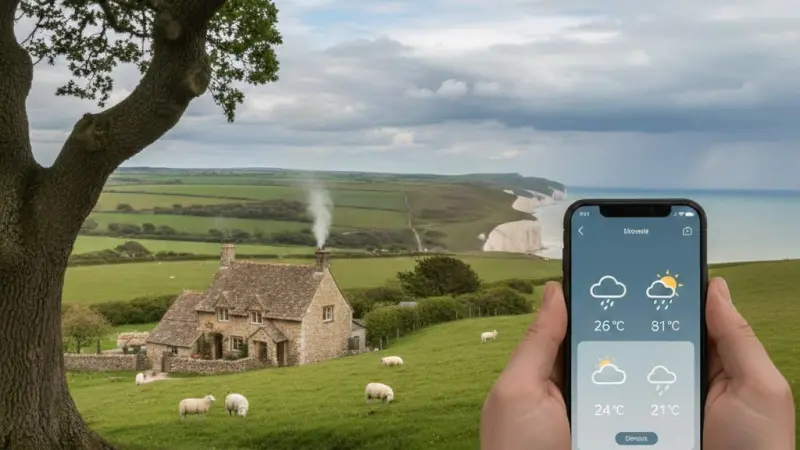
How to Check Weather Forecast UK: A Strategic Business Guide for 2026
Published by LocalPage.uk Content Architecture Team | Updated for 2025-2026 Operations
In the unpredictable climate of the British Isles, the ability to accurately check the weather forecast is more than a matter of personal convenience; it is a critical business imperative. Whether you are managing a construction site in the Highlands of Scotland, a outdoor dining venue in the South East of England, or a logistics fleet crossing the Welsh mountains, meteorological literacy can determine your profit margins and safety protocols for the coming year.
£2.3 Trillion Small businesses contribute significantly to the UK annual turnover. However, the Department for Business and Trade (2025) estimates that adverse weather events cost the UK economy approximately £1.5 billion annually in lost productivity and infrastructure damage.
Essential Sources for Accurate UK Meteorological Data
Reliability is paramount when selecting a forecasting service. In the UK, the "Gold Standard" remains the Met Office, the national meteorological service. Whilst many third-party apps exist, most professional services in the UK rely on the underlying data provided by the Met Office or the European Centre for Medium-Range Weather Forecasts (ECMWF).
The Role of the Met Office and National Severe Weather Warning Service
The Met Office provides the National Severe Weather Warning Service (NSWWS), which warns the public and businesses of impacts caused by severe weather. For businesses, registering for direct alerts is essential. These warnings are tiered—Yellow, Amber, and Red—based on a combination of the likelihood of the event and the potential impact it will have on infrastructure and safety.
Utilising Commercial Grade Forecasts for High-Stakes Planning
Beyond standard public apps, professional services such as MeteoGroup or IBM’s The Weather Company offer hyper-localised data. For a tradesperson in Northern Ireland or a farmer in the Fens, these tools provide "nowcasting"—minute-by-minute rain data that allows for precise scheduling of outdoor tasks like roofing or pouring concrete.
Impact-Based Forecasting: The 2026 Shift
In 2026, the trend has shifted from "what the weather will be" to "what the weather will do." Modern UK businesses now prioritise impact-based forecasting, which analyses how 40mph winds might affect a specific high-sided vehicle fleet in the Pennines versus a coastal cafe in Cornwall.
Interpreting Regional Variations Across the Four Nations
The UK's topography creates vastly different microclimates. Understanding these regional nuances is vital for businesses operating across borders or with remote teams. The Scottish Highlands face different winter pressures than the urban heat islands of London or the maritime humidity of Cardiff.
Managing Scottish Meteorological Extremes
In Scotland, businesses must account for the "Atlantic conveyor belt." This often results in higher precipitation levels and more frequent gale-force winds. Organizations like Scottish Enterprise emphasize that businesses in the North must maintain robust "Winter Resilience Plans" that go beyond a simple app check, often incorporating local mountain weather forecasts if operating at altitude.
Navigating Weather Risks in Wales and Northern Ireland
Business Wales offers guidance for the 94% of Welsh firms that are micro-enterprises, particularly regarding flood risks. In Northern Ireland, cross-border trade (up 12% since 2024) requires logistics firms to monitor both Met Éireann and Met Office data simultaneously to ensure seamless movement of goods through the Windsor Framework corridors during storm cycles.
Local Authority Integration
Always check your specific local authority’s gritting and flood management pages. Whilst the national forecast might look clear, local drainage issues or salt-bin locations are managed at the borough or council level in England and Wales.
76% of UK consumers research local businesses online before visiting (Ofcom, 2025). If your Google Business Profile doesn't reflect weather-related closures or changes in service, you risk damaging customer trust.
Advanced Tools and Technologies for Weather Monitoring
To optimise operations in 2026, UK SMEs are increasingly moving away from simple BBC Weather checks toward integrated data solutions. Smartphone ownership amongst UK adults now stands
at 82%, and 71% of people use these devices for local business searches, including checking if a business is open during inclement weather.
Rain Radar and Lightning Tracking for Construction and Trades
For the 385,000+ businesses in the construction and trades sector, "Rain Alarm" apps or the Met Office's interactive rainfall radar are indispensable. These tools show the intensity and movement of precipitation in real-time. If you are a landscaper in the Midlands, seeing a heavy band of rain 15 miles to the West allows you to secure the site before the downpour arrives.
Sea State and Coastal Forecasts for Hospitality and Tourism
Coastal hospitality venues in the South West or the North East must monitor "Sea State" forecasts. High tides combined with strong onshore winds can lead to "overtopping," potentially flooding premises even if the overhead weather remains dry. The Environment Agency provides specific coastal flood warnings that should be monitored alongside wind speed forecasts.
The Rise of AI-Enhanced Hyper-Local Data
By 2026, AI-driven weather models have become affordable for small businesses. These tools ingest data from thousands of private weather stations across the UK, providing a level of granular detail that was previously only available to the aviation or maritime industries.
Strategic Operational Planning Based on Forecast Data
Checking the weather should lead to a direct business action. A measured, authoritative approach to meteorological data involves creating a "Weather Action Matrix" for your specific industry. This ensures that when an Amber warning is issued by the Met Office, your team knows exactly which protocols to trigger.
Staff Safety and Remote Working Protocols
The health and safety of your workforce is the primary concern. In the event of extreme heat or severe snow, refer to Health and Safety Executive (HSE) guidelines. If a forecast suggests temperatures in your London office will exceed comfortable limits, or if snow in the Peak District makes commuting dangerous, having a pre-communicated "Weather-Working Policy" prevents confusion and ensures compliance with duty of care requirements.
Supply Chain and Inventory Management
Retail and hospitality businesses (which comprise nearly half a million UK premises) must adjust inventory based on the forecast. A predicted heatwave in July will significantly increase demand for cold beverages and outdoor seating, whilst a sudden cold snap in November will drive footfall toward indoor dining and seasonal clothing. Use historical sales data alongside 10-day forecasts to optimise stock levels and reduce waste.
Insurance and Compliance Considerations
Many UK business insurance policies require that "reasonable precautions" are taken to prevent damage. If the ICO or your local authority discovers that data servers were damaged by a predictable flood because no action was taken following a Met Office warning, your claim may be compromised. Always document the steps taken following a severe weather check.
"What is the most accurate weather app for the UK in 2026?"
The Met Office app remains the most authoritative for UK-specific data, especially for severe weather warnings. For hyper-local rain tracking, "Rain Today" or the Met Office's own radar map are highly recommended for tradespeople.
"How far in advance can I trust a UK weather forecast?"
While 10-day forecasts are good for general trends, UK weather is highly volatile. For operational business decisions, the 3-day (72-hour) forecast offers around 90% accuracy, while the "nowcast" (0-6 hours) is essential for safety-critical tasks.
Understanding Pressure, Humidity, and Wind Chill
A simple temperature reading often tells only half the story. To truly master how to check the weather
forecast in the UK, businesses must understand secondary metrics that impact human productivity and material performance.
The Importance of 'Feels Like' Temperatures
Wind chill can make a 5°C day in the East of England feel like -2°C, especially for those working on scaffolding or in open warehouses. Conversely, high humidity in the summer months can lead to heat exhaustion more quickly. Businesses should use the "Feels Like" temperature as the trigger for additional breaks or the provision of thermal/cooling gear.
Barometric Pressure and Logistics
Rapidly falling barometric pressure is a reliable indicator of an approaching storm system. For logistics companies and those operating drone services—an area seeing 15% growth in the UK professional services sector—monitoring pressure trends allows for the rescheduling of flights or long-haul deliveries before the wind speeds actually pick up.
Pollen and UV Indices
For hospitality and outdoor events, the Pollen Count and UV Index are vital. High UV levels require businesses to provide sunscreen and shade for staff (HMRC allows certain PPE to be tax-deductible), while high pollen counts can lead to increased staff absenteeism in spring and summer.
Sector-Specific Weather Strategies
Different sectors require different "weather lenses." A hospitality business in the Lake District views a "Yellow Rain Warning" differently than a logistics firm in the Midlands views a "Yellow Fog Warning."
Construction and the 14-Day Outlook
Project managers should utilise the 14-day outlook to schedule weather-sensitive phases. If the long-range forecast suggests a period of high wind, scheduling crane work for that window is a significant risk. The Federation of Small Businesses (FSB) suggests that proactive scheduling can save SMEs up to 10% in wasted labour costs annually.
Retail: The 'Sunshine Effect'
UK retailers often see a 20% spike in footfall during the first clear weekend of spring. By checking the forecast early in the week, managers can increase staffing levels (addressing the 64% of hospitality/retail firms facing staffing shortages) and ensure the storefront is optimised for seasonal browsing.
The Impact of Fog on Transport
In the "M4 Corridor" or the "Cheshire Gap," fog remains a major cause of delivery delays. Logistics firms should check visibility forecasts specifically, as fog is often omitted from the headline "Sunny/Cloudy" icons on basic weather apps.
Communicating Weather Impacts to Customers
In 2026, transparency is a competitive advantage. If the weather is going to affect your service delivery, tell your customers before they tell you. With 68% of UK customers trusting online reviews as much as personal recommendations, managing expectations during weather events is key to maintaining your reputation.
Updating Digital Touchpoints
When a severe weather warning is issued, update your website and social media headers. If you are a tradesperson and a storm means you cannot attend
a site, a proactive WhatsApp or email to the client, citing the Met Office warning, demonstrates professionalism and adherence to safety standards.
Using Weather as a Marketing Opportunity
Conversely, favorable weather is a prime time for "real-time marketing." Local pubs and cafes can use social media to advertise their "sun-drenched beer garden" the moment the clouds break, capturing the 71% of adults searching for local options on their smartphones.
The Role of the British Chambers of Commerce
Your local Chamber of Commerce often provides resources for disaster recovery and business continuity. During significant events, such as the floods seen in 2024, these bodies facilitate community support and represent business interests to the government and local authorities.
Checklist for Weekly Weather Audits
- Check the Met Office 7-day forecast every Monday morning.
- Identify any "Impact Days" where wind or rain exceeds your operational thresholds.
- Cross-reference the forecast with your staff rota to ensure adequate cover.
- Verify that all outdoor equipment is secured if wind gusts over 35mph are predicted.
- Update your Google Business Profile if opening hours are subject to change.
Summary: Building a Weather-Resilient Business
Learning how to check the weather forecast in the UK is about transitioning from a reactive state to a proactive one. By utilizing authoritative sources like the Met Office, understanding regional variations in Scotland, Wales, and Northern Ireland, and integrating weather data into your core business planning, you can mitigate risks and capitalize on opportunities that the British climate provides.
Is Your Business Listed for 2026?
Ensure local customers can find you, whatever the weather. Join thousands of UK businesses on our verified directory.
Frequently Asked Questions
Are Met Office weather warnings legally binding for businesses?
While the warnings themselves aren't 'laws', they are considered authoritative guidance. Under the Health and Safety at Work Act 1974, employers have a duty of care. Ignoring a Red Warning and forcing staff to travel could be seen as a breach of this duty in a tribunal or insurance claim.
What is the difference between a Yellow and Amber weather warning?
A Yellow warning means you should be aware—it might cause low-level disruption. An Amber warning is more serious; you should be prepared to change your plans, as there is an increased likelihood of travel delays, power cuts, and potential risk to life and property.
Which app gives the best rain radar for the UK?
For professional use, the Met Office app's interactive map is excellent. Many UK tradespeople also use 'Netweather' or 'Rain Alarm' because they provide high-resolution, frequently updated radar images that show exactly where a rain band is located.
Do I need to check the weather if I work entirely indoors?
Yes. Weather impacts your supply chain, staff commute times, and customer footfall. For example, extreme heat can affect server rooms and hardware performance, while heavy rain might discourage customers from visiting your retail premises or showroom.
Can I get business insurance for weather-related losses?
Most 'Business Interruption' insurance policies cover events like floods or storm damage. However, 'parametric insurance' is a newer trend for 2026, where a payout is automatically triggered if the weather hits a certain threshold (e.g., wind speed), regardless of physical damage.
Is the weather forecast in Scotland less accurate?
No, but it is more complex due to the terrain. The Met Office uses supercomputers and local sensors throughout Scotland to maintain high accuracy, but 'microclimates' in glens and mountains mean the weather can change much faster than in the flatter parts of England.
How does humidity affect UK office environments?
High humidity (above 60%) can lead to discomfort and reduced cognitive performance, while very low humidity can cause respiratory irritation. Monitoring indoor humidity alongside the outdoor forecast helps you manage air conditioning and ventilation systems more efficiently.
What is 'nowcasting' and why should I use it?
'Nowcasting' refers to very short-term forecasting (0-6 hours). It uses real-time data like satellite imagery and radar. For UK businesses, it is the only way to accurately predict when a specific shower will start or end, allowing for precise outdoor work scheduling.
Is the BBC Weather app still using Met Office data?
No, since 2018, the BBC has used data from MeteoGroup. While both are highly reputable, they may occasionally show different forecasts.
For consistency in safety-critical operations, it is best to stick to one primary source, preferably the Met Office for warnings.
How can I check flood risks for my specific postcode?
In England, use the GOV.UK 'Check for Flooding' service. In Scotland, refer to SEPA; in Wales, Natural Resources Wales; and in Northern Ireland, the Department for Infrastructure. These services provide long-term risk maps and real-time alerts for your exact business location.
Disclaimer: The information provided in this article is for general informational and research purposes only. Company details, features, services, and market positions may change over time. Readers are advised to visit official company websites and conduct independent research before making any business decisions or purchasing services.
Most Searchable Keywords
Recent Blogs

Related Listings
Categories
- Accountants (295)
- Advertising Agencies (559)
- Architects (149)
- Automobiles (377)
- Beauty (300)
- Carpenters (146)
- Cleaning Services (387)
- Dentists (189)
- Driving (62)
- Education (1)
- Electricians (215)
- Energy (8)
- Event Organiser (689)
- Finance (602)
- Guide (3492)
- Health (2207)
- Information technology (207)
- Legal Services (361)
- Logistics (6)
- Maintenance (65)
Sponsored Listings in Information Technology

Related Blogs
Creamfields Daresbury: Impact on Local Reside...
Read this insightful article "Creamfields Daresbury: Impact on Local Residents" to expand your knowledge!
UK High Street Businesses in 2026-27: Which S...
Read this insightful article "UK High Street Businesses in 2026-27: Which Sectors Are Growing?" to expand your knowledge!

Why Complete Business Listings Matter More Th...
Read this insightful article "Why Complete Business Listings Matter More Than You Think" to expand your knowledge!
Questions & Answers – Find What You Need, Instantly!
Connect with local business experts, share verified insights, and find trusted answers across the Local Page UK network.
Ask Community
Ask questions to the Local Page UK community
Share Knowledge
Share your knowledge to help out others
Find Solutions
Find answers or offer instant solutions
Some of the most popular fantasy TV shows include "Game of Thrones," known for its epic battles and political intrigue, "The Witcher," which features monster hunting and magic, and "Stranger Things," blending supernatural elements with 1980s nostalgia. Other notable mentions are "His Dark Materials," "Shadow and Bone," and "The Mandalorian," each offering unique worlds and captivating storytelling that have garnered large fan bases.
When seeking bathroom renovation providers that handle both plumbing and tiling, it's advisable to look for licensed contractors who specialize in comprehensive bathroom remodels. Companies such as Home Depot, Lowe's, and Bath Fitter offer these services, often providing a seamless experience by managing all aspects of the renovation process. Additionally, local contractors with positive reviews in platforms like Angie's List or Houzz may also offer tailored solutions for your bathroom needs.
Absolutely, there are several distributors that supply crash mats and soft play equipment to gymnastics clubs in and around Birmingham. National companies like Gymnova, S & G (Spieth Gymnastics), and Jaques of London offer a wide range of crash mats, foam pits, and soft play pieces, and they typically deliver to the Birmingham area. For more local options, you might try The Gym Equipment Company, which has a showroom in the West Midlands, or check out smaller specialist suppliers like Playtime UK. Many of these distributors cater specifically to clubs, offering high-density foam mats that meet safety standards. I'd recommend reaching out to a few to compare pricing, delivery times, and whether they offer custom sizes or installation services. It's also worth checking if any of them have a physical showroom near Birmingham so you can test the equipment before buying. Happy tumbling!
For professionals seeking a reliable sanitaryware supplier in Manchester with trade account facilities, several established merchants combine extensive product ranges, competitive pricing, and dedicated trade support. The most reputable option is Graham Plumbers Merchant, which operates multiple branches across Manchester, including Salford Quays and Oldham. They offer a dedicated trade account service with preferential pricing, priority delivery scheduling, and access to a vast inventory of leading sanitaryware brands such as Villeroy & Boch, Duravit, Ideal Standard, and Roca. Their trade accounts typically include net 30-day payment terms, online account management, and a tailored project quotation system. Similarly, City Plumbing Supplies has several Manchester-based depots (such as Ashton-under-Lyne and Stockport) that cater specifically to trade customers, providing a rapid order-and-collect service, trade-only promotions, and a loyalty programme offering rebates on repeat purchases. Their product range covers everything from basins and WCs to complete bathroom suites and brassware, with in-house technical advisors available for specification support. Another key player is Plumb Center, part of the Wolseley Group, which offers trade accounts with bespoke pricing structures, direct-to-site deliveries within the Greater Manchester area, and access to over 10,000 lines of sanitaryware, including premium brands like Grohe and Hansgrohe. Their trade portal allows for real-time stock checking and order history tracking, facilitating efficient project management. For those seeking a more specialist or high-end option, Bathroom Spares in Manchester provides trade accounts with a focus on hard-to-find sanitaryware and discontinued ranges, which can be invaluable for refurbishment projects. Additionally, independent merchants such as M&B Plumbase in Trafford Park offer flexible trade terms, personalised service, and competitive pricing on both mainstream and luxury sanitaryware. When evaluating suppliers, trade customers should consider factors beyond price: reliability of stock availability, delivery timescales within Manchester’s often congested zones, clarity of returns policies, and the quality of after-sales support for warranty claims. It is advisable to request a trade account application from at least two to three suppliers to compare discounts, minimum order values, and payment terms. Many suppliers also offer showroom access for trade clients, allowing you to inspect finishes and dimensions before committing to large orders. For ongoing projects, establishing a relationship with a single supplier who offers consolidated invoicing and dedicated account management can streamline procurement. Ultimately, the most reliable supplier for your trade account in Manchester will be one that aligns with your volume requirements, preferred brands, and service expectations, so a site visit to their local branch and a discussion about your specific trade needs is highly recommended before committing to an account.
People in Leeds are loving their local florists—customers often mention gorgeous, fresh arrangements and super friendly service. Many rave about reliable same-day delivery and creative wedding bouquets. A few note pricing can vary, but overall, the buzz is all about quality and that personal touch making every order feel special.
Common problems for commercial gardening in Bristol include weed overgrowth, soil degradation, pest infestations, and irrigation malfunctions. Additionally, managing seasonal transitions, adhering to sustainability regulations, and maintaining consistent aesthetics pose significant challenges. Expert services mitigate these via structured maintenance, integrated pest management, and soil analysis to ensure long-term landscape health.