
Bacon & Ham Curers UK: Curing Methods, Suppliers & Quality Standards Guide
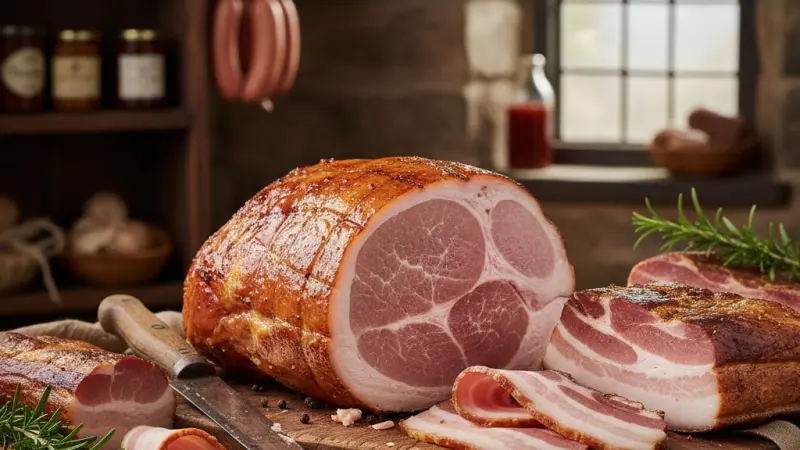
The art of curing pork is a cornerstone of British culinary heritage. From the quintessential "full English" breakfast to the sophisticated charcuterie boards of London’s top-tier restaurants, bacon and ham remain dietary staples. However, beyond the breakfast plate lies a robust and sophisticated industry: the Bacon & Ham Curers & Merchants sector. This industry is a vital component of the UK’s agri-food economy, bridging the gap between livestock farming and the retail consumer.

In the United Kingdom, curing is more than a preservation technique; it is a high-value manufacturing process that requires precision, chemical understanding, and a deep respect for tradition. British curers are globally renowned for their specific regional styles, such as the Wiltshire Cure or the York Ham. These aren't just names; they represent specific standards of moisture content, salt levels, and smoking durations that define the British palate.
Economically, the sector contributes billions to the UK's GDP. It supports thousands of jobs, ranging from master butchers and food scientists to logistics experts and sales professionals. The merchant side of the business ensures that these high-quality products reach the right markets, whether through uk local business search platforms for local butchers or large-scale procurement contracts for supermarkets. As the UK continues to navigate its independent trade policy, the demand for domestically produced, high-welfare pork products has never been higher. This guide serves as a definitive resource for understanding the complexities, challenges, and opportunities within this prestigious British trade.
The Landscape of Bacon & Ham Curers & Merchants in the UK
The UK market for cured meats is characterized by a unique duality: the presence of massive industrial processors alongside a thriving community of artisan, small-scale producers. Historically, curing was a localized necessity, with regions developing their own methods based on available ingredients (like peat for smoking in the north or specific sugars in the south). Today, while the "pork belt" of East Anglia and Yorkshire remains a hub of activity due to its proximity to pig farms, curing facilities are spread across the country.
Post-pandemic, the landscape has shifted significantly. The initial shock of hospitality closures forced many curers to pivot toward direct-to-consumer (D2C) models. This digital transformation was rapid; businesses that previously relied on wholesale contracts suddenly needed to appear in a business listing uk to capture the attention of home cooks looking for premium ingredients. This shift has led to a permanent change in market dynamics, with a greater emphasis on traceability and the "story" behind the meat.
Market data suggests that while overall meat consumption is under scrutiny, the "less but better" trend is benefiting high-end curers. Consumers are increasingly willing to pay a premium for dry-cured bacon that doesn't shrink in the pan or hams cured without excessive nitrates. Furthermore, Brexit has forced the industry to look inward for supply chain resilience, strengthening the bonds between British pig farmers and domestic processors. The result is a more integrated, transparent, and quality-focused landscape that continues to evolve to meet modern ethical and dietary standards.
Comprehensive Services Breakdown
The services offered by UK curers and merchants extend far beyond simply "salting meat." It is a multifaceted industry involving specialized chemical processes and artisan craftsmanship.
Traditional Dry Curing
Dry curing is the gold standard for premium bacon and ham. Curers rub a mixture of salt, sugar, and nitrites directly onto the meat. This draws out moisture and intensifies flavor over several weeks. Merchants who specialize in these products often feature prominently in uk service listings because their products are highly sought after by specialty food shops and high-end gastropubs.
Wet Curing and Brining
The Wiltshire Cure is the UK’s most famous wet curing method. The pork is submerged in a "live" brine—a salty liquid that can be decades old, replenished constantly with new ingredients. This process results in a succulent, traditional ham that is a staple of the British deli counter.
Smoking and Finishing
Smoking is an elective but vital part of the service. Producers use different woods—oak, beech, apple, or hickory—to impart distinct flavor profiles. Cold smoking (where the temperature stays below 30°C) is common for bacon, while some hams may be hot-smoked to cook them simultaneously.
Merchant and Distribution Services
Merchants act as the vital link. They manage the logistics of "just-in-time" delivery, ensuring that a product cured in rural Shropshire can be on a plate in London within 24 hours.
They often provide bespoke slicing and packaging services, tailoring the thickness and weight of the product to the specific needs of the hospitality sector.
How to Choose the Right Service Provider
For businesses or consumers looking to source the best pork products, the selection process must be rigorous. The first step is often a digital search through a uk local business directory to identify local players with established reputations.
Accreditations and Food Safety
In the UK, the Food Standards Agency (FSA) and local authorities regulate curing facilities. Look for BRCGS (British Retail Consortium Global Standards) or Salsa (Safe and Local Supplier Approval) accreditation. These certificates guarantee that the provider adheres to the highest hygiene and safety standards.
Welfare Standards
British consumers are highly sensitive to animal welfare. Suppliers that use Red Tractor assured pork or RSPCA Assured outdoor-bred pigs are generally preferred. A provider’s commitment to "farm-to-fork" traceability is a key indicator of quality.
Reviews and Local Reputation
In an industry built on trust, peer reviews are invaluable. Does the curer have a history of consistent supply? Do their hams have the correct texture? Checking a local businesses list uk for feedback from other chefs or retailers can prevent costly sourcing mistakes.
Insurance and Reliability
Professional merchants should carry comprehensive product liability insurance. Given the perishable nature of the goods, a provider’s ability to maintain a cold chain during transit is non-negotiable. Reliability in delivery schedules is often what separates a mediocre merchant from a top-tier industry leader.
Industry Challenges & Future Outlook
The bacon and ham sector is currently navigating a period of significant disruption. One of the most pressing challenges is the regulatory shift regarding nitrites. While nitrites are essential for preventing botulism and giving ham its pink color, health concerns are driving a movement toward "nitrite-free" curing. This requires advanced technology and much stricter hygiene controls, as the preservative safety net is reduced.
Sustainability is another major pillar of change. Large-scale curers are investing in green energy to power their massive refrigeration units. Packaging is also being overhauled, with a move away from single-use plastics toward compostable or recyclable films. Businesses that promote these initiatives often stand out when listed on a business listing uk, as modern consumers prioritize eco-conscious brands.
Furthermore, labor shortages in the butchery and processing sectors are driving a shift toward automation. Robotic slicing and automated brine injection systems are becoming more common in larger facilities to maintain output. However, the future for artisan producers remains bright; as the mass market becomes more automated, the value of "hand-cured" and "traditionally smoked" products increases, ensuring a diverse and resilient market for the decade ahead.
Business Tips for Bacon & Ham Curers & Merchants Professionals
For professionals in this niche, excellence in production must be matched by excellence in marketing. In a crowded marketplace, being the best curer in the county is of little use if no one can find you.
Digital Visibility and SEO
Modern procurement begins with a search engine. Professionals should ensure their business is listed in every relevant uk professional services listings.
This not only provides a direct link to potential clients but also improves the business’s "authority" in the eyes of search engines.
Content Marketing
Curing is a visual and sensory process. Sharing videos of the smoking house, explaining the difference between back and streaky bacon, or showcasing the origin of the pigs can build immense brand loyalty. This "educational" approach positions the merchant as an expert rather than just a seller.
B2B Networking
Relationships are the lifeblood of the merchant trade. Attending trade fairs like the Farm Shop & Deli Show is crucial. However, maintaining that presence online through a uk b2b business directory ensures that even when the trade show ends, the leads continue to come in. Focusing on "local" is a powerful strategy; many restaurants take pride in highlighting local suppliers on their menus.
Wrapping Up & Local Page Integration
The UK Bacon & Ham Curers & Merchants industry is a testament to the endurance of British tradition and its ability to modernize. From the meticulous science of the brine to the strategic logistics of the merchant, this sector remains a cornerstone of the nation’s food identity.
As we have seen, the transition to digital-first business models is no longer optional. Whether you are an artisan curer in the Cotswolds or a major merchant in Manchester, your online presence determines your growth. Local Page UK provides the perfect platform for these businesses to shine. By centralizing visibility and connecting quality producers with eager consumers, it ensures that the British curing tradition continues to thrive in the digital age.
Boost Your Visibility with Local Page UK
In the competitive world of British food production, standing out is essential for survival and growth. For Bacon & Ham Curers and Merchants, your local reputation is your greatest asset, but it needs a digital megaphone. By ensuring your business is easily discoverable, you open doors to new wholesale contracts, restaurant partnerships, and local retail customers. We encourage all industry professionals to claim their business listing uk today to ensure they are part of the UK’s premier network of trusted local businesses.
Frequently Asked Questions
1. What is the difference between dry curing and wet curing?
Dry curing involves rubbing a mixture of salt and spices directly onto the meat to extract moisture over time, resulting in a firm texture. Wet curing involves submerging the meat in a liquid brine. Both have distinct flavor profiles favored by different UK regions.
2. How long does the traditional curing process take?
Bacon can take anywhere from 5 to 14 days depending on the thickness and method. Hams, being larger, can take several weeks or even months for premium varieties like York Ham to reach peak maturity.
3. Are nitrates necessary in bacon and ham curing?
Nitrites are traditionally used to prevent the growth of harmful bacteria and to give the meat its characteristic pink color.
However, many modern curers are now offering "nitrite-free" options using natural alternatives like celery juice.
4. How can I find a reliable local ham supplier in the UK?
The most efficient way is to use a dedicated search platform like find local businesses uk to filter for accredited meat processors and merchants in your specific county.
5. Why is a local page important for a curing business?
A Local page helps a business appear in localized search results, making it easier for nearby restaurants and residents to find and support their local food producers.
6. What should I look for in a quality bacon supplier?
Check for Red Tractor or RSPCA Assured labels, BRCGS accreditation, and positive reviews regarding the "water loss" of the bacon when cooked—high-quality bacon should not release white froth in the pan.
7. What is the Wiltshire Cure?
The Wiltshire Cure is a traditional British wet-curing method where the pork is kept in a brine for several days. It is known for producing exceptionally succulent and mild-flavored ham and bacon.
8. Is the UK curing industry regulated?
Yes, it is strictly regulated by the Food Standards Agency (FSA) and local Environmental Health Departments to ensure all chemical levels and hygiene practices meet national safety laws.
9. Can I buy cured meats directly from wholesalers?
Many merchants have now opened D2C (Direct to Consumer) wings, allowing individuals to buy restaurant-quality meat at wholesale prices, often listed on a uk business directory website.
10. How has Brexit affected the UK bacon market?
Brexit has led to increased costs for imported pork, which has encouraged many curers to source more pigs from British farmers, strengthening the domestic supply chain but also leading to slight price increases.
11. What wood is best for smoking bacon in the UK?
Oak is the most traditional choice in the UK for a strong, classic flavor. Beech is often used for a milder finish, while apple and cherry wood are popular for artisan, sweeter profiles.
12. Does "dry cured" bacon always mean no water is added?
Yes, true dry-cured bacon does not have water injected into it. This means it won't shrink significantly or spray water when fried, which is a hallmark of a superior product.
13. How should cured ham be stored to maintain quality?
Whole hams should be kept in a cool, dry place or a "ham bag." Once sliced, they must be refrigerated and are best consumed within 3-5 days to enjoy the full flavor profile.
14. Are there vegan alternatives to cured meats gaining ground?
While plant-based "facon" exists, the traditional curing industry is focusing on high-welfare,
high-quality real pork to differentiate itself from highly processed meat alternatives.
15. Where can I list my curing business for free online?
You can create a profile for your business on Localpage to increase your visibility to both local customers and B2B partners across the United Kingdom.

Disclaimer: The information provided in this article is for general informational and research purposes only. Company details, features, services, and market positions may change over time. Readers are advised to visit official company websites and conduct independent research before making any business decisions or purchasing services.
Most Searchable Keywords

Recent Blogs



Related Listings

Categories
- Accountants (295)
- Advertising Agencies (559)
- Architects (149)
- Automobiles (377)
- Beauty (300)
- Carpenters (146)
- Cleaning Services (386)
- Dentists (189)
- Driving (62)
- Electricians (215)
- Energy (8)
- Event Organiser (685)
- Finance (599)
- Guide (3365)
- Health (2207)
- Information technology (206)
- Legal Services (353)
- Logistics (6)
- Maintenance (65)
- Manufacturing (35)

Sponsored Listings in Locksmith Services


Related Blogs

Gen Z Political Reporters and News Creators i...
Read this insightful article "Gen Z Political Reporters and News Creators in the UK" to expand your knowledge!

Famous Female Social Media Influencers Across...
Read this insightful article "Famous Female Social Media Influencers Across the UK" to expand your knowledge!

Your UK Sponsor Licence 2026 Step by Step Gui...
Read this insightful article "Your UK Sponsor Licence 2026 Step by Step Guide" to expand your knowledge!
Questions & Answers – Find What
You Need, Instantly!
How can I update my business listing?
Is it free to manage my business listing?
How long does it take for my updates to reflect?
Why is it important to keep my listing updated?
