
Badges & Emblems UK: Custom Design, Materials & Ordering Processes
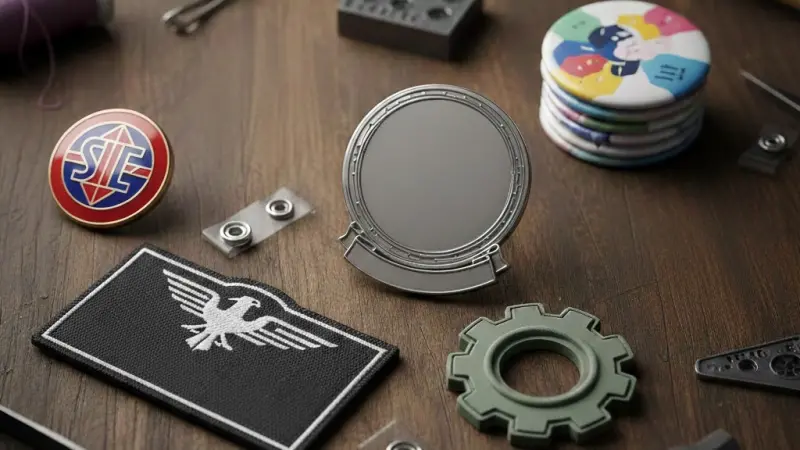
The badges and emblems sector in the United Kingdom represents a unique intersection of heritage craftsmanship and modern industrial precision. From the ceremonial regalia worn by the Royal Family to the identification patches used by emergency services and the branded promotional items distributed by FTSE 100 companies, this industry is a quiet powerhouse within the British manufacturing landscape. Economically, the sector contributes significantly to the UK’s SME ecosystem, providing specialized employment in traditional hubs like Birmingham’s Jewellery Quarter and the industrial corridors of the North.
In the digital age, the procurement of these items has shifted. While historical firms once relied solely on word-of-mouth and long-standing contracts, contemporary purchasers—ranging from local sports clubs to multinational logistics firms—now begin their search through uk local business search. This transition underscores the vital economic importance of the industry; it is no longer just about metal and thread, but about identity, security, and brand equity. In a country where heraldry and visual symbolism are deeply woven into the national fabric, the demand for high-quality, bespoke emblems remains resilient. This guide explores the intricate world of UK badge manufacturing, examining the craftsmanship, the evolving market dynamics, and the critical processes involved in bringing a design from the sketchbook to the lapel.
The Landscape of Badges & Emblems in the UK
The current market for badges and emblems in the UK is characterized by a fascinating duality: the preservation of artisanal techniques alongside the rapid adoption of automated manufacturing. Analysts estimate the UK promotional merchandise and insignia market to be worth hundreds of millions of pounds, with bespoke badges forming a substantial sub-sector. Key regions of activity remain concentrated in traditional manufacturing heartlands. Birmingham, particularly the Jewellery Quarter, remains the spiritual home of metal badge making, while the textile hubs in Yorkshire and Lancashire lead the way in embroidered and woven patches.
Post-pandemic, the industry has undergone a significant evolution. The initial shock of 2020 led to a temporary downturn in ceremonial and event-based demand. However, this was quickly offset by an unprecedented surge in the need for identification badges for healthcare workers and essential service providers. Furthermore, the "Shop Local" movement has reinvigorated small-scale manufacturers who cater to independent retailers and boutique brands. As businesses sought to rebuild their local presence, many looked for a business listing uk to identify regional suppliers who could offer shorter lead times and a lower carbon footprint compared to overseas imports.
Modern British consumers and businesses are increasingly prioritizing provenance. There is a growing trend toward "Made in Britain" certification, which acts as a hallmark of quality and ethical labor practices. The industry has also seen a consolidation of services; many manufacturers now offer comprehensive design-to-delivery solutions, utilizing CAD (Computer-Aided Design) to provide rapid prototyping for clients. This agility has allowed the UK sector to remain competitive against mass-produced alternatives from the Far East, focusing on high-value, low-volume bespoke orders that require the nuanced eye of a British craftsman.
Comprehensive Services Breakdown
The breadth of products offered within the UK badge and emblem niche is extensive, covering various materials, finishes, and attachment methods. Understanding these distinctions is crucial for any organization looking to commission bespoke items.
1. Metal Badges (Enamel and Die-Struck)
The most prestigious category remains metalwork. Soft enamel badges are popular for their cost-effectiveness and vibrant colors, whereas hard enamel (Cloisonné) offers a premium, glass-like finish that is polished flat. Die-struck badges, which use no color but rely on the contrast between recessed and raised metal, are often chosen for professional associations and corporate awards. Organizations seeking these specialized artisans often consult uk service listings to find craftsmen capable of handling precious metals like silver and gold for commemorative pieces.
2. Embroidered and Woven Patches
For the apparel and security industries, textile emblems are the standard. Embroidered patches use thicker thread to create a three-dimensional effect, making them ideal for military and emergency service uniforms. Woven patches, conversely, use thinner threads and a tighter weave, allowing for much higher detail and smaller text—perfect for intricate corporate logos or intricate club crests.
3. Rubber and PVC Emblems
Increasingly popular in the outdoor and tactical gear sectors, PVC badges are waterproof, durable, and offer a modern, tactile feel. They allow for 2D or 3D layering, providing a level of detail that is difficult to achieve in traditional textiles.
4. Button Badges and Merchandising
At the high-volume, low-cost end of the spectrum, button badges remain a staple for political campaigns, charity fundraising, and band merchandise.
These are typically printed on paper and covered with a protective plastic film, allowing for photographic detail and rapid production.
How to Choose the Right Service Provider
Selecting a badge manufacturer in the UK requires a balance of aesthetic judgment and due diligence. Because badges often represent an organization's brand or authority, the quality of the final product is non-negotiable.
Prospective buyers should first look for relevant accreditations. Membership in trade bodies like the British Promotional Merchandise Association (BPMA) or ISO 9001 certification for quality management provides a layer of security. Furthermore, insurance is a critical factor; any reputable manufacturer should hold public and product liability insurance, particularly if they are handling large-scale contracts for public institutions.
Online reputation management has become the "new shop window." Before committing to a supplier, it is wise to check their standing on a uk business directory website. Reviews on such platforms provide an unfiltered look at a company's reliability, lead times, and customer service. Local reputation is especially important if you require a "hands-on" approach where you can visit the factory to approve samples. A provider with a strong local presence is often more invested in maintaining their standing within the community, leading to higher accountability.
Finally, consider the manufacturer's design capabilities. The best providers offer in-house graphic design services to help refine your concept, ensuring that the final emblem is technically feasible for the chosen material. Ask for physical samples of previous work to assess the weight of the metal, the clarity of the enamel, and the precision of the stitching.
Industry Challenges & Future Outlook
The UK badges and emblems industry faces several headwinds, ranging from fluctuating raw material costs to the broader challenges of "Green" manufacturing. Metal prices—specifically copper, zinc, and nickel—have seen significant volatility, forcing manufacturers to adopt more sophisticated hedging strategies or move toward alternative materials.
Sustainability is perhaps the most significant shift. The industry is moving away from single-use plastics and toward recycled metals and organic threads. "Eco-badges" made from sustainably sourced wood or biodegradable bioplastics are gaining traction among environmentally conscious brands. Furthermore, the chemicals used in the electroplating process are under increasing regulatory scrutiny in the UK, leading to the adoption of cleaner, "closed-loop" plating systems that minimize environmental impact.
Technological shifts are also redefining the production line. 3D printing is increasingly used for rapid prototyping, allowing clients to feel the "heft" of a badge before it goes into mass production. Moreover, the integration of NFC (Near Field Communication) chips into emblems is a burgeoning trend, turning a simple patch into a digital gateway for security authentication or interactive marketing. To stay ahead of these trends, savvy professionals frequently list their innovations on a business listing uk to attract tech-forward clients looking for the next generation of identification solutions.
Business Tips for Badges & Emblems Professionals
For small and medium-sized badge manufacturers, competing with global giants requires a laser-focused marketing strategy. In this niche, digital visibility is the difference between a thriving workshop and an empty order book.
Firstly, embrace local SEO. Most B2B buyers will search for services using regional keywords. Ensuring your business is prominent in uk verified business listings is a fundamental step. This not only improves your search engine rankings but also builds trust with potential clients who prefer to work with verified, legitimate UK entities.
Content marketing is equally vital. Sharing "behind-the-scenes" videos of the enamel-firing process or the intricate embroidery digitizing phase on social media can humanize your brand and showcase your expertise. Furthermore, maintaining an active presence in trade-specific directories helps in capturing "warm leads"—customers who are already in the consideration phase of the buying journey.
By diversifying your digital footprint, you ensure that whether a customer is looking for a one-off ceremonial medal or ten thousand promotional pins, your business is the one they find first.
Wrapping Up & Local Page Integration
The badges and emblems industry remains a cornerstone of British identity and corporate communication. As we have explored, the journey from a design concept to a physical emblem involves complex choices regarding materials, manufacturing techniques, and ethical considerations. In an increasingly digital world, the physical badge serves as a tangible anchor for brand loyalty and professional pride.
For UK businesses within this sector, the primary challenge is no longer just the quality of the craft, but the ability to be discovered by the right audience. Whether you are a master engraver in Birmingham or a high-tech patch manufacturer in London, your growth depends on visibility. Local Page UK serves as the premier bridge between these specialist service providers and the customers who need them. By centralising UK business data, it ensures that high-quality craftsmanship is never more than a click away.
Boost Your Visibility with Local Page UK
In the competitive world of UK manufacturing and professional services, being found online is not just an advantage—it is a necessity. For professionals in the Badges & Emblems sector, reaching local sports teams, schools, and corporate clients requires a robust digital presence. We invite all UK-based badge makers and emblem designers to claim their business listing uk on our platform. By joining the Local Page UK community, you ensure your business is positioned where local customers are actively searching, helping you grow your brand and secure your place in this historic British industry.
FAQ
1. What are the most durable materials for outdoor emblems?
For emblems exposed to the elements, PVC and stainless steel are the premier choices. PVC is waterproof and resistant to UV fading, making it ideal for outdoor uniforms. Stainless steel with a high-quality lacquer is the best option for metal badges used in maritime or heavy industrial environments.
2. How long does the custom badge ordering process typically take in the UK?
Lead times vary by complexity. Standard enamel badges usually take 3 to 4 weeks, while simple embroidered patches can be delivered in 10 to 14 days. Express services are often available for a premium, reducing times to under a week for certain items.
3. Can I get a single custom badge made, or is there a minimum order quantity?
While many industrial manufacturers have a minimum order quantity (MOQ) of 25 or 50 pieces, many boutique UK makers specialize in one-off commissions for heraldry or gifts. These can be found via specialized service directories.
4. What is the difference between soft and hard enamel?
Soft enamel has recessed paint areas, giving the badge a textured, 3D feel. Hard enamel is filled to the brim
with paint and then polished flat, resulting in a smooth, high-end finish that is more durable and scratch-resistant.
5. Where can I find a reputable Local page for badge suppliers?
You can find highly-rated and verified badge suppliers by searching a comprehensive local businesses list uk. This allows you to filter by region and read reviews from previous clients to ensure quality.
6. Are there eco-friendly options for badges?
Yes, the UK market is seeing a rise in sustainable options, including badges made from recycled ocean plastics, FSC-certified wood, and organic cotton embroidery threads. Many suppliers now highlight their "green" credentials in their listings.
7. What file format do I need for my emblem design?
Most manufacturers prefer vector files (AI, EPS, or PDF) because they can be scaled without losing quality. If you only have a JPEG or PNG, many UK firms offer a digitizing service to convert your art into a production-ready format.
8. Is it better to source badges from the UK or overseas?
Sourcing from the UK offers faster communication, easier quality control, and a lower carbon footprint. While overseas may be cheaper for massive quantities, UK makers offer superior craftsmanship and protection under UK consumer law.
9. How do I attach my custom emblems to clothing?
Options include safety pins, clutch pins (butterfly clips), magnetic backings, or iron-on adhesive for patches. For permanent uniform placement, sewing remains the most secure and professional-looking method.
10. Can badges be used for security purposes?
Absolutely. Many UK companies incorporate holographic foils, unique serial numbers, or even NFC chips into their badges to prevent counterfeiting and allow for digital access control in secure facilities.
11. What is "Cloisonné" in badge making?
Cloisonné is a traditional hard enamel technique where glass paste is applied to the metal, fired in a kiln at high temperatures, and then ground flat. It is the gold standard for ceremonial and high-prestige awards.
12. Do UK manufacturers offer design help for emblems?
Most established UK badge makers have in-house design teams. They can take a rough sketch or a verbal concept and create a professional mock-up that accounts for the technical limitations of the chosen manufacturing process.
13. What are "die-struck" badges?
Die-struck badges are made by striking a metal sheet with a custom-made die. They do not use color, relying instead on the play of light between the raised and recessed metal. They are often sandblasted or polished for contrast.
14. How can I verify if a badge manufacturer is legitimate?
Always check for a physical UK address, a VAT registration number, and presence on a uk b2b business directory.
Verified listings provide an extra layer of security for corporate procurement departments.
15. How do I register my own badge business for more visibility?
To reach more customers, you should ensure your company is listed on high-traffic platforms. You can start by creating a profile on Localpage to connect with local clients and improve your online authority.
Disclaimer: The information provided in this article is for general informational and research purposes only. Company details, features, services, and market positions may change over time. Readers are advised to visit official company websites and conduct independent research before making any business decisions or purchasing services.
Most Searchable Keywords
Recent Blogs


Related Listings
Categories
- Accountants (295)
- Advertising Agencies (559)
- Architects (149)
- Automobiles (377)
- Beauty (300)
- Carpenters (146)
- Cleaning Services (387)
- Dentists (189)
- Driving (62)
- Electricians (215)
- Energy (8)
- Event Organiser (686)
- Finance (602)
- Guide (3373)
- Health (2207)
- Information technology (206)
- Legal Services (353)
- Logistics (6)
- Maintenance (65)
- Manufacturing (35)
Sponsored Listings in Travel Agencies

Related Blogs

Explore Dog Friendly Walks in the Cotswolds f...
Read this insightful article "Explore Dog Friendly Walks in the Cotswolds for 2026" to expand your knowledge!

How Much Do UK Actors Really Earn Full Indust...
Read this insightful article "How Much Do UK Actors Really Earn Full Industry Breakdown" to expand your knowledge!

Blue Light Card UK 2026 Check Eligibility and...
Read this insightful article "Blue Light Card UK 2026 Check Eligibility and Claim" to expand your knowledge!
Questions & Answers – Find What
You Need, Instantly!
How can I update my business listing?
Is it free to manage my business listing?
How long does it take for my updates to reflect?
Why is it important to keep my listing updated?
