
Best Credit Cards UK: Comprehensive Guide to Personal Finance Options
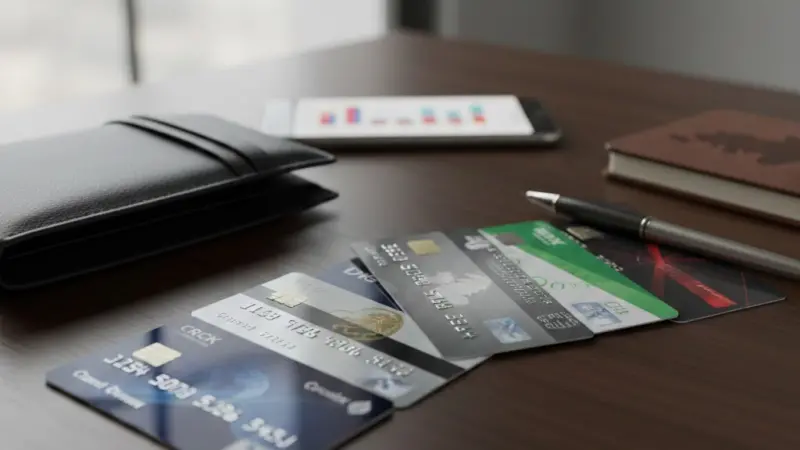
Navigating the UK credit market requires a clear understanding of your financial goals, whether you are looking to consolidate existing debt, earn rewards on daily spending, or build a thin credit file from scratch. The best credit cards in the UK currently offer a range of benefits including extended interest-free periods on balance transfers, lucrative cashback rates for supermarket shopping, and low-fee options for international travel. To find the right fit, you must evaluate your current credit score against lender requirements while considering the long-term cost of borrowing. Finding the best credit card depends on whether you value immediate savings via 0% periods or long-term gains through loyalty points and travel perks. By comparing APRs and fee structures across major high-street banks and digital challengers, you can secure a tool that enhances your purchasing power rather than hindering your financial health.

Featured Snippet: To choose the best credit card in the UK, identify your primary need: use balance transfer cards for debt consolidation, reward cards for earning on spend, or credit-builder cards to improve your score. Always use an eligibility checker before applying to protect your credit rating, and ensure you can meet at least the minimum monthly payments to avoid high interest charges and late fees.
Navigating the Landscape of British Credit Agreements
The UK credit market is highly regulated and diverse, offering consumers a myriad of ways to manage their liquidity. When looking for a new agreement, it is vital to understand how different products interact with your credit report and overall financial stability. British lenders typically categorise applicants based on their risk profile, which influences the interest rates and credit limits offered. Understanding these nuances helps you avoid common pitfalls such as applying for products that do not suit your current standing.
Understanding Different Categories of Credit Facilities
Credit cards in Britain generally fall into specific categories: balance transfers, purchase cards, rewards, and credit builders. Each serves a unique purpose in a financial toolkit. For instance, a balance transfer card is designed specifically to move debt from a high-interest environment to a 0% one, whereas a purchase card focuses on providing interest-free periods for new acquisitions. Selecting the wrong category can lead to unnecessary interest costs and missed opportunities for rewards.
Identifying Your Specific Financial Requirements
Before browsing, assess your monthly outgoings and existing debts. If you carry a monthly balance, interest rates are your priority. If you clear your balance in full every month, reward points or cashback should be your focus. Matching the card's primary benefit to your spending habits ensures maximum value from the account.
Strategic Use of Interest Free Transfer Options
Balance transfer cards remain one of the most effective ways for UK consumers to manage personal debt levels. By moving a balance from a card charging high interest to one with a 0% introductory period, you can ensure that every penny of your monthly payment goes toward reducing the principal debt. This strategy can save hundreds of pounds over the duration of the interest-free window, allowing for faster debt clearance and improved monthly cash flow.
Comparing Duration and Transfer Fee Structures
While the 0% period is the headline feature, the associated transfer fee is equally important. Most lenders charge a percentage of the total amount moved, usually between one and three percent. In some cases, a shorter interest-free period with a lower fee may be more cost-effective than a longer period with a higher fee, depending on how quickly you plan to repay the balance. Calculation of the total cost of credit is essential here.
Maximising the Repayment Window Effectively
To benefit fully, divide your total balance by the number of interest-free months and set your monthly payment to that amount. This ensures the debt is cleared before the standard APR kicks in. Avoid using these cards for new purchases, as this can complicate interest calculations and hinder your repayment progress.
Earning Value Through Rewards and Cashback Schemes
For those who manage their finances diligently and pay their balance in full each month, reward credit cards offer a way to get something back from everyday spending. These cards typically offer points for specific retailers, airline miles, or direct cashback. In the UK, many of the most popular reward cards are linked to major supermarket chains or travel providers, making them highly integrated into the average consumer's lifestyle.
Analysing the Worth of Loyalty Point Systems
Not all points are created equal. It is important to calculate the "pence per point" value to understand the true return on your spending. Some cards offer high point totals that translate to very little real-world value, while
others offer fewer points that go much further when redeemed for flights or luxury items. Consider your lifestyle and where you already spend the most money to find the most compatible scheme.
Evaluating Annual Fees Against Potential Benefits
Premium reward cards often come with an annual fee, sometimes exceeding one hundred pounds. You must ensure that the value of the rewards earned and any additional perks, such as airport lounge access or insurance, comfortably outweigh this cost. If your annual spend is low, a fee-free cashback card might be a more profitable option for your wallet.
Essential Tools for Building Personal Credit History
Credit builder cards are designed for individuals with limited credit history or those who have experienced financial difficulties in the past. These cards usually have lower credit limits and higher APRs, reflecting the increased risk to the lender. However, when used responsibly, they are an excellent stepping stone toward more competitive financial products. They provide a platform to demonstrate reliable repayment behaviour to credit reference agencies.
Consistent Repayment as a Growth Strategy
The primary goal of a credit builder card is not to borrow large sums but to generate positive data on your credit report. Making small, regular purchases and paying the balance in full every month shows lenders that you are a reliable borrower. Over time, this improves your credit score, making you eligible for cards with lower interest rates and better features in the future.
Maintaining Low Credit Utilisation Ratios
Lenders look favourably on those who use only a small portion of their available credit. Keeping your balance below thirty percent of your limit is a widely recognised benchmark for score improvement. This demonstrates that while you have access to credit, you are not dependent on it for your daily survival.
Avoiding Common Mistakes in Credit Management
Many UK consumers fall into traps that can damage their financial health for years. One of the most significant errors is making only the minimum payment each month. While this keeps the account in good standing, it results in the majority of your payment being swallowed by interest, meaning the debt stays with you for much longer than necessary. Understanding the long-term impact of compound interest is vital for any cardholder.
The Dangers of Multiple Successive Applications
Every time you apply for credit, a "hard search" is recorded on your file. Multiple searches in a short period can suggest to lenders that you are in financial distress, leading to automatic rejections. This creates a negative cycle where your score drops further with every attempt. Utilising "soft search" eligibility checkers is the only way to browse without impacting your rating.
Understanding the Impact of Withdrawing Cash
Using a credit card at an ATM is almost always a mistake. Cash advances usually incur immediate interest charges, even if you pay the balance in full that month, and often come with a flat fee. Furthermore, some lenders view frequent cash withdrawals on credit as a sign of poor money management, which could affect future credit applications.
Step by Step Guidance for New Applicants
Securing the best credit card requires a methodical approach. Start by obtaining a copy of your credit report from the three main UK agencies to ensure there are no errors. Once you know your standing, use an independent comparison site to filter cards by your primary need. Focus on those that offer a high likelihood of approval based on your specific profile to avoid unnecessary hard searches on your record.
Preparing Documentation for the Application Process
When you apply, you will need to provide details of your income, employment status, and residential history. Accuracy is paramount; discrepancies between your application and the data held by credit agencies can lead to delays or rejections.
Have your most recent payslips and bank statements ready in case the lender requires verification of your financial situation during the underwriting process.
Reviewing the Credit Agreement Before Signing
Before confirming your acceptance, read the Summary Box carefully. This document outlines the interest rates, fees, and the duration of any introductory offers. Pay close attention to what happens once a 0% period ends, as the jump to a standard APR can be substantial. Ensure you are comfortable with all terms and conditions before committing to the facility.
Future Outlook for the British Credit Sector
The UK credit card market is evolving rapidly with the rise of FinTech and changes in consumer regulation. We are seeing a shift toward more transparent pricing and more flexible repayment options. Furthermore, "Open Banking" is allowing lenders to make more accurate assessments of affordability by looking at real-time bank data rather than relying solely on historical credit scores. This could open up better products for those with non-traditional income streams.
Integration of Sustainable and Ethical Finance
Consumers are increasingly looking for financial providers that align with their personal values. This is leading to the introduction of "green" credit cards that contribute to environmental causes or cards from banks that have strict ethical investment policies. As this trend grows, we expect to see more competitive features attached to these socially responsible products, making them a viable alternative to traditional big-bank offerings.
Enhanced Digital Management and Security Features
Mobile banking apps are becoming sophisticated financial hubs, offering real-time spending categorisation and instant "freeze" functions for lost cards. Future developments are likely to include more advanced biometrics and AI-driven fraud prevention, making credit cards one of the most secure ways to pay. The focus will continue to shift toward empowering the user with data to manage their debt more effectively.
Practical Strategies for Interest Minimisation
Minimising interest is the most effective way to make a credit card work for you rather than against you. Beyond 0% offers, you can reduce costs by paying more than the minimum whenever possible. Even an extra twenty pounds a month can significantly reduce the total interest paid over the life of a debt. Staying within your credit limit is also essential to avoid "over-limit" fees which can be costly.
Setting Up Automated Payment Systems
The easiest way to avoid late fees and protect your credit score is to set up a Direct Debit. You can choose to pay the minimum, a fixed amount, or the full balance each month. Automating this process ensures you never miss a deadline, which is one of the most common reasons for credit score damage. It also provides peace of mind and simplifies your monthly financial admin.
Utilising Alerts for Spending and Deadlines
Most modern UK banking apps allow you to set up notifications for when you approach your credit limit or when a payment is due.
Using these tools keeps your spending front-of-mind and prevents accidental breaches of your agreement. Being proactive with these digital features is a hallmark of successful credit management in the modern era.
Frequently Asked Questions
How do I find the best credit card for my specific credit score?
Finding the right card involves using eligibility checkers that perform a soft search on your file. These tools show you which products you are likely to be accepted for without damaging your score. Focus on cards that match your current rating, whether that is excellent, fair, or poor, to ensure you are looking at realistic options that offer the best possible terms for your situation.
Can I have multiple credit cards at the same time in the UK?
Yes, many people hold several cards to maximise different benefits, such as one for balance transfers and another for rewards. However, having too much available credit can sometimes impact your ability to get a mortgage or other loans, as lenders look at your total potential debt. It is important to manage each account responsibly and avoid opening too many new accounts in a short period.
What happens if I cannot afford my minimum credit card payment?
If you are struggling, the most important step is to contact your lender immediately. UK regulations require banks to treat customers in financial difficulty fairly. They may be able to offer a temporary payment holiday, reduce your interest rate, or set up a more affordable repayment plan. Ignoring the problem will lead to late fees, defaulted accounts, and significant long-term damage to your credit report.
Are credit cards safer to use for online shopping than debit cards?
Credit cards offer superior protection under Section 75 of the Consumer Credit Act. This law makes the card provider jointly liable with the retailer for purchases between one hundred and thirty thousand pounds. This means if the goods are faulty, not as described, or the company goes bust, you can claim your money back from the bank, providing a vital safety net for online and high-value purchases.
How long does it take for a credit card to improve my score?
Improving a credit score is a gradual process that typically takes between six months to a year of consistent, responsible use. Lenders want to see a pattern of on-time payments and low credit utilisation over an extended period. While a single month of good behaviour helps, the most significant improvements occur when you demonstrate long-term financial stability and reliability across all your credit accounts.

Disclaimer: The information provided in this article is for general informational and research purposes only. Company details, features, services, and market positions may change over time. Readers are advised to visit official company websites and conduct independent research before making any business decisions or purchasing services.
Most Searchable Keywords

Recent Blogs


Related Listings


Categories
- Accountants (295)
- Advertising Agencies (559)
- Architects (149)
- Automobiles (377)
- Beauty (300)
- Carpenters (146)
- Cleaning Services (386)
- Dentists (189)
- Driving (62)
- Electricians (215)
- Energy (8)
- Event Organiser (685)
- Finance (599)
- Guide (3365)
- Health (2207)
- Information technology (206)
- Legal Services (353)
- Logistics (6)
- Maintenance (65)
- Manufacturing (35)

Sponsored Listings in Locksmith Services


Related Blogs

Gen Z Political Reporters and News Creators i...
Read this insightful article "Gen Z Political Reporters and News Creators in the UK" to expand your knowledge!

Famous Female Social Media Influencers Across...
Read this insightful article "Famous Female Social Media Influencers Across the UK" to expand your knowledge!
Your UK Sponsor Licence 2026 Step by Step Gui...
Read this insightful article "Your UK Sponsor Licence 2026 Step by Step Guide" to expand your knowledge!
Questions & Answers – Find What
You Need, Instantly!
How can I update my business listing?
Is it free to manage my business listing?
How long does it take for my updates to reflect?
Why is it important to keep my listing updated?
