
How to Apply for a Credit Card UK
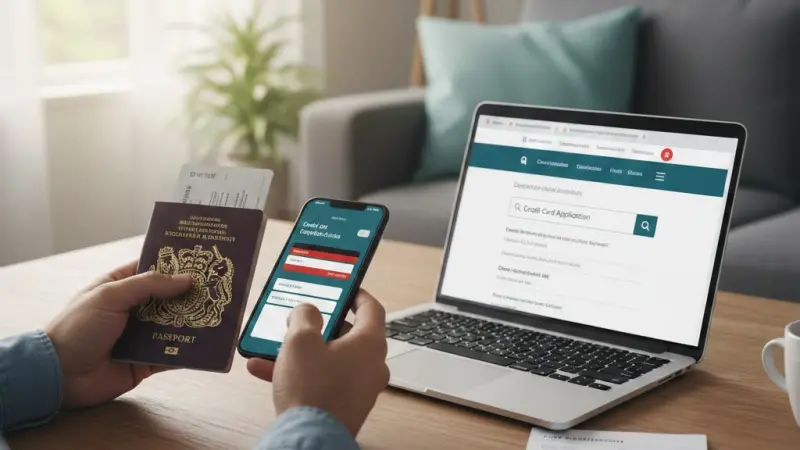
How to Apply for a Credit Card in the UK: A 2026 Strategic Business Guide
Published by LocalPage UK Architecture Team • Updated February 2026 • 12 Minute Read
Navigating the financial landscape of the United Kingdom in 2026 requires more than just a passing familiarity with banking. For the 5.6 million private sector businesses currently operating across the British Isles, securing the right credit facilities is a cornerstone of operational agility and growth. Whether you are a freelance consultant in Edinburgh, a hospitality giant in London, or a manufacturing firm in Belfast, understanding the intricate process of applying for a credit card is essential for managing cash flow and building a robust corporate credit history.
76% of UK SMEs now utilise digital-first banking tools to manage their short-term credit requirements, reflecting a significant shift in how professional services interact with the Financial Conduct Authority (FCA) regulated lenders.
Determining Your Eligibility Before Beginning the Application
Before you endeavour to submit an application, you must evaluate where your business stands in the eyes of UK lenders. Eligibility is not a monolithic concept; it varies significantly between high-street banks and the newer wave of fintech challengers that have gained prominence in 2025.
Analysing Your Current Credit Score and History
In the UK, creditworthiness is primarily determined by data held by agencies such as Experian, Equifax, and TransUnion. For business entities, this involves a "commercial credit score" which is distinct from your personal rating. Lenders look for a history of timely payments to HMRC and consistent filings with Companies House. If you are a sole trader, your personal credit history remains the primary metric, whilst limited companies are judged on their corporate performance and the credit profiles of their directors.
Financial Documentation and Compliance Requirements
Compliance with the Information Commissioner's Office (ICO) and ensuring your business is correctly registered with Companies House are non-negotiable prerequisites. Lenders will typically require at least twelve months of trading history, though some specialised startup cards now accept six months of accounts. You should ensure your most recent annual returns are filed and that you have a clear record of your VAT status if applicable.
Maintaining Accurate Records for HMRC
Ensuring that your "Making Tax Digital" records are up-to-date is a subtle but powerful signal to lenders. It demonstrates professional management and transparency, which can lead to more favourable interest rates during the application process.
Selecting the Right Type of Credit Facility for Your Business
The UK market in 2026 offers a diverse array of credit products tailored to specific industries. Choosing the wrong card can result in unnecessary annual fees or missed opportunities for cashback and rewards that could otherwise offset your business expenses.
Business Cashback vs. Reward-Based Cards
Professional services and hospitality firms often prefer cashback cards, where a percentage of every pound spent is returned to the business account. Conversely, businesses that involve frequent international travel—common among London-based startups and Northern Irish firms trading across the border—might find more value in "Air Miles" or points-based systems that offer premium lounge access and travel insurance.
Corporate Cards vs. Small Business Credit Cards
Whilst they may seem similar, corporate cards are generally designed for larger enterprises with higher turnovers (typically £2 million). These offer advanced expense management software integration. Small business cards are better suited for the 4.2 million micro-businesses in the UK, offering simpler approval processes and lower minimum spend requirements.
Professional Insight: In 2026, many UK lenders have integrated Environmental, Social, and Governance (ESG) metrics into their card offerings. Businesses that can demonstrate sustainable practices may find themselves eligible for "Green" credit lines with reduced carbon-offset fees.
Preparing Your Professional Application Portfolio
Applying for a credit card in the UK is no longer a matter of simply filling out a form.
It is a strategic presentation of your business's viability. Gathering your documentation beforehand will optimise your chances of an immediate "soft search" approval.
Essential Information for Companies House and HMRC Verification
You will need your Registered Office address, your Company Registration Number (CRN), and your personal details for all directors holding more than a 25% stake in the company. In Northern Ireland, ensure your records reflect any specific requirements relating to the Windsor Framework if your spending involves cross-border logistics.
Director Details and Personal Guarantees
Be prepared for the "Personal Guarantee" clause. Many UK lenders require directors of small limited companies to personally guarantee the debt if the business fails. This is a significant legal commitment that should be discussed with a qualified legal professional or accountant before signing.
Protecting Your Data Under ICO Guidelines
When sharing sensitive financial data with third-party comparison sites or brokers, ensure they are registered with the ICO and follow strict GDPR protocols to prevent your business data from being sold to unsolicited lead generators.
The Digital Application Process: Step-by-Step
Most UK business credit card applications are now processed entirely online. The traditional "meeting with the bank manager" has largely been replaced by sophisticated algorithms and automated risk assessments.
Utilising Eligibility Checkers and Soft Searches
Always endeavour to use a "soft search" eligibility checker first. This allows you to see your likelihood of approval without leaving a mark on your credit report. In 2025, the British Chambers of Commerce reported that multiple "hard searches" in a short period could reduce a business's credit score by up to 15%, making future borrowing more difficult.
Navigating the Online Form and Identification Checks
UK anti-money laundering (AML) laws require rigorous identification. You will likely need to use a smartphone to scan your passport or driving licence and perform a "liveness check" (a video selfie). This process is now standard across England, Scotland, Wales, and Northern Ireland.
82% of UK adults now use smartphones for banking. In the business sector, this has led to "instant-issue" virtual cards that can be used immediately upon approval, whilst the physical card arrives by post.
Understanding the Financial Terms and FCA Protections
Credit cards are regulated products. Understanding the fine print is vital for maintaining compliance and avoiding the "debt trap" that can stifle small business growth.
Interest Rates, APR, and Interest-Free Periods
In 2026, the average representative APR for business credit cards in the UK sits between 19% and 29%, depending on the risk profile. However, most cards offer a 45 to 56-day interest-free period on purchases if you pay the balance in full. For professional services, managing this cycle is a key strategy for maintaining liquidity.
The Role of the Financial Ombudsman Service
If you feel you have been treated unfairly during the application process or that a lender has hidden fees, you have the right to complain to the Financial Ombudsman Service. This protection is a hallmark of the UK's robust financial regulatory environment.
Monitoring Section 75 Protection Limits
Note that Section 75 of the Consumer Credit Act—which protects purchases between £100 and £30,000—does not always apply to business credit cards in
the same way it does to personal ones. Always check the specific "Purchase Protection" terms offered by your provider.
Regional Considerations Across the Four Nations
While the FCA regulates banking UK-wide, local business support and regional economic conditions can influence your application strategy.
Support for Businesses in Scotland and Wales
Scottish Enterprise and Business Wales provide mentorship programmes that can help micro-businesses prepare their financials for credit applications. In Wales, bilingual support is often available for those who prefer to conduct their business affairs in Welsh. Businesses in these regions often report higher success rates when they leverage local enterprise grants alongside their credit facilities.
The Northern Ireland Context and Cross-Border Trade
For firms in Northern Ireland, Invest NI offers specific guidance on financial resilience. When applying for a card, consider whether the provider offers competitive exchange rates for Euro transactions, which are frequent for businesses trading with the Republic of Ireland.
Post-Approval: Optimising Your Credit Limit and Usage
Once your application is successful, the journey of credit management begins. A credit card is a tool for growth, not just a safety net for poor cash flow.
Strategies for Increasing Your Credit Limit
Lenders typically review accounts every six months. By maintaining a low credit utilisation ratio (using less than 30% of your limit) and never missing a payment, you can position your business for a limit increase. This is particularly useful for retail businesses in England and the Midlands during seasonal peaks like Christmas.
Integrating Card Data with Accounting Software
Modern UK businesses use tools like Xero, QuickBooks, or FreeAgent. Most 2026 credit cards offer direct API feeds into these platforms. This automation reduces the administrative burden on your staff and ensures that HMRC-ready records are always available.
Common Pitfalls and How to Avoid Application Rejection
Rejection can be discouraging, but it is often due to simple, rectifiable errors rather than fundamental business failure.
Address Discrepancies and "Fat-Finger" Errors
One of the most common reasons for rejection is a mismatch between the address on your application and the address registered at Companies House or on the Electoral Roll. Ensure every detail is identical to your official filings.
The Impact of Recent Director Changes
If your business has recently appointed a new director, wait at least three months before applying for credit.
Lenders view sudden changes in leadership as a potential risk factor, and the "cooling-off" period allows the credit bureaus to update their records.
The Future of Business Credit in the UK (2026-2027)
As we look toward 2027, the integration of Artificial Intelligence in credit scoring is set to become even more pervasive. "Open Banking" will allow lenders to view your real-time cash flow rather than relying on stale annual accounts. This shift will likely benefit businesses with high turnover but low historical credit, such as fast-growing tech startups in Leeds and Manchester.
"Hey, how do I apply for a business credit card in the UK?"
To apply, first ensure your business is registered with Companies House and your HMRC records are up-to-date. Use an online eligibility checker to perform a 'soft search' which won't hurt your credit score. You will need your company registration number, three to six months of bank statements, and ID for all directors. Most applications take about 10 minutes online, and you can get an instant decision in many cases.
Frequently Asked Questions
Can I apply for a business credit card as a sole trader?
Yes, sole traders are eligible for business credit cards in the UK. However, the application will be based almost entirely on your personal credit score. You will still need to provide evidence of your business income, often via self-assessment tax returns or bank statements. This is a common route for freelancers and tradespeople across England and Wales to separate personal and business expenses.
How long does the application process actually take?
For most digital-first lenders, the initial application takes roughly 10 to 15 minutes. If your business information is easily verified via Companies House, you may receive an instant decision. However, if manual underwriting is required—common for complex hospitality or construction firms—it can take 3 to 5 working days. Physical cards usually arrive within 7 to 10 days.
Does applying for a credit card affect my credit score?
A 'soft search' eligibility check does not affect your score. However, a formal 'hard search' application will be recorded on your credit file. In the UK, multiple hard searches within a short period can signal financial distress to lenders, potentially lowering your score. It is always best to use an eligibility checker before committing to a full application.
What is the minimum turnover required for a UK business card?
Requirements vary by institution. Many high-street banks require a minimum turnover of £10,000 per annum. However, several 2026 fintech providers offer 'startup' cards with no minimum turnover requirement, provided you can show a solid business plan or personal guarantee. Always check the specific criteria for each lender to avoid unnecessary rejections.
Is the application process different in Scotland or Northern Ireland?
The core banking regulations are UK-wide under the FCA. However, regional support differs. In Scotland, you might find specific assistance through Scottish Enterprise. In Northern Ireland, businesses must also consider their VAT and trade status under the Windsor Framework when applying for cards intended for international or cross-border procurement.
Do I need to be a UK resident to apply?
Generally, yes. Most UK lenders require the primary applicant and directors to be UK residents with a valid UK address. Some international business banks operate in London and provide facilities for non-resident directors, but these applications are significantly more complex and usually require a higher minimum deposit or turnover.
What happens if my application is rejected?
If rejected, the lender must tell you which credit reference agency they used. You should then check your report for errors. Do not reapply immediately; wait at least three to six months while improving your credit utilization and ensuring your Companies House filings are perfect. You might also consider a 'secured' business credit card as a stepping stone.
Are there cards specifically for the construction and trade sectors?
Yes, some providers offer 'trade cards' with higher limits for material purchases and extended interest-free periods to align with construction payment cycles. These are popular with the 385,000 trades businesses in the UK. They often include integration with major builders' merchants for automated invoicing.
Can I get a card with no annual fee?
Many basic business credit cards in the UK offer no annual fee, especially for the first year. However, cards that offer substantial cashback, rewards, or premium
travel insurance typically charge between £50 and £150 annually. You should calculate whether the value of the rewards outweighs the fee before applying.
What is a 'Personal Guarantee' and is it mandatory?
A Personal Guarantee is a legal promise that you will pay the debt yourself if your limited company cannot. While not mandatory for all cards, it is very common for small businesses and startups. If you are uncomfortable with this, look for cards that offer 'Corporate Liability' only, though these usually require a much higher turnover and longer trading history.
Disclaimer: The information provided in this article is for general informational and research purposes only. Company details, features, services, and market positions may change over time. Readers are advised to visit official company websites and conduct independent research before making any business decisions or purchasing services.
Most Searchable Keywords
Recent Blogs


Related Listings


Categories
- Accountants (295)
- Advertising Agencies (559)
- Architects (149)
- Automobiles (377)
- Beauty (300)
- Carpenters (146)
- Cleaning Services (387)
- Dentists (189)
- Driving (62)
- Education (1)
- Electricians (215)
- Energy (8)
- Event Organiser (689)
- Finance (602)
- Guide (3492)
- Health (2207)
- Information technology (207)
- Legal Services (361)
- Logistics (6)
- Maintenance (65)
Sponsored Listings in Electricians

Related Blogs

Creamfields Daresbury: Impact on Local Reside...
Read this insightful article "Creamfields Daresbury: Impact on Local Residents" to expand your knowledge!

UK High Street Businesses in 2026-27: Which S...
Read this insightful article "UK High Street Businesses in 2026-27: Which Sectors Are Growing?" to expand your knowledge!

Why Complete Business Listings Matter More Th...
Read this insightful article "Why Complete Business Listings Matter More Than You Think" to expand your knowledge!
Questions & Answers – Find What You Need, Instantly!
Connect with local business experts, share verified insights, and find trusted answers across the Local Page UK network.
Ask Community
Ask questions to the Local Page UK community
Share Knowledge
Share your knowledge to help out others
Find Solutions
Find answers or offer instant solutions
Some of the most popular fantasy TV shows include "Game of Thrones," known for its epic battles and political intrigue, "The Witcher," which features monster hunting and magic, and "Stranger Things," blending supernatural elements with 1980s nostalgia. Other notable mentions are "His Dark Materials," "Shadow and Bone," and "The Mandalorian," each offering unique worlds and captivating storytelling that have garnered large fan bases.
When seeking bathroom renovation providers that handle both plumbing and tiling, it's advisable to look for licensed contractors who specialize in comprehensive bathroom remodels. Companies such as Home Depot, Lowe's, and Bath Fitter offer these services, often providing a seamless experience by managing all aspects of the renovation process. Additionally, local contractors with positive reviews in platforms like Angie's List or Houzz may also offer tailored solutions for your bathroom needs.
Absolutely, there are several distributors that supply crash mats and soft play equipment to gymnastics clubs in and around Birmingham. National companies like Gymnova, S & G (Spieth Gymnastics), and Jaques of London offer a wide range of crash mats, foam pits, and soft play pieces, and they typically deliver to the Birmingham area. For more local options, you might try The Gym Equipment Company, which has a showroom in the West Midlands, or check out smaller specialist suppliers like Playtime UK. Many of these distributors cater specifically to clubs, offering high-density foam mats that meet safety standards. I'd recommend reaching out to a few to compare pricing, delivery times, and whether they offer custom sizes or installation services. It's also worth checking if any of them have a physical showroom near Birmingham so you can test the equipment before buying. Happy tumbling!
For professionals seeking a reliable sanitaryware supplier in Manchester with trade account facilities, several established merchants combine extensive product ranges, competitive pricing, and dedicated trade support. The most reputable option is Graham Plumbers Merchant, which operates multiple branches across Manchester, including Salford Quays and Oldham. They offer a dedicated trade account service with preferential pricing, priority delivery scheduling, and access to a vast inventory of leading sanitaryware brands such as Villeroy & Boch, Duravit, Ideal Standard, and Roca. Their trade accounts typically include net 30-day payment terms, online account management, and a tailored project quotation system. Similarly, City Plumbing Supplies has several Manchester-based depots (such as Ashton-under-Lyne and Stockport) that cater specifically to trade customers, providing a rapid order-and-collect service, trade-only promotions, and a loyalty programme offering rebates on repeat purchases. Their product range covers everything from basins and WCs to complete bathroom suites and brassware, with in-house technical advisors available for specification support. Another key player is Plumb Center, part of the Wolseley Group, which offers trade accounts with bespoke pricing structures, direct-to-site deliveries within the Greater Manchester area, and access to over 10,000 lines of sanitaryware, including premium brands like Grohe and Hansgrohe. Their trade portal allows for real-time stock checking and order history tracking, facilitating efficient project management. For those seeking a more specialist or high-end option, Bathroom Spares in Manchester provides trade accounts with a focus on hard-to-find sanitaryware and discontinued ranges, which can be invaluable for refurbishment projects. Additionally, independent merchants such as M&B Plumbase in Trafford Park offer flexible trade terms, personalised service, and competitive pricing on both mainstream and luxury sanitaryware. When evaluating suppliers, trade customers should consider factors beyond price: reliability of stock availability, delivery timescales within Manchester’s often congested zones, clarity of returns policies, and the quality of after-sales support for warranty claims. It is advisable to request a trade account application from at least two to three suppliers to compare discounts, minimum order values, and payment terms. Many suppliers also offer showroom access for trade clients, allowing you to inspect finishes and dimensions before committing to large orders. For ongoing projects, establishing a relationship with a single supplier who offers consolidated invoicing and dedicated account management can streamline procurement. Ultimately, the most reliable supplier for your trade account in Manchester will be one that aligns with your volume requirements, preferred brands, and service expectations, so a site visit to their local branch and a discussion about your specific trade needs is highly recommended before committing to an account.
People in Leeds are loving their local florists—customers often mention gorgeous, fresh arrangements and super friendly service. Many rave about reliable same-day delivery and creative wedding bouquets. A few note pricing can vary, but overall, the buzz is all about quality and that personal touch making every order feel special.
Common problems for commercial gardening in Bristol include weed overgrowth, soil degradation, pest infestations, and irrigation malfunctions. Additionally, managing seasonal transitions, adhering to sustainability regulations, and maintaining consistent aesthetics pose significant challenges. Expert services mitigate these via structured maintenance, integrated pest management, and soil analysis to ensure long-term landscape health.