
Best Practices for Home Automation Businesses to Attract and Retain Clients
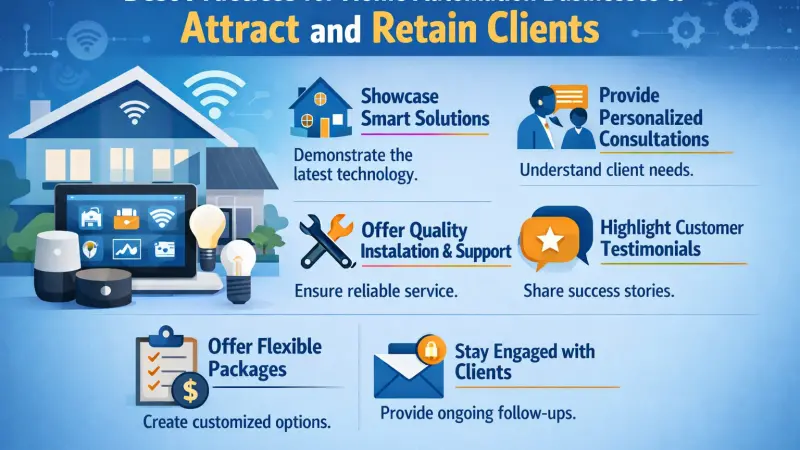
The home automation industry has evolved significantly over the last decade, transitioning from a niche luxury market to a fundamental component of modern residential living. As smart technology becomes standard in new builds and renovations alike, the opportunities for specialized businesses have expanded. However, this growth brings intensified competition. Homeowners are no longer just buying hardware; they are investing in reliability, security, and seamless user experiences. For a home automation business, the challenge isn't necessarily finding work, but rather cultivating a client base that returns for upgrades and refers the company to others. The distinction between a thriving integration firm and a struggling one often lies in the approach to client relationships. It is no longer sufficient to be technically proficient; businesses must also master the art of communication, education, and long-term support. This article explores the comprehensive strategies that home automation companies can implement to not only attract discerning clients but also retain them in an increasingly crowded marketplace.
The Shifting Landscape of Client Expectations
To effectively attract and retain clients, a business must first understand the modern homeowner's mindset. The days of the "magic box" installer are fading. Clients are more informed, often researching products extensively before even making an inquiry.
The Educated Consumer
Potential clients now arrive with pre-conceived notions based on what they have read in tech blogs or seen on social media. They understand terms like "interoperability," "Matter," and "mesh networks." This shifts the role of the automation professional from a salesperson to a consultant. Businesses must be prepared to validate the client’s research while gently correcting misconceptions. This consultative approach builds immediate trust, positioning the installer as an expert partner rather than a mere vendor.
Experience Over Hardware
While hardware specifications matter, the client’s ultimate satisfaction hinges on the user experience. A home filled with expensive technology is useless if the interface is clunky or the system is unreliable. Best practices now dictate that the sales process focus heavily on the "day in the life" experience. How will the homeowner interact with the system? Is it intuitive? By shifting the conversation from technical specs to lifestyle benefits, businesses can attract clients who value quality and ease of use—traits that lead to higher retention rates.
Strategies for Attracting High-Quality Clients
Attracting the right clients requires a blend of digital presence, reputation management, and clear service definition. High-quality clients are those who value expertise and are willing to pay for a premium service.
Defining a Clear Value Proposition
A common mistake in the industry is listing services too broadly. "We do smart homes" is not a compelling value proposition. Specificity attracts better leads. A business should clearly define its strengths—whether that is high-end home theaters, robust security integration, or energy management systems. By articulating a clear specialization, the business filters out price-shoppers and attracts clients looking for specific expertise.
Leveraging Project Portfolios
Visual proof of competence is non-negotiable. High-resolution photos and detailed case studies of past projects serve as powerful attraction tools. However, it is important to go beyond aesthetics. Case studies should explain the problem the client faced and how the automation system solved it. For example, detailing how a lighting control system reduced energy consumption by 30% or how a surveillance system provided peace of mind during travel adds context that resonates with prospective buyers.
The Importance of Transparent Pricing Models
Ambiguity regarding costs is a major friction point in the attraction phase. While fixed pricing is difficult for custom installation, providing a clear methodology for how estimates are calculated builds confidence. Offering a transparent breakdown of labor, hardware, and programming costs helps demystify the process. Clients are more likely to engage a business that is upfront about its financial model, reducing the "sticker shock" that often leads to abandoned proposals.
Operational Excellence: The Foundation of Retention
Attracting a client is the first hurdle; keeping them is the marathon. Retention is built on operational consistency and the reliability of the installed system.
The Proposal and Design Phase
Retention actually begins before the contract is signed. Accurate system design is critical. Over-promising capabilities or underestimating the complexity of integration leads to project delays and frustration. Best practices dictate a thorough site survey and a detailed scope of work. "Measure twice, cut once" applies to digital infrastructure as much as carpentry. Ensuring that the network infrastructure—the backbone of any smart home—is robust enough to handle the specified load prevents 90% of post-installation issues.
Installation Etiquette and Professionalism
The installation phase is the client’s first tangible experience with the business. Technicians are essentially guests in the client's private sanctuary. Professional conduct is paramount. This includes protecting flooring, cleaning up dust daily, and maintaining a polite demeanor.
A technically perfect installation can be marred in the client's memory by a lack of courtesy. Conversely, a respectful and tidy team reinforces the premium nature of the service, securing a positive impression that lasts long after the technicians leave.
The Handover: Training and Documentation
The most critical moment for client retention is the handover. Dumping a pile of manuals and leaving is a recipe for dissatisfaction. A structured training session is essential. Clients should be walked through every aspect of their new system in simple, non-technical language. Providing a "cheat sheet" or a customized user guide tailored to their specific setup is a best practice that pays dividends. When a client feels confident using their system, they are less likely to perceive it as "broken" or "too complicated," reducing unnecessary service calls and increasing satisfaction.
Building Long-Term Relationships Through Service
The relationship should not end at the final invoice. Home automation is a living system that requires maintenance to function optimally over time.
Implementing Service Level Agreements (SLAs)
Reactive service models—waiting for something to break—are outdated. Proactive maintenance plans, often called Service Level Agreements, are the gold standard for retention. These plans can include annual system health checks, firmware updates, and remote monitoring. For the client, it offers peace of mind that their investment is protected. For the business, it creates a recurring revenue stream and ensures they remain the first point of contact when the client is ready for an upgrade.
Remote Management and Monitoring
Modern automation systems allow for remote diagnostics. With the client's permission, integrators can monitor network health and device status. If a router goes offline or a battery runs low, the integrator can often resolve the issue remotely or dispatch a technician with the correct parts before the client even realizes there is a problem. This level of proactive support turns the business into an indispensable utility provider for the home.
Staying Relevant: The Upgrade Cycle
Technology moves fast. A system installed five years ago may lack the features of current models. Successful businesses maintain a database of client system specifications and proactively reach out when relevant upgrades become available. For instance, informing a client about a new higher-resolution security camera or a more intuitive lighting interface shows that the business is looking out for their interests, not just waiting for a repair call.
Common Mistakes That Drive Clients Away
Understanding what not to do is often as important as knowing what to do. Several pitfalls consistently plague the client experience in this industry.
Neglecting the Network Foundation
The most common source of client dissatisfaction is network instability. Many businesses try to cut costs by using consumer-grade networking equipment for complex installations. When devices drop offline or streaming buffers, the client blames the "smart home system." Investing in enterprise-grade networking hardware and proper VLAN configuration ensures stability, protecting the business's reputation for reliability.
Poor Post-Installation Support
A fast response to a service call is valuable, but slow or unresponsive support is the quickest way to lose a client forever. If a client feels abandoned after the check clears, they will not return for future projects. Implementing a ticketing system and setting clear expectations for response times is vital. Even if a repair cannot be immediate, acknowledging the request and communicating a timeline goes a long way in maintaining trust.
Over-Complicating Interfaces
Integrators love complex button arrays and detailed control screens, but clients often find them intimidating. Over-designed interfaces lead to under-utilization of the system. A best practice is to design for the least tech-savvy user in the household. Simple, intuitive controls that perform complex actions in the background are the hallmark of a user-centric design philosophy.
Marketing with Integrity
Marketing for home automation should focus on education rather than hard selling. An informed client is a better client.
Content Marketing and Thought Leadership
Writing articles or producing videos that explain concepts like "Why does my smart lock disconnect?" or "The benefits of circadian lighting" positions the business as an authority. This educational content attracts organic traffic and builds credibility. When a client feels they have learned something from a business, they are more likely to trust that business with their project.
Showcasing Problem-Solving Skills
Marketing materials should highlight the company's ability to solve problems. Testimonials that speak to how an issue was resolved are often more powerful than those simply praising the equipment. "Our system crashed before a party, and the team had it fixed in an hour" is a testimonial that speaks volumes about reliability and service.
Supporting Local Business Visibility Beyond Core Marketing Efforts
While technical excellence and service quality are the primary drivers of reputation, the structural visibility of a business plays a crucial supporting role in its growth trajectory. For home automation companies, being found by local clients requires a footprint that extends beyond the company website. Establishing a presence on a Local Page UK helps to ground the business in its specific geographic service area, making it easier for nearby homeowners to locate professional services. This acts as a foundational layer for local discoverability, reinforcing that the business is an active participant in the regional economy.
Utilizing a free company listing platform offers a strategic advantage by placing the business in a broader ecosystem of service providers. It ensures that when potential clients cross-reference businesses, the information remains consistent and accurate. When integrators take the time to list services uk directory platforms provide, they contribute to a consolidated view of their expertise, helping to categorize their specific skills for search algorithms. Furthermore, maintaining a profile on a business directory website serves as a trust signal; it implies that the business is established enough to be indexed on reputable platforms. Ultimately, a verified presence on a business listings site functions as a digital anchor, supporting the brand's credibility and ensuring that the business remains visible during the critical research phase of the client's buying journey.
The Home
The home automation industry is built on the promise of convenience, but delivering on that promise requires more than technical know-how. To attract and retain clients, businesses must pivot from a transactional mindset to a relational one. This involves clear communication, transparent pricing, and a relentless focus on the user experience. It requires a commitment to ongoing support through service plans and proactive maintenance. By avoiding common pitfalls like network instability and over-complicated interfaces, companies can ensure their clients remain satisfied long after the installation is complete. In a market where trust is the most valuable currency, the businesses that prioritize the client's peace of mind will be the ones that endure and thrive.
Frequently Asked Questions (FAQs)
1. What is the most important factor in retaining home automation clients? The most important factor is reliability. If a system works seamlessly and the client knows who to call if it doesn't, retention follows. A robust Service Level Agreement (SLA) is the best tool to ensure this.
2. How can a small home automation business compete with larger firms? Small businesses can compete by offering superior personalized service. Being agile, responding quickly to calls, and building genuine relationships with clients often beats the bureaucratic pace of larger competitors.
3. Why is the client handover process so critical? The handover is the moment the client takes ownership of the system.
If they feel confused or overwhelmed, they will associate the system with frustration. Proper training ensures they feel empowered, leading to higher satisfaction.
4. Should home automation businesses charge for quotes? For complex, custom installations, charging a design or consultation fee is becoming standard practice. It filters out non-serious inquiries and compensates the professional for their expertise in drafting a detailed scope of work.
5. How often should a home automation system be serviced? Ideally, a system should have a health check at least once a year. This includes firmware updates, network diagnostics, and hardware checks to ensure optimal performance.
6. What is the best way to handle a client complaint regarding technical issues? Respond immediately, even if the fix isn't instant. Acknowledge the frustration, provide a timeline for a solution, and keep the client updated throughout the process. Communication is key to de-escalation.
7. Are service plans necessary for profitability? Yes, service plans provide recurring revenue streams and help smooth out the "feast or famine" cycle of project-based income. They also keep the business top-of-mind for future upgrades.
8. How detailed should a project proposal be? A proposal should be as detailed as possible, outlining specific equipment, labor hours, programming time, and exclusions. Ambiguity in proposals is a primary cause of scope creep and disputes.
9. What is a common technical oversight in home automation? Underestimating network infrastructure is the most common oversight. Relying on ISP routers for a complex smart home usually leads to connectivity issues and client dissatisfaction.
10. How can businesses use client feedback effectively? Actively soliciting feedback after each project phase allows the business to correct course if necessary. Post-installation surveys can also highlight areas for operational improvement.
11. Is it better to specialize in one brand or offer multiple options? Being brand-agnostic allows for flexibility, but specializing can lead to deeper expertise and better dealer support from manufacturers. A hybrid approach often works best: specialize in core systems but remain open to the best tool for specific jobs.
12. How does one educate a client who is not tech-savvy? Use analogies that relate to their daily life rather than technical jargon. Focus on the "what" and "why" rather than the "how." Visual aids and simple "one-touch" scenes are also helpful.
13. What role does after-hours support play in client retention? For systems involving security or critical lighting, after-hours support is vital. Offering a 24/7 support line, even if outsourced, provides peace of mind that justifies a premium service fee.
14. Should technicians be involved in the sales process? Involving technicians during the site survey can help identify potential installation challenges early.
Their practical insight adds credibility to the proposal and ensures feasibility.
15. How can a business handle scope creep during a project? Any request outside the original contract should trigger a "change order" document. This document outlines the additional cost and time required. Getting this signed before proceeding prevents billing disputes later.
Disclaimer: The information provided in this article is for general informational and research purposes only. Company details, features, services, and market positions may change over time. Readers are advised to visit official company websites and conduct independent research before making any business decisions or purchasing services.
Most Searchable Keywords
Recent Blogs


Related Listings


Categories
- Accountants (295)
- Advertising Agencies (559)
- Architects (149)
- Automobiles (377)
- Beauty (300)
- Carpenters (146)
- Cleaning Services (387)
- Dentists (189)
- Driving (62)
- Education (1)
- Electricians (215)
- Energy (8)
- Event Organiser (688)
- Finance (602)
- Guide (3487)
- Health (2207)
- Information technology (207)
- Legal Services (361)
- Logistics (6)
- Maintenance (65)
Sponsored Listings in Shopping
Related Blogs

How Small Businesses Can Use AI Without Losin...
Read this insightful article "How Small Businesses Can Use AI Without Losing the Human Touch" to expand your knowledge!

How to Find a Good Web Design Company for a S...
Read this insightful article "How to Find a Good Web Design Company for a Small Business" to expand your knowledge!

How to Choose a Photographer for a Wedding or...
Read this insightful article "How to Choose a Photographer for a Wedding or Business Event" to expand your knowledge!
Questions & Answers – Find What You Need, Instantly!
Connect with local business experts, share verified insights, and find trusted answers across the Local Page UK network.
Ask Community
Ask questions to the Local Page UK community
Share Knowledge
Share your knowledge to help out others
Find Solutions
Find answers or offer instant solutions
Some of the most popular fantasy TV shows include "Game of Thrones," known for its epic battles and political intrigue, "The Witcher," which features monster hunting and magic, and "Stranger Things," blending supernatural elements with 1980s nostalgia. Other notable mentions are "His Dark Materials," "Shadow and Bone," and "The Mandalorian," each offering unique worlds and captivating storytelling that have garnered large fan bases.
When seeking bathroom renovation providers that handle both plumbing and tiling, it's advisable to look for licensed contractors who specialize in comprehensive bathroom remodels. Companies such as Home Depot, Lowe's, and Bath Fitter offer these services, often providing a seamless experience by managing all aspects of the renovation process. Additionally, local contractors with positive reviews in platforms like Angie's List or Houzz may also offer tailored solutions for your bathroom needs.
Absolutely, there are several distributors that supply crash mats and soft play equipment to gymnastics clubs in and around Birmingham. National companies like Gymnova, S & G (Spieth Gymnastics), and Jaques of London offer a wide range of crash mats, foam pits, and soft play pieces, and they typically deliver to the Birmingham area. For more local options, you might try The Gym Equipment Company, which has a showroom in the West Midlands, or check out smaller specialist suppliers like Playtime UK. Many of these distributors cater specifically to clubs, offering high-density foam mats that meet safety standards. I'd recommend reaching out to a few to compare pricing, delivery times, and whether they offer custom sizes or installation services. It's also worth checking if any of them have a physical showroom near Birmingham so you can test the equipment before buying. Happy tumbling!
For professionals seeking a reliable sanitaryware supplier in Manchester with trade account facilities, several established merchants combine extensive product ranges, competitive pricing, and dedicated trade support. The most reputable option is Graham Plumbers Merchant, which operates multiple branches across Manchester, including Salford Quays and Oldham. They offer a dedicated trade account service with preferential pricing, priority delivery scheduling, and access to a vast inventory of leading sanitaryware brands such as Villeroy & Boch, Duravit, Ideal Standard, and Roca. Their trade accounts typically include net 30-day payment terms, online account management, and a tailored project quotation system. Similarly, City Plumbing Supplies has several Manchester-based depots (such as Ashton-under-Lyne and Stockport) that cater specifically to trade customers, providing a rapid order-and-collect service, trade-only promotions, and a loyalty programme offering rebates on repeat purchases. Their product range covers everything from basins and WCs to complete bathroom suites and brassware, with in-house technical advisors available for specification support. Another key player is Plumb Center, part of the Wolseley Group, which offers trade accounts with bespoke pricing structures, direct-to-site deliveries within the Greater Manchester area, and access to over 10,000 lines of sanitaryware, including premium brands like Grohe and Hansgrohe. Their trade portal allows for real-time stock checking and order history tracking, facilitating efficient project management. For those seeking a more specialist or high-end option, Bathroom Spares in Manchester provides trade accounts with a focus on hard-to-find sanitaryware and discontinued ranges, which can be invaluable for refurbishment projects. Additionally, independent merchants such as M&B Plumbase in Trafford Park offer flexible trade terms, personalised service, and competitive pricing on both mainstream and luxury sanitaryware. When evaluating suppliers, trade customers should consider factors beyond price: reliability of stock availability, delivery timescales within Manchester’s often congested zones, clarity of returns policies, and the quality of after-sales support for warranty claims. It is advisable to request a trade account application from at least two to three suppliers to compare discounts, minimum order values, and payment terms. Many suppliers also offer showroom access for trade clients, allowing you to inspect finishes and dimensions before committing to large orders. For ongoing projects, establishing a relationship with a single supplier who offers consolidated invoicing and dedicated account management can streamline procurement. Ultimately, the most reliable supplier for your trade account in Manchester will be one that aligns with your volume requirements, preferred brands, and service expectations, so a site visit to their local branch and a discussion about your specific trade needs is highly recommended before committing to an account.
People in Leeds are loving their local florists—customers often mention gorgeous, fresh arrangements and super friendly service. Many rave about reliable same-day delivery and creative wedding bouquets. A few note pricing can vary, but overall, the buzz is all about quality and that personal touch making every order feel special.
Common problems for commercial gardening in Bristol include weed overgrowth, soil degradation, pest infestations, and irrigation malfunctions. Additionally, managing seasonal transitions, adhering to sustainability regulations, and maintaining consistent aesthetics pose significant challenges. Expert services mitigate these via structured maintenance, integrated pest management, and soil analysis to ensure long-term landscape health.