
Boat Cleaning Services UK: Techniques, Schedules & Seasonal Maintenance
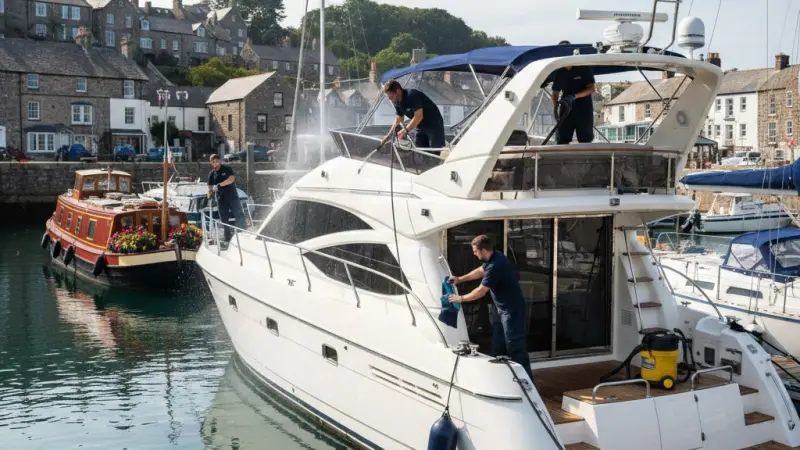
The maritime culture of the United Kingdom is not merely a historical footnote; it is a thriving, multi-billion pound modern industry. At the heart of this sector lies the boat cleaning and maintenance industry, a vital service that ensures the longevity, safety, and aesthetic appeal of the UK’s vast fleet of leisure and commercial vessels. From the sleek yachts of the Solent to the historic narrowboats of the Midlands’ canal networks, every vessel requires a rigorous maintenance regime to combat the corrosive effects of salt water, algae growth, and British weather.
As a British business analyst, it is clear that the professional boat cleaning sector has transitioned from a "luxury add-on" to an essential component of vessel asset management. Owners increasingly recognise that regular professional cleaning is not just about vanity; it is a financial strategy to preserve resale value. The economic importance of this niche cannot be understated. It supports thousands of skilled jobs and acts as a primary revenue driver for coastal and inland marinas. For enthusiasts looking to maintain their investments, a high-quality uk local business directory is the first port of call to find vetted professionals who understand the specific needs of different hull materials and regional water conditions.
In this guide, we will explore the intricate landscape of the UK boat cleaning market, detailing the technical services available, how to select a reliable provider, and the future challenges facing the industry in an era of heightened environmental awareness.
The Landscape of Boat Cleaning Services in the UK
The UK boat cleaning market is as diverse as the coastline itself. Current estimates suggest that there are over 500,000 leisure vessels in the UK, a figure that saw a significant uptick during the post-pandemic period. As international travel became restricted, thousands of Britons turned to "staycations" on the water, leading to a surge in boat sales and, consequently, a massive demand for maintenance services.
Key regions of activity include the South Coast, particularly the Solent and Poole Harbour, which serve as the epicentre of the luxury yachting industry. However, the East Anglian Broads and the expansive canal networks of the North West have also seen a professionalisation of cleaning services. Post-pandemic, the industry has evolved to embrace digital convenience. Service providers who once relied purely on word-of-mouth at the dockside are now listed on a uk business directory website, allowing them to capture a younger, more tech-savvy demographic of boat owners.
The market has also seen a shift toward "all-in-one" maintenance packages. Modern boat owners are often "time-poor" and prefer consolidated services that include hull scrubbing, interior valeting, and teak restoration under a single contract. This evolution has led to a more robust business model for cleaning firms, providing more predictable year-round revenue streams rather than relying solely on the traditional spring "fitting-out" rush.
Comprehensive Services Breakdown
Professional boat cleaning in the UK is a multi-layered discipline. It is generally categorised into exterior maintenance, interior valeting, and technical restoration.
Exterior Hull and Deck Maintenance
The hull is the most critical area, prone to biofouling (the accumulation of microorganisms, plants, and algae). In the UK, this is particularly aggressive during the warmer summer months. Professionals use specialised pressure washing and eco-friendly chemical treatments to remove "beards" of algae. Following a deep clean, a high-quality wax or ceramic coating is applied. These modern coatings can last up to two years, providing a hydrophobic barrier that reduces drag and improves fuel efficiency. Many specialists offering these advanced coatings can be found via a business listing uk, where they showcase their specific certifications.
Teak and Wood Restoration
Teak decks are a staple of British maritime design but require expert care to avoid the "greyed out" look caused by UV damage and salt. The process involves a two-part cleaning system to restore the natural oils followed by a sealer. Improper cleaning (such as using a high-pressure jet too close) can destroy the soft grain of the wood, making professional expertise essential.
Interior Valeting and Odour Control
The marine environment is notoriously damp, leading to mildew and "boat smell." Professional interior valeting includes HEPA-filter vacuuming, steam cleaning of upholstery, and the use of ozone generators to neutralise stubborn odours. This service is particularly popular for "live-aboard" narrowboat owners and charter companies.
How to Choose the Right Service Provider
Selecting a boat cleaning service is not a decision to be taken lightly.
Given that a vessel is often an individual's second most expensive asset, the credentials of the cleaner are paramount.
Accreditations and Insurance
Always verify that the provider holds Public Liability Insurance specifically for marine environments. Standard domestic cleaning insurance is often insufficient. Look for memberships in trade bodies such as British Marine or the Yacht Harbour Association.
Reviews and Portfolio
In the digital age, a provider's reputation is transparent. Prospective clients should consult uk verified business listings to read authentic customer feedback. Look for cleaners who provide "before and after" photos of their work, particularly on hulls with similar materials to your own (e.g., GRP, steel, or wood).
Local Reputation
Proximity matters in the marine industry. A local cleaner who is familiar with the specific water types (brackish, salt, or fresh) of your marina will know which anti-fouling products work best. Establishing a long-term relationship with a local provider often leads to better emergency availability and tailored seasonal schedules.
Industry Challenges & Future Outlook
The boat cleaning industry is currently navigating a period of significant transition. The most pressing challenge is the shift toward sustainability. Traditional anti-fouling paints often contained biocides that were harmful to marine life. New UK regulations are pushing the industry toward non-toxic alternatives and "wash-down" systems that capture and filter runoff water to prevent pollutants from entering the sea.
Technological shifts are also playing a role. We are seeing the introduction of hull-cleaning robots that can scrub a vessel while it remains in the water, reducing the need for expensive dry-docking. Furthermore, the rise of "smart boat" technology allows cleaners to monitor moisture levels or bilge conditions remotely, offering proactive maintenance before problems arise. For companies looking to stay ahead of these trends, staying connected through a business listing uk is vital for networking with eco-friendly product suppliers and technology partners.
The future outlook remains positive, but success will depend on adaptability. Firms that invest in "green" cleaning certifications and digital booking systems will likely dominate the market in the coming decade.
Business Tips for Boat Cleaning Professionals
For those running a boat cleaning business in the UK, marketing is no longer just about a flyer in the marina office. Digital visibility is the cornerstone of modern business growth.
Leveraging Local SEO
Most boat owners search for services while they are at the marina or planning their weekend. Ensuring your business appears in a uk local business search is critical. This involves optimising your online profiles with local keywords, such as "Boat Valeting Southampton" or "Narrowboat Cleaning Grand Union Canal."
Networking and Partnerships
Develop relationships with marine surveyors, brokers, and marina managers. These professionals are frequently asked for recommendations. Being the "preferred" cleaner for a local broker can provide a steady stream of work as boats are prepared for sale.
Content Marketing
Share your expertise. Creating short videos or blog posts on "How to Winterise Your Hull" or "Protecting Gelcoats from UV" establishes you as an authority.
When owners see your expertise online, they are more likely to trust you with their vessel.
Wrapping Up & Local Page Integration
The UK boat cleaning industry is a pillar of the maritime economy, combining traditional craftsmanship with modern technology. Whether you are a yacht owner seeking to protect your investment or a business owner looking to scale your operations, professional maintenance is the key to success.
As the industry continues to grow, the need for a centralised, reliable platform for discovery becomes more apparent. Navigating the sea of service providers can be daunting, but using a high-quality uk local business directory simplifies the process, connecting boat owners with the best local talent available. By fostering a community of verified professionals and satisfied customers, we ensure that the UK’s maritime heritage remains polished and pristine for generations to come.
Boost Your Visibility with Local Page UK
In the competitive world of maritime services, being invisible online is the same as being closed for business. For boat cleaning professionals, the majority of your potential clients are searching for your expertise via mobile devices while on the water or at the dock.
By choosing to claim your business listing uk on Local Page UK, you place your business in front of a targeted audience of boat owners and marine enthusiasts. Our platform is designed to boost your local SEO, build trust through verified reviews, and provide a professional digital storefront that works for you 24/7. Don't let your competitors take the lead; join the UK’s most trusted directory today.
FAQ
1. What is the average cost of professional boat cleaning in the UK?
The cost varies significantly based on the size of the vessel and the level of service required. For a standard exterior wash and wax on a 30-foot yacht, you might expect to pay between £150 and £300. More intensive services like hull compounding, teak restoration, or internal deep cleaning are often quoted on a per-foot basis or as a fixed day rate. It is always advisable to get multiple quotes from providers listed on a reputable directory.
2. How often should I have my boat professionally cleaned?
A basic exterior wash should be performed every 4–6 weeks to prevent salt buildup and bird lime damage. A full professional detail, including waxing or ceramic coating, is typically recommended twice a year—once in the spring before the season starts and once in the autumn to protect the vessel during winter storage. Hull scrubbing depends on your location and the type of anti-foul paint used.
3. Do I need to be present while the cleaning is taking place?
In most cases, no. Professional boat cleaners are accustomed to working independently at marinas. You will simply need to notify your marina office that you have authorised a contractor to access your boat and ensure the cleaner has access to water and electricity hooks-ups if required.
4. What is the difference between valeting and detailing?
Valeting usually refers to regular maintenance cleaning, such as washing the deck, cleaning windows, and basic interior tidying.
Detailing is a more restorative process that involves machine polishing the gelcoat to remove oxidation, deep cleaning every crevice, and applying high-end protectants to various surfaces.
5. Can professional cleaning improve my boat's fuel efficiency?
Yes, significantly. A dirty hull covered in algae and barnacles creates immense drag in the water. By keeping the hull smooth and clean, the engine doesn't have to work as hard to maintain speed, which can reduce fuel consumption by up to 15%. Many specialists who focus on performance cleaning can be found on Localpage.
6. Are the cleaning chemicals used safe for the marine environment?
Most modern professional boat cleaners in the UK now use biodegradable, pH-neutral products that are designed to be "marine safe." However, it is always best to ask your provider for their environmental policy, especially if they are performing a heavy hull clean where runoff is likely.
7. How do I protect my boat from UV damage during the British summer?
UV rays are the primary cause of gelcoat fading and "chalking." The best protection is a high-quality marine wax or a ceramic coating. These products contain UV inhibitors that act like sunblock for your boat’s surfaces. Regular washing also helps by removing salt crystals that can magnify UV rays.
8. What should I look for in a boat cleaning contract?
A good contract should clearly outline the scope of work, the specific products to be used, the timeframe for completion, and proof of insurance. Ensure there is a clear "satisfaction guarantee" or a process for addressing any areas that may have been missed during the service.
9. Can narrowboats be cleaned in the same way as yachts?
Narrowboats require a slightly different approach because they are typically made of steel and often navigate freshwater canals with high levels of silt and leaf debris. The focus is often on protecting the blacking on the hull and using specialized cleaners for the painted cabin sides to prevent rusting.
10. Is it worth getting a ceramic coating for my boat?
While the initial cost is higher than traditional waxing, ceramic coatings offer superior durability (1-2 years) and make subsequent cleanings much easier because dirt and salt don't stick to the surface as easily. For many owners, the time saved on maintenance makes it a worthwhile investment.
11. How do I remove stubborn "yellowing" on the waterline?
This yellowing is usually caused by tannins in the water or exhaust soot. Professionals use acid-based "hull cleaners" (often containing oxalic acid) to chemically lift the stain without scratching the gelcoat. This should always be followed by a fresh coat of wax.
12. Does a clean boat really have a higher resale value?
Absolutely. First impressions are vital in the brokerage market. A boat that looks neglected on the outside often suggests to a buyer that the mechanical components have also been ignored. A professional detail can often add thousands to the final sale price.
13. What is "compounding" in boat cleaning?
Compounding is the process of using an abrasive paste and a high-speed buffer to remove a thin layer of oxidized gelcoat. This reveals the fresh, shiny material underneath. It is the only way to restore a boat that has become dull and "chalky" over time.
14. Can I get my boat cleaned while it is on a trailer?
Yes, many mobile boat cleaning services are equipped to clean vessels while they are on trailers in driveways or storage yards.
This is often more cost-effective as it avoids marina access fees and allows for easier access to the lower hull.
15. Where can I find a list of reliable boat cleaners in my area?
The most efficient way to find local experts is to use a dedicated platform like Local page, which allows you to filter by region and service type to find the perfect match for your vessel's needs.
Disclaimer: The information provided in this article is for general informational and research purposes only. Company details, features, services, and market positions may change over time. Readers are advised to visit official company websites and conduct independent research before making any business decisions or purchasing services.
Most Searchable Keywords
Recent Blogs


Related Listings

Categories
- Accountants (295)
- Advertising Agencies (559)
- Architects (149)
- Automobiles (377)
- Beauty (300)
- Carpenters (146)
- Cleaning Services (387)
- Dentists (189)
- Driving (62)
- Electricians (215)
- Energy (8)
- Event Organiser (686)
- Finance (602)
- Guide (3373)
- Health (2207)
- Information technology (206)
- Legal Services (353)
- Logistics (6)
- Maintenance (65)
- Manufacturing (35)
Sponsored Listings in Travel Agencies


Related Blogs

Explore Dog Friendly Walks in the Cotswolds f...
Read this insightful article "Explore Dog Friendly Walks in the Cotswolds for 2026" to expand your knowledge!

How Much Do UK Actors Really Earn Full Indust...
Read this insightful article "How Much Do UK Actors Really Earn Full Industry Breakdown" to expand your knowledge!

Blue Light Card UK 2026 Check Eligibility and...
Read this insightful article "Blue Light Card UK 2026 Check Eligibility and Claim" to expand your knowledge!
Questions & Answers – Find What
You Need, Instantly!
How can I update my business listing?
Is it free to manage my business listing?
How long does it take for my updates to reflect?
Why is it important to keep my listing updated?
