
Booking Emergency Cleaning for Water Damage and Floods
- 👤 Alex
- 👁️ 68 Views
- Last Updated: April 16, 2026
- 🏷️ Cleaning Services
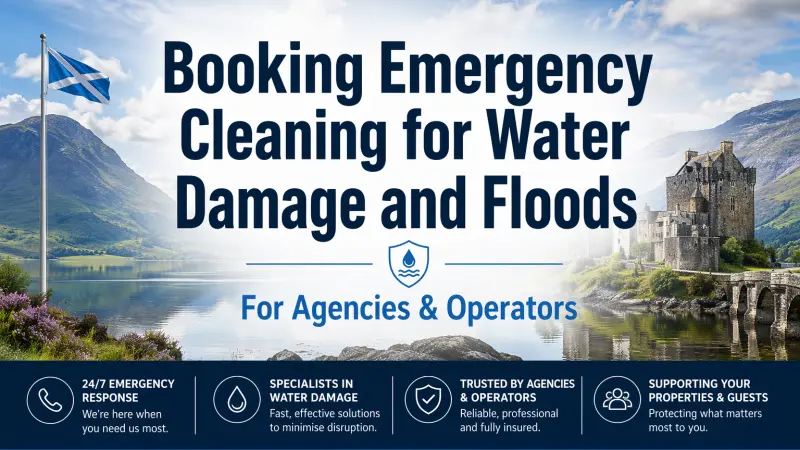
The immediate aftermath of a flood or a major water leak is often a period of high stress and confusion. Whether the cause is a burst pipe, a failing appliance, or an extreme weather event, water is one of the most destructive forces a property owner can face. Within minutes, moisture begins to saturate porous materials; within hours, structural integrity can be compromised; and within days, microbial growth such as mold can become a permanent health hazard.

Booking emergency cleaning for water damage and floods is not merely about "tidying up"—it is a technical, multi-phase restoration process that requires precision, specialized equipment, and a deep understanding of psychrometry (the science of drying). This guide explores the nuances of water damage, the stages of professional intervention, and the strategic steps necessary to return a property to its pre-loss condition safely and effectively.
Understanding the Categories and Classes of Water Damage
Before diving into the cleanup process, it is essential to understand that not all water is equal. Professional restoration experts categorize water damage based on the level of contamination and the complexity of the drying process.
The Three Categories of Water (Contamination Levels)
-
Category 1: White Water – This originates from a clean source, such as a broken supply line or a leaking faucet. While it is the least hazardous, it can quickly degrade into Category 2 if left standing.
-
Category 2: Grey Water – This water contains significant contamination and has the potential to cause discomfort or sickness if consumed. Sources include dishwasher discharge, washing machine overflows, or toilet overflows with urine only.
-
Category 3: Black Water – This is highly unsanitary and contains pathogenic agents. Examples include sewage backups, rising floodwaters from rivers/seas, and wind-driven rain from hurricanes. Professional intervention is mandatory for Black Water.
The Four Classes of Water Damage (Drying Complexity)
-
Class 1: Slow evaporation rate. Only part of a room is affected, or the materials are low-porosity (like plywood or concrete).
-
Class 2: Fast evaporation rate. Water has affected the entire room, carpet, and cushioning. Seepage has gone up the walls less than 24 inches.
-
Class 3: Fastest evaporation rate. Water may come from overhead, affecting ceilings, walls, insulation, and sub-flooring.
-
Class 4: Specialty drying situations. This involves deep pockets of moisture in materials like hardwood, brick, or stone.
The Critical Importance of Rapid Response
Time is the most significant variable in water damage restoration. The secondary damage caused by lingering moisture—such as wood rot, warped flooring, and ruined drywall—is often more expensive to fix than the initial leak.
When you book an emergency service, the primary goal is "mitigation." Mitigation refers to the process of reducing the amount of loss. By extracting standing water and beginning the dehumidification process immediately, experts can often save materials that would otherwise need to be demolished and replaced.
The Multi-Step Professional Restoration Process
A professional emergency cleaning service follows a standardized protocol to ensure the environment is not only dry but also bio-chemically safe for habitation.
1. Inspection and Assessment
Upon arrival, technicians use moisture meters and infrared cameras to identify the "hidden" water. Water often travels behind baseboards and under floorboards where the naked eye cannot see it.
A thorough map of the moisture helps in creating a targeted drying plan.
2. Water Extraction
High-powered submersible pumps and industrial-strength truck-mounted vacuums are used to remove the bulk of the standing water. This step is crucial because it significantly reduces the drying time needed for the dehumidifiers to be effective.
3. Evaporation and Dehumidification
Once the liquid water is removed, the focus shifts to the water trapped in the air and materials. Air movers are placed strategically to create high-velocity airflow across surfaces, speeding up the rate of evaporation. Simultaneously, industrial-grade dehumidifiers extract moisture from the air to prevent "secondary damage" like mold growth on the ceiling or high-up walls.
4. Cleaning and Sanitizing
Floods often bring in silt, debris, and bacteria. Every affected surface must be cleaned with antimicrobial treatments. If the water was Category 3, specialized biohazard cleaning is required to ensure the space is medically safe.
5. Monitoring
Restoration is not finished until the "dry standards" are met. Technicians will return daily to take moisture readings, adjusting the equipment as the materials dry out.
Strategic Benefits of Professional Intervention
While the instinct to grab a mop and bucket is natural, professional emergency cleaning offers benefits that DIY efforts cannot match:
-
Preventing Structural Failure: Saturated subfloors and wall studs can lose their load-bearing capacity. Professionals ensure the core of the building is dry, not just the surface.
-
Advanced Odor Control: Water damage often leaves a "musty" smell. This is usually caused by VOCs (Volatile Organic Compounds) from mold or bacteria. Industrial air scrubbers and thermal fogging can neutralize these odors at the molecular level.
-
Documentation for Claims: Most homeowners' insurance policies require proof of mitigation. A professional service provides detailed drying logs and moisture maps, which are essential for a successful insurance claim.
Common Mistakes to Avoid During a Flood
When a flood occurs, many property owners inadvertently make the situation worse. Avoiding these common pitfalls can save thousands in repair costs:
-
Using a standard vacuum: Never use a domestic vacuum cleaner to pick up water. This poses a high risk of electrical shock and will likely destroy the appliance.
-
Leaving wet items on the floor: Move furniture, rugs, and paper items immediately. Even a wet magazine can leave a permanent ink stain on a carpet that is otherwise salvageable.
-
Neglecting the "Hidden" Water: Just because the carpet feels dry doesn't mean the padding underneath isn't soaking wet. Trapped moisture is the leading cause of "stachybotrys" (black mold).
-
Waiting for the insurance adjuster: You have a legal obligation to prevent further damage. Do not wait for an adjuster to visit before starting the water extraction process.
Safety Precautions for Homeowners
Before help arrives, safety must be the priority.
-
Electrical Hazards: If the water has reached electrical outlets or the fuse box, do not enter the room until the power has been professionally disconnected.
-
Slip and Fall Risks: Wet surfaces, especially tile and hardwood, are incredibly slick.
-
Contamination: Wear rubber boots and gloves if you must enter an area affected by Category 2 or 3 water to avoid skin infections or respiratory issues.
Supporting Local Business Visibility Beyond Core Marketing Efforts
When searching for emergency services during a crisis, the ease with which a resident can find a reliable local expert is paramount. The infrastructure of the local economy relies heavily on directory marketing uk to ensure that specialized services are discoverable when minutes matter most. For a restoration company, maintaining a presence on a local page uk is a strategic layer of visibility that complements their immediate response capabilities.
A business's ability to advertise company uk directory listings helps bridge the gap between a digital search and a physical service call. Furthermore, consumer confidence is often bolstered by company ratings uk, which serve as a credibility signal in a high-stakes industry like flood recovery. For emerging specialists, being part of a free business database directory ensures that their local presence remains consistent across various search platforms, providing a foundational discoverability aid that benefits the entire community during emergencies.
Booking Emergency Cleaning
The stress of a flood can be overwhelming, but understanding the mechanics of professional water damage restoration can provide a sense of control. Booking an emergency cleaning service is the most effective way to protect your property’s value and your family’s health. By prioritizing rapid extraction and scientific drying, you transform a potential disaster into a manageable recovery. If you are currently facing water damage, do not delay—contact a restoration specialist today to secure your property and begin the journey back to normalcy.
Frequently Asked Questions (FAQs)
1. How long does the drying process usually take?
Typically, it takes between 3 to 5 days to dry a property completely, depending on the materials involved and the extent of the saturation.
2. Can I save my carpets after a flood?
If the water was Category 1 (clean), carpets can often be saved through extraction and cleaning.
If the water was Category 3 (sewage/floodwater), the carpet and padding must almost always be replaced for health reasons.
3. Is mold growth inevitable after water damage?
No. Mold generally requires 24 to 48 hours of moisture to begin colonizing. If professional drying starts immediately, mold growth can usually be prevented.
4. Will my insurance cover the cost of emergency cleaning?
Most standard homeowners' policies cover water damage from "sudden and accidental" leaks (like a burst pipe), but many require a separate "Flood Insurance" policy for rising water from outside.
5. Why are the fans left running 24/7?
Interruption of the drying cycle allows the humidity to rise, which can lead to mold and damage to unaffected areas. Consistent airflow is required until the "dry standard" is reached.
6. Can I stay in my home during the restoration?
This depends on the scale of the damage and the category of water. If multiple rooms are affected or if the water was contaminated, it is often safer to stay elsewhere until the environment is sanitized.
7. What is the difference between a dehumidifier and a fan?
A fan (air mover) moves moisture from the material into the air. A dehumidifier removes that moisture from the air and drains it away. You need both to dry a structure properly.
8. Should I open the windows to help it dry?
Only if the humidity outside is lower than inside. In many cases, opening windows introduces more moisture or affects the temperature control needed for the dehumidifiers to work efficiently.
9. How do professionals find water behind walls?
Technicians use non-invasive moisture meters and thermal imaging cameras that detect temperature differences caused by evaporation, allowing them to "see" wet spots inside walls without cutting into them.
10. What should I do first if I see a leak?
Turn off the main water shut-off valve immediately. Then, call an emergency restoration professional to start the mitigation process.

Disclaimer: The information provided in this article is for general informational and research purposes only. Company details, features, services, and market positions may change over time. Readers are advised to visit official company websites and conduct independent research before making any business decisions or purchasing services.
Most Searchable Keywords

Recent Blogs
-

Explore Supermarkets in Chepstow and the Surrounding Wye Valley
-
Elite Guide to Taxi and Private Hire Services in Hereford
-
Explore Fuel and Roadside Convenience Across Beckington Today
-
Explore Abergavenny Tyre Services with Expert Local Fitters
-
Claim Your HMRC UK Tax Refund Before Application Deadlines



Related Listings
-
Platinum Exterior Cleaning
-
End of Tenancy Cleaning Agency
-
Royal Cleaning
-
FastKlean
-
Fantastic Services



Categories
- Accountants (295)
- Advertising Agencies (559)
- Architects (149)
- Automobiles (376)
- Beauty (300)
- Carpenters (146)
- Cleaning Services (386)
- Dentists (189)
- Driving (61)
- Electricians (215)
- Energy (7)
- Event Organiser (683)
- Finance (597)
- Guide (3358)
- Health (2205)
- Information technology (206)
- Legal Services (352)
- Logistics (6)
- Maintenance (65)
- Manufacturing (35)

Sponsored Listings in Cleaning Services

Related Blogs
Explore Supermarkets in Chepstow and the Surr...
Read this insightful article "Explore Supermarkets in Chepstow and the Surrounding Wye Valley" to expand your knowledge!

Elite Guide to Taxi and Private Hire Services...
Read this insightful article "Elite Guide to Taxi and Private Hire Services in Hereford" to expand your knowledge!
Explore Fuel and Roadside Convenience Across...
Read this insightful article "Explore Fuel and Roadside Convenience Across Beckington Today" to expand your knowledge!
Questions & Answers – Find What
You Need, Instantly!
How can I update my business listing?
Is it free to manage my business listing?
How long does it take for my updates to reflect?
Why is it important to keep my listing updated?
