
Bus & Coach Operators Guide: Safety, Comfort & Service Standards
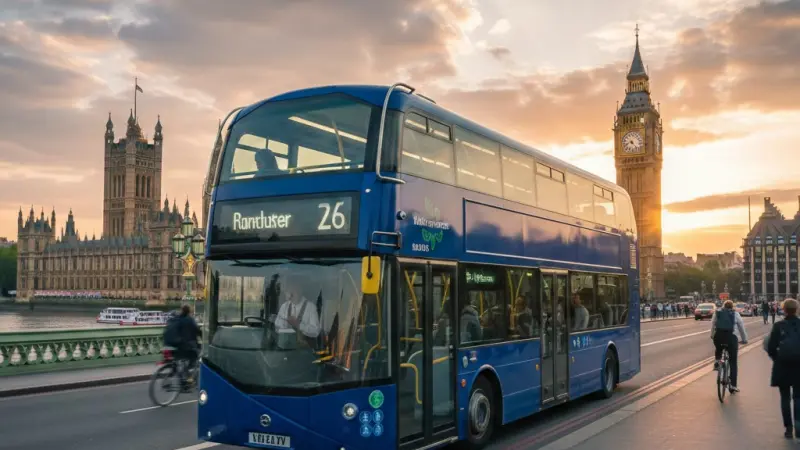
The Bus & Coach Operators & Stations sector represents the lifeblood of British mobility. As a cornerstone of the national infrastructure, this industry does far more than simply transport passengers from point A to point B; it facilitates economic growth, social inclusion, and environmental sustainability. In the United Kingdom, the sector is diverse, ranging from multi-national conglomerates managing urban networks to family-run coach firms providing bespoke touring services.

For the British economy, bus and coach services are vital. They contribute billions of pounds to the GDP annually and support hundreds of thousands of jobs, both directly and indirectly. Whether it is a commuter in Greater Manchester relying on a timely bus to reach the office or a group of retirees enjoying a scenic excursion through the Cotswolds, the reliability of these service providers is paramount. To help users navigate this vast market, many turn to a uk business directory website to identify reputable operators who maintain the highest standards of safety and comfort.
Safety is not merely a regulatory requirement in this sector; it is a moral imperative. The UK maintains some of the strictest road passenger transport regulations in the world, governed by the Driver and Vehicle Standards Agency (DVSA) and the Traffic Commissioners. However, beyond the legal minimums, the leading operators strive for "earned recognition," demonstrating a commitment to excellence that surpasses basic compliance. Similarly, service standards have evolved to meet the expectations of the modern traveller, incorporating high-speed Wi-Fi, ergonomic seating, and climate control as standard features rather than luxuries.
As we look at the current state of the industry, it is clear that digital visibility has become as important as the mechanical maintenance of the fleet. Operators must bridge the gap between traditional mechanical excellence and modern digital accessibility. By appearing on a local businesses list uk, operators ensure that they are reachable by the communities they serve, fostering a sense of trust and local reliability that is essential for long-term commercial success in a competitive landscape.
The Landscape of Bus & Coach Operators & Stations in the UK
The landscape of the UK bus and coach industry has undergone a seismic shift over the last decade. Currently, the market is valued at several billion pounds, with over 150,000 people employed across the sector. Key regions of activity remain concentrated in major metropolitan hubs like London, Birmingham, Manchester, and Glasgow, where high population density demands frequent and reliable bus services. However, the coach sector thrives in rural areas and tourist hotspots, providing essential links where rail infrastructure may be lacking.
Post-pandemic, the industry has shown remarkable resilience. During the lockdowns, bus operators were classified as essential workers, maintaining "skeleton" services for other key workers. Following the reopening of the economy, we have seen a "return to the road," though passenger patterns have changed. Hybrid working has reduced peak-time commuter demand in some cities, but leisure travel and domestic coach holidays have seen a significant resurgence. People are increasingly looking to find local businesses uk that offer safe, socially distanced, and comfortable travel options for their staycations and day trips.
Innovation is also reshaping the physical landscape of bus stations. No longer just draughty shelters, modern bus and coach stations are being reimagined as "Mobility Hubs." These facilities integrate various forms of transport—including e-scooters, bike-sharing schemes, and electric vehicle charging—into a single, high-quality terminal. This evolution is crucial for making public transport a more attractive alternative to the private car, helping the UK meet its ambitious Net Zero targets.
The competitive environment has also matured. While the "Big Five" (Stagecoach, FirstGroup, Arriva, Go-Ahead, and National Express) still hold significant market share, smaller independent operators are finding success by specializing in niche markets, such as executive corporate hire or sustainable eco-tours. These smaller firms often rely on the uk small business directory to compete with larger brands, allowing them to showcase their local expertise and personalized service to a wider audience.
Comprehensive Services Breakdown
The services provided by bus and coach operators are multifaceted, catering to a wide array of demographic needs. To understand the sector's breadth, one must look beyond the standard "scheduled bus" model.
1. Scheduled Local Bus Services
These are the most visible services, operating on fixed routes and timetables. They are essential for urban permeability. Modern standards for these services include low-floor access for wheelchairs and pushchairs, real-time tracking via mobile apps, and contactless payment systems. For operators, maintaining these standards is a key part of securing a business listing uk which validates their presence in the local community.
2. Express Coach Services
National Express and Megabus are the primary examples here, connecting major cities. These services focus on long-distance comfort, offering onboard toilets, reclining seats, and power sockets. They provide a cost-effective alternative to the rail network, often with more direct routes between regional towns.
3. Corporate and Executive Hire
Many operators offer bespoke transport for businesses. This includes shuttle services for employees, transport for corporate events, and high-end "VIP" coaches equipped with tables, kitchen facilities, and lounge areas.
This B2B side of the industry is highly lucrative and relies on professional networking and a strong uk b2b business directory presence.
4. Educational and School Transport
A significant portion of the morning and afternoon traffic is dedicated to school runs. Safety standards here are the highest, with enhanced DBS checks for drivers and mandatory seatbelt requirements for all vehicles. Many local authorities only contract with operators listed in a business listing uk that can prove their compliance and insurance status.
5. Tour and Tourism Services
From "Hop-on Hop-off" city tours to multi-day European excursions, tourism is a major revenue driver. These services require drivers who are not just skilled at the wheel but are also knowledgeable guides. As domestic tourism grows, being featured in a business listing uk is a vital strategy for attracting international and local tourists alike.
6. Bus Station Management
The "Stations" part of the sector involves facility management, security, retail integration, and passenger information systems. High-quality station management ensures a seamless "interchange" experience, which is critical for the overall perception of the transport network.
How to Choose the Right Service Provider
For consumers and business procurement officers alike, choosing a bus or coach operator is a decision that impacts safety and reliability. Price is often a factor, but it should never be the sole consideration.
Check Accreditations
The first step is to verify that the operator holds a valid PSV (Passenger Service Vehicle) Operator’s Licence. Furthermore, look for memberships in industry bodies such as the Confederation of Passenger Transport (CPT) or the UK Coach Operator’s Guild. These organisations require members to adhere to strict codes of conduct. When browsing uk service listings, check if these credentials are listed in the business description.
Reviews and Local Reputation
In the digital age, a company's past performance is easily accessible. Look for consistent feedback regarding punctuality, vehicle cleanliness, and driver professionalism. A company with high rankings in a uk top rated local businesses index is usually a safe bet. Be wary of operators with no online presence or exclusively negative feedback regarding safety issues.
Insurance and Fleet Age
Ask for proof of public liability insurance. Additionally, inquire about the average age of the fleet. While an older coach can be well-maintained, newer vehicles are more likely to feature the latest safety technology (such as lane-departure warnings and advanced emergency braking) and meet higher Euro VI emission standards.
Digital Transparency
A reliable operator should be easy to contact and provide transparent pricing. Use a uk local business search to find operators who provide detailed information about their services, terms and conditions, and cancellation policies. This transparency is a hallmark of a professional service provider.
Industry Challenges & Future Outlook
The bus and coach sector is at a crossroads, facing both significant challenges and exciting opportunities. The most pressing challenge is the transition to "Green" energy. The UK government has committed to ending the sale of new non-zero-emission buses by 2025-2032. This requires a massive investment in electric and hydrogen-cell vehicles. While urban bus operators are making fast progress, long-distance coach operators face the "range anxiety" challenge and a lack of nationwide charging infrastructure for heavy vehicles.
Regulatory changes are also a constant factor. The implementation of the National Bus Strategy ("Bus Back Better") aims to see local authorities and operators enter into "Enhanced Partnerships" or franchising models. This is designed to create more integrated and simpler-to-use networks, but it requires significant bureaucratic navigation. Operators who maintain an business listing uk profile will be better positioned to stay visible as these structural changes occur.
Technological shifts extend beyond the engine. Artificial Intelligence (AI) is being used for route optimization, predictive maintenance (identifying a part will fail before it does), and even monitoring driver fatigue. The "Mobility as a Service" (MaaS) trend will eventually see passengers booking a single ticket that covers a scooter to the bus stop, a bus to the station, and a coach to another city.
Finally, the driver shortage remains a persistent issue. The industry must work harder to attract a diverse range of new talent by offering better working conditions and career progression.
Highlighting these values in a business listing uk can help smaller operators attract local staff who value community-focused employment.
Business Tips for Bus & Coach Operators & Stations Professionals
For professionals in this sector, survival depends on more than just "keeping the wheels turning." Marketing and digital presence are now critical components of operational success.
1. Optimize Your Digital Footprint
The majority of travel bookings now begin with an online search. If your business is not visible when someone searches for "coach hire near me," you are losing revenue to competitors. Ensure your business is registered on a local page uk listings to boost your local SEO and ensure you appear in map-based searches.
2. Leverage Social Proof
Encourage your satisfied passengers to leave reviews. Use photos of your high-end vehicles and friendly staff on your profiles. In the bus and coach world, trust is the primary currency. Being part of a uk verified business listings network provides an immediate layer of credibility that "cold" advertising cannot match.
3. Focus on B2B Networking
If you offer corporate hire or school contracts, your marketing should be targeted at decision-makers. Use a uk professional services listings platform to connect with event planners, school governors, and corporate travel managers who are looking for reliable long-term partners.
4. Community Engagement
Bus operators are part of the local fabric. Sponsoring local events or offering "charity of the year" travel can build immense goodwill. Ensure this local activity is reflected in your local business listings uk so that residents feel a personal connection to your brand.
Wrapping Up & Local Page Integration
The Bus & Coach Operators & Stations sector is moving toward a more sustainable, tech-driven, and passenger-centric future. While the challenges of decarbonisation and regulatory shifts are real, the fundamental need for shared mobility has never been stronger. As the UK strives for a greener economy, the bus and coach will remain at the heart of our transport solutions.
For businesses operating in this space, maintaining visibility in an increasingly digital world is the key to longevity. Whether you are a large station manager or a small family coach firm, your presence on the web dictates your growth. Local Page UK serves as the premier uk online business directory for transport professionals, offering a platform where safety-conscious operators can meet the needs of the British public. By listing your business today, you ensure that your services are just a click away for the millions of users who rely on the uk b2c business directory to plan their journeys and secure reliable transport.
Boost Your Visibility with Local Page UK
In the fast-moving world of transport, being "out of sight" means being "out of mind." For bus and coach operators, digital visibility is no longer optional—it is the engine of your marketing strategy. Local Page UK offers a dedicated space for you to showcase your fleet, your safety records, and your commitment to service. We invite all UK-based operators and station managers to claim their business listing uk. By joining our comprehensive uk local business directory, you gain access to a wider customer base, improve your search engine rankings, and solidify your reputation as a trusted local service provider. Don't let your competitors take the lead; drive your business forward with Localpage.
FAQ
1. What are the legal requirements for starting a coach hire business in the UK?
To operate a coach hire business in the UK, you must obtain a Public Service Vehicle (PSV) operator’s licence from the Traffic Commissioner. This requires demonstrating financial standing, professional competence (usually through a Transport Manager CPC), and having a suitable maintenance facility.
Additionally, your vehicles must pass regular COIF (Certificate of Initial Fitness) or equivalent inspections. Staying compliant is essential for maintaining your reputation on any uk business directory or professional listing site.
2. How has the National Bus Strategy affected local operators?
The "Bus Back Better" strategy encourages closer cooperation between local authorities and operators through Enhanced Partnerships or Franchising. This aims to simplify fares and improve service frequency. For operators, this means more stable planning but also more rigorous performance monitoring. It is more important than ever to have a clear profile on a local page uk business directory to ensure the public and local councils can easily find and communicate with your firm.
3. What is the difference between a bus and a coach in terms of service?
Typically, a bus is designed for shorter, urban journeys with standing room and frequent stops, whereas a coach is built for long-distance travel with comfortable seating, luggage space, and often onboard amenities like toilets. Businesses providing these distinct services should clearly categorize them when they find local businesses uk to ensure customers book the correct vehicle for their specific needs, whether it's a quick hop or a tour.
4. How can I verify the safety record of a coach operator?
You can check the DVSA’s "Earned Recognition" status for operators who voluntarily share their compliance data. Alternatively, checking for high ratings and verified reviews on a uk business directory website can provide peace of mind. Always ask to see the operator's PSV licence and insurance certificates before signing a contract for large group bookings or school trips.
5. Why is digital marketing important for bus and coach companies?
Most people now search for "bus routes" or "coach hire" on their smartphones. Without a digital presence, even the most reliable operator will struggle to find new clients. Using Localpage allows you to appear in local search results, providing a cost-effective way to reach your community. Digital marketing also allows you to update customers on service changes or new safety protocols in real-time, which is vital for modern customer service.
6. What steps are being taken toward zero-emission coach travel?
The industry is testing electric coaches and hydrogen-powered models. While urban buses are quickly transitioning to electric, long-distance coaches face challenges with battery weight and charging infrastructure. Leading companies are investing in pilot programs to overcome these hurdles. Mentioning your "green" initiatives in your business listing uk can significantly attract environmentally conscious corporate clients and individual travellers.
7. What is the CPC and why do coach drivers need it?
The Driver Certificate of Professional Competence (CPC) is a qualification that all professional bus and coach drivers must hold and maintain through 35 hours of periodic training every five years. This ensures that drivers remain up-to-date with the latest safety and road regulations. Highlighting that your drivers are fully CPC-qualified is a great way to boost your standing in local business listings uk.
8. How do operators ensure accessibility for disabled passengers?
Under the Public Service Vehicles Accessibility Regulations (PSVAR), most buses and coaches must provide wheelchair access, priority seating, and clear destination displays. Modern operators go further by providing audio-visual announcements and sensory-friendly travel options. Ensuring your accessibility features are listed in a business listing uk helps inclusive travel planning for all community members.
9. What are the benefits of using a dedicated coach station?
Coach stations provide a safe, sheltered environment for passengers with access to amenities like toilets, food outlets, and real-time information. For operators, stations provide a centralized hub for passenger loading and unloading, reducing street congestion. High-quality station facilities are often highlighted in a uk service providers directory as a key selling point for premium long-distance travel providers.
10. How can school groups ensure they are booking a safe operator?
School groups should look for operators who are "CoachMarque" accredited or have similar industry-recognised safety certifications. It is also wise to check for a business listing uk that includes details about DBS-checked drivers and specific school transport experience. Always request a risk assessment from the operator before the journey to ensure all safety bases are covered.
11. What is the current state of the "driver shortage" in the UK?
The UK continues to face a shortage of qualified PCV (Passenger Carrying Vehicle) drivers due to an ageing workforce and the impact of recent global events. Operators are responding with increased wages, signing bonuses, and internal training academies. Smaller firms often use a uk small business directory to promote their local "family-style" working culture to attract local talent who prefer shorter, community-based routes.
12. Can I hire a coach for international travel from the UK?
Yes, many UK operators specialize in European travel, providing transit through the Channel Tunnel or via ferry. These trips require additional documentation, such as a "Waybill" and specific European insurance. If you are looking for an international tour provider, searching a uk b2b business directory can help you find companies with the specific experience and permits required for cross-border operations.
13. What amenities should I expect on a modern executive coach?
An executive coach typically features climate control, reclining seats with extra legroom, USB charging ports, a toilet, and often a servery for hot and cold drinks. Some high-end "VIP" coaches even offer satellite TV and Wi-Fi. Check the vehicle descriptions on uk service listings to ensure the amenities meet your group's specific requirements before making a booking.
14. How are bus fares being simplified across the UK?
Many regions are introducing "tap on, tap off" contactless payments with daily or weekly fare caps, similar to the London model. This makes bus travel more accessible for occasional users.
Operators who adopt this technology should highlight it in their local page uk listings to attract tech-savvy passengers who value convenience and transparent pricing.
15. How do I get my bus company listed on Local Page UK?
Getting listed is a simple process. Visit the website, click on the "Add Listing" button, and provide your business details, including your services, contact information, and any professional accreditations you hold. A verified listing on Local page helps improve your visibility to both B2B and B2C customers across the country, ensuring your bus or coach business remains a top choice for local travellers.

Disclaimer: The information provided in this article is for general informational and research purposes only. Company details, features, services, and market positions may change over time. Readers are advised to visit official company websites and conduct independent research before making any business decisions or purchasing services.
Most Searchable Keywords
Recent Blogs

Related Listings

Categories
- Accountants (295)
- Advertising Agencies (559)
- Architects (149)
- Automobiles (377)
- Beauty (300)
- Carpenters (146)
- Cleaning Services (386)
- Dentists (189)
- Driving (62)
- Electricians (215)
- Energy (8)
- Event Organiser (685)
- Finance (599)
- Guide (3365)
- Health (2207)
- Information technology (206)
- Legal Services (353)
- Logistics (6)
- Maintenance (65)
- Manufacturing (35)

Sponsored Listings in Locksmith Services


Related Blogs

Gen Z Political Reporters and News Creators i...
Read this insightful article "Gen Z Political Reporters and News Creators in the UK" to expand your knowledge!

Famous Female Social Media Influencers Across...
Read this insightful article "Famous Female Social Media Influencers Across the UK" to expand your knowledge!
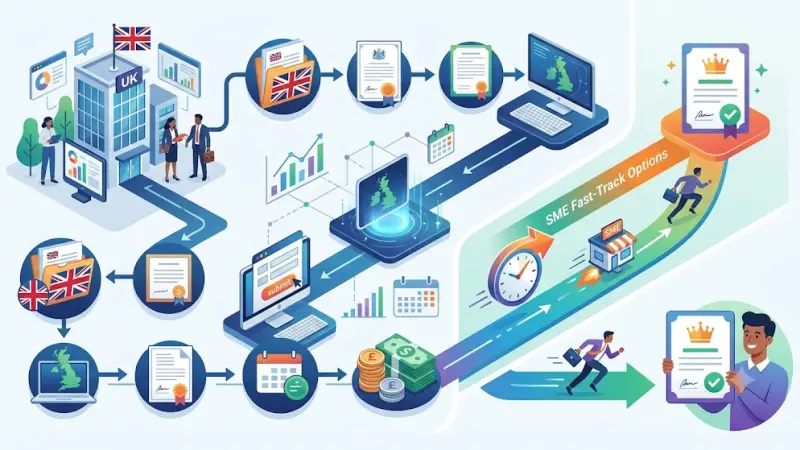
Your UK Sponsor Licence 2026 Step by Step Gui...
Read this insightful article "Your UK Sponsor Licence 2026 Step by Step Guide" to expand your knowledge!
Questions & Answers – Find What
You Need, Instantly!
How can I update my business listing?
Is it free to manage my business listing?
How long does it take for my updates to reflect?
Why is it important to keep my listing updated?
