
Cane Goods & Basketware: Craftsmanship, Materials & Suppliers
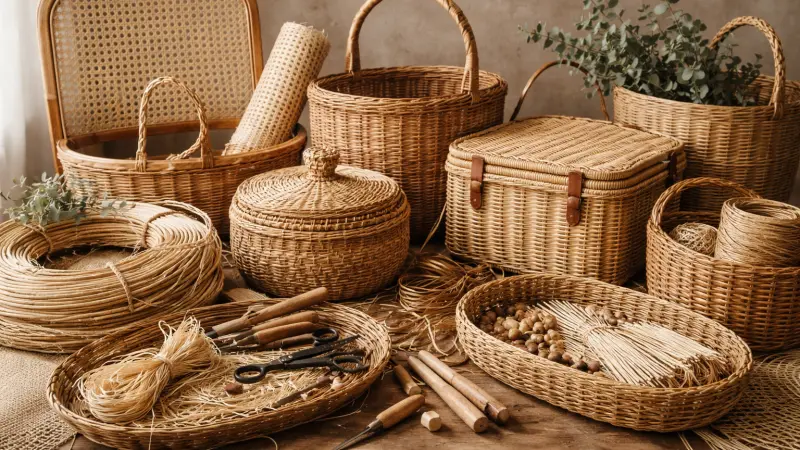
The cane goods and basketware sector in the United Kingdom represents a unique intersection of heritage craft, sustainable manufacturing, and contemporary interior design. While often categorized under the broader umbrella of home furnishings, this niche industry maintains a distinct identity rooted in centuries-old traditions—from the willow beds of the Somerset Levels to the high-end showrooms of London’s design districts. In the modern British economy, the sector serves as a vital contributor to the artisanal market, which has seen a significant resurgence as consumers move away from "fast furniture" in favour of longevity and ecological responsibility.
The economic importance of this sector extends beyond simple retail figures. It supports a complex supply chain involving specialized growers, master weavers, restoration experts, and bespoke furniture designers. For small-to-medium enterprises (SMEs) operating in this space, visibility is the primary driver of growth. To facilitate this, many specialists rely on a uk online business directory to connect with a discerning domestic and international clientele. As the UK continues to pivot towards a "green" economy, the biodegradable and renewable nature of cane and willow positions this industry as a frontrunner in sustainable retail, making it a critical area of study for business analysts and environmentalists alike.
The Landscape of Cane Goods & Basketware in the UK
The current market for basketware in the UK is characterized by a dual-track structure: high-volume functional imports and high-value artisanal domestic production. Estimates suggest the broader wicker and cane furniture market contributes significantly to the UK's annual furniture retail turnover, with a notable spike in demand for outdoor conservatory furniture and natural storage solutions. Historically centered in regions like Somerset—famous for its willow (Salix triandra)—and the East Midlands, the industry has decentralized in the digital age, with micro-workshops popping up across the Scottish Highlands and the Welsh valleys.
Post-pandemic, the evolution of the industry has been remarkable. The "home nesting" trend triggered by lockdowns saw a 30% increase in demand for natural home accessories as people sought to bring elements of the outdoors inside. Furthermore, the supply chain shocks of 2021-2022 forced many UK businesses to re-evaluate their reliance on Southeast Asian rattan and instead look toward domestic willow and hazel crops. This shift has revitalized local craft economies. To navigate this changing terrain, many emerging brands have successfully utilized a uk business directory to establish their presence among more established heritage names, ensuring that traditional skills are matched with modern digital accessibility.
Comprehensive Services Breakdown
The diversity of products and services within the cane and basketware niche is extensive, catering to both residential and commercial sectors.
1. Bespoke Basketry and Storage
Traditional basket making remains the heart of the industry. This includes the production of log baskets, hampers, and shopping baskets. The service often involves custom-sizing, where a weaver creates a piece to fit a specific alcove or shelving unit.
2. Cane and Rattan Furniture Manufacturing
Cane furniture, often made from the inner core of the rattan palm, is prized for its lightweight yet durable properties. British manufacturers focus heavily on conservatory suites, dining sets, and the increasingly popular "hanging egg chairs."
3. Restoration and Repair (Caning and Rushing)
A significant portion of the UK market is dedicated to the repair of antique furniture. This includes "hole caning" (hand-weaving cane through holes in a chair frame) and "rushing" (using dried seagrass or bulrushes for seat pads). This is a highly specialized skill set that requires years of apprenticeship.
4. Commercial Fit-outs
Retailers and the hospitality industry frequently commission large-scale basketware for display purposes or interior wall features. To find specialists capable of handling these bulk orders, procurement managers often browse a business listing uk to identify local workshops with the necessary capacity.
5. Raw Material Supply
Supplying the industry is a business in itself. This includes the sale of bundles of prepared willow, rattan coils, and specialized tools like bodkins, rappity-raps, and shaving knives.
How to Choose the Right Service Provider
Selecting a provider in the cane and basketware sector requires a balance between assessing technical skill and business reliability.
Since many weavers are sole traders or small family businesses, the traditional markers of quality are essential.
Accreditations and Guild Membership: Look for professionals who are members of The Basketmakers' Association or the Worshipful Company of Basketmakers. These affiliations indicate a commitment to the craft's standards.
Portfolio and Reviews: Always request photos of previous work, particularly for restoration projects. A provider’s reputation in the local community is often reflected in local business listings uk, where genuine customer feedback can be scrutinized.
Insurance: For restoration work involving valuable antiques, ensure the provider has "goods in trust" insurance. This protects your heirloom while it is in their workshop.
Sustainability Sourcing: Ask where their materials originate. A reputable British maker should be able to tell you which willow bed their materials were harvested from or provide proof of ethically sourced rattan.
Industry Challenges & Future Outlook
The industry faces several headwinds, primarily the "skills gap." As master weavers reach retirement age, there is an urgent need for vocational training to ensure these techniques aren't lost. However, technology is providing a solution. 3D modeling is now being used to design complex cane structures, and social media has allowed craftspeople to reach a global audience, making the profession more viable for the younger generation.
Sustainability remains the industry's greatest strength but also a regulatory challenge. New UK "Right to Repair" laws are encouraging consumers to restore rather than replace, which is a boon for the caning and rushing sector. Moreover, the move away from plastic packaging has reopened the door for traditional basketware in the grocery sector. For businesses looking to capitalize on these green initiatives, securing a business listing uk presence is the first step in being discovered by eco-conscious consumers and corporate partners looking for sustainable vendors.
Business Tips for Cane Goods & Basketware Professionals
For the modern basketmaker or cane furniture retailer, "craft" is only half the battle; the other half is marketing.
Digital Visibility: In a niche market, if you aren't online, you don't exist. High-quality photography that highlights the texture of the weave is non-negotiable.
Local SEO: Most customers for bulky items like cane sofas or large log baskets prefer to buy locally to save on shipping. Ensuring your business appears in uk service listings is vital for capturing this local intent.
Workshops and Experiences: Diversify income by offering "make your own basket" weekend courses.
This builds a community around your brand and creates an additional revenue stream.
B2B Partnerships: Reach out to interior designers and boutique hotels. Being listed in a specialized uk local business directory allows these professional buyers to find you when they are sourcing unique pieces for their projects.
Wrapping Up & Local Page Integration
The cane goods and basketware industry is a testament to the enduring appeal of natural materials and human skill. As we move further into the 21st century, the demand for these "slow-made" products is only set to increase. For the consumer, these goods offer a way to ground their living spaces in nature. For the artisan, it is a rewarding, though demanding, livelihood.
To bridge the gap between these two parties, digital infrastructure is essential. Local Page UK serves as the premier bridge, providing a robust platform where traditional craftsmanship meets modern search technology. By centralizing the UK’s diverse array of service providers, it ensures that this ancient craft remains a vibrant part of the contemporary British economy.
Boost Your Visibility with Local Page UK
In the competitive world of artisanal goods and home services, being "the best kept secret" is a recipe for struggle. For professionals in the cane and basketware sector, your craftsmanship deserves a wider audience. Whether you specialize in delicate French cane restoration or the manufacture of heavy-duty garden furniture, potential clients are searching for you right now.
By choosing to claim your business listing uk, you take the first step toward professionalizing your digital footprint. Local Page UK provides the tools you need to showcase your expertise, gather verified reviews, and stand out in your local area. Don't let your business get lost in the noise of general search engines—place your brand where it can be found by those specifically looking for quality UK services.
Frequently Asked Questions (FAQs)
1. What is the difference between cane and wicker?
Cane specifically refers to the material derived from the outer skin of the rattan palm, often used for weaving seat backs and sides. Wicker is not a material, but a technique of weaving using any pliable plant material, such as willow, reed, or bamboo.
2. How long does a hand-caned chair seat typically last?
With proper care, a high-quality hand-caned seat can last between 20 and 30 years. Factors such as humidity, weight distribution, and the use of seat cushions can significantly impact this lifespan.
3. Can cane furniture be used outdoors in the UK climate?
While rattan and cane are durable, they are natural fibers that can develop mildew if left in the damp British rain.
It is recommended to use them in conservatories or bring them inside during the winter months to preserve the fibers.
4. How do I clean my basketware without damaging the wood?
The best method is to use a soft brush or a vacuum cleaner with a brush attachment to remove dust. If a deeper clean is needed, a slightly damp cloth with very mild soapy water can be used, but the piece must be dried thoroughly and quickly.
5. Where can I find a verified expert for antique cane restoration?
You should look for specialists who have a history of working with period pieces. A great place to start your search is by browsing through Localpage to find reputable restoration experts in your specific region.
6. Is willow harvesting sustainable in the UK?
Yes, willow is one of the most sustainable crops in the UK. It grows rapidly, requires little to no pesticides, and provides a significant habitat for local wildlife. Most UK basketmakers source their willow from managed beds in Somerset.
7. Why is bespoke basketware more expensive than high-street imports?
Bespoke pieces are hand-crafted over many hours using superior, locally-sourced materials. Unlike mass-produced items, hand-woven baskets feature "locked" weaves that do not unravel, ensuring they last for decades rather than months.
8. What is 'rushing' in furniture design?
Rushing is a traditional seating technique using twisted strands of natural lime-green bulrushes or brown seagrass. It creates a comfortable, slightly springy seat often found on country-style ladder-back chairs.
9. Can I paint cane or rattan furniture?
Yes, but it requires careful preparation. You must clean the piece thoroughly and use a primer designed for natural fibers. Spray painting is generally more effective than brushing to ensure the paint reaches into the tight crevices of the weave.
10. How can I tell if my chair needs 'hole caning' or 'spline caning'?
If your chair has a series of small holes drilled around the frame, it requires hand-caning. If there is a continuous groove around the seat into which a pre-woven sheet of cane is pressed, it is spline (or machine) caning.
11. Are there specific British standards for furniture safety?
Yes, all furniture sold in the UK, including cane and basketware, must comply with the Furniture and Furnishings (Fire Safety) Regulations. Professional makers ensure their products meet these stringent requirements.
12. What are the benefits of using a local business directory?
Using a directory allows you to find service providers within your immediate geographic area, reducing transport costs and supporting the local economy while providing a platform for comparing local reputations.
13. How do I prevent my cane from becoming brittle?
Cane thrives in slightly humid environments. In very dry, centrally heated homes, it can be beneficial to occasionally wipe the underside of the cane with a damp cloth to prevent it from drying out and cracking.
14. Is it possible to learn basket weaving as a hobby in the UK?
Absolutely. There is a thriving community of weavers who offer day courses and weekend retreats.
Many of these teachers advertise their classes and workshop locations through local trade networks.
15. What is the best way to support the UK basketware industry?
The most effective way is to buy directly from local makers and ensure their services are visible. If you are a business owner in this sector, make sure you are listed on Local page to help customers find your craft easily.
Disclaimer: The information provided in this article is for general informational and research purposes only. Company details, features, services, and market positions may change over time. Readers are advised to visit official company websites and conduct independent research before making any business decisions or purchasing services.
Most Searchable Keywords
Recent Blogs


Related Listings

Categories
- Accountants (295)
- Advertising Agencies (559)
- Architects (149)
- Automobiles (377)
- Beauty (300)
- Carpenters (146)
- Cleaning Services (387)
- Dentists (189)
- Driving (62)
- Electricians (215)
- Energy (8)
- Event Organiser (686)
- Finance (602)
- Guide (3374)
- Health (2207)
- Information technology (206)
- Legal Services (354)
- Logistics (6)
- Maintenance (65)
- Manufacturing (35)
Sponsored Listings in Travel Agencies


Related Blogs

Meet the Fair Work Agency Changing UK Work Ru...
Read this insightful article "Meet the Fair Work Agency Changing UK Work Rules in 2026" to expand your knowledge!

Collective Redundancy Errors Now Carry Higher...
Read this insightful article "Collective Redundancy Errors Now Carry Higher 2026 Penalties" to expand your knowledge!

Explore Dog Friendly Walks in the Cotswolds f...
Read this insightful article "Explore Dog Friendly Walks in the Cotswolds for 2026" to expand your knowledge!
Questions & Answers – Find What
You Need, Instantly!
How can I update my business listing?
Is it free to manage my business listing?
How long does it take for my updates to reflect?
Why is it important to keep my listing updated?
