
Car Window Tinting Explained: Legal, Style & Heat Protection
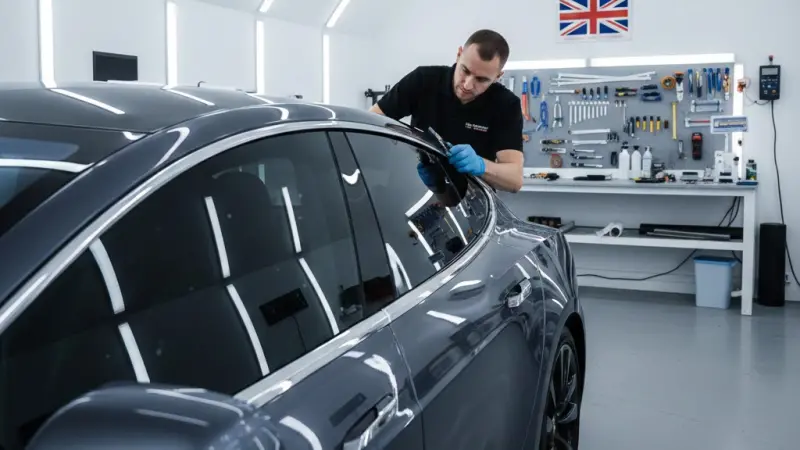
The automotive aftermarket sector in the United Kingdom has undergone a significant transformation over the last decade, with car window tinting emerging as one of its most resilient and high-demand segments. No longer viewed merely as an aesthetic choice for "boy racers," window tinting is now recognized as a sophisticated multi-functional upgrade that provides essential UV protection, thermal insulation, and security. From a British business perspective, the car tinting industry contributes millions to the national economy annually, supporting a vast network of independent technicians and specialized franchises.
In the UK, the "tinting culture" is driven by a diverse consumer base. Families invest in high-quality films to protect children and pets from heat exhaustion during increasingly warm British summers; luxury car owners seek privacy and enhanced aesthetics; and commercial fleet managers utilize security films to prevent "smash and grab" thefts. As we navigate the post-pandemic landscape, the demand for mobile tinting services and high-end ceramic installations has surged, making it a critical time for consumers and professionals alike to understand the nuances of the trade.
The economic importance of this sector cannot be overstated. It serves as a gateway for small business owners and skilled tradespeople to enter the automotive industry with relatively low overheads compared to mechanical workshops. However, success in this competitive field requires more than just technical skill; it demands a deep understanding of UK road laws and a strong digital presence. For those looking to source these professionals, using a dedicated uk online business directory is the most effective way to ensure quality and local availability.
The Landscape of Car Window Tinting in the UK
The UK market for window films and automotive styling is currently valued at tens of millions of pounds, showing a steady compound annual growth rate (CAGR). While London and the South East remain the primary hubs for high-end luxury tinting, there has been a notable decentralisation of services. Major cities like Birmingham, Manchester, Leeds, and Glasgow have seen a proliferation of specialized detailing and tinting studios.
The industry’s evolution post-pandemic is particularly fascinating. During the lockdowns, many car owners found themselves with disposable income and a desire to upgrade their personal vehicles. This led to a "DIY" boom, which ironically benefited professional tinters, as many owners realized the complexity of the task and turned to experts to fix botched home attempts. Furthermore, the rise of the "Staycation" meant more Brits were driving long distances across the country, leading to an increased demand for heat-rejection films.
Modern consumers are also more educated. They are moving away from cheap "limo black" dyed films and opting for advanced Carbon and Ceramic technologies. This shift has forced the industry to professionalize further, with technicians investing in specialized training and high-precision plotters. To navigate this evolving market, consumers often turn to a uk business directory website to find established workshops that have weathered the economic shifts of the past few years.
Comprehensive Services Breakdown
The services provided by a modern tinting studio go far beyond simple darkening of glass. Professional shops now offer a tiered approach to window protection and styling.
Dyed Window Film: This is the entry-level option, primarily used for aesthetics. While it provides privacy, it offers minimal heat rejection and can fade over time.
Carbon Window Film: A mid-range choice that uses carbon particles to block infrared light. It is highly durable and does not interfere with mobile phone or GPS signals, unlike older metallic films.
Ceramic Window Film: The gold standard in the UK. These films use non-conductive ceramic particles to block up to 99% of UV rays and a massive portion of solar heat without needing to be extremely dark.
Security and Safety Films: These are clear or tinted layers designed to hold glass together upon impact.
In high-crime urban areas, these are popular for preventing quick vehicle break-ins.
Chameleon Tints: A recent trend involving multi-coloured, high-rejection films for windscreens that change hue depending on the lighting, while remaining within legal light transmission limits.
Professional studios also offer related services like headlight and taillight tinting (using legal smoke films) and "de-chroming," where the silver trim of a car is wrapped in black vinyl to match the new tints. For businesses providing these specialized services, claiming a business listing uk is the first step in ensuring they appear in front of high-intent customers searching for specific technical upgrades.
How to Choose the Right Service Provider
Selecting a tinting professional in the UK requires due diligence. Unlike general mechanics, tinting is a "clean room" trade; a single speck of dust can ruin a multi-hundred-pound installation.
First, look for accreditations from major film manufacturers like SunTek, LLumar, or 3M. These brands often certify installers who have passed their rigorous training programs. Second, check for comprehensive insurance. A reputable shop should have public liability insurance and "work-on-car" cover to protect your vehicle while it is in their care.
Local reputation is arguably the most important metric. In the digital age, a business is defined by its reviews. Scrutinize photos of previous work, looking specifically for "gapping" at the top of windows and "fingers" (bubbles) at the edges of the rear screen. Avoid "backyard" installers who offer prices that seem too good to be true, as they often use low-quality film that will turn purple and peel within a year. Using a platform for local business listings uk allows you to compare multiple providers, read verified reviews, and check their proximity to your home or workplace.
Industry Challenges & Future Outlook
The UK tinting industry faces several hurdles, primarily regulatory and technological. The DVSA (Driver and Vehicle Standards Agency) has strict rules regarding the "VLT" (Visible Light Transmission) of front side windows and windscreens. Any window forward of the B-pillar must allow at least 70% to 75% of light through. Professionals are increasingly having to educate customers on these laws to prevent them from receiving "prohibition notices" or fines from the police.
Technologically, the rise of "Smart Glass" in luxury electric vehicles (EVs) like Teslas and high-end BMWs poses a challenge. These cars often have complex electronic systems embedded in the glass, requiring specialized heat-shrinking techniques. Furthermore, sustainability is becoming a key talking point. The industry is moving toward eco-friendly films and reducing the plastic waste generated during the backing-paper removal process.
As the UK pushes toward a greener economy, tinting is being rebranded as an energy-saving measure; by reducing the need for air conditioning in the summer, tinted cars can slightly improve fuel or battery efficiency. For shops to stay ahead of these regulatory and tech shifts, they must stay visible in the business listing uk landscape, ensuring their updated service lists reflect their ability to handle modern EV glass and legal compliance.
Business Tips for Car Window Tinting Professionals
For the business owner, the car tinting niche is 30% application and 70% marketing. In a localized service industry, "near me" searches are the lifeblood of your workshop.
Digital visibility is no longer optional. A high-quality website is a start, but local SEO is where the battle is won. Professionals should ensure their NAP (Name, Address, Phone number) is consistent across all platforms.
Social media, particularly Instagram and TikTok, is incredibly effective for this trade; "before and after" videos and time-lapses of the heat-shrinking process build trust and showcase craftsmanship.
Furthermore, networking within the broader automotive community—such as partnering with local car dealerships or detailers—can provide a steady stream of referrals. However, the foundation of a local SEO strategy should always be a high-authority directory. By ensuring you are part of the uk verified business listings, you signal to search engines that your business is legitimate, local, and active, which significantly boosts your ranking in map-based searches.
Wrapping Up & Local Page Integration
The car window tinting industry in the UK is a vibrant, essential part of the automotive landscape. It offers a unique blend of style, safety, and comfort that resonates with every type of driver. Whether you are a consumer looking to protect your family from the sun or a business owner looking to provide a premium service, the importance of quality cannot be overstated.
In an increasingly crowded market, the bridge between the service provider and the customer is digital trust. This is where Local Page comes in. As the premier find local businesses uk platform, it provides the infrastructure for UK businesses to thrive and for consumers to find verified, high-quality services in their immediate area. By integrating local expertise with a powerful online search tool, we ensure that the UK's automotive styling industry continues to grow, innovate, and serve the British public with excellence.
Boost Your Visibility with Local Page UK
In the competitive world of automotive services, standing out from the crowd is essential. Whether you specialize in ceramic window films, car wrapping, or security glass, your potential customers are searching for you right now. Don't leave your growth to chance. By deciding to business listing uk, you position your brand in a trusted ecosystem designed to connect British tradespeople with the local community. Claim your spot today and let Local Page UK drive your digital success.
FAQ
1. Is car window tinting legal in the UK?
Yes, car window tinting is perfectly legal in the UK, but there are very specific restrictions regarding which windows you can tint and how dark they can be. The law focuses primarily on the windows forward of the "B-pillar" (the central pillar of the car). For the front side windows, they must allow at least 70% of light to pass through. For the windscreen, it must allow 75% of light. There are currently no legal restrictions on the rear side windows or the rear windscreen, meaning you can have them as dark as you like. It is important to use professional installers who use a light meter to ensure your front windows remain compliant with DVSA standards.
2. How much does it cost to tint car windows in the UK?
The cost of window tinting in the UK varies significantly based on the size of the vehicle and the quality of the film used. For a small three-door hatchback using standard dyed film, prices might start around £120. However, for a large SUV or an estate car using premium ceramic film, you could expect to pay between £250 and £500. Ceramic films are more expensive because they offer superior heat rejection and do not fade over time. Additionally, the complexity of the car's glass (such as deep curves in a rear screen) can increase the labour time and cost.
3. Can window tinting help reduce heat inside the car?
Absolutely. Reducing "Solar Heat Gain" is one of the primary reasons UK drivers invest in window tinting. High-quality carbon or ceramic films are designed to block infrared radiation, which is the component of sunlight that generates heat. While standard glass allows heat to pass through and get trapped inside (the greenhouse effect), tinted windows can reflect or absorb a significant portion of this energy. This keeps the interior significantly cooler during summer months, reduces the load on your air conditioning system, and can even slightly improve your fuel efficiency or electric vehicle range.
4. Will tinted windows affect my car insurance?
In the UK, window tinting is technically classified as a vehicle modification. Therefore, you are legally obligated to inform your insurance provider if you have your windows tinted. In most cases, standard cosmetic tints do not significantly increase premiums, as they are seen as a low-risk modification.
However, failing to declare them could potentially void your policy in the event of a claim. Some insurers may view very dark front tints as a safety risk, so it is always best to check with your provider before having the work carried out to ensure you stay covered.
5. How do I find a reliable car window tinter near me?
Finding a reliable professional requires looking for businesses with a proven track record and transparent customer feedback. You should check for portfolios of their previous work and see if they offer a lifetime warranty on their installations, which is a hallmark of a quality shop. Using a specialized platform like Localpage is an excellent way to filter through local providers and find those with the best reputations in your specific area. Always ask about the brand of film they use and ensure they have a clean, indoor facility to perform the installation, as outdoor tinting leads to poor results.
6. Does window tinting block UV rays?
Yes, almost all professional-grade window films block 99% of harmful Ultraviolet (UV) rays. This is a crucial benefit for both the occupants and the vehicle itself. UV exposure is a leading cause of skin cancer and can cause significant damage to your car's interior, leading to faded upholstery, cracked leather, and brittle plastic dashboards. Even "clear" UV films are available for those who want the health and interior protection benefits without changing the look of their vehicle's glass.
7. How long does the window tinting process take?
For a standard car, a professional window tinting installation usually takes between 2 and 4 hours. The time depends on the number of windows being tinted and the complexity of the vehicle. A full "back half" tint on a five-door car is quicker than a full vehicle tint. If the car already has old film that needs to be removed, this can add several hours to the process, as removing old adhesive is a painstaking task. Most shops prefer to have the car for a half-day to ensure the film is properly heat-shrunk and fitted.
8. Can I open my windows immediately after tinting?
No, you must wait before opening your windows. After the film is applied, there is a curing period where the moisture between the film and the glass needs to evaporate. In the UK climate, most professionals recommend waiting at least 48 to 72 hours before winding your windows down. If you open them too early, the friction against the window seals can peel the film off or cause it to shift, ruining the installation. Your installer will usually place "do not open" stickers over your window switches as a reminder.
9. Why do bubbles appear in window tint?
If you see small, hazy bubbles immediately after installation, don't panic—this is usually just residual moisture trapped under the film, which will disappear as the film cures (usually within a week). however, if large bubbles appear years later, or if the film looks "crinkled," this is a sign of adhesive failure, often caused by using cheap, low-quality dyed films. Professional installations using high-quality films like ceramic or carbon rarely suffer from this issue, as the adhesives are designed to withstand years of sun exposure and temperature fluctuations.
10. Can you tint a car with a rear window defroster?
Yes, you can safely tint windows that have integrated defroster lines (the thin orange or brown lines on the rear screen). A professional tinter will clean the glass thoroughly and heat-shrink the film so it lays perfectly over the raised lines. The tint will not affect the operation of the defroster, and the heat from the defroster will not damage the film. However, if you ever need to remove the tint, it must be done very carefully using steam to avoid pulling the metal defroster lines off the glass.
11. Is it better to choose mobile tinting or a workshop?
While mobile tinting offers convenience, a dedicated workshop is almost always the better choice for quality. Window tinting requires a completely dust-free, wind-free environment to prevent contaminants from getting trapped under the film. In a workshop, the environment is controlled, the lighting is optimized, and the installer has access to all their specialized tools. Mobile tinters are often at the mercy of the weather, and even a light breeze can blow dust into the film during the application process, leading to a "speckled" finish.
12. Can I tint my own car windows with a DIY kit?
While DIY kits are available, they are generally not recommended for anyone seeking a professional finish. Tinting is a highly technical skill that requires precise cutting, heat-shrinking with a heat gun, and specialized squeegee techniques. Most DIY films are of lower quality (dyed) and tend to purple or peel quickly. Furthermore, if you make a mistake, removing the film and starting over can be very difficult. Most people find that by the time they buy the tools and the film, the cost is not much lower than a professional entry-level installation.
13. What is "Chameleon" window tint?
Chameleon tint is a modern type of film, usually applied to the windscreen, that changes colour depending on the angle of light and the viewer's perspective. It often shifts between shades of blue, purple, and green. Many of these films are designed to be "80% VLT," meaning they allow enough light through to stay legal on most UK windscreens while still providing high heat rejection. However, because every car's factory glass has a slight tint already, you must have it tested with a light meter to ensure the combined tint doesn't drop below the legal 75% limit.
14. Will window tinting affect my GPS or mobile phone signal?
This depends on the type of film used. Older "metallic" or "metallized" films contain tiny metal particles that can interfere with radio waves, potentially degrading your GPS accuracy, mobile phone reception, and TPMS (Tyre Pressure Monitoring System) signals.
However, modern Carbon and Ceramic films are "non-metallized" and "signal-friendly," meaning they provide all the heat rejection benefits without any interference with your car's electronic systems. Always confirm with your installer that they are using a signal-safe film.
15. How can I list my tinting business online?
If you run a tinting business, being found by local customers is essential for growth. The best way to start is by creating a profile on a reputable directory that focuses on the UK market. This helps build your local SEO and makes it easier for customers to find your contact details and see your reviews. For a reliable and professional experience, you should use Local page to manage your presence and ensure your services are visible to the thousands of people searching for automotive styling every month.
Disclaimer: The information provided in this article is for general informational and research purposes only. Company details, features, services, and market positions may change over time. Readers are advised to visit official company websites and conduct independent research before making any business decisions or purchasing services.
Most Searchable Keywords
Recent Blogs


Related Listings
Categories
- Accountants (295)
- Advertising Agencies (559)
- Architects (149)
- Automobiles (377)
- Beauty (300)
- Carpenters (146)
- Cleaning Services (387)
- Dentists (189)
- Driving (62)
- Electricians (215)
- Energy (8)
- Event Organiser (686)
- Finance (602)
- Guide (3373)
- Health (2207)
- Information technology (206)
- Legal Services (353)
- Logistics (6)
- Maintenance (65)
- Manufacturing (35)
Sponsored Listings in Travel Agencies


Related Blogs

Explore Dog Friendly Walks in the Cotswolds f...
Read this insightful article "Explore Dog Friendly Walks in the Cotswolds for 2026" to expand your knowledge!

How Much Do UK Actors Really Earn Full Indust...
Read this insightful article "How Much Do UK Actors Really Earn Full Industry Breakdown" to expand your knowledge!
Blue Light Card UK 2026 Check Eligibility and...
Read this insightful article "Blue Light Card UK 2026 Check Eligibility and Claim" to expand your knowledge!
Questions & Answers – Find What
You Need, Instantly!
How can I update my business listing?
Is it free to manage my business listing?
How long does it take for my updates to reflect?
Why is it important to keep my listing updated?
