
Central Heating Supplies & Equipment Buying Guide
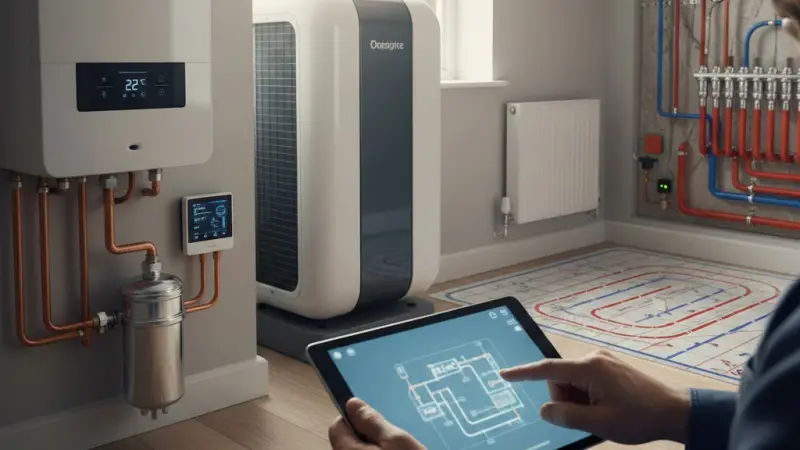
The central heating supplies & equipment sector represents a cornerstone of the United Kingdom’s domestic infrastructure and national energy strategy. As a nation characterized by its temperate, often unpredictable climate, the provision of reliable thermal comfort is not merely a luxury but a fundamental necessity for the health and well-being of over 28 million households. From an economic perspective, this industry is a powerhouse, contributing billions to the UK’s Gross Value Added (GVA) and supporting a vast ecosystem of manufacturers, distributors, and skilled tradespeople.
In recent years, the sector has transitioned from a traditional focus on gas-combustion technology to a sophisticated, multi-disciplinary field encompassing renewable energy, smart automation, and high-efficiency heat distribution. This evolution is driven by the UK government’s legally binding commitment to reach Net Zero emissions by 2050, placing central heating at the heart of the environmental agenda. For consumers, navigating this landscape requires a nuanced understanding of hardware—ranging from hydrogen-ready boilers to air-source heat pumps—and the regulatory frameworks that govern their installation. As the digital economy grows, homeowners and developers increasingly rely on a uk business directory to source verified suppliers and local expertise, ensuring that their investments meet both current standards and future requirements.
The Landscape of Central Heating Supplies & Equipment in the UK
The current market for central heating equipment in the UK is valued at approximately £2.5 billion, with projections suggesting steady growth as the nation accelerates its decarbonization efforts. Historically, the industry was dominated by the "Big Four" boiler manufacturers, but the post-pandemic era has seen a significant diversification. We are witnessing a surge in the availability of low-carbon technologies, with the heat pump market alone expected to expand at a compound annual growth rate (CAGR) of over 11% through 2031.
Post-pandemic, the industry has faced unique challenges, including global supply chain disruptions and a heightened focus on indoor air quality and ventilation. However, it has also benefited from a "home improvement boom" as residents redirected discretionary spending toward domestic comfort and energy efficiency. Geographically, activity remains densest in South East England and the Midlands, though Scotland has emerged as a leader in renewable adoption due to its ambitious 2045 Net Zero target. As the market becomes more complex, both B2B and B2C stakeholders are turning to a uk online business directory to bridge the gap between global manufacturers and the local installers who bring these systems to life. The integration of the Internet of Things (IoT) has further evolved the landscape, with smart thermostats and diagnostic tools now considered standard equipment rather than optional extras.
Comprehensive Services Breakdown
Understanding the breadth of products and services within the central heating niche is essential for making an informed purchase. The sector is generally categorized into heat generation, distribution, and control.
1. Heat Generation Units
Condensing Gas Boilers: Still the most common installation, modern units achieve over 90% efficiency.
Heat Pumps (Air & Ground Source): The primary alternative to fossil fuels, extracting ambient heat from the environment.
Hybrid Systems: A bridge technology combining a traditional boiler with a heat pump to optimize efficiency based on external temperatures.
Electric & Biomass Boilers: Specialized solutions for off-grid properties or niche architectural requirements.
2. Distribution Components
Low-Temperature Radiators: Designed with larger surface areas to work effectively with heat pumps.
Underfloor Heating (UFH): Increasingly popular in new builds for its even heat distribution and aesthetic "invisibility."
Circulator Pumps & Pipework: The "veins" of the system, where high-grade copper or multilayer plastic pipes ensure longevity.
3. Controls and Water Treatment
Smart Controls: Systems like Hive or Nest that allow for room-by-room "zoning."
Magnetic Filters: Essential for removing system sludge and protecting the longevity of the boiler.
For professionals looking to showcase these specialized offerings, securing a business listing uk is a strategic move to ensure their inventory and expertise are visible to a targeted audience.
How to Choose the Right Service Provider
Selecting a central heating supplier or installer is a decision that impacts your home's safety and financial efficiency for decades. In the UK, the primary "gold standard" for gas installations is the Gas Safe Register; it is illegal for anyone not on this register to work on gas appliances. For renewable technologies, the Microgeneration Certification Scheme (MCS) is the critical accreditation to look for, as it is often a prerequisite for government grants like the Boiler Upgrade Scheme (BUS).
Beyond certifications, consumers should evaluate:
Reviews and Testimonials: Look for consistent feedback on punctuality and aftercare.
Insurance: Ensure the provider carries significant public liability insurance.
Local Reputation: Choosing a local expert often results in faster emergency response times.
A reliable way to verify these details is to consult local business listings uk, where you can compare providers based on verified credentials and community feedback. This due diligence prevents the common pitfall of choosing the lowest quote only to incur higher costs later due to poor installation or lack of warranty support.
Industry Challenges & Future Outlook
The transition to "Green Heat" is perhaps the greatest challenge the industry has ever faced. While the government’s Future Homes Standard (FHS) mandates that new builds from 2025 must produce 75-80% less carbon, the retrofit market for existing Victorian and Edwardian housing stock remains a logistical hurdle. These older homes often require significant insulation upgrades before low-carbon systems like heat pumps can operate efficiently.
Furthermore, a critical shortage of "green-collar" workers—qualified heat pump installers—threatens to slow the pace of adoption. Regulatory shifts are also constant; the potential for hydrogen-ready boilers to utilize the existing gas grid is still being debated, creating a period of uncertainty for manufacturers. Despite these hurdles, the future outlook is positive. Innovation in thermal battery storage and "Heat-as-a-Service" (HaaS) subscription models are set to revolutionize how we pay for and consume energy. For those entering the market, utilizing a business listing uk can provide the necessary exposure to stay competitive as these new technologies become mainstream.
Business Tips for Central Heating Professionals
In a crowded marketplace, central heating professionals must move beyond traditional "word of mouth" and embrace digital visibility. Local SEO (Search Engine Optimization) is paramount; when a boiler fails in the middle of January, a customer will search for "emergency heating repair near me." If your business does not appear in the top results, you are effectively invisible.
Marketing tips for local firms:
Optimize for Mobile: Most emergency searches happen on smartphones.
Content Marketing: Create guides on "How to bleed a radiator" or "Understanding heat pump grants" to establish authority.
Google Business Profile: Keep your hours, photos, and contact details updated.
Directory Presence: Ensure your company is included in uk service listings to build backlink authority and trust.
Digital visibility isn't just about reaching new customers; it's about building a brand that reflects reliability and modern expertise.
Wrapping Up & Local Page Integration
The central heating supplies & equipment industry is undergoing a historic transformation. As we move away from fossil fuels toward a sustainable, electrified future, the importance of choosing the right equipment and the right professionals cannot be overstated. This guide serves as a roadmap for navigating the complexities of modern thermal comfort, ensuring that UK residents can enjoy warm, efficient, and eco-friendly homes.
For UK businesses in this sector, the challenge is no longer just about the quality of the wrench or the efficiency of the boiler—it is about being found. Local Page provides the premier solution for bridging the gap between high-quality local trades and the consumers who need them. By joining a comprehensive uk local business directory, companies can ensure they are part of the national conversation on energy efficiency and home comfort.
Boost Your Visibility with Local Page UK
In the competitive Central Heating Supplies & Equipment sector, your digital footprint is your most valuable asset. Whether you specialize in traditional boiler servicing or cutting-edge renewable installations, being accessible to your local community is the key to sustainable growth. Don’t let potential clients find your competitors first. Take the proactive step today and claim your business listing uk on Local Page UK. Join the thousands of verified professionals who are growing their reach and securing their place in the UK’s green energy future.
Frequently Asked Questions
What is the primary benefit of the Boiler Upgrade Scheme?
The Boiler Upgrade Scheme (BUS) provides significant financial incentives, offering up to £7,500 in grants to help UK homeowners replace fossil fuel boilers with air-source or ground-source heat pumps. This initiative is designed to lower the "barrier to entry" caused by the high upfront costs of renewable technology.
By reducing the initial capital expenditure, the government aims to accelerate the transition to low-carbon heating, helping the UK meet its Net Zero targets while providing residents with a more sustainable and eventually more cost-effective way to heat their properties.
How often should a central heating system be serviced?
A central heating system, particularly the boiler, should be serviced annually by a qualified professional. Regular maintenance ensures the system operates at peak efficiency, reduces the risk of carbon monoxide leaks, and identifies minor issues before they become expensive repairs. Most manufacturer warranties for boilers and heat pumps are only valid if an annual service record is maintained. Neglecting this can lead to higher energy bills, a shorter equipment lifespan, and potential safety hazards for the occupants of the building.
What is a "hydrogen-ready" boiler?
A hydrogen-ready boiler is a gas-fired boiler that is capable of running on a blend of 20% hydrogen and 80% natural gas today, and can be converted to run on 100% hydrogen with a simple visit from a technician in the future. These units are seen as a "future-proofing" solution for the UK’s existing gas infrastructure. While a full conversion of the national grid to hydrogen is still under review, installing a hydrogen-ready unit ensures that homeowners won't need to replace their entire heating system if the fuel source changes.
Can I install a heat pump in an older, uninsulated home?
While technically possible, installing a heat pump in an uninsulated home is highly inefficient. Heat pumps operate at lower flow temperatures than gas boilers, meaning they rely on a well-insulated "thermal envelope" to retain heat. Without proper loft insulation, cavity wall insulation, and double glazing, a heat pump will have to work much harder, leading to significantly higher electricity bills and a home that never feels quite warm enough. It is always recommended to "fabric first"—improve the insulation before upgrading the heating source.
How can I find a verified central heating installer in my area?
To find a verified professional, you should consult a reputable Localpage listing. Look for installers who carry the Gas Safe Register ID for gas work or MCS certification for renewables. Verifying these credentials through a trusted directory ensures that the individual has the necessary training and insurance to perform the work safely. Always check for recent customer reviews to gauge their reliability and the quality of their aftercare service, which is just as important as the installation itself.
What are the signs that my radiators need power flushing?
Common signs that your radiators need power flushing include cold spots at the bottom of the radiator, a noisy boiler (kettling), or the central heating taking a long time to warm up. These symptoms often indicate a buildup of "sludge"—a mixture of rust and debris—which restricts water flow and reduces efficiency. A power flush uses high-pressure water and chemicals to clean the internal system, restoring heat distribution and protecting your boiler’s internal components from premature failure.
Is underfloor heating more efficient than radiators?
Underfloor heating (UFH) is generally more efficient than traditional radiators because it operates at a lower temperature and covers a much larger surface area. This allows for a more even distribution of heat, eliminating cold spots and drafts. Because it uses lower water temperatures, it is a perfect partner for heat pumps. However, the efficiency also depends on the floor finish; materials like tile and stone conduct heat better than thick carpets. UFH is most cost-effective when installed during a new build or major renovation.
What is the role of a magnetic system filter?
A magnetic system filter is a small device installed on the return pipework of a heating system. Its job is to capture metallic debris (magnetite) that naturally sheds from the inside of radiators over time. By trapping this sludge before it reaches the boiler, the filter prevents blockages in the heat exchanger and pump. Most modern boiler manufacturers now require a magnetic filter to be fitted as a condition of their warranty, as it significantly extends the operational life of the entire heating system.
How do smart thermostats save money?
Smart thermostats save money by providing granular control over your heating schedule via a smartphone app. Features like "geofencing" can automatically turn the heating down when you leave the house and back up when you are nearly home. Many models also use "learning" algorithms to understand how long your house takes to heat up, preventing the system from running longer than necessary. By ensuring you only heat the rooms you use exactly when you need them, these devices can reduce annual heating costs by up to 30%.
What is the difference between a combi, system, and heat-only boiler?
A combi (combination) boiler provides both heating and hot water directly from the unit, eliminating the need for tanks. A system boiler requires a cylinder for storing hot water but doesn't need a tank in the loft. A heat-only (regular) boiler requires both a hot water cylinder and a cold water tank. Combi boilers are ideal for smaller homes with limited space, while system and regular boilers are better for larger households where multiple taps might be used simultaneously.
Are electric boilers a good alternative to gas?
Electric boilers are 100% efficient at the point of use and require very little maintenance as they have no moving parts or flue. They are also quieter and can be installed almost anywhere. However, because electricity is currently significantly more expensive per unit than gas in the UK, running costs can be high. They are best suited for very small, well-insulated flats or properties where a gas supply is unavailable and a heat pump is not a viable option.
What is a TRV and why should I use them?
A TRV (Thermostatic Radiator Valve) is a self-regulating valve fitted to a radiator that controls the flow of hot water based on the air temperature in that specific room. By installing TRVs, you can create "zones" in your home, keeping the living room warm while keeping bedrooms cooler. This prevents energy waste in unoccupied rooms. For maximum efficiency, TRVs should be used in conjunction with a main room thermostat but should not be installed on the radiator in the same room as that thermostat.
How does the Future Homes Standard affect me?
The Future Homes Standard primarily affects developers and those building new homes from 2025 onwards. It stipulates that new dwellings must be "zero-carbon ready," effectively banning the installation of traditional gas boilers in new-build projects. While it doesn't currently force existing homeowners to remove their gas boilers, it signals a long-term shift in the industry. As the supply chain for low-carbon technology scales up to meet these requirements, prices for heat pumps and heat networks are expected to fall for everyone.
What should I do if my boiler pressure is too low?
If your boiler pressure is too low (usually below 1 bar), your heating may stop working or become inefficient. You can usually repressurize the system yourself using the "filling loop"—a small silver pipe with valves located underneath or near the boiler.
However, a drop in pressure often indicates a leak in the system or a fault with the expansion vessel. If you find yourself having to top up the pressure frequently, you should contact a professional to investigate the underlying cause before it causes damage.
Why is digital visibility important for central heating businesses?
Digital visibility is crucial because the modern customer journey begins with an online search. Whether someone is looking for a quote on a new installation or needs an emergency repair, they will likely use a search engine or a local directory to find a provider. Having a strong presence on a platform like Local page ensures that your business appears when and where customers are looking. In a competitive market, a high-ranking listing acts as a trust signal, showcasing your professional status and helping you capture high-intent leads that drive revenue.
Disclaimer: The information provided in this article is for general informational and research purposes only. Company details, features, services, and market positions may change over time. Readers are advised to visit official company websites and conduct independent research before making any business decisions or purchasing services.
Most Searchable Keywords
Recent Blogs


Related Listings
Categories
- Accountants (295)
- Advertising Agencies (559)
- Architects (149)
- Automobiles (377)
- Beauty (300)
- Carpenters (146)
- Cleaning Services (387)
- Dentists (189)
- Driving (62)
- Electricians (215)
- Energy (8)
- Event Organiser (686)
- Finance (602)
- Guide (3373)
- Health (2207)
- Information technology (206)
- Legal Services (353)
- Logistics (6)
- Maintenance (65)
- Manufacturing (35)
Sponsored Listings in Travel Agencies


Related Blogs

Explore Dog Friendly Walks in the Cotswolds f...
Read this insightful article "Explore Dog Friendly Walks in the Cotswolds for 2026" to expand your knowledge!

How Much Do UK Actors Really Earn Full Indust...
Read this insightful article "How Much Do UK Actors Really Earn Full Industry Breakdown" to expand your knowledge!

Blue Light Card UK 2026 Check Eligibility and...
Read this insightful article "Blue Light Card UK 2026 Check Eligibility and Claim" to expand your knowledge!
Questions & Answers – Find What
You Need, Instantly!
How can I update my business listing?
Is it free to manage my business listing?
How long does it take for my updates to reflect?
Why is it important to keep my listing updated?
