
Disabled Facilities Grant Everything UK Residents Need
- 👤 Ryan Reynolds
- 👁️ 35 Views
- Last Updated: July 31, 2026
- 🏷️ Guide
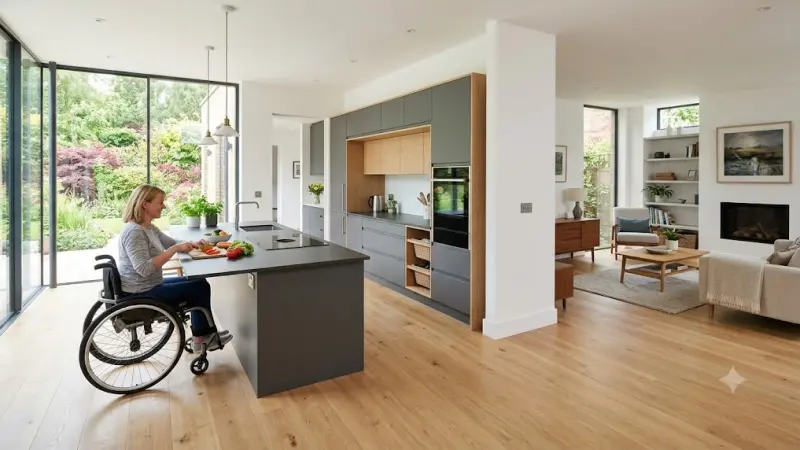
Navigating the financial and logistical challenges of modifying a home for someone with a disability can feel overwhelming. If you or someone living in your property requires physical changes to the environment to live safely and independently, a Disabled Facilities Grant could be the vital financial lifeline you need.
In this comprehensive guide, we will break down exactly what a Disabled Facilities Grant entails, who qualifies for it, and how the UK government structures this vital funding stream. Whether you are looking to widen doorways for wheelchair access, install a downstairs bathroom, or build custom ramps, understanding the administrative requirements and commercial realities of hiring tradespeople is critical. This guide is designed to empower UK homeowners, tenants, and landlords with the factual, actionable, and commercial knowledge required to secure funding and successfully manage the subsequent building works.
What is a Disabled Facilities Grant?
A Disabled Facilities Grant (often referred to as a DFG) is a financial grant provided by your local council in England, Wales, and Northern Ireland. It is explicitly designed to help cover the costs of making necessary structural changes to a home, ensuring a disabled person can continue to live there safely and with dignity.
Unlike standard home improvement loans, this funding is strictly ring-fenced for adaptations that are deemed "necessary and appropriate" for the disabled person's needs, as well as "reasonable and practicable" given the age and condition of the property.
Core Objectives of the Grant
The legislation governing these grants primarily the Housing Grants, Construction and Regeneration Act 1996 outlines specific purposes for the funding. The core objectives include:
-
Facilitating access to and from the dwelling.
-
Making the dwelling safer for the disabled occupant and others living with them.
-
Facilitating access to a principal family room.
-
Providing or improving access to the bedroom, toilet, bath, or shower facilities.
-
Improving or providing a suitable heating system.
-
Adapting heating or lighting controls to make them easier to use.
-
Improving access and movement around the home to enable the disabled person to care for another person who lives there (such as a child).
Understanding the DFG eligibility criteria
Before investing time in the DFG application process, it is vital to understand exactly who the government deems eligible. The grant is not awarded based purely on the presence of a disability; it is awarded based on a legal assessment of need, property suitability, and financial standing.
Who Can Apply?
You can apply for the grant if you are:
-
The property owner: You own the home where the disabled person lives.
-
A tenant: You rent the property (including private rentals, housing association, and council tenants).
-
A landlord: You are applying on behalf of a disabled tenant.
In all cases, you must certify that you intend for the disabled person to live in the property
as their only or main residence for the grant period (which is currently five years).
The Medical Qualification
To satisfy the initial DFG eligibility criteria, the applicant (or the person they are applying for) must be recognised as disabled. Under the National Assistance Act 1948 and subsequent legislation, this generally includes individuals with profound physical disabilities, severe mental health conditions, sensory impairments (blindness or profound deafness), or learning disabilities. Age-related mobility issues also frequently qualify.
The Role of the occupational therapist assessment
The linchpin of your entire application is the occupational therapist assessment. You cannot simply decide what work you want done and request the funds. Your local council will dispatch an occupational therapist (OT) from social services to visit your home.
During this visit, the OT will observe how the disabled person interacts with the current environment. They will determine what accessible housing modifications are clinically "necessary and appropriate." For example, if a resident cannot safely step over a bath edge, the OT will explicitly recommend a level-access shower. The council will only fund the modifications documented in the OT’s official report.
Financials: Means Testing and Maximum Limits
One of the most complex areas of this funding is the financial assessment. Except in very specific circumstances, the grant is heavily means-tested.
Navigating means testing for DFG
Unless the application is for a disabled child under the age of 19, the local authority will conduct a stringent assessment of the disabled person’s income and capital (and their partner’s, if applicable). Means testing for DFG calculates average weekly income, savings, and investments to determine if the applicant must contribute towards the cost of the work.
-
Full Funding: If the applicant receives certain passporting benefits (such as Universal Credit, Income Support, or Pension Credit Guarantee Credit), they will typically receive a 100% grant, meaning they pay nothing towards the approved works.
-
Partial Funding: If savings and income exceed the local authority's threshold, a calculation determines the "contribution" the applicant must make. The grant will then cover the remaining balance of the approved works.
The disability grant maximum limit
The amount of money you can receive is capped, and these caps vary depending on where you live in the UK.
-
England: The current disability grant maximum limit is £30,000.
-
Wales: The limit is set higher, at £36,000.
-
Northern Ireland: The limit is £25,000.
-
(Note: Scotland operates a distinct Scheme of Assistance rather than the DFG).
If the required disabled home adaptations cost more than the maximum limit, councils sometimes have discretionary top-up funds, or applicants can approach charities (like SSAFA for veterans or various condition-specific trusts) to bridge the shortfall.
What Does the Grant Cover?
The scope of works covered by local council housing grants must directly align with the OT's recommendations. However, the commercial reality of these building works encompasses several distinct categories of home improvement.
Wet Room and Bathroom Adaptations
The most common request under the scheme is the conversion of a standard bathroom into an accessible wet room. Wet room installation costs can fluctuate wildly based on the property’s existing plumbing, the required sub-floor adjustments, and the quality of the slip-resistant vinyl flooring. The grant covers the standard, utilitarian costs. If you want high-end designer tiles instead of the council-approved standard slip-resistant finish, you must pay the difference yourself.
Stairlifts and Through-Floor Lifts
If ground-floor living is impossible, vertical mobility is required. Stairlift grant funding covers the purchase, installation, and often an initial warranty period for curved or straight stairlifts. For wheelchair users who cannot transfer to a stairlift, the grant can cover through-floor lifts (vertical lifts that travel through a ceiling aperture), provided the property structure can safely support it.
Ramps, Widened Doors, and External Access
Creating a step-free route into the property is vital. This includes concrete ramping, modular steel ramps, widening
external and internal doorways to accommodate modern powered wheelchairs, and installing automated door opening systems.
Bespoke Kitchens
For disabled individuals who cook for themselves, the grant can fund height-adjustable kitchen worktops, lowered sinks with lever taps, and accessible oven housings.
Sourcing the Right Contractors and Suppliers
Once the council approves the grant, the commercial phase begins. You are effectively procuring construction and mobility services. Choosing the right companies to execute these highly sensitive works is paramount.
Finding approved DFG contractors
While some councils operate a managed scheme where they handle the tendering process and appoint the builders—many require or allow the applicant to source their own quotes (usually two or three). Finding approved DFG contractors requires diligence. These builders must be experienced in mobility construction; fitting a level-access shower involves vastly different structural waterproofing techniques compared to a standard bathroom refit.
Always look for contractors registered with bodies like TrustMark, the Federation of Master Builders (FMB), or the British Institute of KBB Installation (BiKBBI). Check if they have a track record of communicating effectively with local authority Building Control and private occupational therapists.
Evaluating home mobility solutions
Beyond general builders, you will likely need to engage with specialist suppliers for equipment. The market for home mobility solutions is vast, encompassing stairlift manufacturers, specialist bathing suppliers, and ramping engineers.
When evaluating these suppliers, do not solely focus on the upfront product cost (which the grant covers). You must consider aftercare, call-out response times, and the cost of servicing once the initial warranty expires.
Supplier Comparison Guide
Below is a comparison table to help UK residents evaluate different types of contractors for their adaptation projects:
| Contractor Type | Pros | Cons | Best Suited For |
| Council-Managed Agency | Zero hassle for the homeowner; council handles all project management and snagging. | Lack of choice regarding fixtures and finishes; timelines dictated by council backlog. | Vulnerable individuals without family support to manage building works. |
| National Specialist Firm | Excellent warranties; dedicated customer service teams; vast experience with complex hoists and lifts. | Often more expensive; less personal touch; rely heavily on sub-contracted local labour. | Complex, high-value installations like through-floor lifts and ceiling track hoists. |
| Independent Local Builder | Highly flexible; often faster to commence work; easier to negotiate private "top-up" luxury finishes. | Risk of insolvency mid-project; requires the homeowner to act as the primary project manager. | Straightforward extensions, doorway widening, and standard wet room conversions. |
The Step-by-Step Application Process
Navigating the bureaucracy of local government requires patience. The timeline from initial inquiry to completed construction can take anywhere from six to eighteen months.
-
Initial Contact: Contact your local council’s adult social care team or housing department to request an assessment.
-
The OT Visit: The occupational therapist conducts their assessment and writes their formal recommendation report.
-
Financial Assessment: You submit evidence of your income, savings, and benefits for the means test.
-
Drawing Up Plans: For major structural works (like an extension), architectural drawings are created.
-
Tendering: You (or the council's agency) source quotes from builders and mobility suppliers.
-
Formal Application Submission: All quotes, plans, and OT reports are submitted. The council has a legal obligation to give a decision within six months of a formal, completed application.
-
Approval and Construction: Once the grant is formally approved in writing, work can commence. Never start work before receiving written approval, as grants cannot be awarded retroactively.
-
Sign-off and Payment: The council inspects the finished work. Once satisfied, they usually pay the contractor directly.
Current UK Trends in Disabled Adaptations
The landscape of accessible living is evolving. Historically, disability adaptations were deeply clinical, turning domestic homes into spaces that resembled hospital wards. Today, the focus is on inclusive design.
Current trends in disabled home adaptations show a massive shift towards "invisible accessibility." Manufacturers are producing grab rails that look like high-end matte black plumbing fixtures. Wet rooms are being styled as luxury spa spaces rather than institutional shower blocks. Furthermore, smart home integration such as voice-activated blinds, automated lighting, and smartphone-controlled heating is increasingly being factored into the OT assessments, reflecting the modern realities of independent living.
Common Mistakes to Avoid
-
Starting work too early: The most catastrophic error is beginning construction before the council issues the formal grant approval document. If you do this, your grant will be unequivocally denied.
-
Underestimating the disruption: Ripping out a bathroom or building an extension generates severe dust, noise, and disruption. If the disabled person has sensory processing issues or respiratory conditions, alternative temporary accommodation must be factored into the project plan.
-
Ignoring ongoing maintenance: A Disabled Facilities Grant pays for the installation. It does not pay for the £300 annual service your new stairlift will require in three years' time. Always budget for the lifecycle costs of the equipment.
-
Accepting the cheapest quote blindly: The council will usually base their grant on the cheapest of your three quotes. If you feel the cheapest contractor is unreliable or using inferior materials, you can choose a more expensive contractor, but you will have to pay the financial difference yourself.
FAQs
1. Can I get a Disabled Facilities Grant if I am a private renter?
Yes. Private tenants have the exact same rights to apply for a DFG as homeowners. However, you will need the written consent of your landlord before any structural changes can be made to the property. Most councils have mediation teams to help explain the benefits of the adaptations to hesitant landlords.
2. Are children subject to the DFG means test?
No. If the adaptations are for a disabled child or a young person under the age of 19 who is dependent on the applicant, there is no financial means testing applied in England, Wales, or Northern Ireland. The grant will cover 100% of the approved costs up to the maximum limit.
3. What happens if the required work exceeds the £30,000 maximum limit?
If the essential works cost more than the national limit, the council has discretionary powers to provide a "top-up" loan or grant, though this depends entirely on local funding availability. Alternatively, you may need to fund the remainder yourself or apply to charitable organisations for assistance.
4. Do I have to repay the grant if I move house?
Potentially. If you are an owner-occupier and the grant was for over £5,000, the council can place a local land charge on the property. If you sell or transfer the property within 10 years, the council may demand repayment of a portion of the grant (capped at £10,000), though they must consider if repayment would cause financial hardship.
5. How long does the local council have to approve my application?
By law, once a fully completed formal application (including all plans, OT reports, and contractor quotes) is submitted, the local housing authority must give
you a decision in writing within six months. Work must then usually be completed within 12 months of the approval date.
Securing a Disabled Facilities Grant requires a methodical approach, patience with local authority timelines, and a sharp eye when procuring contractors. By understanding the stringent eligibility criteria, preparing thoroughly for the means test, and working closely with your occupational therapist, you can unlock the funding required to transform a challenging environment into a safe, accessible home. Ensure you thoroughly vet all tradespeople, prioritise long-term maintenance costs over short-term savings, and strictly follow the council's approval timelines to avoid compromising your funding.
Disclaimer: The information provided in this article is for general informational and research purposes only. Company details, features, services, and market positions may change over time. Readers are advised to visit official company websites and conduct independent research before making any business decisions or purchasing services.
Most Searchable Keywords
Recent Blogs
-

Disabled Facilities Grant Everything UK Residents Need
-
Cyclosporiasis Cases Rise Among UK Travellers Returning From Mexico: Health Officials Issue Fresh Warning
-
ICC Men's Cricket World Cup 2027 Venues Announced: Complete List of Stadiums, Host Cities, Tournament Brand and Latest Updates
-
Strictly Come Dancing Pros Net Worth Salary and Personal Life
-
Britains Richest Authors Ranked for 2026 by Net Worth


Related Listings

Categories
- Accountants (295)
- Advertising Agencies (559)
- Architects (149)
- Automobiles (377)
- Beauty (300)
- Carpenters (146)
- Cleaning Services (387)
- Dentists (189)
- Driving (62)
- Education (1)
- Electricians (215)
- Energy (8)
- Event Organiser (686)
- Finance (602)
- Guide (3382)
- Health (2207)
- Information technology (206)
- Legal Services (359)
- Logistics (6)
- Maintenance (65)
Sponsored Listings in Manufacturing Services


Related Blogs
Disabled Facilities Grant Everything UK Resid...
Read this insightful article "Disabled Facilities Grant Everything UK Residents Need" to expand your knowledge!

Cyclosporiasis Cases Rise Among UK Travellers...
Read this insightful article "Cyclosporiasis Cases Rise Among UK Travellers Returning From Mexico: Health Officials Issue Fresh Warning" to...

ICC Men's Cricket World Cup 2027 Venues Annou...
Read this insightful article "ICC Men's Cricket World Cup 2027 Venues Announced: Complete List of Stadiums, Host Cities, Tournament Brand an...
Questions & Answers – Find What
You Need, Instantly!
How can I update my business listing?
Is it free to manage my business listing?
How long does it take for my updates to reflect?
Why is it important to keep my listing updated?
