
Effective Strategies for Freight Consolidation to Cut Costs
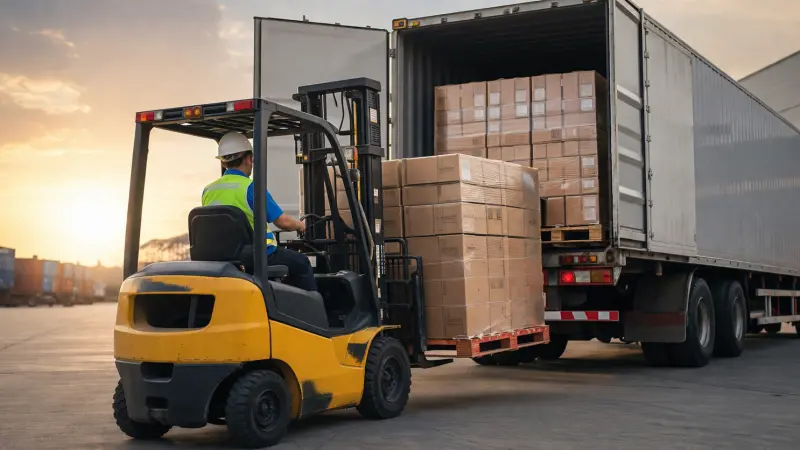
What if a straightforward change to how you ship goods could slash your logistics bill by 30% or more — without compromising delivery times or service quality? For many UK businesses, freight consolidation is precisely that change. Yet despite its proven effectiveness, consolidation remains underutilised, often overlooked in favour of dedicated shipments that quietly drain budgets month after month.
Freight consolidation — the practice of combining multiple smaller shipments into a single, larger consignment — is one of the most reliable cost-reduction strategies available to businesses that move goods regularly. Whether you are a small e-commerce retailer importing products from overseas or a mid-sized manufacturer distributing across the UK, understanding how to apply consolidation effectively can make a significant difference to your bottom line.
What Is Freight Consolidation?
Freight consolidation is a logistics technique in which shipments from multiple senders — or multiple orders from a single business — are grouped together and transported as a unified consignment. Rather than dispatching individual parcels or partial loads separately, a consolidation service combines them so that transport costs are shared across all parties involved.
The principle is straightforward: carriers price shipments based on weight, volume, and space. A vehicle or container travelling half-empty represents wasted capacity — and wasted money. Consolidation eliminates that waste by ensuring cargo fills available space more efficiently.
Freight consolidation is used across road, sea, air, and rail transport, and is applicable to both domestic and international shipping. The strategy is particularly relevant in the context of less-than-container load (LCL) ocean freight, where businesses pay only for the portion of a container they use rather than booking an entire container for a small consignment.
Why Freight Consolidation Matters for UK Businesses
The UK logistics landscape has grown considerably more complex in recent years. Rising fuel costs, driver shortages, post-Brexit customs requirements, and increasing customer expectations around delivery speed have placed considerable pressure on supply chains. Against this backdrop, cost efficiency has become not just desirable but essential.
Freight consolidation addresses several of these pressures simultaneously:
- Reduced shipping costs — by sharing transport capacity, businesses pay a proportionate share of total freight costs rather than bearing the full expense of a dedicated shipment.
- Lower carbon footprint — fewer vehicles on the road and fuller containers mean reduced emissions per unit shipped, supporting sustainability goals.
- Improved cash flow — predictable, lower freight costs are easier to budget for, reducing unexpected expenditure.
- Simplified logistics management — working with a single consolidation provider can reduce the administrative burden of managing multiple carriers.
For businesses shipping internationally, consolidation also helps navigate the complexities of customs clearance, as consolidated freight often passes through established logistics channels with experienced customs brokers handling the paperwork.
Key Types of Freight Consolidation
1. Less-Than-Container Load (LCL) Consolidation
LCL consolidation is the most widely used form of freight consolidation in international shipping. When a business does not have enough goods to fill an entire shipping container — typically 20 or 40 feet — it can book space within a shared container alongside other shippers' cargo.
The freight forwarder or consolidation provider coordinates the grouping of cargo at an origin port, consolidates it into full container loads (FCL), ships it to the destination, and then deconsolidates at the other end before distributing individual consignments to their respective recipients.
LCL is particularly cost-effective for shipments between approximately one and fifteen cubic metres. Below one cubic metre, courier or air freight may be more practical; above fifteen cubic metres, booking a full container often becomes more economical.
2. Domestic Road Freight Consolidation
Within the UK, road freight consolidation — often called groupage — works on a similar principle. Multiple smaller loads destined for similar regions are collected, grouped at a depot or cross-dock facility, and then dispatched on shared vehicles.
This is the standard model used by most parcel carriers and pallet networks. For palletised goods, businesses can ship one or two pallets without paying for a full trailer. Providers such as pallet networks coordinate the consolidation, meaning goods may pass through a regional hub before reaching their final destination.
3. Multi-Supplier Consolidation
Retailers and manufacturers that source products from multiple suppliers in the same region can consolidate those inbound shipments at a central point — often a supplier's warehouse, a freight forwarder's facility, or a free trade zone — before shipping everything together to the UK.
For example, a UK retailer sourcing clothing, accessories, and homewares from different factories in Southeast Asia might arrange for a consolidation agent in that region to collect goods from each
supplier and consolidate them into a single container bound for the UK. This approach dramatically reduces the number of individual shipments and the associated costs.
4. Cross-Docking Consolidation
Cross-docking is a form of consolidation in which inbound goods are transferred directly from incoming to outgoing vehicles at a distribution point, with minimal or no warehousing in between. It is particularly effective for time-sensitive goods or fast-moving consumer products.
Rather than storing goods and then picking, packing, and dispatching them, cross-docking allows businesses to pre-sort and redirect shipments rapidly. This reduces storage costs and handling time whilst maintaining the efficiency benefits of consolidated transport.
5. Hub-and-Spoke Consolidation
In a hub-and-spoke model, goods from various origins are routed through a central hub before being redistributed to multiple destinations. Airlines have long used this model, and it is equally applicable to road and sea freight.
For UK businesses with a complex distribution network — shipping to multiple European destinations post-Brexit, for example — routing shipments through a single continental hub before onwards distribution can be significantly cheaper than managing direct routes to each destination.
Effective Strategies for Implementing Freight Consolidation
Analyse Your Shipping Patterns Before Making Changes
Effective consolidation begins with a clear understanding of your current shipping activity. Before engaging a consolidation provider or restructuring your logistics, gather data on your shipment volumes, weights, dimensions, origins, destinations, and frequencies over the past six to twelve months.
Look for patterns: Are you regularly shipping small loads to the same destinations? Do you have multiple suppliers in the same geographical region? Are there predictable peaks and troughs in your shipping volumes? This analysis will help you identify where consolidation offers the greatest opportunity.
Work With an Experienced Freight Forwarder or 3PL
Freight consolidation is most effectively managed through an experienced freight forwarder or third-party logistics provider (3PL) that already operates established consolidation networks. These providers have existing relationships with carriers, warehouses, and customs agents, and can slot your cargo into regular consolidation services without requiring you to build the infrastructure yourself.
When selecting a provider, look for:
- Established consolidation routes covering your key trade lanes
- Transparent pricing with no hidden surcharges
- Real-time shipment tracking capabilities
- Experience with UK customs requirements, particularly for international shipments
- Clear service level agreements covering transit times and cargo liability
Coordinate with Suppliers to Synchronise Shipments
One of the most practical consolidation strategies for importers is to coordinate production and shipping schedules with overseas suppliers so that goods are ready for collection at similar times. If your supplier in China can consolidate goods from a factory producing your clothing with goods from a separate factory producing your accessories, you can ship a single, larger consignment rather than two smaller ones.
This requires communication and planning, and may involve slight adjustments to lead times, but the savings can be substantial — particularly on high-frequency trade lanes such as China-to-UK or India-to-UK routes.
Batch Orders Rather Than Shipping on Demand
Shipping goods as soon as they are ready — rather than batching orders — is one of the most common causes of unnecessarily high freight costs. If your business dispatches goods in small quantities every few days, you are paying for frequent, underutilised shipments.
By introducing a regular shipping schedule — weekly or fortnightly, for example — you can accumulate a larger volume of goods before each shipment, making consolidation more effective and reducing the per-unit cost of freight. This approach requires adequate inventory planning to ensure stock levels can absorb the slightly longer intervals between dispatches.
Use Technology to Optimise Load Planning
Modern logistics software can assist significantly with load planning and consolidation. Transport management systems (TMS) allow businesses to see all pending shipments, identify opportunities to combine loads, and optimise routes to reduce empty running. Many 3PL providers offer access to such platforms as part of their service offering.
Even without a sophisticated TMS, spreadsheet-based analysis of regular shipments can reveal
clear consolidation opportunities that might otherwise be missed.
Negotiate Fixed Consolidation Rates for Regular Lanes
If your business ships regularly on the same trade lanes, consider negotiating fixed rates with your freight forwarder or carrier for consolidated services. Spot rates fluctuate with market conditions, but contracted rates provide predictability and are often lower over the medium term, particularly if you can commit to a minimum volume.
For regular LCL shipments, some forwarders offer monthly consolidation programmes with guaranteed space and fixed pricing — a useful option for businesses with predictable import volumes.
Consider Incoterms Carefully
The trade terms agreed between buyer and seller — known as Incoterms — determine who bears responsibility for freight costs and at what point. Choosing the right Incoterms can open opportunities for consolidation that would otherwise be unavailable.
For example, if a UK importer is purchasing from multiple suppliers in the same country and using EXW (Ex Works) terms, they take control of the goods from the factory gate and can arrange their own consolidation. Conversely, suppliers shipping on FOB (Free on Board) terms retain control until the goods are loaded at the port of origin, limiting the buyer's ability to consolidate across suppliers.
Reviewing Incoterms with your freight forwarder can unlock additional consolidation opportunities, particularly when sourcing from regions with active consolidation hubs.
Potential Challenges and How to Address Them
Longer Transit Times
One of the most commonly cited drawbacks of freight consolidation — particularly LCL ocean freight — is that transit times can be longer than dedicated FCL shipments. Cargo must wait at the origin until the consolidation vessel is ready to depart, and deconsolidation at the destination adds time before final delivery.
The solution is to plan ahead. Consolidation works best when it is integrated into a well-managed inventory and procurement cycle, with sufficient lead time built in to accommodate the slightly longer transit. It is not the right approach for time-critical or emergency shipments, where air freight or express road services may be more appropriate.
Handling and Damage Risk
Because consolidated cargo is handled multiple times — at the origin warehouse, the consolidation depot, the destination deconsolidation facility, and during final delivery — there is a marginally higher risk of damage compared with cargo loaded directly into a dedicated container.
Robust packaging is the primary safeguard. Goods shipped in consolidated containers should be packaged to withstand multiple handlings and the proximity of other cargo. Adequate cargo insurance is also advisable, and businesses should confirm the extent of their forwarder's liability under standard terms such as the BIFA Standard Trading Conditions.
Customs Complexity for International Consolidation
Consolidated international shipments — particularly those involving multiple shippers — can present additional complexity at customs. Declarations must be accurate and complete for all cargo within a consolidated container, and any errors or delays affecting one consignment can sometimes impact the release of others.
Working with an experienced customs broker — many freight forwarders offer this as an integrated service — mitigates this risk significantly.
Ensuring that all commercial documentation, including invoices and packing lists, is accurate and provided promptly will help avoid unnecessary delays.
Measuring the Impact of Freight Consolidation
To determine whether your consolidation strategy is delivering the expected savings, it is important to establish clear metrics before and after implementation. Useful measures include:
- Cost per unit shipped — the total freight cost divided by the number of units or the total weight shipped, allowing comparison across different shipment methods.
- Freight cost as a percentage of sales — a useful benchmark to track over time, particularly when sales volumes fluctuate.
- Fill rate — the proportion of available container or vehicle space that is actually used, indicating how effectively you are consolidating.
- Number of shipments per month — a reduction in shipment frequency, combined with stable or increased volume, typically indicates successful consolidation.
- Transit time reliability — ensuring that consolidation has not adversely affected on-time delivery performance.
Reviewing these metrics quarterly against pre-consolidation benchmarks will provide a clear picture of the financial and operational impact of your strategy.
Freight Consolidation and Sustainability
Beyond the financial benefits, freight consolidation contributes meaningfully to environmental sustainability — an increasingly important consideration for UK businesses operating under pressure from customers, investors, and regulators to reduce their environmental impact.
By reducing the number of partially loaded vehicles and containers in transit, consolidation directly lowers carbon dioxide emissions per unit shipped. Fewer vehicles on the road also reduces congestion and associated emissions in urban areas. For businesses working towards net-zero supply chain targets, consolidation is a practical, measurable step in the right direction.
Some businesses have begun to incorporate freight consolidation metrics into their Environmental, Social and Governance (ESG) reporting, using emissions data from consolidation providers to demonstrate progress against sustainability goals.
Industries That Benefit Most from Freight Consolidation
While freight consolidation is applicable across virtually all sectors, certain industries tend to realise the most significant benefits:
- Retail and e-commerce — particularly importers sourcing goods from Asia, who can consolidate across multiple product lines and suppliers.
- Manufacturing — businesses receiving raw materials or components from multiple suppliers can consolidate inbound shipments and reduce procurement-related freight costs.
- Food and beverage — non-perishable goods are well suited to consolidation, and the sector's typically high volumes make groupage an attractive option.
- Consumer goods — high-volume, standardised products shipped in regular quantities are ideal for consolidation programmes.
- Automotive aftermarket — spare parts and accessories sourced from multiple international suppliers can frequently be consolidated before shipping to the UK.
Choosing the Right Consolidation Partner in the UK
The effectiveness of your freight consolidation strategy depends significantly on the quality of your logistics partner. The UK freight forwarding market is well developed, with numerous providers offering consolidation services across major trade lanes.
When evaluating potential partners, consider the following:
- Network reach — does the provider have established consolidation services on the lanes relevant to your business?
- Frequency of departures — how often do consolidated services depart? Weekly services may be sufficient for some businesses, but others may require greater frequency.
- Track record and references — ask for references from businesses in similar sectors and with similar shipping volumes.
- Technology and visibility — can you track your shipments in real time, and does the provider offer integration with your existing systems?
- Membership of industry bodies — membership of the British International Freight Association (BIFA) or the Freight Transport Association (now Logistics UK) indicates adherence to professional standards.
Final Thoughts
Freight consolidation is not a complex or niche logistics concept — it is a practical, accessible strategy that UK businesses of all sizes can use to reduce shipping costs, improve supply chain predictability, and support sustainability objectives. The key lies in understanding your own shipping patterns, selecting the right type of consolidation for your needs, and working with a capable logistics partner who can deliver a reliable, cost-effective service.
Whether you are exploring LCL ocean freight, domestic groupage, or multi-supplier consolidation programmes, the potential savings are real and measurable. With careful planning and the right partnerships in place, freight consolidation can become a cornerstone of a leaner, more competitive logistics operation.
For businesses looking to strengthen their wider commercial presence alongside operational improvements, maintaining an up-to-date listing on reputable online business directory UK platforms — such as Local Page UK — can improve visibility among customers and trade partners actively searching for logistics, freight, and supply chain services. Businesses directories in UK provide a practical channel for reaching local and national audiences, and for sectors such as freight and logistics, appearing in relevant UK business directory websites and business directories UK can support both lead generation and professional credibility. This is particularly relevant for smaller freight operators and 3PLs seeking to differentiate themselves in a competitive market, where visibility on trusted online business directory UK listings can complement broader marketing efforts.
Questions Clients Commonly Ask
What is the difference between LCL and FCL shipping?
LCL (Less-than-Container Load) means your goods share a shipping container with cargo from other shippers, and you pay only for the space your goods occupy. FCL (Full Container Load) means you book an entire container exclusively for your cargo. LCL is typically more cost-effective for smaller shipments, while FCL becomes more economical as volumes increase — generally from around fifteen cubic metres or more.
How much can freight consolidation save my business?
Savings vary depending on your current shipping arrangements, volumes, and trade lanes. However, businesses switching from regular dedicated shipments to consolidated services on the same routes commonly report cost reductions of between 20% and 40%. The savings are most pronounced for businesses that currently ship small, frequent loads on international routes.
Will consolidation slow down my deliveries?
Consolidated shipments — particularly LCL ocean freight — typically have slightly longer transit times than dedicated FCL or express services, due to the time needed to consolidate cargo at the origin and deconsolidate at the destination. However, for businesses with well-managed inventory levels and sufficient lead times built into their procurement cycle, this additional time is rarely a practical issue. Domestic road freight consolidation (groupage) generally adds only a day or two to standard transit times.
Is freight consolidation suitable for all types of goods?
Most types of commercial goods are suitable for consolidation, including packaged consumer products, industrial components, textiles, electronics, and non-perishable food products. Goods requiring specialised handling — such as hazardous materials, temperature-controlled cargo, or
extremely fragile items — may require additional precautions or dedicated services. Your freight forwarder can advise on suitability based on the nature and packaging of your goods.
How do I get started with freight consolidation?
The first step is to review your current shipping data to identify where consolidation offers the most potential. Then, engage two or three established freight forwarders or 3PLs with experience in your key trade lanes and request quotes for consolidation services. Compare pricing, transit times, service frequency, and tracking capabilities before making a decision. Starting with a trial on a single trade lane allows you to assess the practical impact before committing to a broader rollout.
Disclaimer: The information provided in this article is for general informational and research purposes only. Company details, features, services, and market positions may change over time. Readers are advised to visit official company websites and conduct independent research before making any business decisions or purchasing services.
Most Searchable Keywords
Recent Blogs


Related Listings

Categories
- Accountants (295)
- Advertising Agencies (559)
- Architects (149)
- Automobiles (377)
- Beauty (300)
- Carpenters (146)
- Cleaning Services (387)
- Dentists (189)
- Driving (62)
- Education (1)
- Electricians (215)
- Energy (8)
- Event Organiser (687)
- Finance (602)
- Guide (3383)
- Health (2207)
- Information technology (206)
- Legal Services (361)
- Logistics (6)
- Maintenance (65)
Sponsored Listings in Business Services


Related Blogs

UK Event Calendar — Complete Full-Year Guide
Read this insightful article "UK Event Calendar — Complete Full-Year Guide" to expand your knowledge!

SMCR Phase One 2026 New Rules for Checks and...
Read this insightful article "SMCR Phase One 2026 New Rules for Checks and References" to expand your knowledge!

UK Comedians With the Highest Net Worth in 20...
Read this insightful article "UK Comedians With the Highest Net Worth in 2026" to expand your knowledge!
Questions & Answers – Find What
You Need, Instantly!
How can I update my business listing?
Is it free to manage my business listing?
How long does it take for my updates to reflect?
Why is it important to keep my listing updated?
