
How Intermodal Freight Shipping Works and Its Benefits
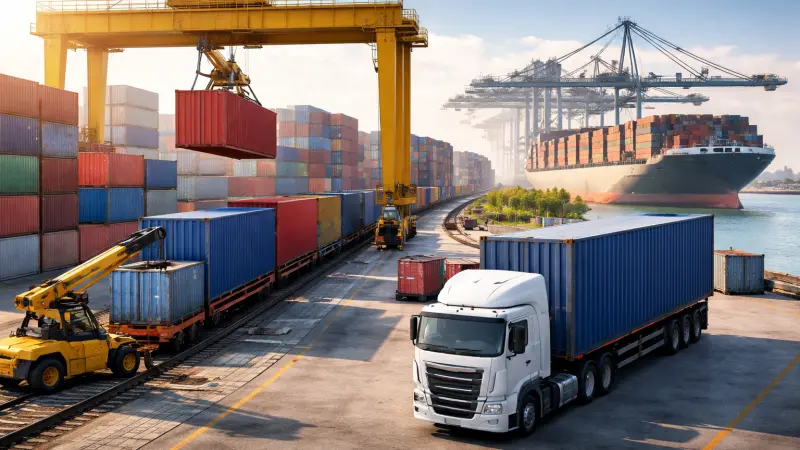
Imagine a single shipment travelling from a factory in the English Midlands to a retail warehouse in southern Spain — moving by road, rail, and sea — all without anyone manually transferring the goods from one vehicle to another. This is not a logistical fantasy; it is precisely what intermodal freight shipping makes possible, and it is quietly transforming the way goods move across the UK and around the world.
For businesses managing complex supply chains, the traditional approach of relying on a single transport mode often results in delays, increased costs, and limited flexibility. Intermodal transport offers a compelling alternative — one that combines the strengths of multiple transport modes while minimising their individual weaknesses. Whether you are a manufacturer, importer, retailer, or logistics manager, understanding how intermodal freight works could fundamentally improve the way you move goods.
This article explains what intermodal freight shipping is, how the process operates in practice, which industries benefit most, and why it is increasingly regarded as one of the most efficient and sustainable logistics strategies available to UK businesses today.
What Is Intermodal Freight Shipping?
Intermodal freight shipping refers to the movement of cargo using two or more distinct modes of transport — such as road, rail, sea, or air — within a single, integrated journey. The defining feature of intermodal transport is that the goods themselves remain in the same standardised container throughout the entire journey. Only the container is transferred between different vehicles or vessels, not the cargo inside it.
This contrasts with traditional break-bulk shipping, where goods must be unloaded, sorted, and reloaded at each transit point — a labour-intensive and time-consuming process that increases the risk of damage, loss, and delay.
The standardised container — typically a 20-foot or 40-foot ISO shipping container — is the cornerstone of the intermodal system. Its uniform dimensions mean it can be loaded onto a lorry, transferred to a freight train, lifted onto a container ship, and then placed back onto a lorry at the destination, all with minimal handling.
Intermodal vs Multimodal Freight: Understanding the Difference
These two terms are frequently used interchangeably, but there is an important distinction. In intermodal freight, each leg of the journey is governed by a separate contract with a different carrier. The shipper manages each segment independently, giving them more control but also more administrative responsibility.
In multimodal freight, a single freight operator or logistics provider takes responsibility for the entire journey under one contract, regardless of how many transport modes are involved. Multimodal shipping simplifies the process for businesses that prefer a single point of contact, whilst intermodal arrangements may offer more flexibility and potentially lower costs when managed carefully.
How Intermodal Freight Shipping Works: A Step-by-Step Overview
To appreciate the efficiency of intermodal freight shipping, it helps to follow a typical shipment from origin to destination. Here is how the process generally unfolds.
Step 1: Collection and Loading at Origin
The process begins when a haulage company collects the goods from the shipper's premises — a warehouse, factory, or distribution centre — using a road vehicle such as an articulated lorry. The cargo is loaded into a standardised intermodal container, which is then sealed and secured for transit.
At this stage, all necessary documentation is prepared, including customs declarations, bills of lading, and any regulatory paperwork required for the specific cargo type or destination country.
Step 2: Transfer to a Rail or Sea Terminal
The lorry transports the sealed container to an intermodal terminal — a purpose-built facility equipped with cranes, reach stackers, and other specialist handling equipment capable of lifting and repositioning containers swiftly and safely.
The UK has a number of strategically located intermodal hubs, including those at the Port of Felixstowe, the Port of Southampton, London Gateway, and several inland freight terminals connected to the national rail network. These terminals act as the critical interchange points between road and rail or road and sea transport.
Step 3: Long-Haul Transit by Rail or Sea
Once at the terminal, the container is transferred onto a freight train or loaded onto a container ship, depending on the destination. For domestic UK journeys or continental European routes, rail freight is often the preferred option.
For intercontinental shipments — to North America, Asia, or Australia, for example — sea freight via container ship is the standard mode.
This long-haul leg of the journey is where intermodal transport delivers its most significant cost and carbon advantages. Rail and sea freight are considerably more fuel-efficient per tonne-kilometre than road haulage, making them far more economical for covering large distances.
Step 4: Arrival at Destination Terminal
Upon arrival at the destination port or rail terminal, the container is offloaded using specialist equipment and held in a secure storage yard until it is collected for the final delivery leg.
Step 5: Last-Mile Delivery by Road
A haulage vehicle collects the container from the destination terminal and completes the final leg of the journey, delivering the sealed cargo directly to the consignee's premises. The goods are unloaded, and the empty container is returned to the terminal for reuse or repositioning.
The Key Benefits of Intermodal Freight Shipping
Intermodal freight shipping has grown in popularity across the UK and Europe for several well-founded reasons. Businesses that adopt this approach typically experience measurable improvements across cost, reliability, security, and environmental performance.
1. Cost Efficiency
One of the most compelling arguments in favour of intermodal freight is its potential to reduce overall transport costs. Rail and sea freight are significantly cheaper per tonne-kilometre than road haulage, particularly for long-distance journeys. By using road transport only for the first and last miles — where its flexibility is most valuable — and shifting the bulk of the distance to rail or sea, businesses can achieve meaningful savings on fuel, driver costs, and vehicle wear.
Additionally, intermodal containers can be tracked and reused repeatedly, reducing packaging costs and waste associated with single-use transport solutions.
2. Reduced Carbon Emissions and Environmental Impact
Sustainability has become a central concern for businesses across all sectors, driven by regulatory requirements, investor expectations, and consumer sentiment. Intermodal freight shipping offers a credible pathway to reducing a company's logistics-related carbon footprint.
According to industry data, rail freight produces approximately 76 per cent fewer carbon dioxide emissions per tonne-kilometre than road haulage. Sea freight, whilst slower, is similarly efficient per unit of cargo moved. By incorporating rail or sea into long-haul journeys, businesses can significantly reduce the environmental impact of their supply chains without compromising on delivery capability.
For companies working towards net zero targets or seeking to comply with the UK Government's decarbonisation commitments, intermodal transport is increasingly seen as an essential part of the solution.
3. Enhanced Cargo Security
Because the cargo remains sealed within the same container throughout its journey, intermodal freight shipping substantially reduces the risk of theft, damage, and contamination. There are fewer opportunities for goods to be mishandled, as human contact with the cargo is minimised at each transfer point.
Standardised containers are built to withstand considerable physical stress, including stacking, marine environments, and extreme temperatures. Many containers are also equipped with electronic seals and GPS tracking, providing real-time visibility of the shipment's location and condition.
4. Greater Flexibility and Scalability
Intermodal freight is highly adaptable. Businesses can scale their shipping volumes up or down with relative ease, as containers are available in a range of sizes and configurations — including standard dry containers, refrigerated units for temperature-sensitive cargo, and open-top or flat-rack containers for oversized goods.
This flexibility makes intermodal transport suitable for a wide variety of industries,
from food and beverage to automotive, retail, pharmaceuticals, and industrial manufacturing.
5. Reduced Dependence on Road Haulage Capacity
The UK road haulage sector has faced well-documented capacity constraints in recent years, including driver shortages and rising fuel costs. By shifting a greater proportion of freight movements to rail and sea, businesses reduce their exposure to these pressures and benefit from a more resilient supply chain that is less vulnerable to disruptions affecting road transport alone.
6. Improved Supply Chain Reliability
Modern intermodal networks operate on structured timetables, particularly on established rail freight corridors. This predictability supports better planning and inventory management, reducing the need for costly safety stock and enabling businesses to operate on leaner, more efficient supply chains.
Which Industries Benefit Most from Intermodal Freight Shipping?
Whilst intermodal transport is broadly applicable, certain sectors stand to gain the most from its adoption.
Retail and E-Commerce
High-volume retailers and e-commerce operators with large, regular shipments of goods from overseas suppliers — particularly from Asia — rely heavily on containerised sea freight. Intermodal connections at major UK ports allow these goods to be distributed efficiently to inland warehouses and distribution centres via rail, bypassing congested road networks.
Automotive
The automotive sector frequently uses intermodal freight for the movement of components and finished vehicles between manufacturing plants, suppliers, and dealerships across Europe and beyond. The sector's just-in-time production model demands high reliability and precise scheduling, both of which intermodal networks are increasingly capable of delivering.
Food and Agriculture
Refrigerated intermodal containers — commonly known as reefer containers — enable temperature-sensitive food products to be transported across long distances whilst maintaining the cold chain. This is particularly important for importers of fresh produce and exporters of UK agricultural products to European and global markets.
Chemicals and Hazardous Materials
Standardised containers designed for hazardous cargo, combined with the reduced handling involved in intermodal transport, make this method well suited to the movement of chemicals, industrial gases, and other regulated materials.
Construction and Industrial Goods
Heavy or oversized machinery, steel, timber, and construction materials can be moved efficiently using flat-rack or open-top intermodal containers, making intermodal freight a practical option for the construction and engineering sectors.
Intermodal Freight Infrastructure in the UK
The UK's intermodal freight network has developed considerably over the past two decades, supported by public and private investment in rail terminals, port facilities, and digital logistics platforms.
Major Ports and Rail Terminals
The Port of Felixstowe in Suffolk is the UK's largest container port, handling approximately 40 per cent of the country's containerised trade. It is directly connected to the national rail freight network, enabling containers to be transferred from ships to freight trains bound for destinations across the country.
Other significant intermodal hubs include the Port of Southampton, London Gateway, the Port of Liverpool, and the Port of Bristol. Inland freight terminals — such as those at Birmingham Intermodal Freight Terminal, the Strategic
Rail Freight Interchange at Daventry, and the iPort in Doncaster — provide vital connections between ports and major logistics clusters in the Midlands and the North of England.
Government and Industry Support
The UK Government has identified rail freight as a key component of its logistics decarbonisation strategy, and Network Rail has been investing in enhancing the capacity and capability of freight routes across the network. Industry bodies such as the Rail Freight Group and the Freight Transport Association (now Logistics UK) actively promote the expansion of intermodal freight services.
Challenges and Considerations
Whilst the benefits of intermodal freight shipping are considerable, it is important for businesses to understand the practical challenges involved before committing to this approach.
Transit Times
Intermodal journeys — particularly those involving sea freight — are generally slower than direct road haulage. Businesses with urgent or time-critical delivery requirements may find that road-only transport remains more appropriate for certain shipments, even where intermodal would be more cost-effective for standard deliveries.
Complexity of Coordination
Managing multiple carriers, terminal bookings, and customs processes across an intermodal journey requires careful coordination and robust logistics management. Businesses without in-house expertise may benefit from working with a freight forwarder or 3PL (third-party logistics) provider experienced in intermodal operations.
Infrastructure Limitations
Whilst the UK's intermodal infrastructure has improved significantly, some regions — particularly rural areas and locations away from major freight corridors — remain less well served by rail connections. For these locations, road haulage continues to play an essential role in the first and last miles of any intermodal journey.
Container Availability
Global supply chain disruptions — as witnessed during the COVID-19 pandemic — can cause container shortages and imbalances, affecting the availability and cost of intermodal freight services. Businesses relying on intermodal transport should factor this variability into their supply chain planning.
How to Get Started with Intermodal Freight Shipping
For businesses considering a move towards intermodal freight, the following steps provide a practical starting point.
- Audit your current freight movements: Identify which of your existing shipments — by volume, distance, and frequency — are most suitable for intermodal transport. Long-distance, high-volume, and non-urgent shipments are typically the best candidates.
- Engage a specialist freight forwarder: A logistics provider with intermodal expertise can help design a cost-effective routing strategy, manage carrier relationships, and handle documentation on your behalf.
- Assess terminal accessibility: Identify the intermodal terminals closest to your origin and destination points, and evaluate the road connections between your premises and these terminals.
- Consider your cargo type: Ensure the goods you intend to ship are compatible with standard intermodal containers, or identify specialist container types appropriate for your cargo.
- Evaluate total landed costs: Compare the full cost of intermodal freight — including terminal charges, rail or sea tariffs, and first and last mile haulage — against the cost of road-only alternatives on a like-for-like basis.
- Plan for transit time: Build the longer transit times typical of rail and sea legs into your supply chain schedules, ensuring customers and internal stakeholders are appropriately managed.
Intermodal freight shipping represents one of the most practical and forward-looking approaches to logistics available to UK businesses today. By combining the flexibility of road haulage with the efficiency and sustainability of rail and sea transport, it offers a compelling solution to the challenges of cost, capacity, and environmental responsibility that define the modern supply chain landscape.
As the UK continues to invest in freight infrastructure and pursue its decarbonisation agenda, the role of intermodal transport is set to grow — making now an opportune time for logistics managers and business owners to explore how this approach can be integrated into their operations.
For businesses looking to improve their visibility alongside their logistics capabilities, having a strong online presence matters just as much as supply chain efficiency. Platforms such as Local Page UK, one of the leading local business directories in the UK, offer freight, haulage, and logistics companies a practical way to be found by businesses searching through a business directory in the UK. Whether you operate as a freight forwarder, haulier, or logistics consultant, listing on local business directories UK-wide — including this small business directory UK platform that functions as an all UK business directory — can help connect your services with the buyers who need them most.
Questions Clients Commonly Ask
What types of goods can be transported via intermodal freight?
A very wide range of goods can be transported using intermodal freight, including consumer goods, food and drink, automotive components, industrial equipment, chemicals, pharmaceuticals, and construction materials. The key requirement is that the cargo can be safely loaded into a standardised shipping container. Specialist container types — such as refrigerated, open-top, or flat-rack units — extend intermodal capability to temperature-sensitive, oversized, or irregularly shaped cargo.
Is intermodal freight shipping more expensive than road haulage?
For short-distance journeys, road haulage is generally more cost-effective than intermodal alternatives, as the savings generated on the long-haul leg are insufficient to offset terminal handling charges and coordination costs. However, for journeys exceeding approximately 300 miles — or for international shipments — intermodal freight typically delivers meaningful cost savings, particularly when rail or sea replaces long-haul road transport on the trunk leg.
How can I track my cargo during an intermodal journey?
Most modern intermodal freight services offer digital tracking tools that provide real-time or near-real-time visibility of a container's location throughout its journey. Freight forwarders and logistics platforms typically provide customer portals or API integrations that allow shippers to monitor their cargo at each stage, from collection through to final delivery.
How does intermodal freight help businesses meet sustainability targets?
By substituting road haulage with rail or sea transport on the longest legs of a journey, businesses can substantially reduce the carbon emissions associated with freight movements. Rail freight produces a fraction of the CO₂ per tonne-kilometre compared with diesel-powered lorries, and shipping by sea is similarly efficient for long-distance intercontinental trade.
For organisations with science-based emissions targets or net zero commitments, incorporating intermodal freight into the logistics strategy can make a measurable and demonstrable contribution to sustainability performance.
What is an intermodal terminal, and how does it function?
An intermodal terminal is a specialist freight handling facility where containers are transferred between different modes of transport — typically between road vehicles and freight trains or container ships. Terminals are equipped with heavy-lift cranes, reach stackers, and dedicated storage areas for containers awaiting onward movement. Major UK intermodal terminals operate around the clock and are integrated with customs and border control systems to facilitate efficient clearance of international shipments.
Disclaimer: The information provided in this article is for general informational and research purposes only. Company details, features, services, and market positions may change over time. Readers are advised to visit official company websites and conduct independent research before making any business decisions or purchasing services.
Most Searchable Keywords
Recent Blogs


Related Listings


Categories
- Accountants (295)
- Advertising Agencies (559)
- Architects (149)
- Automobiles (377)
- Beauty (300)
- Carpenters (146)
- Cleaning Services (387)
- Dentists (189)
- Driving (62)
- Education (1)
- Electricians (215)
- Energy (8)
- Event Organiser (689)
- Finance (602)
- Guide (3492)
- Health (2207)
- Information technology (207)
- Legal Services (361)
- Logistics (6)
- Maintenance (65)
Sponsored Listings in Plumbers

Related Blogs

Creamfields Daresbury: Impact on Local Reside...
Read this insightful article "Creamfields Daresbury: Impact on Local Residents" to expand your knowledge!

UK High Street Businesses in 2026-27: Which S...
Read this insightful article "UK High Street Businesses in 2026-27: Which Sectors Are Growing?" to expand your knowledge!

Why Complete Business Listings Matter More Th...
Read this insightful article "Why Complete Business Listings Matter More Than You Think" to expand your knowledge!
Questions & Answers – Find What You Need, Instantly!
Connect with local business experts, share verified insights, and find trusted answers across the Local Page UK network.
Ask Community
Ask questions to the Local Page UK community
Share Knowledge
Share your knowledge to help out others
Find Solutions
Find answers or offer instant solutions
Some of the most popular fantasy TV shows include "Game of Thrones," known for its epic battles and political intrigue, "The Witcher," which features monster hunting and magic, and "Stranger Things," blending supernatural elements with 1980s nostalgia. Other notable mentions are "His Dark Materials," "Shadow and Bone," and "The Mandalorian," each offering unique worlds and captivating storytelling that have garnered large fan bases.
When seeking bathroom renovation providers that handle both plumbing and tiling, it's advisable to look for licensed contractors who specialize in comprehensive bathroom remodels. Companies such as Home Depot, Lowe's, and Bath Fitter offer these services, often providing a seamless experience by managing all aspects of the renovation process. Additionally, local contractors with positive reviews in platforms like Angie's List or Houzz may also offer tailored solutions for your bathroom needs.
Absolutely, there are several distributors that supply crash mats and soft play equipment to gymnastics clubs in and around Birmingham. National companies like Gymnova, S & G (Spieth Gymnastics), and Jaques of London offer a wide range of crash mats, foam pits, and soft play pieces, and they typically deliver to the Birmingham area. For more local options, you might try The Gym Equipment Company, which has a showroom in the West Midlands, or check out smaller specialist suppliers like Playtime UK. Many of these distributors cater specifically to clubs, offering high-density foam mats that meet safety standards. I'd recommend reaching out to a few to compare pricing, delivery times, and whether they offer custom sizes or installation services. It's also worth checking if any of them have a physical showroom near Birmingham so you can test the equipment before buying. Happy tumbling!
For professionals seeking a reliable sanitaryware supplier in Manchester with trade account facilities, several established merchants combine extensive product ranges, competitive pricing, and dedicated trade support. The most reputable option is Graham Plumbers Merchant, which operates multiple branches across Manchester, including Salford Quays and Oldham. They offer a dedicated trade account service with preferential pricing, priority delivery scheduling, and access to a vast inventory of leading sanitaryware brands such as Villeroy & Boch, Duravit, Ideal Standard, and Roca. Their trade accounts typically include net 30-day payment terms, online account management, and a tailored project quotation system. Similarly, City Plumbing Supplies has several Manchester-based depots (such as Ashton-under-Lyne and Stockport) that cater specifically to trade customers, providing a rapid order-and-collect service, trade-only promotions, and a loyalty programme offering rebates on repeat purchases. Their product range covers everything from basins and WCs to complete bathroom suites and brassware, with in-house technical advisors available for specification support. Another key player is Plumb Center, part of the Wolseley Group, which offers trade accounts with bespoke pricing structures, direct-to-site deliveries within the Greater Manchester area, and access to over 10,000 lines of sanitaryware, including premium brands like Grohe and Hansgrohe. Their trade portal allows for real-time stock checking and order history tracking, facilitating efficient project management. For those seeking a more specialist or high-end option, Bathroom Spares in Manchester provides trade accounts with a focus on hard-to-find sanitaryware and discontinued ranges, which can be invaluable for refurbishment projects. Additionally, independent merchants such as M&B Plumbase in Trafford Park offer flexible trade terms, personalised service, and competitive pricing on both mainstream and luxury sanitaryware. When evaluating suppliers, trade customers should consider factors beyond price: reliability of stock availability, delivery timescales within Manchester’s often congested zones, clarity of returns policies, and the quality of after-sales support for warranty claims. It is advisable to request a trade account application from at least two to three suppliers to compare discounts, minimum order values, and payment terms. Many suppliers also offer showroom access for trade clients, allowing you to inspect finishes and dimensions before committing to large orders. For ongoing projects, establishing a relationship with a single supplier who offers consolidated invoicing and dedicated account management can streamline procurement. Ultimately, the most reliable supplier for your trade account in Manchester will be one that aligns with your volume requirements, preferred brands, and service expectations, so a site visit to their local branch and a discussion about your specific trade needs is highly recommended before committing to an account.
People in Leeds are loving their local florists—customers often mention gorgeous, fresh arrangements and super friendly service. Many rave about reliable same-day delivery and creative wedding bouquets. A few note pricing can vary, but overall, the buzz is all about quality and that personal touch making every order feel special.
Common problems for commercial gardening in Bristol include weed overgrowth, soil degradation, pest infestations, and irrigation malfunctions. Additionally, managing seasonal transitions, adhering to sustainability regulations, and maintaining consistent aesthetics pose significant challenges. Expert services mitigate these via structured maintenance, integrated pest management, and soil analysis to ensure long-term landscape health.