
Email Marketing for Art Restorers in Birmingham

Industry Context and Local Market Challenges in Birmingham
The professional landscape for an Art Restorer in Birmingham is currently defined by a unique intersection of heritage and modern digital discovery. While the West Midlands boasts a dense concentration of private collectors, galleries, and historical institutions, the methodology through which these clients identify and vet specialists has shifted significantly. Historically, the restoration sector relied almost exclusively on word-of-mouth recommendations and established professional networks. However, as a new generation of curators and private owners takes the helm, the initial phase of "discovery" occurs almost entirely online.

Competition among art conservation specialists in Birmingham has intensified. Local practices are no longer just competing with the studio down the road; they are competing for the attention of clients who are increasingly influenced by digital authority and educational content. Traditional referrals, while still valuable, lack the scalability and consistency required to maintain a steady pipeline of high-fee project work. In a market where trust is the primary currency, the challenge lies in maintaining visibility throughout the long decision-making cycle inherent in high-stakes restoration projects.
Why Email Marketing Service Is Essential for Art Restorer in Birmingham
Email marketing serves as the digital bridge between initial discovery and the final signing of a fee proposal. When a potential client seeks an Art Restorer in Birmingham, they are rarely ready to commit to a complex restoration project immediately. They are in a phase of investigation, looking for evidence of technical precision, historical knowledge, and previous successful outcomes.
Most restoration practices suffer from a visibility gap where they attract traffic to a website but fail to capture the intent of the visitor. Email marketing allows a specialist to capture that interest and nurture it over time. By providing consistent, high-value insights directly to a lead’s inbox, the restorer transitions from being a searchable commodity to a trusted advisor. This is particularly vital in Birmingham, where the diversity of art—from industrial heritage pieces to contemporary fine art—requires a demonstrated breadth of expertise that cannot be fully conveyed in a single web visit.
Art Restorer-Specific Advantages of Email Marketing Service
For a specialist Art Restorer, the advantages of a structured email programme are rooted in the ability to demonstrate credibility without appearing "salesy."
Lead Quality Over Quantity: Rather than chasing broad web traffic, email marketing focuses on nurturing individuals who have already shown interest in conservation. This results in enquiries that are more qualified and better aligned with the studio's specialisms.
Local Intent Capture: By tailoring content to the Birmingham art scene—mentioning local exhibitions, regional climate impacts on canvases, or local historical contexts—the restorer cements their position as the go-to regional expert.
Trust and Authority Building: Regular updates that detail the "why" behind specific conservation choices build immense trust. This educational approach justifies premium fee structures.
Appointment-Driven Conversions: Strategic calls-to-action within emails can lead directly to site visits or
studio consultations, shortening the gap between interest and a booked project.
Reputation Management: Consistent professional communication reinforces the restorer's reputation as an organized, high-standard business, which is a critical factor for institutional tenders.
Visibility and Growth Mechanics
Online visibility for a local Art Restorer works through a process of search intent mapping. Potential clients usually begin with informational searches (e.g., "how to clean an 18th-century oil painting") before moving to transactional searches (e.g., "Art Restorer in Birmingham"). A sophisticated email strategy maps to this journey by providing the information the client needs at each stage.
In Birmingham’s competitive market, visibility is not just about being found; it is about "brand recall." When a collector finally decides to proceed with a restoration, the practitioner who has been providing them with monthly insights into the preservation of Victorian portraits will be the first name they recall. This creates a competitive moat that purely search-based competitors cannot easily cross.
Service Execution Framework
A professional email marketing framework for restoration specialists should focus on several key pillars. First, the technical setup must ensure high deliverability and mobile optimization, as many curators and collectors review correspondence on the move. Second, the content must be insight-driven rather than promotional. Common mistakes include sending out generic newsletters that lack technical depth or failing to segment the audience between private collectors and commercial galleries.
Sustainable results in this field look like a steady increase in the "open rates" of highly technical content and a predictable conversion rate from the email list to consultation requests. Short-term gains, such as a sudden spike in low-value enquiries, are often less desirable than the long-term compounding of professional authority.
Competitive Advantage Analysis
The disparity between an Art Restorer using professional email strategies and one who does not is significant. Those who ignore this channel often find themselves in a "feast or famine" cycle, relying on the unpredictability of organic search or the slow pace of traditional networking. Conversely, restorers with an active email presence enjoy a consistent enquiry flow, higher fee resilience, and stronger brand equity within the Birmingham arts community.
Cost vs ROI Perspective for Art Restorer
Email marketing should be viewed as a growth asset rather than an administrative expense. While the initial investment involves setting up the infrastructure and content strategy, the long-term ROI is found in the increased lifetime value of clients and the reduction in client acquisition costs. Typical outcome timelines suggest that while engagement begins immediately, the most significant ROI—in the form of high-value project bookings—usually materializes after three to six months of consistent communication.
Choosing the Right Strategy
Before investing in an email programme, an Art Restorer should evaluate the alignment between their studio goals and their marketing efforts. Red flags to avoid include services that promise "mass-market" reach or those that use aggressive sales tactics. A successful strategy must be aligned with the meticulous, patient, and professional nature of the art restoration craft itself.
Supporting Local Business Visibility Beyond Core Marketing Efforts
While a dedicated email strategy is the primary driver for project enquiries, maintaining a robust local presence across broader platforms provides a necessary layer of trust reinforcement.
For a specialist Art Restorer in Birmingham, appearing in a uk business directory or maintaining a presence on a uk local business directory serves as a credibility signal to both clients and search engines.
Using a uk online business directory ensures that the studio's basic contact data and service areas remain consistent across the web. When a potential client sees a restorer mentioned in an email and then finds them listed among uk top rated local businesses, it reinforces the practice's legitimacy. Furthermore, utilizing a business listing uk or a business listing uk can assist in local discovery for those who may not yet be on the email list.
For those operating specifically in the West Midlands, securing a free business listing Birmingham uk is a strategic step to ensure the practice is visible to those searching for an Art Restorer in Birmingham. This ecosystem of uk verified business listings and a local page uk business directory presence acts as a supporting visibility layer. It allows practitioners to find local businesses uk and ensures their own studio is featured on a local businesses list uk. Ultimately, uk business listings online, a uk business directory website, and being part of a business directory uk online or a uk service providers directory helps bridge the gap between digital marketing and physical studio appointments through local business listings uk.
Questions Clients Commonly Ask
How often should an art restoration studio send out emails?
A monthly frequency is typically ideal for the restoration sector. It is frequent enough to maintain brand recall without becoming intrusive to busy collectors or curators. The focus should always be on the quality of the insight rather than the quantity of the correspondence.
Will email marketing help me get more museum-level tenders?
Yes. Professional email communication demonstrates that your studio is an organized and authoritative entity. By sharing case studies and technical insights, you build the trust required for institutions to include you in their restricted tender lists.
What kind of content works best for art restoration emails?
Before-and-after case studies, "behind-the-scenes" looks at conservation techniques, and advice on preventative conservation are highly effective. Content that educates the client on how to protect their investment always performs well.
Is email marketing better than social media for restorers?
While social media is excellent for visual impact, email marketing offers a much higher conversion rate. Email allows for longer-form, technical explanations that are necessary to build the level of trust required for high-value restoration work.
How do I grow an email list of collectors in Birmingham?
A combination of an "opt-in" on your website offering a conservation guide and collecting business cards at local
gallery openings or art fairs is the most effective way to build a high-quality local list.
Can I track who is interested in specific restoration services?
Modern email platforms allow you to see which links a subscriber clicks. If a contact consistently clicks on articles regarding "water damage restoration," you can follow up with more specific information related to that service.
Does email marketing require a lot of technical knowledge?
While the initial setup requires attention to detail, the ongoing management can be streamlined with professional templates and scheduled content, allowing you to focus on your studio work.
How do I ensure my emails don't end up in the spam folder?
Using a professional delivery service, avoiding "spammy" language in subject lines, and ensuring your list is properly opted-in are the key steps to maintaining high deliverability.
What is the typical response time for an email enquiry?
While the email itself is sent instantly, restoration enquiries often have a longer lead time. You might find that a client contacts you three months after reading an email because they finally decided to move forward with a project.
Can I use email to promote my workshop or studio events?
Absolutely. Email is the most effective channel for inviting your most engaged leads to studio open days, lectures, or private views, fostering a stronger local community around your practice.
Is it worth sending emails to past clients?
Yes. Repeat business and referrals from past clients are high-value. Keeping them informed about new techniques or reminding them about routine conservation checks keeps your studio top-of-mind.
Should I include pricing in my emails?
Generally, no. Restoration is highly bespoke. It is better to use email to explain the value and complexity of the work, encouraging the lead to book a consultation for a specific quote.
How do I measure the success of my email campaigns?
Focus on open rates, click-through rates on your technical articles, and most importantly, the number of direct enquiries that mention the email content as their reason for reaching out.
Will email marketing work for contemporary art restorers?
Yes. The needs of contemporary art (modern materials, plastics, etc.) are complex. Email is
a fantastic medium to explain your expertise in these non-traditional conservation areas.
How do I balance my time between restoration and marketing?
By creating a content calendar and using automation, you can manage a highly effective marketing presence in just a few hours a month, ensuring your studio remains visible even when you are busy with projects.

Disclaimer: The information provided in this article is for general informational and research purposes only. Company details, features, services, and market positions may change over time. Readers are advised to visit official company websites and conduct independent research before making any business decisions or purchasing services.
Most Searchable Keywords

Recent Blogs
-

Explore Supermarkets in Chepstow and the Surrounding Wye Valley
-
Elite Guide to Taxi and Private Hire Services in Hereford
-
Explore Fuel and Roadside Convenience Across Beckington Today
-
Explore Abergavenny Tyre Services with Expert Local Fitters
-
Claim Your HMRC UK Tax Refund Before Application Deadlines



Related Listings




Categories
- Accountants (295)
- Advertising Agencies (559)
- Architects (149)
- Automobiles (376)
- Beauty (300)
- Carpenters (146)
- Cleaning Services (386)
- Dentists (189)
- Driving (61)
- Electricians (215)
- Energy (7)
- Event Organiser (683)
- Finance (597)
- Guide (3358)
- Health (2205)
- Information technology (206)
- Legal Services (352)
- Logistics (6)
- Maintenance (65)
- Manufacturing (35)

Sponsored Listings in Painters

Related Blogs
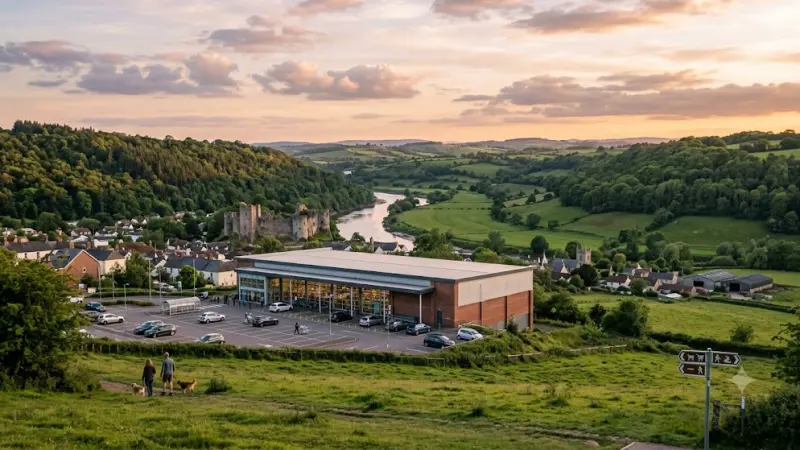
Explore Supermarkets in Chepstow and the Surr...
Read this insightful article "Explore Supermarkets in Chepstow and the Surrounding Wye Valley" to expand your knowledge!

Elite Guide to Taxi and Private Hire Services...
Read this insightful article "Elite Guide to Taxi and Private Hire Services in Hereford" to expand your knowledge!
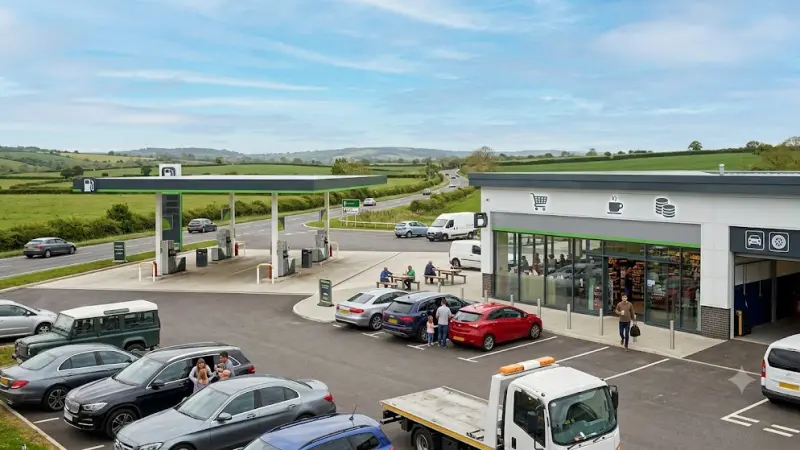
Explore Fuel and Roadside Convenience Across...
Read this insightful article "Explore Fuel and Roadside Convenience Across Beckington Today" to expand your knowledge!
Questions & Answers – Find What
You Need, Instantly!
How can I update my business listing?
Is it free to manage my business listing?
How long does it take for my updates to reflect?
Why is it important to keep my listing updated?
