
Finding Pool Cleaning and Maintenance Services
- 👤 Alex
- 👁️ 63 Views
- Last Updated: April 21, 2026
- 🏷️ Cleaning Services
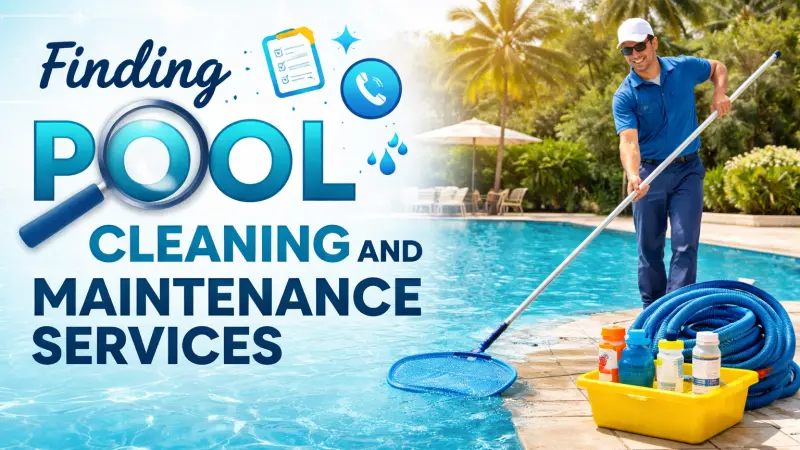
Owning a swimming pool is often the pinnacle of home leisure, offering a private sanctuary for relaxation, exercise, and family gatherings. However, the shimmering blue water that invites us in on a hot afternoon is the result of a delicate balance of chemistry, mechanical precision, and consistent labor. Maintaining this environment is a significant undertaking that goes far beyond simple skimming. For many homeowners, the transition from "DIY enthusiast" to "professional service client" happens when they realize that pool care is a specialized science.

Finding the right pool cleaning and maintenance services is about more than just outsourcing a chore; it is about protecting a significant financial investment and ensuring the safety of everyone who dives in. This guide provides a deep dive into the world of professional pool care, exploring what to look for in a provider, the technical aspects of maintenance, and how to ensure your backyard oasis remains a source of joy rather than a source of stress.
Understanding the Scope of Professional Pool Care
Before embarking on a search for a service provider, it is essential to understand exactly what goes into professional pool maintenance. It is a multi-faceted discipline that involves water chemistry, hydraulic engineering, and structural preservation.
The Science of Water Chemistry
The most critical aspect of pool maintenance is chemical balancing. Water that is out of balance can become a breeding ground for bacteria or, conversely, become so acidic that it corrodes pool equipment and irritates the skin and eyes of swimmers. Professionals monitor several key levels:
-
pH Levels: Measuring the acidity or alkalinity of the water.
-
Total Alkalinity: Acting as a buffer for pH.
-
Calcium Hardness: Preventing the water from becoming "hungry" and leaching minerals from the pool walls.
-
Sanitizer Levels: Ensuring chlorine or bromine is at effective levels to kill pathogens.
Mechanical Systems and Filtration
A pool's circulation system is its heart. A technician must ensure that the pump is moving water efficiently and that the filter—whether sand, DE (diatomaceous earth), or cartridge—is effectively removing debris and micro-particles. Regular backwashing or cleaning of these filters is a technical requirement that requires specific knowledge to prevent system pressure spikes.
The Benefits of Professional Maintenance Services
While some homeowners enjoy the routine of pool care, there are undeniable advantages to hiring a specialist.
Consistency and Longevity
Pools do not tolerate neglect well. A skipped week of maintenance in the height of summer can lead to an "algae bloom" that takes hundreds of dollars in chemicals and days of scrubbing to rectify. Professional services provide a schedule that ensures your pool never reaches that tipping point. Furthermore, consistent care extends the life of expensive components like heaters and salt cells.
Expert Problem Diagnosis
A seasoned pool technician can often "hear" a failing pump bearing or "see" the early signs of a leak before they become catastrophic failures. This preventative approach saves homeowners thousands in emergency repairs over the long term.
Peace of Mind and Safety
Perhaps the most significant benefit is safety. Knowing that the water is pathogen-free and that the electrical components of the lighting and heating systems are being monitored by an expert allows for true relaxation.
How to Evaluate a Pool Service Provider
When searching for "the right fit," it is important to look beyond the price tag. Here are the core criteria for evaluating potential services.
Certifications and Training
In many regions, pool technicians are not required to hold a specific license, but the best in the industry seek out certifications from organizations like the Pool & Hot Tub Alliance (PHTA). Look for "Certified Pool Operators" (CPO) who have undergone rigorous training in water chemistry and mechanical safety.
Insurance and Liability
Ensure the company carries comprehensive general liability insurance and workers' compensation. Pool equipment is expensive, and the chemicals used can be hazardous; you want to ensure you are protected in the event of an accident on your property.
Service Transparency
A reputable service should provide a detailed log after every visit. This log should include the chemical levels found,
the chemicals added, the tasks performed (skimming, vacuuming, brushing), and any observations regarding the equipment's health.
Step-by-Step Details: What a Standard Visit Looks Like
If you are new to professional services, you might wonder what actually happens during those 30 to 60 minutes the technician is in your backyard.
1. Initial Assessment
The technician begins by checking the overall water level and observing the water clarity. They will look for any signs of algae growth on the walls or floor.
2. Debris Removal
The surface is skimmed to remove leaves and insects, and the "skimmer baskets" and "pump baskets" are emptied. This is crucial for maintaining proper water flow.
3. Structural Cleaning
The walls and steps are brushed. Brushing is often overlooked by DIYers, but it is the most effective way to prevent biofilm and algae from gaining a foothold on pool surfaces. The floor is then vacuumed to remove settled silt and dirt.
4. Chemical Testing and Adjustment
Using professional-grade reagents, the technician tests the water. Unlike simple test strips, these liquid reagents provide precise measurements. They then calculate the exact dosage of chemicals needed to bring the pool back into balance.
5. Equipment Check
The technician monitors the pressure gauge on the filter. If the pressure is too high, they will perform a backwash. They also check for leaks around the pump seals and ensure the heater is firing correctly if requested.
Common Mistakes Homeowners Make When Hiring
Avoiding these pitfalls will ensure a much better experience with your chosen service provider.
Choosing Solely on Price
The "cheap" pool guy often cuts corners by using low-quality chemicals or rushing through the brushing and vacuuming process. In the world of pool care, you often get exactly what you pay for.
Failing to Communicate Usage
If you are planning a large pool party with a dozen children, your chlorine demand will spike. Failing to tell your service provider about high-usage events can result in the pool turning cloudy shortly after the guests leave.
Ignoring the "Off-Season"
Even if you don't swim in the winter, the pool needs basic maintenance to prevent structural damage and to ensure a smooth opening in the spring. Neglecting a "closed" pool can lead to permanent staining of the plaster or liner.
Advanced Pool Care: Saltwater vs. Chlorine Systems
Many homeowners are transitioning to saltwater systems, but these require a different type of expertise.
Salt Cell Maintenance
A saltwater pool is still a chlorine pool; it simply generates its own chlorine through electrolysis. The "salt cell" requires periodic cleaning with acid to remove calcium scale. A professional service will know exactly when and how to perform this delicate task without damaging the cell's precious metal coating.
Understanding Galvanic Corrosion
Saltwater is more conductive than fresh water. This means that if your pool isn't properly "bonded" (an electrical safety requirement), metal components like ladders and light niches can corrode rapidly. Professional technicians monitor for these signs and can recommend sacrificial anodes to protect your hardware.
Troubleshooting Common Pool Issues
While your service provider handles the routine, knowing a few signs of trouble can help you call for help earlier.
Cloudy Water
This is usually a sign of poor filtration or a chemical imbalance (often high pH or low sanitizer). If the water looks "milky," it could also indicate a problem with the filter media itself.
Green or Mustard Algae
Algae is a living organism. If you see green "fur" on the walls, it’s an emergency.
It requires "shocking" the pool with high levels of chlorine and constant filtration until the spores are dead and filtered out.
Losing Water
All pools lose a little water to evaporation, especially in dry, windy climates. However, if you are losing more than a quarter-inch a day, you may have a structural leak or a hole in the liner. A professional can perform a "bucket test" to confirm if the loss is environmental or mechanical.
Supporting Local Business Visibility Beyond Core Marketing Efforts
In the modern digital landscape, finding high-quality maintenance providers often starts with how these companies manage their online presence. For a homeowner, a company's directory marketing uk strategy is more than just an advertisement; it serves as a signal of their commitment to professional standards and local accessibility. When businesses take the time to maintain their local page uk, it ensures that their contact information, service areas, and operational hours are accurate for the community they serve.
Establishing a free business database directory presence allows smaller, high-quality boutique pool services to compete with larger franchises by emphasizing their specific regional expertise. For the consumer, checking company ratings uk provides a layer of trust reinforcement that social media alone cannot offer. These platforms act as a credibility signal, showing that a business is vetted and recognized within a formal professional network. Furthermore, when firms choose to advertise company uk directory listings, they are contributing to a local discovery aid that helps homeowners find specialized help during peak seasons when large providers might be overbooked. This consistency across platforms reinforces the trust necessary to invite a technician into your private home environment.
Finding the right pool cleaning
Finding the right pool cleaning and maintenance service is an investment in your home’s value and your family’s quality of life. By focusing on certified expertise, transparent communication, and consistent scheduling, you can transition from being a "pool slave" to a "pool enjoyer." Remember that a pool is a living system that responds to its environment; having a professional partner ensures that no matter the weather or the usage, your water remains safe, clear, and inviting.
If you are ready to reclaim your weekends and ensure your pool receives the expert care it deserves, start by researching local providers who prioritize education and technical proficiency. A crystal-clear pool is just a phone call away.
Frequently Asked Questions (FAQs)
1. How often should a pool be professionally cleaned?
Most residential pools require professional service once a week. This frequency ensures that chemical levels remain stable and that debris is removed before it can affect the water's clarity or the filter's efficiency.
2. Is a saltwater pool easier to maintain than a chlorine pool?
Saltwater pools automate the delivery of chlorine, which makes day-to-day maintenance simpler. However, they still require regular testing of pH and alkalinity, and the salt cell itself requires specialized cleaning every few months.
3. Why is my pool still green even though the chlorine is high?
This is often due to high levels of cyanuric acid (stabilizer). If this level is too high, it "locks" the chlorine, making it ineffective. A professional can test for "chlorine lock" and advise on how to partially drain and refill the pool to fix it.
4. Can I skip professional service during the winter months?
It is not recommended. Even in winter, debris can accumulate and chemistry can shift. A "winter watch" service can prevent expensive spring cleanup costs and protect your equipment from freezing temperatures.
5. How long should I wait to swim after chemicals are added?
For basic balancing chemicals, waiting 15 to 30 minutes is usually sufficient. However, if the pool has been "shocked" with high-dose chlorine, you should wait until the chlorine level drops back down to the recommended range (typically 1-4 ppm), which can take 12 to 24 hours.
6. What is the most common cause of pool pump failure?
Running the pump without enough water (dry running) is a major cause of failure. This usually happens if the water level drops below the skimmer opening. Regular professional checks ensure your water levels are always topped up.
7. Does professional cleaning include "opening" and "closing" the pool?
Usually, these are separate, more intensive services. A "Spring Opening" involves removing the cover, deep-cleaning the surfaces, and priming the mechanical systems, while a "Winterization" involves blowing out lines and adding anti-freeze.
8. Is it worth paying for a "Full Service" vs. just "Chemical Plus"?
"Chemical Plus" usually only covers water testing and chemicals. "Full Service" includes the labor-intensive tasks of vacuuming, brushing, and netting. If you want a truly hands-off experience, Full Service is the best choice.
9. How do I know if my pool has a leak?
The "bucket test" is the standard method. Fill a bucket with pool water and place it on a pool step, marking the water level on both the inside and outside of the bucket. If the pool water level (outside mark) drops significantly faster than the bucket water (inside mark) over 24 hours, you likely have a leak.
10. What certifications should I look for in a technician?
The CPO (Certified Pool Operator) is the industry standard. It demonstrates that the technician understands the math and science behind water volume, chemical reactions, and filtration safety.
11. How does heavy rain affect my pool's maintenance needs?
Heavy rain can significantly dilute your pool chemicals and lower the pH, making the water more acidic. Additionally, rainwater can introduce organic contaminants and debris. Professional services usually increase the testing frequency after a major storm to re-stabilize the water and prevent algae.
12. Can a pool professional help with automation and smart controls?
Yes. Modern pool services often specialize in installing and maintaining automation systems that allow you to control heaters, lighting, and pumps from a smartphone. They can help calibrate these systems to ensure they are operating at peak energy efficiency.
13. Do I need extra maintenance if I have pets that swim in the pool?
Absolutely. One dog in a pool can be equivalent to 10-20 humans in terms of the "bather load" and organic debris (fur, dander) introduced. If your pets swim regularly, you will likely need more frequent filter cleanings and higher sanitizer levels to keep the water sanitary.

Disclaimer: The information provided in this article is for general informational and research purposes only. Company details, features, services, and market positions may change over time. Readers are advised to visit official company websites and conduct independent research before making any business decisions or purchasing services.
Most Searchable Keywords

Recent Blogs
-

Explore Supermarkets in Chepstow and the Surrounding Wye Valley
-
Elite Guide to Taxi and Private Hire Services in Hereford
-
Explore Fuel and Roadside Convenience Across Beckington Today
-
Explore Abergavenny Tyre Services with Expert Local Fitters
-
Claim Your HMRC UK Tax Refund Before Application Deadlines



Related Listings
-
Platinum Exterior Cleaning
-
End of Tenancy Cleaning Agency
-
Royal Cleaning
-
FastKlean
-
Fantastic Services



Categories
- Accountants (295)
- Advertising Agencies (559)
- Architects (149)
- Automobiles (376)
- Beauty (300)
- Carpenters (146)
- Cleaning Services (386)
- Dentists (189)
- Driving (61)
- Electricians (215)
- Energy (7)
- Event Organiser (683)
- Finance (597)
- Guide (3358)
- Health (2205)
- Information technology (206)
- Legal Services (352)
- Logistics (6)
- Maintenance (65)
- Manufacturing (35)

Sponsored Listings in Cleaning Services

Related Blogs

Explore Supermarkets in Chepstow and the Surr...
Read this insightful article "Explore Supermarkets in Chepstow and the Surrounding Wye Valley" to expand your knowledge!

Elite Guide to Taxi and Private Hire Services...
Read this insightful article "Elite Guide to Taxi and Private Hire Services in Hereford" to expand your knowledge!

Explore Fuel and Roadside Convenience Across...
Read this insightful article "Explore Fuel and Roadside Convenience Across Beckington Today" to expand your knowledge!
Questions & Answers – Find What
You Need, Instantly!
How can I update my business listing?
Is it free to manage my business listing?
How long does it take for my updates to reflect?
Why is it important to keep my listing updated?
