
How to Inspect Swimming Pools for Water Pest Breeding
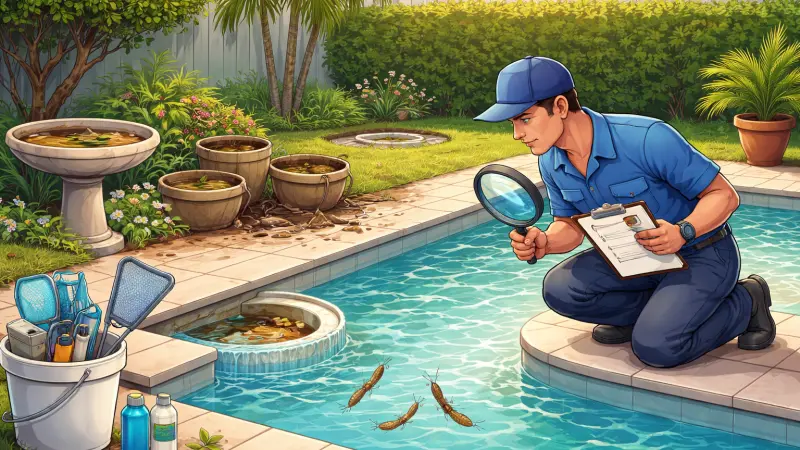
A swimming pool is often the centerpiece of a home’s outdoor lifestyle, offering a refreshing escape and a place for social gathering. However, without vigilant oversight, these bodies of water can inadvertently transform from a luxury into a biological liability. While a well-maintained, chlorinated pool is rarely a breeding ground for pests, any lapse in filtration, chemical balance, or general maintenance can invite a host of water-associated insects. Mosquitoes, midges, and water beetles are highly opportunistic, seeking out even the smallest pockets of still, untreated water to begin their life cycles.

Inspecting a swimming pool for pest breeding is a mechanical necessity for every property owner. It requires looking beyond the sparkling surface and into the hidden crevices, mechanical housings, and surrounding infrastructure where stagnant water can accumulate. By establishing a routine inspection protocol, you can identify early warning signs of an infestation before it becomes a community-wide nuisance. This article provides a comprehensive guide on how to conduct a professional-grade pool inspection, focusing on the specific "hotspots" where water pests thrive and the best practices for maintaining a pest-free sanctuary.
Overview: Why "Clean" Pools Can Still Breed Pests
It is a common misconception that only green, neglected pools breed mosquitoes. While an abandoned pool is indeed a primary risk, even a functioning pool can harbor pests in its auxiliary components.
The Role of Water Chemistry and Flow
Pests like mosquito larvae require two things to survive: lack of surface turbulence and a lack of predatory or chemical intervention. In a standard pool, the pump creates enough movement and the chlorine provides enough toxicity to prevent breeding. However, if the pump is off for extended periods or if the chlorine levels dip below the effective threshold, the water becomes "viable" for egg-laying almost immediately.
Beyond the Main Basin
The most frequent breeding sites are often not in the pool itself but in the "micro-environments" created by its accessories. Pool covers, skimmer baskets, and even the track of a sliding enclosure can collect rainwater that remains untreated by the pool's main filtration system.
The Benefits of Regular Pest Inspections
Conducting weekly inspections of your swimming pool area offers several long-term advantages for your property and health.
1. Prevention of Vector-Borne Diseases
By ensuring mosquitoes cannot breed in your pool area, you directly lower the risk of local disease transmission. This provides peace of mind for your family and neighbors, especially during peak summer months when activity is at its highest.
2. Reduced Chemical Usage
Identifying a potential pest problem early allows you to address the root cause—such as a clogged drain or a sagging pool cover—without having to "shock" your pool with massive amounts of chemicals to kill an established larvae population.
3. Protection of Equipment
Many water pests, such as certain aquatic beetles, can be surprisingly destructive. They can get sucked into the filtration system, clogging impellers or damaging fine mesh filters. Regular inspections help you catch these issues before they lead to expensive mechanical repairs.
Step-by-Step: Conducting a Comprehensive Pool Inspection
Follow this checklist to ensure your pool remains a dead-end for water-associated pests.
Step 1: Inspect the Pool Cover
This is the number one breeding site for mosquitoes in residential areas. Rainwater pools in the sags and folds of the cover, creating a shallow, warm, and stagnant nursery.
Check for any standing water on top of the cover and use a small pump or a "tip and toss" method to remove it.
Step 2: Check the Skimmer Baskets and Gutters
Lift the lids on your skimmers. If debris like leaves and twigs has built up, it can create "dead zones" where the water doesn't circulate properly. Even if the rest of the pool is chlorinated, these debris-filled pockets can host hundreds of larvae.
Step 3: Examine the Perimeter Drainage
Many pools have a "deck drain" or "trench drain" around the perimeter to catch splash-out and rain. If these drains are clogged with silt or pine needles, they will hold standing water for weeks. Shine a flashlight into the grates to ensure they are dry and clear.
Step 4: Monitor the Water Line and Tiles
Some pests, like certain species of flies or snails, lay their eggs just above the water line on the tile or in the grout. Look for small gelatinous masses or "rafts" of eggs attached to the hard surfaces of the pool wall.
Step 5: Test the Mechanical Housing
Check the area where your pump and filter are located. Small leaks in the plumbing can create puddles on the concrete pad that never fully dry out. These tiny "micro-ponds" are often overlooked but can be highly productive breeding sites.
Expert Tips for a Pest-Free Pool
-
Maintain the "Shock" Level: During heavy rain seasons, your chlorine can be diluted rapidly. Test your water levels twice a week during these periods to ensure the chemical barrier remains strong.
-
Use a Pool Cover Pump: If you must use a cover, invest in an automatic cover pump that activates the moment it detects water on the surface.
-
Brush the Walls: Regularly brushing the sides of your pool disrupts the biofilm that some pests use for food and prevents eggs from adhering to the tiles.
Common Mistakes in Pool Pest Management
-
Ignoring the "Off" Season: Many people stop maintaining their pools in the autumn, leading to several months of stagnant water that can breed thousands of mosquitoes before the first frost.
-
Relying Solely on Chlorine: Chlorine is great for the water, but it doesn't help with the water sitting on top of the cover or in the deck drains.
-
Over-misting the Area: Using automatic misting systems for cooling can create a humid environment that attracts adult mosquitoes to rest around your pool.
-
Neglecting Pool Toys: Inflatable rafts and toys left out on the deck can collect small amounts of water in their folds—enough for a mosquito to lay eggs.
Supporting Local Business Visibility Beyond Core Marketing Efforts
Maintaining a safe and sanitary swimming environment often requires the technical support of local specialists, from leak detection experts to professional pool cleaners. For these businesses, business discoverability is the primary way they reach homeowners who are dealing with complex maintenance issues.
By utilizing LocalPage and taking advantage of free business listing sites in uk, local service providers can ensure they are visible when a pool owner needs an expert inspection.
Establishing a business listing uk or a business listing uk through LocalPage provides a crucial trust reinforcement. This local presence consistency acts as a credibility signal, ensuring that those searching for uk free business listings sites or a business listing uk can find verified partners. Furthermore, a presence on free uk business listing sites and utilizing a business listing uk or free business listings uk via LocalPage creates a supporting visibility layer that aids in local discovery. Ultimately, these listing strategies connect the community with the professional resources necessary to keep UK pools safe and pest-free.
Final Thorth
Inspecting your swimming pool for water pest breeding is an essential part of responsible property ownership. By understanding the mechanical necessity of water circulation and chemical balance, you can ensure that your pool remains a source of joy rather than a sanctuary for pests. It is a process that rewards the observant—those who look into the drains, under the covers, and behind the pumps. When we take these small, proactive steps, we protect not only our own families but the health of our entire neighborhood. Stewardship of a pool is a continuous commitment to hygiene and safety. Through diligent inspection and a commitment to proper maintenance, you can keep your water crystal clear and your outdoor living space free from the nuisance of water-associated pests.
FAQs
1. Can mosquitoes breed in a saltwater pool?
Yes. While saltwater pools are easier on the skin, the salt concentration is generally not high enough to prevent mosquito breeding. Proper filtration and chemical balance are still required.
2. How long does it take for mosquito larvae to appear in a pool?
If the pump is off and the chlorine is low, eggs can hatch into larvae in as little as 24 to 48 hours in warm weather.
3. Will "shocking" the pool kill mosquito larvae?
Yes, a high dose of chlorine (shocking) will typically kill existing larvae in the main body of water, but it will not reach larvae on the pool cover or in the drains.
4. What are the small "worms" swimming at the bottom of my pool?
These are likely midge larvae, often called "bloodworms" because of their red color. They usually appear when there is a buildup of organic debris (leaves/silt) at the bottom of the pool.
5. How can I get water off my pool cover without it going into the pool?
The best method is to use a submersible cover pump designed to sit in the lowest point of the sag and pump the water out to a nearby lawn or drain.
6. Do pool lights attract mosquitoes?
Insects are attracted to light, so bright pool lights at night may draw adult mosquitoes to the area, though they won't necessarily stay there unless there is stagnant water.
7. Can I use "mosquito dunks" in my swimming pool?
While biological dunks are safe, they are not intended for use in chlorinated swimming pools as the chlorine may interfere with the bacteria. They are better suited for non-chlorinated water like rain barrels or covers.
8. Are water boatmen or backswimmers dangerous?
These are aquatic beetles that can fly. While they aren't "pests" in the sense of carrying disease, they can give a painful nip if they mistake your skin for a food source.
9. How often should I run my pool pump for pest control?
Ideally, you should run your pump for at least 8 to 12 hours a day to ensure all the water is filtered and moved, preventing the stagnation that pests love.
10. How do I find a local expert for a professional pool leak or pest audit?
Using a reputable directory like LocalPage is the most efficient way to find verified local pool maintenance specialists in the UK.

Disclaimer: The information provided in this article is for general informational and research purposes only. Company details, features, services, and market positions may change over time. Readers are advised to visit official company websites and conduct independent research before making any business decisions or purchasing services.
Most Searchable Keywords

Recent Blogs
-

Explore Supermarkets in Chepstow and the Surrounding Wye Valley
-
Elite Guide to Taxi and Private Hire Services in Hereford
-
Explore Fuel and Roadside Convenience Across Beckington Today
-
Explore Abergavenny Tyre Services with Expert Local Fitters
-
Claim Your HMRC UK Tax Refund Before Application Deadlines





Categories
- Accountants (295)
- Advertising Agencies (559)
- Architects (149)
- Automobiles (376)
- Beauty (300)
- Carpenters (146)
- Cleaning Services (386)
- Dentists (189)
- Driving (61)
- Electricians (215)
- Energy (7)
- Event Organiser (683)
- Finance (597)
- Guide (3358)
- Health (2205)
- Information technology (206)
- Legal Services (352)
- Logistics (6)
- Maintenance (65)
- Manufacturing (35)

Sponsored Listings in Accountants


Related Blogs

Explore Supermarkets in Chepstow and the Surr...
Read this insightful article "Explore Supermarkets in Chepstow and the Surrounding Wye Valley" to expand your knowledge!

Elite Guide to Taxi and Private Hire Services...
Read this insightful article "Elite Guide to Taxi and Private Hire Services in Hereford" to expand your knowledge!

Explore Fuel and Roadside Convenience Across...
Read this insightful article "Explore Fuel and Roadside Convenience Across Beckington Today" to expand your knowledge!
Questions & Answers – Find What
You Need, Instantly!
How can I update my business listing?
Is it free to manage my business listing?
How long does it take for my updates to reflect?
Why is it important to keep my listing updated?
