
Grocery Price Changes UK 2026: Forecasts & Expert Analysis
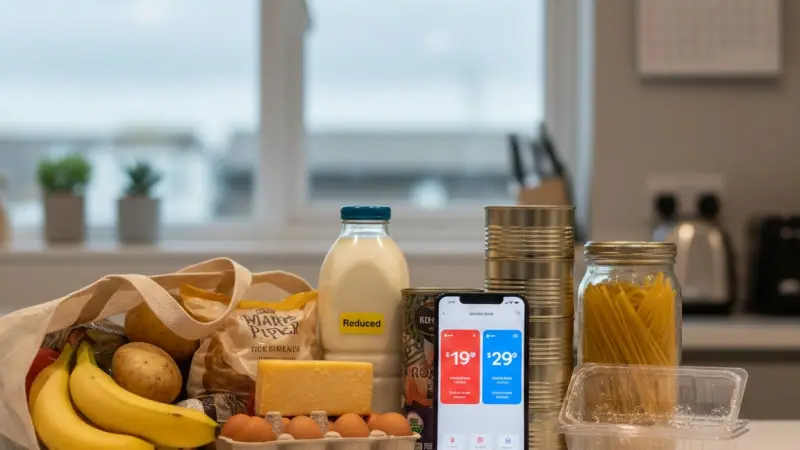
Stepping into a British supermarket in 2026 feels markedly different from the volatile landscape of the early 2020s. While the "cost of living crisis" headlines have softened into a steady hum of economic adjustment, the reality at the checkout remains a primary concern for households from Penzance to Perth. Understanding Grocery Price Changes UK 2026 requires more than just looking at a receipt; it demands an analysis of global supply chains, domestic regulatory shifts, and a fundamental change in how we shop.

In this comprehensive report, we break down the data provided by the Office for National Statistics (ONS), the Food and Drink Federation (FDF), and market analysts like Kantar to provide a roadmap for your household budget this year.
Navigating the New Normal of UK Food Inflation
UK Food Inflation Forecast 2026: The Numbers You Need
Predicting the Percentage Shift in Retail Prices
Economic indicators suggest that food inflation in the UK is entering a "stabilisation phase" in 2026. After the double-digit shocks of 2023 and the regulatory-driven peaks of 2025, analysts project that food and non-alcoholic drink inflation will average between 3.1% and 4.4% throughout 2026.
While this is a significant reduction from previous years, it is important to remember that these percentages are cumulative. A 3% rise in 2026 comes on top of the 37% increase seen between 2020 and 2025. For the average British family, the weekly shop is not getting cheaper; it is simply increasing in price at a slower rate than before.
Insight: By December 2026, food inflation is expected to settle at approximately 3.1%, finally nearing the Bank of England's long-term targets.
Supply Chain Disruptions and Their Impact on the Checkout
How Global Geopolitics Shape Your Shopping Basket
The Hidden Costs of Import Reliance in 2026
The UK continues to import nearly 42% of the food it consumes. In 2026, the primary drivers of price changes are no longer just energy costs, but "structural frictions." New post-Brexit border checks and the full implementation of the Border Target Operating Model have now been baked into the base price of Mediterranean produce and European dairy.
Furthermore, the 2026 landscape is heavily influenced by "Climate Volatility." We are seeing "Heatflation" affect the price of olive oil and cocoa, while domestic wet weather cycles in the UK have impacted potato and wheat yields. When you see the price of a bag of Maris Pipers rise, it is often a direct result of a flooded field in Lincolnshire six months prior.
Regulatory Changes and The Green Premium
The EPR Scheme and Its Effect on Packaging Prices
Why Your Favourite Brands Are Redesigning Their Tins
October 2025 saw the introduction of the Extended Producer Responsibility (EPR) scheme, the effects of which are being fully realised in 2026. This regulation shifted the cost of recycling packaging from local authorities to the producers themselves.
While environmentally noble, the estimated £1.1 billion annual cost to the industry has inevitably trickled down to the consumer.
Shoppers will notice that brands with heavy or complex packaging—think multi-layered plastic or heavy glass—have seen higher price hikes than those in streamlined, recyclable alternatives. In 2026, "buying green" isn't just a moral choice; it’s becoming the only way to avoid the "packaging tax" passed on by major manufacturers.
The Battle of the Supermarket Aisles: Market Share 2026
Aldi vs Lidl vs The Big Four: Who Wins on Price?
The Rise of the "Hybrid Shopper" in British Retail
The grocery market share in 2026 shows a permanent shift in British loyalty. The discounters, Aldi and Lidl, now command a combined market share nearing 20%. However, the "Big Four" (Tesco, Sainsbury's, Asda, and Morrisons) have fought back with aggressive "Member Pricing" schemes.
The 2026 consumer is a "hybrid shopper." It is now common for a household to buy their staples and tinned goods at a discounter while using a Tesco Clubcard or Sainsbury’s Nectar card for specific branded items and "Treat Yourself" premium lines. Loyalty is no longer about a single brand; it is about the most efficient use of multiple apps to secure the lowest aggregate price.
Category Deep-Dive: What’s Up and What’s Down?
Price Trends for Dairy, Meat, and Fresh Produce
Tracking the Volatility of Everyday Staples
Not all aisles are created equal in 2026. According to the latest price indices, we are seeing the following trends:
- Beef and Meats: Prices remain high due to increased feed costs and tighter environmental regulations on livestock farming. Expect a 5-7% increase.
- Dairy: Milk and cheese prices have stabilised after the 2024 peaks, though butter remains sensitive to global fat-trading prices.
- Fresh Vegetables: High volatility remains. Seasonal eating is no longer a "foodie" trend but a budgetary necessity in 2026.
- Confectionery: Chocolate prices have hit historic highs due to cocoa harvest failures in West Africa, leading to "Shrinkflation 2.0" where bars are both smaller and more expensive.
Technology and Personalisation in 2026 Grocery Shopping
AI-Driven Pricing and The End of the Standard Receipt
Dynamic Pricing: Will Your Milk Cost More at 5 PM?
By 2026, technology has moved from the warehouse to the shelf-edge. Electronic Shelf Labels (ESLs) are now standard in most Tier-1 supermarkets, allowing for dynamic pricing. While we haven't yet seen "Uber-style" surge pricing for bread, retailers are using AI to offer "Real-Time Reductions" on items nearing their expiry date, pushed directly to your smartphone.
This tech-driven approach allows savvy shoppers to save significantly, but it requires a level of digital engagement that can marginalise older or less tech-literate consumers. The "price of entry" for the best grocery deals in 2026 is increasingly a smartphone and a data plan.
How to Manage Your Household Budget in 2026
Practical Strategies for the Savvy British Shopper
The Return of Meal Planning and Bulk Buying
To combat the Grocery Price Changes UK 2026, households are returning to traditional thrift. Data shows a 12% increase in the sale of "bulk buy" formats and a resurgence in home cooking from scratch.
The "convenience tax" on pre-chopped vegetables and ready meals has become too steep for many.
Key strategies for 2026 include:
- Embracing Frozen: Frozen fruit and veg often hold higher nutritional value and are immune to the 20% "freshness premium."
- Own-Label Ascendancy: Supermarket "Premium Own-Label" ranges (like Tesco Finest or Sainsbury's Taste the Difference) are growing faster than big-name brands as shoppers trade down from dining out to "dining in."
- The Tuesday Shop: Data suggests mid-week remains the best time for "Yellow Sticker" hunting and avoiding the weekend convenience surcharges.
The Future of Your Food Bill
As we navigate 2026, the UK grocery landscape is one of cautious optimism tempered by structural reality. We are no longer in a state of "crisis," but we have entered a period of "permanently higher floors." Prices are unlikely to return to 2019 levels, but the runaway inflation of the mid-2020s has been tamed.
The key to financial health in 2026 is flexibility. By understanding the impact of EPR regulations, climate-driven supply shifts, and the power of loyalty apps, British consumers can still find exceptional value. The weekly shop is no longer a chore; it is a strategic exercise in navigating the modern UK economy.
Frequently Asked Questions
Will grocery prices go down in 2026?
Unlikely. While the *rate* of inflation is slowing (disinflation), actual prices are expected to remain at their new, higher baseline. You may see individual items drop in price due to good harvests, but the overall basket will still be 3-4% more expensive than in 2025.
Which UK supermarket is the cheapest in 2026?
Aldi and Lidl continue to battle for the top spot. However, when factoring in "Member Prices" and
"Personalised Coupons," Tesco and Sainsbury's often match or beat discounters on specific branded items.
What is the average weekly food bill for a family of four in 2026?
Estimates suggest a moderate-spending family of four will spend approximately £115–£135 per week on groceries, depending on their reliance on branded goods and meat consumption.
Why is chocolate so expensive this year?
Cocoa prices have surged globally due to climate-related crop failures in West Africa. This has led to significantly higher shelf prices and smaller product sizes across all major UK retailers.
Does the EPR scheme affect me?
Yes. The Extended Producer Responsibility scheme has added a "hidden" cost to packaged goods. You can save by choosing products with minimal or highly recyclable packaging.
Is online grocery delivery still growing?
Growth has stabilised. While convenient, many shoppers are returning to physical stores to take advantage of in-store only "Yellow Sticker" discounts and to avoid delivery fees.
Are "Yellow Sticker" discounts still a thing?
Yes, but they are becoming more automated. AI systems now determine the optimal discount rate throughout the day, so the "final reduction" times may vary by store.
Should I switch to own-brand products?
Absolutely. The quality gap between brands and own-label has narrowed significantly, and the price difference in 2026 can be as much as 40%.
How is Brexit still affecting food prices in 2026?
The impact is now "structural." The cost of veterinary certificates and border inspections for EU imports
is a permanent part of the supply chain cost, particularly for meat and cheese.
What is the best way to track price changes?
Use price-tracking apps and supermarket comparison websites. Many apps now allow you to scan a barcode in-store to see if the item is cheaper elsewhere.

Disclaimer: The information provided in this article is for general informational and research purposes only. Company details, features, services, and market positions may change over time. Readers are advised to visit official company websites and conduct independent research before making any business decisions or purchasing services.
Most Searchable Keywords

Recent Blogs


Related Listings


Categories
- Accountants (295)
- Advertising Agencies (559)
- Architects (149)
- Automobiles (377)
- Beauty (300)
- Carpenters (146)
- Cleaning Services (386)
- Dentists (189)
- Driving (62)
- Electricians (215)
- Energy (8)
- Event Organiser (685)
- Finance (599)
- Guide (3365)
- Health (2207)
- Information technology (206)
- Legal Services (353)
- Logistics (6)
- Maintenance (65)
- Manufacturing (35)

Sponsored Listings in Locksmith Services


Related Blogs

Gen Z Political Reporters and News Creators i...
Read this insightful article "Gen Z Political Reporters and News Creators in the UK" to expand your knowledge!

Famous Female Social Media Influencers Across...
Read this insightful article "Famous Female Social Media Influencers Across the UK" to expand your knowledge!
Your UK Sponsor Licence 2026 Step by Step Gui...
Read this insightful article "Your UK Sponsor Licence 2026 Step by Step Guide" to expand your knowledge!
Questions & Answers – Find What
You Need, Instantly!
How can I update my business listing?
Is it free to manage my business listing?
How long does it take for my updates to reflect?
Why is it important to keep my listing updated?
