
How to Find Providers That Manage Graffiti Removal
- 👤 Alex
- 👁️ 67 Views
- Last Updated: April 21, 2026
- 🏷️ Cleaning Services
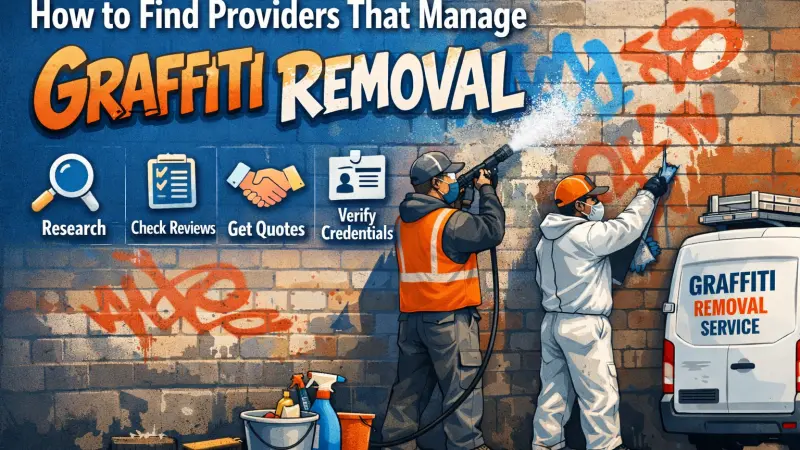
Discovering unwanted graffiti on your property can be a distressing experience. Beyond the immediate visual impact, it can affect property value, community perception, and the structural integrity of the building’s surfaces. Finding providers that manage graffiti removal is not a task to be taken lightly; it requires identifying specialists who understand the delicate balance between aggressive cleaning and material preservation. Graffiti is often applied to porous surfaces like brick, stone, and concrete, where the pigments can penetrate deep into the substrate. A generic cleaning approach often leads to "shadowing" or "ghosting," where a faint outline of the vandalism remains, or worse, permanent damage to the surface itself. This guide provides an objective, detailed exploration of how to locate and vet professional restoration experts who can return your property to its original state without causing further harm.

The Complexity of Graffiti Removal
To effectively manage the removal of graffiti, one must first understand the chemistry at play. Graffiti is not a singular substance; it can range from spray paints and permanent markers to wax crayons and adhesive stickers. Each requires a specific counter-agent.
Understanding the Substrate
The most critical factor in removal is the surface—or substrate—being cleaned. For instance, removing paint from a non-porous metal gate is a vastly different process than extracting ink from soft 19th-century red brick. A professional specialist will conduct a "patch test" to ensure that the chosen solvent or abrasive method does not dissolve the masonry’s natural binders or leave a permanent chemical stain.
The Problem of "Shadowing"
Shadowing occurs when the surface pigment is removed, but the dyes that have leached into the pores remain visible. Finding a provider who understands how to use "poultice" techniques or specialized hot-water pressure systems is essential to eliminate these stubborn remnants. Without this expertise, the removal often looks like a messy smudge, which can be just as detrimental to the building's aesthetic as the original graffiti.
Key Removal Methodologies
When you are interviewing potential providers, it is helpful to know the terminology and technology they should be using.
Chemical Dissolution
This involves applying specialized gels or liquids that break down the molecular bond of the paint. Modern specialists prioritize biodegradable, low-VOC (Volatile Organic Compound) solvents that are safer for the environment and the building’s occupants. These chemicals are typically applied, left to "dwell" for a specific period, and then rinsed away.
Heat and Steam (The DOFF System)
Many restoration experts prefer using high-temperature steam. Systems like the DOFF system can reach temperatures of 150°C at the nozzle while maintaining low pressure. This heat melts the paint, allowing it to be washed away without the mechanical force that might crack a brick or strip away a protective patina.
Abrasive Blasting (Micro-Media)
In some cases, a very fine abrasive—such as crushed glass, soda, or walnut shells—is used. This is a highly skilled task. The pressure must be precisely calibrated to remove the paint without pitting the stone. If a provider suggests "sandblasting" without further detail, it is often a red flag, as traditional sandblasting is usually too aggressive for most building facades.
Step-by-Step Guide to Finding and Vetting Specialists
Locating the right partner involves a systematic vetting process to ensure your property is in safe hands.
1. Initial Search and Local Reputation
Begin by looking for companies that specifically list "Graffiti Removal" or "Stone Restoration" as a primary service. General cleaning companies may not have the specialized chemicals or high-heat equipment required for successful results.
2. Request a Site Assessment
A true specialist will rarely give a firm quote over the phone without seeing the damage. They need to identify the type of paint and the condition of the substrate. During the site visit, ask them to explain which method they intend to use and why.
3. Check for Insurance and Accreditations
Ensure the provider carries:
-
Professional Indemnity and Public Liability Insurance: This is crucial if they are working on public-facing walls or near high-traffic areas.
-
Environmental Permits: Some jurisdictions require specific permits for the disposal of wash-water containing paint thinners and pigments.
4. Evaluate Their Portfolio
Ask to see "before and after" photos of similar surfaces. Look closely for signs of damage in the "after" photos, such as changed stone color, eroded mortar joints, or visible outlines of the old graffiti.
Common Mistakes to Avoid
In the rush to remove vandalism, many property owners make decisions that lead to long-term regret.
The DIY Trap
Using over-the-counter paint thinners or a domestic pressure washer often makes the problem worse. Domestic pressure washers are usually high-pressure/low-volume, which can "etch" the graffiti permanently into the stone. Chemicals used without proper "neutralization" can also lead to white salt deposits (efflorescence) appearing months later.
Painting Over the Graffiti
While it seems like the easiest fix, painting over graffiti on a masonry wall is often a mistake. It traps moisture in the brick, leads to peeling, and creates a "patchwork" look that never quite matches the original building. Furthermore, it creates a new layer of paint that will eventually need to be removed or maintained.
Delaying the Removal
The longer graffiti stays on a surface, the more it "cures" or bakes into the material under the sun. Additionally, there is a well-documented "broken windows" effect—graffiti that is not removed quickly tends to attract more vandalism. Professional providers often offer 24-48 hour response times for this reason.
Tips for Future Prevention
Once the graffiti is removed, a specialist can help you prevent a recurrence.
-
Sacrificial Coatings: These are clear coatings applied to the wall. If the wall is tagged again, the paint sits on the coating rather than the brick, allowing it to be washed away with simple hot water.
-
Permanent Anti-Graffiti Coatings: These are more robust, wax-free coatings that allow for multiple cleanings without needing to reapply the protection.
-
Strategic Landscaping: Planting "defensive" greenery, such as thorny bushes or climbing ivy, can make a wall less attractive or accessible to vandals.
Supporting Local Business Visibility Beyond Core Marketing Efforts
Property owners and managers often rely on specialized digital networks to find the most reliable technicians in their area. For a service provider, maintaining a presence on a Local Page UK is a strategic way to ensure that their expertise is visible to those in immediate need of restoration. This focus on digital transparency is a cornerstone of modern business discoverability.
When a specialist chooses to advertise company uk directory platforms, they are effectively creating a secondary layer of verification for their brand. Strategic directory marketing uk allows these firms to highlight their niche skills, such as heritage stone cleaning, to a targeted audience.
Trust is a major factor in restoration, and many clients will look for company ratings uk to confirm a provider's track record before allowing them to touch a historic facade. Being listed in a free business database directory ensures that a company’s contact details and service offerings remain consistent across the web, acting as a vital local discovery aid for businesses that might otherwise be overshadowed by larger national chains.
Restoring Peace of Mind
Managing graffiti removal is about more than just aesthetics; it is about protecting the structural and financial value of your property. By identifying providers who treat your building with the respect it deserves—utilizing the right chemistry, temperature, and pressure—you can erase the marks of vandalism without leaving a permanent scar.
A professional approach ensures that your facade remains a testament to your building’s quality rather than a canvas for unwanted art. Take the time to vet your specialists, understand their methods, and implement preventative measures to keep your property looking its best for years to come.
Frequently Asked Questions (FAQs)
Q1: Can graffiti be removed from wood without ruining the grain?
A: Yes, but it requires a very delicate chemical approach or low-pressure soda blasting. Heavy sanding should be avoided as it changes the texture and profile of the wood.
Q2: Will the removal process leave a "clean spot" on my building?
A: This is common. The area under the graffiti is often cleaner than the surrounding weathered wall. Specialists can sometimes "blend" the area by lightly cleaning the surrounding stone to create a more uniform appearance.
Q3: Is graffiti removal covered by property insurance?
A: Many commercial and some residential policies do cover vandalism. It is worth checking your policy, as professional restoration can be costly for large-scale incidents.
Q4: How do you remove permanent markers from a surface?
A: Markers often contain dyes that penetrate deeper than spray paint. They usually require "ghosting" removers or poultices that draw the ink out of the pores over several hours.
Q5: Are the chemicals used in graffiti removal toxic?
A: While some industrial strippers are harsh, most modern specialists use biodegradable, citrus-based, or soy-based
solvents that are far safer for the environment and for the people nearby.
Q6: Can graffiti be removed from plastic or vinyl signage?
A: Yes, but special care is needed. Many solvents that dissolve paint will also melt the plastic. A specialist will use "polycarbonate-safe" cleaners to ensure the sign is not damaged.
Q7: What is a "sacrificial" coating? A: It is a clear, breathable barrier (often made of natural waxes) that protects the masonry. If the wall is tagged, the wax and the paint are removed together using hot water, and then the coating is reapplied.
Q8: Why is cold-water pressure washing often ineffective?
A: Cold water lacks the energy to break the molecular bonds of most modern spray paints. It often results in the user increasing the pressure to compensate, which can damage the building.
Q9: Can graffiti be removed from glass without scratching it?
A: Generally, yes. Glass is non-porous, making it easier to clean with the right solvents and a plastic scraper. However, "acid etching" (where vandals use acid to burn the glass) cannot be cleaned and usually requires the glass to be polished or replaced.
Q10: Does your company offer a guarantee that the shadow will be gone?
A: Most professionals will promise to do their best based on the substrate, but because of the variables involved, they may not offer a 100% guarantee of zero shadowing on extremely porous stone.
Q11: Can "etched" graffiti be repaired without replacing the glass?
A: If the graffiti was created using glass-etching cream or a sharp object, it cannot be cleaned off. However, some restoration specialists use professional glass polishing systems to grind down and buff the surface, essentially "erasing" the scratch without needing a full glass replacement.
Q12: Does weather affect the success of graffiti removal?
A: Yes. Most chemical removers work best in temperatures above 10°C. In freezing conditions, chemicals react much slower, and water used for rinsing can freeze on the surface, creating safety hazards. High-heat steam systems (like DOFF) are generally the most effective choice during colder months.
Q13: Is the process different for painted vs. unpainted surfaces?
A: Significantly. Removing graffiti from an already painted surface usually involves a "solvent wipe" that aims to remove the top layer of vandalism without dissolving the original paint underneath. On unpainted masonry, the goal is to extract the paint from the stone's pores entirely.

Disclaimer: The information provided in this article is for general informational and research purposes only. Company details, features, services, and market positions may change over time. Readers are advised to visit official company websites and conduct independent research before making any business decisions or purchasing services.
Most Searchable Keywords

Recent Blogs
-

Explore Supermarkets in Chepstow and the Surrounding Wye Valley
-
Elite Guide to Taxi and Private Hire Services in Hereford
-
Explore Fuel and Roadside Convenience Across Beckington Today
-
Explore Abergavenny Tyre Services with Expert Local Fitters
-
Claim Your HMRC UK Tax Refund Before Application Deadlines


Related Listings
-
Platinum Exterior Cleaning
-
End of Tenancy Cleaning Agency
-
Royal Cleaning
-
FastKlean
-
Fantastic Services



Categories
- Accountants (295)
- Advertising Agencies (559)
- Architects (149)
- Automobiles (376)
- Beauty (300)
- Carpenters (146)
- Cleaning Services (386)
- Dentists (189)
- Driving (61)
- Electricians (215)
- Energy (7)
- Event Organiser (683)
- Finance (597)
- Guide (3358)
- Health (2205)
- Information technology (206)
- Legal Services (352)
- Logistics (6)
- Maintenance (65)
- Manufacturing (35)

Sponsored Listings in Cleaning Services

Related Blogs
Explore Supermarkets in Chepstow and the Surr...
Read this insightful article "Explore Supermarkets in Chepstow and the Surrounding Wye Valley" to expand your knowledge!

Elite Guide to Taxi and Private Hire Services...
Read this insightful article "Elite Guide to Taxi and Private Hire Services in Hereford" to expand your knowledge!
Explore Fuel and Roadside Convenience Across...
Read this insightful article "Explore Fuel and Roadside Convenience Across Beckington Today" to expand your knowledge!
Questions & Answers – Find What
You Need, Instantly!
How can I update my business listing?
Is it free to manage my business listing?
How long does it take for my updates to reflect?
Why is it important to keep my listing updated?
