
How to Identify Cleaning Providers That Follow Safety Guidelines
- 👤 Alex
- 👁️ 87 Views
- Last Updated: April 15, 2026
- 🏷️ Cleaning Services
In the modern professional landscape, the definition of "clean" has undergone a radical transformation. It is no longer sufficient for a surface to merely look spotless; it must be hygienically safe and maintained through processes that protect both the cleaning staff and the building’s occupants. When organizations look for maintenance partners, the primary concern should not be the sparkle of the floor, but the rigor of the safety protocols behind it.

Identifying cleaning providers that follow safety guidelines is a critical responsibility for any facility manager or business owner. Failure to do so can lead to workplace accidents, exposure to hazardous chemicals, and significant legal liabilities. This guide provides a deep dive into the technical, procedural, and cultural indicators of a safety-conscious cleaning provider, helping you move beyond surface-level aesthetics to find a partner committed to genuine operational excellence and risk mitigation.
The Pillar of Safety: Why It Matters More Than Appearance
Safety in cleaning is often invisible until it fails. We tend to focus on the results of a cleaning shift, but the "how" is far more consequential than the "what."
Protecting Human Capital
The most important asset in any building is the people within it. Cleaning involves the use of heavy machinery, slippery floors, and chemical agents. A provider that ignores safety guidelines puts their own workers at risk of respiratory issues or physical injury, and simultaneously creates hazards for your employees, such as "slip and trip" incidents or poor indoor air quality.
Asset Integrity and Longevity
Many people do not realize that safety guidelines also extend to the preservation of property. Using the wrong concentration of a chemical or failing to follow the Manufacturer’s Safety Data Sheets (MSDS) can lead to the permanent degradation of expensive finishes, from natural stone to specialized electronics. Safety is, therefore, a form of financial protection.
Legal and Regulatory Compliance
In many jurisdictions, the "duty of care" is shared between the contractor and the hiring party. If a cleaning provider fails to display wet floor signs or improperly stores flammable materials, the building owner can be held liable for resulting damages. Identifying a safety-compliant provider is your first line of defense against litigation.
Key Indicators of a Safety-First Cleaning Provider
How do you tell the difference between a company that pays lip service to safety and one that lives by it? It starts with their documentation and ends with their daily habits.
1. Robust Training and Certification Programs
A reputable provider doesn't just hand a mop to a new hire. They should demonstrate a formal training curriculum that covers:
-
Chemical Safety: Understanding dilution ratios and "contact time."
-
Ergonomics: Proper lifting techniques and vacuuming postures to prevent repetitive strain.
-
Bloodborne Pathogens: Specific protocols for cleaning bodily fluids in high-risk environments.
2. Comprehensive Documentation (RAMS)
Any serious cleaning firm will provide Risk Assessments and Method Statements (RAMS) before starting a contract. These documents should be site-specific, not generic templates. They should outline exactly how the team will handle specific risks at your facility, such as cleaning high windows or working around heavy machinery.
3. Equipment Maintenance Standards
Safety-conscious providers take pride in their tools. If a company arrives with frayed electrical cords on their vacuums or dirty, cross-contaminated mops, it is a clear sign that safety is an afterthought. Look for "PAT tested" (Portable Appliance Testing) stickers on electrical equipment and a clear color-coding system for cloths and mops.
Step-by-Step Guide to Vetting for Safety
If you are currently in the process of hiring, use this step-by-step framework to evaluate potential partners.
Step 1: Request the Safety Manual
Ask to see their internal Health and Safety Policy. It should be updated annually and signed by senior management. This proves that safety is a corporate value, not just a line item in a pitch deck.
Step 2: Inquire About Chemical Management
Does the provider use automated dispensing systems? These systems prevent human error in chemical mixing, ensuring that solutions are strong enough to disinfect but not so strong that they off-gas harmful fumes.
Step 3: Check for "Near-Miss" Reporting
Ask the provider how they handle "near-misses"—incidents where an accident almost happened. A company that tracks near-misses is proactive; they fix the loose carpet or the slippery tile before someone actually falls.
Step 4: Verify Supervision Ratios
Safety often breaks down when staff are unsupervised. Ensure the provider has a clear management structure where supervisors regularly audit the safety performance of the frontline staff.
Common Mistakes When Assessing Safety Compliance
-
Prioritizing Price Over Process: The cheapest quote often comes from companies that cut corners on safety training, insurance, and high-quality PPE (Personal Protective Equipment).
-
Ignoring Specialized Requirements: If your facility has specific hazards (like a laboratory or a data center),
a general cleaning company may not have the safety guidelines necessary to operate there.
-
Accepting Stale Certifications: ISO 45001 (Occupational Health and Safety) is a great sign, but you must ensure the certification is current and covers the specific branch of the company you are hiring.
The Role of PPE and Material Handling
A specialized cleaning provider treats PPE as a mandatory tool, not an option. You should observe their staff wearing appropriate gloves, eye protection when mixing chemicals, and high-visibility vests if working in parking areas or loading docks.
Furthermore, how they store materials on your site is a massive safety indicator. Are chemicals kept in a locked "COSHH" (Control of Substances Hazardous to Health) cupboard? Are they clearly labeled? A safety-compliant provider will ensure that even if a bystander were to encounter their storage area, the risks would be clearly communicated through signage and containment.
The Evolution of Safety in the Cleaning Industry
Historically, the cleaning industry was viewed through a purely aesthetic lens. If a surface was shiny, it was perceived as clean. However, the modern era has ushered in a more scientific understanding of environmental hygiene. Identifying cleaning providers that follow safety guidelines now requires a deeper understanding of microbiology, chemistry, and occupational health.
Safety is not just a checkbox; it is a comprehensive system that governs how a company recruits, trains, and executes its duties. When you hire a cleaning provider, you are essentially inviting a third party to manage the chemical and physical risks of your workspace. Understanding the layers of this responsibility is the first step toward a safer facility.
Detailed Risk Assessments: Beyond the Template
A major red flag when vetting a provider is the "generic" risk assessment. Every building has a unique DNA—different floor types, varied occupancy levels, and specific architectural quirks like high-ceilinged atriums or cramped basement storage.
Site-Specific Risk Profiling
A high-quality provider will perform a "site walk" before submitting a proposal. They look for:
-
Slip Resistance: Identifying floor transitions (e.g., from carpet to tile) where moisture can create a "skating rink" effect.
-
Electrical Proximity: Locating floor sockets that could be compromised by wet mopping.
-
Storage Hazards: Ensuring that cleaning cupboards are ventilated and away from heat sources.
The Method Statement
While the Risk Assessment identifies the what, the Method Statement explains the how. For example, if the risk is "cleaning high-level windows," the Method Statement should detail the use of water-fed poles versus ladders, the cordoning off of the area below, and the specific PPE required for the operator.
Chemical Safety and the Science of Disinfection
The misuse of chemicals is one of the leading causes of workplace accidents in the cleaning sector. A professional provider treats chemicals as hazardous materials, regardless of whether they are "eco-friendly" or industrial strength.
The Danger of Mixing Substances
A common, yet lethal, mistake made by untrained cleaners is mixing bleach with ammonia-based cleaners, which creates toxic chloramine gas. Providers that follow safety guidelines have strict "no-mixing" policies and often utilize pre-measured sachets or "smart" dispensers that remove the possibility of human error.
pH Balance and Surface Integrity
Safety also applies to the surfaces being cleaned. A provider who understands the $pH$ scale knows that an acidic cleaner ($pH < 7$) can etch marble, while a highly alkaline cleaner ($pH > 7$) can strip the protective finish off linoleum. Safety in this context means protecting the building's capital value from chemical damage.
Volatile Organic Compounds (VOCs) and Air Quality
Many traditional cleaning agents release VOCs, which can cause "Sick Building Syndrome," leading to headaches and respiratory issues for your staff. Safety-compliant providers are increasingly moving toward "Green Seal" or "Eco-label" certified products that prioritize indoor air quality without sacrificing disinfectant efficacy.
Ergonomics: The Hidden Safety Factor
Safety isn't just about preventing sudden accidents; it’s about preventing long-term physical degradation. Cleaning is a physically demanding job that involves repetitive motions.
Equipment Design
Look for providers that invest in ergonomic equipment. This includes:
-
Backpack Vacuums: These distribute weight across the hips rather than the lower back.
-
Telescopic Mops: These allow cleaners of different heights to maintain a neutral spine position.
-
Microfiber Technology: High-quality microfiber requires less physical "scrubbing" force than traditional cotton mops,
reducing the risk of tendonitis and carpal tunnel syndrome in workers.
Training in Body Mechanics
A provider that follows safety guidelines will train their staff on the "pivot" rather than the "twist." Proper body mechanics during vacuuming and mopping can reduce workplace injuries by up to $40\%$. When workers are not in pain, they are more attentive to detail and less likely to have accidents caused by fatigue.
The Technology of Safety Compliance
The best cleaning providers now use technology to ensure safety protocols are being followed in real-time.
Digital Checklists and Proof of Presence
Modern firms use mobile apps where cleaners must scan a QR code in a specific area (like a stairwell) and complete a safety checklist before moving on. This ensures that the "Wet Floor" sign wasn't just placed, but was also removed once the floor was dry—closing the loop on the safety hazard.
Fleet and Equipment Tracking
For large campuses, GPS tracking on heavy machinery (like ride-on scrubbers) ensures that equipment is only being used in authorized areas and at safe speeds. It also tracks the "run time," signaling when a machine needs maintenance before a mechanical failure creates a safety risk.
Supporting Local Business Visibility Beyond Core Marketing Efforts
When searching for highly specialized or safety-compliant services, the way a company manages its digital footprint is often a reflection of its professional standards. Efficient business discoverability is the first step for a client to even begin the vetting process. For a cleaning firm, maintaining a strong local presence consistency means that their safety certifications, contact details, and service areas are uniform across the web, which is a hallmark of an organized operation.
Many top-tier safety-focused companies use a free business database directory to ensure they are accessible to facility managers who need verified services. This acts as a supporting visibility layer and a vital directory marketing uk strategy that helps smaller, highly-compliant firms compete with national chains.
Furthermore, property owners often look for a local page uk to find providers within their immediate vicinity, reducing travel-related risks and carbon footprints. Reviewing company ratings uk on these platforms provides a layer of trust reinforcement, allowing potential clients to see how the company has performed in real-world safety scenarios. For companies looking to expand their reach, the decision to advertise company uk directory listings ensures that their commitment to safety guidelines is seen by the right decision-makers at the right time.
Safety is a Continuous Journey
Identifying a cleaning provider that follows safety guidelines is not a "one-and-done" task. It is an ongoing partnership that requires communication, auditing, and shared values. A provider that prioritizes the health of their workers and the integrity of your environment is a provider that will deliver a better, more consistent service in the long run. By looking for the signs of robust training, site-specific documentation, and proactive risk management, you ensure that your facility remains a safe, productive, and healthy space for everyone who enters.
Behavioral Safety: Creating a Culture of Compliance
The most sophisticated RAMS documents in the world are useless if the frontline staff does not feel empowered to act on them. This is known as "Behavioral Safety."
The Right to Refuse Unsafe Work
A top-tier provider will explicitly tell their staff that they have the right to stop working if they encounter an unsafe condition—such as a broken elevator, an aggressive tenant, or an unidentified chemical spill—without fear of losing their job.
Reward Systems for Safety
Instead of just punishing accidents, safety-centric companies reward "safe days" or the identification of hazards. This flips the narrative from safety being a "burden" to it being a point of professional pride.
Communication and Language Barriers
In the cleaning industry, many workers may speak English as a second language. A provider following safety guidelines will provide training materials, chemical labels, and safety signs in multiple languages or use universal pictograms to ensure there is zero ambiguity regarding hazard warnings.
Emergency Response and Biohazard Protocols
Safety is tested most during emergencies. Whether it is a burst pipe, a fire, or a biohazard incident (like a flu outbreak in the office), your cleaning provider must have a "Switch" they can flip.
Biohazard Sanitization
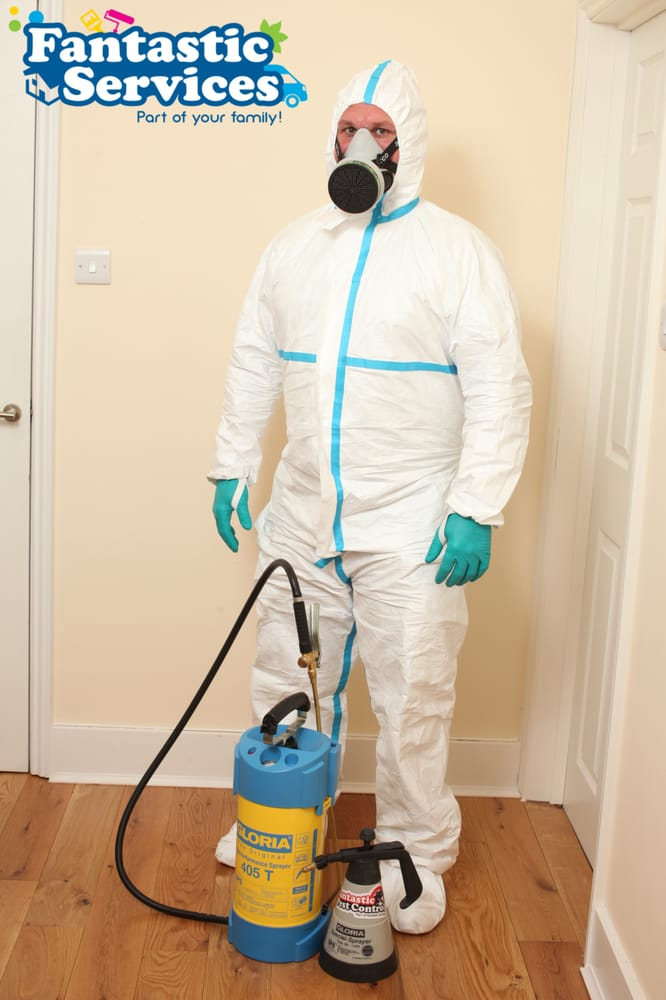
Standard cleaning does not kill viruses like Norovirus or COVID-19 effectively unless specific "fogging" or deep-clean protocols are used. A safety-compliant provider will have a predefined Biohazard Response Plan that includes specialized PPE (like N95 masks and Tyvek suits) and hospital-grade disinfectants.
Spill Containment Training
Every cleaning cart should be equipped with a mini-spill kit. Staff should be trained on how to contain a leak—whether it’s a cleaning chemical or a leaking gallon of milk in a breakroom—to prevent it from entering the drainage system or creating a slip hazard.
Evaluating the "Paper Trail"
When you are deep in the vetting process, ask to see the following three "live" documents:
-
The Training Matrix: A spreadsheet showing every employee and the dates they completed specific safety modules.
-
Equipment Log: A record of when each vacuum, polisher, and scrubber was last inspected for safety.
-
The Incident Log: Do not be afraid of a company that has incidents listed. Be afraid of a company that has a perfectly blank log. A blank log usually means things are being hidden; a populated log with "Corrective Actions" shows a company that learns and improves.
Frequently Asked Questions
1. What is the most important safety document to ask for?
The Risk Assessment and Method Statement (RAMS) is essential, as it details how the provider will mitigate risks specific to your building.
2. How do color-coded cleaning systems improve safety?
They prevent cross-contamination. For example, red cloths are used for high-risk areas like toilets, while blue is used for general dusting, ensuring bacteria aren't spread from the bathroom to a desk.
3. Does a cleaning company need specific insurance?
Yes. They should have Public Liability and Employers' Liability insurance at a minimum. For specialized environments, they may also need Professional Indemnity insurance.
4. What is COSHH?
COSHH stands for Control of Substances Hazardous to Health. It is a set of regulations requiring employers to control substances that can harm workers' health.
5. How often should cleaning staff be retrained on safety?
At a minimum, safety training should be refreshed annually, or whenever new equipment or chemicals are introduced to the site.
6. Can I ask for references regarding safety?
Absolutely. Ask for a reference from a client in a similar industry to see how the provider handled safety challenges on their site.
7. Why is "contact time" important for disinfectants?
If a disinfectant is wiped off too quickly, it won't kill the target pathogens. Safety-trained cleaners know the specific "dwell time" required for each chemical.
8. What should I look for in a "Safety Data Sheet" (SDS)?
An SDS should provide information on the chemical’s hazards, handling instructions, and first-aid measures. These should be easily accessible to anyone on-site.
9. How do automated dispensers help with safety?
They eliminate the need for manual pouring and mixing, which reduces the risk of chemical splashes and ensures the solution is never too concentrated (harmful) or too diluted (ineffective).
10. What is a "Safety Audit"?
A safety audit is a periodic walkthrough where you and the provider check for compliance with the agreed-upon safety guidelines, such as checking the condition of equipment and the use of PPE.

Disclaimer: The information provided in this article is for general informational and research purposes only. Company details, features, services, and market positions may change over time. Readers are advised to visit official company websites and conduct independent research before making any business decisions or purchasing services.
Most Searchable Keywords

Recent Blogs
-

Explore Supermarkets in Chepstow and the Surrounding Wye Valley
-
Elite Guide to Taxi and Private Hire Services in Hereford
-
Explore Fuel and Roadside Convenience Across Beckington Today
-
Explore Abergavenny Tyre Services with Expert Local Fitters
-
Claim Your HMRC UK Tax Refund Before Application Deadlines

Related Listings
-
Platinum Exterior Cleaning
-
End of Tenancy Cleaning Agency
-
Royal Cleaning
-
FastKlean
-
Fantastic Services

Categories
- Accountants (295)
- Advertising Agencies (559)
- Architects (149)
- Automobiles (376)
- Beauty (300)
- Carpenters (146)
- Cleaning Services (386)
- Dentists (189)
- Driving (61)
- Electricians (215)
- Energy (7)
- Event Organiser (683)
- Finance (597)
- Guide (3358)
- Health (2205)
- Information technology (206)
- Legal Services (352)
- Logistics (6)
- Maintenance (65)
- Manufacturing (35)
Sponsored Listings in Cleaning Services


Related Blogs

Explore Supermarkets in Chepstow and the Surr...
Read this insightful article "Explore Supermarkets in Chepstow and the Surrounding Wye Valley" to expand your knowledge!

Elite Guide to Taxi and Private Hire Services...
Read this insightful article "Elite Guide to Taxi and Private Hire Services in Hereford" to expand your knowledge!

Explore Fuel and Roadside Convenience Across...
Read this insightful article "Explore Fuel and Roadside Convenience Across Beckington Today" to expand your knowledge!
Questions & Answers – Find What
You Need, Instantly!
How can I update my business listing?
Is it free to manage my business listing?
How long does it take for my updates to reflect?
Why is it important to keep my listing updated?
