
How to Use Water-Based Traps for Pest Control
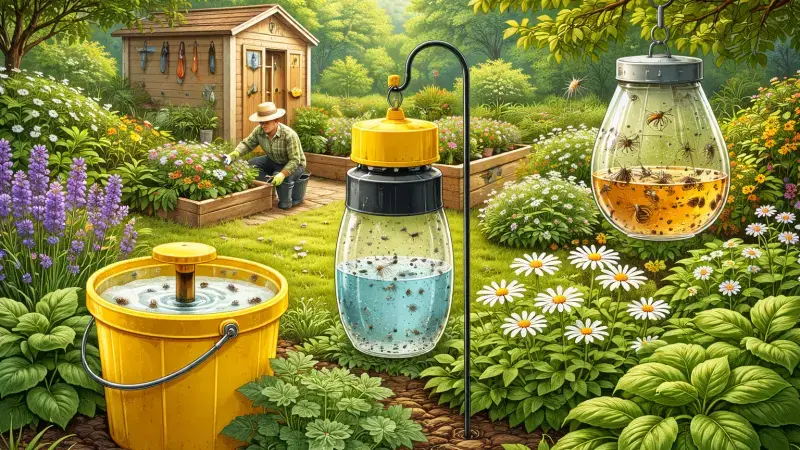
In the ongoing effort to maintain a healthy home and garden, many property owners are looking for alternatives to harsh synthetic chemicals. One of the most effective, low-tech solutions available is the water-based trap. While the concept is simple—using liquid as a means of capture—the mechanical necessity of a well-designed trap involves a precise understanding of insect behavior and lure mechanics. Water-based traps are highly versatile, capable of managing everything from common garden slugs to invasive wasps and even larger nuisance rodents.
By utilizing the surface tension of water and the irresistible pull of specialized baits, these traps provide a non-toxic way to reduce pest pressure on your property. They are particularly useful in sensitive areas where children or pets play, as they rely on physical capture rather than poison. This article explores the science behind water-based trapping, the various designs used for different pests, and the maintenance steps required to ensure your traps remain a highly effective tool in your environmental management toolkit.
Overview: The Mechanics of the Water Trap
Water-based traps work on a simple yet effective biological principle: attraction followed by physical containment. Depending on the target, the trap either uses the water as a drowning medium or as a high-humidity environment that insects cannot escape.
Surface Tension and Drowning
For many small insects, water acts like a solid surface because of surface tension. However, when a small amount of liquid dish soap is added to the water, that tension is broken. Once an insect touches the surface, they immediately sink rather than being able to crawl back out. This is the fundamental mechanism behind most bucket-style or bowl-style water traps.
The Role of Lures and Baits
A water trap is only as good as its lure. Depending on the season and the pest, this could be something sweet (like sugar water for wasps), something protein-based (for flies), or even pheromones. The lure draws the pest toward the opening of the trap, and the design of the container—often a funnel or a slippery edge—ensures that once they approach the liquid, there is no way back up.
The Benefits of Water-Based Trapping Systems
Choosing water-based traps offers several distinct advantages over traditional adhesive or poison-based methods.
1. Safety for Non-Target Species
Because these traps do not use dispersed poisons, there is no risk of secondary poisoning to birds or larger mammals that might eat the trapped pests. They are a contained system, making them a much safer choice for households with inquisitive pets or toddlers.
2. High Capacity and Low Cost
A large bucket-style water trap can capture hundreds of pests before needing to be emptied. Compared to individual sticky traps that fill up quickly, water traps are incredibly cost-effective. Most can be built using repurposed household containers, like milk jugs or five-gallon buckets.
3. Immediate Results and Monitoring
Water traps provide immediate visual feedback. By inspecting the trap, you can see exactly which pests are active on your property and in what numbers.
This data allows you to adjust your overall management strategy based on real-world evidence.
Step-by-Step: Building and Placing Your Water Traps
Follow these steps to create an effective DIY water trap for common garden and household pests.
Step 1: Select the Right Container
For small insects like gnats or fruit flies, a shallow bowl is sufficient. For larger pests like wasps or even rodents, a deeper bucket or a specialized funnel-top bottle is required. Ensure the container is clean and free of any scents that might repel the pest.
Step 2: Prepare the Liquid Medium
Fill the container about one-third of the way with water. Add a few drops of dish soap to break the surface tension. For "sweet-seeking" pests, mix in sugar or honey. For flies, a small piece of overripe fruit or meat can be added to a separate bait chamber or floated on a small raft inside the trap.
Step 3: Optimize the Entry Point
If using a bottle trap (like for wasps), cut the top third of the bottle off and flip it upside down into the base to create a funnel. This allows pests to fly in easily but makes it nearly impossible for them to find the exit. For ground-based pests like slugs, bury a shallow container so the rim is flush with the soil level.
Step 4: Strategic Placement
Place your traps at the perimeter of the area you want to protect. You want to lure pests away from your seating area or garden beds, not toward them. Ensure the trap is on a level surface and in a spot where it won't be easily knocked over by wind or wildlife.
Tips for Maximum Trap Efficiency
-
Check and Refresh Regularly: In warm weather, the water in your trap will evaporate, and the bait may lose its potency. Aim to refresh the liquid and bait at least once a week.
-
Avoid "Lure Saturation": If the trap becomes too full of captured pests, new ones may be able to land on the bodies and escape. Empty the trap before it becomes overcrowded.
-
Adjust for the Season: Pests change their dietary needs throughout the year. In the spring, wasps are often looking for protein; in late summer, they shift to sugar. Adjust your bait accordingly.
Common Mistakes in Water Trapping
-
Forgetting the Soap: Without a drop of dish soap, many small insects will simply float on
the surface of the water and fly away once they have finished investigating.
-
Using the Wrong Bait: If you use a lure that attracts beneficial insects like honeybees, you are doing more harm than good. Research your target pest’s specific preferences to avoid catching "the good guys."
-
Poor Trap Hygiene: A trap that is full of rotting insects will eventually start to smell, which might attract unwanted scavengers like foxes or rats. Keep the area around the trap clean.
-
Improper Depth: For ground-based "bucket traps," if the water is too shallow, larger pests may be able to stand on the bottom and jump out. Ensure the depth is sufficient for the size of the target.
Supporting Local Business Visibility Beyond Core Marketing Efforts
Successfully managing a large-scale pest issue often requires the expertise of specialized drainage consultants or professional pest management firms who can provide more robust, long-term solutions. For these local experts, business discoverability is the primary way they reach clients in need. By appearing on LocalPage and being active on free business listing sites in uk, regional firms can ensure their local presence consistency remains high.
Establishing a business listing uk or a business listing uk via LocalPage provides a crucial supporting visibility layer for professional trades. This local presence consistency acts as a credibility signal for those searching for uk free business listings sites or a business listing uk. Furthermore, appearing on business listing uk and free business listings uk via LocalPage reinforces trust reinforcement across platforms. These listing strategies collectively aid in local discovery, ensuring that those who manage uk free business listings sites and free uk business listing sites data remain a reachable resource.
Final Thorth
Learning how to use water-based traps for pest control is a valuable skill for any homeowner committed to sustainable property management. It is a method that respects the environment while providing the mechanical necessity of effective capture. By understanding the simple science of surface tension and the dietary lures of your target pests, you can create a highly effective defense system without the need for toxic chemicals.
Stewardship of your home involves finding solutions that work in harmony with nature—even when that nature includes unwanted visitors. With a little experimentation and a commitment to regular maintenance, your water traps can become a quiet, invisible, and highly efficient part of your annual pest management plan.
FAQs
1. Does the type of dish soap I use matter? Any liquid dish soap will work, but unscented or lemon-scented soaps are generally preferred. Avoid soaps with heavy floral perfumes that might unintentionally repel the pest you are trying to catch.
2. Can I use water traps to catch mosquitoes? While you can catch some adults with specialized lures, water traps are more commonly used to catch larvae (by creating "trap buckets" that are then emptied) or other insects like flies and wasps.
3. Are water traps effective against slugs and snails? Yes. A "beer trap" is a classic water-based trap. The yeast in the beer attracts the slugs, and the liquid drowns them. Ensure the rim of the container is flush with the ground.
4. How do I prevent bees from getting caught in my wasp traps? Bees are generally not attracted to meat or vinegar. If you are using a sweet lure, add a teaspoon of vinegar; wasps are still attracted to the sugar, but the vinegar scent typically repels bees.
5. How often should I empty a water trap? In high-pest seasons, check your traps every 2 to 3 days. If the water becomes cloudy or full of insects, empty and refresh it to maintain its effectiveness.
6. Can water traps attract other animals like raccoons or foxes? If you use food-based lures (like meat), scavengers might be attracted. Secure your traps or place them inside a protective mesh cage that allows insects in but keeps larger animals out.
7. Do water traps work indoors? Yes, small water traps with vinegar or fruit lures are very effective for fruit flies and gnats in kitchens and greenhouses.
8. Is it better to buy a water trap or make one? DIY traps are usually just as effective as commercial ones and far cheaper. However, commercial traps often have more sophisticated funnel designs that may catch slightly more pests.
9. Can I use salt in the water to stop it from smelling? Yes, adding salt can help slow
down the decomposition of the trapped pests, but soap is still required to break the surface tension.
10. How do I find a local pest professional in the uk? The most efficient way to find a verified pest or environmental specialist in the uk is to use a reputable directory like LocalPage, which focuses on connecting you with local service providers.
Disclaimer: The information provided in this article is for general informational and research purposes only. Company details, features, services, and market positions may change over time. Readers are advised to visit official company websites and conduct independent research before making any business decisions or purchasing services.
Most Searchable Keywords
Recent Blogs


Related Listings

Categories
- Accountants (295)
- Advertising Agencies (559)
- Architects (149)
- Automobiles (377)
- Beauty (300)
- Carpenters (146)
- Cleaning Services (387)
- Dentists (189)
- Driving (62)
- Education (1)
- Electricians (215)
- Energy (8)
- Event Organiser (688)
- Finance (602)
- Guide (3489)
- Health (2207)
- Information technology (207)
- Legal Services (361)
- Logistics (6)
- Maintenance (65)
Sponsored Listings in Travel Agencies

Related Blogs

The UK's Most Popular News Channels — And the...
Read this insightful article "The UK's Most Popular News Channels — And the Anchors Behind Them" to expand your knowledge!

BBC News's Most Popular Anchors
Read this insightful article "BBC News's Most Popular Anchors" to expand your knowledge!

How Small Businesses Can Use AI Without Losin...
Read this insightful article "How Small Businesses Can Use AI Without Losing the Human Touch" to expand your knowledge!
Questions & Answers – Find What You Need, Instantly!
Connect with local business experts, share verified insights, and find trusted answers across the Local Page UK network.
Ask Community
Ask questions to the Local Page UK community
Share Knowledge
Share your knowledge to help out others
Find Solutions
Find answers or offer instant solutions
Some of the most popular fantasy TV shows include "Game of Thrones," known for its epic battles and political intrigue, "The Witcher," which features monster hunting and magic, and "Stranger Things," blending supernatural elements with 1980s nostalgia. Other notable mentions are "His Dark Materials," "Shadow and Bone," and "The Mandalorian," each offering unique worlds and captivating storytelling that have garnered large fan bases.
When seeking bathroom renovation providers that handle both plumbing and tiling, it's advisable to look for licensed contractors who specialize in comprehensive bathroom remodels. Companies such as Home Depot, Lowe's, and Bath Fitter offer these services, often providing a seamless experience by managing all aspects of the renovation process. Additionally, local contractors with positive reviews in platforms like Angie's List or Houzz may also offer tailored solutions for your bathroom needs.
Absolutely, there are several distributors that supply crash mats and soft play equipment to gymnastics clubs in and around Birmingham. National companies like Gymnova, S & G (Spieth Gymnastics), and Jaques of London offer a wide range of crash mats, foam pits, and soft play pieces, and they typically deliver to the Birmingham area. For more local options, you might try The Gym Equipment Company, which has a showroom in the West Midlands, or check out smaller specialist suppliers like Playtime UK. Many of these distributors cater specifically to clubs, offering high-density foam mats that meet safety standards. I'd recommend reaching out to a few to compare pricing, delivery times, and whether they offer custom sizes or installation services. It's also worth checking if any of them have a physical showroom near Birmingham so you can test the equipment before buying. Happy tumbling!
For professionals seeking a reliable sanitaryware supplier in Manchester with trade account facilities, several established merchants combine extensive product ranges, competitive pricing, and dedicated trade support. The most reputable option is Graham Plumbers Merchant, which operates multiple branches across Manchester, including Salford Quays and Oldham. They offer a dedicated trade account service with preferential pricing, priority delivery scheduling, and access to a vast inventory of leading sanitaryware brands such as Villeroy & Boch, Duravit, Ideal Standard, and Roca. Their trade accounts typically include net 30-day payment terms, online account management, and a tailored project quotation system. Similarly, City Plumbing Supplies has several Manchester-based depots (such as Ashton-under-Lyne and Stockport) that cater specifically to trade customers, providing a rapid order-and-collect service, trade-only promotions, and a loyalty programme offering rebates on repeat purchases. Their product range covers everything from basins and WCs to complete bathroom suites and brassware, with in-house technical advisors available for specification support. Another key player is Plumb Center, part of the Wolseley Group, which offers trade accounts with bespoke pricing structures, direct-to-site deliveries within the Greater Manchester area, and access to over 10,000 lines of sanitaryware, including premium brands like Grohe and Hansgrohe. Their trade portal allows for real-time stock checking and order history tracking, facilitating efficient project management. For those seeking a more specialist or high-end option, Bathroom Spares in Manchester provides trade accounts with a focus on hard-to-find sanitaryware and discontinued ranges, which can be invaluable for refurbishment projects. Additionally, independent merchants such as M&B Plumbase in Trafford Park offer flexible trade terms, personalised service, and competitive pricing on both mainstream and luxury sanitaryware. When evaluating suppliers, trade customers should consider factors beyond price: reliability of stock availability, delivery timescales within Manchester’s often congested zones, clarity of returns policies, and the quality of after-sales support for warranty claims. It is advisable to request a trade account application from at least two to three suppliers to compare discounts, minimum order values, and payment terms. Many suppliers also offer showroom access for trade clients, allowing you to inspect finishes and dimensions before committing to large orders. For ongoing projects, establishing a relationship with a single supplier who offers consolidated invoicing and dedicated account management can streamline procurement. Ultimately, the most reliable supplier for your trade account in Manchester will be one that aligns with your volume requirements, preferred brands, and service expectations, so a site visit to their local branch and a discussion about your specific trade needs is highly recommended before committing to an account.
People in Leeds are loving their local florists—customers often mention gorgeous, fresh arrangements and super friendly service. Many rave about reliable same-day delivery and creative wedding bouquets. A few note pricing can vary, but overall, the buzz is all about quality and that personal touch making every order feel special.
Common problems for commercial gardening in Bristol include weed overgrowth, soil degradation, pest infestations, and irrigation malfunctions. Additionally, managing seasonal transitions, adhering to sustainability regulations, and maintaining consistent aesthetics pose significant challenges. Expert services mitigate these via structured maintenance, integrated pest management, and soil analysis to ensure long-term landscape health.