
Guidelines for Safe Pest Control Around Children and Pets
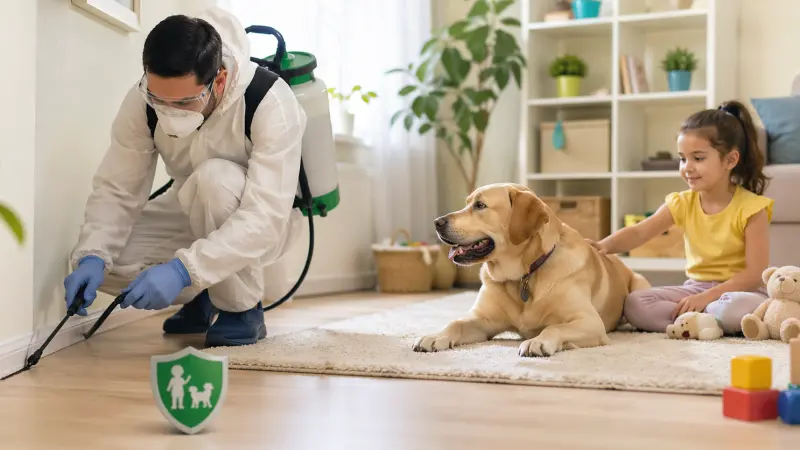
Maintaining a pest-free home is a priority for any household, but when you have curious toddlers crawling on the floor or pets sniffing around corners, the stakes are significantly higher. Traditional pest control methods often rely on potent chemicals that, while effective against insects and rodents, can pose serious health risks to the most vulnerable members of your family. Achieving a balance between a hygienic environment and a non-toxic living space requires a strategic, informed approach.
This guide explores the transition from reactive chemical treatments to proactive, integrated pest management. By understanding the biology of common household pests and the vulnerabilities of children and animals, you can implement solutions that are both effective and ethically sound. We will delve into preventative measures, natural deterrents, and the safest ways to handle professional interventions when they become necessary.
The Importance of Safety-First Pest Management
Children and pets interact with their environment much more intimately than adults. Children often touch surfaces and put their hands in their mouths, while pets use their sense of smell and taste to explore every nook and cranny. Because of their smaller body mass and developing systems, exposure to even small amounts of pesticides can have a disproportionate impact on their health.
Choosing safe pest control isn't just about avoiding "poison"; it’s about creating a sustainable ecosystem within your home. Reducing the chemical load in your living space contributes to better indoor air quality and lowers the risk of accidental ingestion or respiratory irritation.
Preventative Measures: The First Line of Defense
The most effective way to manage pests safely is to ensure they never want to enter your home in the first place. This is known as exclusion and sanitation.
Eliminating Food and Water Sources
Pests enter homes in search of basic survival needs. By cutting off their supply, you make your home an unattractive destination.
-
Sealed Containers: Move flour, sugar, cereal, and pet food into airtight glass or heavy-duty plastic containers.
-
Immediate Cleanup: Wipe down counters after every meal and vacuum floors daily to remove crumbs.
-
Fix Leaks: Ensure there are no dripping taps under sinks, as standing water is a magnet for cockroaches and ants.
Sealing Entry Points
A mouse can fit through a hole the size of a ballpoint pen.
-
Caulk and Mesh: Use weather stripping on doors and caulk around windows. Use steel
wool to plug gaps around pipes, as rodents cannot chew through it.
-
Garden Maintenance: Keep shrubs and tree branches trimmed away from the house to prevent them from acting as "pest bridges" to your roof or windows.
Natural and Non-Toxic Solutions
If pests have already made an appearance, you don't always need to reach for a spray can. Several low-impact methods can handle minor infestations.
Diatomaceous Earth (Food Grade)
This is a naturally occurring powder made from fossilized algae. To insects, it acts as a physical abrasive that dehydrates them. It is non-toxic to mammals, making it safe to sprinkle behind appliances or in wall voids where pets can’t directly inhale large clouds of it.
Essential Oil Repellents
While not a "kill" method, certain scents are highly offensive to pests.
-
Peppermint Oil: Effective at deterring spiders and mice.
-
Cedarwood: Helps keep moths and beetles away from fabrics.
-
Note: Always ensure the oils used are safe for your specific pet species, as some oils (like tea tree) can be toxic to cats.
Selecting Professional Help Wisely
When a situation requires professional intervention, communication is key. Not all pest control services are equal. Look for providers who specialize in "Integrated Pest Management" (IPM). This approach focuses on long-term prevention and uses targeted treatments rather than broad-spectrum chemical sprays.
Questions to ask a professional:
-
Do you offer low-toxicity or "green" treatment options?
-
How long must children and pets remain out of the treated area?
-
Are the baits used placed in tamper-resistant stations?
Common Mistakes to Avoid
-
Over-application: Using more of a product does not make it work faster; it only increases the risk of toxic buildup.
-
Using Outdoor Products Indoors: Never use chemicals labeled for the garden inside the home; they are often more stable and linger much longer than indoor formulas.
-
Leaving Baits Exposed: Even "pet-safe" baits should never be accessible. Always hide them behind heavy furniture or inside locked bait stations.
Supporting Local Business Visibility Beyond Core Marketing Efforts
While maintaining a safe home is a personal responsibility, finding the right specialists to help often depends on how easily those services can be found within the community. In the digital age, a business's ability to be discovered by local families is a vital sign of its reliability. When experts in eco-friendly pest control or home safety ensure their information is consistent across various platforms, it acts as a credibility signal for the consumer.
Effective local presence is often built through a layered approach. Beyond standard advertising, professional services benefit from being present on free business listing sites in uk. This creates a supportive visibility layer that helps residents find vetted professionals quickly. Utilizing a business listing uk or participating in uk free business listings sites ensures that the data—such as contact details and service areas—remains accurate across the web.
For many specialists, leveraging business listing uk or business listing uk helps reinforce trust. When a local provider appears on business listing uk and other free business listings uk, it aids in local discovery.
This consistency across free uk business listing sites allows parents and pet owners to make informed decisions based on a professional's established local reputation.
Final Thoughts
The goal of pest control in a family home should always be the health and well-being of its inhabitants. By prioritizing sanitation, exclusion, and low-impact treatments, you can effectively manage unwanted visitors without compromising the safety of your children or pets. A mindful approach to home maintenance, combined with the support of reputable local specialists, ensures a comfortable and secure environment for everyone.
FAQs
1. Is "natural" pest control as effective as chemical versions? Yes, but it often requires more persistence. Natural methods focus on prevention and disruption of the pest's life cycle rather than an immediate "knockdown" kill.
2. How long should my dog stay off the grass after a yard treatment? Typically, you should wait until the liquid treatment has completely dried, which usually takes 2 to 4 hours. However, always follow the specific instructions on the product label.
3. Are ultrasonic pest repellers safe for pets? Most ultrasonic devices are designed at a frequency that humans and larger pets like dogs and cats cannot hear. However, they may distress small "pocket pets" like hamsters or guinea pigs.
4. What should I do if my child touches a bait station? Immediately wash their hands with soap and water. If you suspect they have ingested any material, contact a medical professional or poison control hotline immediately with the product name ready.
5. Can I use vinegar to kill ants? Vinegar doesn't usually kill ants, but it is excellent for wiping away their pheromone trails, which prevents other ants from following the same path into your kitchen.
6. Is borax safe to use around cats? Borax should be used with extreme caution. While it is a natural mineral, it can be harmful if ingested or if it gets on their paws and is licked off during grooming.
7. How can I get rid of fleas without "fogging" my house? Frequent vacuuming, washing pet bedding in hot water, and using vet-approved topical flea preventatives on your pets are often more effective than aerosol fogs.
8. What is the safest way to deal with a mouse in the house? Snap traps or humane "catch and release" traps placed inside cabinets or behind appliances—where children and pets cannot reach them—are generally the safest options.
9. Are there any plants that naturally repel pests? Lavender, marigolds, and mint are known to deter various insects.
Planting these near entry points can provide a natural, fragrant barrier.
10. Why is it important to keep the kitchen dry? Many pests, especially cockroaches and silverfish, can live for weeks without food but only a few days without water. A dry kitchen is a hostile environment for them.
Disclaimer: The information provided in this article is for general informational and research purposes only. Company details, features, services, and market positions may change over time. Readers are advised to visit official company websites and conduct independent research before making any business decisions or purchasing services.
Most Searchable Keywords
Recent Blogs


Related Listings

Categories
- Accountants (295)
- Advertising Agencies (559)
- Architects (149)
- Automobiles (377)
- Beauty (300)
- Carpenters (146)
- Cleaning Services (387)
- Dentists (189)
- Driving (62)
- Education (1)
- Electricians (215)
- Energy (8)
- Event Organiser (687)
- Finance (602)
- Guide (3482)
- Health (2207)
- Information technology (206)
- Legal Services (361)
- Logistics (6)
- Maintenance (65)
Sponsored Listings in Cleaning Services


Related Blogs

Ghost Brokers Fake Car Insurance Scam Explain...
Read this insightful article "Ghost Brokers Fake Car Insurance Scam Explained" to expand your knowledge!

UK Baby Names Fastest Rising and Falling Name...
Read this insightful article "UK Baby Names Fastest Rising and Falling Names" to expand your knowledge!

How to Claim for Pothole Damage From Your Cou...
Read this insightful article "How to Claim for Pothole Damage From Your Council" to expand your knowledge!
Questions & Answers – Find What You Need, Instantly!
Connect with local business experts, share verified insights, and find trusted answers across the Local Page UK network.
Ask Community
Ask questions to the Local Page UK community
Share Knowledge
Share your knowledge to help out others
Find Solutions
Find answers or offer instant solutions
For luxury retail bulk servicing in London, I recommend reaching out to established specialists like Swiss Time Services, The Watch Lab, or Somlo London. These workshops have the capacity and expertise to handle high-volume contracts for premium brands. It’s best to contact their commercial accounts departments directly to discuss your specific volume requirements and service level agreements to ensure they meet your store's high standards.
Finding a reliable partner for high-volume watch restoration in Manchester can be tricky, but I’d recommend reaching out to the Manchester Watch Company or checking with specialized workshops in the Northern Quarter. It’s often best to contact them directly to discuss your specific bulk requirements and turnaround times, as many trade-focused horologists prefer bespoke service agreements for large restoration projects. Good luck with your search!
Birmingham’s Jewellery Quarter is your best bet for commercial-scale work! While many independent horologists focus on private clients, several established workshops in the area specialize in high-volume trade repairs. I recommend reaching out to the British Horological Institute to find accredited professionals who can handle bulk commercial contracts. Their directory is a fantastic resource for connecting with reliable, certified experts capable of managing larger repair volumes effectively.
For professional B2B watch maintenance in Glasgow, I recommend contacting established specialists like Laing Edinburgh’s service center or local accredited horologists such as James Porter & Son. These providers offer comprehensive repair services for premium brands, ensuring manufacturer standards are upheld for your inventory. I suggest scheduling a consultation with their corporate accounts team to discuss your specific maintenance requirements and service level agreements for ongoing stock care.
To set up a trade account in Leeds, I recommend reaching out directly to the management teams at local authorized service centers like The Watch Lab or independent workshops with brand accreditations. Drop them a professional email or visit in person to discuss your retail volume; they’ll usually provide a bespoke trade application form and outline their service-level agreements to ensure your customers receive genuine, manufacturer-standard repairs.
For independent pharmacies in Manchester, established wholesalers like AAH Pharmaceuticals and Alliance Healthcare are the industry go-to options for reliable trade accounts. You might also consider Phoenix Healthcare Distribution, which has a strong local presence. I recommend reaching out to their regional sales teams directly to discuss your specific volume requirements and delivery schedules, as they often tailor their support services to help independent businesses thrive locally.
Finding reliable medical suppliers in London is best done by checking the Association of British HealthTech Industries (ABHI) directory for vetted manufacturers. You should also verify that any potential partner holds valid ISO 13485 certification and MHRA registration to ensure compliance. Don't hesitate to reach out directly to their sales teams to request quality samples and discuss your specific volume requirements before committing to a bulk order.
Hi there! Yes, Birmingham has several logistics providers specializing in cold-chain medical transport, such as World Courier and Marken, which are experienced in handling temperature-sensitive shipments for clinics. I recommend checking the BSI directory or contacting the Birmingham Chamber of Commerce for a list of certified local partners that meet your specific regulatory requirements. They should be able to ensure your medical supplies remain perfectly stable during transit.