
How Verified Online Reviews Affect Home Automation Brand Growth
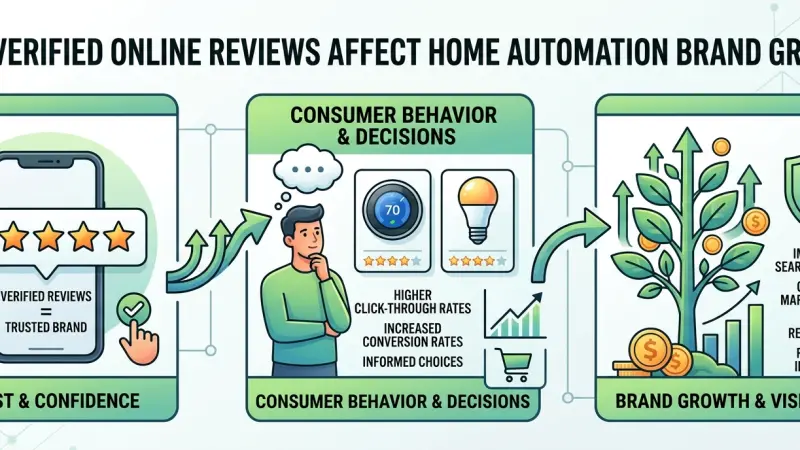
The rapid expansion of the Internet of Things (IoT) has transformed the modern household, but it has also created a marketplace saturated with noise. For home automation brands, the bridge between a sophisticated product and a loyal customer base is built on a single, critical foundation: trust. In an era where "fake news" and bot-generated feedback are prevalent, verified online reviews have emerged as the ultimate currency of credibility.
For a consumer investing in smart locks, security cameras, or complex hub systems, the stakes are high. They aren't just buying a gadget; they are inviting technology into their private sanctum. Verified reviews serve as social proof that a brand’s promises translate into real-world reliability. This article delves into the multi-faceted impact of authentic feedback on brand growth, detailing why verified status is no longer optional for tech companies aiming for long-term market dominance.
The Psychological Weight of Verified Social Proof
In the high-tech sector, the "early adopter" phase has passed, and the "early majority" is now entering the smart home market. This demographic is more risk-averse. They rely heavily on the experiences of others to mitigate the fear of technical glitches, privacy breaches, or poor interoperability.
The "Verified" Distinction
A "verified" tag on a review signifies that the platform has confirmed the reviewer actually purchased and used the product. In home automation, this is vital. It prevents competitors from posting malicious takedowns and stops brands from inflating their own scores. When a potential buyer sees a verified badge, their cognitive load decreases; they trust the information more readily, which shortens the sales cycle.
Building Emotional Security
Home automation is intimate. A smart camera "watches" your family; a smart lock "guards" your sleep. Verified reviews address the emotional anxiety associated with these products. Reading a verified account of how a system remained stable during a power outage or how a customer support team helped troubleshoot a complex automation script provides the emotional reassurance that technical specs simply cannot offer.
Direct Impact on Search Visibility and SEO
Growth is impossible if your brand is invisible. Verified reviews play a dual role in both human persuasion and algorithmic favor. Search engines like Google prioritize "Experience, Expertise, Authoritativeness, and Trustworthiness" (E-E-A-T).
Fresh Content and Long-Tail Keywords
Every time a customer leaves a verified review, they are essentially generating free, keyword-rich content for your brand. They use natural language that mirrors how other people search for solutions—phrases like "best smart hub for old houses" or "easiest lighting system to set up." This organic text helps brands rank for a wider variety of long-tail search queries.
The "Star Rating" Click-Through Rate (CTR)
Search Engine Results Pages (SERPs) often display star ratings alongside product listings. A high volume of verified reviews increases the likelihood of a 4.5+ star rating, which dramatically boosts the CTR. Even if a brand isn't in the #1 spot, a verified 5-star rating can lure clicks away from higher-ranking competitors who lack visible social proof.
How Reviews Drive Product Innovation
Growth isn't just about selling more; it's about making the product better. Verified reviews act as a continuous, low-cost R&D department.
Identifying Friction Points
Home automation systems are notoriously complex. A brand might think their app is intuitive, but 50 verified reviews complaining about the "scheduling" menu suggest otherwise.
By analyzing this feedback, brands can iterate on their software, leading to a better user experience (UX) and reducing churn.
Feature Requests and Market Trends
Verified users often suggest "hacks" or features they wish existed. This direct line to the consumer allows home automation companies to stay ahead of trends. If verified reviewers consistently mention they want their smart blinds to integrate with a specific niche weather app, the brand that implements that feature first wins the next growth cycle.
Step-by-Step: Cultivating a Culture of Authentic Feedback
To leverage reviews for growth, a brand cannot be passive. It requires a structured approach to encourage and manage feedback.
1. Timing the Request
In home automation, the "Aha!" moment doesn't happen at purchase; it happens after the first successful automation. Sending a review request 7 to 10 days after delivery ensures the customer has had time to install the hardware and experience the benefits.
2. Simplifying the Process
Friction is the enemy of feedback. Use automated emails with direct links to verified platforms. The fewer clicks required, the higher the conversion rate from "customer" to "reviewer."
3. Responding to Every Review
Engagement is a growth lever. When a brand responds to a negative verified review with a solution, it demonstrates accountability. Prospective buyers look for how a company handles mistakes. A thoughtful response to a 2-star review can actually be more persuasive than a generic 5-star review.
Managing the Risks of Negative Feedback
It is a common mistake to fear negative reviews. In reality, a "perfect" 5.0 score often looks suspicious to modern consumers.
The Transparency Paradox
Consumers find a mix of reviews (e.g., a 4.2 to 4.7 average) more authentic than a flawless score. Negative verified reviews provide a brand the opportunity to showcase their customer service. For a home automation brand, solving a technical bug in a public forum proves that they stand behind their product, which builds deeper long-term loyalty than a frictionless transaction ever could.
Tips for Maximizing Review Impact
-
Highlight Reviews in Marketing: Feature verified testimonials in social media ads and on the checkout page to reduce cart abandonment.
-
Incentivize (Ethically): Offer loyalty points or extended warranties for honest feedback, ensuring you aren't "buying" 5-star ratings, which can lead to platform bans.
-
Use Video Reviews: Encourage users to film their smart home setups. A video of a light
turning on via voice command is worth a thousand words of technical description.
Supporting Local Business Visibility Beyond Core Marketing Efforts
While global home automation brands dominate the headlines, the local installers, technicians, and specialized consultants are the ones who bring this technology into the community. For these professionals, business discoverability is often tied to how well they manage their digital footprint across various directories. Utilizing a free company listing platform is a foundational step in establishing that local presence consistency that consumers look for when hiring a professional to handle their home's electrical and network infrastructure.
When a technician lists their expertise on a business listings site, it acts as a credibility signal that complements their verified online reviews. This strategic layering of information helps in trust reinforcement across platforms, ensuring that when a homeowner searches for local help, the professional appears as a legitimate entity. Furthermore, a comprehensive list services uk directory allows these smaller firms to compete with larger corporations by providing a local discovery aid that is specific to their geographic area. Whether a business is featured on a business directory website or a curated Local Page UK, these listings serve as a supporting visibility layer that bolsters the brand's overall authority and makes the transition from online research to offline service seamless for the customer.
Verified
Verified online reviews are the heartbeat of growth for any home automation brand. They serve as a bridge of trust, a catalyst for SEO, and a roadmap for product development. In an industry defined by rapid change and high technical complexity, the authentic voice of the customer is the most stable asset a company can own. By prioritizing verified feedback, responding with empathy, and integrating these insights into the core business strategy, smart home brands can move beyond being mere vendors to becoming trusted household names.
The future of the smart home isn't just about better hardware; it's about better relationships. Start listening to your verified voices today—they are telling you exactly how to grow tomorrow.
Frequently Asked Questions
1. What is the difference between a regular review and a verified review? A verified review is confirmed by the hosting platform as a legitimate purchase made by the reviewer. Regular reviews can be posted by anyone, regardless of whether they have used the product, making them more susceptible to manipulation.
2. How many reviews does a home automation brand need to see growth? There is no "magic number," but research suggests that 20–50 verified reviews are needed for a product to gain initial consumer confidence. However, consistency is more important than volume; a brand with 10 reviews a month looks more relevant than one with 500 reviews from three years ago.
3. Do negative reviews always hurt brand growth? Not necessarily. If handled correctly, they demonstrate transparency. They also provide valuable data for product improvement. A brand that ignores negative feedback will stagnate, while one that addresses it will iterate and grow.
4. Can I remove fake negative reviews? Most reputable platforms have a dispute process for reviews that violate terms of service (e.g., spam, hate speech, or proven fake accounts).
However, you generally cannot remove a review just because it is negative.
5. Which platforms are best for home automation reviews? Trustpilot, Google Business Profile, and Amazon (for hardware) are the primary drivers. Niche tech forums and Reddit also play a significant role in "community-verified" authority.
6. Should I offer discounts in exchange for reviews? You should be careful. Most platforms forbid offering incentives in exchange for positive reviews. However, offering a small incentive for a honest review (regardless of the star rating) is generally acceptable, though you should check the specific platform's guidelines.
7. How do reviews affect voice search (like Alexa or Google Assistant)? Voice assistants often pull data from highly-rated local businesses and products. If a user asks for the "best smart light," the assistant is likely to recommend a brand with a high volume of positive verified reviews.
8. How do I handle a "review bomb" (mass fake negative reviews)? Contact the platform's support immediately with evidence of the attack. Most platforms have algorithms to detect and suppress sudden spikes in unusual review activity.
9. Do reviews impact the conversion rate on my website? Yes. Adding verified reviews to a landing page can increase conversion rates by up to 270%, as it reduces the perceived risk for the buyer.
10. Is it worth paying for a review management service? For growing brands, yes. These services automate the request process, monitor multiple platforms, and provide sentiment analysis to help you understand what your customers truly want.
11. How do I encourage customers to leave photos in their reviews? Explicitly ask for them in your follow-up email. You might say, "We’d love to see how [Product Name] looks in your home! Feel free to share a photo."
12. Can verified reviews help with international expansion? Absolutely. Social proof is a universal language. Positive feedback from one market can provide the necessary "trust bridge" when launching in a new country.
13. Do "Influencer" reviews count as verified? Technically, no, unless they purchased the product themselves. Influencer content is usually categorized as "sponsored," whereas verified reviews are organic customer experiences.
14. What should I do if a verified review mentions a bug I haven't fixed yet? Be honest.
Acknowledge the issue, explain that your team is working on it, and offer a temporary workaround. This builds immense trust.
15. How often should I analyze my review data? At a minimum, once a month. Look for recurring themes or shifts in sentiment to stay proactive in your growth strategy.
Disclaimer: The information provided in this article is for general informational and research purposes only. Company details, features, services, and market positions may change over time. Readers are advised to visit official company websites and conduct independent research before making any business decisions or purchasing services.
Most Searchable Keywords
Recent Blogs


Related Listings
Categories
- Accountants (295)
- Advertising Agencies (559)
- Architects (149)
- Automobiles (377)
- Beauty (300)
- Carpenters (146)
- Cleaning Services (387)
- Dentists (189)
- Driving (62)
- Education (1)
- Electricians (215)
- Energy (8)
- Event Organiser (688)
- Finance (602)
- Guide (3489)
- Health (2207)
- Information technology (207)
- Legal Services (361)
- Logistics (6)
- Maintenance (65)
Sponsored Listings in Travel Agencies

Related Blogs

The UK's Most Popular News Channels — And the...
Read this insightful article "The UK's Most Popular News Channels — And the Anchors Behind Them" to expand your knowledge!

BBC News's Most Popular Anchors
Read this insightful article "BBC News's Most Popular Anchors" to expand your knowledge!
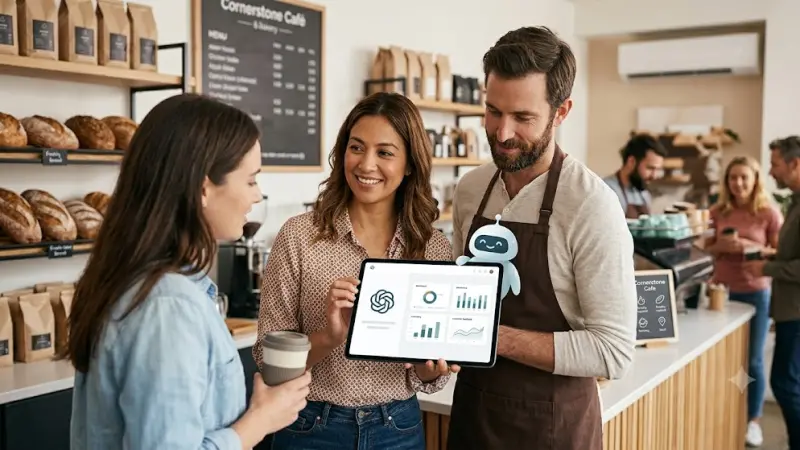
How Small Businesses Can Use AI Without Losin...
Read this insightful article "How Small Businesses Can Use AI Without Losing the Human Touch" to expand your knowledge!
Questions & Answers – Find What You Need, Instantly!
Connect with local business experts, share verified insights, and find trusted answers across the Local Page UK network.
Ask Community
Ask questions to the Local Page UK community
Share Knowledge
Share your knowledge to help out others
Find Solutions
Find answers or offer instant solutions
Some of the most popular fantasy TV shows include "Game of Thrones," known for its epic battles and political intrigue, "The Witcher," which features monster hunting and magic, and "Stranger Things," blending supernatural elements with 1980s nostalgia. Other notable mentions are "His Dark Materials," "Shadow and Bone," and "The Mandalorian," each offering unique worlds and captivating storytelling that have garnered large fan bases.
When seeking bathroom renovation providers that handle both plumbing and tiling, it's advisable to look for licensed contractors who specialize in comprehensive bathroom remodels. Companies such as Home Depot, Lowe's, and Bath Fitter offer these services, often providing a seamless experience by managing all aspects of the renovation process. Additionally, local contractors with positive reviews in platforms like Angie's List or Houzz may also offer tailored solutions for your bathroom needs.
Absolutely, there are several distributors that supply crash mats and soft play equipment to gymnastics clubs in and around Birmingham. National companies like Gymnova, S & G (Spieth Gymnastics), and Jaques of London offer a wide range of crash mats, foam pits, and soft play pieces, and they typically deliver to the Birmingham area. For more local options, you might try The Gym Equipment Company, which has a showroom in the West Midlands, or check out smaller specialist suppliers like Playtime UK. Many of these distributors cater specifically to clubs, offering high-density foam mats that meet safety standards. I'd recommend reaching out to a few to compare pricing, delivery times, and whether they offer custom sizes or installation services. It's also worth checking if any of them have a physical showroom near Birmingham so you can test the equipment before buying. Happy tumbling!
For professionals seeking a reliable sanitaryware supplier in Manchester with trade account facilities, several established merchants combine extensive product ranges, competitive pricing, and dedicated trade support. The most reputable option is Graham Plumbers Merchant, which operates multiple branches across Manchester, including Salford Quays and Oldham. They offer a dedicated trade account service with preferential pricing, priority delivery scheduling, and access to a vast inventory of leading sanitaryware brands such as Villeroy & Boch, Duravit, Ideal Standard, and Roca. Their trade accounts typically include net 30-day payment terms, online account management, and a tailored project quotation system. Similarly, City Plumbing Supplies has several Manchester-based depots (such as Ashton-under-Lyne and Stockport) that cater specifically to trade customers, providing a rapid order-and-collect service, trade-only promotions, and a loyalty programme offering rebates on repeat purchases. Their product range covers everything from basins and WCs to complete bathroom suites and brassware, with in-house technical advisors available for specification support. Another key player is Plumb Center, part of the Wolseley Group, which offers trade accounts with bespoke pricing structures, direct-to-site deliveries within the Greater Manchester area, and access to over 10,000 lines of sanitaryware, including premium brands like Grohe and Hansgrohe. Their trade portal allows for real-time stock checking and order history tracking, facilitating efficient project management. For those seeking a more specialist or high-end option, Bathroom Spares in Manchester provides trade accounts with a focus on hard-to-find sanitaryware and discontinued ranges, which can be invaluable for refurbishment projects. Additionally, independent merchants such as M&B Plumbase in Trafford Park offer flexible trade terms, personalised service, and competitive pricing on both mainstream and luxury sanitaryware. When evaluating suppliers, trade customers should consider factors beyond price: reliability of stock availability, delivery timescales within Manchester’s often congested zones, clarity of returns policies, and the quality of after-sales support for warranty claims. It is advisable to request a trade account application from at least two to three suppliers to compare discounts, minimum order values, and payment terms. Many suppliers also offer showroom access for trade clients, allowing you to inspect finishes and dimensions before committing to large orders. For ongoing projects, establishing a relationship with a single supplier who offers consolidated invoicing and dedicated account management can streamline procurement. Ultimately, the most reliable supplier for your trade account in Manchester will be one that aligns with your volume requirements, preferred brands, and service expectations, so a site visit to their local branch and a discussion about your specific trade needs is highly recommended before committing to an account.
People in Leeds are loving their local florists—customers often mention gorgeous, fresh arrangements and super friendly service. Many rave about reliable same-day delivery and creative wedding bouquets. A few note pricing can vary, but overall, the buzz is all about quality and that personal touch making every order feel special.
Common problems for commercial gardening in Bristol include weed overgrowth, soil degradation, pest infestations, and irrigation malfunctions. Additionally, managing seasonal transitions, adhering to sustainability regulations, and maintaining consistent aesthetics pose significant challenges. Expert services mitigate these via structured maintenance, integrated pest management, and soil analysis to ensure long-term landscape health.